
Quick Take
- This bird is almost impossible to catch in the act, and the best clue to its presence only shows up when most people are asleep. Spot the night song →
- Once the pair settles down, something changes that makes them even harder to find. Why breeding birds go quiet →
- A century-long journey west has brought this species to a surprising new doorstep. Could one place become its stepping stone? Follow the westward spread →
- Good news for rare birds comes with a sobering warning from one conservation expert. Hear the RSPB warning →
A small, nondescript songbird has achieved something no other member of its species has ever been documented doing in Britain. Although Blyth’s reed warblers have occasionally been spotted in the UK over the past few decades, a pair successfully raised at least two fledglings in the Scottish Highlands in 2024.
This find is remarkable because the little bird normally breeds in Scandinavia and Russia, although its range has been shifting west. According to a report from the Rare Breeding Birds Panel (RBBP), the warbler is one of four rare birds to breed in the Highlands in 2024.
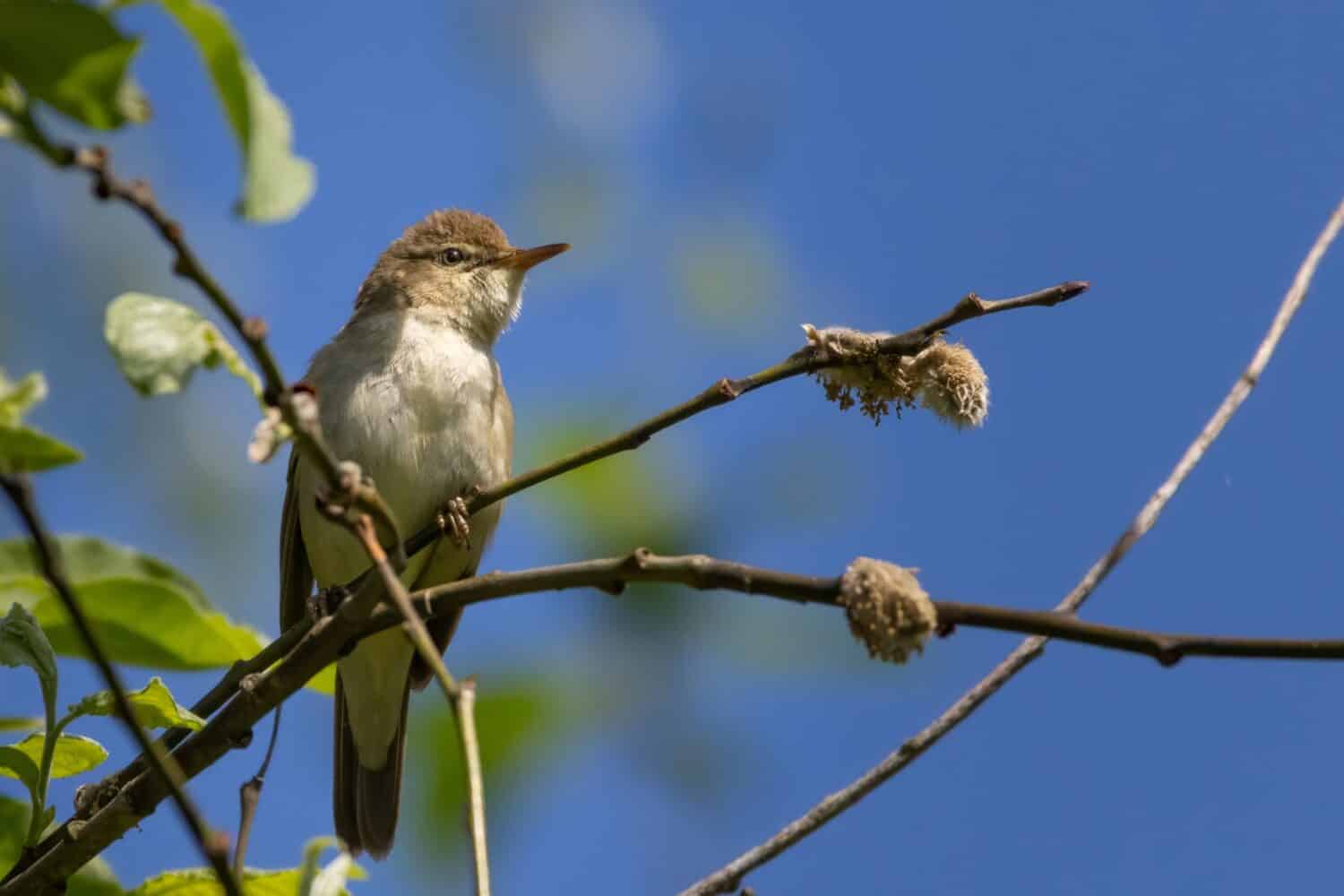
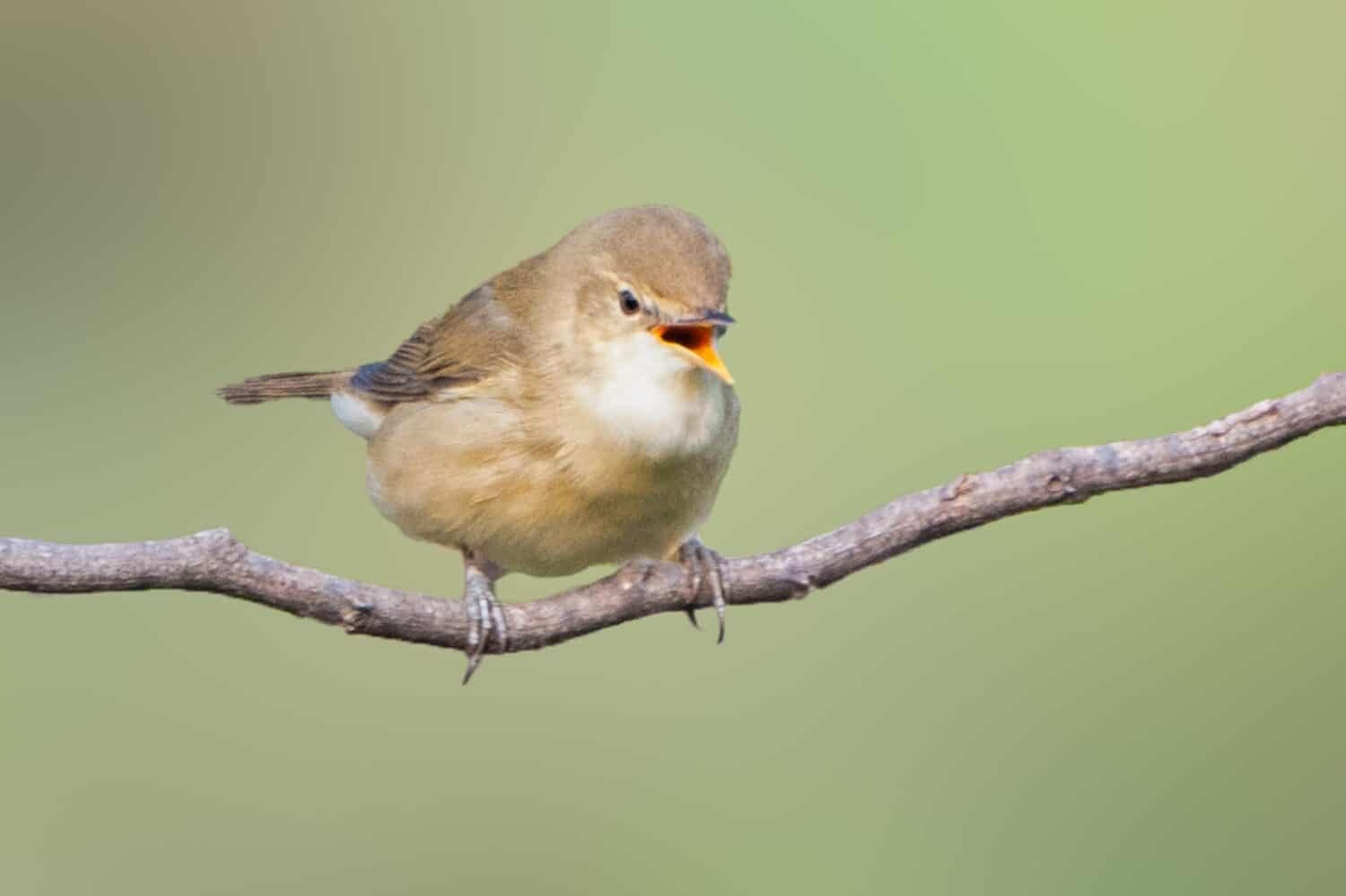
A pair of Blyth’s reed warblers bred for the first time in Great Britain in 2024.
©Number One/Shutterstock.com
Why Identifying a Blyth’s Reed Warbler Isn’t Easy
Blyth’s reed warbler (Acrocephalus dumetorum) is a species of warbler that typically breeds from Finland through central Russia. The bird migrates south to India for winter. This slim bird is hard to tell apart from the Eurasian reed warbler and marsh warbler. However, there are some subtle differences. For example, Blyth’s reed warbler has shorter wings and slightly paler plumage.
However, the most reliable way to identify the little bird is by its distinctive song. The Blyth’s reed warbler’s song is varied, with mimicry and repetition, and its call is high-pitched with ticking noises. Another thing that makes this elusive bird difficult to find is that it tends to stay quiet during the day, while singing through the night and around dawn. The nighttime singers tend to be male, who use the tunes to attract a mate during breeding season. Once a pair is breeding, they grow quiet and may become even more difficult to identify.
A Species Gradually Expanding Westward
According to the RBBP, finding the breeding pair of warblers in the Scottish Highlands wasn’t unexpected. Blyth’s reed warblers have been slowly expanding their range westward over the past 100 years. Most of the breeding population lives in western and central Siberia. However, over the past 10 decades, Blyth’s reed warblers have been moving into Sweden, Denmark, and even the Netherlands. The first breeding pair in the Netherlands was confirmed in 2021, though a single pair doesn’t establish a new breeding population.
Climate change and warmer temperatures may have an effect on many birds’ habitats, causing some species to expand their range. Scotland’s location west of Scandinavia makes it a possible steppingstone for the continued westward movement into the rest of Britain.
Other Rare Birds Are Breeding in the UK
Blyth’s reed warbler isn’t the only unusual breeding bird to be found in the UK recently. The RBBP reported an unusually mild and wet winter in 2024, followed by a warm and rainy spring. But excessive rainfall later in the summer contributed to flooding of some breeding sites. Further, the cooler summer had a negative effect on breeding for ground-nesting raptors.
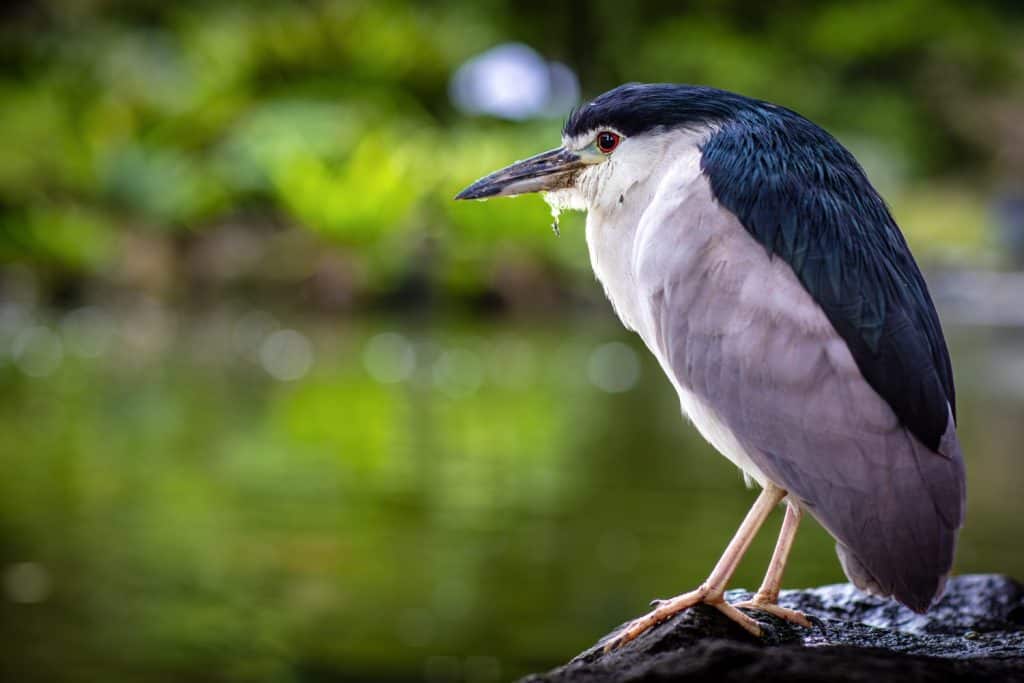
The black crowned night heron is a rare visitor to Scotland.
©CathyBrione001/Shutterstock.com
In the past 10 years, three other bird species have also been documented breeding for the first time in the UK. These are the Iberian chiffchaff (2015), the black-crowned night heron (2017), and the glossy ibis (2022). Additionally, the RBBP report documented two male, red-breasted flycatchers holding territories in Scotland in 2024, which marked a first for these birds in the area. However, neither male managed to attract a mate.
- 2015 Iberian chiffchaff breeds in the UK First documented breeding in the UK.
- 2017 Black-crowned night heron breeds in the UK First documented breeding in the UK.
- 2021 First breeding pair of Blyth's reed warblers in the Netherlands Confirmed, though a single pair doesn’t establish a new breeding population.
- 2022 Glossy ibis breeds in the UK First documented breeding in the UK.
- 2024 Blyth's reed warblers breed in Great Britain A pair raised at least two fledglings in the Scottish Highlands, a first for Great Britain.
In other good news, many wetland bird species (great white egrets, western cattle egrets, Eurasian spoonbills, and Eurasian bitterns) reached record breeding numbers. Several birds of prey, including ospreys, marsh harriers, and white-tailed eagles, also recorded record numbers.
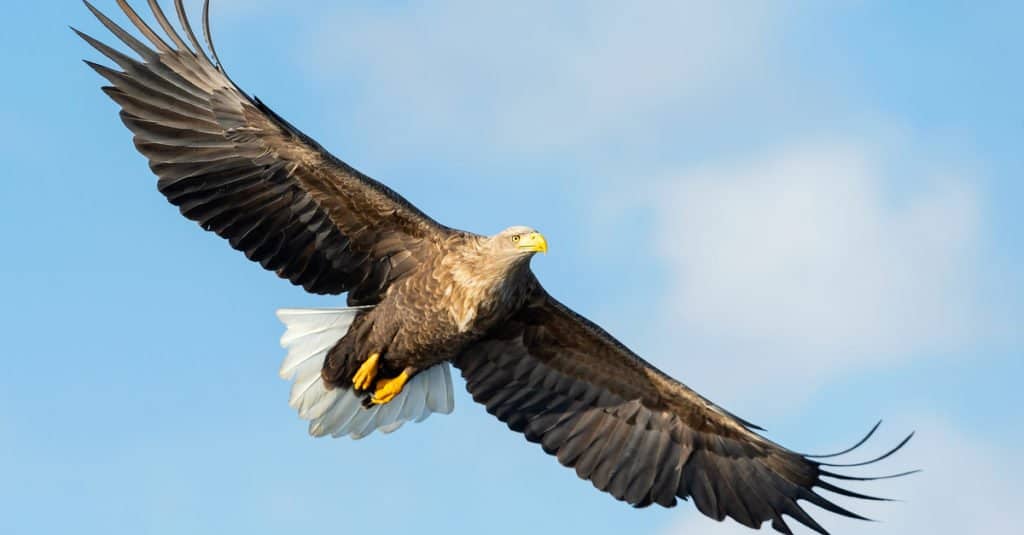
The white-tailed eagle is Europe’s largest bird of prey and has the largest wing span of any eagle species.
©Sergey Uryadnikov/Shutterstock.com
Dr. Mark Eaton, RBBP secretary, said in a statement, “While much of the UK’s wildlife is struggling, we know that appropriate conservation effort can turn trends around. Many of our rarest breeding bird species are benefiting from conservation actions such as site management, habitat creation and legal protection, and flourishing as a result. The monitoring by the RBBP reveals increases in many species.”
While much of the UK’s wildlife is struggling, we know that appropriate conservation effort can turn trends around.
Could Blyth’s Reed Warblers Become Regular British Breeders?
The increasing number of spring sightings suggests Scotland may see more breeding attempts by Blyth’s reed warblers in the future. Researchers will need to continue to monitor breeding activity before we can know whether this was an isolated event or the beginning of a larger change.
Although the Scottish Highlands have seen conservation success, experts remain concerned about shifting populations. “Here is some really fantastic news about some of our rarest birds doing really well, many supported by some great conservation and heroic work, but the scale and pace of change is alarming”, said Andrew Stanbury, RSPB representative. “While we have shown how we can bring back and protect some of our rarest birds, we are at the same time losing the common and widespread birds around us at an accelerating rate.”