
Quick Take
- Bear-marked trees carry a specific type of damage at a very precise height, and once you know what to look for you will never walk past one without noticing. See the visible signs →
- Bears mark trees for reasons that go well beyond claiming territory, and at least one of those reasons has nothing to do with other bears at all. Explore all the reasons →
- Not every tree in the forest is equally likely to get targeted by a bear, and the species matters more than you'd think. See which species get targeted →
- Bear marking leaves visible damage on a tree, but whether that damage is actually harmful has a surprising answer. Find out if trees are harmed →
Trees can speak to the health of a forest. They can also identify animals living within the boundaries. From holes caused by woodpeckers to squirrels storing food within a tree’s confines, trees provide more information than most people realize.
Trees can also indicate whether a black bear is present in the forest. This is because bears will mark trees within their territory. Fortunately, it is easy to tell if a bear has marked a tree. The damage is unmistakable and serves as a warning that an apex predator is potentially nearby.
Signs a Black Bear Has Marked a Tree
Black bears use trees to signal their presence to other bears. One way they do this is by marking a tree. According to a YouTube video from How to Love a Forest host Ethan Tapper, there are some fairly obvious signs that a black bear has marked a tree.
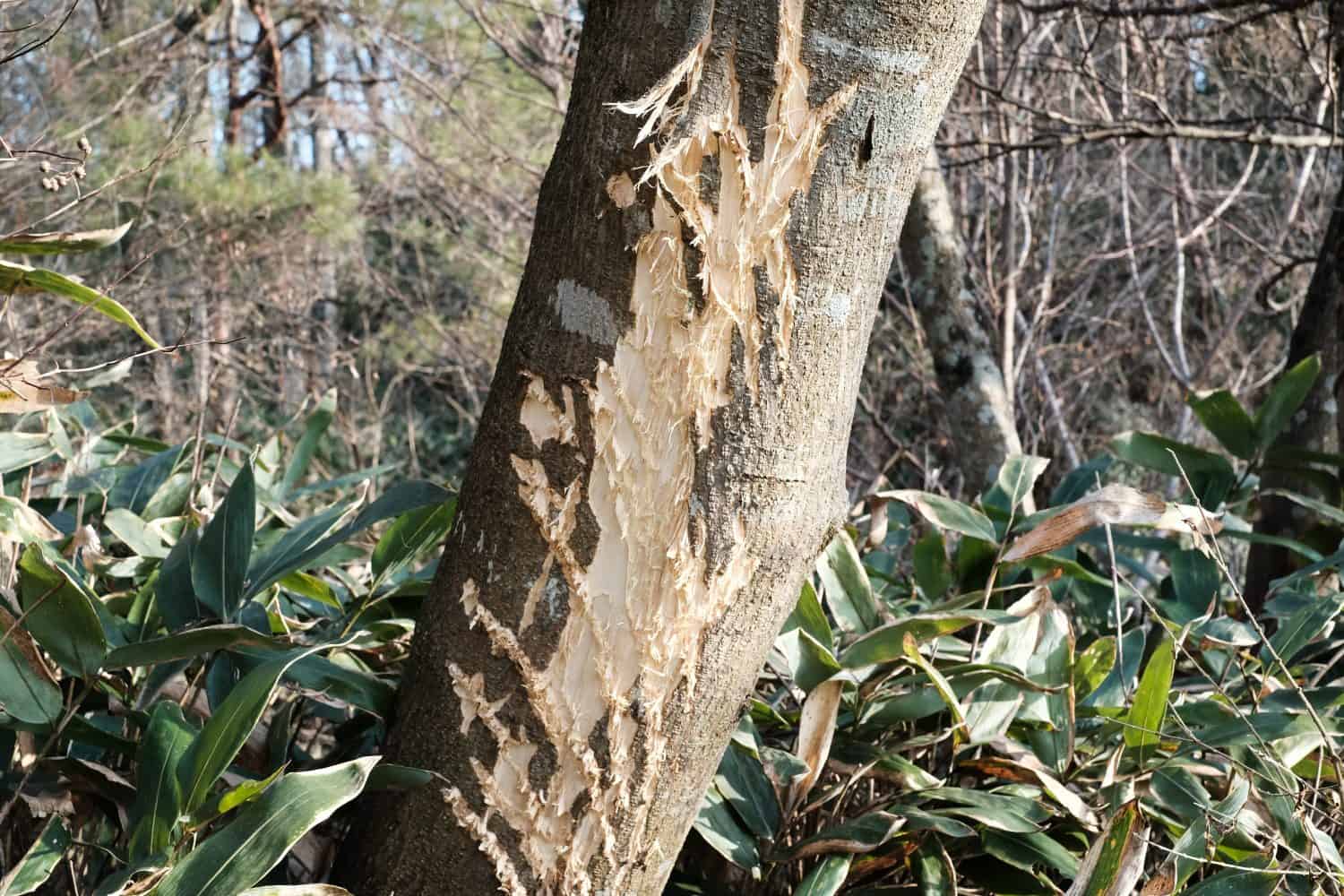
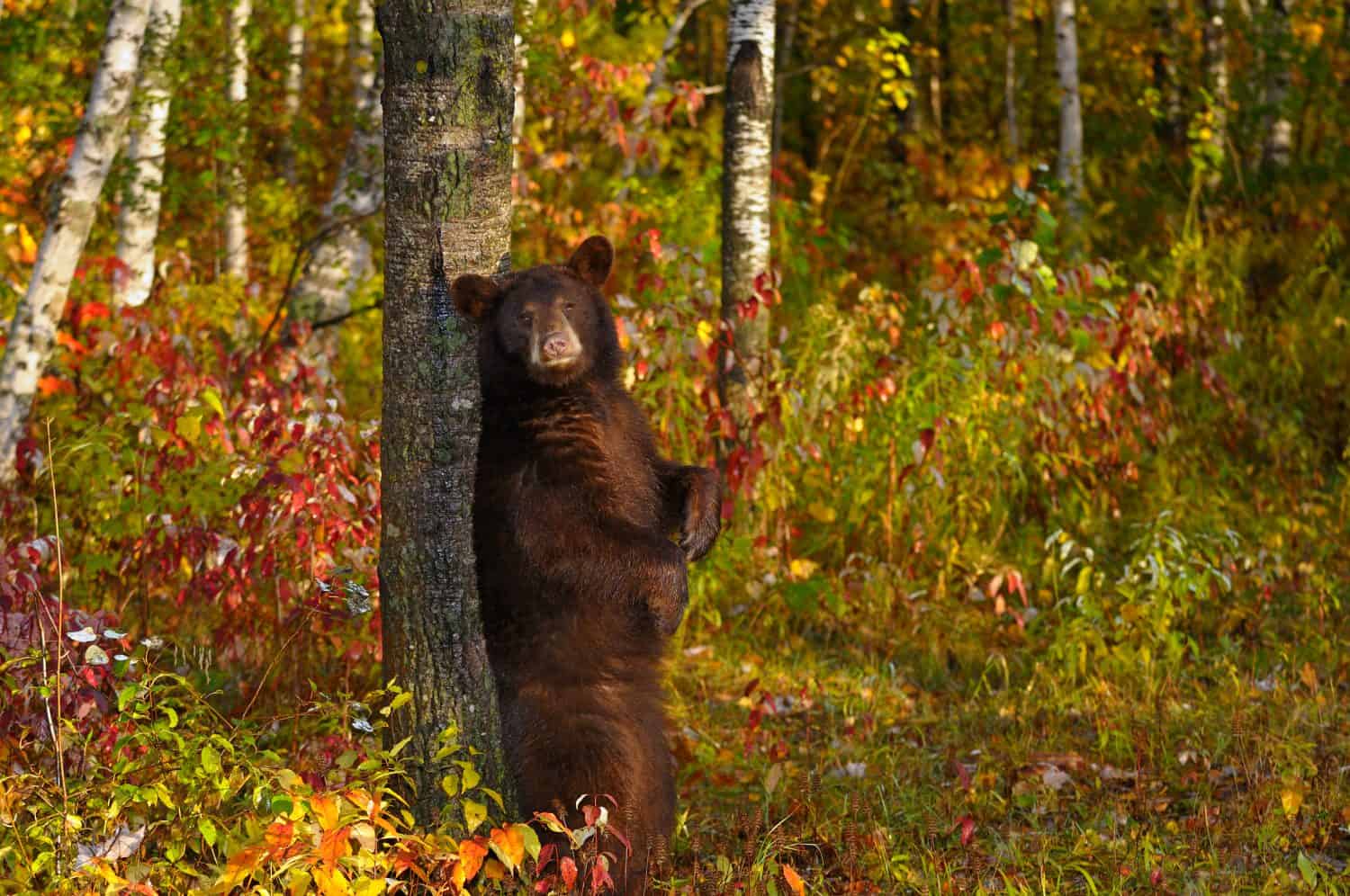
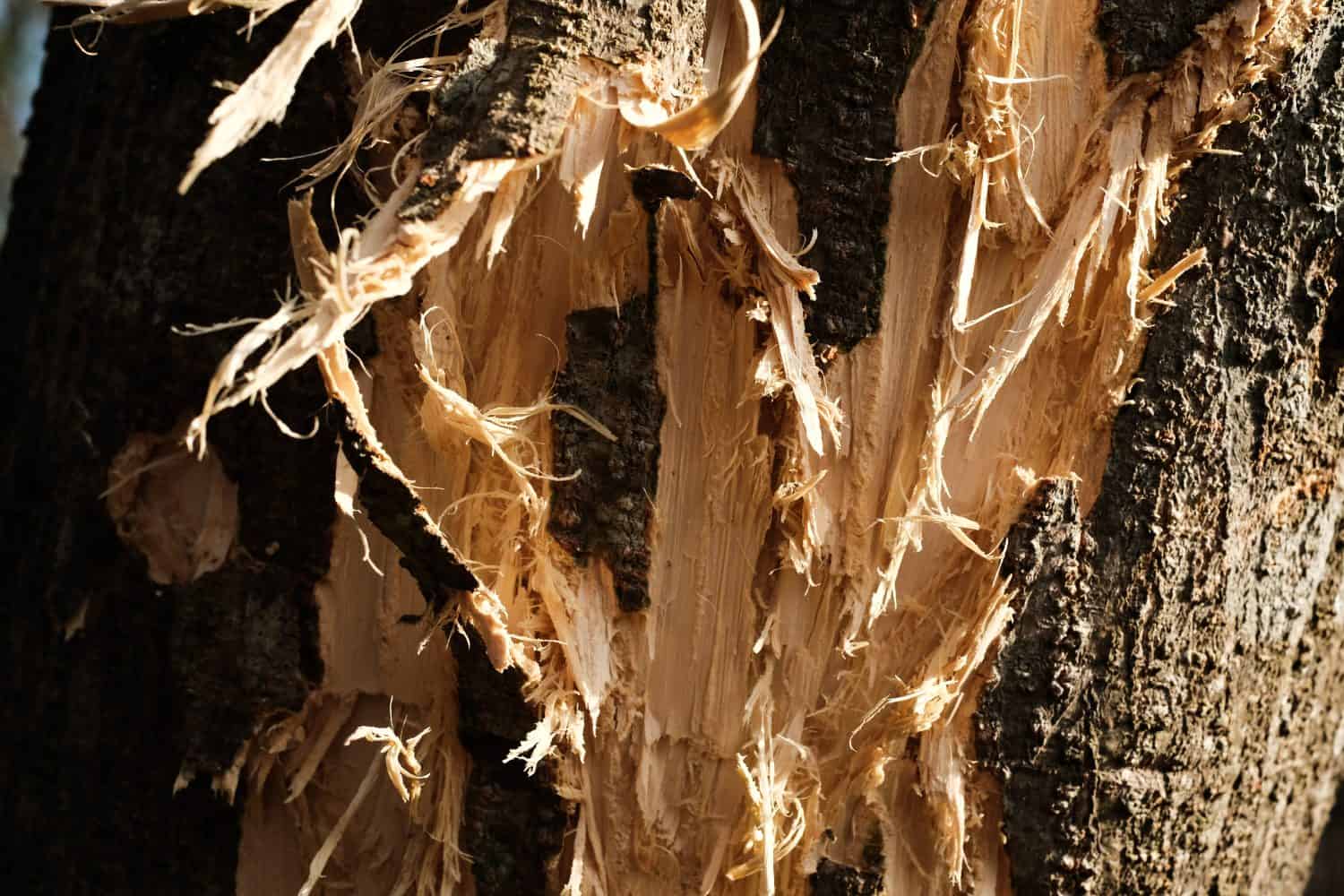
Claw and bite marks make it evident quickly that a bear has marked a tree.
©Tamotsu Ito/Shutterstock.com
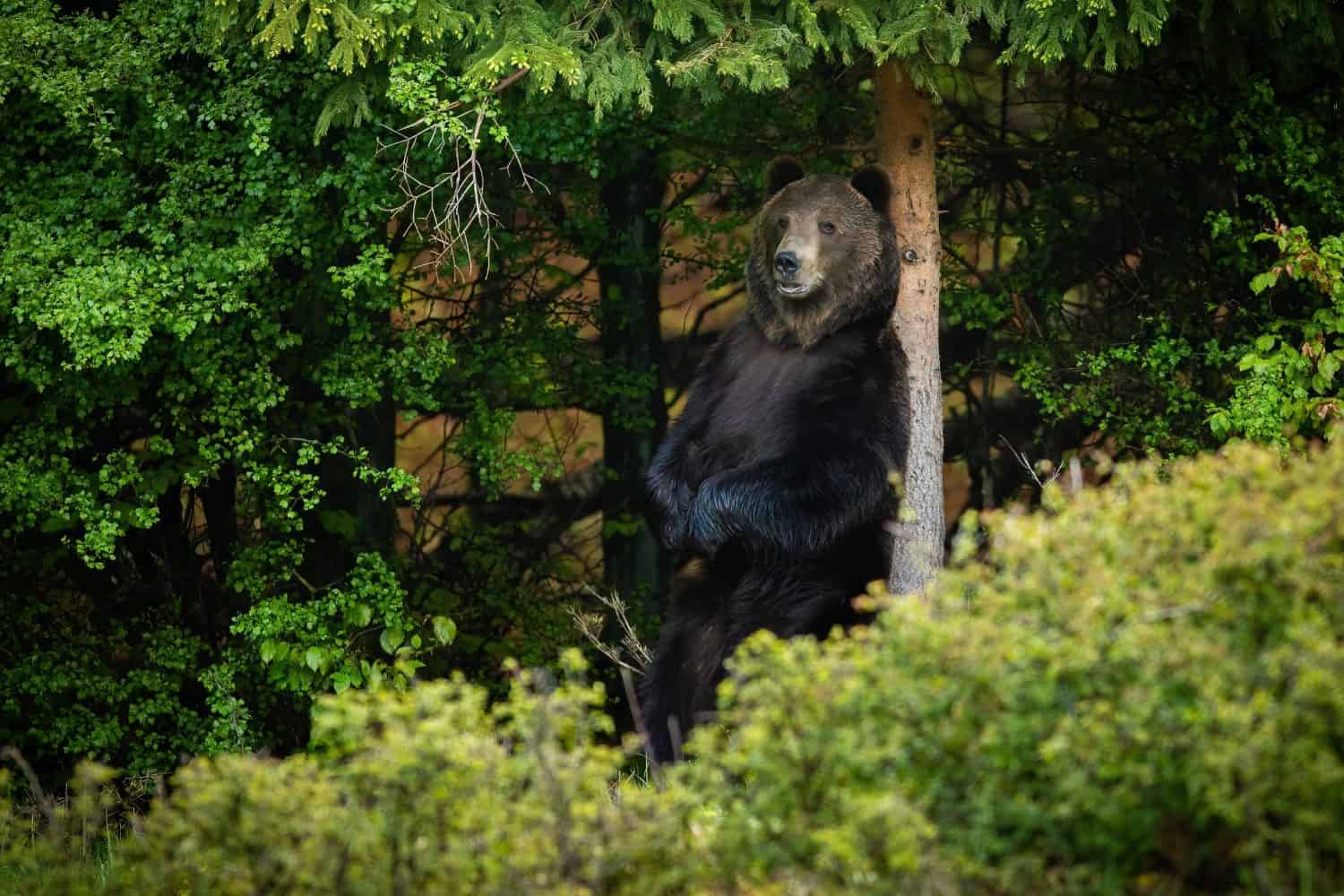
“A bear will approach a tree like this, maybe beat it up with its claws a little bit,” Tapper explained in the video. “[The bear will] usually rub its back on it like this and then stand up and bite it.”
The claw and bite marks will typically be 4.5 feet to six feet off the ground, as black bears will stand on their back legs to mark the tree. As they mark it, they may leave behind tufts of hair or even strip bark from the tree. All are signs of communication that other bears heed when passing through the forest.
Why Do Black Bears Mark Trees?
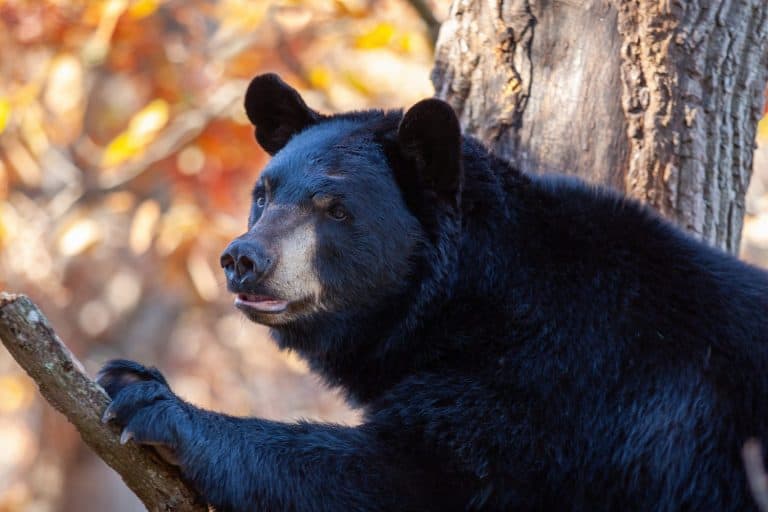
Black bears mark trees for multiple reasons. Some markings are for communication, while others serve health-related purposes. Trees play an important role in bears’ lives and are essential to their well-being.
Black bears mark trees for communication purposes.
©Reimar/Shutterstock.com
Some of the reasons black bear mark trees are as follows:
- Leave communication about their gender and size
- Communicate about being ready to mate
- Establish territory
- Stretch, sharpen claws, and remove hair when shedding
- Use for navigation purposes
There is no way for people to know the specific meaning behind a particular tree marking. However, seeing a marked tree indicates that bears are present or have recently been in the forest. Therefore, it is recommended to remain aware of one’s surroundings. This will help ensure that bears stay away and are not startled by people, allowing hikers to enjoy a day in the forest without any close bear encounters.
Trees That Black Bears Specifically Mark
According to the YouTube video, the trees that black bears enjoy marking are red pines. However, these are not the only trees that black bears will mark. There are plenty of other trees the bears are happy to sink their teeth and claws into.
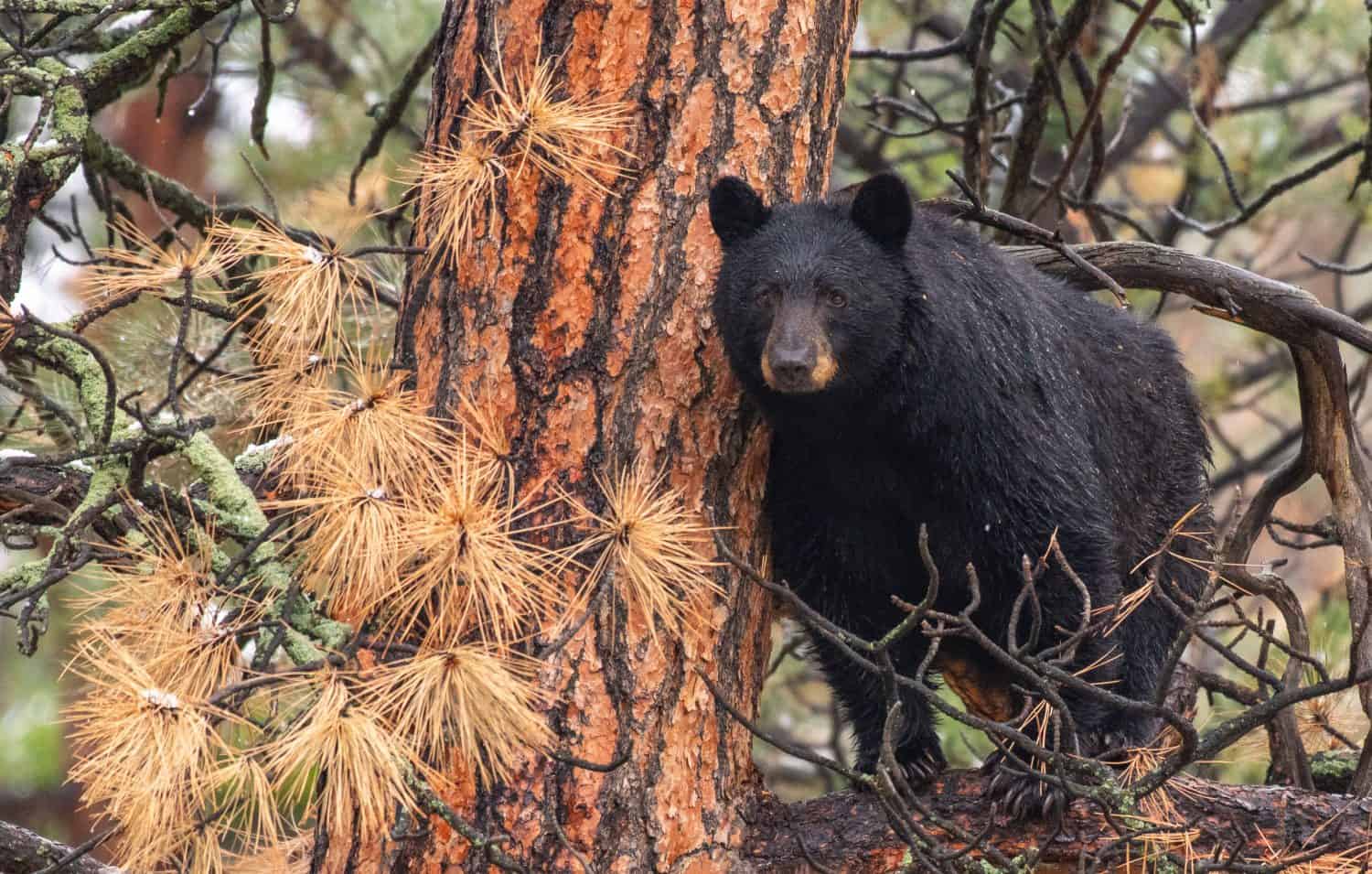
Black bears will mark a variety of trees in a forest.
©Tamotsu Ito/Shutterstock.com
Some of the preferred trees black bears will mark in a forest include:
- Douglas fir
- Redwood
- Lodgepole pine
- Incense cedar
- Western red cedar
- Western larch
Black bears will use multiple types of trees for marking. The trees simply need to be sturdy enough for bears to dig their claws into and scratch their backs on, which helps them communicate their presence to other bears. Fortunately, for black bears, each of these trees fits those requirements perfectly.
Does Marking a Tree Harm the Tree?
As bears mark a tree, they do visible damage to it. The marking can permanently alter the look of a tree and, in some cases, strip a good amount of bark from it. Fortunately, none of this is typically enough to harm a tree to the point of death.
The most common types of damage that occur to trees when they are marked by bears include:
- Scratch marks
- Bite marks
- Fur caught in the tree
The damage caused by marking is typically superficial. It does not cause damage that would seriously harm the tree’s health.
Marking typically only causes surface damage to trees.
©Kerry Hargrove/Shutterstock.com
There is one exception to this, and that is if the tree is stripped of its bark for food. If the tree loses its bark, it loses one of its most important protective barriers. However, when used solely for marking, the tree does not shed a large amount of bark.
Bears benefit from trees surviving after marking them, as the markings serve as a communication system to alert other bears to established territory or potential mates during mating season. If trees were to die after being marked, the whole process would be pointless for the bears. This is why bears do not mark trees to penetrate them, but only to cause surface damage. Their message is communicated clearly, and the tree is able to survive and continue serving its role in the forest.