
Quick Take
- Deploying bear spray at the wrong moment can actually make a bear more likely to attack. Most hikers don't realize just how much timing matters. See timing and deployment →
- Bear spray's effectiveness isn't just about the formula. There's one common mistake that renders even the best canister nearly useless. Avoid common usage mistakes →
- It works on far more than bears, and some places have banned it entirely for that very reason. See regional bans and effects →
- Smelling bear spray won't stop a charging bear, and what actually has to happen is something most people never consider. See what actually stops bears →
Bear spray is a non-lethal deterrent designed specifically to stop charging or aggressive bears. It contains a concentrated blast of capsaicin (red pepper derivative) that temporarily blinds and disorients them and restricts their breathing. While spraying a bear may seem cruel on the surface, the painful inflammation and burning wear off completely within a few hours, and sprayed bears learn to avoid humans, which is generally advantageous to both the bear and humanity. Does bear spray work? Can it protect you? Let’s take a look to see what bear spray really does.
What is Bear Spray?
Bear spray was invented in the mid-1980s by Carrie Hunt, a graduate student at the University of Montana. Seeking a non-lethal alternative to firearms, Hunt collaborated with Bill Pounds, a Vietnam veteran who later founded the first major commercial brand, Counter Assault. They developed the formula and the delivery system that became the basis for modern, EPA-registered bear spray.
Bear spray does not contain a specific variety of pepper. Instead, manufacturers use Oleoresin Capsicum (OC), a wax-like, highly concentrated oil extract derived from a blend of hot peppers, commonly including cayenne peppers and other members of the Capsicum genus.
This extract is refined to pack a punch. While manufacturers use pepper extracts similar to those in common hot sauces and civilian pepper sprays, bear spray is supercharged to contain 1% to 2% capsaicinoids, resulting in a Scoville heat rating of 3 million units.
Does Bear Spray Work?
The short answer is yes, bear spray works.
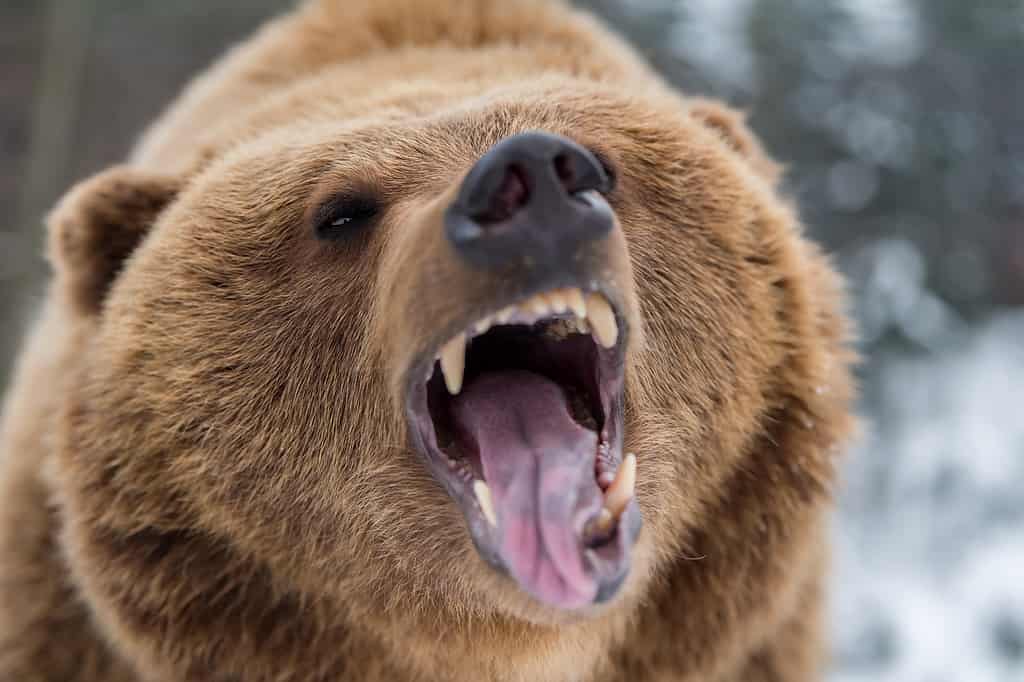
Bear spray is effective in stopping undesirable bear behavior in approximately 90% to 98% of cases, according to recent studies.
©Byrdyak/ via Getty Images
The only time bear spray should be used is when a bear attack is imminent. This does not mean when you see a bear in the distance or when you’ve stumbled upon one in a clearing. If you see a bear, have your canister at the ready but do not use it unless the bear comes within 60 feet of you as it is actively charging.
Many EPA-approved bear sprays are formulated to shoot a powerful cloud between 25 and 40 feet. If a bear is charging at you at speeds of up to 30 miles per hour (mph), starting a 1-to-2 second blast when the animal is 30 to 60 feet away allows the expanding chemical cloud to disperse while the bear is at a safe distance.
How to Use Bear Spray
Proper use of bear spray is the key to its effectiveness. The following steps may help save your life, the lives of rangers or other hikers, and the rest of your group.
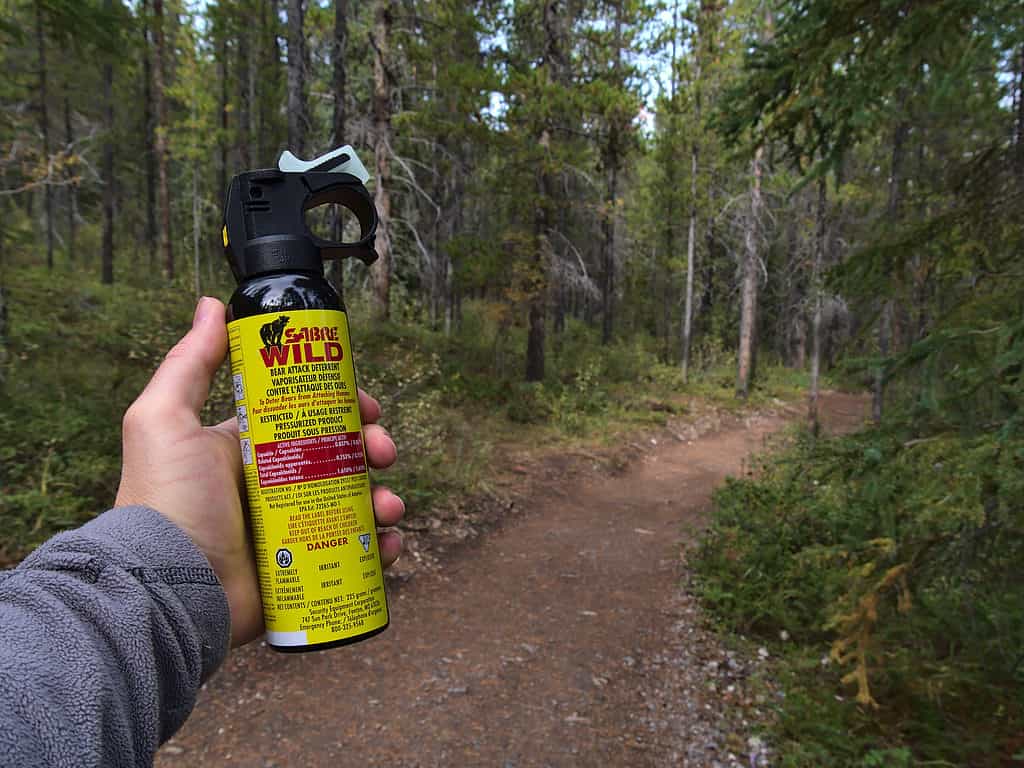
Bear spray is similar to the pepper that humans use. However, it discharges a thick cloud reaching 30 to 40 feet.
©iStock.com/Timon Schneider
Know when to use bear spray. It is not always prudent and can, in some cases, provoke a bear to attack. When a bear is charging you is the only time bear spray should be used. Bear spray should be discharged when the bear is approximately 60 feet away for optimal effectiveness.
Know how to use the spray properly. Practice using the spray before your hike. Practice pulling the canister from its holster and removing the safety trigger. Do not actually discharge the bear spray while practicing, however, or it will not be effective if you need it out on the trail. You can also purchase an inert can for training purposes.
If a bear attacks or charges you, spray a cloud between you and the bear. This may be enough to deter the bear, but if it continues, spray multiple times.
Point the canister at a slightly downward angle and shoot the spray toward the bear to create this cloud.
Be aware that strong winds, snow, rain, and cold weather may all impact the effectiveness of the spray.
The spray is not a warning but an irritant. It will not deter the bear from charging if it simply smells the spray. It should be used properly to create the proper irritation effect.
Ensure you have EPA-approved bear spray. Non-approved brands may be less expensive, but are not as effective as the EPA-approved brands and may cause more trouble than protection.
How Effective is Bear Spray?
When used properly, targeting the eyes, nose, and mouth of a non-overly aggressive bear, bear spray is effective 98 percent of the time. The spray must be fresh (that is, not past the expiration date) and used accurately.
The spray is made with oleoresin capsicum, a concentrated oil from hot peppers, much like standard pepper spray.
No bear spray is 100 percent effective, however, so it should not be assumed that if you’re carrying it you’re fully protected.
Does Bear Spray Work for All Bear Species?
Every bear species could potentially be affected by bear spray. The spray isn’t species-specific, targeting a particular type of sensitivity. Rather, the spray inflames mucus membranes in the eyes, nose, and mouth to disorient the animal. In fact, bear spray works on any mammal, including moose, elk, and badgers.
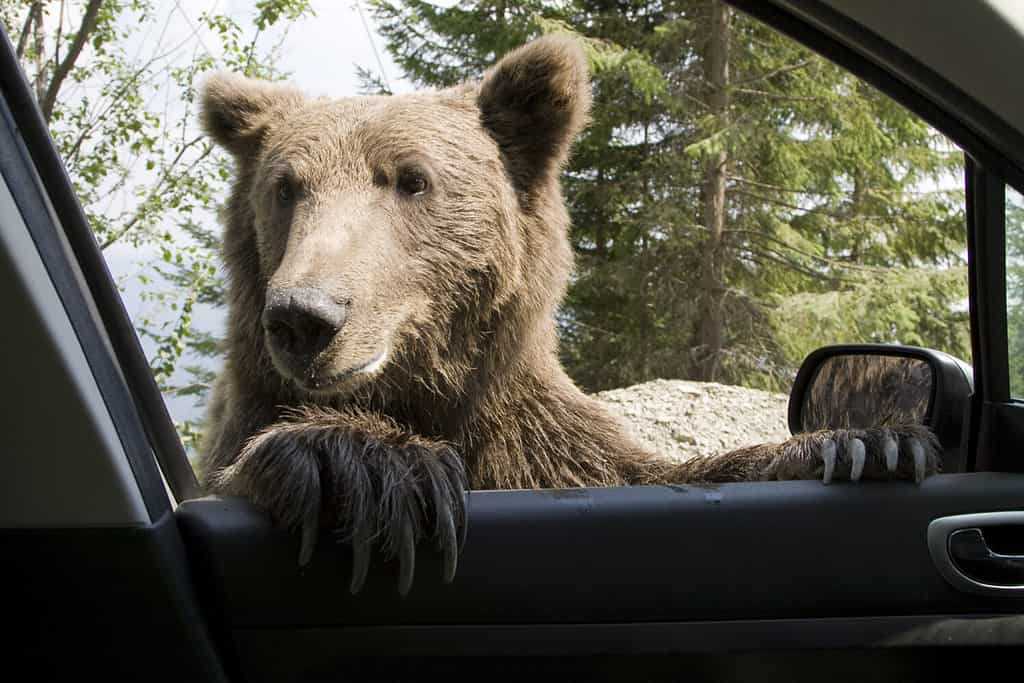
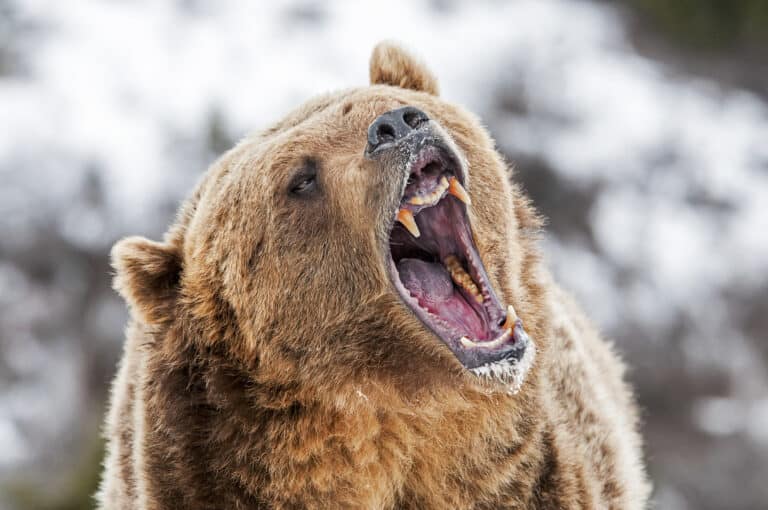
Recent studies have shown that bear spray is highly effective in deterring grizzly and polar bears, stopping undesirable behavior in over 90% of close encounters.
©MihaiDancaescu/Shutterstock.com
Even in cold, windy environments, bear spray has been shown to ward off polar bears and grizzlies. Many regions have regulations about bear repellents, however. As of 2026, Yosemite National Park prohibits the possession and use of bear spray.
What Happens When Bear Spray is Used on Bears?
The main effect of bear spray on bears is disorientation. They often lose vision for a few minutes and often stumble from you (the threat). Aggressive bears, however, may still try to attack. This is particularly true if you didn’t manage to spray their eyes and noses.
What to do After Using Bear Spray
If you must use bear spray, the first priority is leaving the area immediately. Get away as quickly as possible to a distance of at least several hundred yards away.
Once you are a safe distance away from the bear, ensure that everyone in your group is accounted for and unharmed. Use your first aid kit for any minor injuries and call or send for help for severe trauma.
Is Bear Spray Harmful to Humans?
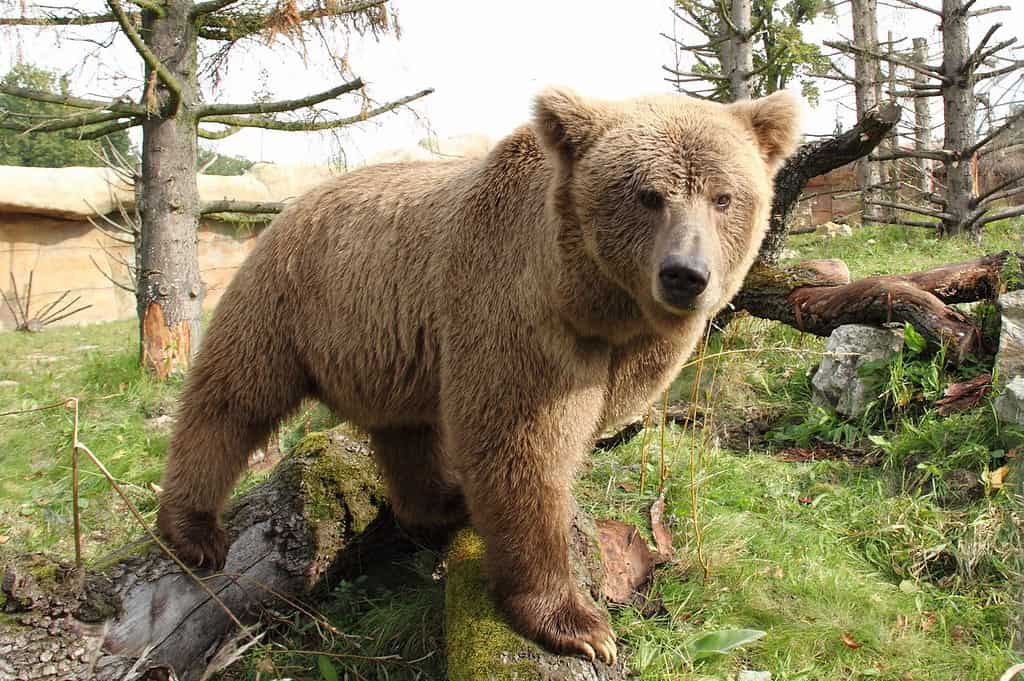
Bear spray works on every species of bear, and it works on humans, too! The capsicum spray hurts humans with its peppery burning sensations.
Bear spray may harm humans. Irritated eyes, itchy noses, temporary loss of vision, and similar symptoms are reported from accidental discharges.
Never count on bear spray for protection against bears. Instead, use it as an absolute last resort when you’ve exhausted all other standard safety precautions and found yourself in an unusual situation, face-to-face with a bear.
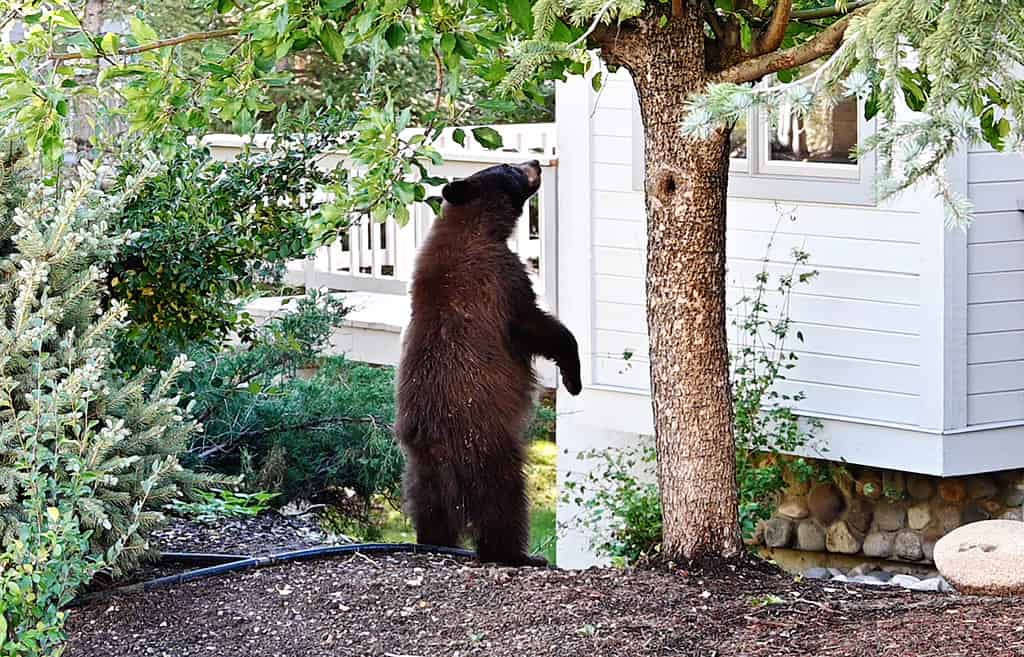
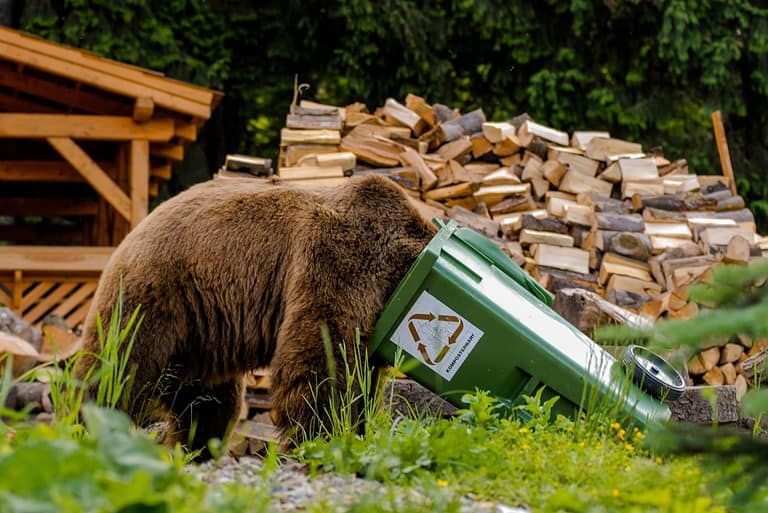
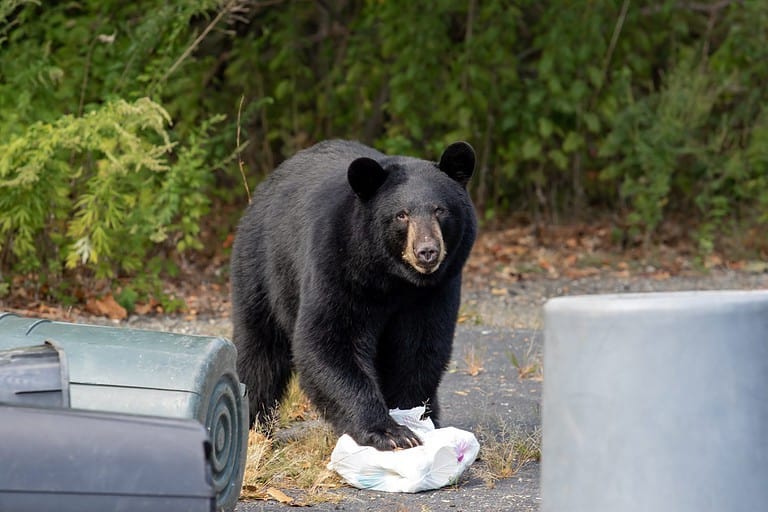
Bears sometimes show up in unexpected locations.
©steverts/iStock via Getty Images
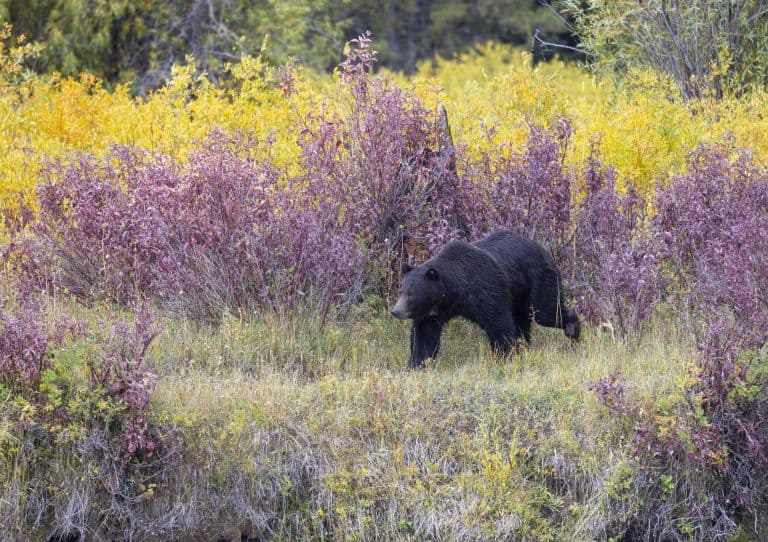
Most often, bears and humans interact when people surprise them at close range. Thick, bushy trails and heavily forested areas are most often the settings for these encounters.
Educating and preparing yourself and others about bear encounters is an excellent way to avoid unwanted bear encounters.
Bear Safety Tips
As you enjoy the great outdoors where bears make their homes, try these things to help keep yourself safe from bears:
- Never hike alone. Instead, hike with at least three or four other people that you enjoy talking with and make a gab-fest of it.
- Make noise as you hike. This is part of why hiking in groups with folks you enjoy chatting with comes in handy. You can also clap, sing, and occasionally shout (but don’t scream) to help deter bears from happening upon you by accident.
- Recognize the signs of nearby bear activity. Notice things like bear scat, paw prints, wild edible berry bushes in season, etc. These are all evidence bears could be nearby.
- Check with the local forestry department for updates and notices about bear activity. Avoid hiking on trails and in areas where recent bear activity has been reported.
- Keep food, toiletries, garbage, and other scented or aromatic items tightly sealed in bear canisters. Place these in bear lockers while camping and hiking.
- If you do come across a bear cub, avoid finding yourself between the mother and cub.
- If you find yourself anywhere near a bear, make sure you never get closer than 100 yards.