
Quick Take
- A construction crew in 2001 dug up thousands of soldiers, and what they held in their teeth rewrote the story. See the Vilnius discovery →
- Lice don't spread their deadliest diseases the way you'd expect. How lice spread disease →
- Two lice that look nearly identical behave very differently, and only one is dangerous. Body lice versus head lice →
- Napoleon's army wasn't the last to face this enemy, and one wartime breakthrough finally turned the tide. Explore lice in later wars →
Try, if you will, to transport yourself back in time. The year is 1812, and you are an exhausted soldier in Napoleon’s Grande Armée. You just spent the latter half of the summer marching into Russia. Any sense of victory, however, is an illusion. The farther the army moves into Russia, the less they find. Upon arriving in Moscow in September, desperate for supplies, you and your fellow soldiers find nothing but burned-out buildings and silence. Starvation sets in. Your leader, Napoleon, waits for a Russian surrender that never comes. By October, you and roughly 100,000 remaining military personnel are forced to retreat.
Over two hundred years later, this retreat remains one of the most infamous moments in military history. Theories for the Grande Armée’s collapse have run the gamut since. Only in 2001, when construction workers unearthed a mass grave of Napoleonic soldiers in Lithuania, did theories coalesce around an unexpected culprit: the human body louse. A series of scientific studies followed, each finding evidence of different, tiny, almost imperceptible, vector-borne pathogens. Military tactics aside, could body lice and the pathogens they spread be the real reason why Napoleon’s army hastened a retreat through the bitterly cold Russian winter? Let’s find out.
Mass Grave Markings
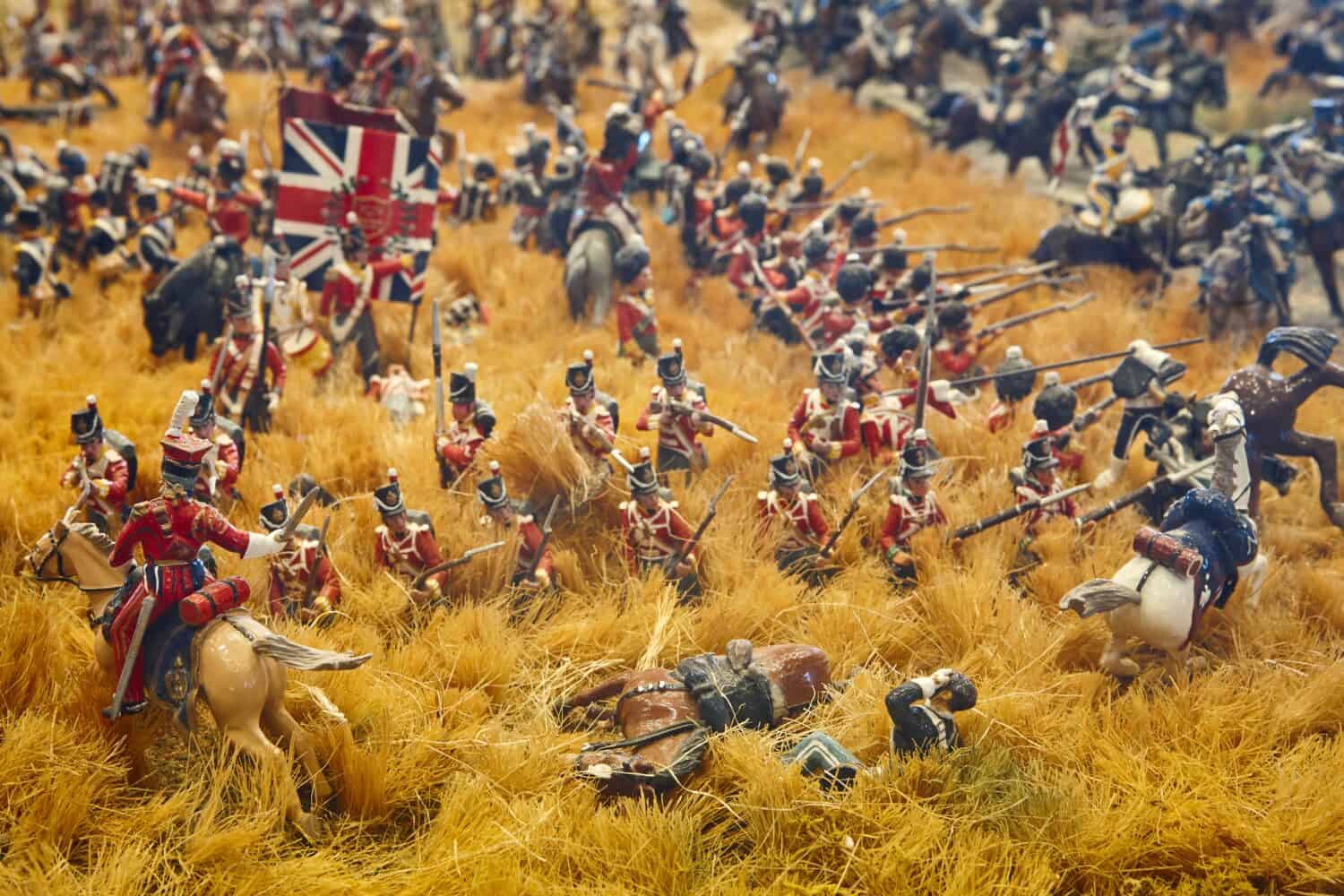
Napeolon’s famous retreat from Russia in the dead of winter may have been caused, in part, by louse-borne diseases.
©ABB Photo/Shutterstock.com
Historians and scientists have gone back and forth over the centuries regarding the reason for Napoleon’s collapse in Russia. Was it merely starvation, the brutal winter cold, typhus, or something else entirely? Such notions remained mostly hypothetical until an unexpected discovery. In 2001, construction workers in Vilnius, Lithuania, uncovered a mass grave filled with between 2,000 and 3,000 Napoleonic soldiers. All had died during the army’s retreat in late 1812. This discovery provides a unique opportunity to look into the past and find out what brought these soldiers to the brink.
The first study came in 2006. A team of European researchers analyzed remains from the mass grave, including dental pulp from teeth, soldiers’ uniforms, and the remnants of body lice. Using targeted PCR amplification, the researchers found DNA from Rickettsia prowazekii, an agent of typhus, in dental pulp from three bodies. Interestingly, they also discovered Bartonella quintana in seven soldiers and three of the five recovered body lice. This bacterium causes trench fever. These findings suggested that louse-borne diseases affected a considerable portion of Napoleon’s army. But were they a deciding factor in the army’s collapse?
A study from last year provided further answers. The research, published in the journal Current Biology, detailed the analysis of 13 soldiers’ remains using broad, next-generation DNA sequencing. Cleverly, instead of looking for predetermined genes, the analysis screened the soldiers’ DNA broadly for pathogens, using a method designed to authenticate very degraded, low-coverage DNA fragments. The researchers found evidence for Borrelia recurrentis and Salmonella enterica. The former is the spirochete responsible for louse-borne relapsing fever. The latter, a cause of paratyphoid fever, spreads through contaminated water and food.
With these separate findings, the picture became more nuanced. Rather than succumbing to one thing, Napoleon’s doomed army appeared to have been broken down by the high prevalence of several infectious diseases. The human body louse spreads many of them.
- 1812 The retreat from Russia Napoleon’s Grande Armée retreats from Moscow in October with roughly 100,000 remaining military personnel.
- 189 years later
- 2001 A mass grave is found in Vilnius Construction workers uncover between 2,000 and 3,000 Napoleonic soldiers.
- 2006 The first study Researchers find Rickettsia prowazekii in dental pulp from three bodies and Bartonella quintana in seven soldiers.
The Louse
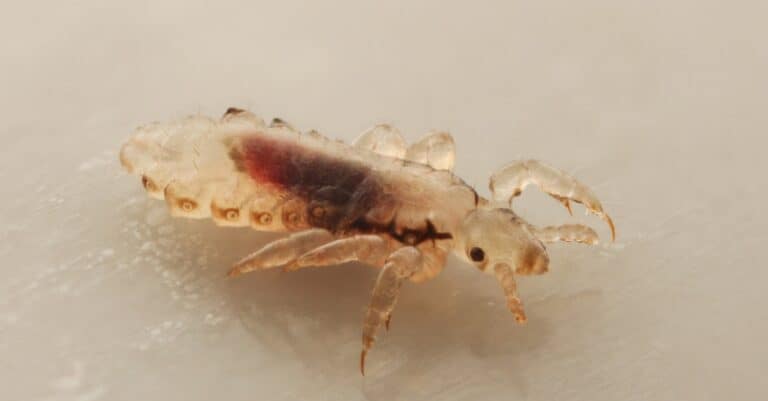
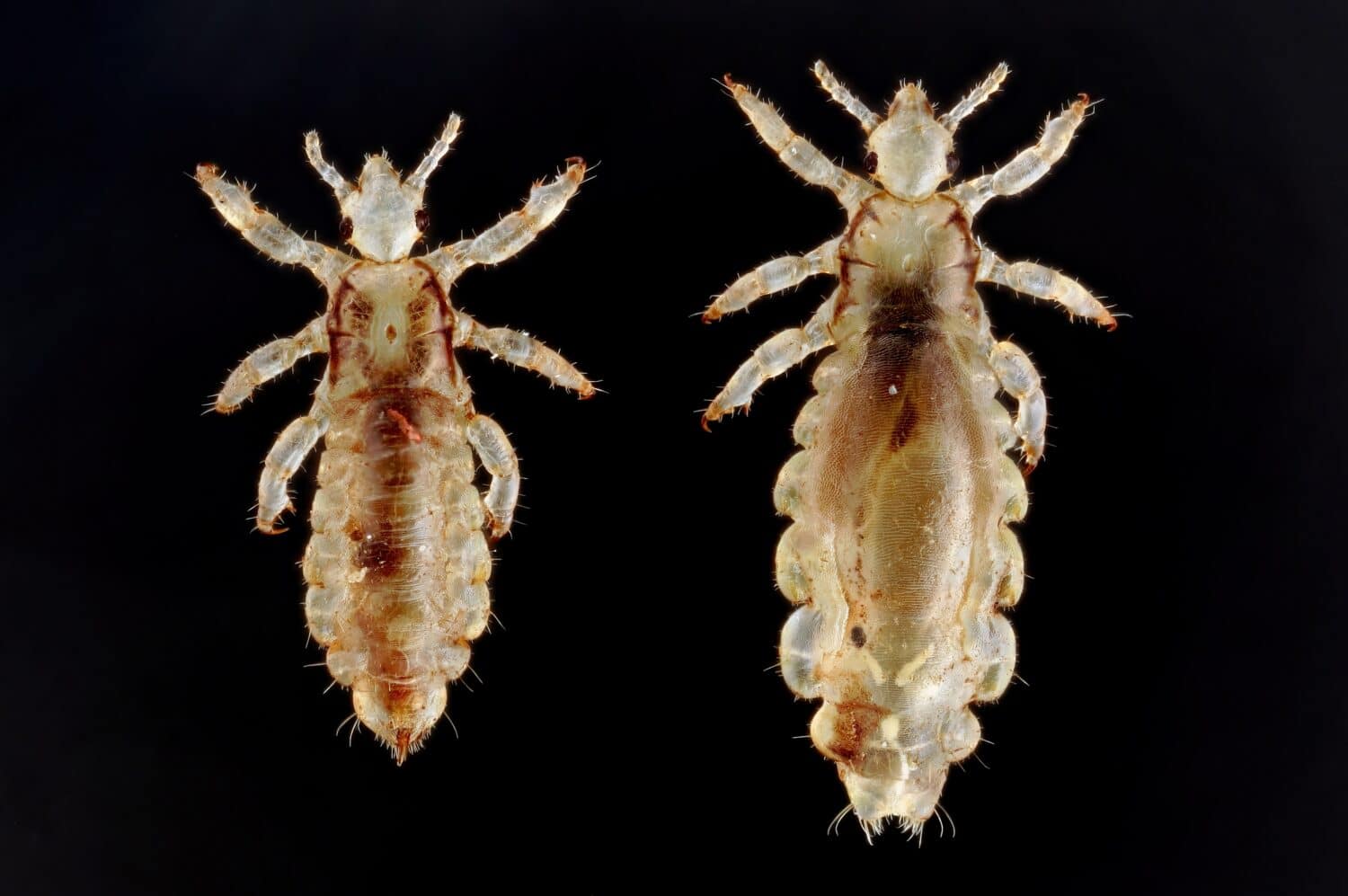
Behind many of the pathogens that spread amongst Napoleon’s army is the human body louse (Pediculus humanus humanus). Confusion often surrounds this small, wingless, blood-sucking insect. Morphologically, body lice are almost identical to head lice. However, the difference between them involves behaviors and habitats. Head lice can cause secondary skin infections from scratching, but only body lice spread diseases like typhus, trench fever, and louse-borne relapsing fever.
Body lice tend to lay their eggs in cloth material, be it bedding or the seams of clothing. They only approach human skin to feed on blood. Furthermore, body lice thrive only in soiled conditions. They are attracted to clothing or bedding that hasn’t been washed for an extended period. Interestingly, body lice do not transmit deadly pathogens through bites. Instead, it is their feces, rubbed into wounds or mucous membranes, that spreads disease. In some cases, pathogens like Borrelia recurrentis can infect a host if a louse gets crushed against their skin.
Human body lice spread several diseases. Typhus is the deadliest, and it can remain dormant in the body for years. Trench fever, while not deadly, causes debilitating fevers, headaches, and even shin pain. Louse-borne relapsing fever can also kill, with fevers that come and go in cycles lasting roughly one to two weeks.
War and the Human Body Louse
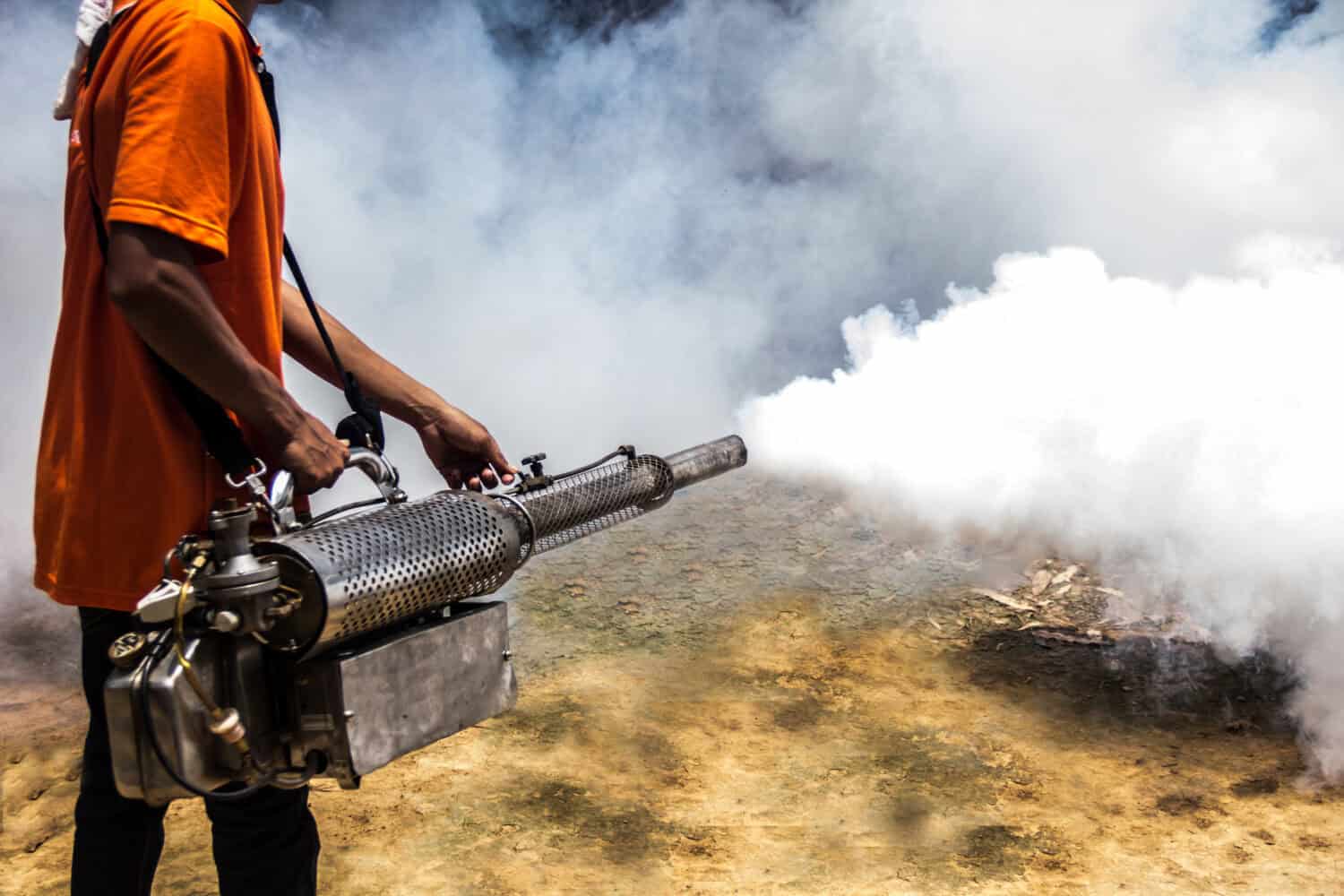
Large-scale use of insecticides like DDT helped combat the spread of louse-borne epidemics in World War II.
©GrooTrai/Shutterstock.com
Napoleon’s troops were not the only soldiers to experience the devastating effects of lice during war. A hundred years later, during World War I, horrific living conditions for soldiers led to mass outbreaks of trench fever transmitted by body lice. Over 1 million troops caught the disease on the Western Front alone. In Eastern Europe, also during WWI and its aftermath, epidemic typhus killed an estimated two to three million people between 1917 and 1922.
World War II also had its fair share of louse-borne diseases, in concentration camps, POW camps, and toppled cities. This war, however, also marked the first time that governments deployed insecticides like DDT on a large scale. For the first time in history, such strategies stopped louse-borne epidemics.
In the modern world, louse-borne diseases are mostly gone thanks to eradication techniques and accessible antibiotics. However, they still linger in crisis zones, refugee camps, and facilities with crowded, unhygienic conditions.