
Quick Take
- The tick disease most doctors are actually worried about isn't Lyme, and it can infect you in a fraction of the time. See why RMSF worries doctors →
- One of these viruses has no treatment, and it can enter your bloodstream before you'd even notice a tick on you. Learn about Powassan's fast threat →
- Where you live determines which tick disease should scare you most, and the map might not look how you'd expect. Explore regional tick disease risks →
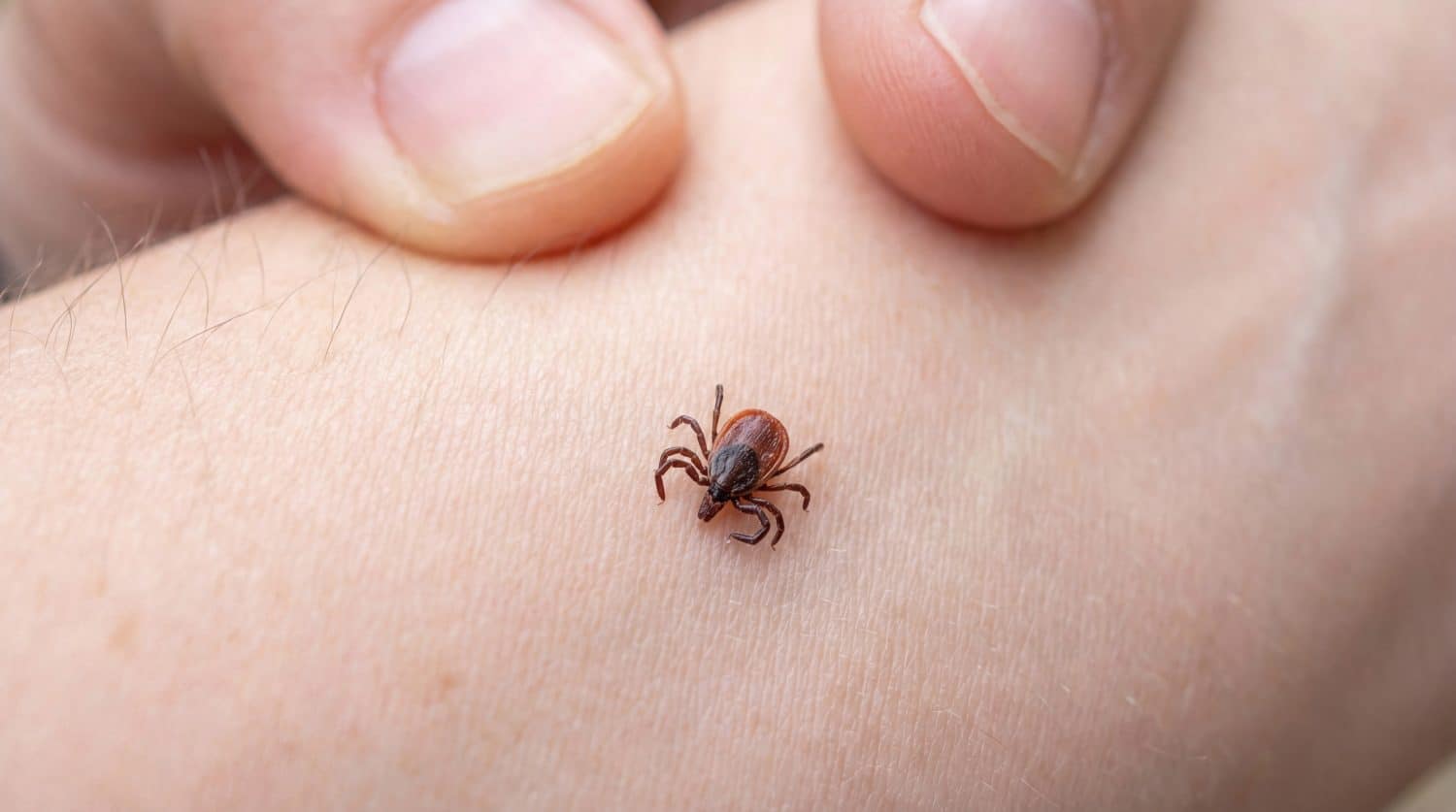
There are approximately 90 tick species in the U.S. alone, and many of them carry pathogens. While Lyme disease remains the primary concern, this year brings new warnings from epidemiologists. Powassan and Heartland viruses are making headlines as cases increase. The bad news is that these viruses can spread to humans much faster than Lyme disease—often in just a few hours.
We speak with Dr. Natasha Hanners, an Infectious Disease Specialist and Assistant Professor at UT Southwestern Medical Center, to learn how you can stay safe from ticks this summer.
Doctors Are Watching Several Tick-Borne Viruses
As of April 2026, Lyme disease (Borrelia burgdorferi) remains the most common tick-borne disease. However, there’s one infection that doctors are closely monitoring due to its rapid onset and spread. “While it’s the most common tick-borne illness, Lyme disease, especially in Texas, should probably not be top of your list of fears,” Dr. Hanners says. “Even in states where Lyme disease is prevalent, like the northeast US or upper Midwest, there are more dangerous tick-borne illnesses, unfortunately. In and around Texas, Arkansas, and Mississippi river areas, I would be more on the lookout for symptoms of Rocky Mountain Spotted Fever (RMSF), which is Rickettsia rickettsii infection.”
Dr. Hanners explains that it and its relatives — “spotted fever rickettsioses” —cause severe symptoms, including:
- Headaches
- Severe aches and pains
- Rash
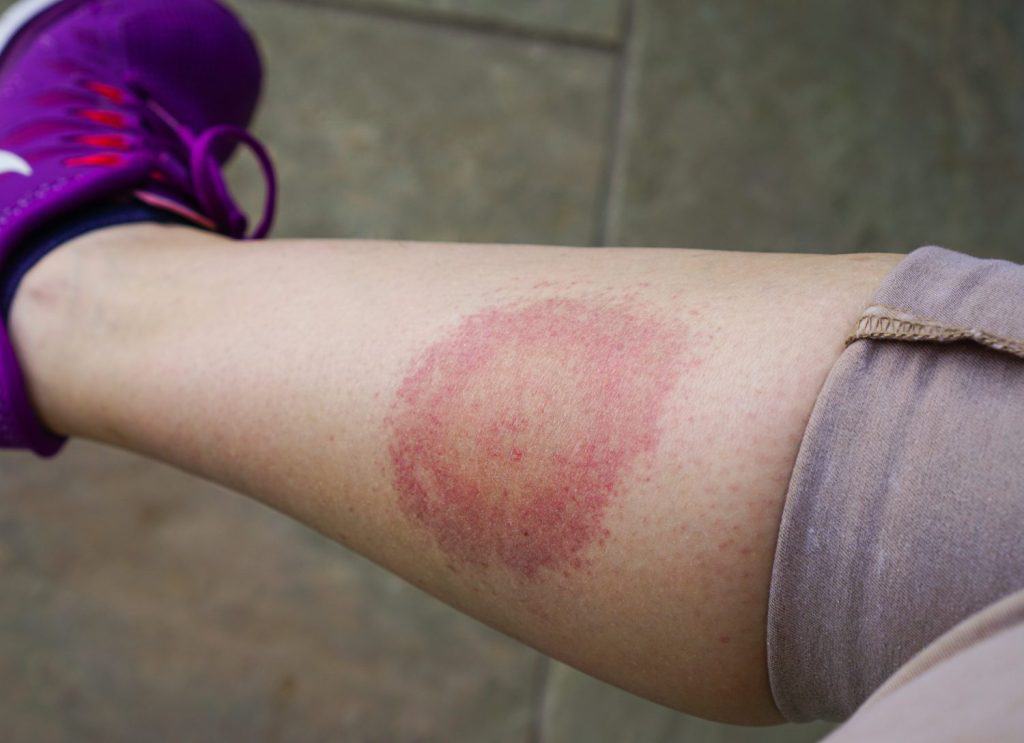
A bullseye rash is a classic symptom of Lyme disease.
©AnastasiaKopa/Shutterstock.com
“The reason I worry about this disease more than Borrelia is that while Lyme disease can cause arthritis, target-like rash, Bell’s Palsy, it is very rarely fatal,” Dr. Hanners says. She adds that the fatality rate was roughly 30% before the development of antibiotics like tetracycline and doxycycline, primarily due to complications such as heart or brain infections. “So, RMSF is treatable, but you have to recognize the possibility first! Additionally, while a tick transmitting Lyme disease has to be attached for 24-48 hours, a tick transmitting Rickettsia rickettsii (RMSF) only has to be attached for a fraction of that time. Approximately 4 hours or so,” Dr. Hanners explains.
Powassan Virus Cases Are Growing
As of June 2nd, a total of 5 cases of Powassan Virus have been reported in Michigan and Massachusetts. This number may seem low, but it concerns doctors because of how quickly it spreads from ticks to humans. While the virus can’t be transferred between humans, it can infect a person in as little as 15 minutes. This is especially concerning for two specific regions of the U.S.
“Powassan disease increase is concerning. The meningitis and encephalitis that this virus can cause can be severe. It is also spread by a tick bite, but is a virus rather than a bacteria, so we do not currently have treatment for this infection other than supportive care. It too is found most commonly in the northeast and upper Midwest,” explains Dr. Hanners.
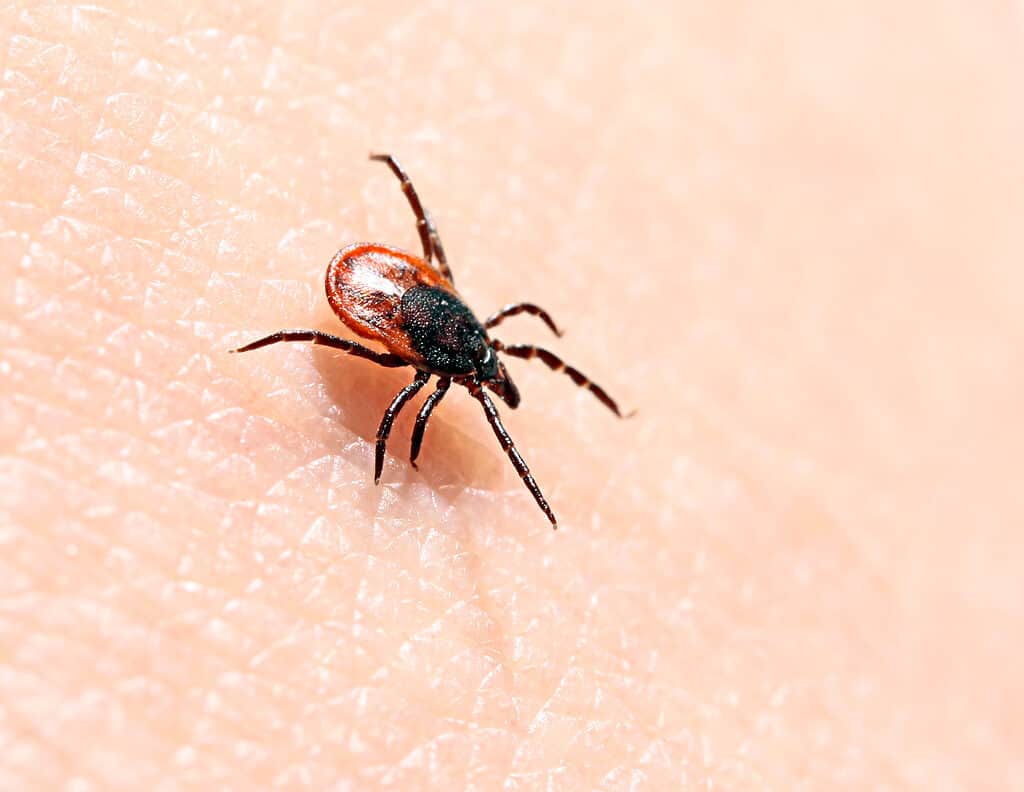
Blacklegged ticks can spread several pathogens, including Lyme and Powassan virus.
©daksel/Shutterstock.com
She adds that encounters with the tick-borne Powassan virus have so far been low. This is true even in higher-prevalence areas such as New York State. “For example, a recent study investigating Powassan cases and tick ecology found that of 58,574 adult, 18,462 nymphal, and 30,588 larval I. scapularis pools from between 2013 and 2023, the presence of POWV was 0.5% of adult pools, 0.23% of 42 nymphal pools, and 0.02% of larval pools,” Dr. Hanners tells us.
Heartland Disease Is Rarer, But Still Out There
As its name implies, Heartland disease is found primarily in the Midwest, the South, and the Southeastern U.S. “There is less known about Heartland virus. It is believed to be primarily transmitted by a different tick than those that transmit Lyme and Powassan. Heartland is believed to be transmitted by the Amblyomma americanum, or Lone Star tick,” Dr. Hanners explains. She adds that it’s harder to say how concerned people should be, given there’s less information overall about this virus.
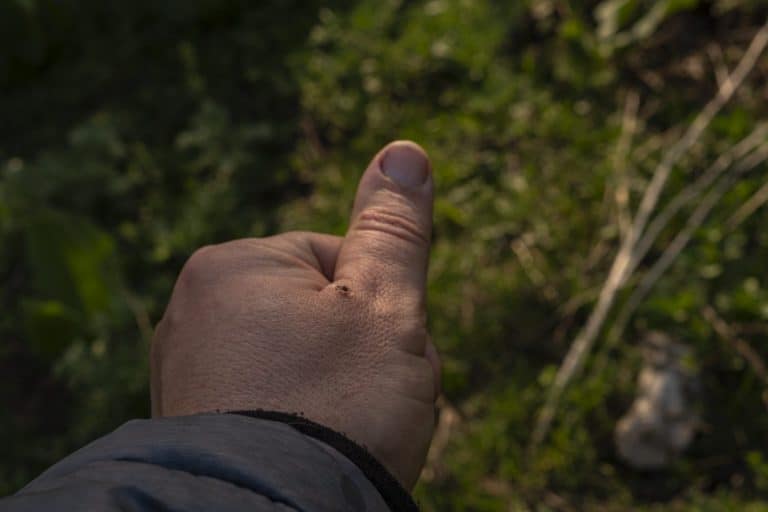
A small area of redness—less than 5 centimeters (about 2 inches) in diameter—is a normal reaction to a tick bite. If you notice a larger red area or develop symptoms such as fever, headache, muscle or joint aches, or a rash, see a doctor.
Dr. Natasha Hanners, an Infectious Disease Specialist and Assistant Professor at UT Southwestern Medical Center,
Why Do Some Ticks Carry Different Pathogens?
Certain ticks carry different infections and viruses, which adds to the confusion around this already stressful topic. However, understanding why can help you determine which pathogens ticks in your region are likely to carry.
“A lot of the answer is unknown on a molecular level,” Dr. Hanners says. “However, in order for a tick to be highly likely to carry a pathogen — virus or bacteria — there has to be a reservoir in the fauna in nature: the mice, the groundhogs, the deer. Since humans don’t significantly amplify these pathogens, we are usually considered dead-end hosts. So, if there is no reservoir in the warm-blooded animals, then the ticks in the area are unlikely to carry a significant burden of the pathogen.”
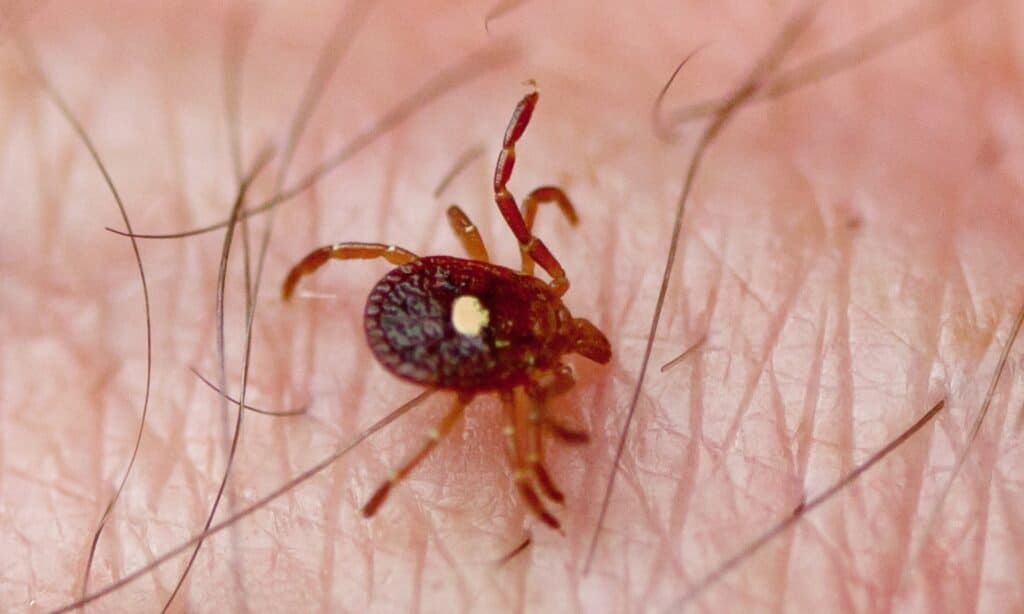
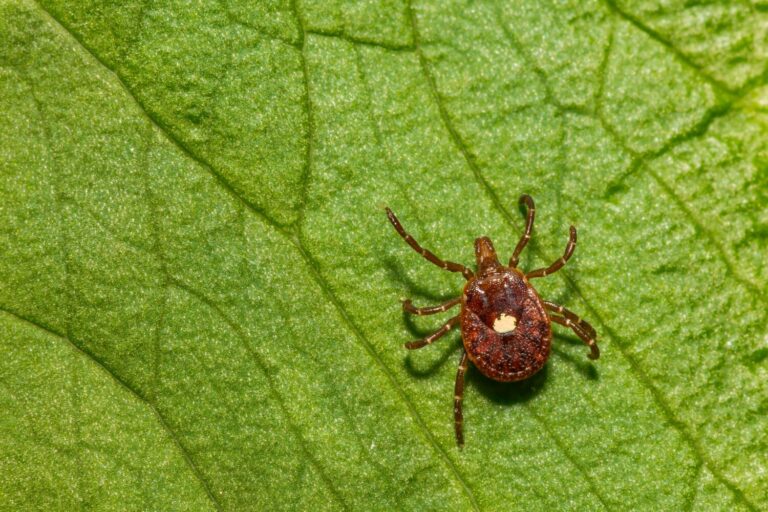
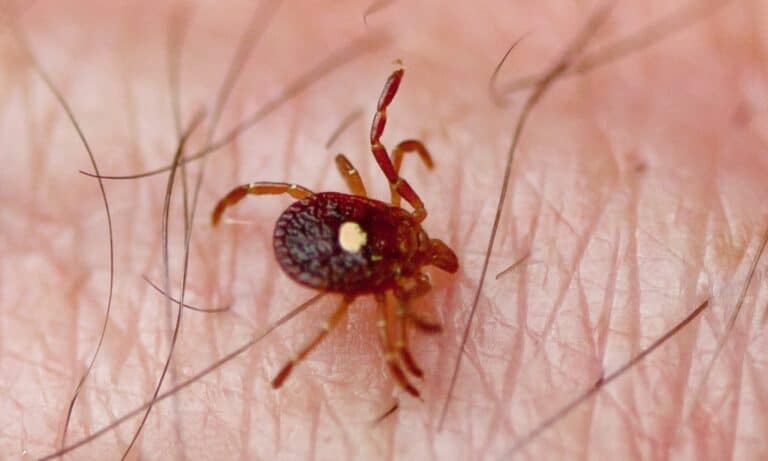
Lone star ticks look like tiny crabs, with round, fat bodies, eight short legs, and a hard shell, and can carry Heartland Disease.
©iStock.com/epantha
Given this, it’s natural to wonder if there’s any way to know which pathogen you might contract from a tick bite. Unfortunately, the answer is not straightforward, and Dr. Hanners says waiting until symptoms appear is not the best approach.
“[Testing] results are likely not to come back in time to be useful if a patient already has symptoms. If a patient doesn’t have symptoms, the tick being positive does not mean they will get sick,” she tells us. “So, using the clues provided by symptoms, travel or residence, and the testing from the patient themselves is much more useful. However, some health departments and private labs accept ticks for testing. Check your local health department to see if they accept ticks for testing.”
You Found a Tick. Now What?
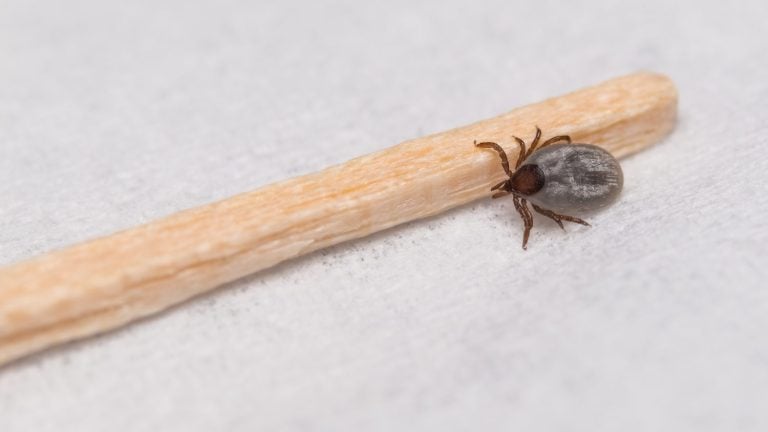
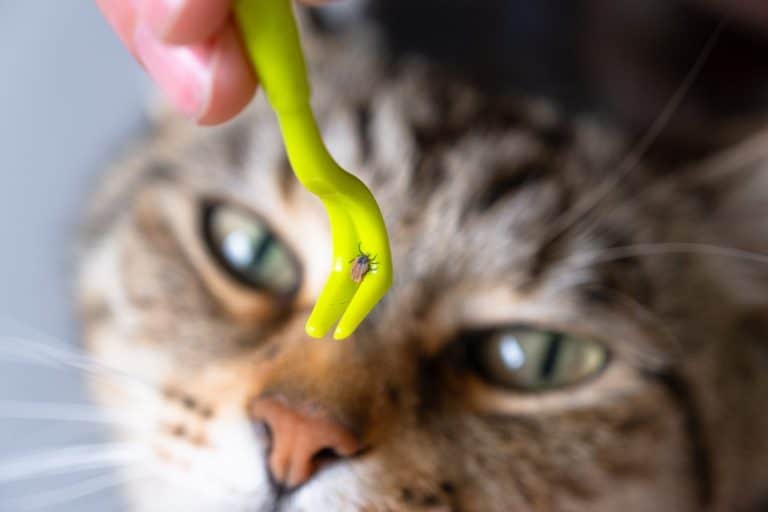
The first step in removing a tick is not to panic, though this can be difficult. While you should act promptly, it’s important to remove the tick carefully and correctly. “Using tweezers, grasp the tick as close to the skin as possible and pull upward gently but firmly. A small area of redness—less than 5 centimeters (about 2 inches) in diameter—is a normal reaction to a tick bite. If you notice a larger red area or develop symptoms such as fever, headache, muscle or joint aches, or a rash, see a doctor,” Dr. Hanners says.
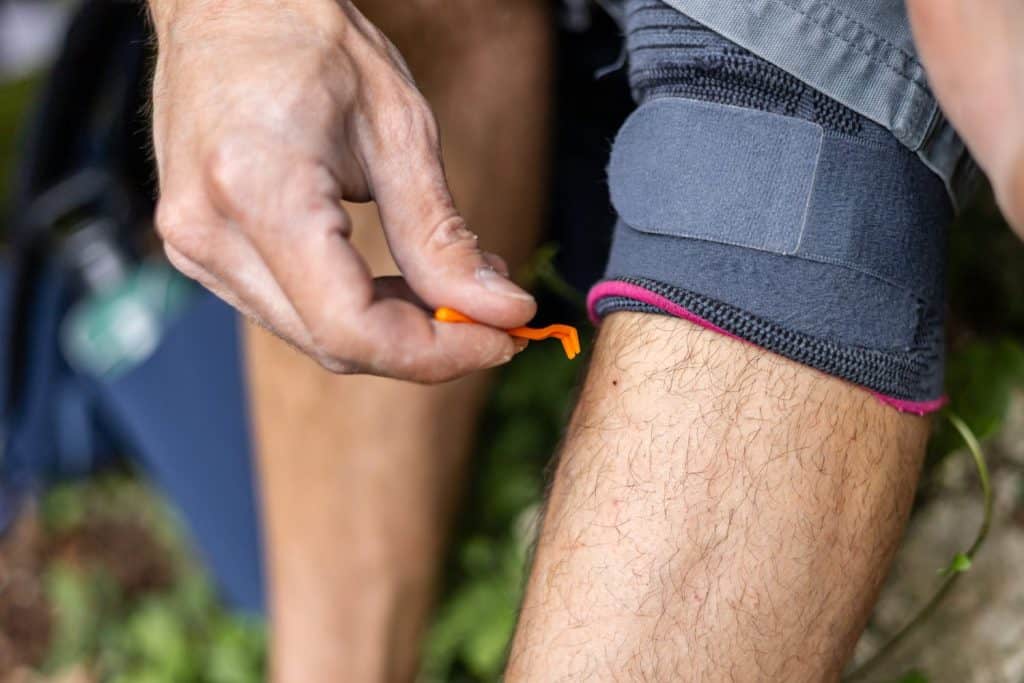
Tweezers are the best tool for tick removal, but you must get as close to the base of the tick as possible.
©Kandybka Alina/Shutterstock.com
She adds that in Lyme-endemic areas, doctors may use prophylactic (preventive) treatment. “So if you live or are traveling in the northeast or upper Midwest, then it is reasonable to go see a doctor if a black-legged tick, the kind that might carry Lyme Borrelia burgdorferi, is found on you or your child,” Dr. Hanners says.
Preventing Tick Bites
The best practice is to take preventive measures to avoid tick bites. Being proactive also provides peace of mind, especially if you live in an area with high tick populations. Dr. Hanners recommends doing these things when ticks are out:
- Wear long sleeves, long pants, socks, and shoes if you will be out in grass or around animals that might harbor ticks.
- Check yourself or your family members if you have been in grass or around animals, especially in your hair, armpits, and groin areas.
- Have a family member check your back or scalp since visibility is lower.
- Keep your dogs and other pets on appropriate flea and tick prevention.
She adds that fleas can transmit a relative of RMSF, called Rickettsia typhi, which causes a disease similar to RMSF but is usually less severe.