
Quick Take
- Ticks spread disease to pets via their saliva.
- It used to be that tick season ran from March to September in the U.S., but today many regions experience ticks year-round.
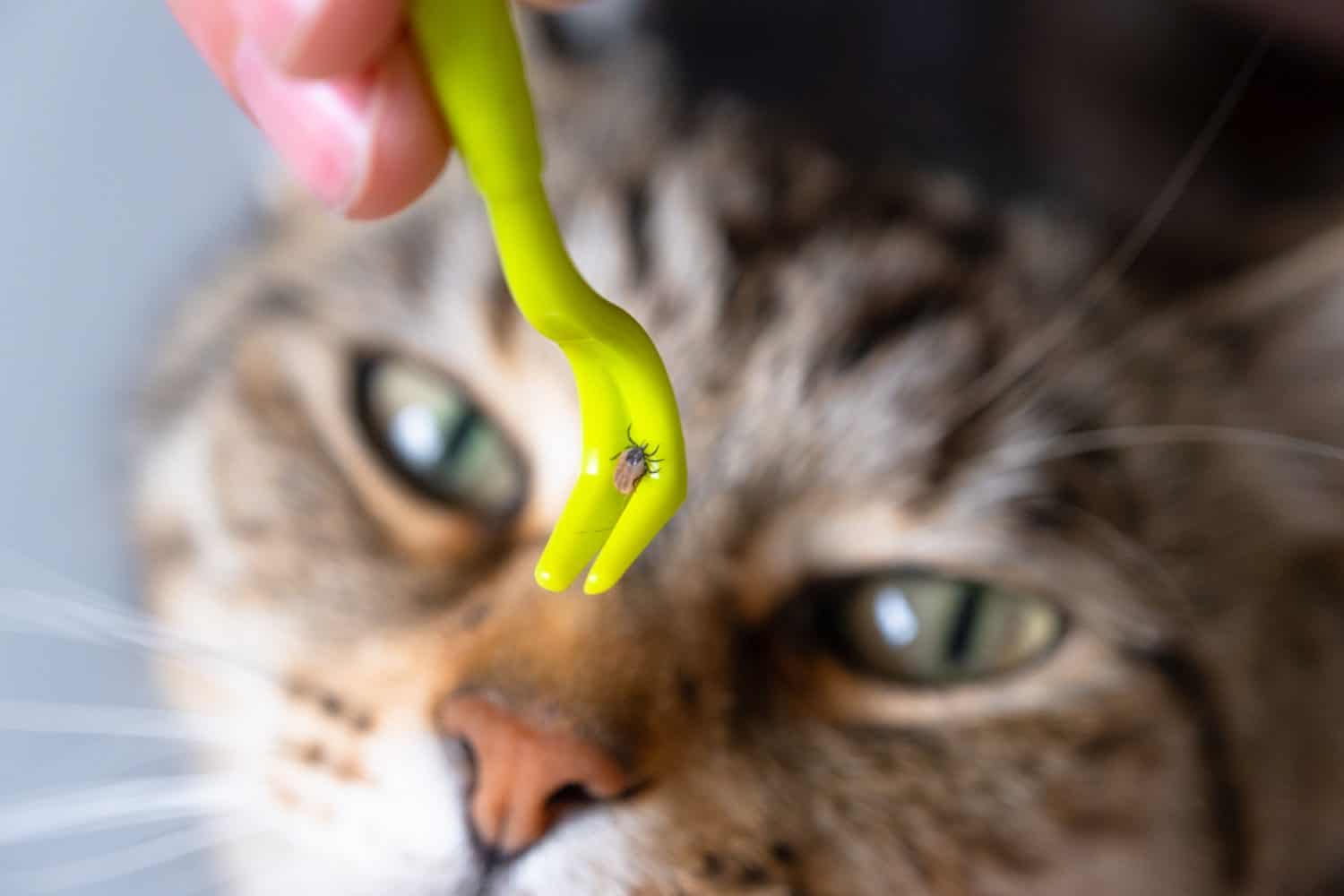
- Tick removal can be safely done with tweezers, making sure not to squeeze the tick as it is extracted.
- There are a variety of measures that can be taken to prevent tick bites, from prescription methods to natural treatments to routine yard care.
Cats and dogs are exposed to a variety of parasites and diseases when they spend time outdoors. Pets encounter many risks outdoors, including contaminated soil, consuming infected animals, and exposure to external parasites—often more than many people realize.
Some of the worst carriers of pathogens are so small that they often go unnoticed. Ticks are a prime example: tiny but mighty, they are highly skilled at transmitting disease to pets. Fortunately, as Tick Bite Prevention Week nears (March 25 through 31), it is a perfect time to understand what strategies work to prevent disease transmission, allowing pets to enjoy time outdoors without fear of becoming ill.
How Ticks Transmit Disease to Pets
Ticks are tiny parasitic arachnids. They thrive on going unnoticed as they attach themselves to hosts to begin their blood cycle. It takes no more than 24 to 48 hours for a tick to embed itself in a pet and begin spreading disease. If left untreated, pets become sick, and some can perish.

Ticks spread disease to pets via their saliva.
©Jay Ondreicka/Shutterstock.com
Ticks spread a variety of diseases via their saliva, which contains bacteria, viruses, and parasites that can enter a pet’s bloodstream and cause illness. Once in a pet’s bloodstream, the pet can experience anything from mild discomfort to severe illness. This is why it is imperative to prevent tick exposure when possible and to seek treatment immediately after signs and symptoms of tick bites present.
What Diseases Do Ticks Transmit to Pets?
Ticks are more than just pests. They are blood-feeding parasites that require hosts to survive, grow, and thrive. Because of this, they are also one of the biggest causes of disease transmission in both pets and people. By transmitting parasites, bacteria, and viruses, ticks can make pets extremely ill and may even cause death if these illnesses are not treated.
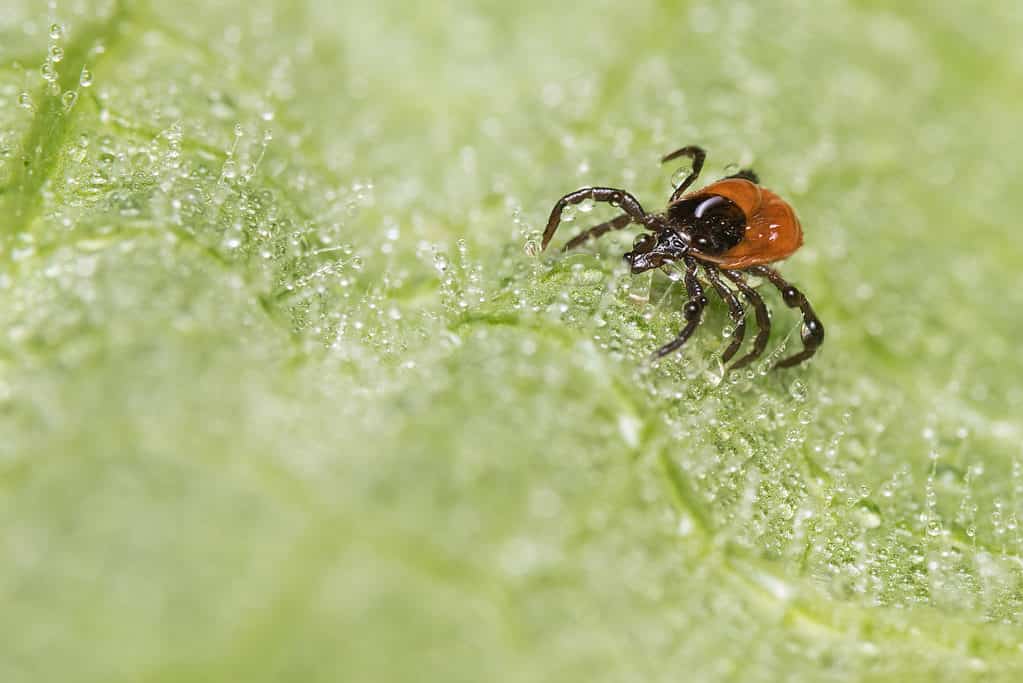
Black-legged ticks carry diseases that infect both dogs and cats.
©iStock.com/Ladislav Kubeš
Not all ticks are capable of spreading disease. However, many are. The different types of diseases and the ticks that spread them are as follows:
| Disease | Cause of Disease | Tick Responsible for Spreading the Disease | Affects Cats, Dogs, or Both |
| Anaplasmosis | Anaplasma bacteria | Brown dog tick | Both |
| Babesiosis | Babesia protozoa | Multiple species of tick | Primarily dogs |
| Bartonellosis | Bartonella hensellii | Black-legged tick | Both |
| Cytauxzoonosis | Cytauxzoon felis | Lone Star tick | Cats |
| Ehrlichiosis | Ehrlichia bacteria | Black-legged tick | Both |
| Hepatozoonosis | Hepatozoon parasite | Black-legged tick | Primarily dogs |
| Lyme disease | Borrelia | Black-legged tick | Dogs |
| Rocky Mountain Spotted Fever | Rickettsia bacteria | Rocky Mountain tick | Dogs |
These diseases can cause a variety of symptoms to show when pets are infected. Some of the most common include:
- Change in appetite
- Lethargy
- Fever
- Skin irritation
- Swollen lymph nodes
- Body aches and specifically joint pain
If pets exhibit any of these behaviors after spending time in tick-infested areas, it is likely that one or more ticks are on the pet and need to be removed immediately. The sooner the tick is removed, the sooner its type can be identified, and treatment can begin, helping a pet get back on the road to recovery.
Common Ways Pets Come Into Contact with Ticks
Ticks can survive in a variety of habitats, just waiting to attach themselves to a host. While spending time outdoors is the most common way pets encounter ticks, it is not the only way. To prevent tick bites, it is important to understand how ticks most frequently come into contact with pets and to take steps to prevent those encounters.

Spending time in grassy areas or hiking off-trail are common ways pets come in contact with ticks.
©fishcat007/Shutterstock.com
The most common ways that ticks come into contact with pets include:
- Pets spending time in woody or grassy areas
- Spending time with other pets that have ticks on them
- Ticks being brought into the house by people who have spent time outdoors
- Hiking off-trail with their owners
By understanding how ticks come into contact with pets, tick exposure can be better prevented, keeping pets free from tick-borne illnesses.
Protect Your Pets From Ticks
People who live in urban areas are less likely to come into contact with ticks than those who call rural areas home. However, living in a region with a higher risk of tick exposure does not mean pets are destined to become ill. There are ways to reduce tick populations and, in turn, keep pets from getting bitten.

Keeping yards clear of leaf debris and mowed can help reduce the chances of pets coming in contact with ticks.
©Ciprian Gherghias/Shutterstock.com
Those who live in tick country can reduce the chances of their pets coming into contact with ticks by practicing the following:
- Keep a regular schedule for mowing the lawn
- Create a physical barrier that prevents pets from going into areas known for having ticks, while still allowing them to enjoy time outdoors
- Remove leaf litter and debris where ticks can hide
- Have deterrents in the yard to keep wildlife known for carrying ticks from visiting and dropping ticks
Given their small size, ticks can be found just about anywhere outdoors. However, with regular maintenance and preventive measures, the tick population in areas frequented by pets can be significantly reduced.
How to Safely Remove Ticks From Pets
Even with all the prevention available, there may be times when a tick is found embedded in a pet. The best practice is to remove the tick as soon as possible to stop disease transmission before it begins.
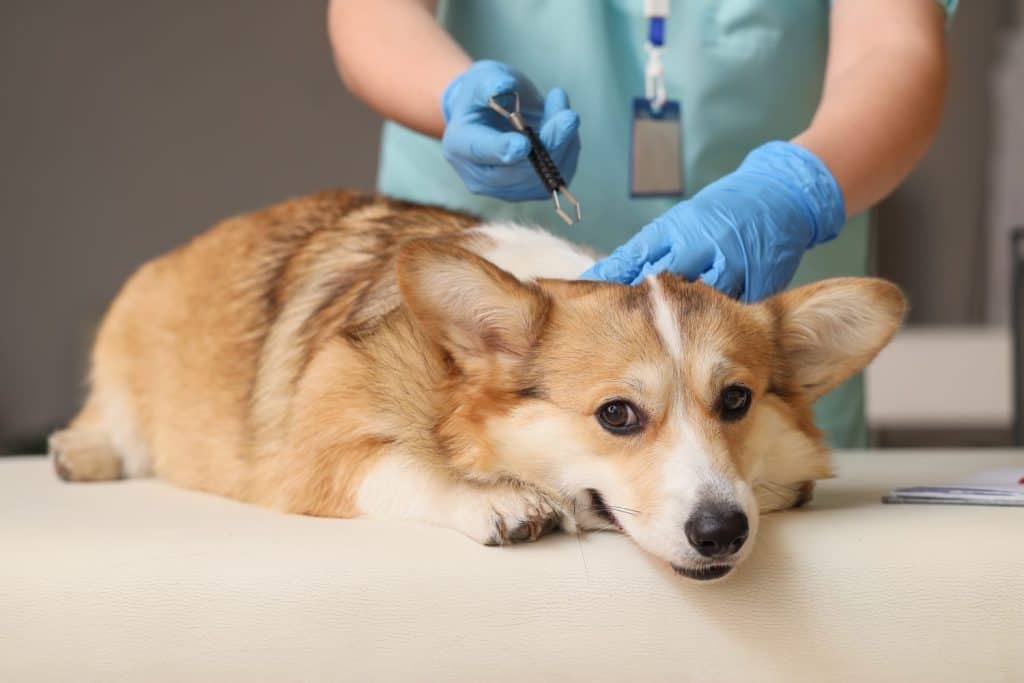
Using fine-tipped tweezers or a tool specifically designed to remove ticks is the best way to safely remove a tick from a pet.
©Pixel-Shot/Shutterstock.com
The steps for removing a tick from a pet include:
- Grasp the tick with a pair of fine-tipped tweezers as close to the skin’s surface as possible. DO NOT squeeze the tick.
- Pull the tick out slowly and steadily, without twisting or using excessive force, to keep the tick intact.
- Once the tick is removed, the tick can be disposed of in a container it cannot escape from, wrapped in tape, or flushed. DO NOT squeeze the tick or try to remove its head from its body, as disease transmission can occur this way.
- After removing the tick, clean the area where it was attached with soap and water or rubbing alcohol.
In the hours and days after the tick bite, experts recommend keeping a close eye on pets. If any signs of the pet feeling unwell are present, they need to be seen by a veterinarian immediately. If you kept the tick in a sealed container, your veterinarian may ask you to bring it to the appointment to help identify the species and determine which diseases it may transmit.
Tick Prevention in Pets
It is a scary thought that a single tick can make a pet ill because ticks can spread disease so quickly. Fortunately, there are a variety of prevention products on the market that stop ticks from completing their blood cycle. This prevents diseases from being transmitted.
Some of the most popular types of treatments available to prevent ticks include:
- Oral tablets
- Topical treatment
- Tick collar
These preventive treatments may only be available with a veterinarian’s prescription. Therefore, it is important to have pets examined by their veterinarian before tick populations increase in your area, to help keep them healthy.

Prescription and natural remedies are both good ways to keep pets free from ticks.
©Anikin Dmitrii/Shutterstock.com
In addition to these prescription medications, there are natural remedies recommended to help deter ticks from biting. Some common natural remedies to battle ticks include:
- Essential oils
- Diatomaceous earth
- Apple cider vinegar
Regardless of whether a prescription or natural remedy is chosen for tick prevention, it is always recommended to do a daily check of pets. Using a tick comb and performing a visual check—including often-overlooked areas such as between the toes, ears, and under the tail—helps remove ticks before they can burrow and spread disease.
Is There a Tick Season?
In the past, pets had a break from tick exposure during the off-season, but now tick season lasts much longer or is year-round in many areas. However, in many parts of the United States, tick season no longer exists. This means pets are at risk of tick exposure year-round.
In states where it still gets bitterly cold, tick season runs from April to September. This is when temperatures are warm enough to be comfortable, allowing ticks to move about freely after their winter dormancy (quiescence). Ticks transmit most diseases during these months, putting pets and wildlife alike at risk.
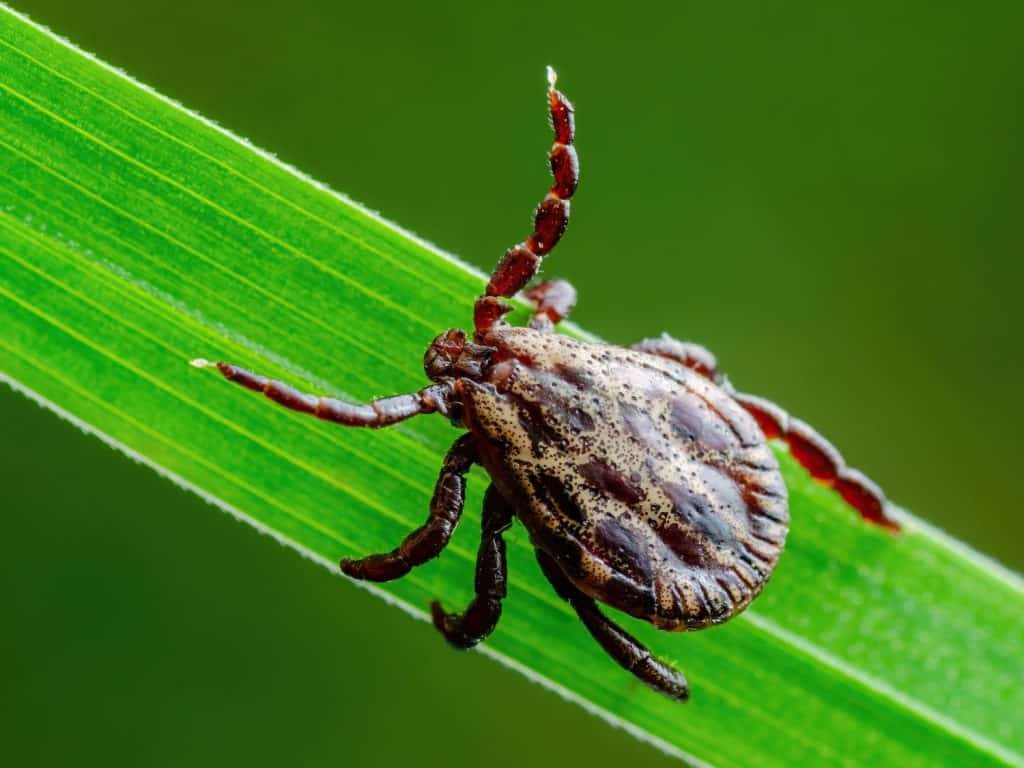
There is no longer a tick season for much of the United States, as temperatures have become warmer for longer during the year.
©nechaevkon/Shutterstock.com
However, in western and southern states, the climate is mild enough that ticks can spread disease year-round, so there is no defined tick season. Some states that previously had a defined tick season are now experiencing much longer seasons due to climate change, which keeps temperatures warmer for extended periods.
Without a designated tick season, tick prevention becomes crucial to keeping pets safe. Simple measures like daily checks and monthly oral or topical medications are usually enough to prevent ticks from biting and burrowing into the skin, stopping tick-borne illnesses before they start.