
They don’t have limbs, yet they’re fast. Their tongues can’t scoop, yet they know how to quench their thirst. Some are venomous and some aren’t. Snakes invite you to explore a whole other world. But here’s a simple query: do snakes drink water? Let’s find out (plus, we throw in a couple more fun facts!).
Do Snakes Drink Water?
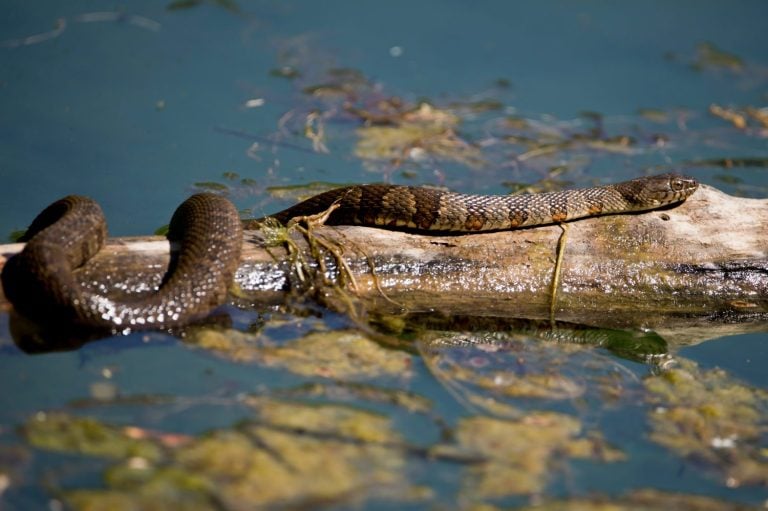
A snake’s forked tongue isn’t the optimal shape to scoop water and deliver it back into their mouths. So, how do snakes stay hydrated? They don’t drink water in the way you might think they do. Snakes are equipped with a sponge-like lower jaw that absorbs water. The snake lowers its head into the water, then contracts it down using its jaw muscle so the water can reach their bodies.
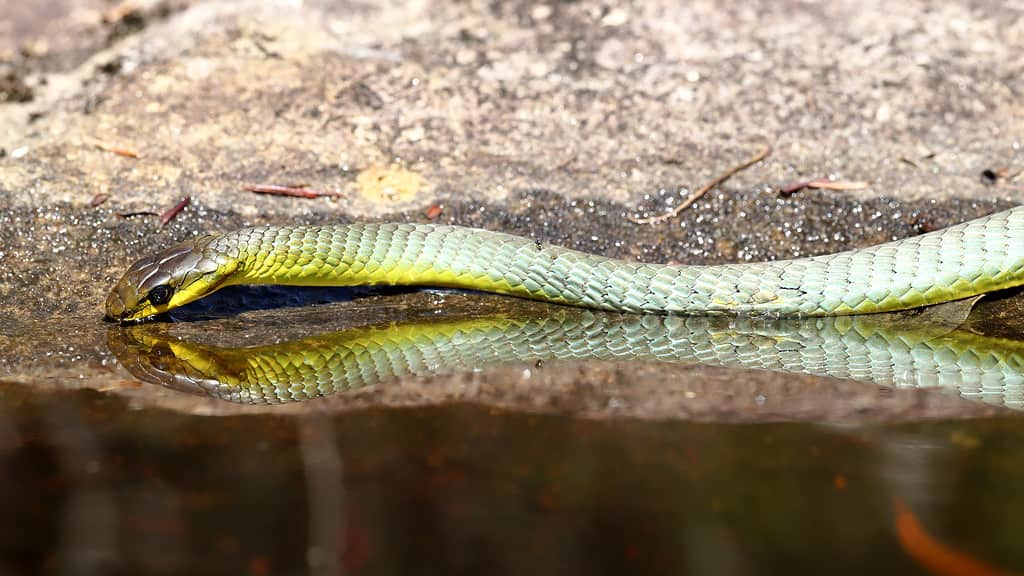
Snakes lower their head into the water, then contract it down using its jaw muscle so the water can reach their bodies.
©Ken Griffiths/Shutterstock.com
3 Other Crazy Things Snakes Do
1. They Fly
Okay, not exactly. But snakes may appear like they’re flying due to their fast gliding abilities. They can travel from branch to branch at high speeds, making them appear to be taking flight for a few moments. Sometimes, they end up landing on the ground but in many cases, the snake is able to glide through the air momentarily before landing on another tree branch. This gliding act only lasts for a few seconds, but if you were to see a snake in action, you might question what kind of deal it’s made with gravity!
2. They Steal Venom
A snake’s diet may include other animals like toxic toads. While they enjoy an amphibian for a snack, they also take the venom from the toxic toads, store it in their neck glands, and use it when facing a predator. Talk about multi-tasking! When pregnant, the tiger keelback also passes some of this stored venom onto its young so that its little ones can protect themselves from predators. Whereas some snakes use their venom when attacking prey, the tiger keelback uses it as a form of defense.
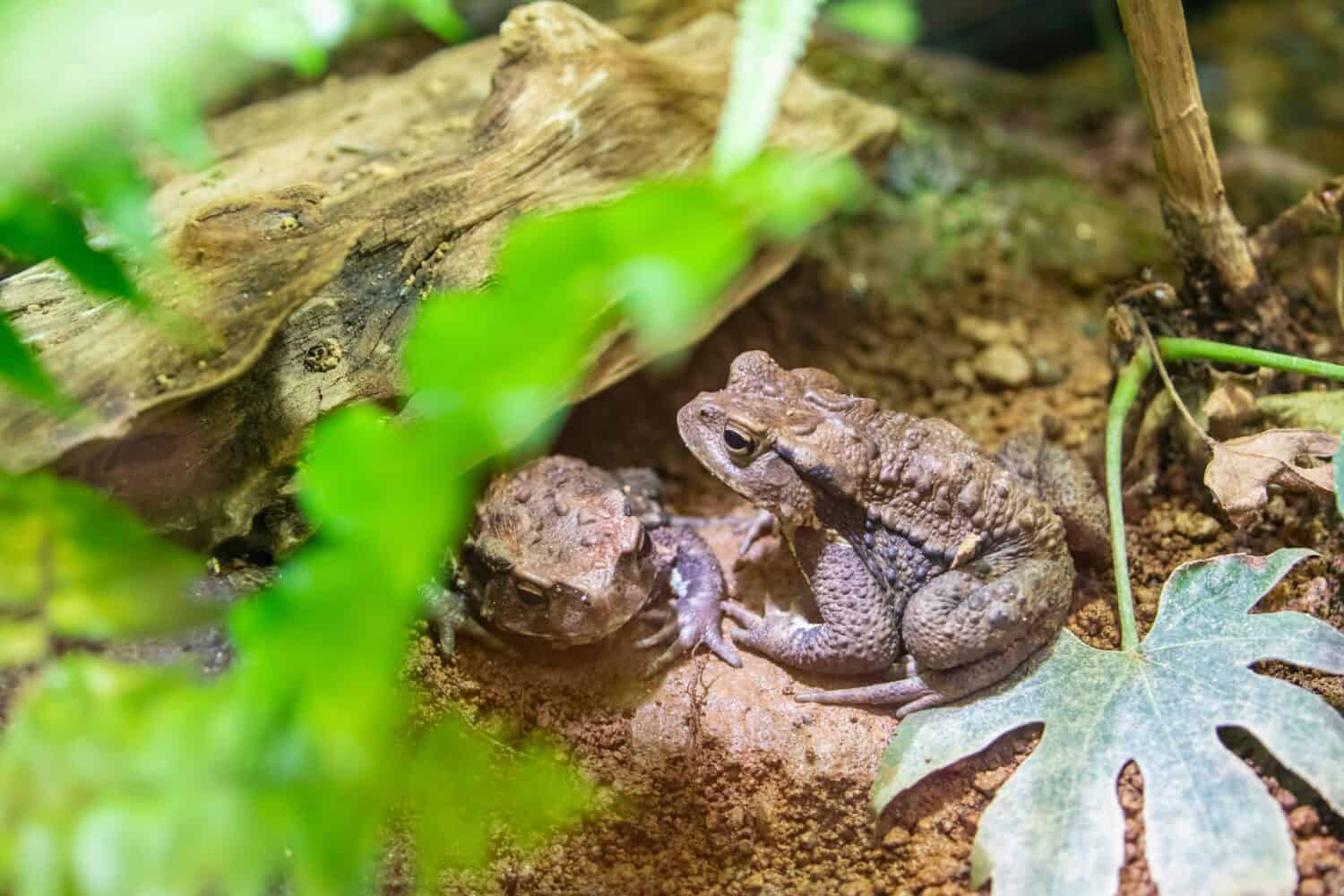
The tiger keelback steals venom from the Japanese common toad.
©Danny Ye/Shutterstock.com
3. They Can Reproduce Without Sex
Boa constrictors possess the incredible ability to reproduce without a male. This is called parthenogenesis. This is an asexual reproductive process that permits an egg to turn into an embryo without the need for fertilization. A female boa constrictor has the choice to reproduce asexually or sexually. The offspring with each method differs, however. When a boa constrictor reproduces asexually, her offspring take on the same color mutation as hers — plus, they’re only female!