
Quick Take
- While the otter appears to be “patting” or playing with the crab, experts suggest this is likely highly skilled prey handling.
- Otters use their sensitive whiskers to find food and their nimble forepaws to manipulate, roll, and reposition it before eating.
- Sea otters have incredibly high metabolic demands. To stay warm and energized in cold Pacific waters, they must consume 20% to 30% of their body weight every single day.
- Their range is strictly tied to their environment. They are bound by sea ice to the north and the end of kelp forests to the south.
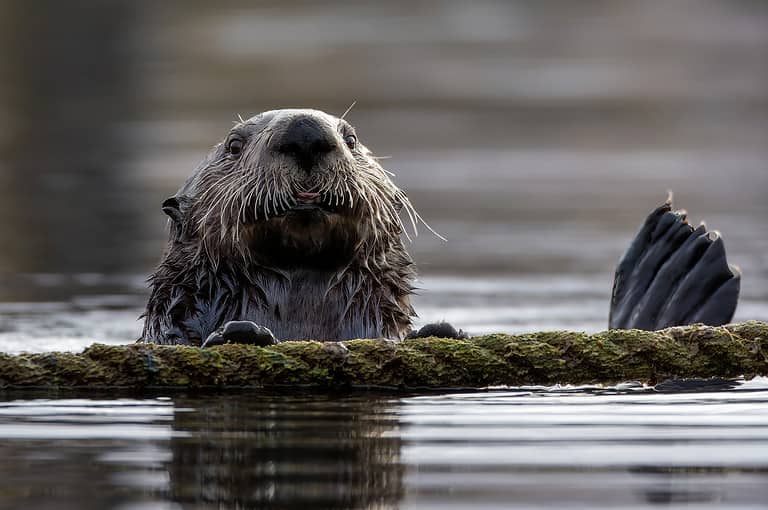
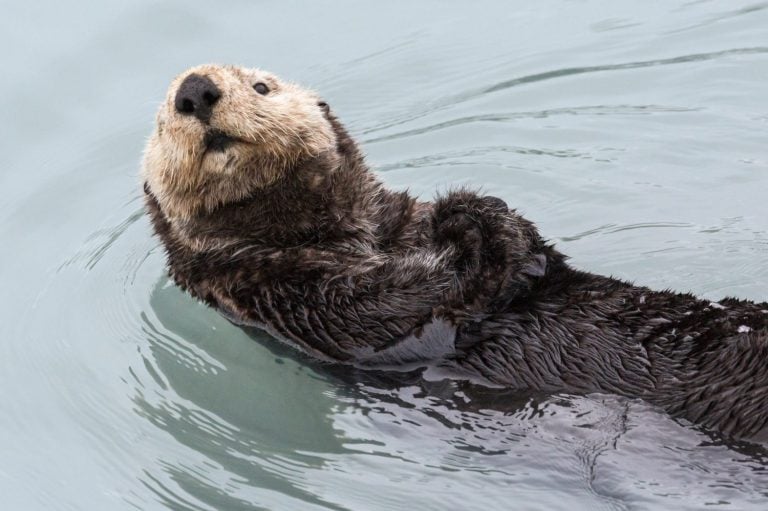
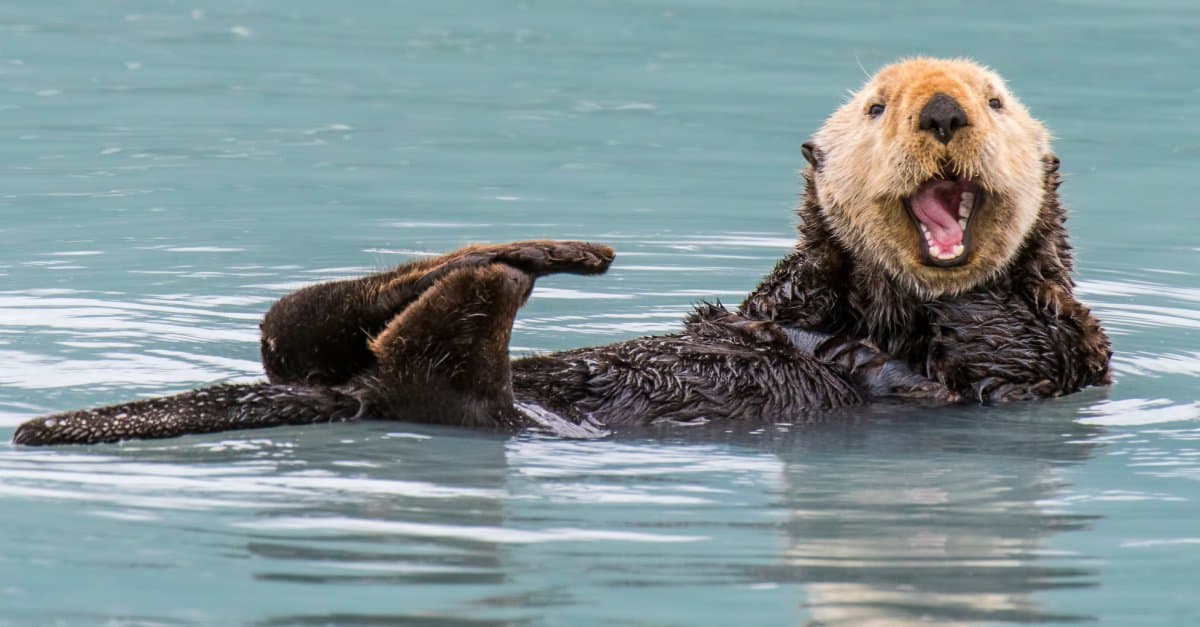
This gorgeous sea otter is having trouble deciding whether a crab is a friend or food. At first, it balances the crustacean on its stomach and even pats it affectionately. Then, it grasps it between its front flippers and mouth and spins a few. We have no idea whether the crab is alive or dead, but it is probably not enjoying the experience as much as the otter!
Watch the Game Now!
View this post on Instagram
Where Do Sea Otters Normally Live?
Sea otters live in nearshore waters of the North Pacific, including Alaska, British Columbia, Washington, California, and parts of the Russian Far East. They cannot extend their range any further north because of sea ice or any further south because the kelp forests disappear.
When it comes to habitat, they like temperate coastal locations with an ocean floor made up of rocks or soft sediment. These animals are highly dependent on the offshore kelp forests and spend most of their time in them foraging for food. They also use a variety of nearshore habitats, including bays, estuaries, and soft-sediment areas, where they forage for prey. Although sea otters usually forage in relatively shallow water, they are capable of diving much deeper, with observed maximum foraging depths reaching about 100 meters, or 328 feet.
What Do Sea Otters Normally Eat?
These animals are carnivores that feed primarily on marine invertebrates such as crabs, sea urchins, clams, mussels, snails, and other bottom-dwelling prey, though fish can be part of the diet in some parts of their range. They often stick to just a few prey species and become experts at catching them.
Sea otters locate their prey using their sensitive whiskers. They eat three or four times a day. Because they have very high metabolic demands, sea otters typically eat about 20% to 30% of their body weight each day.
What Is the Otter Doing With the Crab?
We get a glimpse of just how dexterous these creatures are in this clip. They are able to use their forepaws to grab prey as well as roll, twist, and pull it apart. Some are even more clever. They may use rocks as tools to break open hard-shelled prey. They may place the prey on their chest and use a rock to crack open the shell while floating on their backs.
What we may be seeing here is the otter manipulating and repositioning the crab with its forepaws and mouth as it inspects or prepares it to eat. This behavior is more likely related to prey handling than play, but the clip alone does not let us say that with complete certainty.