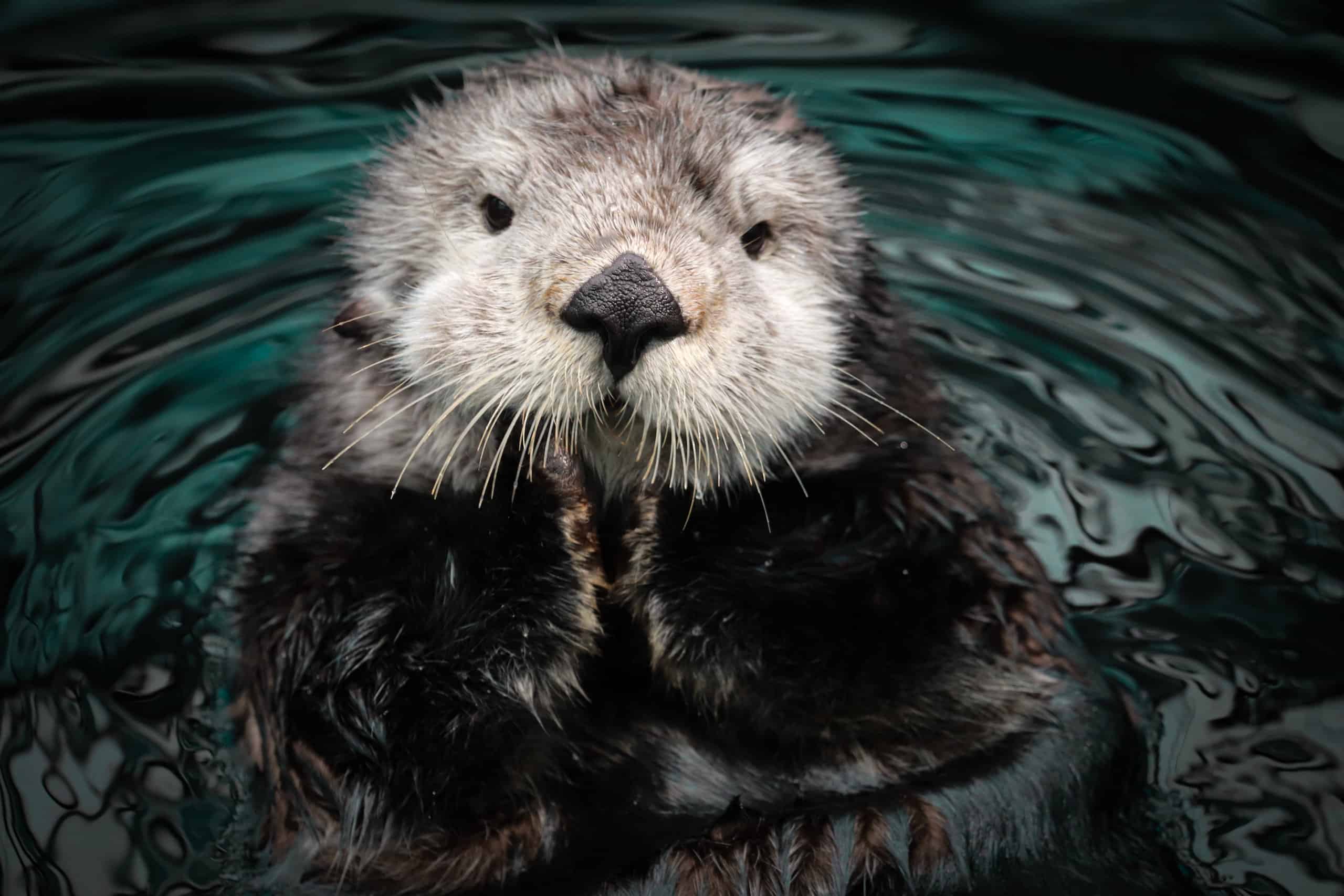

Sea otters are undeniably adorable. The marine mammals that are found off the coasts of California, Alaska, and Russia have not had an easy time with survival, however. At one point, the species was almost completely eradicated. What people did not know a couple of centuries ago is that sea otters were worth more than their fur coats. Sea otters protect entire ecosystems, and without them, the world beneath the waves collapses.
It is hard to believe that such a small animal could play such a massive role in the health of the oceans. But sea otters do just that. By consuming creatures that are predatory on the plant life in the coastal Northern Pacific Ocean, a multitude of other animals, large and small, survive. If sea otters were taken out of the equation, there would be a massive imbalance in marine life. This is why the keystone species needs to be protected before populations reach a point where they can no longer recover, for both the species itself and all others that rely on it.
Sea Otters Are a Keystone Species That Protects Kelp Forests
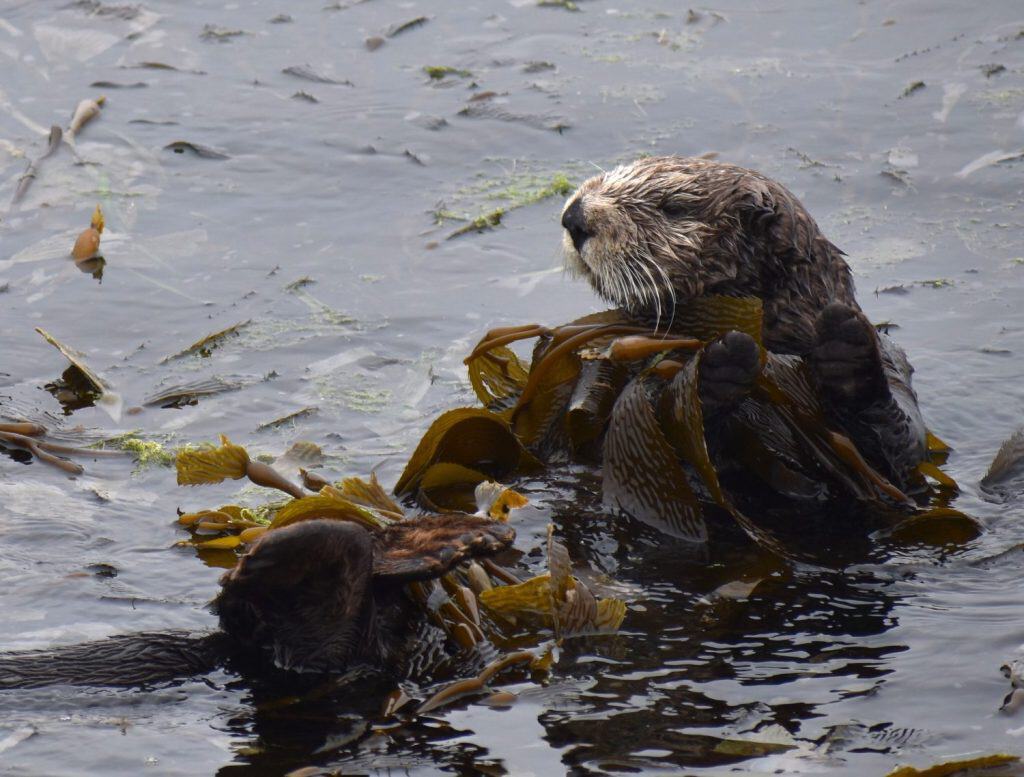
Sea otters consume sea urchins, thereby protecting kelp forests and other marine life in the ocean.
©elakazal/Shutterstock.com
Sea otters are often portrayed as marine animals floating on their backs, eating clams, oysters, and other hard-shelled ocean creatures as they lounge in the sun. Many do not realize that sea otters are far more than cuddly-looking, playful mammals. They are a keystone animal; without them, entire ecosystems would collapse.
One of the most critical and dynamic ecosystems on Earth is the kelp forests. Kelp forests protect and provide shelter for a multitude of small marine creatures, while helping to cycle carbon they absorb from the environment. Kelp forests have been successful in their growth in the past due to sea otters. This is because sea otters help to keep a kelp predator population in check, which would otherwise destroy entire kelp forests. Sea otters are connoisseurs of a variety of prey, from fish to mussels, shrimp, and more. One of the sea creatures that it is drawn to is the sea urchin. This benefits kelp forests because, without sea otters, sea urchins would consume the roots of kelp, causing the entire kelp forest to collapse quickly.
The fact that sea otters eat sea urchins in abundance is what makes them a keystone species. If the sea urchins were to destroy the kelp forests in their entirety, species that call the kelp home would also perish. This would cause problems higher up in the food chain, where larger marine animals would have to adapt, or they too would succumb to the fate of the kelp and smaller animals that lived there. The oceans would be significantly less healthy, and the biodiversity that once was there would disappear. But even with sea otters working to protect the kelp forests, climate change and sea urchins have caused damage to some kelp forests, resulting in their permanent loss.
Kelp Forests Are Declining Due to Climate Change and Sea Urchins
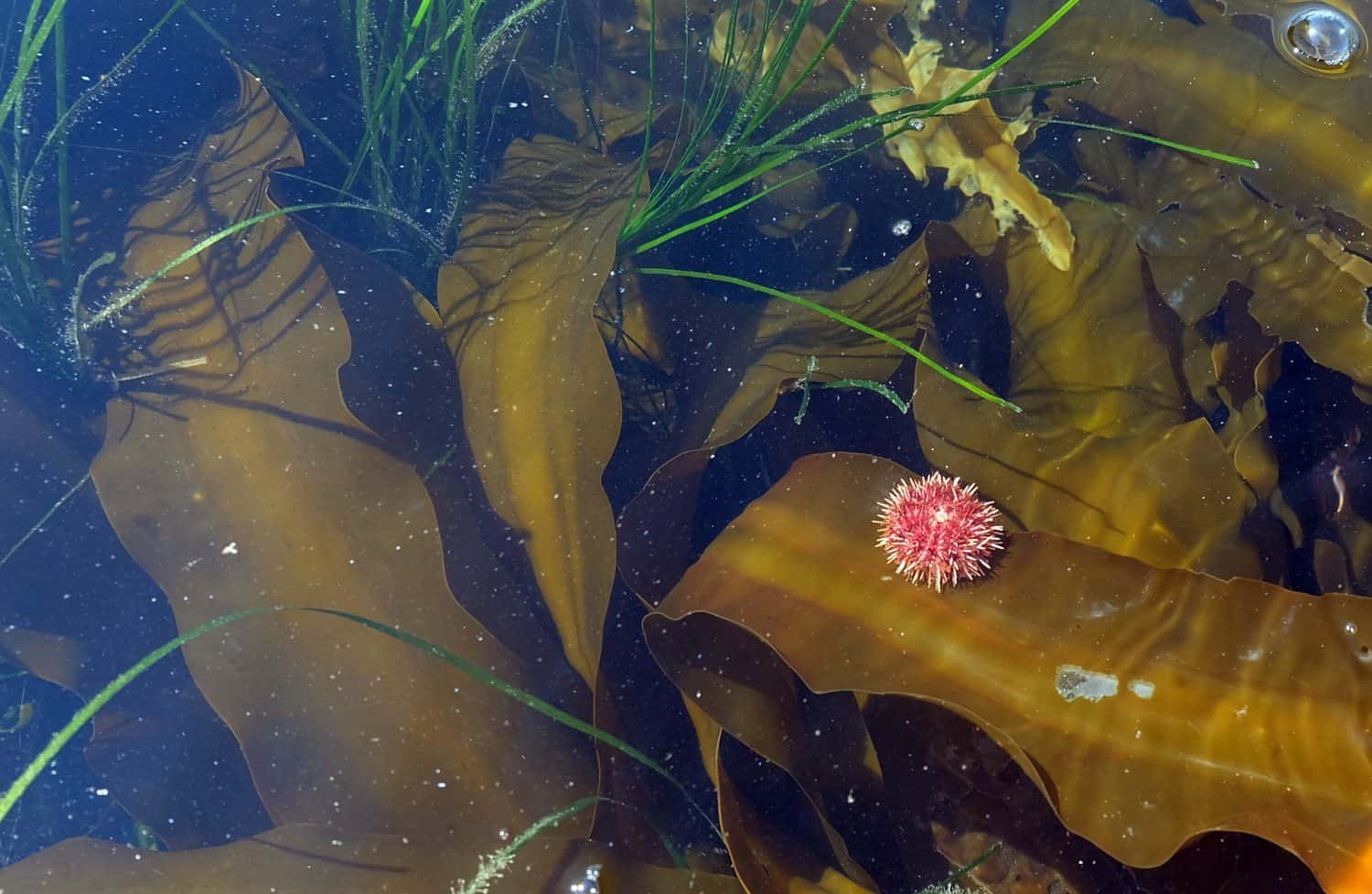
If left unchecked, sea urchins will destroy entire kelp forests.
©Strannik88/Shutterstock.com
The kelp forests that are such an essential part of the ecosystem have been in decline for more than a century. Found along the West Coast and the northeast, there are a variety of forests that help to protect the ocean and its marine inhabitants. But thanks to climate change and sea urchin foraging, the scale to which the kelp forests have survived is a fraction of what it used to be.
Kelp forests are responsible for providing food and shelter to marine animals, preventing erosion, acting as a natural barrier for tides driven by storms, and absorbing, holding, and cycling carbon from the environment. But as climate change has warmed the ocean waters, sea urchins have increased the foraging they do on the kelp. This has led to “urchin barrens,” which are areas of the ocean now devoid of sea kelp where it once flourished.
One of the places most affected by sea urchin activity off the coast of California. Here, 95% of the kelp forests have disappeared since 2014. This began when a heatwave in the North Pacific combined with a strong El Niño event between 2014 and 2016. The conditions were not optimal for the kelp, leading to limited growth for the kelp forests at this time.
Additionally, during the same period, the purple sea urchin population increased. The urchins grazed through the kelp forest, killing a majority of it. While sea otters live in the region where the kelp forests have declined, there are not enough of them to keep up with the sea urchins that decimate the kelp forests. However, with the California population, sea otters were able to consume enough sea urchins to save what is left of the kelp forests.
The decline of the kelp forests has proven that if sea otters were to be eradicated, the biodiversity of the ocean and its health would never be the same. This is why conservationists have been fighting to save sea otters for decades, as saving the sea otters means saving a large population of marine life.
What Would Happen If Sea Otters Disappeared?

If sea otters were to disappear, entire marine ecosystems would collapse.
©Mike Baird / Creative Commons – Original
It does not take much imagination to see what would happen if sea otters were to disappear. The effects of the population decline that has already taken place can be seen today, and it is frightening. As the population of sea otters has decreased, together with climate change, sea kelp forests have disappeared. Sea urchins have begun to take over areas where sea kelp used to be thick and abundant, reducing the forests to shells of their former selves.
But it is not only sea kelp that is affected by a lack of sea otters keeping sea urchin populations under control. According to a 2020 study published in Science, sea urchin populations are also causing coral reefs to collapse. This occurs as the urchins graze on the algae on the reefs. The grazing has increased substantially over the last several decades as ocean temperatures have risen. With fewer sea otters to eat the urchins, the spiny marine animals run amok.
If sea otters were no longer to exist, the entire ecosystem where they live would collapse. It is not only kelp forests and sea urchins that would be affected, but the whole food chain would become lopsided. The smallest of creatures to the largest of marine mammals would find themselves in habitats they do not recognize. While some would survive, many would not. Therefore, it is imperative that keystone animals, such as sea otters, are protected at all costs. However, with sea otters facing a population decline, many wonder if it is already too late to save the species.
Sea Otters Are An Endangered Species
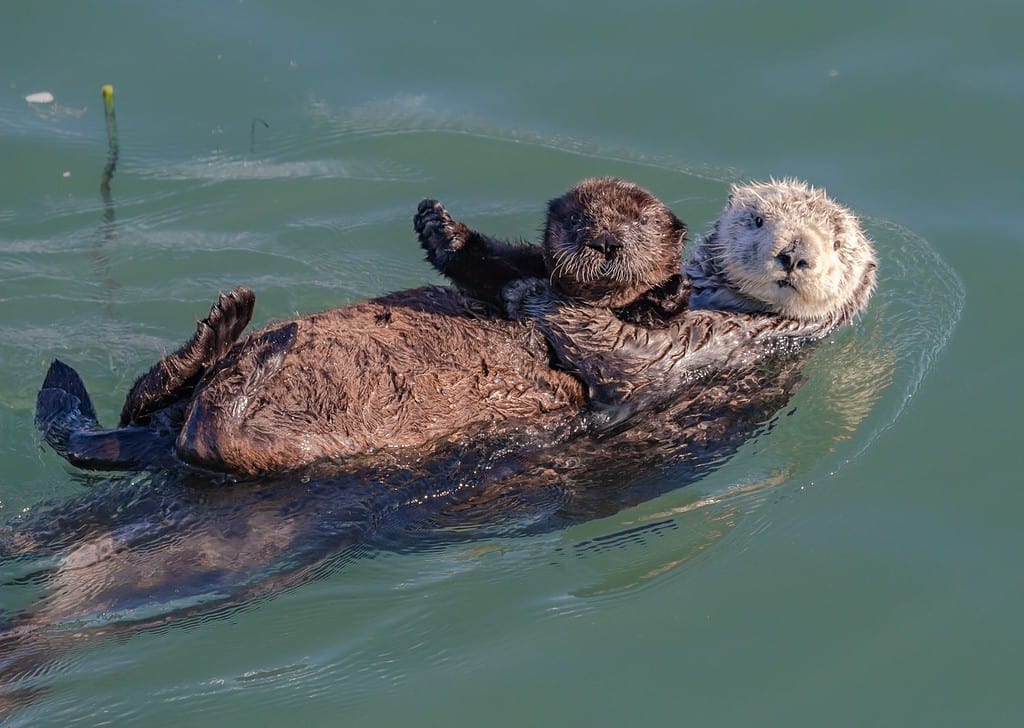
There are approximately 150,000 sea otters worldwide, with some populations shrinking to as low as 3,000 individuals.
©MODpix/Shutterstock.com
Sea otters have struggled to survive since the 18th century. During that century and into the next, sea otters were hunted to the point where they nearly went extinct due to the fur trade. It was not until the 1911 Fur Seal Treaty went into effect that it appeared sea otters would have a fighting chance at rebounding their population.
During the early to mid-1950s, the population began to increase. But this was not to last. Factors other than being hunted by humans began to take their toll on the population, resulting in the IUCN listing sea otters as an endangered species today. Some of the factors that have led to the sea otter becoming an endangered species include:
- Orcas and sharks are hunting otters due to food scarcity up the food chain
- Ocean pollution due to oil spills, runoff into the ocean, and plastic waste
- Increase in toxoplasmosis after marine animals consume the para,site and the sea otters consume infected marine animals
- Climate change decreasing food and sea kelp habitats
- Getting tangled in fishing line
- Increased marine traffic is coming too near sea otter habitats
Historically, there were 300,000 sea otters worldwide before the fur trade nearly decimated their populations. Today, there are approximately half that many in the wild, with some populations faring better than others. For example, the southern sea otters that live off the coast of California have a population of around 3,000. As the populations continue to decline globally, there is a very real threat that smaller sea otter populations could completely disappear.
It is believed that by 2050, the ocean will be less habitable to sea otters than it is today. Consequently, conservationists are calling for action to be taken to save sea otters and keep their populations from declining further, making a rebound impossible, in conjunction with irreparable damage done to the oceans that cannot be reversed.
Local Efforts to Save Sea Otters
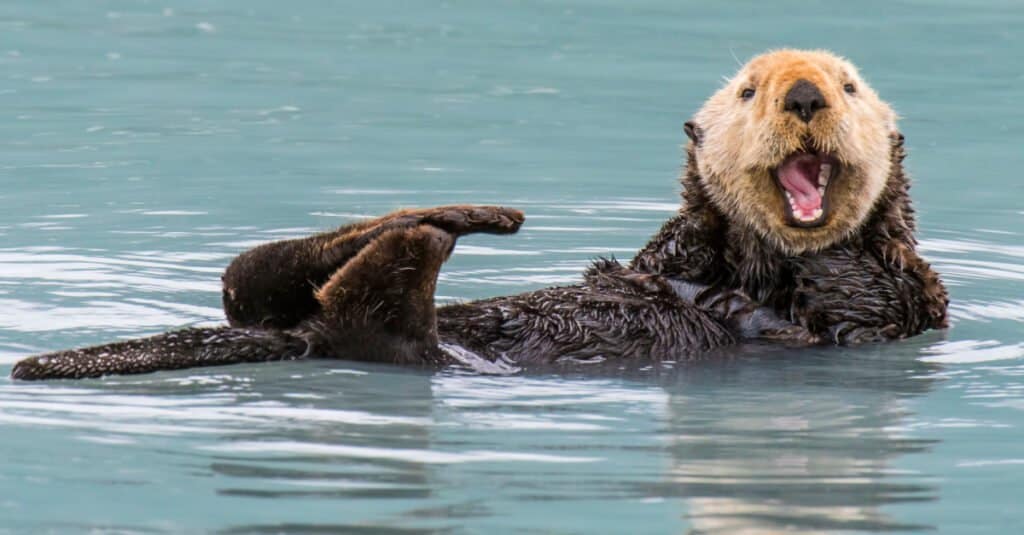
By making small changes locally, the sea otter has a better chance at survival.
©iStock.com/David McGowen
Saving any animal, be it a sea otter or other, can seem like a monumental task, leaving many wondering what they can personally do to help with the effort. Fortunately, for those who want to get involved, there is plenty that can be done locally that can help to turn the tide on sea otter population decline.
Some of the things people can do to help sea otters and the ocean environment they live in include:
- Do not litter, as waste finds its way into the ocean, polluting the sea otter’s habitat
- Do not dump hazardous waste into storm drains
- Purchase recycled or sustainable items when possible
- Reduce carbon emissions
- Do not boat or fish near sea otter protected habitat sites
These steps may seem small, but if large amounts of the global population were to do them, in addition to the call to action conservationists have made for the U.S. Fish and Wildlife Service to expand protected sea otter habitats, the federal government to address conflicts between those who make a livelihood fishing and the sea otters, and local lawmakers to find ways to keep sea otters from being impacted by local populations, it would make a significant impact on the lives of the sea otters.
Sea otters have reached a breaking point in their population. If conservation efforts go into effect, the keystone marine animals may just be able to survive as climate change transforms their habitats. Without these protections, however, the future of sea otters—and their ability to protect entire ecosystems—may be in jeopardy.