
Quick Take
- California ground squirrels apply chewed snake skin to their fur, masking their scent to confuse rattlesnakes.
- Squirrels increase blood flow to their tails, creating a thermal signal that intimidates heat-sensing rattlesnakes.
- This approach combines scent and heat to protect vulnerable young within high-risk prairie colonies.
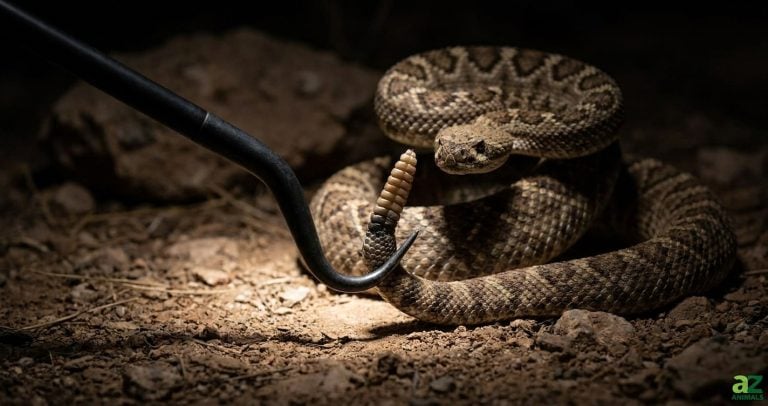
Squirrels are abundant in the wild, though they have many predators, including the dreaded rattlesnake. But the small mammals do not simply flee their slithering reptile enemies. In a surprising twist, these rodents turn their predators into an advantage. As shown in a fascinating YouTube video, ground squirrels chew on shed snake skin and rub it onto their fur, effectively disguising themselves with the scent of a rattlesnake.
This unusual behavior allows the squirrels to mimic one of their most dangerous predators, sending a confusing signal to would-be attackers. It’s one of the more remarkable defense strategies in the animal kingdom, and one that requires the squirrels to overcome their natural instinct to avoid snakes. In this way, the brave little mammals don a powerful disguise that can deter predators. Let’s learn more about how ground squirrels use this unique strategy to confuse, intimidate, and ultimately cause their most fearsome predators to retreat.
Skincare Scents
As shown in this YouTube video, a ground squirrel approaches a snakeskin for good reason: self-defense. The ground squirrel grabs the old skin and rubs it all over its body, particularly its tail. This masks the squirrel’s natural scent, making it smell like one of its primary predators. While this unusual scent may startle other animals near the burrow, it can ultimately save the squirrel’s life.
Researchers have found that ground squirrels developed this defensive strategy over millions of years of encounters with rattlesnakes that prey on them. Squirrels discovered that they can “reduce the risk of rattlesnake predation by applying rattlesnake scent to their bodies, potentially as a form of olfactory camouflage.”
Shake Ya Tail Feather
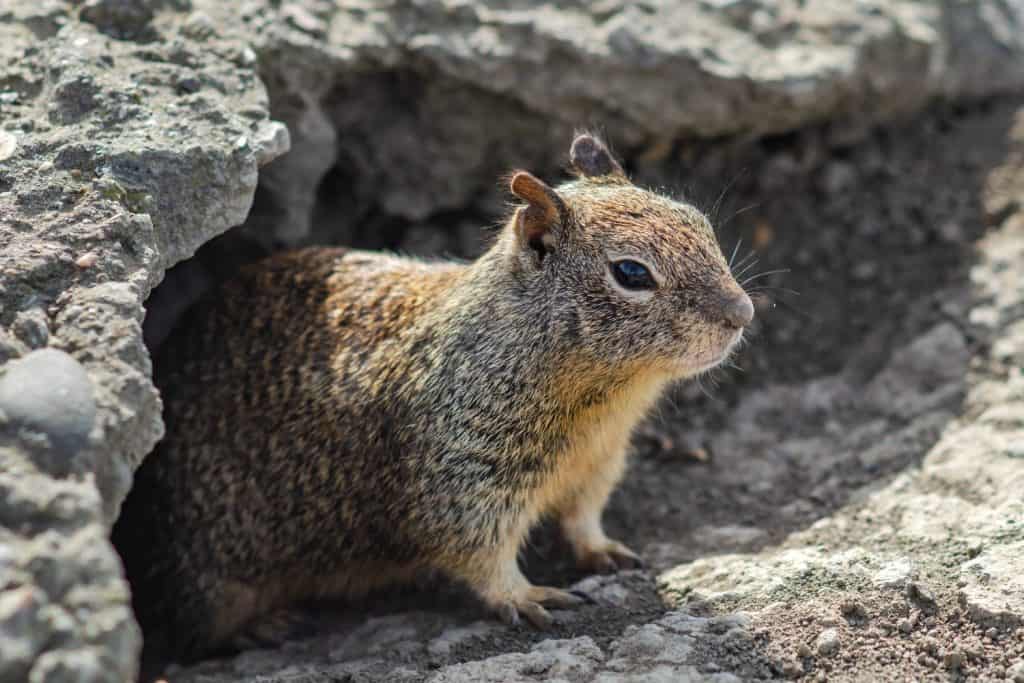
Ground squirrels will lift their bushy tails and shake them to confuse and intimidate rattlesnakes.
©Iv-olga/Shutterstock.com
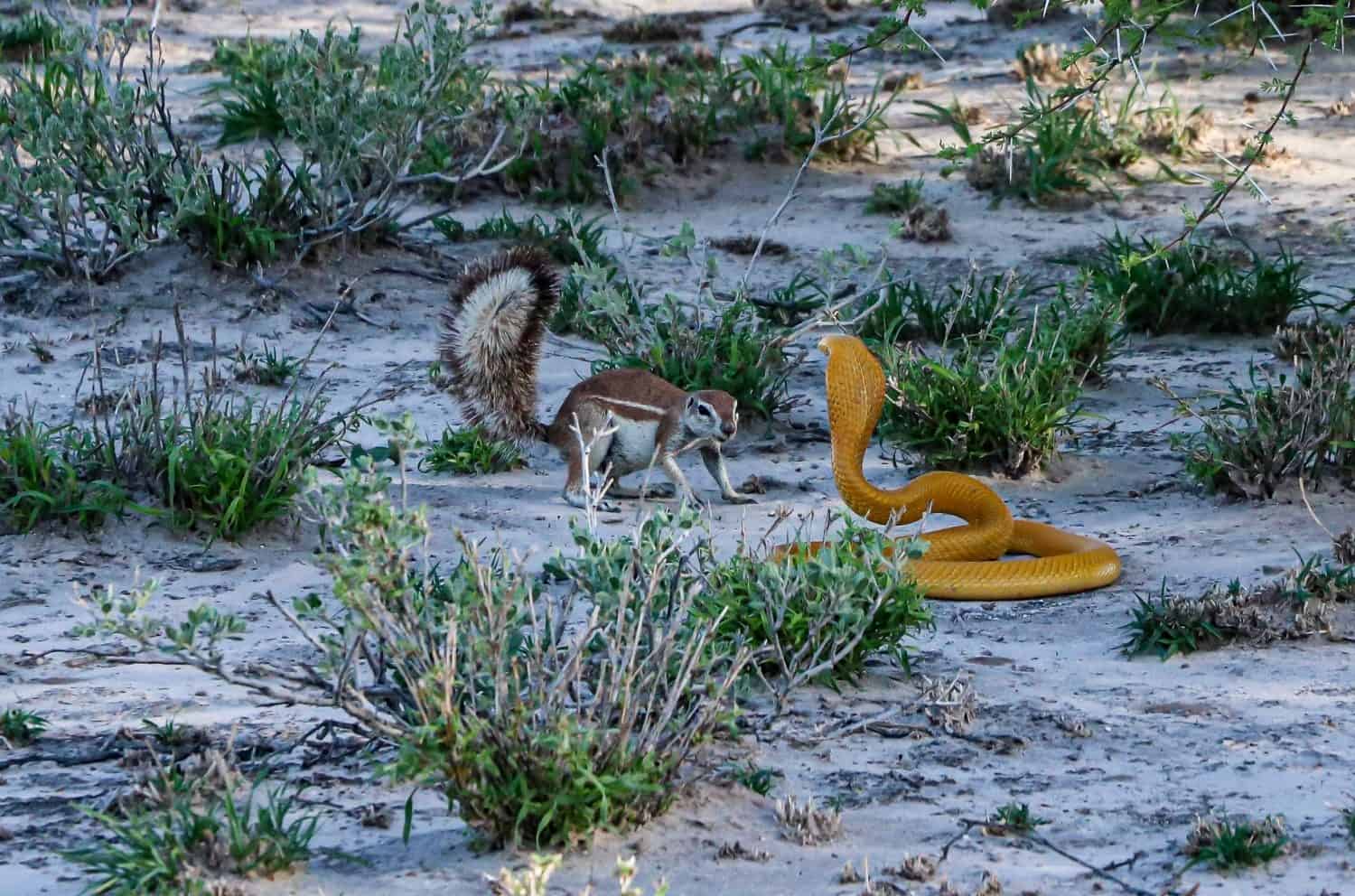
Covering themselves in the scent of their worst enemy is just one way ground squirrels ward off rattlesnakes. Another method they use is shaking their tails as dramatically as possible. In this YouTube video, a squirrel applies snake scent, before running back to its burrow. A rattlesnake soon appears, searching for its next meal. Alarmed, the ground squirrel adopts a defensive posture and rapidly shakes its bushy tail high in the air.
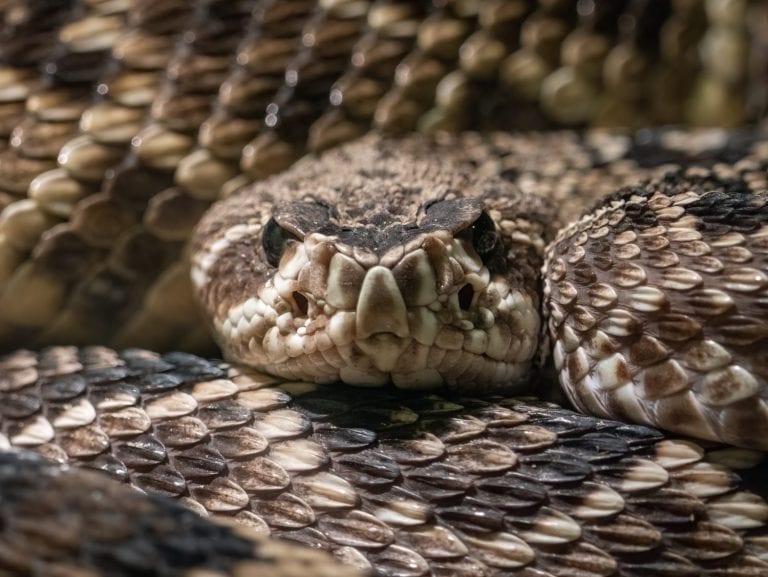
Rattlesnakes use a combination of senses—including heat-sensing pits, vision, and smell—to detect prey, allowing them to find warm-blooded animals. In response, a ground squirrel can increase blood flow to its tail while shaking it back and forth, tricking the snake into thinking its prey is much larger than it actually is. This apparent seemingly large size, combined with the scent of snake, causes the approaching rattlesnake to retreat.
As this research paper aptly puts it, “many species self-apply foreign odours, but few such cases have been demonstrated to serve in antipredator defence.”