Quick Take
- Sea otter loss unleashes urchin surges that strip kelp, triggering a dramatic trophic cascade across nearshore ecosystems.
- Coral reefs support fisheries, tourism, and shoreline protection for millions, so their decline threatens food, livelihoods, and coastlines.
- Counter-intuitively, wolves alter prey behavior, reducing grazing pressure and enabling willow recovery to stabilize stream banks.
- Read on to discover how beaver dams create wetlands, dampen floods, and bolster landscape resilience.
Some animals matter so much to their ecosystems that losing them is like removing the keystone from an arch—the entire structure begins to collapse. These keystone species shape food webs, carve out habitats, and keep other populations in balance. When they vanish, their ecosystems can unravel in surprising ways, from collapsing kelp forests to drying wetlands and thinning grasslands. Understanding how these ecological powerhouses work helps explain why protecting them protects entire landscapes and, in many cases, human communities as well.
How Cascading Collapse Works
Ecosystems are networks of relationships that connect plants, animals, water, soil, and climate. Each species plays a role, but some sit at especially important junctions. A keystone species occupies one of these positions. Its presence or absence strongly shapes what happens throughout the system.
When a keystone species disappears, the effects spread outward. Its prey, food source, or competitors may increase or decline sharply. Those shifts then affect other species, altering plant growth, soil structure, or water flow. Ecologists describe this chain reaction as a trophic cascade.
These cascades do not follow a single script. Local conditions matter. Weather patterns, disease, and human land use can strengthen or weaken the response. In some places, recovery happens quickly once a keystone species returns. In others, change unfolds slowly or unevenly. Despite this variation, the pattern is clear. Remove a critical species, and the ecosystem often settles into a simpler and less productive state that resists repair.
Sea Otter (Enhydra lutris)
Sea otters live along the coasts of the North Pacific and function as top predators in nearshore waters. Their diet includes sea urchins, abalone, clams, and other hard-shelled invertebrates. Otters often float on their backs and use stones to break open prey, a rare example of tool use among marine mammals.
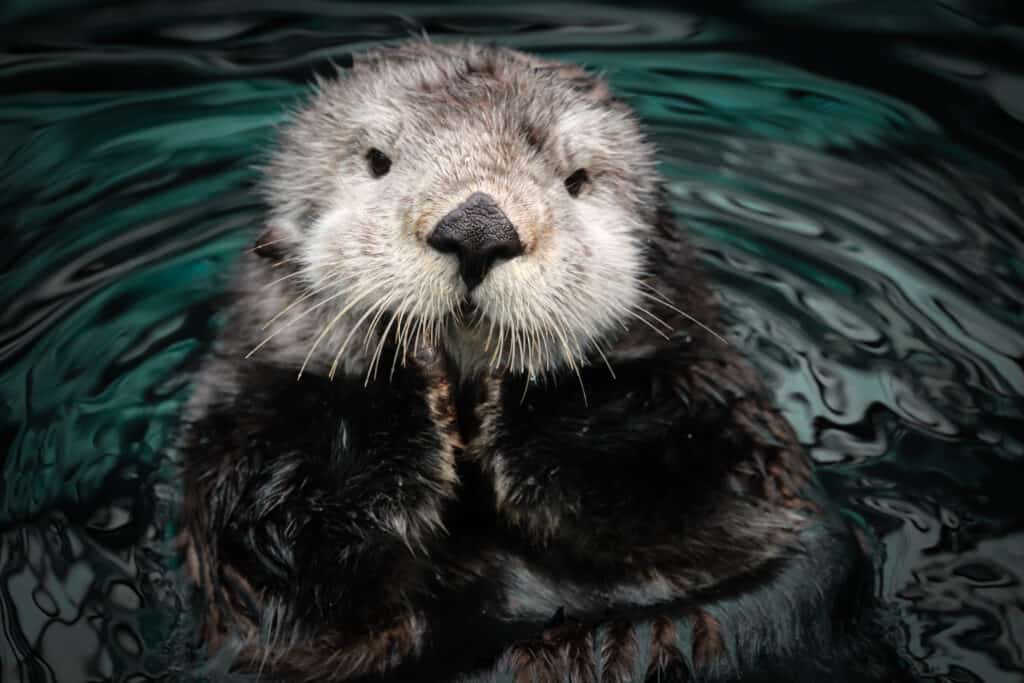
Sea otters help maintain healthy kelp forests by controlling sea urchins, supporting diverse coastal ecosystems.
©nvphoto/Shutterstock.com
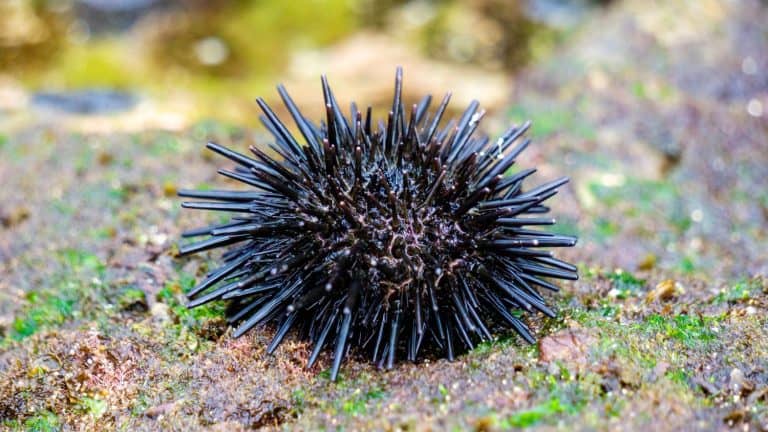
In healthy kelp forests, sea urchins remain limited in number and behavior. They hide in crevices and graze lightly. When otters decline due to hunting, pollution, or entanglement, urchin populations surge. Large groups of urchins then strip kelp from the seafloor, creating areas known as urchin barrens.
Kelp forests provide food and shelter for fish, crustaceans, and many smaller organisms. They also reduce wave energy and store carbon. Where otters have recovered, researchers observe thicker kelp growth and more complex food webs. Without sea otters, many coastal ecosystems shift toward lower diversity and reduced productivity.
Kelp Forests as Living Infrastructure
Kelp forests are not just collections of plants. They act as living infrastructure along coastlines. Tall kelp fronds slow currents and create calm spaces where young fish can grow. Detritus from kelp feeds organisms far beyond the forest itself, linking nearshore and offshore food webs.
The loss of kelp has social consequences as well. Many commercial and subsistence fisheries depend on species that shelter in kelp beds. When kelp declines, fish numbers often follow. Coastal erosion may also increase as wave energy reaches the shore with less resistance.
By controlling urchins, sea otters protect this underwater structure. Their influence demonstrates how a single predator can support an entire habitat. Removing otters not only alters the food web but also reshapes the physical environment in ways that are difficult and costly to reverse.
Gray Wolf (Canis lupus)
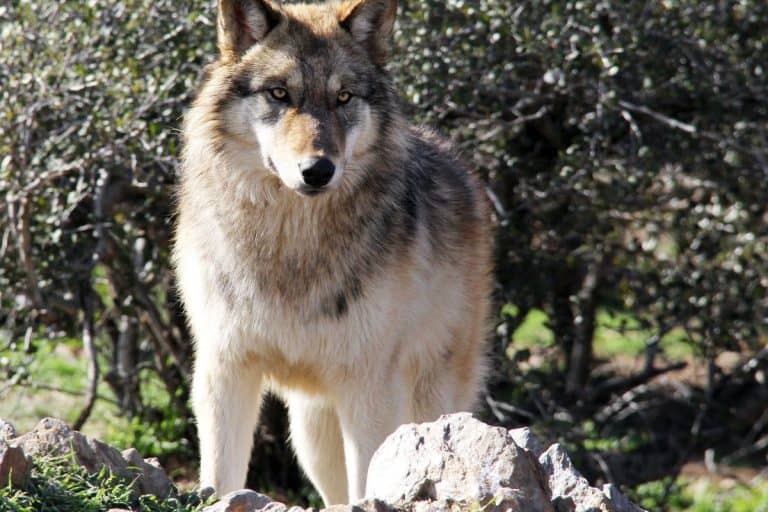
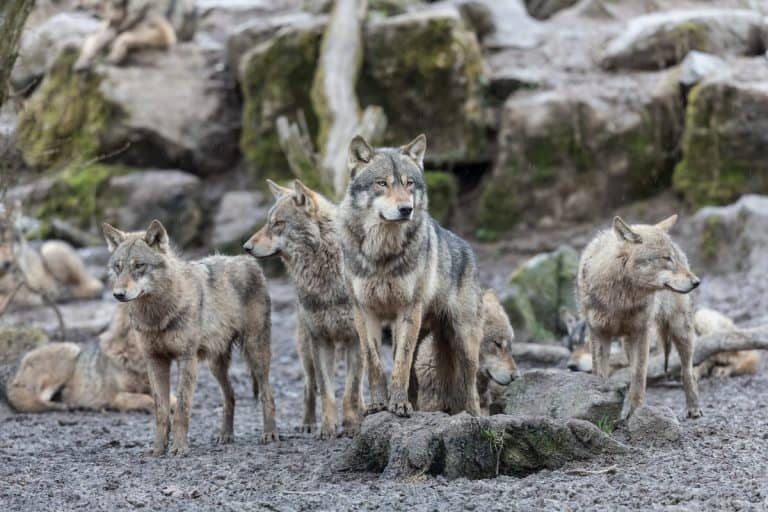
Gray wolves once ranged across much of North America, Europe, and Asia, but intensive hunting, trapping, and habitat loss drastically reduced their numbers and distribution. One of the most closely studied recovery efforts began in the mid-1990s, when gray wolves were reintroduced to Yellowstone National Park after being absent for decades. Their return provided a rare opportunity to observe how a top predator reshapes an ecosystem.
Wolves primarily prey on large herbivores such as elk, deer, and moose. In Yellowstone, wolf predation reduced elk numbers and, just as importantly, altered elk behavior. Grazing animals began moving more frequently and avoided lingering in open valleys and stream corridors where they were more vulnerable.
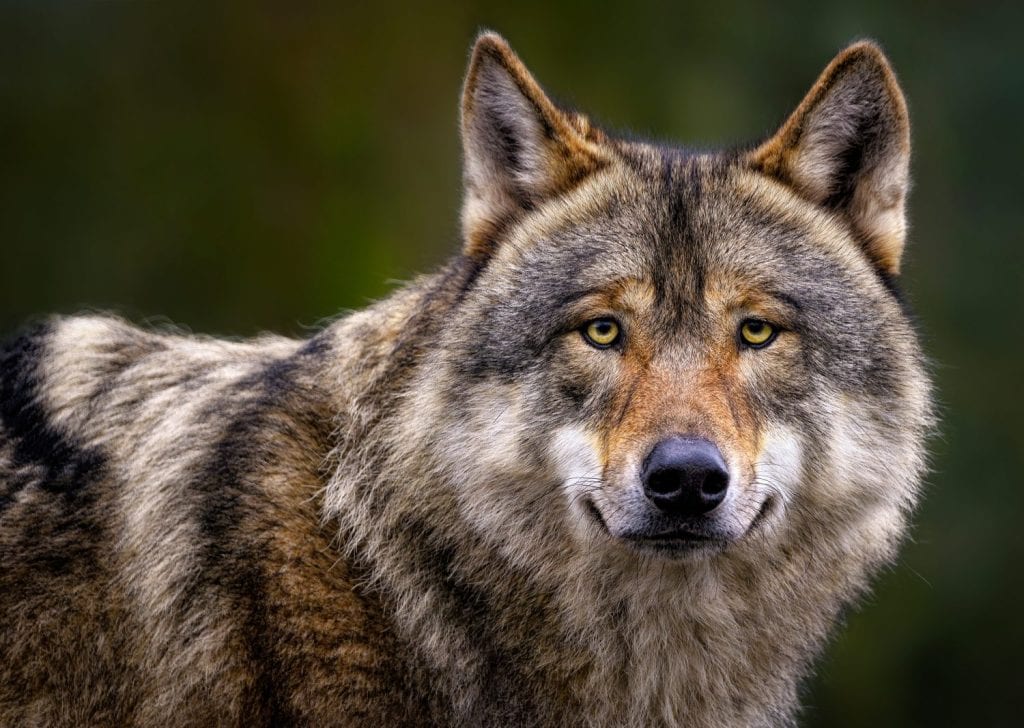
By influencing prey behavior, Canis lupus helps forests and streams recover, supporting biodiversity and ecosystem health.
©ambquinn/Shutterstock.com
These behavioral shifts eased pressure on vegetation, particularly near waterways. Willows, cottonwoods, and aspens were able to grow taller and denser, creating better habitat for birds, insects, and other wildlife. Healthier plant growth also stabilized stream banks, reduced erosion, and improved water quality.
By influencing prey behavior rather than simply controlling population size, Canis lupus helped trigger a chain of ecological changes. While results vary by region, long-term research from Yellowstone and elsewhere shows that wolf presence supports more complex and resilient ecosystems.
African Elephant (Loxodonta africana)
African savanna elephants rank among the largest land animals on Earth, and their size gives them an outsized influence on the landscapes they inhabit. While feeding, they push over trees, break branches, and strip bark, actions that prevent woody plants from overtaking open areas. This constant disturbance maintains a shifting mix of grassland and scattered trees, rather than allowing savannas to close into dense woodland.
That mosaic supports a wide range of life. Grazing animals depend on open grasslands, while birds, insects, and smaller mammals use remaining trees for shelter and nesting. Elephants also spread seeds and nutrients through their dung, helping plants establish far from parent trees. During dry seasons, they dig shallow wells in dry riverbeds, creating vital water sources that many other species rely on. Their movement patterns carve trails that guide animals toward food and water, especially in harsh conditions.
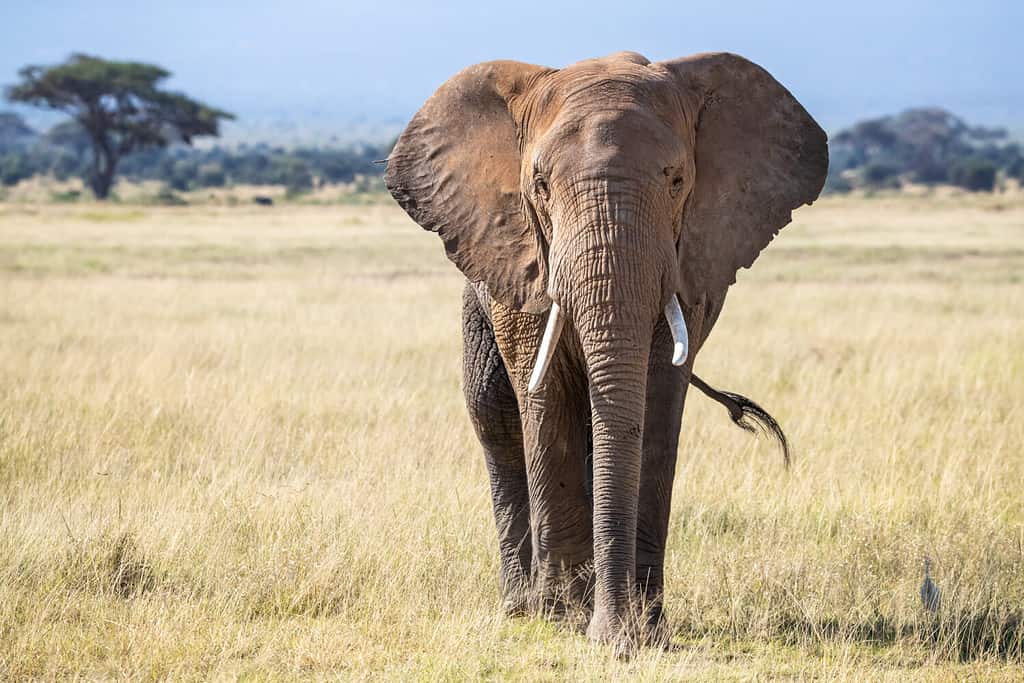
African elephants shape savannas by opening woodlands, spreading seeds, and creating water sources, supporting diverse wildlife.
©Jane Rix/Shutterstock.com
Over decades, elephants have helped sustain balance in both savanna and forested systems. By limiting tree density, they preserve grasslands that support large herbivores and the predators that follow them. In some forests, their browsing favors taller, slower-growing trees that shape long-term structure and store more carbon. Although elephants can sometimes cause damage near human settlements, their role in maintaining habitat diversity and ecosystem function is essential on a larger scale.
Beaver (Castor canadensis)
Beavers are semi-aquatic rodents known for building dams across streams. These structures slow water flow and create ponds that expand into wetlands. The resulting habitats support aquatic plants, insects, amphibians, birds, and fish.
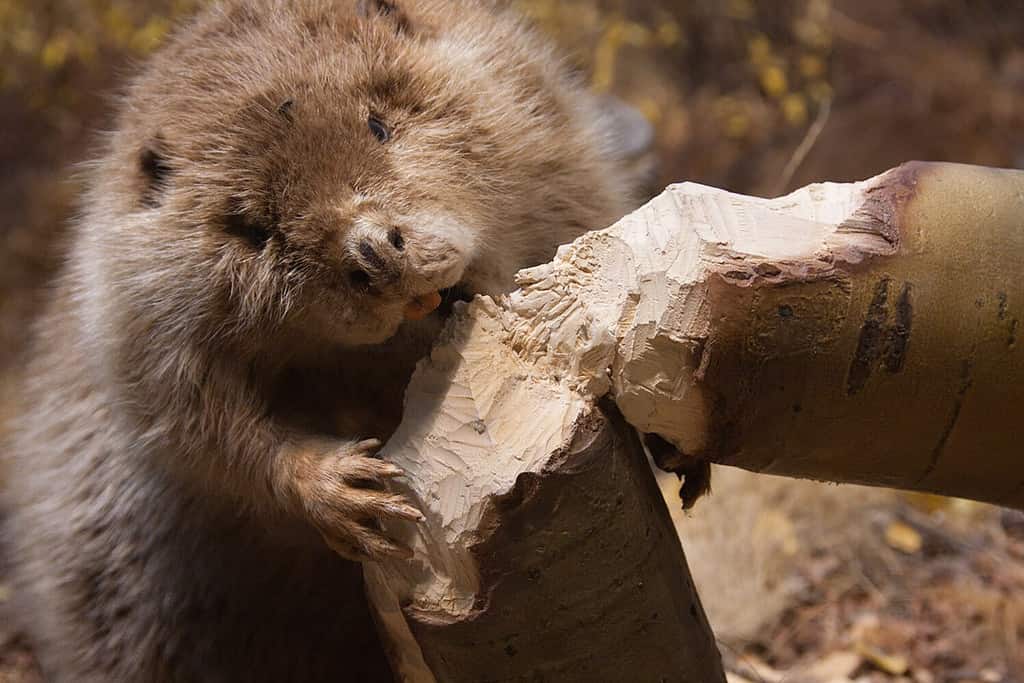
Beavers turn streams into thriving wetlands, shaping landscapes, supporting wildlife, and even taming floods and fires.
©Procy/Shutterstock.com
By spreading water across floodplains, beaver ponds reduce downstream flooding during heavy rains. They also store water that sustains streams during dry periods. Slower water stays cooler, which benefits many fish species. Beaver dams trap sediment and nutrients, improving water clarity downstream. In fire-prone landscapes, wet meadows created by beavers can act as natural fire breaks. As a result, land managers increasingly view beavers as partners in restoration. If beavers disappeared, many wetlands would dry up, leaving behind straighter, faster streams with fewer species and weaker natural defenses.
Prairie Dog (Cynomys ludovicianus)
Prairie dogs live in large colonies across the grasslands of central North America, where their digging creates extensive burrow systems that reshape soil structure and chemistry. By clipping vegetation around their burrows, they maintain short grass conditions that differ sharply from surrounding areas. This constant disturbance prevents grasslands from becoming tall and uniform.
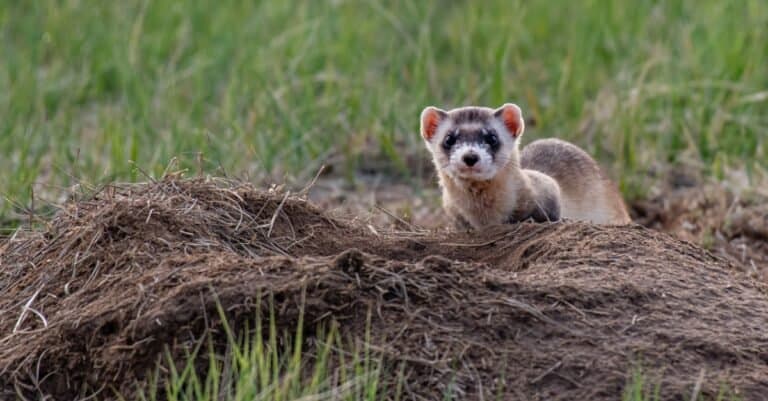
These open patches attract grazers such as bison and pronghorn, while predators, including hawks, eagles, and coyotes, concentrate their hunting around colonies. Prairie dog towns also support many other species. Burrows offer shelter from heat and predators for reptiles, mammals, and insects, and the endangered black-footed ferret relies heavily on prairie dogs for both food and shelter. Studies consistently show higher numbers of plant and animal species on active colonies than in nearby grassland.
Prairie dog activity also improves soil aeration, water infiltration, and nutrient cycling. Rainwater soaks in more easily, and nutrients brought to the surface during digging enrich the soil, helping grasslands stay productive over time. Although prairie dogs can conflict with agricultural interests, evidence shows that grasslands function very differently without them, losing much of the diversity supported by these small but influential engineers.
Coral Reefs (Scleractinia)
Reef-building stony corals consist of tiny animals that secrete calcium carbonate skeletons. Over thousands of years, these skeletons form large reef structures in shallow tropical waters. Despite covering a small area of the ocean, coral reefs support a disproportionately high number of marine species, with some estimates suggesting up to a million species may depend on reefs at some stage of their life cycle.
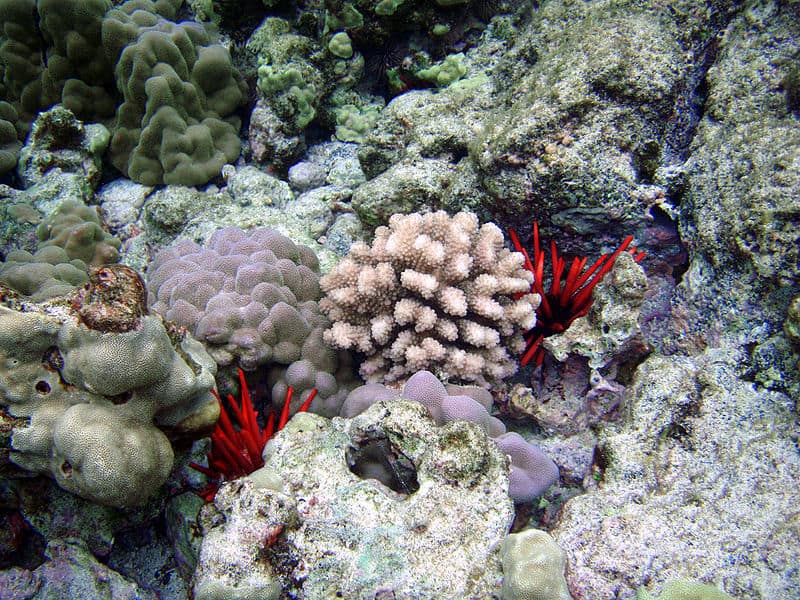
Healthy coral reefs provide food, shelter, and coastal protection, while dying reefs lead to species decline and shoreline erosion.
Reef architecture creates hiding places and feeding grounds for fish, crustaceans, and mollusks. Many species use reefs as nursery habitats during early life stages.
When corals die due to rising water temperatures, pollution, or disease, the reef framework weakens. Algae may spread, but it does not replace the shelter provided by coral structures. Fish populations often decline soon after. As reefs erode, coastal protection weakens. Waves reach shore with greater force, increasing erosion and storm damage.
Ochre Sea Star (Pisaster ochraceus)
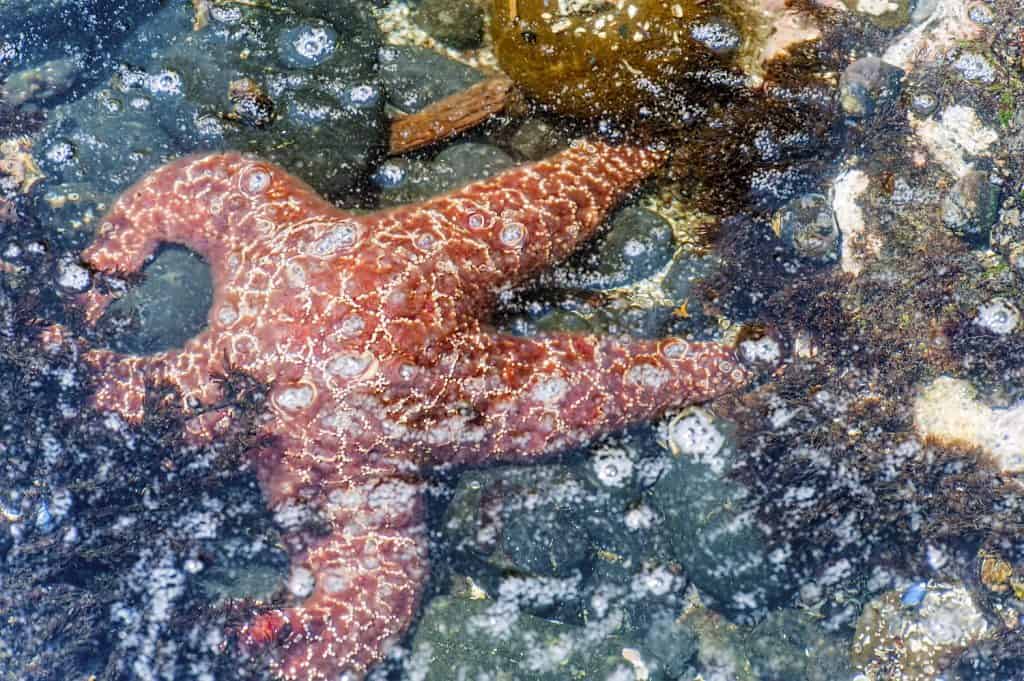
Without the ochre sea star, mussels and barnacles would take over many shoreline habitats.
©Dee Browning/Shutterstock.com
The ochre sea star, Pisaster ochraceus, lives along rocky intertidal shores of the Pacific coast of North America and is one of the clearest examples of a keystone species identified by biologists. It preys heavily on mussels, barnacles, and other invertebrates that would otherwise dominate shoreline habitats. By limiting mussel populations, the ochre sea star prevents a single species from monopolizing space on rocks exposed by the tides.
Classic field experiments showed that when ochre sea stars were removed from an area, mussels rapidly spread and crowded out many other organisms, sharply reducing species diversity. When sea stars were present, the intertidal zone supported a layered community of algae, anemones, snails, crabs, and other invertebrates. This work became foundational in ecology, demonstrating that the influence of a predator can extend far beyond what it eats directly. The ochre sea star remains a textbook example of how removing one species can reshape an entire ecosystem.
Why Protecting Keystone Species Protects Us
Keystone species support processes that people rely on every day. Sea otters help maintain fisheries and coastal stability. Wolves and prairie dogs influence vegetation that protects soil and water resources. Elephants and beavers shape water storage and carbon cycles. Coral reefs reduce storm damage and support food systems.
Focusing conservation efforts on these species is not a matter of preference; it is about recognizing key leverage points in nature. Protecting a keystone species often safeguards hundreds of others and the interactions that keep ecosystems functioning.
As climate change and habitat loss accelerate, understanding these connections becomes more urgent. Defending ecological linchpins offers one of the most effective ways to maintain resilient natural systems and support human well-being over the long term.