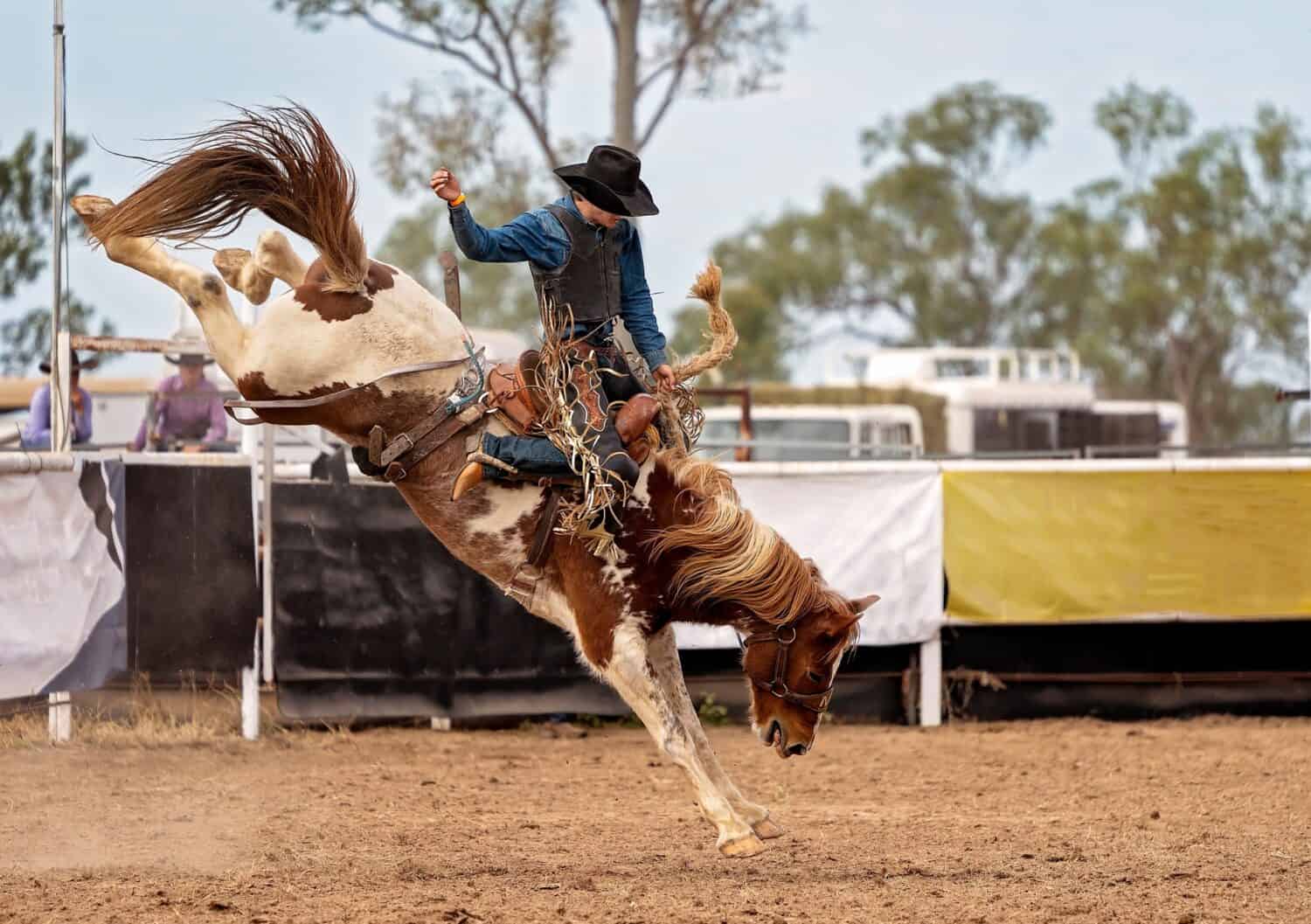

Cowboys are iconic symbols of American history and culture, representing independence, toughness, and the sprawling freedom of the Western frontier. Emerging in the 19th century, these rugged, hardworking guys managed cattle; they were responsible for driving herds across long distances, branding livestock, and maintaining ranches. Much of American cowboy culture was influenced by our neighbors to the south. Mexican vaqueros’ techniques, clothing, and vocabulary shaped what we now consider traditional cowboy practices. Though glamorized through popular Western films, in reality, the job was grueling, involving long hours in harsh weather, unpredictable animals, and the constant risk of injury.
Early portrayals in dime novels and movies helped solidify the image of the lone, rugged hero navigating vast frontiers. Overtime, the cowboy evolved into a powerful cultural icon, which is still celebrated through rodeos, Western films, and country music. The popular image of the cowboy endures even as modern ranching has changed immensely with technology. Today, cowboy traditions largely live on through rodeo competitions, Western fashion, and old-timey stories told on the Big Screen. The blend of history and mythology has made the cowboy a lasting symbol of adventure, resilience, and the American West.
Cowboys in America Today
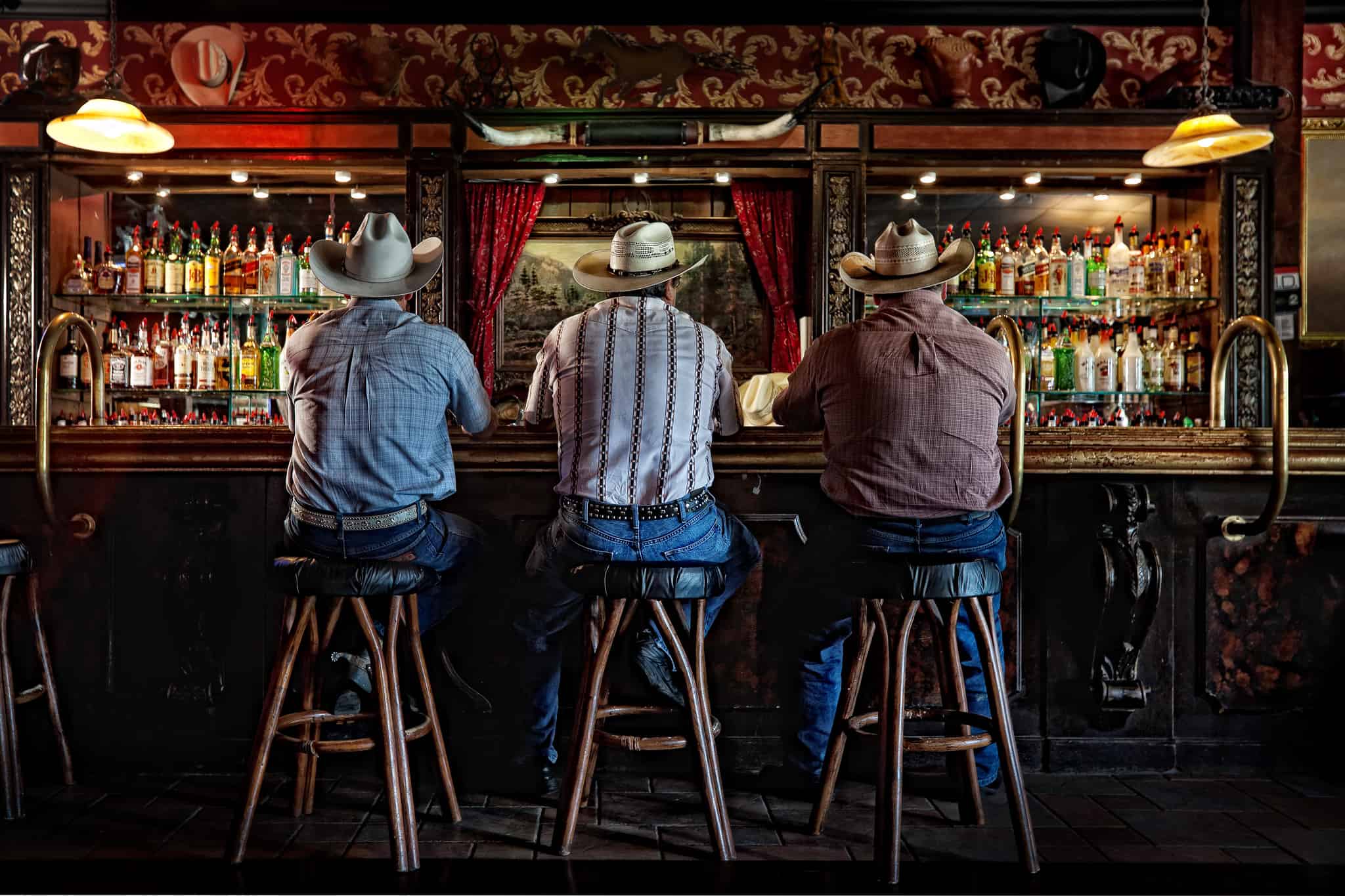
The typical American cowboy in 2025 combines elements of tradition with modern practicality. While many cowboys still maintain the rugged, independent lifestyle of their predecessors, tending cattle and working on ranches, they often incorporate modern technology into their daily routines. GPS systems, drones, and advanced equipment help manage large stretches of land more efficiently.
The cowboy culture continues to celebrate values like hard work, resilience, and a deep connection to the land, but now coexists with contemporary challenges like climate change, urbanization, and evolving agricultural practices. Despite these changes, the cowboy remains a symbol of the American West’s enduring spirit.
Texas
©miroslav_1/iStock via Getty Images
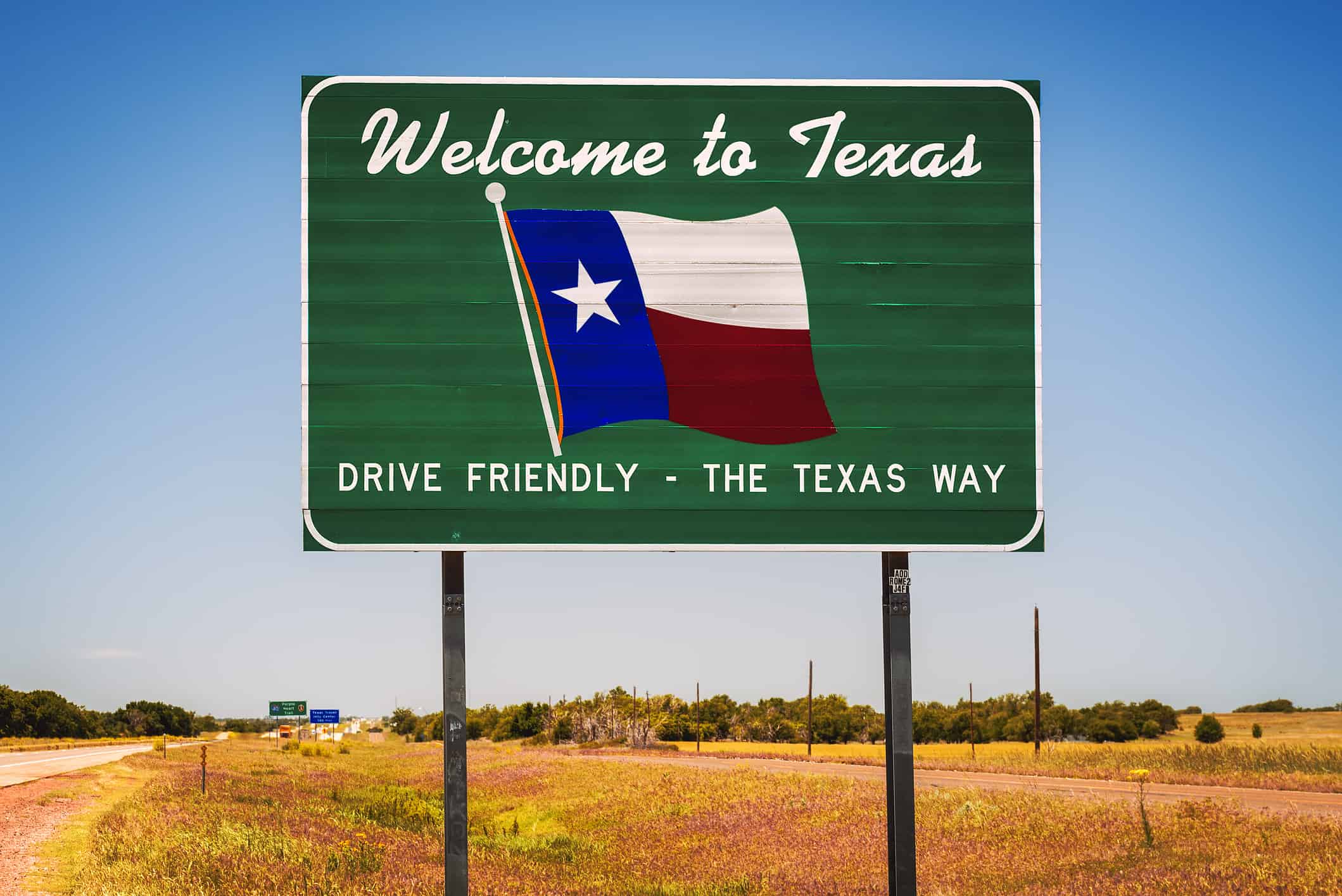
The great state of Texas is known as the cowboy capital of the world. Many towns, including Bandera, Fort Worth, El Paso, Lubbock, and Amarillo, still have cattle drives, stockyards, and rodeos. There is a huge demand on many cattle farms for commercial-brand cows to be recognized. On ranches, however, tattooing and labeling stock are still needed year-round.
Arizona
©Alexander Lukatskiy/Shutterstock.com
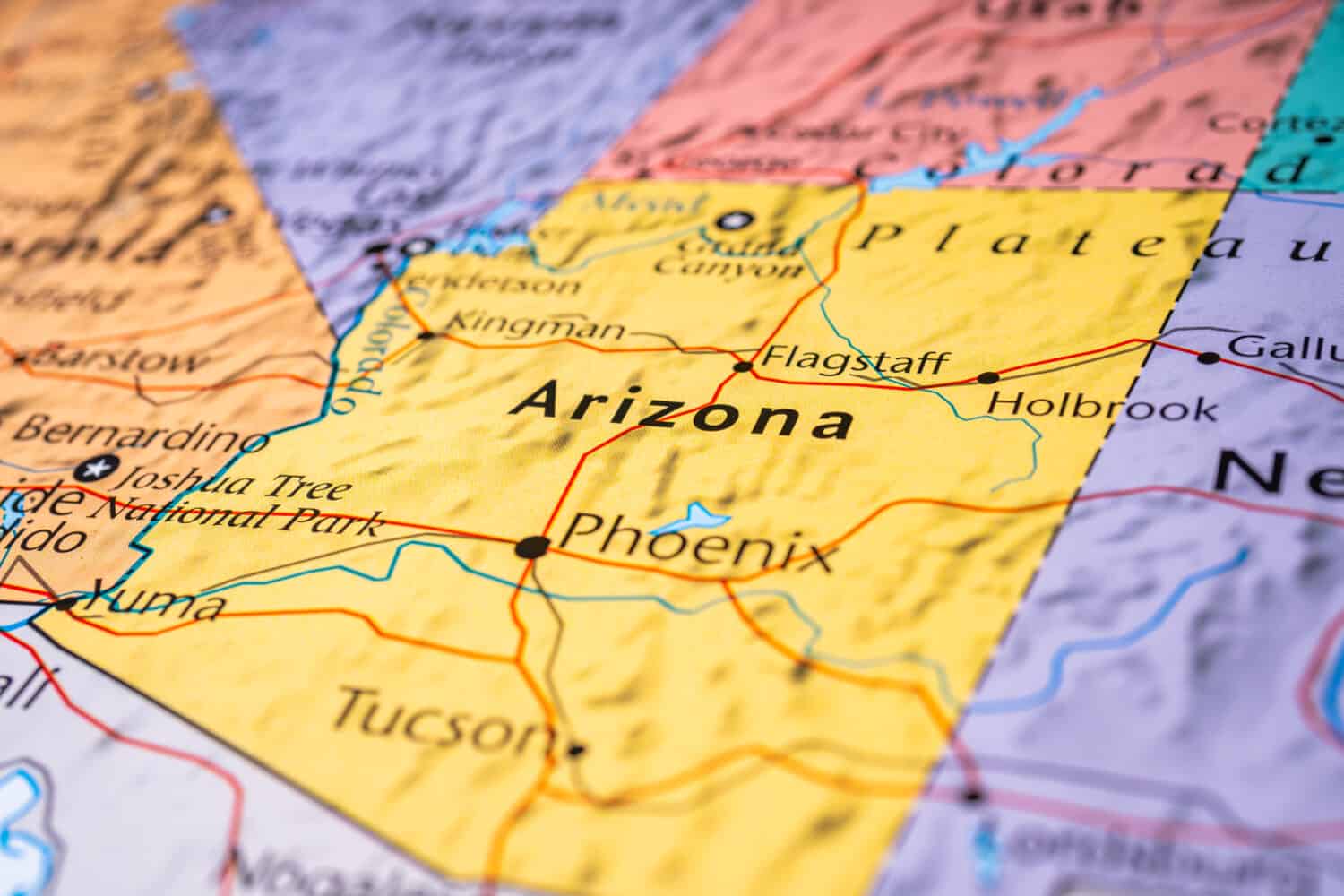
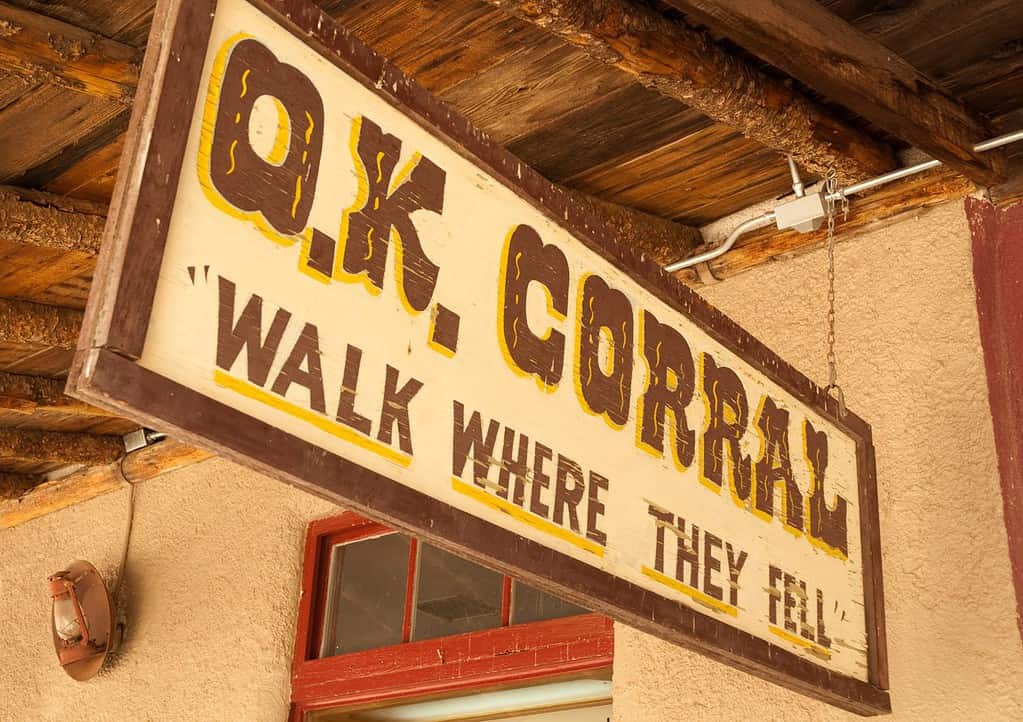
Arizona and cowboys go hand in hand. This state has a rich history of cowboy culture dating back to the 1800s. Many iconic cowboys made their way through the great state of Arizona at one time or another. The legendary town of Tombstone is one of the most notorious cowboy towns in history and is where the famous gunfight at the O.K. Corral was held.
Arizona’s Most Famous Cowboys: Shootout at the O.k. Corral
©Jeffrey M. Frank/Shutterstock.com
The town of Tombstone, Arizona was the site of one of the most famous gunfights in U.S. history. Located on the state’s Western edge, this is where the famous gunfight at the O.K. Corral was held. Both Doc Holliday and Wyatt Earp took part. For five months, there was a conflict between outlaws known as the “Cowboys” and the Earp brothers. One day, some members of the Cowboys were loitering around the O.K. Corral. U. S. Marshall Wyatt Earp and his two lawmen brothers, Virgil and Morgan, and a deputized Doc Holliday stood across from the Cowboys when a gunfight broke out. After a thirty-second gun battle the fight ended, three Cowboys were dead. Morgan, Virgil, and Holliday were shot but still alive while Wyatt was unharmed. The shootout has come to represent a period when outlaws were mostly unopposed by lawmen in the Old West.
New Mexico
©MorphoBio/Shutterstock.com
During the 1800s, New Mexico was notorious for its cowboys. They worked the land as ranchers, law enforcement agents, buffalo hunters, and railroad workers. The culture is still alive and well even today. Guests can visit the New Mexico State Fair and authentic dude ranches found across the state.
Arguably, one of the most well-known cowboys also hails from New Mexico: Henry McCarty, a.k.a Billy the Kid. In the late 1800s, he joined a band of cattle rustlers called “The Regulators”. However, his time was short-lived when Sheriff Pat Garrett shot and killed him in Fort Sumner, New Mexico.
Wyoming
©Ingo70/Shutterstock.com
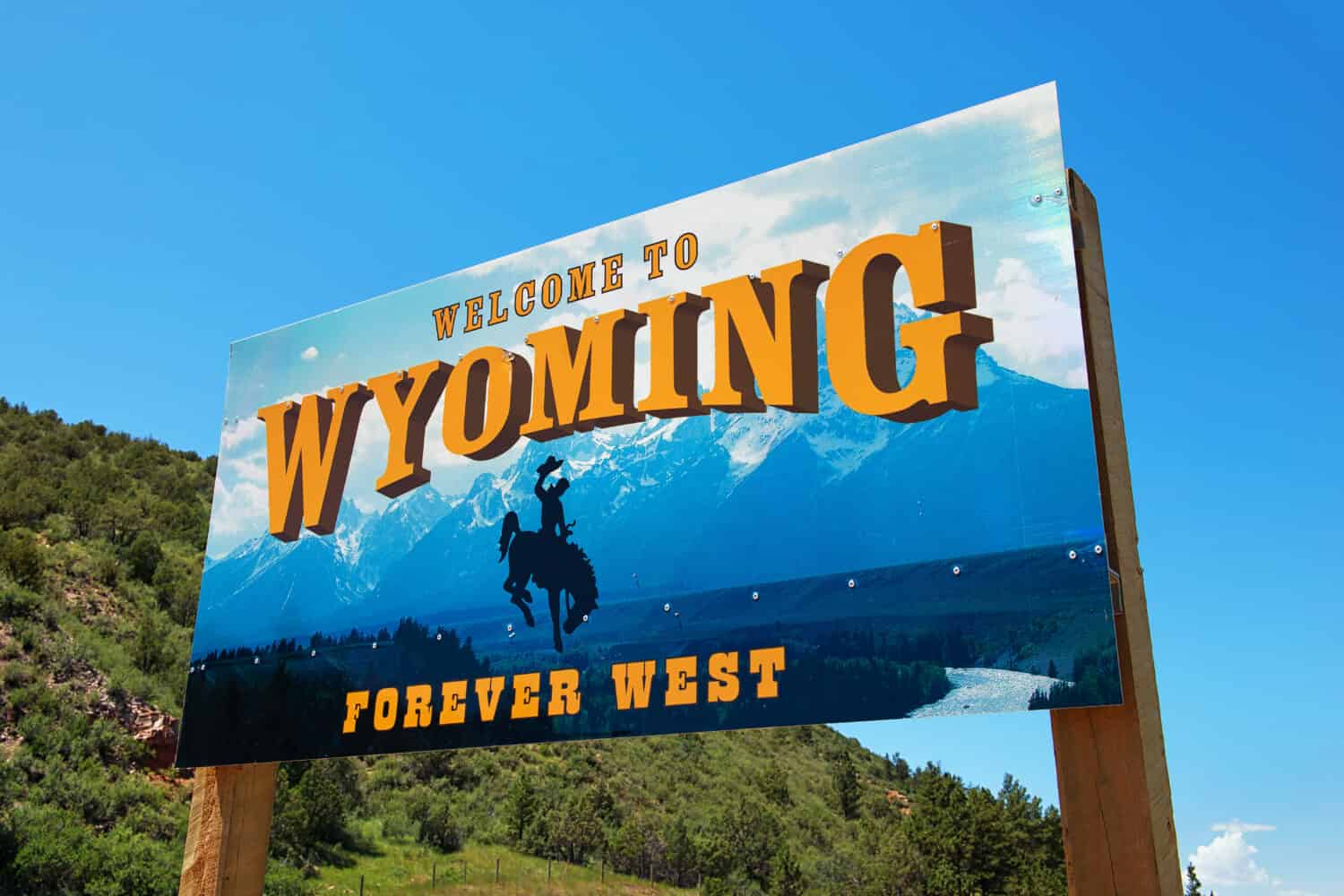
Nicknamed the Cowboy State, Wyoming is a step into the true American West. The cowboy culture remains, to this day, a very prominent aspect of the state. That is mainly because one of the leading industries throughout the state is ranching. Branding and vaccinations are big everyday jobs for local cowboys in the area.
Wyoming Was on the Pony Express Trail
©Branding Pot/Shutterstock.com
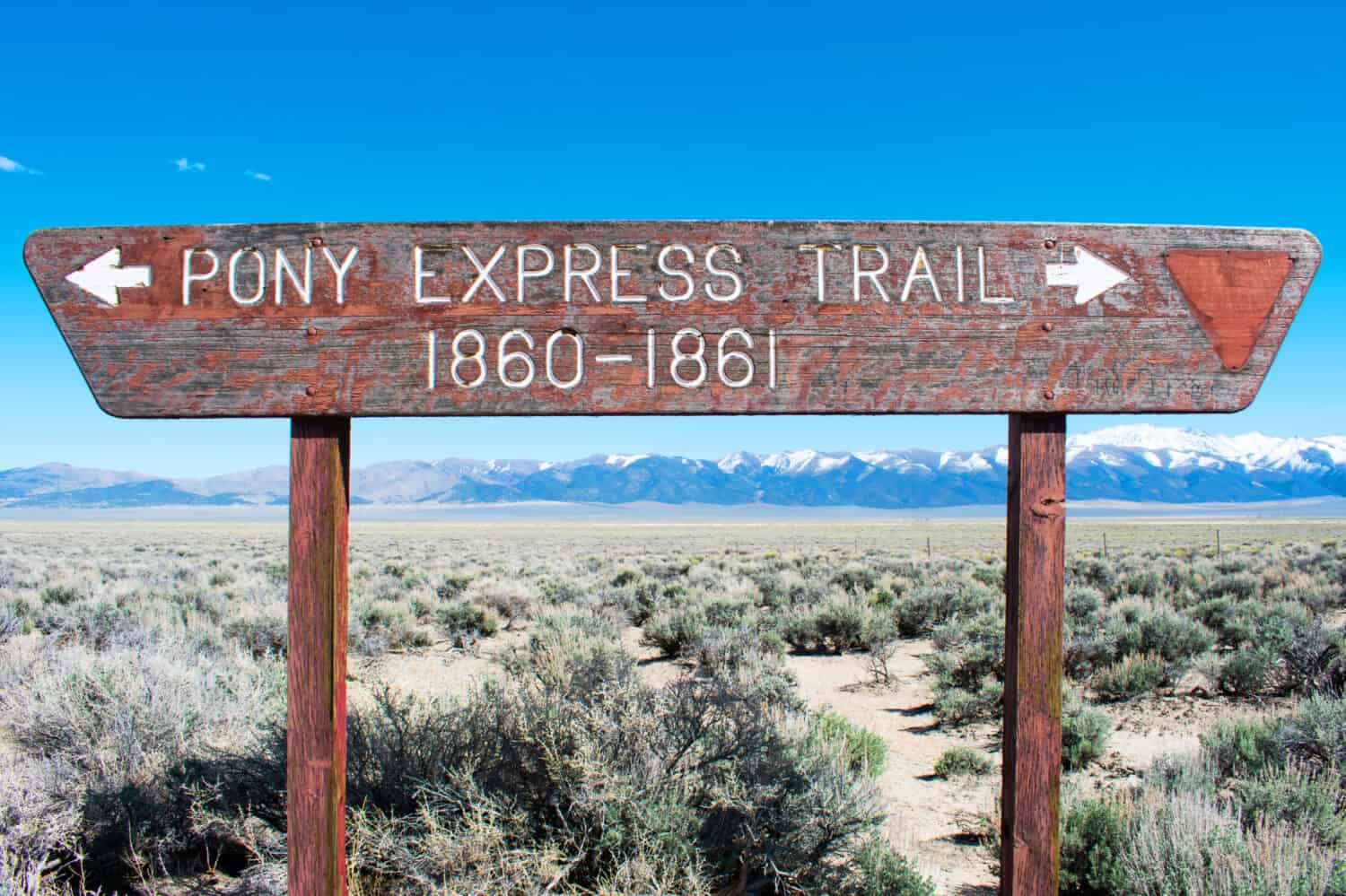
Between April of 1860 and October of 1861, Wyoming was one of the few states that the Pony Express traveled through. The Pony Express was a mail service that used relays of horse-mounted riders. It reduced the time for messages between the East and West US coasts to about 10 days.
South Dakota
©Ingo70/Shutterstock.com
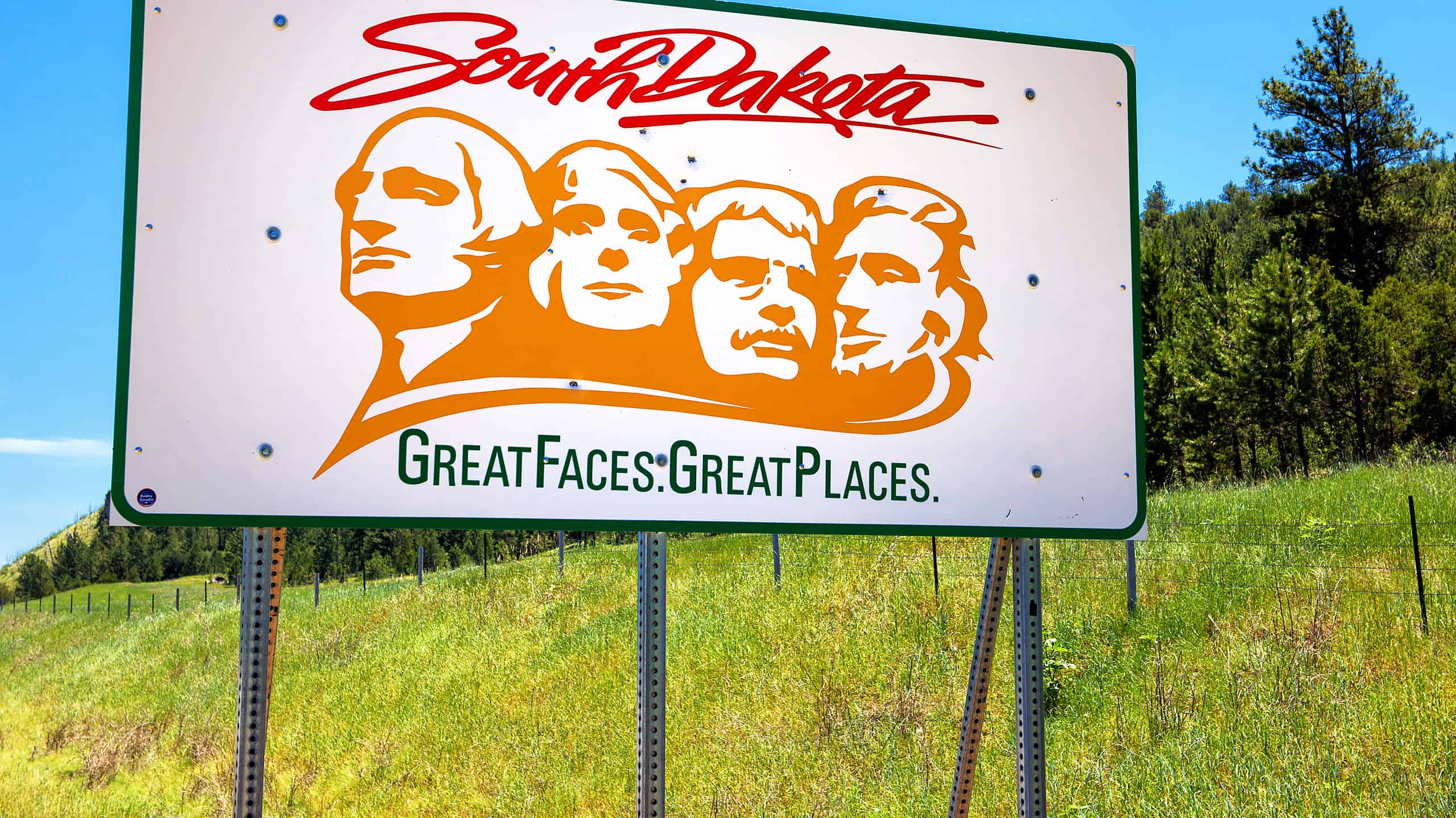
In the great state of South Dakota, you’ll learn that not all cowboys ride horses. Many ranchers here don’t own a single horse, yet still work with cattle daily. Instead, these cowboys use a sorting stick and work their way through the cattle.
Deadwood, South Dakota is the Site of Cowboy Legends
©lavin photography/iStock via Getty Images
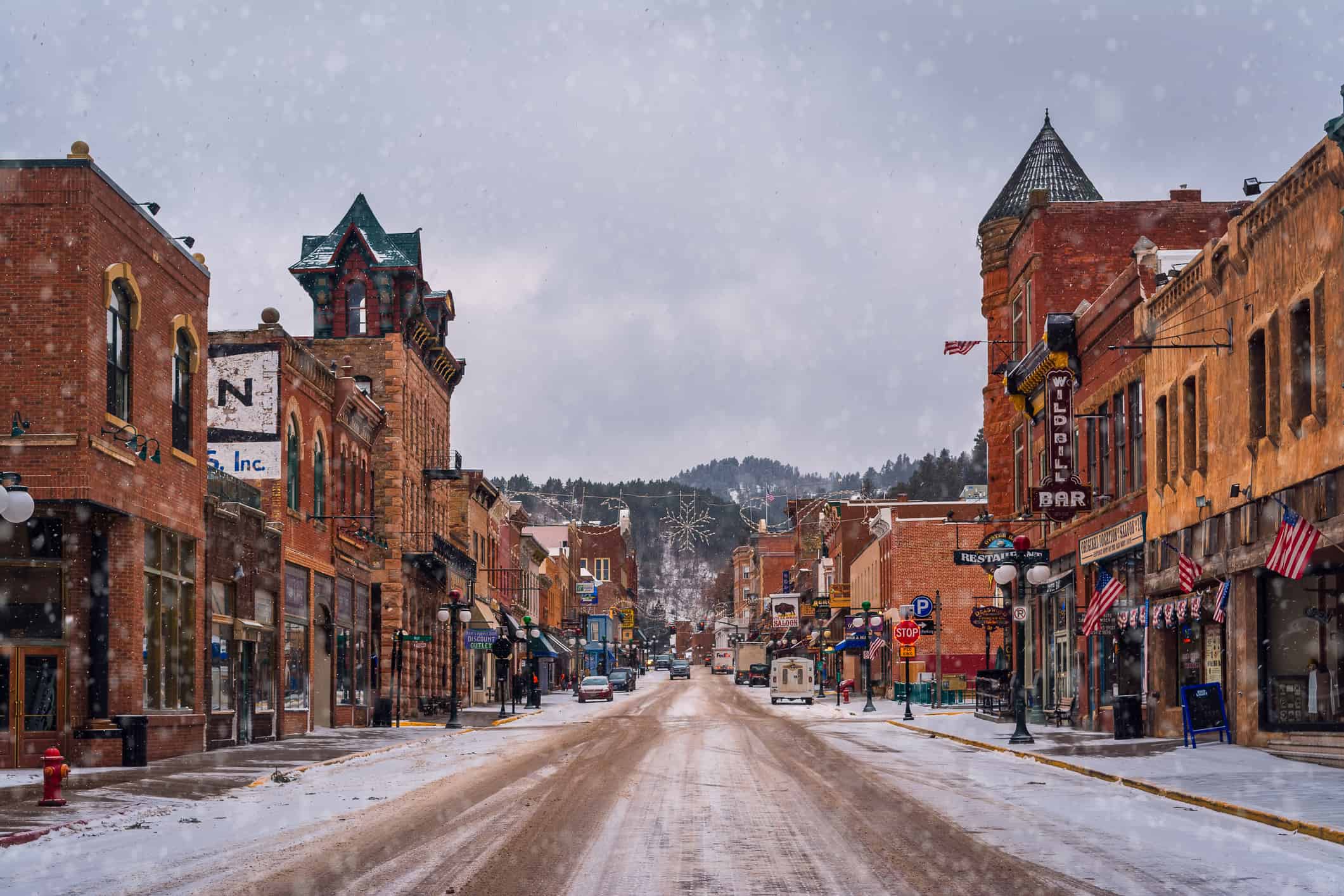
Deadwood, South Dakota is famous for being one of the destinations for miners seeking riches during the gold rush and a haunt of legends such as “Wild Bill” Hickok and Calamity Jane. During Heritage Days throughout the year, the town of Deadwood celebrates its famous past. Living up to its Old West charm, guests can experience what it’s like to walk in the footsteps of some of the greatest cowboys ever. Moreover, a walk along Main Street will take you to places where “Wild Bill” Hickok and Calamity Jane have been. Visitors can even pay their respects at the famous Mount Moriah Cemetery where the two legends are buried. Politician Sol Star and the famous frontiersman, Seth Bullock are also buried there.
Kansas
©marekuliasz/Shutterstock.com
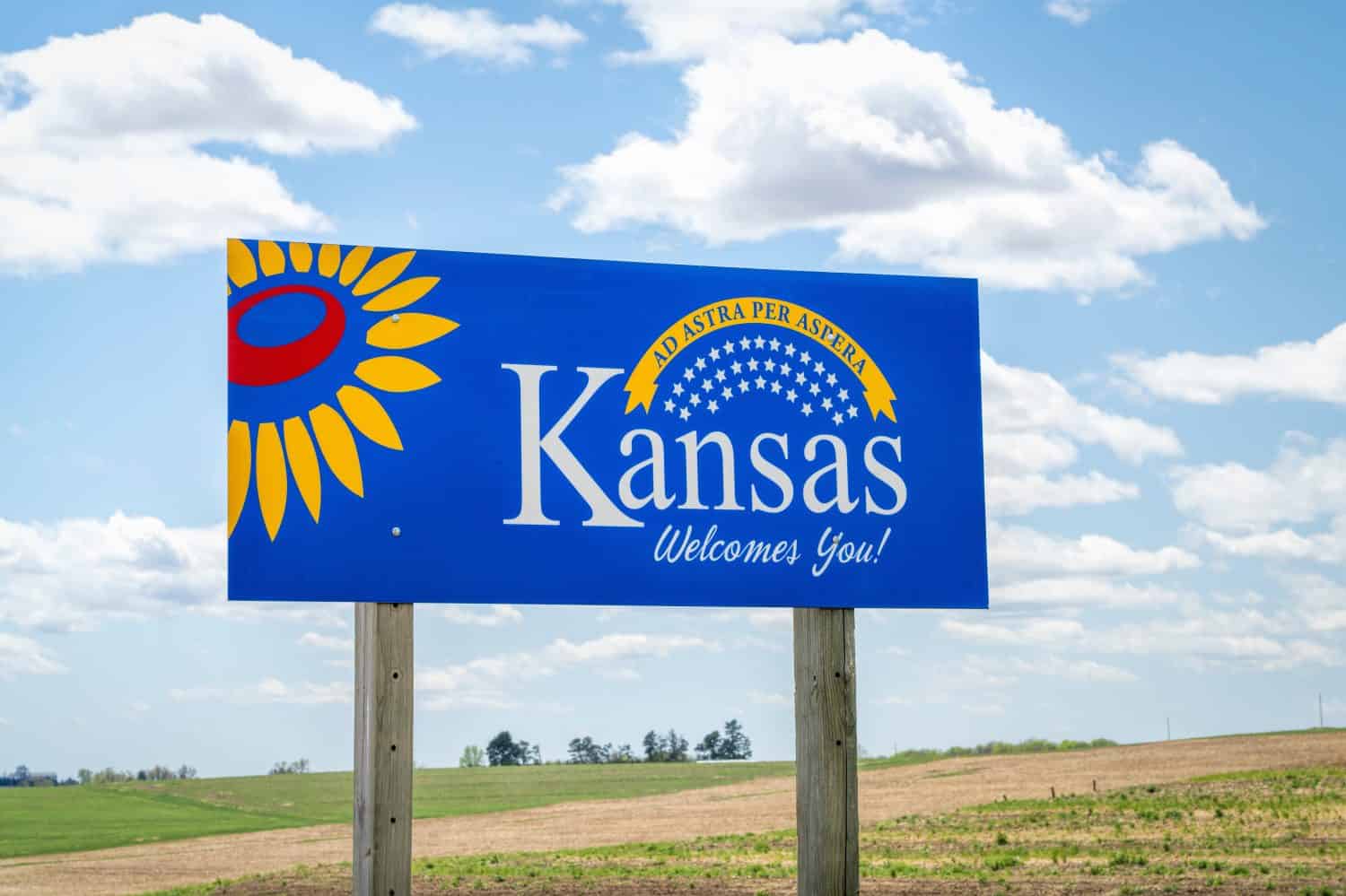
When it comes to cowboys, Kansas has quite a bit covered. Being the home to Dodge City, this area was known as the frontier cowtown. A cow town is a town or city that serves as a market center or a shipping point for cattle. Plus, rural Kansas hosts both agriculture and ranching. The flatlands make this area ideal for farming.
There have also been some notorious cowboys that have gone through Kansas. A few of the most well-known would be Doc Holliday, Wyatt Earp, and Big Nose Kate. While in Dodge City, a man drew his gun behind Earp. Holliday proceeded to yell a warning and then shot the man himself.
Oklahoma
©Alexander Lukatskiy/Shutterstock.com
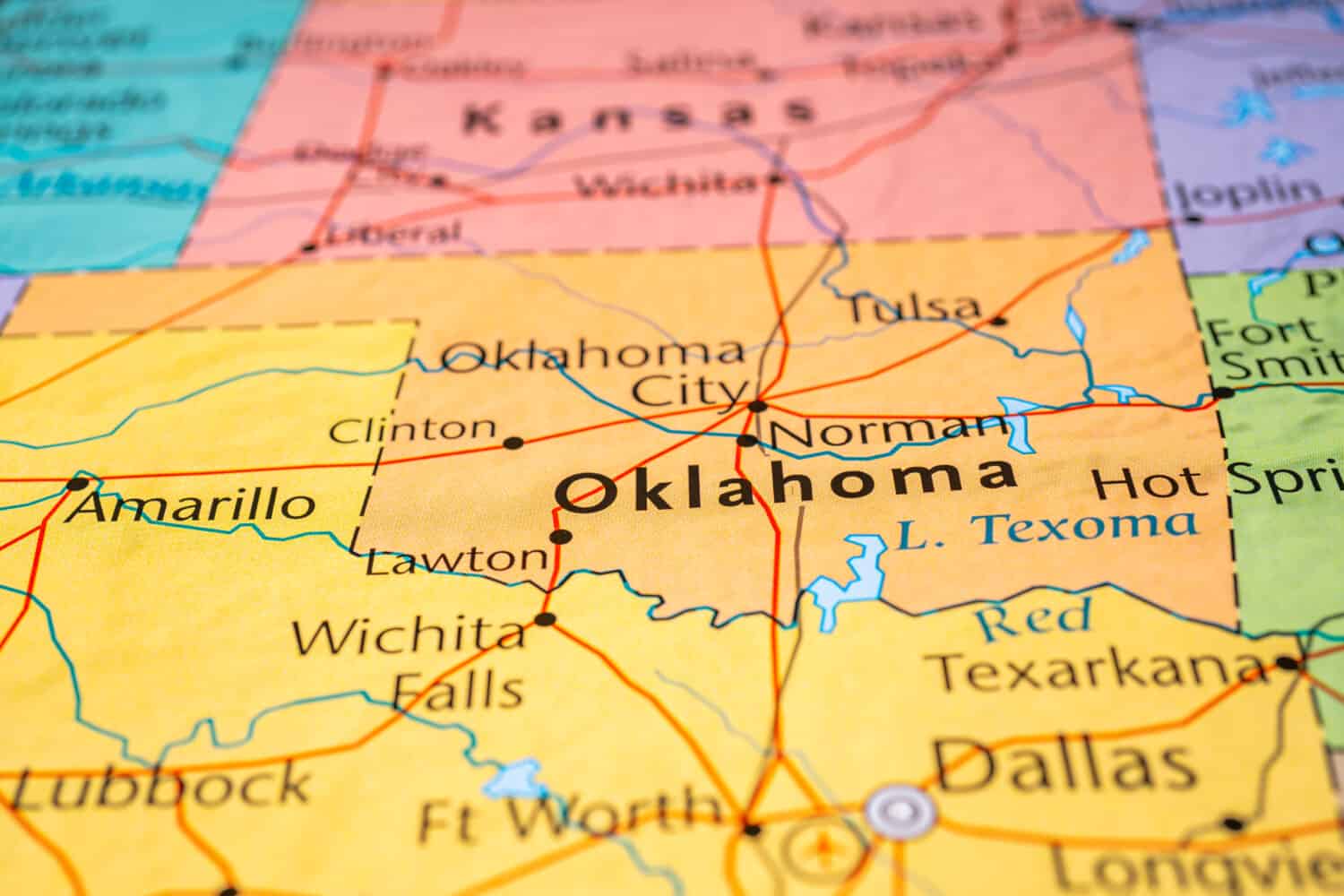
Oklahoma has a long history with cowboys. The state is where the National Cowboy & Western Heritage Museum is located. Here, guests can learn about the cowboy’s impact on American history. Stockyards City is also a major component in keeping the Old West alive. Stockyards City is full of Western storefronts, steakhouses, and cattle auctions.
In the 1970s, the livestock market and packing plants led Oklahoma City to become the world’s largest stocker/feeder cattle market. However, today, the historic significance endures as Stockyards City Main Street holds a spot on the National Register of Historic Places.
Montana
©rarrarorro/Shutterstock.com
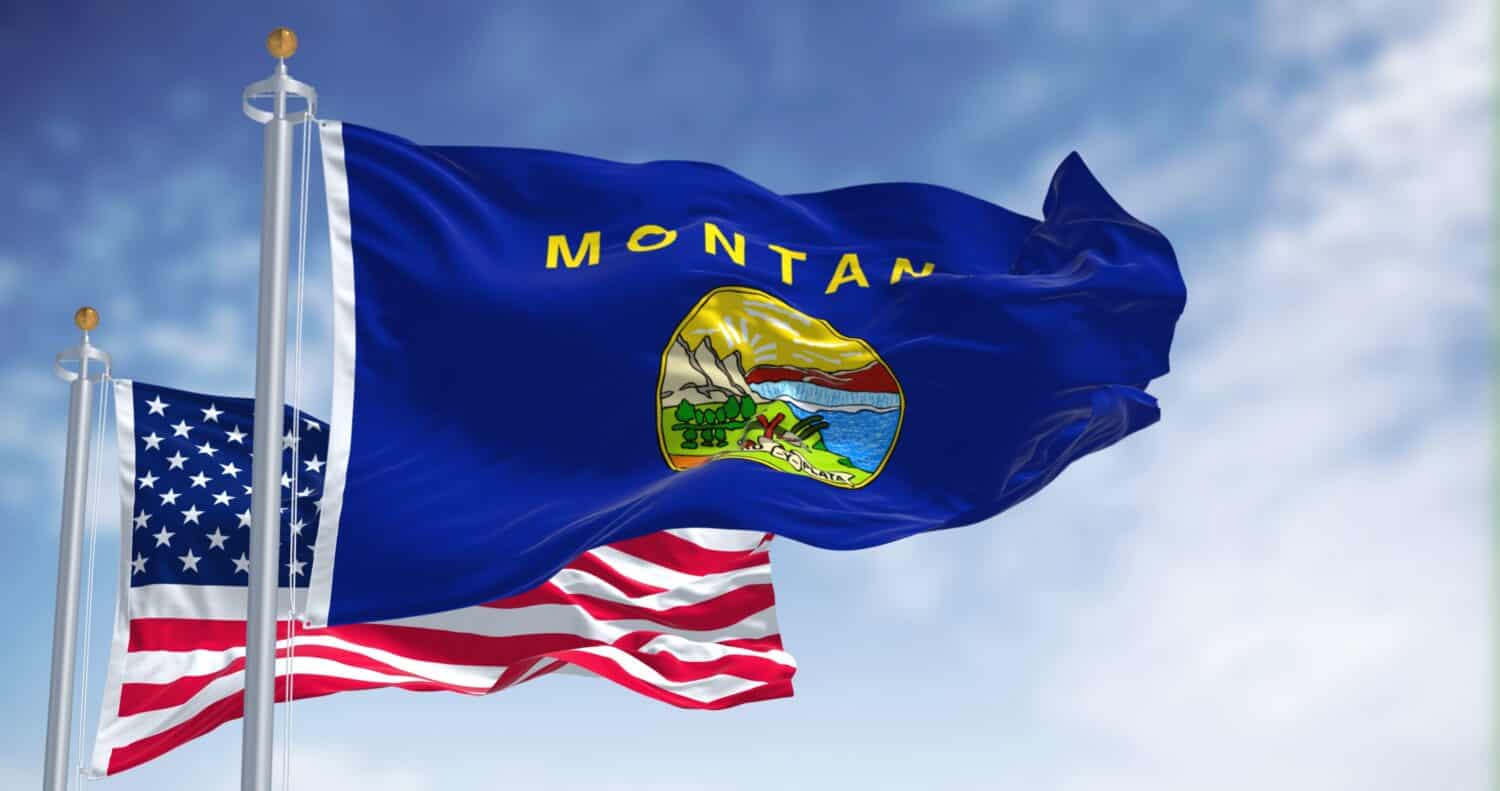
Thanks to a popular show called Yellowstone, Montana is back on the map for being a state full of cowboys. However, the state has a long history with cowboys, as many ranches were settled in the 1800s and early 1900s. With lush pastures for grazing, the state is home to some of the biggest cattle ranches around. Montana is also home to plenty of dude ranches for anyone who wants to know what it’s like to experience the cowboy way firsthand.
Colorado
©Alexander Lukatskiy/Shutterstock.com
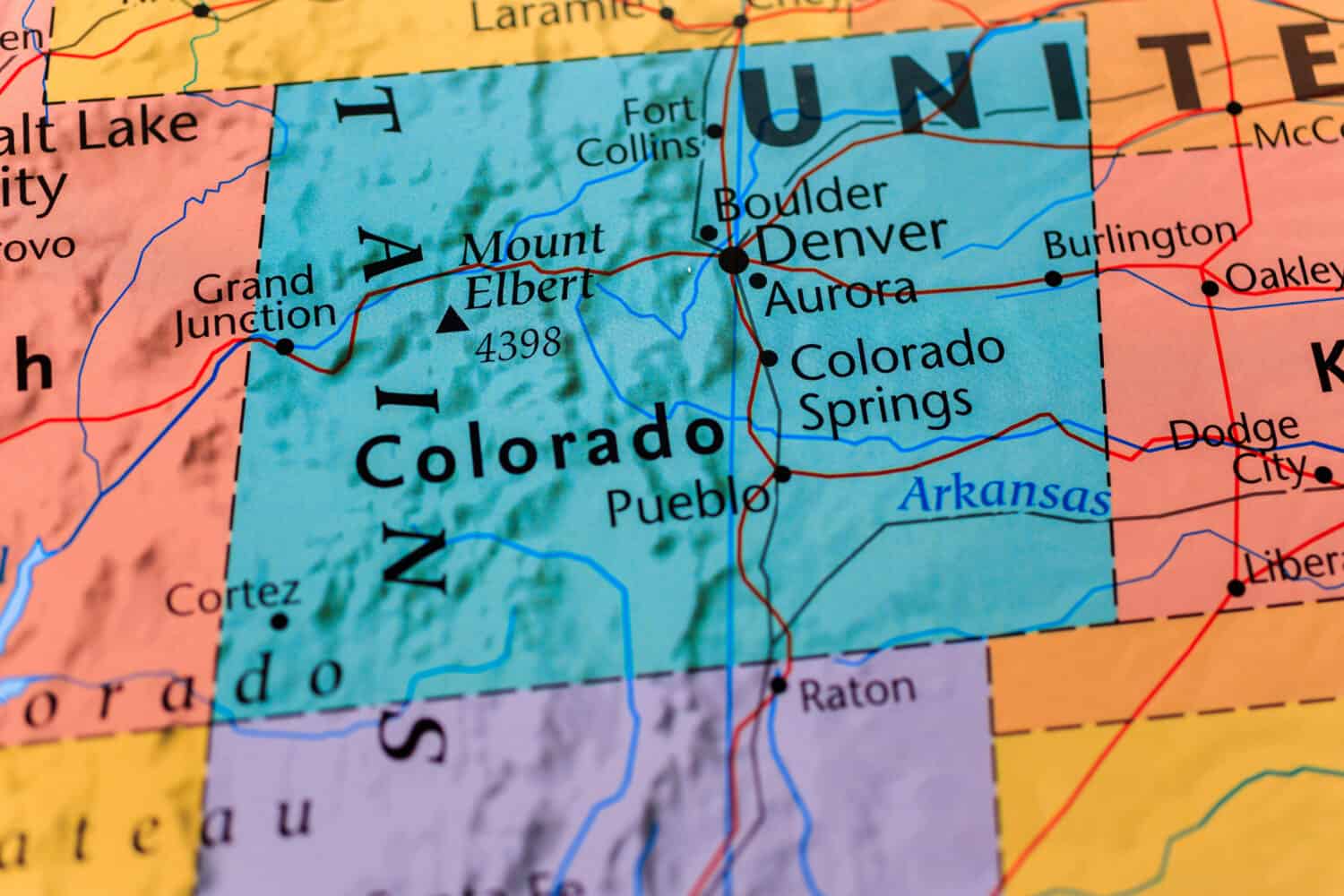
Colorado is home to many ranchers and cowboys. Denver, Colorado, is even the home of the PRCA (Professional Rodeo Cowboy’s Association) Hall of Fame and Headquarters. Not only that, but Colorado is also home to the Cervi Championship Rodeo Company. This company provides some of the best livestock for the biggest rodeo events in the world.
Butch Cassidy Was One of Colorado’s Most Notorious Sons
©Everett Collection/Shutterstock.com
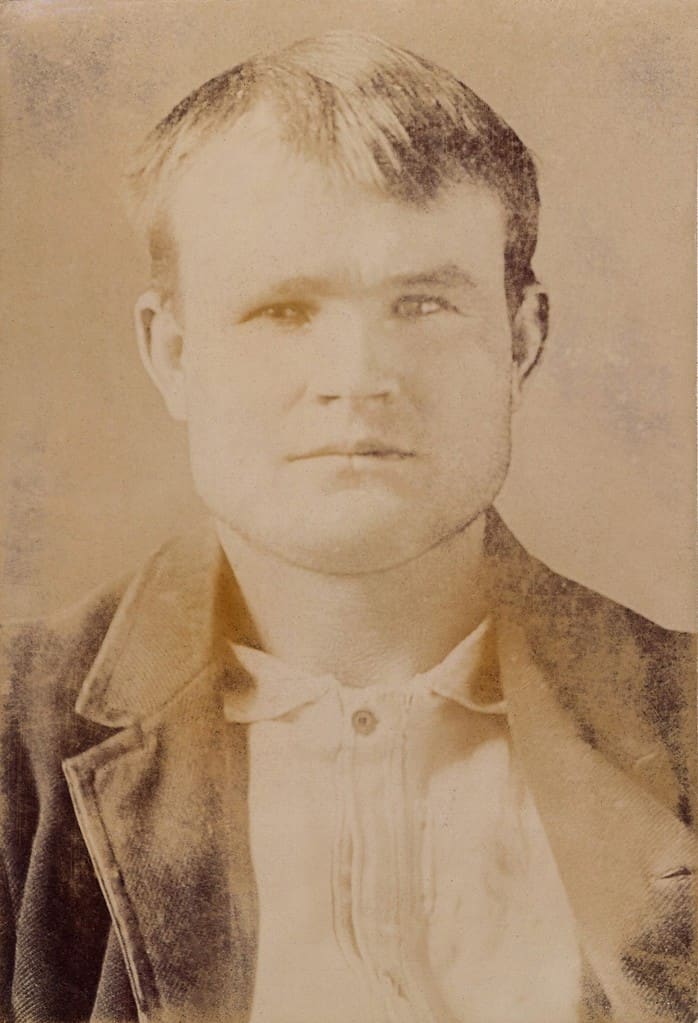
In the late 1800s, Robert Leroy Parker resided in Colorado. Growing up as a cowboy, he worked at various ranches around the state. At one dairy farm, Robert met a man who introduced him to a life of crime. From that point on, Robert was officially known as Butch Cassidy. Butch Cassidy and his “Wild Bunch” robbed trains and banks for more than a decade – evading the “Pinkerton” detectives at every turn. After tiring of the pursuit, Cassidy, along with his accomplice, Harry Longabaugh, aka the “Sundance Kid” and his girlfriend, Etta Place, traveled to Bolivia, where they were killed in a shootout with the Bolivian army in 1908.