
Quick Take
- Rodent bites are rare but can transmit diseases such as rat-bite fever and leptospirosis.
- Wounds require medical care; wash with soap and water, apply antibiotic cream, keep wrapped, and seek medical evaluation for potential rodent-borne illnesses.
- Prevention includes sealing openings, checking for droppings, and calling a professional exterminator to address suspected infestations.
When it comes to rodent bites, there’s good news and bad news. The good news is that bites are rare; however, the bad news is that they are serious. A bite from a mouse or rat can transmit a variety of diseases. It can also become a breeding ground for infection, especially without proper medical care. Rodents are generally reluctant to bite humans and will usually run away at the slightest hint of confrontation. However, if you are bitten, here is what a bite may transmit.
What Can a Mouse Bite Carry?
The diseases spread by rodents overlap, with mice and rats carrying many of the same things. However, some diseases can only be spread through their bites. These include:
- Hantavirus: This is one of the most well-known diseases spread by mice. Most are familiar with hantavirus through mouse droppings, but it can also be spread by saliva. Although rare, symptoms are similar to those of the flu. In severe cases, such as for those with compromised immune systems, respiratory problems can arise.
- Leptospirosis: Symptoms of this disease are similar to those of hantavirus and include chills, fever, headache, and flu-like symptoms. Bacteria can spread this through saliva and can also be found in mouse urine.
- Tularemia: This disease is commonly known to affect individuals handling dead mice. However, it can also be spread through saliva and can cause pneumonia in severe cases.
- Lymphocytic Choriomeningitis: Also known as LCM, this disease can cause severe symptoms and lead to secondary illnesses, such as meningitis or hemorrhagic fever. While it’s transmitted through blood, urine, and feces, it can also be spread through a bite from an infected mouse.

Mice seem harmless, but they can carry any number of potentially deadly diseases.
©Angelo F./ via Getty Images
Another rare but notable bacterial infection that can be caused by mouse bites is rat-bite fever. Despite its name, it can be spread by any rodent, not just rats. This infection causes flu-like symptoms, along with rashes, fever, vomiting, and joint pain. It can also be spread through scratches or through food or water contaminated by an infected mouse.
What Can a Rat Bite Carry?
In addition to rat-bite fever, leptospirosis, and hantavirus, rats can carry several other serious diseases. If bitten by a rat, you may also develop rat-bite fever, which can be caused by two different bacteria: Streptobacillus moniliformis or Spirillum minus. The first occurs within 3 to 10 days of being bitten and includes fever, rash, headache, and joint pain. Spirillum minus causes recurring fever, ulcers, rash, and swelling.

Rat bites are serious, and they can be more severe than those of mice.
©Gallinago_media/Shutterstock.com
Additional diseases transmitted by a rat bite include:
- Haverhill Fever: This is another strain of rat-bite fever. It can also be spread by contaminated food or water. Symptoms include vomiting and a sore throat.
- Plague: While the term may sound medieval, the disease can still be carried by rats. It’s spread more commonly through flea bites.
- Typhus: A rare but deadly disease, it is spread by fleas that infest rats carrying the bacteria.
Medical Treatment For Rodent Bites
If a mouse or a rat bites you, home treatment is limited. Unfortunately, these bites require medical attention because some symptoms may not appear immediately. While rodents have a low risk of rabies, they can carry all the diseases listed above. The only way to know for sure is to get tested and treated by a medical professional.

If you are bitten by a rodent, immediately cleanse the wound.
©iStock.com/LaperladiLabuan
The best practice is to immediately wash the wound with soap and water following the bite. Then, it’s advised to dry the area with a clean towel and apply antibiotic cream. The wound should be kept covered until you can see a doctor. A medical professional can then assess the bite and determine further treatment. In the days following, monitor your symptoms and see a doctor if you feel ill.
How to Prevent Getting Bitten
Since rodent bites are extremely rare, the best prevention is to avoid coming into contact with them in the first place. Sealing up any exterior openings, cracks, or crevices in your house is the first step to keeping them out. Being proactive is also important, which includes checking for signs of rodents in your living space. If you find droppings, urine marks, fur, or any other telltale signs, contact an exterminator.
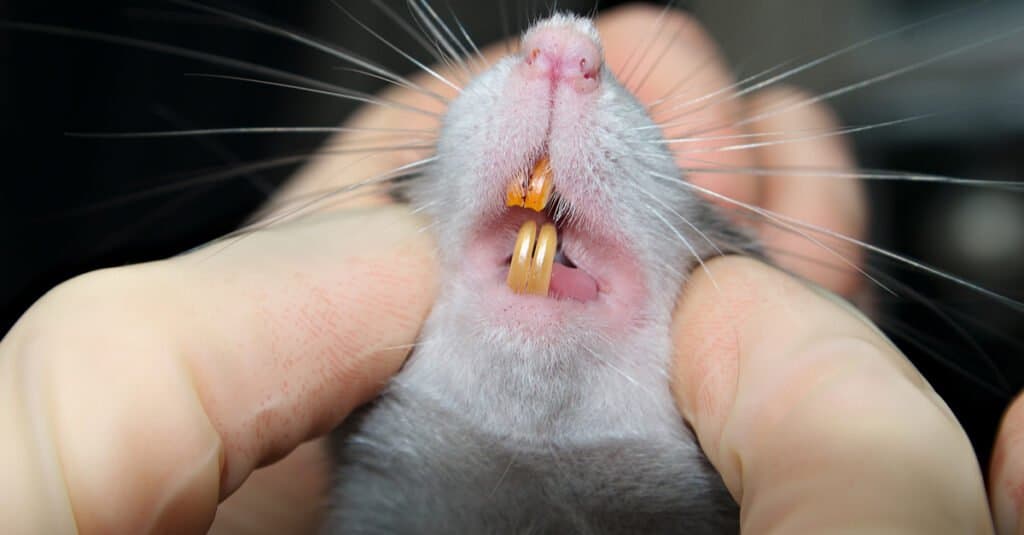
A rodent infestation should be handled by a professional.
©daniiD/Shutterstock.com
If you suspect an infestation, it’s best not to handle the problem yourself. This can put you at risk for bites and may worsen the situation. While rodent traps are effective, there’s no way to determine if you’ve caught all the rodents. Rat poison can be effective but is hazardous when used by nonprofessionals. If you see a mouse in your home, do not attempt to trap it yourself. Instead, call a professional and stay out of the room until they arrive.