
Quick Take
- The Texas longhorn is the official state large mammal of Texas.
- Heat tolerance and easy calving fit Texas rangelands, boosting their value for ranching and as a visual symbol.
- Longhorn imagery cemented the breed as a cultural icon linked to cattle drives, state pride, and daily life.
Every state has its symbols, but few are as instantly recognizable as the Texas longhorn. With its sweeping horns and rugged profile, this breed has come to stand for the independence and grit that many people associate with Texas itself. Today, the longhorn is more than just a cow with large horns. It is the official state large mammal of Texas and a living reminder of the state’s frontier past, cattle drive era, and modern ranching culture.
The story of the Texas longhorn begins centuries before Texas became a state. The breed traces its roots to cattle brought from the Iberian Peninsula by Spanish explorers and settlers who moved into Mexico during the sixteenth century and later into what is now Texas. Over generations, many of these animals escaped or were released to roam freely across open land. They survived intense heat, drought, predators, and limited forage with little human care.
This tough, mostly feral population gradually developed into a distinct type of cattle suited for harsh conditions. These animals could travel long distances, give birth without assistance, and remain healthy in conditions where more intensively managed breeds struggled. By the early nineteenth century, these sharp-horned cattle were firmly linked to the Texas frontier and its expanding ranching culture.
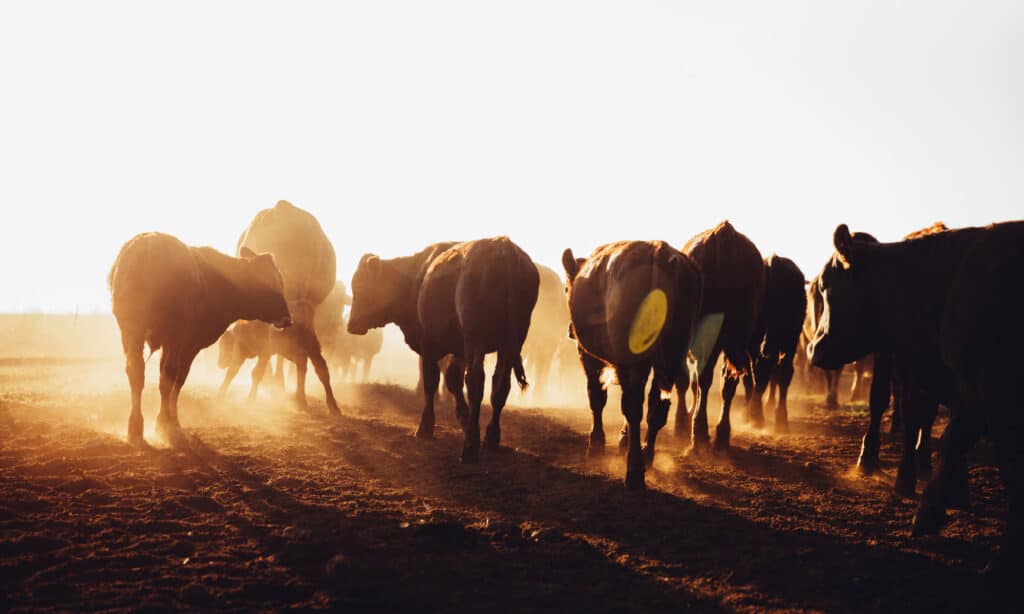
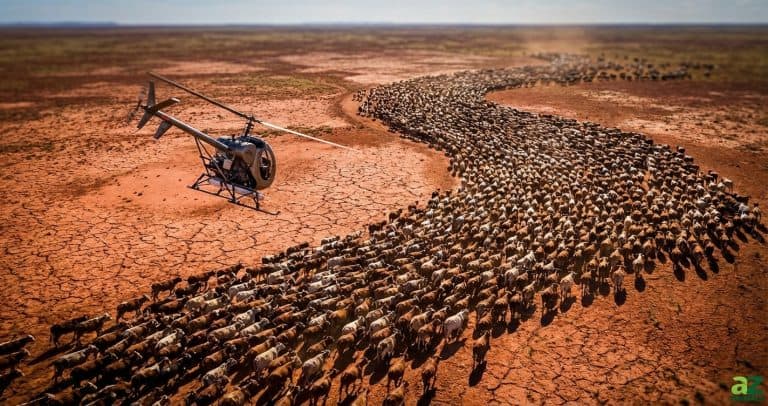
Cattle drives moved longhorn herds from Texas to markets in the Plains states.
©iStock.com/criene
After the Civil War, longhorn herds became a vital economic resource across Texas. Ranchers gathered millions of free-ranging cattle and drove them north to railheads in Kansas, Missouri, and Nebraska, where growing cities demanded affordable beef. Historians estimate that several million longhorns moved out of Texas along major cattle trails during the late nineteenth century.
Trails such as the Chisholm Trail and the Western Trail played a central role in this movement. These drives helped revive the state’s economy after the war and spread the image of the Texas cowboy nationwide. Longhorns proved ideal for the journey: they were lean, resistant to disease, and capable of walking hundreds of miles. As newspapers and popular fiction shared stories of cattle drives, the longhorn became closely tied to the idea of the American West.
The success of the cattle industry eventually placed the longhorn at risk. By the late nineteenth century, ranchers began favoring British and European cattle breeds that matured faster and produced beef with higher fat content. Longhorns were often crossbred or replaced entirely. By the early twentieth century, pure longhorns were increasingly rare. Concerned ranchers, historians, and government officials recognized that an important piece of livestock history was disappearing.
In the 1920s, the federal government helped establish protected herds, including animals preserved within national parks. Private breeders also began conservation efforts to maintain the breed’s genetic traits. Over time, ranchers renewed interest in longhorns for their hardiness, ease of calving, and ability to thrive on marginal land. These efforts helped shift the longhorn from near extinction to a respected heritage breed that is raised across the state today.
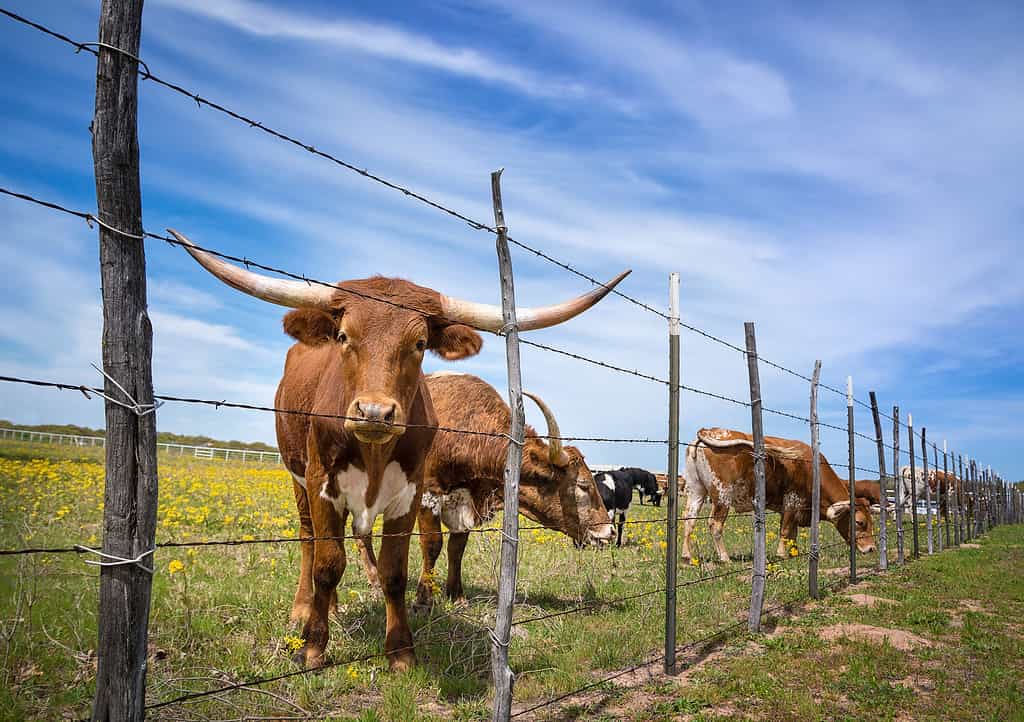
Texas longhorn cattle grazing behind a fence.
©Leena Robinson/Shutterstock.com
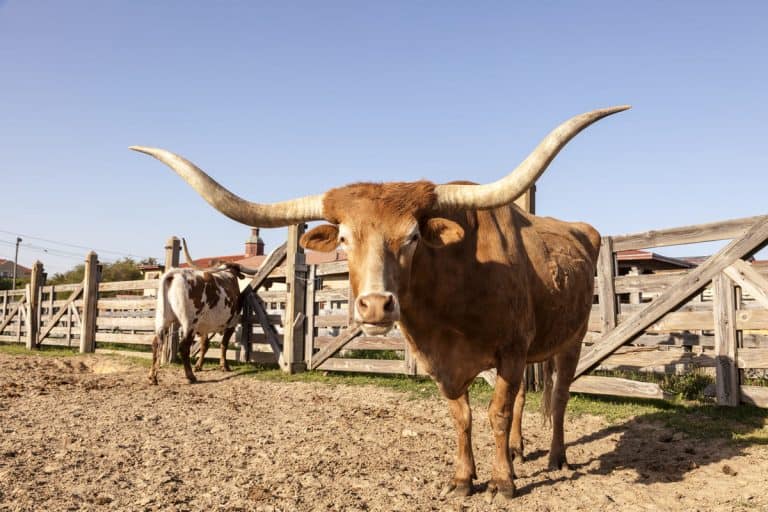
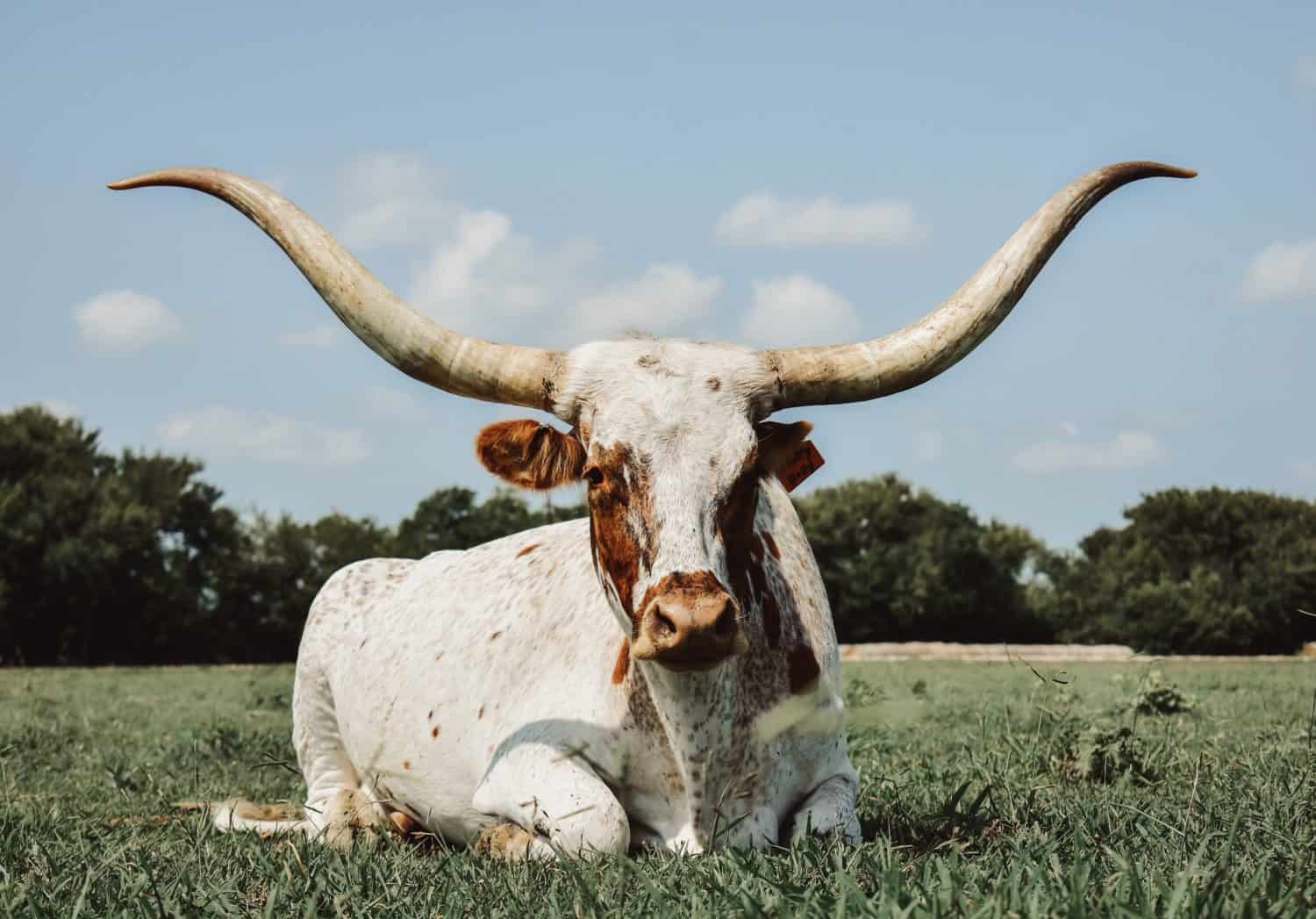
The longhorn became closely linked with Texas because its physical traits matched the landscape and climate. These cattle are medium-sized but athletic, with horns that commonly reach five to seven feet from tip to tip. Their coats display a wide variation, including reds, whites, blacks, and speckled patterns. Ranchers value the breed for its tolerance of heat, strong maternal instincts, and ability to travel far in search of grass and water. These qualities aligned well with the state’s large rangelands and unpredictable weather. The longhorn also became visually tied to Texas through art, photography, and Western films that highlighted open spaces and ranch life. By the twentieth century, the image of a longhorn standing against a wide Texas sky had become deeply embedded in public memory.
Although Texans long associated themselves with the longhorn, official recognition came relatively late. In the early 1990s, state legislators considered proposals for a state mammal and invited schoolchildren to participate in the process. A student mock election produced strong support for two animals, the Texas longhorn and the armadillo. Lawmakers responded by creating two separate categories. On June 16, 1995, the Texas Legislature designated the Texas longhorn as the official state large mammal and the armadillo as the official state small mammal. This decision honored the longhorn’s role in the state’s cattle industry and acknowledged its recognizable outline, which had appeared for decades in business branding and tourism materials.
The language of the 1995 resolution sheds light on why the longhorn was chosen. Legislators described the breed as a foundation of Texas ranching that helped stabilize the economy after the Civil War by supplying beef to markets across the nation. They noted that the sight of a longhorn immediately brings Texas to mind for many Americans. The resolution also linked the animal’s traits with values Texans often celebrate, including toughness, self-reliance, and pride. Public enthusiasm, especially from schoolchildren, helped turn a familiar cultural image into an official emblem recognized by state law.
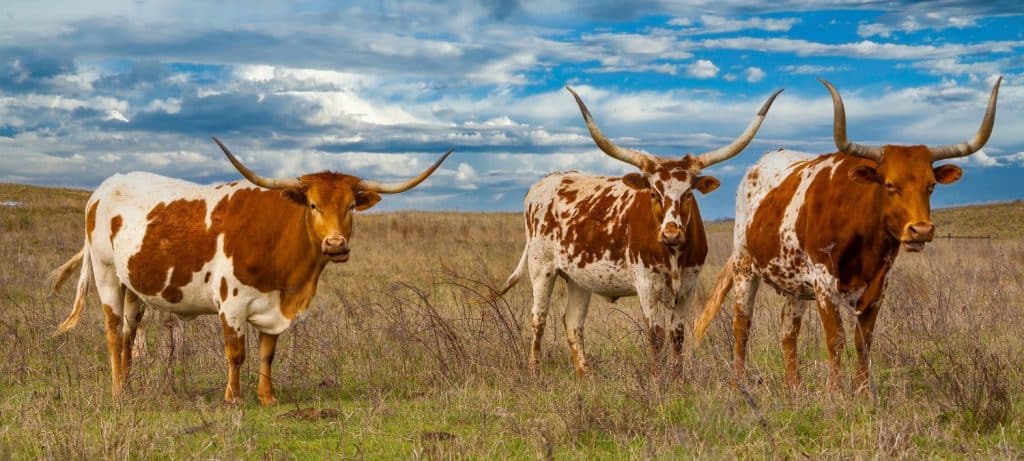
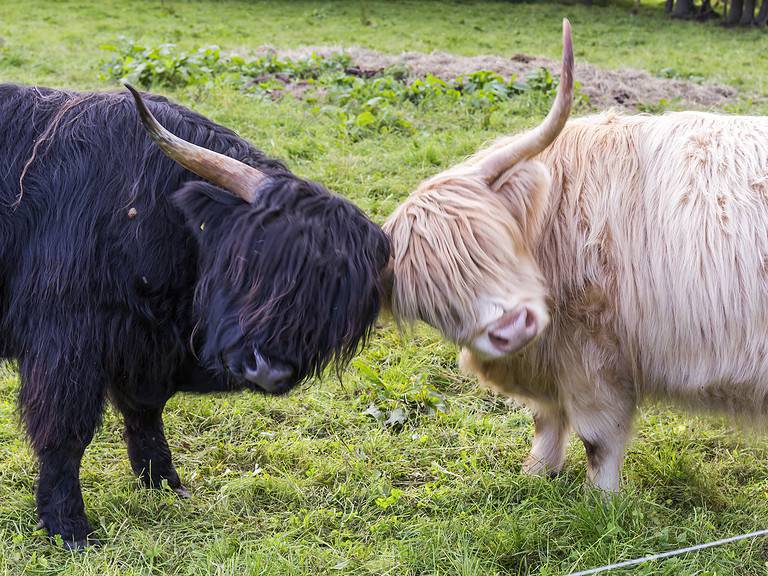
Longhorns generally do not use their horns aggressively. The horns are often swept upwards in shape, which helps cut down on accidental injuries.
©Bob Pool/Shutterstock.com
The massive horns of these cattle may look dangerous, but the breed is actually calm, and injuries are not as frequent as you might think. Ranchers usually don’t cut the horns off Texas longhorns because they are a defining trait of the breed. Large, well-shaped horns increase the animal’s value for breeding, conservation, and heritage herds. Removing them would reduce that value and erase a key feature for which Longhorns have been selected over generations.
There are also animal welfare and management reasons. Dehorning is stressful and painful, especially for adult cattle, and ranchers avoid it unless there’s a clear safety need. Longhorns are generally calm and accustomed to living with horns in the herd, so injuries are uncommon when the animals have space and are handled properly. Instead of altering the animal, ranchers design wider pens, alleys, and trailers that accommodate horns, allowing the cattle to live naturally without unnecessary intervention.
Today, the longhorn appears across Texas in settings far beyond legislation. One of the most recognizable examples is Bevo, the live longhorn mascot of the University of Texas at Austin. The tradition began in 1916, when students and alumni purchased a steer to display during a football game. Over time, Bevo became a central part of university life, with successive animals carefully cared for and managed.
Beyond college athletics, longhorn imagery appears on highway signs, ranch entrances, and commercial logos. Many ranchers raise longhorns for beef, breeding stock, or exhibition. Some breeders focus on horn length and coat patterns, while others prioritize the breed’s ability to thrive with minimal resources. These uses keep the longhorn visible in daily Texas life.
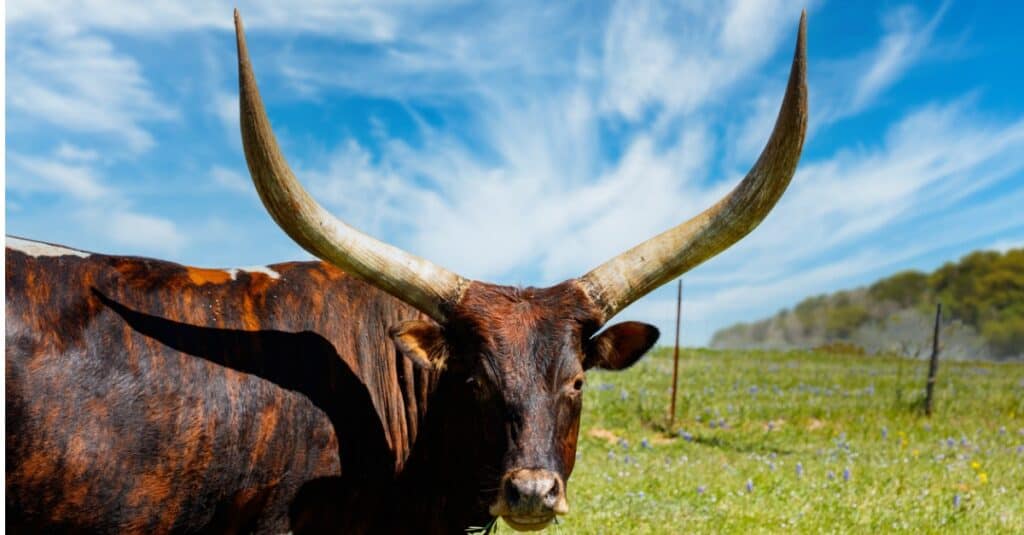
Though not the most popular breed for commercial beef production anymore, longhorns continue to be an important part of Texas culture and the economy.
©iStock.com/RAUL RODRIGUEZ
The longhorn continues to resonate with Texans in a changing world. Ranching remains an important part of the state’s economy, and interest in resilient livestock has grown as climate conditions shift. Longhorns are raised on private ranches, kept in educational herds, and displayed at historical sites that teach visitors about cattle drives and prairie ecosystems. Beyond agriculture, the animal also functions as a shared cultural symbol, appearing at football games, fairs, and public events that connect urban and rural Texans through a common image rooted in the past but still visible in daily life.
Longhorns are also raised commercially, though in a more limited way than modern beef breeds. Their meat is lean and appeals to grass-fed and health-conscious markets, with some ranchers selling longhorn beef directly to consumers or through small cooperatives. However, they are not widely used in large feedlot systems, which favor faster-growing cattle with higher marbling. As a result, longhorns tend to be raised on smaller operations for specialty beef, heritage breeding, or cross-breeding for hardiness, rather than as a dominant industrial beef breed.
The Texas longhorn became the state’s official large mammal in the late twentieth century, but its story stretches back hundreds of years. From Spanish cattle and open range herds to conservation programs and college traditions, the longhorn has adapted to shifting roles while keeping its distinctive form. By choosing the longhorn as a state symbol, Texans tied their identity to an animal that reflects strength, endurance, and historical complexity. As longhorn silhouettes continue to mark campuses, highways, and ranch gates, they serve as a reminder that the past still shapes the Texas horizon.