It’s estimated that there are around 3,000 to 4,000 whales, dolphins, and porpoises in captivity around the world. The majority are held in China, Japan, Mexico, Russia, and the United States. Many venues exploit these animals for profit through dolphin shows and interaction or swim activities. However, the increasing focus on welfare has resulted in the ethics of using dolphins for entertainment being questioned more and more. Thankfully, authorities are beginning to listen, resulting in Mexico taking the impressive decision to ban the use of dolphins in the entertainment industry. Keep reading to learn more about what led to this decision and what it means for the country’s captive dolphins.
The Use of Dolphins for Entertainment
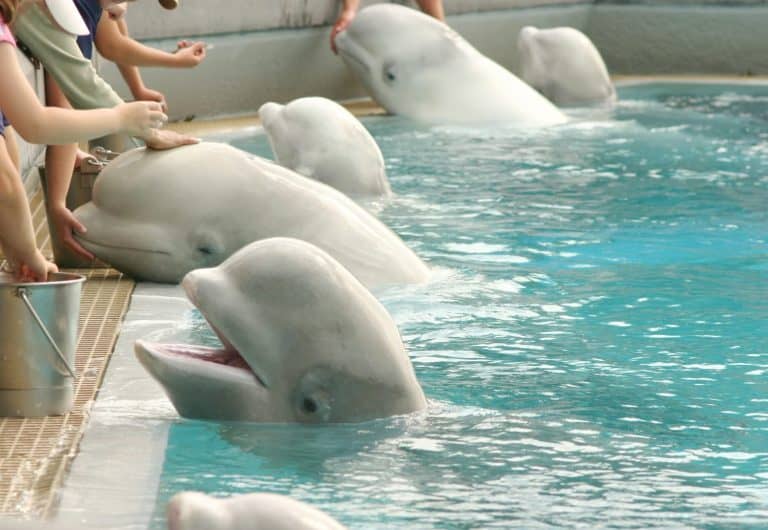
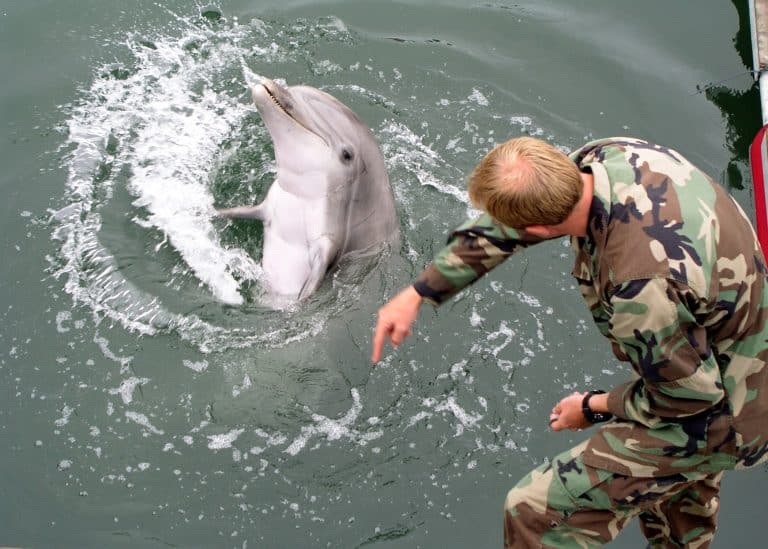
There are currently around 350 captive dolphins in Mexico, living across approximately 30 different facilities. However, the use of dolphins as entertainment in the country is not a new thing, with dolphin shows dating back several decades. Tourism has long been the driving force behind this practice. Several hotels and resorts across the country own dolphins that perform daily for crowds. Some places even offer tourists the chance to swim with dolphins, which often leads to these wonderful creatures being prodded and poked by enthusiastic visitors. Unfortunately, many dolphins are performing in tanks that are too small and too shallow for them to swim comfortably.
A Tragic Incident
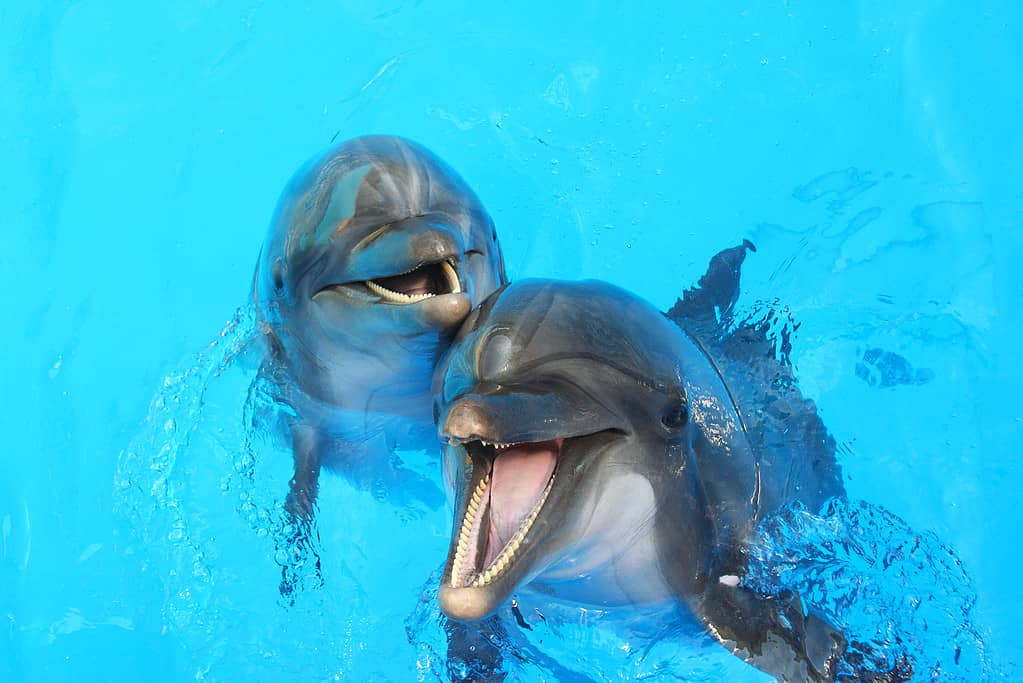
The new Mexican law bans the use of dolphins for entertainment purposes.
©Elena Larina/Shutterstock.com
Many people had long been pushing for a change to Mexico’s stance on allowing the use of dolphins for entertainment. Several reports and investigations have examined the treatment of dolphins. These include the World Animal Protection’s 2019 Behind the Smile report. The report found that they were suffering in unsuitable living conditions and experiencing great stress while being forced to perform.
One notable incident moved the issue into the public spotlight, sparking outrage about the use of dolphins in the entertainment industry. In January 2025, a dolphin at the Hotel Barceló Riviera Maya died during a performance. Tourists filmed the incident and shared it on social media. Unfortunately, it wasn’t an isolated incident. The Mexican authorities had to completely close the location to dolphin performances after an investigation found that the dolphins regularly suffered severe mistreatment.
Thankfully, change was coming. In June 2025, Mexico finally implemented a law banning the use of dolphins in entertainment and research. It also banned breeding them in captivity. The only exception is for activities related to conservation. Mexico is now one of only three Latin American countries to implement this major change — the others being Chile and Costa Rica. The ban was widely supported and was unanimously approved by the Mexican Senate.
What Does the Law Say?
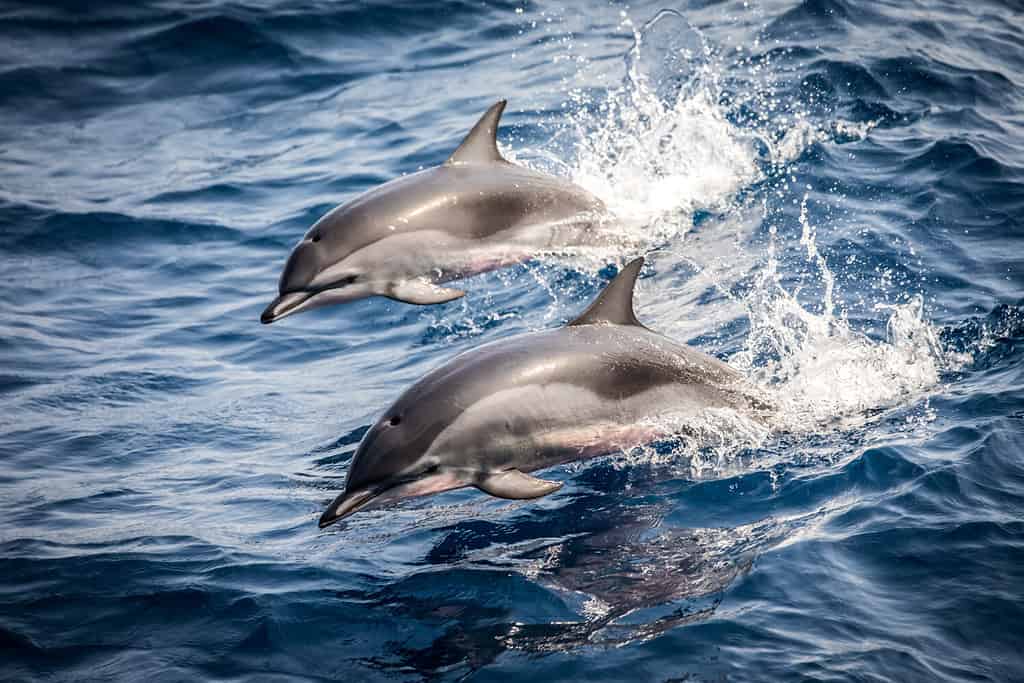
All captive dolphins must be moved to sea pens within 18 months.
©Tara Lambourne/Shutterstock.com
The new law means that sea mammals in Mexico can never be used for entertainment, research, or breeding purposes. The only exception is for research or activities related to conservation purposes. Any animals that are currently in captivity can remain so until their natural death. However, facility owners must now comply with stricter welfare standards to ensure that they are properly cared for. This will be overseen and upheld by the Mexican authorities. Additionally, the law mandates that any dolphins currently kept in concrete tanks must be relocated to sea pens within 18 months of the law’s passage. The law also restricts human-dolphin interactions and prohibits the touching of sensitive areas on the dolphins.
The result of this new law is that every facility that houses captive dolphins must cease using them for entertainment purposes. This means no more dolphin shows or allowing tourists to swim with them. In some cases, this has resulted in the complete closure of parks, where their sole activity was the hosting of dolphin shows. Owners must provide the Ministry of Environment with a full inventory of the dolphins in their care, including information such as microchip numbers, age, and photographs.
The law has sparked some complaints from business owners — particularly those that have to close down entirely — due to the amount of money that they have invested in their businesses. However, non-compliance with the new rules will result in significant penalties for owners. Penalties include fines of up to 75,000 times the Mexican Unit of Measurement and Update.
What Does It Mean for Dolphins?
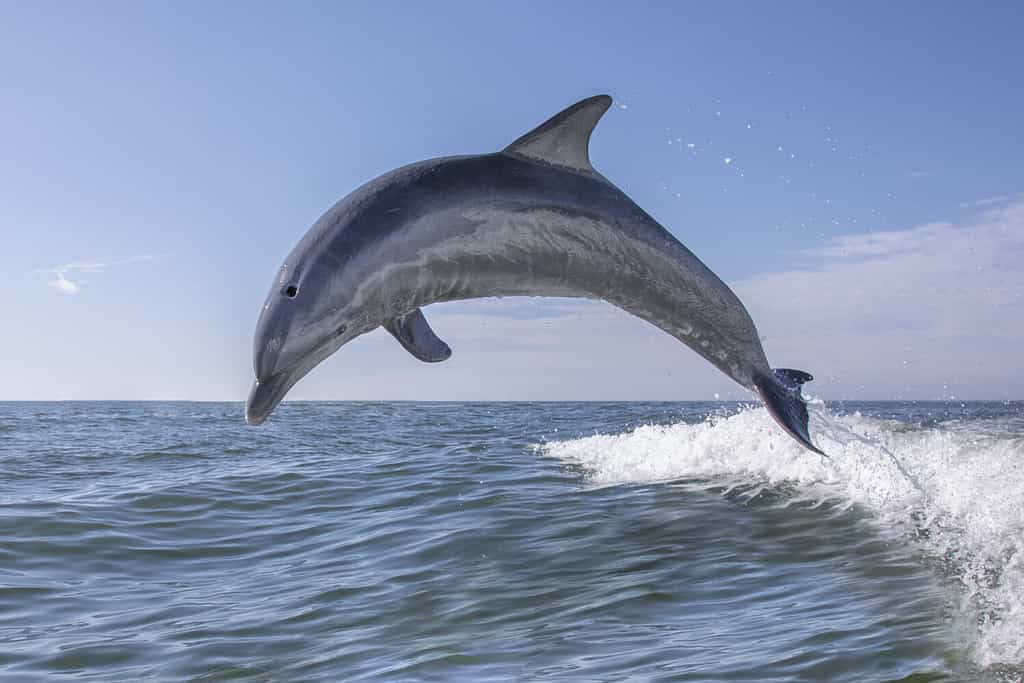
Mexico’s captive dolphins will now be able to experience life in the sea from the safety of sea pens.
©Tory Kallman/Shutterstock.com
The main impact of Mexico’s new law on the dolphins is that they will no longer be exploited and forced to perform for tourists. Instead, they will be relocated to large sea pens. This allows them to live a relatively natural life while remaining in a safe and protected environment. These sea pens will allow them to interact with other dolphins while experiencing life in the sea. Sea pens also provide much more space for swimming and even allow the dolphins to hunt for fish.
Although many people would love to see these dolphins released entirely into the wild, this is unfortunately not possible for most captive dolphins. This is because many were either caught in the wild at a young age or were bred in captivity. Having spent the majority of their lives in captivity, these dolphins do not know how to survive in the wild or hunt effectively. They’ve also lost their natural fear of humans. If released completely, they might seek out people for food. Living in sea pens is a compromise for Mexico’s dolphins, but it is undoubtedly better than living in a concrete tank.
Since the ban was implemented only recently, there has been no change in the conservation status of dolphins or their population numbers. However, the reduced demand for captured dolphins may eventually help to protect wild populations in the future.
The Ethical Solution
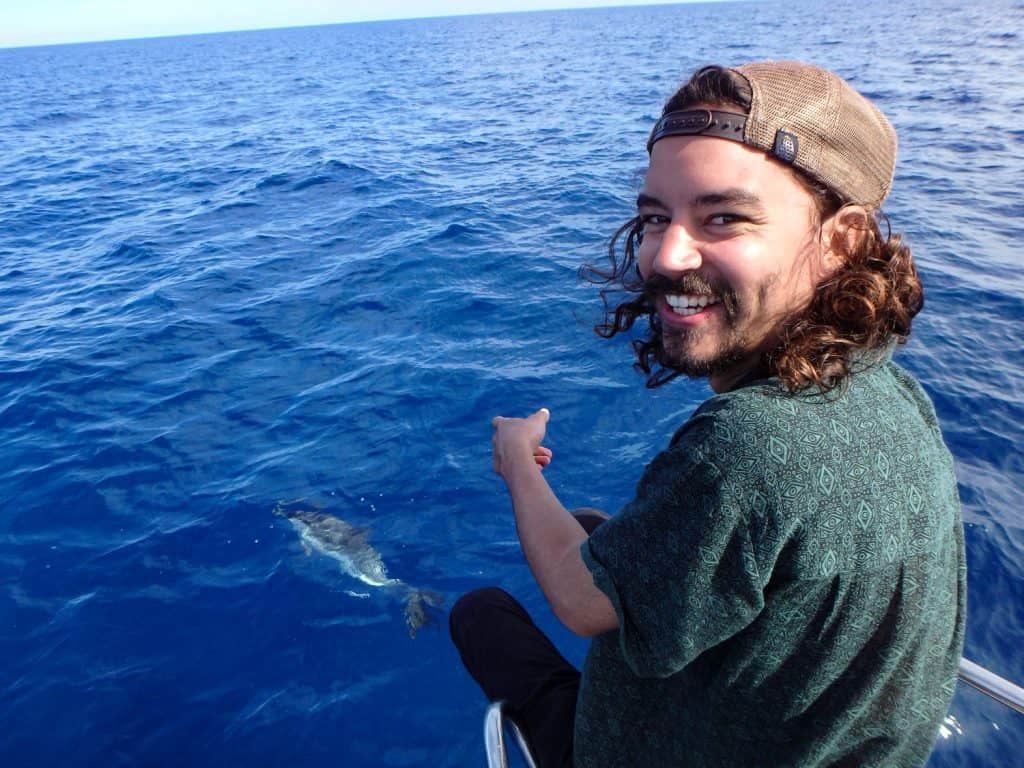
Dolphins can be observed in their natural habitat instead of at resorts and parks.
©David Jara Bogunya/Shutterstock.com
Although the implementation of the law now prevents tourists from seeing dolphins in captivity, it doesn’t need to prevent people from appreciating dolphins in Mexico at all. Instead, the ethical solution is to support responsible wildlife tours. Rather than watching dolphins perform tricks for amusement, people can now observe them in the wild, in their natural habitat, hunting, swimming, and socializing as they would naturally.