
Quick Take
- The spinach pipefish has a reproductive trait so unusual that the males are the ones you'd want to study most, yet almost nothing is known about how it actually works. Unusual male biology →
- Within one morning of being asked, someone located a species that had eluded trained researchers for four decades. The discovery was made using a tool no field biologist had brought on the expedition. How Helen Asu found it →
- Scientists searched for a fish missing for 40 years, and the people who could have told them where it was the whole time turned out not to be other scientists. Allen's 40-year gap →
Despite our best efforts to survey and catalogue every living thing in nature, species remain undiscovered. Furthermore, animals that were once discovered, then lost, can be found again. Take the spinach pipefish, for example. It is a species of freshwater pipefish endemic to the Ramu–Sepik river system in the notoriously-untamed country of Papua New Guinea. The last time scientists recorded its presence was 1985. After that, it became lost to the scientific record. No one knew where it went or if the species still existed.
Four decades later, however, scientists have rediscovered the spinach pipefish. By working with local communities, scientists have rediscovered the unique freshwater fish species assumed to be lost. It’s a tale of collaboration and intrigue, one that resulted in a satisfying conclusion thanks to the careful, compassionate work of a team of researchers. Let’s learn more about the spinach pipefish, why it disappeared from the scientific record, and how it was found again in the very spot it went missing.
Spinach Pipefish Background
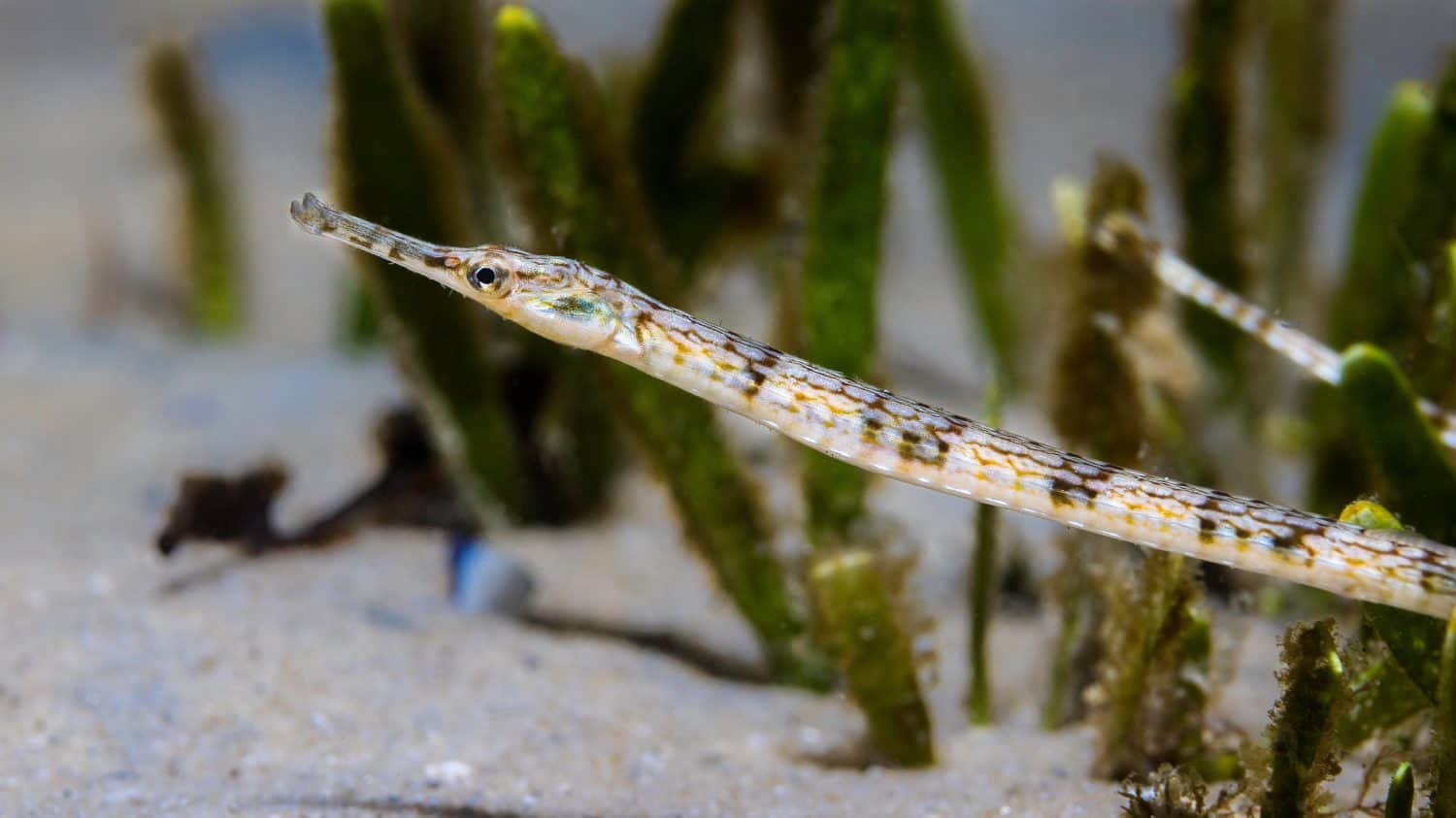
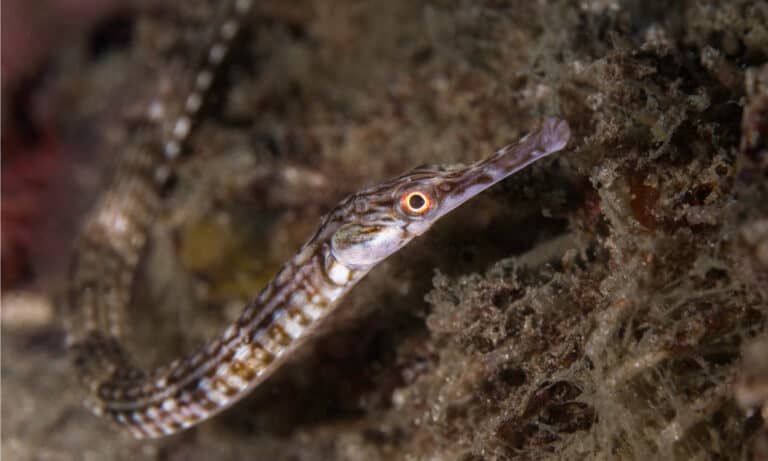
Most pipefish species have thin bodies and elongated snouts.
©Madelein Wolf/Shutterstock.com
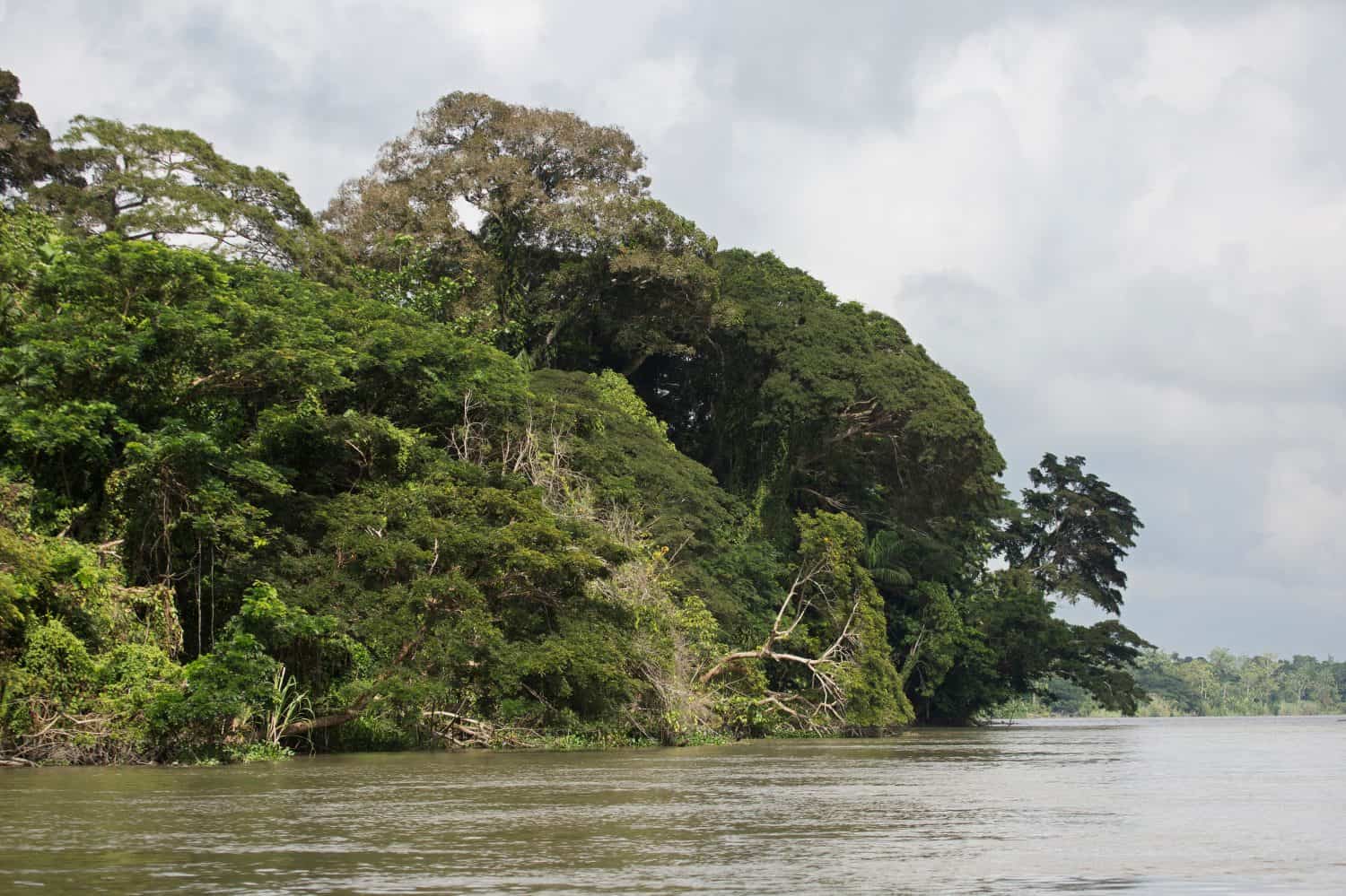
Several places on Earth contain hidden life. Perhaps the most unexplored place on Earth is Papua New Guinea. It’s a region where nature truly rules. Covered in dense, mountainous jungle, Papua New Guinea repels easy scientific study and survey. It’s simply too hard to get around. The country lacks an abundance of connecting highways, and ground travel is really only feasible in its few regional towns and coastal areas. Much of the country can only be explored by helicopter or particularly tenacious and well-organized foot expeditions. It is in this context that we meet the spinach pipefish.
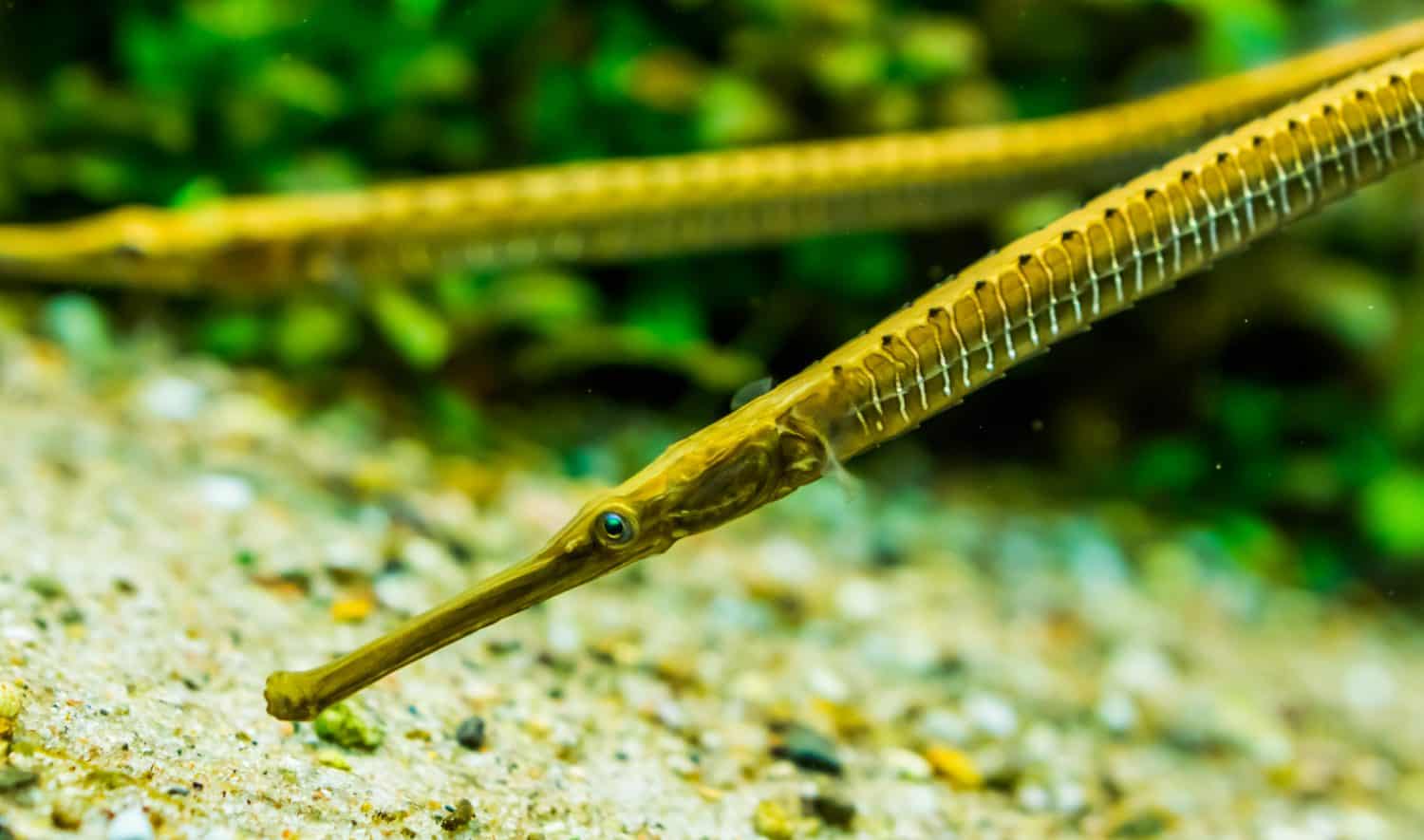
The spinach pipefish, Microphis spinachioides, is a freshwater species of pipefish with a series of bony rings along its body. It was first described by German ichthyologist Georg Duncker in 1915. Slender like other pipefish species, the spinach pipefish has a long snout and narrow tail, with its full body reaching at least 15 centimeters in length. The spinach pipefish also has a unique gestation and development process; male spinach pipefish carry developing young in a brood pouch beneath their tails.
The spinach pipefish was known to inhabit the freshwater river systems of northern Papua New Guinea, specifically the Sepik River system. It was previously found along river margins with dense vegetation, which it often used for cover. Beyond that, not much is known about this species’ movements. Understanding this fish became all the more difficult because the last record of it was in 1985 from Australian ichthyologist Gerald Allen. After that, the spinach pipefish functionally disappeared from the scientific record.
The Rediscovery
Scientists have a knack for hunting down species considered long gone or lost. Researchers Jerrica Agebigo and Roger Maikei from the New Guinea Binatang Research Centre decided to go looking for the spinach pipefish. They worked with local communities to understand its remaining presence.
They headed out to the Sepik River area and spent two weeks speaking with locals, surveying the river, and even examining fish sold at markets. When they showed photographs of the elusive spinach pipefish, locals recognized it. They had their own names for it, too, like Karuweng, Inap, and Sako. The locals also described the river margin habitats that spinach pipefish were known to inhabit.
The actual rediscovery of the species came down to one local fisherwoman, Helen Asu. When the researchers showed her a picture of the fish, she recognized it and said she would look for one the next time she went out fishing. Using an umben, a traditional handheld net, Asu effortlessly caught two pipefish the following morning. They looked almost identical to the ones in the photographs. As affirmed by Jerrica Agebo, the rediscovery was only possible with local help. She told Discover Wildlife, “Every community welcomed us warmly and shared remarkable knowledge about their river. It is a place where scientific research depends heavily on collaboration with local people.”
Experienced Confirmation
A keen and experienced local fisherwoman caught two spinach pipefish less than a day after being shown a picture of one.
©INTERTOURIST/Shutterstock.com
With two potential spinach pipefish in hand, the researchers reached out to Gerald Allen. When they shared images of Helen Asu’s morning catch, Allen confirmed it was the same species. This marked the first time the spinach pipefish had been documented in over four decades. As Agebo explained, “Without [Helen Asu’s] knowledge, initiative, and willingness to assist, the rediscovery may not have been possible.”
So little is known about the spinach pipefish because it hadn’t been seen by scientists for decades. Now, with this rediscovery, the study of the elusive pipefish is again possible.