
Quick Take
- Scientists went looking for one shark species and accidentally caught something no one had ever seen before, with the visual clue that gave it away being stranger than you would expect. See the accidental find →
- This shark has a local name that translates to something surprisingly unflattering, and the reason behind that name actually tells you a lot about how it moves. Discover the local name →
- Before researchers could even celebrate, they had to confront a troubling question about whether their new discovery is already racing toward extinction. Explore conservation concerns →
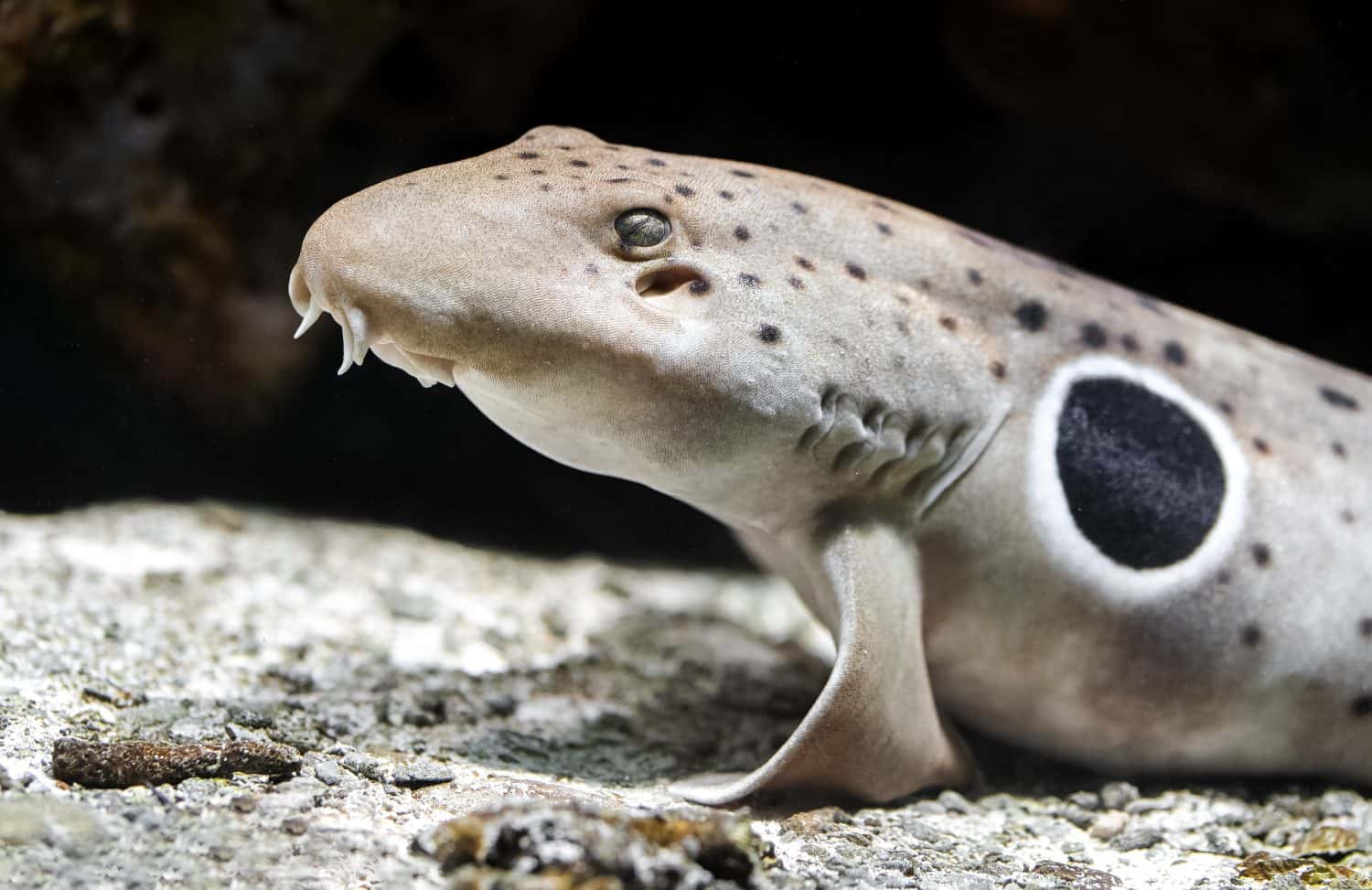
Normally, when the discovery of a new species hits the headlines, it involves splitting taxonomic hairs between previously established species. The world, however, is full of surprises and full of previously unknown life. Take, for example, this story published earlier this week. A team of scientists researching a shark species that can walk on land discovered an entirely new shark species as well. They named it Dudgeon’s Walking Shark. Like the shark species scientists were originally hoping to study, it too can walk on land.
As these scientists learned, you never know exactly what you’re going to find, even if you have a plan for what you’re looking for. Researchers from the University of the Sunshine Coast caught this new species of walking shark by hand in a secluded area off the southeastern coast of Papua New Guinea. A collaborative paper published this week confirmed the newly named species. Let’s learn more about Dudgeon’s Walking Shark. We will discuss how researchers discovered it and what it tells us about walking sharks in general.
Best Laid Plans of Sharks and Men
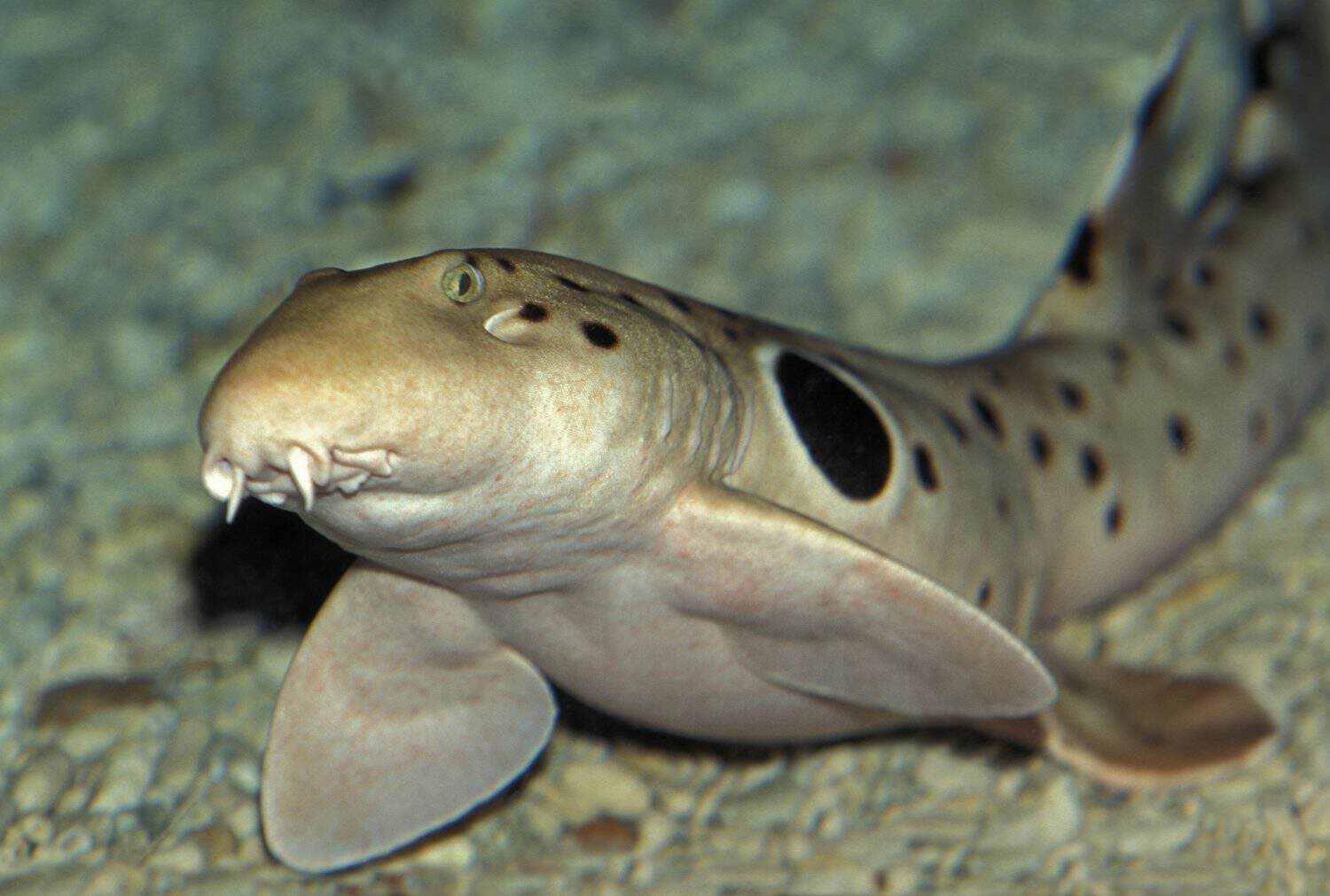
When researchers were out looking for epaulette sharks, they discovered a brand-new species.
©slowmotiongli/Shutterstock.com
A new collaborative paper, published this week in the Journal of the Ocean Science Foundation, details the discovery of a new species of walking shark off the southeastern coast of Papua New Guinea. As often happens with scientific discoveries, the scientists were in the area studying a previously classified species of walking shark when they found a brand-new one.
As reported in outlets like Scimex, a team of researchers from Australia’s University of the Sunshine Coast headed to the southeastern coast of Papua New Guinea to study specimens of epaulette sharks, several species of which are listed as Vulnerable or Near Threatened. These creatures are not dangerous to people and eat invertebrates off the bottom of the sea. However, they can also walk on reef flats during low tides using their fins as limbs. Between 2023 and 2025, the team headed to Milne Bay, on the coast of Papua New Guinea, to study the distribution and threats to epaulette sharks. This research led the team to their discovery.
Lead author of the study and UniSC PhD student Jess Blakeway was the first to see the new shark species, swimming through the water near the team’s boat. As Blakeway explained in a statement to Scimex, something looked off immediately. She said, “Straight away I recognised that the colour pattern was different from any of the other species I had worked with before. The first thing that stood out was the white dashes along its brown body. These dashes were quite different from the leopard-like spots we were expecting.”
Further Examination and Naming
Once this odd-looking shark was in the boat, the team placed it in a tub of freshly collected seawater. This allowed them to take measurements and collect blood and tissue samples. Remarkably, they saw 11 other sharks in the water with the same type of color patterns over the next two nights.
Only later could they definitively prove via genetic analysis that these patterned sharks represented a newly discovered species. As Blakeway explained, “It’s exciting because this is the first new species described for the genus since 2013.” The team named the new species Dudgeon’s Walking Shark (H. dudgeonae) after famed elasmobranch geneticist and ecologist Dr. Dudgeon, who has researched the shark genus for over two decades. They also gave the species the local name of kadedekedewa, which loosely translates to dog shark or lazy shark due to its lumbering, four-finned walking style.
Interesting Implications

Besides the new species, researchers learned more about the distribution of epaulette sharks.
©ibrahim kavus/Shutterstock.com
The discovery of a brand-new shark species with similar characteristics to other sharks in the same region points to interesting implications. For one, it suggests that walking sharks live in a wider area than previously believed. As Ms. Blakeway explained, “Previously, it was thought that each species had distinct habitat barriers such as rivers or deep water. Now we know that distributions in eastern PNG overlap, though species do not co-occur.”
To ensure a better understanding of the newly discovered species, researchers plan to collect more data on their next trip in October. This will help the International Union for Conservation of Nature assess whether Dudgeon’s Walking Sharks should be classified as vulnerable or endangered. This makes sense considering the species lives in a relatively restricted home range with considerable fishing activity.
Not ones to forgo their original plans, the research team also discovered new information regarding the distribution of two other epaulette species off the coast of Papua New Guinea. Doing so required various survey methods, including diving, snorkeling, and even reef walking, to catch walking sharks by hand. This produced 70 surveys at 35 sites in 15 locations.