
Quick Take
- Lands managed without formal government backing are quietly outperforming some of the world's most protected nature reserves, and the reason why challenges what conservation science thought it knew. See the conservation outcomes →
- One finding from Australia should make conservationists rethink where threatened species actually go when nowhere else is safe. Australia's threatened species finding →
- The lands best positioned to help meet the world's 30x30 climate commitment are also the most legally vulnerable, and addressing that problem requires rethinking who gets a seat at the table. The 30x30 legal vulnerability problem →
Despite a lack of resources and recognition, lands managed by Indigenous Peoples keep pace with—and in some cases outperform—similar lands managed by governments. These include forest protection, carbon storage, and biodiversity.
These findings were part of a new study led by researchers from the University of British Columbia (UBC) and recently published in People and Nature.
The Study That Changed the Conversation
The study, The Relationship between Indigenous Peoples’ lands and conservation: A systematic literature review, is the largest study of its kind conducted to date. Researchers examined 111 peer-reviewed papers that looked at carbon storage, wildfire activity, biodiversity, forest cover, and other conservation outcomes in regions around the world.
They found that three-quarters of the studies noted a positive correlation between conservation and Indigenous lands.
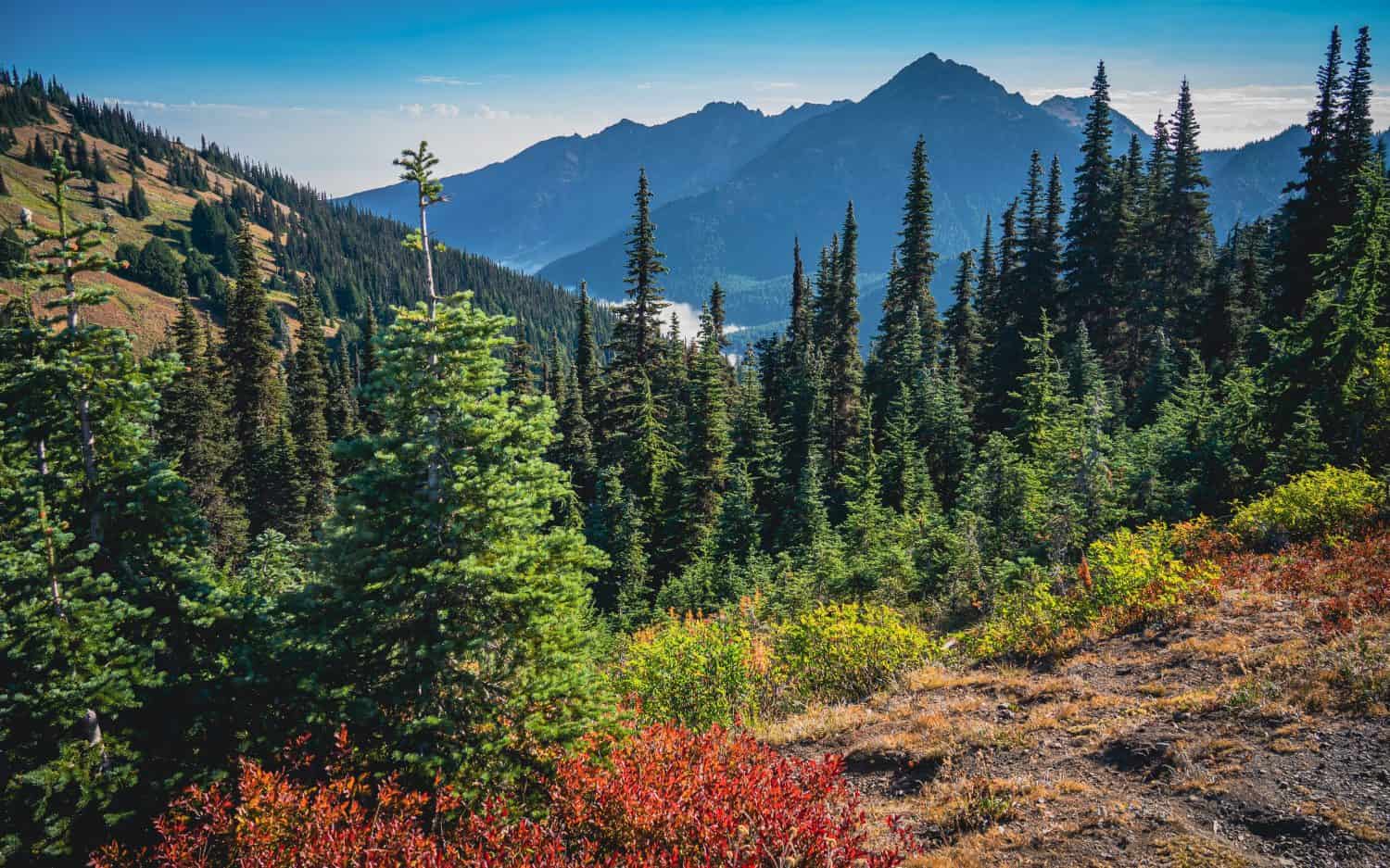
Indigenous lands are managed equally as well as, and in some cases better than, government-managed wild spaces.
©Andrea Izzotti/Shutterstock.com
“Indigenous Peoples are among the world’s most effective land stewards, yet many are still fighting for basic recognition of their rights to lands they have protected for generations. The science is clear—we need to catch up,” said Dr. William Nikolakis, lead author of the study and assistant professor of Indigenous land and natural resources governance at UBC, in a recent news article announcing the findings.
How Indigenous Lands Excel in Conservation
Three of the biggest findings related to forests, biodiversity, and carbon stocks.
In the Brazilian Amazon basin, one study determined that between 2005 and 2012, native vegetation loss was 17 times lower on Indigenous lands than similar areas that lacked protection. The same area also had greater biodiversity that remained consistent over the same seven years.
In Australia, another study found that sixty percent of the country’s 1,574 threatened species were present on Indigenous lands. The study suggests it is not a coincidence, but rather evidence that Indigenous lands are the last refuge for species with nowhere else to go.
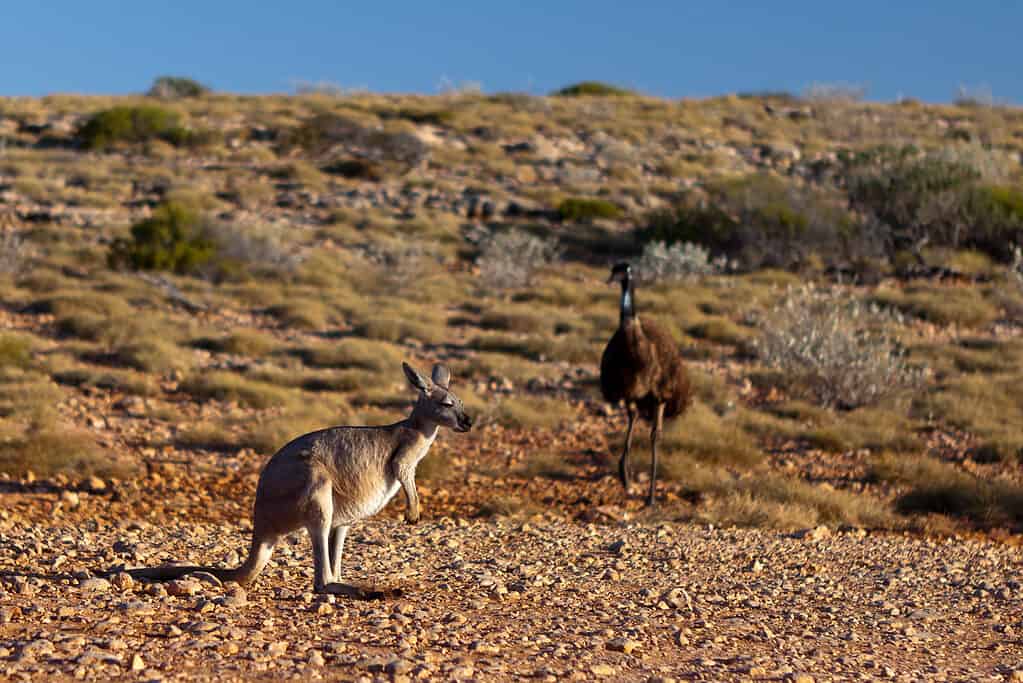
Sixty percent of Australia’s 1,574 threatened species are present on Indigenous lands, one study found.
©Markus Gebauer/Shutterstock.com
Carbon storage is another area where Indigenous lands stand out. A different study determined that in both the Amazon and Panama, Indigenous lands preserved carbon stocks at equal or greater levels than other formally protected areas. This is important in the context of climate change. Healthy forests act as sponges, absorbing carbon dioxide and helping to reduce the rate of climate change.
Ongoing Threats to Indigenous Lands
Although there is evidence that Indigenous lands are a significant conservation force, they also face considerable threats. The study’s authors point out that sixty percent of Indigenous lands around the world remain under threat from two primary sources: climate change and industrial development.
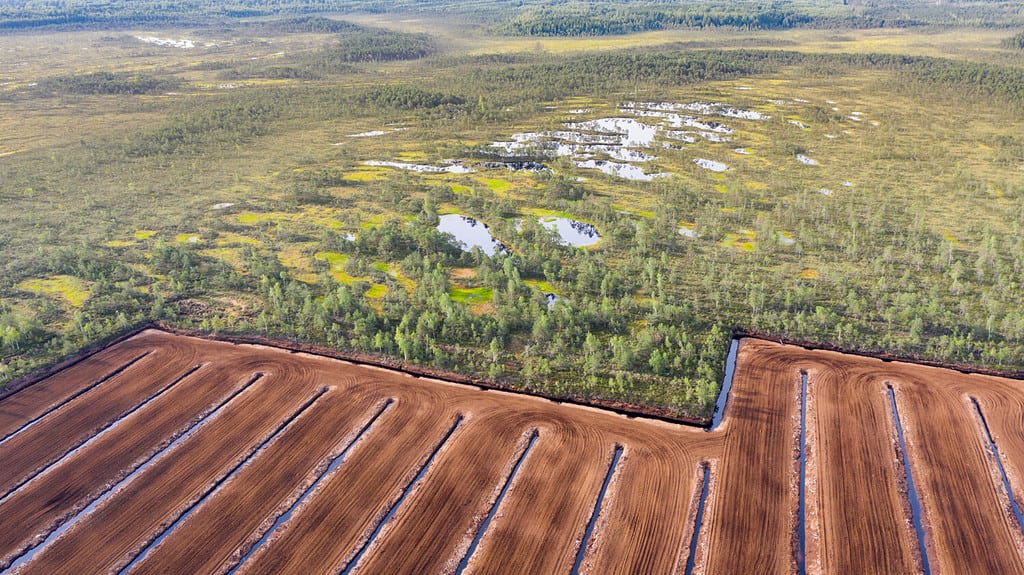
Clear-cutting forests for industrial use is one threat to Indigenous lands.
©F-Focus by Mati Kose/Shutterstock.com
These lands often lack official government protection, leaving them vulnerable to these threats. As a result, development in the form of logging, agricultural expansion, and mining regularly reduces the size of these Indigenous spaces. The study notes a direct correlation between the lack of legal protection and declining conservation outcomes.
The Lack of Indigenous Voices in Science
Another equally important finding is the significant lack of research conducted by Indigenous people. Of the 111 papers reviewed in the current study, only seven percent listed Indigenous authors.
Study co-author Garry Merkel, director of the University of British Columbia’s Centre of Indigenous Land Stewardship and a member of the Tahltan Nation, said in the recent news story, “This is a significant disconnect. Scientists often find it difficult to accept Indigenous science as legitimate, resulting in academic research that does not fully reflect Indigenous knowledge systems or perspectives. This work will help future research to be more inclusive and respectful in its acknowledgement of Indigenous communities.”
The researchers also point out that Indigenous knowledge too often exists outside traditional academic resources. Instead, oral traditions and community-led research are where much Indigenous expertise resides. This means researchers often skip over crucial data and ideas. When such data is ignored, conservation efforts and policy decisions are based on incomplete information.
Why This Study is Important
The timing of this new study is significant. In 2022, at the UN Biodiversity Conference (COP15), nearly 200 countries adopted the Kunming-Montréal Global Biodiversity Framework, commonly known as ’30×30.’ The commitment is to protect thirty percent of the world’s freshwater, oceans, and lands by 2030.
The study identified three key priorities that consistently emerged from the papers they reviewed: securing formal land rights for Indigenous Peoples, supporting Indigenous governance over those lands, and providing funding and resources for future conservation efforts. All three priorities are equally important to ensure effective conservation on Indigenous lands.
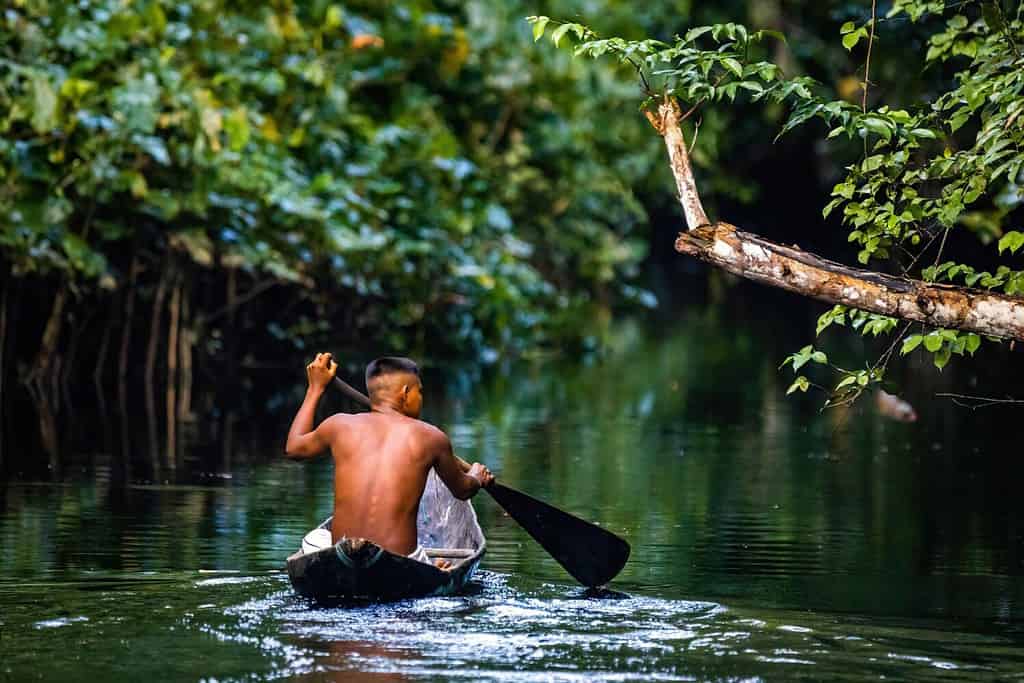
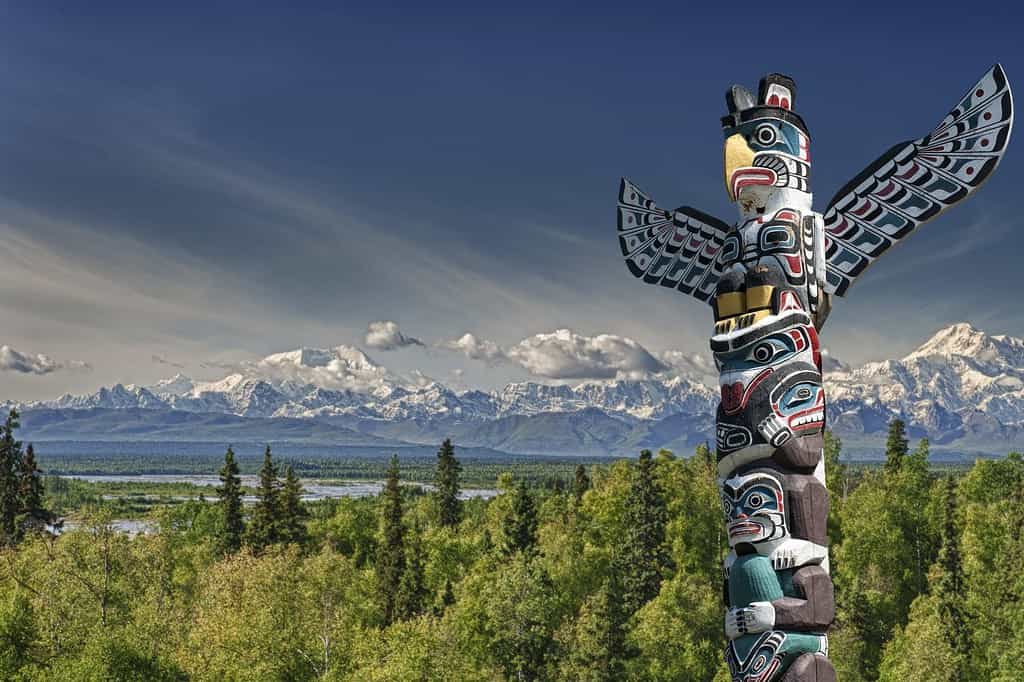
Indigenous voices are missing from most scientific literature.
©Photo Spirit/Shutterstock.com
“Indigenous stewardship is not just another tool in the toolbox—it’s foundational,” said Merkel in the news story. “When Indigenous Peoples have the authority and support to care for their lands, the benefits extend to ecosystems, climate, and community wellbeing and provide practical models that can guide others’ stewardship approaches globally.”
Achieving the goals of the 30×30 commitment will require a collaborative effort from every country.