
Quick Take
- Scientists assumed cold winters would permanently block armadillos from pushing north, but that assumption keeps failing to hold up. See the challenged assumptions →
- Earlier armadillos found dead in Ohio didn't count, and the distinction between those roadkills and this one actually reveals something unexpected about how the species travels. Understand the key distinction →
- Indiana logged 230 armadillo sightings over two decades, but nearly 90% of them are crammed into a single recent stretch, and the timing tells a bigger story. Explore the Indiana sighting surge →
- Some armadillo populations carry leprosy, yet the ones marching north keep testing negative. Researchers don't know why. See the leprosy questions →
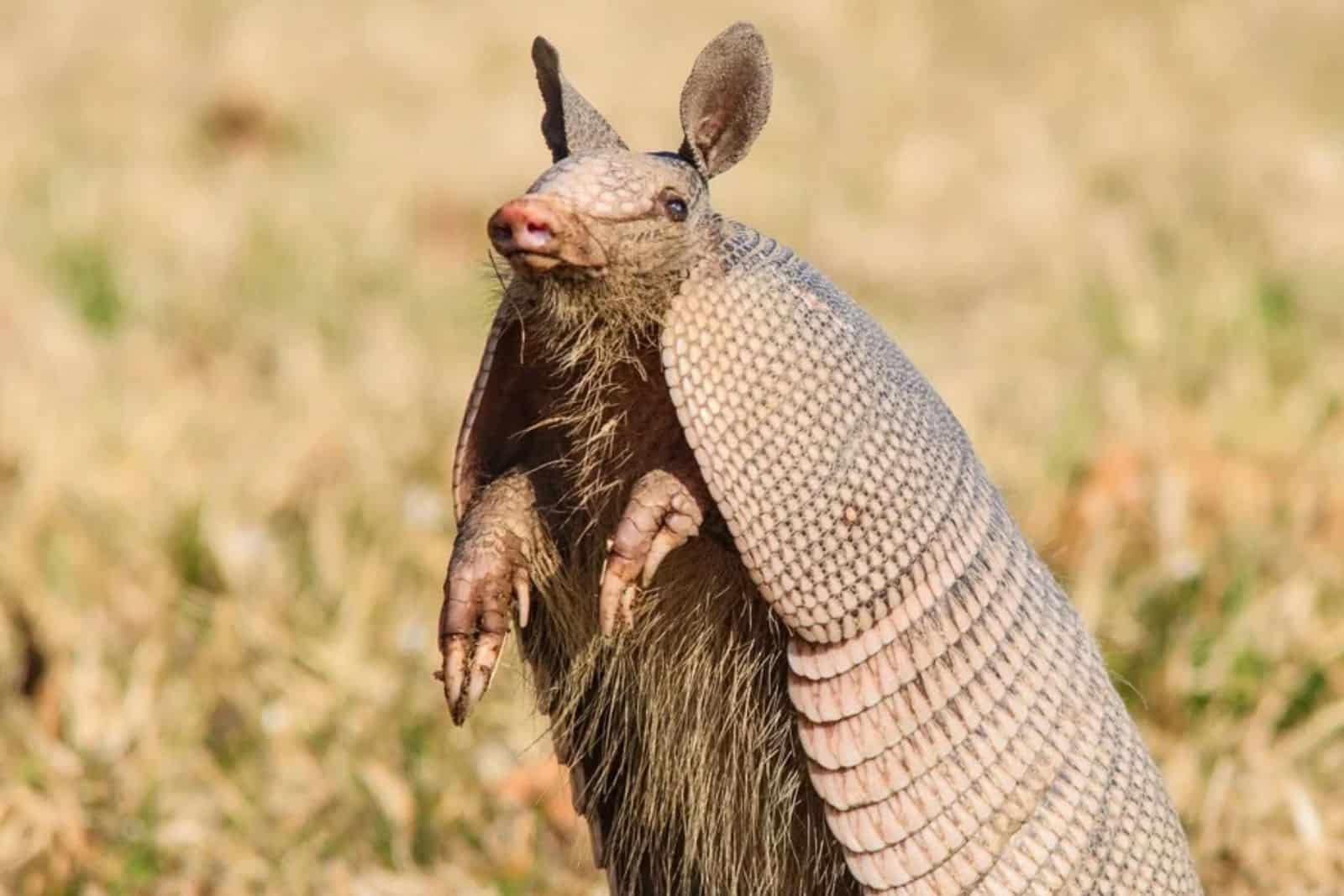
A dead armadillo found beside a road about four miles east of Oxford, Ohio, on September 6 is being treated as a milestone. Researchers at Miami University believe it is the first armadillo in the state confirmed to have walked there on its own, rather than hitching a ride in the wheel well or undercarriage of a vehicle, the way earlier Ohio sightings were presumed to have arrived, according to a report on the find.
Why This One Looks Different
The animal, a male Mexican long-nosed armadillo, was found near the Indiana border, close enough to verified sightings in both Indiana and Kentucky that Tereza Jezkova, an associate professor of biology at Miami University, considers it likely the animal crossed into Ohio under its own power. Earlier Ohio roadkills, along with one in Minnesota, turned up so far from any other confirmed armadillo activity that researchers assumed those animals had been carried in by vehicles instead. “I was hoping they were going to make it here,” Jezkova said. The body was collected for Miami University’s Hefner Museum of Natural History, Hoodline reported.
A Century-Long March North From Texas
Armadillos first crossed the Rio Grande into Texas around the 1880s, and the species has been pushing north and east ever since, reaching Louisiana by the 1920s and Kansas by the 1940s. Roughly every dozen years or so, the animals have turned up in a new U.S. state, including Southern Illinois back in 2017, so Ohio’s arrival had been expected for a while. Indiana’s Department of Natural Resources has logged 230 armadillo reports since the early 2000s, with nearly 90 percent of those coming between 2017 and 2025, a pace that suggests the species is accelerating its spread rather than slowing down.
What It Means For Surviving Cold Winters
Armadillos have thin fur and little body fat, which made scientists assume for decades that cold weather would cap how far north they could ever live. That assumption keeps getting tested. Sheltering in burrows may let the animals tolerate average temperatures as low as about 17 degrees Fahrenheit, and worries that snow would block their ability to dig for food have not held up against how adaptable the animals have turned out to be.
Jezkova said researchers still don’t fully understand how the animals are managing it. “They need to stop sometime, but so far, they keep going,” she said. One Oxford roadkill doesn’t prove armadillos are breeding in Ohio yet, but combined with the confirmed populations just across the state line, it suggests the species’ true cold-weather limit sits farther north than anyone previously assumed, and that Ohio may simply be next in line.
Armadillos also carry a less welcome reputation: some populations in Texas and Florida are known to harbor leprosy. None of the animals tracked moving north so far have tested positive for it, and researchers don’t yet know why that pattern holds, though it’s one more open question in a story that keeps raising more of them than it answers. For now, the Oxford specimen sits preserved at the Hefner Museum, a single data point in what researchers expect will become a much longer record.