
Quick Take
- One small U.S. state has a black bear population that rivals much larger western states, and wildlife officials are now scrambling to manage the overflow.
- Several states that wiped out their black bears entirely have pulled off remarkable comebacks, though at least one state's bears returned without any human intervention.
- Black bears aren't always black, and in one state, 90% of the population is an entirely different color.
- Wildlife biologists can't simply count bears in the wild, and the method they actually use is stranger than you'd expect.
The black bear (Ursus americanus) is native to North America. It is the smallest of the three North American bear species, which include the brown bear and its subspecies, grizzlies and Kodiaks, as well as polar bears. Black bears are also the most widely distributed bear species, but populations vary significantly by state, and some do not have black bears at all. Find out how many black bears live near you in our guide to black bear populations by state.
Meet the Black Bear
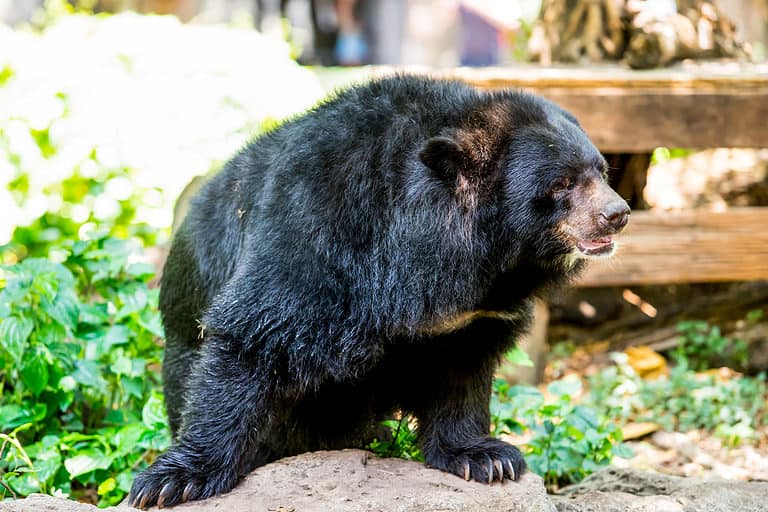
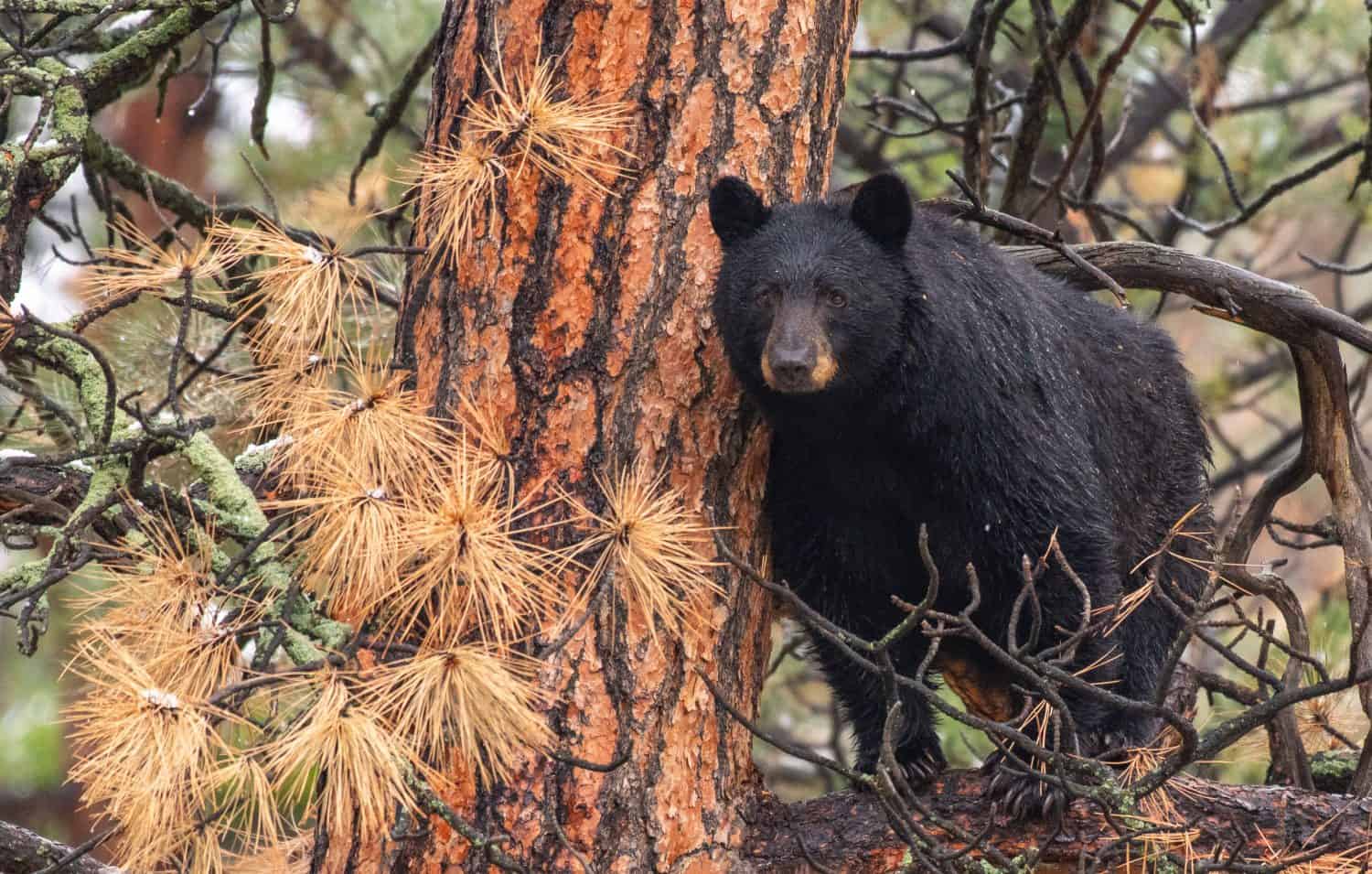
Although black bears are typically solid black with a brown snout, some black bears can be cinnamon colored, brown, blue-grey, blonde, or even white. Black bears measure up to 3 feet tall at the shoulder, with a standing height of 5–7 feet. They weigh from 100 to 600 pounds, depending on age, sex, and season, with sows generally weighing up to 300 pounds. Despite their slow, deliberate walk, black bears can run at speeds of 30 to 35 miles per hour.
Black bears mostly inhabit forested areas and mountain regions. However, they can also be found near beaches and in alpine zones. Some black bears wander into human communities because they’ve learned that these places are often sources of food. They are omnivores that eat whatever is available. Black bears eat mostly plant matter, including nuts, berries, acorns, and roots. They may also eat insects, small mammals, and meat left by other predators. Those that live near rivers often eat fish, especially spawning salmon.
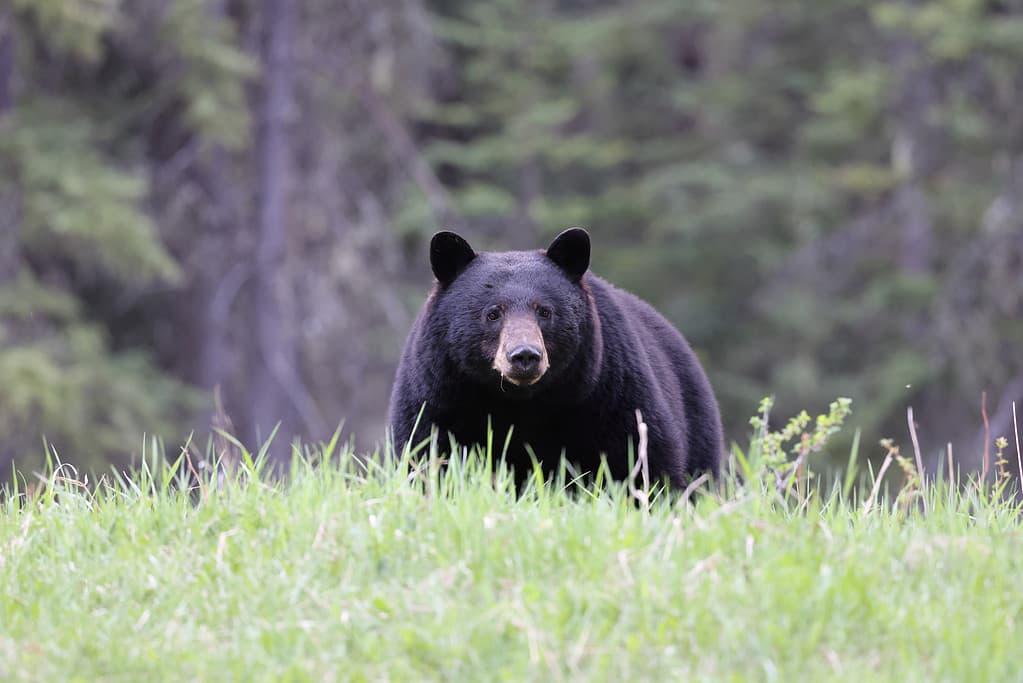
Black bears primarily inhabit forested areas.
©Frank Fichtmüller/iStock via Getty Images
What Is the Black Bear Population in the United States?
The estimate of the overall population of American black bears in North America is approximately 900,000. In the U.S., black bears inhabit at least 40 of 50 states. They can be found throughout Alaska, the Rocky Mountains, the Appalachian Mountains, the upper Midwest, the Southeast, and parts of the South. Population estimates of black bears in the U.S. alone generally range from 450,000–480,000.
It’s important to note that most bear population numbers are not exact. Estimating the size of wildlife populations is always difficult. It’s even more difficult when biologists try to track animals with large home ranges, like bears. This means most official numbers may not be precise, but they are the best that government surveyors and wildlife biologists can determine. One way bears are counted is through hair traps. The traps consist of bait and barbed wire wrapped around trees or other structures. Tufts of hair are snagged on the wire when the bear investigates the bait. Researchers DNA test the hairs to determine how many individuals visited. Then, they can estimate the total population in the area.
For our bear population numbers, we relied on official numbers from each state’s Fish and Wildlife Department, Department of Natural Resources, or another appropriate source.
Alabama: Fewer Than 500
According to researchers at Auburn University, there are fewer than 500 black bears in Alabama. The largest population is just north of Mobile, while a smaller group has been reintroduced to the northeastern part of the state. Conservationists believe their population spread from northwest Georgia. Most of the bears in Alabama are members of the subspecies Florida black bear (Ursus americanus floridianus) and the American black bear (Ursus americanus americanus).
Alaska: 100,000
With an estimated 100,000 black bears, Alaska has one of the largest black bear populations in the country. According to the Alaska Department of Fish and Wildlife, black bears are the most abundant and widely distributed of the three North American bear species living in the state. They live in most of Alaska’s forested areas and most of the state’s islands. In the summer, they fish for spawning salmon in Alaska’s rivers.
Arizona: 5,800
The black bear is the only bear species in Arizona. The state has around 5,800 black bears living in coniferous forests, oak woodlands, chaparral, and mixed-wood forests, primarily in the north and eastern half of the state.
Arkansas: Over 5,000
Black bears were once abundant in Arkansas, and the state even went by the nickname “The Bear State.” Hunting and deforestation decimated their population. In 1958, the state began a major effort to reintroduce black bears. That effort is considered one of the greatest wildlife reintroduction successes in history. Today, more than 5,000 bears live in the state, and their population is stable and growing. Black bears are mostly found in the Ozark Highlands, the Ouachita National Forest, and the lower White River basin.
California: 49,000 to 71,000
In California, the black bear population size is estimated to be between 49,000-71,000. This makes it the largest population of black bears of any contiguous state. Since 1948, the state has classed black bears as game mammals, but there are restrictive laws on bear hunting licenses. Around 50% of the black bear population inhabits the North Coast and Cascade regions, while another 40% can be found in the Sierra Nevada Mountains. Others are located in the Central Coast and South Coast.
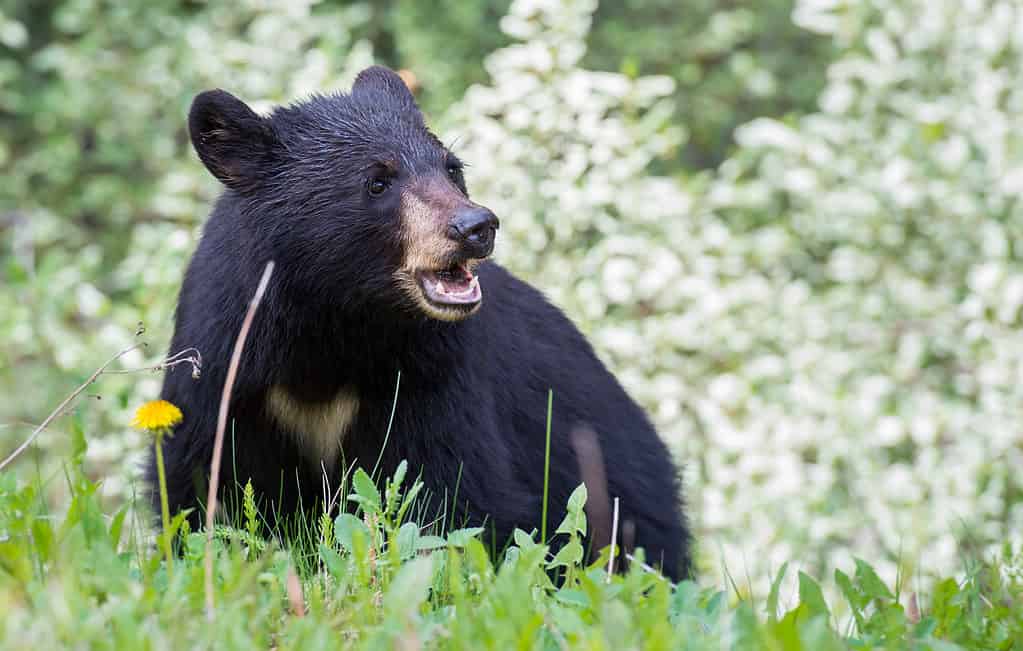
Most black bears in California are in the North Coast and Cascade regions.
©Ghost Bear/Shutterstock.com
Colorado: 17,000-20,000
There are an estimated 17,000-20,000 black bears in Colorado. Most of the state’s bears live in the expansive oak and aspen forests in the western part of the state. They primarily eat chokecherry and serviceberry. According to the Colorado Department of Parks and Wildlife, 90% of the state’s black bears are brown, honey-colored, or cinnamon-colored.
Connecticut: 1,000-1,200
Like Arkansas, Connecticut almost wiped out its black bear population by the start of the 20th century. Since the 1980s, black bears have made a comeback in the state. Research by the Department of Energy and Environmental Protection with the University of Connecticut estimates there are 1,000-1,200 black bears in the state. Annual sightings of black bears have risen sharply every year, which leads biologists to believe that the black bear population is growing at a healthy pace.
Delaware: 0
There are no permanent black bear populations in Delaware, despite populations in nearby states. The species is considered extirpated in Delaware, which means it once lived here but no longer does. However, there have been sightings, and the Delaware Department of Natural Resources and Environmental Control is preparing for the return of black bears.
Florida: 4,050
Florida has around 4,050 black bears. The Florida black bear subspecies (Ursus americanus floridanus) is the only species in the state. The state’s healthy black bear population is a triumph for local conservationists, who pushed to have the black bear listed on the state’s Endangered and Threatened Species List in the 1970s. At that time, the black bear population had fallen to around 300. The Fish and Wildlife Conservation Commission describes the population as widespread and robust. Most populations inhabit the Ocala National Forest, Apalachicola National Forest, and the Big Cypress National Preserve.
Georgia: 5,000
Like other states, Georgia lost most of its bear population in the 1800s because of logging and deforestation. Today, there are more than 5,000 bears in the state. Black bears primarily live in the northern mountains, along the Ocmulgee River, and in the Okefenokee Swamp.
Hawaii: 0
Hawaii has no black bears.
Idaho: 20,000 to 30,000
Idaho has 20,000 to 30,000 black bears. The bear population is healthy and growing. Most of them live in the mountain ranges, the foothills near Boise, and the southwest part of the state. Idaho has many wild, untouched areas, and bears find plenty to eat there.
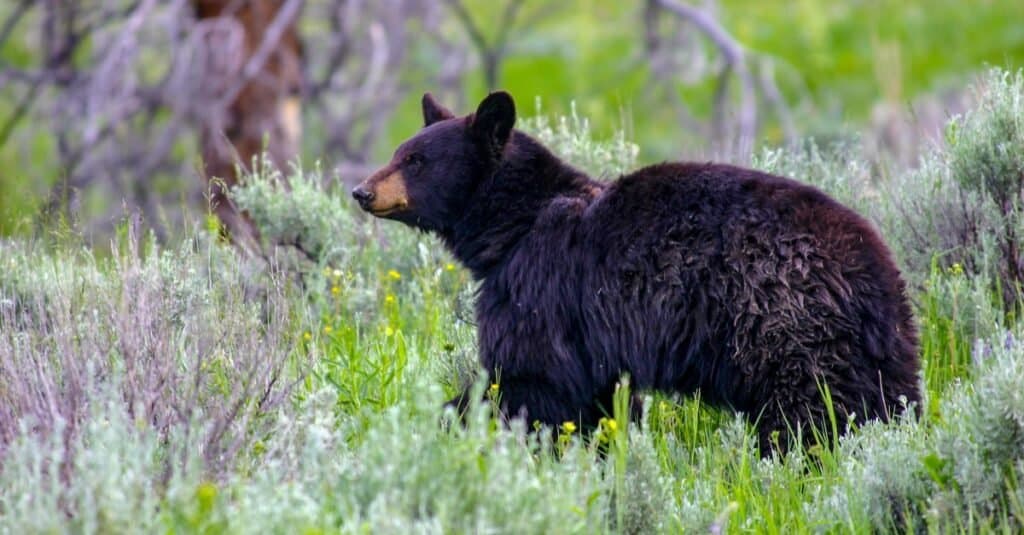
Black bears in Idaho prefer mixed deciduous-coniferous forests, wet meadows, and subalpine ridgetops.
©iStock.com/christiannafzger
Illinois: 0
There are no resident or breeding populations of black bears in Illinois. There are occasional black bear sightings in the state, but these bears are likely from populations in neighboring states such as Wisconsin and Missouri.
Indiana: 0
Black bears were once common in Indiana, but the species is considered extirpated now. There are no permanent, breeding populations of black bears, but there have been four confirmed sightings in recent years, likely from neighboring populations.
Iowa: 0
Iowa has no resident or breeding black bear populations, but black bears pass through the state every spring. Most of them are wandering through Iowa from other states.
Kansas: 0
Kansas has no resident or breeding black bear populations. The state occasionally gets visiting bears who are migrating from one neighboring state to another.
Kentucky: 1,200 to 1,500
The return of black bears to Kentucky is another wildlife success story. Once eliminated in the early 1900s, they have now returned. Kentucky officials did not plan to reintroduce black bears, but when massive logging and deforestation ended, the oak forests recovered. This drew bears from the neighboring states of West Virginia, Virginia, and Tennessee. Today, officials estimate the state has 1,200-1,500 bears, and the population is growing. Most resident black bears live in the eastern and southeastern parts of the state.
Louisiana: 1,200 to 1,500
Louisiana has 1,200-1,500 black bears. The state’s black bears are members of an endemic subspecies, the Louisiana black bear (Ursus americanus luteolus). the Louisiana black bear is the state mammal and a conservation success story. Populations are mostly found in the forested wetlands along the Mississippi River Valley, especially the Tensas and Atchafalaya River Basins.
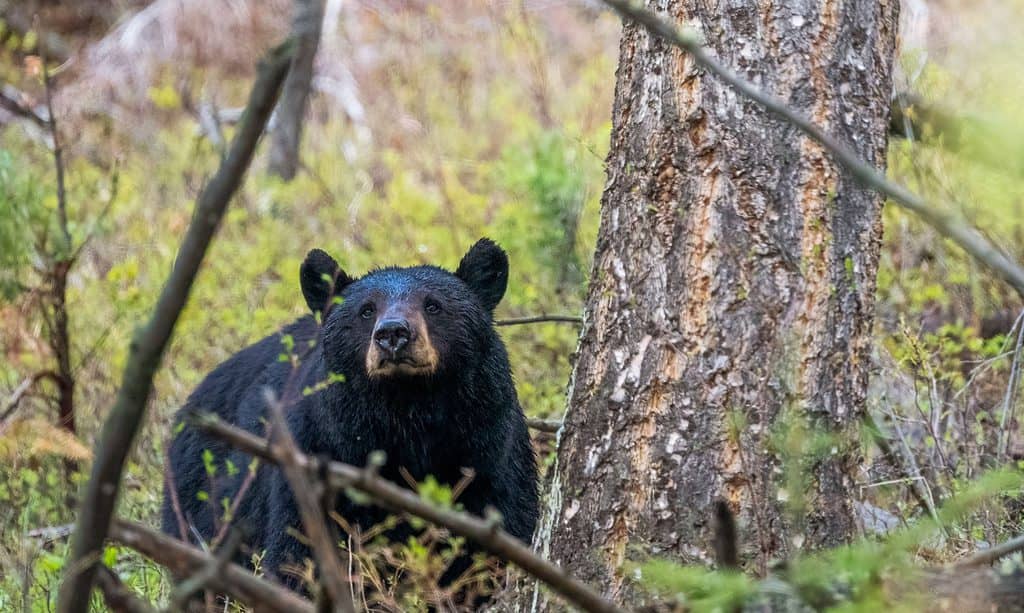
Louisiana’s population is an endemic black bear subspecies, the Louisiana black bear.
©iStock.com/Wirestock
Maine: 25,000 to 35,000
Maine has the highest black bear population in the eastern U.S. The state’s Department of Inland Fisheries and Wildlife estimates there are more than 25,000 black bears in the state, while the National Park Service indicates there could be as many as 35,000 bears. They are found throughout the state, but they are most common in northern, northwestern and eastern Maine.
Maryland: Over 2,000
Maryland has more than 2,000 black bears. The state has breeding populations in the western counties of Garrett, Allegany, Frederick, and Washington. These counties are in mountainous, forested regions that are ideal for black bears.
Massachusetts: Over 4,500
Massachusetts has an estimated population of over 4,500 black bears. Officials note that they live and breed in Worcester County, northern Middlesex County, and the Berkshires. Their range primarily covers the western half of the state, but they are expanding eastward.
Michigan: 12,450
Michigan Department of Natural Resources officials estimate their black bear population is an estimated 12,450 bears according to a 2024 DNR survey. About 90% of those bears live in the Upper Peninsula region, which is characterized by dense conifer and hardwood forests. However, it is increasingly common to see bears in the Lower Peninsula.
Minnesota: 13,000 to 18,000
13,000 to 18,000 black bears live in Minnesota. The black bear is the only bear species that lives in Minnesota. The bears mainly live in forested areas and swamps in the northern third of the state. They mostly eat insects, berries, acorns, and hazelnuts.
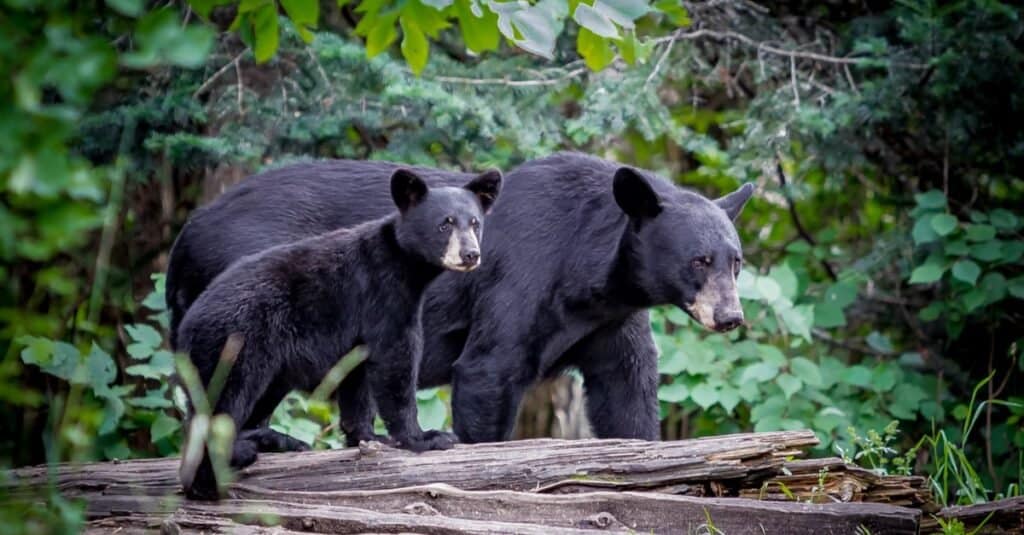
Black bears are the only type of bear that is found in Minnesota.
©jo Crebbin/Shutterstock.com
Mississippi: 400 to 500
Mississippi once had thousands of black bears and Louisiana black bears. Today, both bear subspecies have been extirpated because of habitat loss and hunting. State biologists estimate there are around 400-500 bears at most in the state. Habitat restoration is taking place, however, and conservationists are hopeful that black bears and Louisiana black bears will both return.
Missouri: Up to 1,000
The state has up to 1,000 black bears. More specifically, officials estimate approximately 800, with the actual number lying between 600 and 1000 black bears. Most bears in the state live in the region south of the Missouri River. The bear population is thriving, and wildlife experts believe it will continue to grow.
Montana: 15,000
Montana has between 13,000 and 17,000 black bears. However, state wildlife officials believe the population might be even larger than previously estimated. They are common throughout the state but are much more common in coniferous forests. Bears are well-known in areas such as the Bitterroot, Cabinet, and Sapphire Mountains. The state also has the largest grizzly population in the country after Alaska. Montana allows controlled hunting of bears twice a year.
Nebraska: 0
There are no resident or breeding populations of black bears in Nebraska, but there have been occasional verified sightings.
Nevada: 648
There are an estimated 648 black bears living in Nevada, according to a 2025 Nevada Department of Wildlife report. Populations inhabit “bear country,” which is primarily the western part of the state. These bears are part of the Sierra Nevada black bear population, which includes bears living in the Cascade Range of northern California and southern Oregon. The total estimated population of the Sierra Nevada group is 10,000 to 15,000 bears.
New Hampshire: 5,600
New Hampshire has an estimated 5,600 black bears. That seems like a large number for a small state, but New Hampshire is rich in forested areas. The state uses controlled hunting to manage its bear population. The black bear is found in all ten counties in New Hampshire.
New Jersey: 3,000
Black bears have been seen in all 21 of New Jersey’s counties. The state has around 3,000 black bears, with populations projected to grow to 4,000 by 2027. Because bears are thriving, there are increasing reports of black bears visiting suburban areas to look for food.
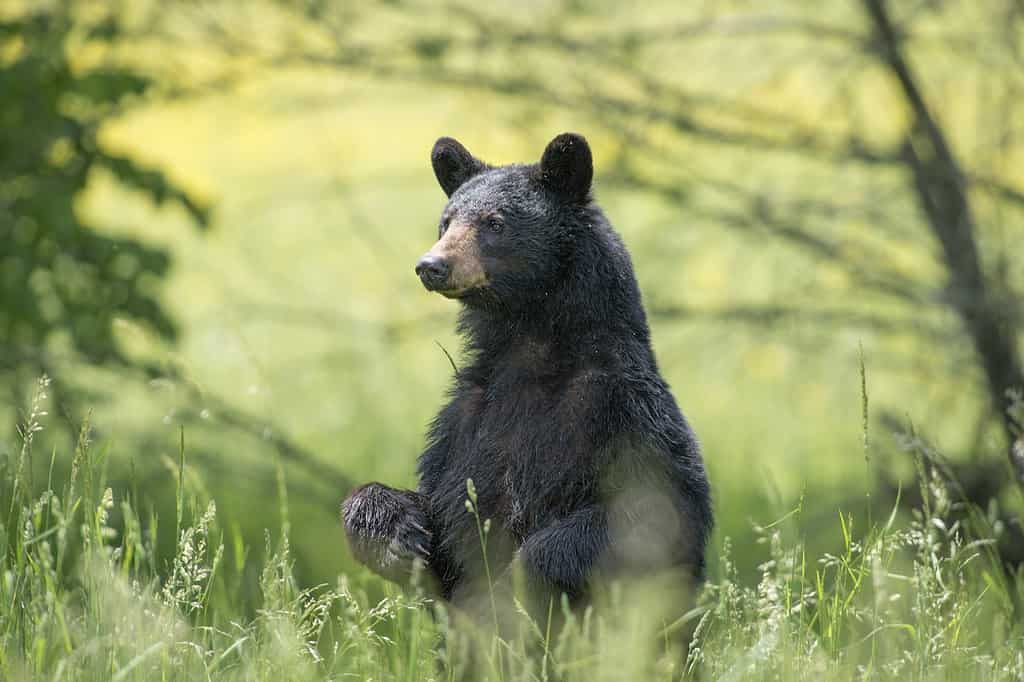
Black bears can be found in every New Jersey county.
©wirestock/iStock / Getty Images Plus via Getty Images
New Mexico: 9,000
There are an estimated 9,000 black bears in the state, with the highest density in northern New Mexico. The state has a long cultural history of protecting these bears. New Mexico has had laws protecting black bears since 1927. Like many states with healthy black bear populations, it issues a controlled number of hunting permits each year to manage the bear count.
New York: 6,000 to 8,000
New York has between 6,000 to 8,000 black bears. These bears primarily live in the western, northern, and southeastern parts of the state, which are more heavily forested. Many of them live in the Adirondack Park, a 6-million-acre forest preserve that is safe from development. These bears can enjoy the Hudson River, Lake Champlain, and acres of untouched forest.
North Carolina: 20,000
There are an estimated 20,000 bears in the state. Of those, about 1,500 live in the Great Smoky Mountains National Park. The reintroduction of black bears is a conservation success story. North Carolina, Like many states listed here, North Carolina once wiped out its bear population. Today, bear populations are healthy and thriving. Black bears are common in coastal and mountain regions but less common in the Piedmont region.
North Dakota: 12 to 15
North Dakota has a small breeding and resident population of black bears in northeastern North Dakota. Officials believe the population is increasing. A 2020 Facebook post from the North Dakota Fish and Wildlife Department confirms 12-15 black bears in the state each year, documented in the northern or eastern part of the state.
Ohio: 50 to 100
According to the state Department of Natural Resources, black bears have made a small comeback after being wiped out in Ohio. As Ohio’s woodlands have grown and more natural areas are being preserved, they have returned. Currently, there are an estimated 50 to 100 black bears in the state. That number continues to grow, however, and bear sightings are on the rise.
Oklahoma: 2,500
Oklahoma has around 2,500 black bears. Most of these bears inhabit southeastern Oklahoma, but they can also be found in northeastern Oklahoma and the western Oklahoma Panhandle. The number of black bears in the state has steadily grown since 2011, and the current bears are thriving.
Oregon: 25,000 to 30,000
There are an estimated 25,000 to 30,000 black bears in Oregon. They are the only remaining bear species. They live in the state’s many large tracts of dense, unpopulated forests. Black bears in Oregon are mostly herbivores, but they will occasionally eat small mammals, fish, and the leftover carcasses of mountain lion kills.
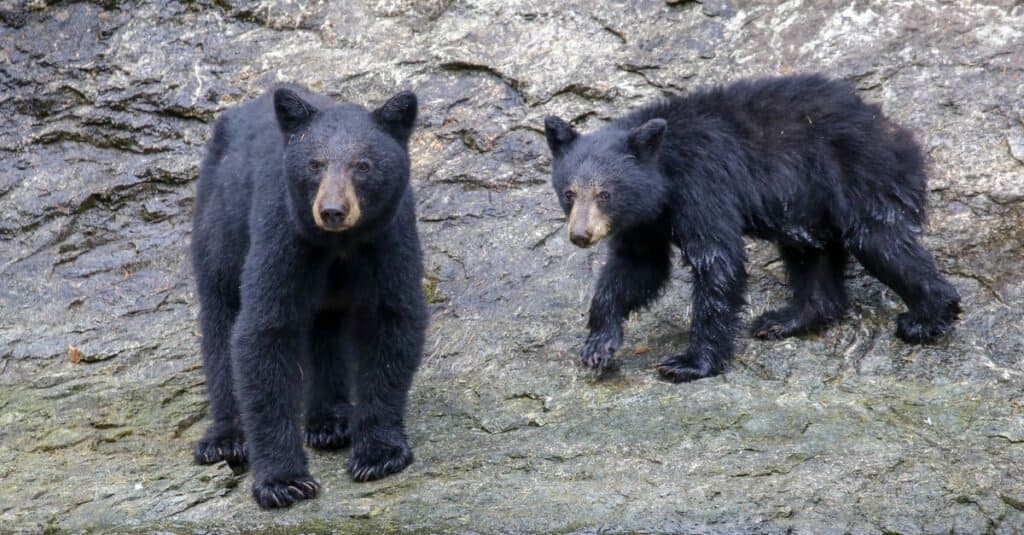
Black bears in Oregon occur in the Cascades, west to the Pacific, and in the Blue and Wallowa mountains.
©CSNafzger/Shutterstock.com
Pennsylvania: 18,000
The black bear population of Pennsylvania is around 18,000. The state manages the bear population through controlled hunting, and state wildlife officials say the current number is a healthy one for the state. These bears are often found in the woodlands and mountains of Cameron, Elk, and Forest Counties.
Rhode Island: Between 5 and 10
Rhode Island wiped out its bear population, but it has recently reported a small comeback. Biologists believe a small group of bears from Connecticut has established a breeding site in Rhode Island. Estimates indicate there are currently between 5 and 10 black bears.
South Carolina: 1,125
The most recent estimate indicates South Carolina has around 1,125 black bears. The state has two distinct black bear communities. Around 900 bears live in the mountains and Upper Piedmont area, and another 225 live in the coastal plain. According to the state’s Department of Natural Resources, black bears are ranked as a “vulnerable” species in the state. While bears in the mountains still have plenty of space, the coastal bears are threatened by development and habitat fragmentation.
South Dakota: 0
There are no known populations of black bears in South Dakota. Bears occasionally roam through the Black Hills, but there is no resident or breeding bear population.
Tennessee: 6,000
Tennessee has an estimated 6,000 black bears in the state. These bears primarily live in protected areas such as the Great Smoky Mountains National Park and Cherokee National Forest. Like many states, Tennessee had almost eliminated its black bear population at the start of the 20th century, but conservation efforts have helped the bears thrive again.
Texas: At Least 30 to 40
The black bear and Louisiana black bear were native to Texas, but both species were wiped out. Officials state that the only population is in the Trans-Pecos and Val Verde and Crockett counties, but there have been sightings in 31 counties in East Texas. There are 30-40 black bears known to be living in Big Bend. Conservation efforts have focused on reintroducing black bears to Texas. They are considered a protected species in the state, and it is illegal to hunt or trap them.
Utah: 4,000
There are an estimated 4,000 black bears in Utah. Many of them live in the wild areas of Zion National Park, one of the largest national parks in the country. Bears do not commonly go into residential areas in Utah, but as populations continue to increase, there have been more human and bear conflicts.
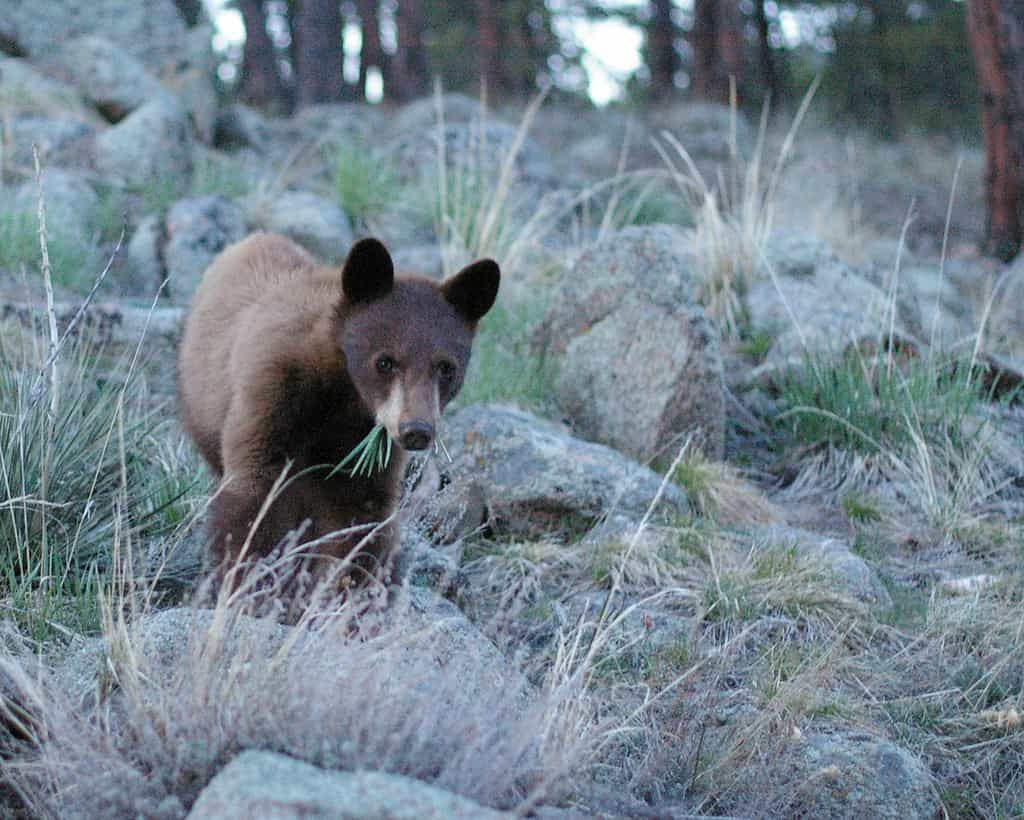
American black bears are often brown in Utah.
©Hustvedt, CC BY-SA 3.0, via Wikimedia Commons – Original / License
Vermont: 7,500 to 8,900
Vermont has many wild, forested areas, so it’s only natural it would have a healthy black bear population. It currently has from 7,500 to 8,900 bears in residence. The state has determined it can easily support this number of black bears, and it uses controlled hunting licenses to manage the population.
Virginia: At Least 18,000
Black bears can be found in every county in Virginia except parts of the Eastern Shore. The state had an estimated population of 18,000 as of 2020, with some sources suggesting there could be as many as 20,000 bears today.
Washington: 22,000
There are an estimated 22,000 black bears in Washington. They live in all parts of the state except the interior of the Columbia Basin, which is not forested. Bears live in the coastal rainforests and the dry woodlands of the Cascade Mountains. The state is also home to grizzly bears.
West Virginia: 12,000 to 14,000
The black bear is West Virginia’s state mammal. Despite this, The state’s black bear population had fallen to under 500 by the 1970s. Since then, conservation efforts and better public understanding have allowed black bears to flourish once again. There are now an estimated 12,000 to 14,000 black bears, and they live in every county of West Virginia.
Wisconsin: 24,000
Around 24,000 black bears live in Wisconsin. Like other states with healthy black bear populations, Wisconsin has many forested wild areas. Black bears are mostly found in the northern third of the state, but they have increasingly been spotted in the southern regions.
Wyoming: Unknown
Although black bears are found throughout much of Wyoming, officials only recently began counting them, and exact numbers are currently unknown. (The state has always kept track of its grizzly population.) However, wildlife officials say the black bear population is robust and growing. There are an estimated 500 black bears living in Yellowstone Park, which is primarily in Wyoming.