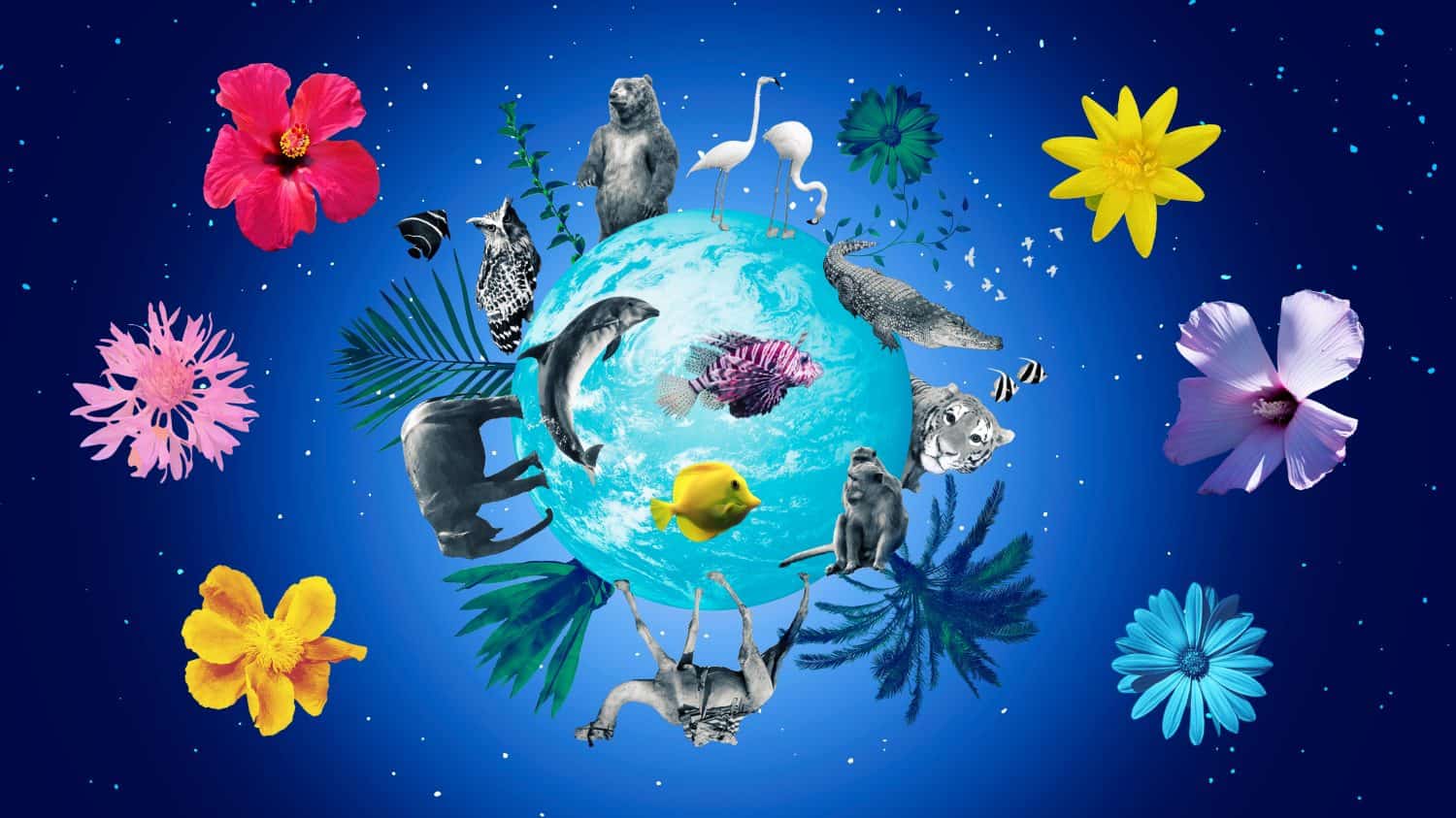

New research has dramatically expanded the known roster of mammals on Earth. A new review published in the Journal of Mammalogy shows that the number of living mammal species has surged to nearly 6,800, a 25% increase since 2005.
This dramatic growth in recognized species comes not because mammals are suddenly evolving faster, but because our knowledge is catching up. As lead researcher and Arizona State University professor Dr. Nathan Upham tells A-Z Animals, “Species names are the ‘language of biodiversity’ — this is how scientists communicate about the continuous diversity we see in nature so as to be able to study the origins and interactions among that diversity.”
In simpler terms, the mammals have been there all along, but we’re getting better at identifying them.
Why the Big Jump in Numbers?
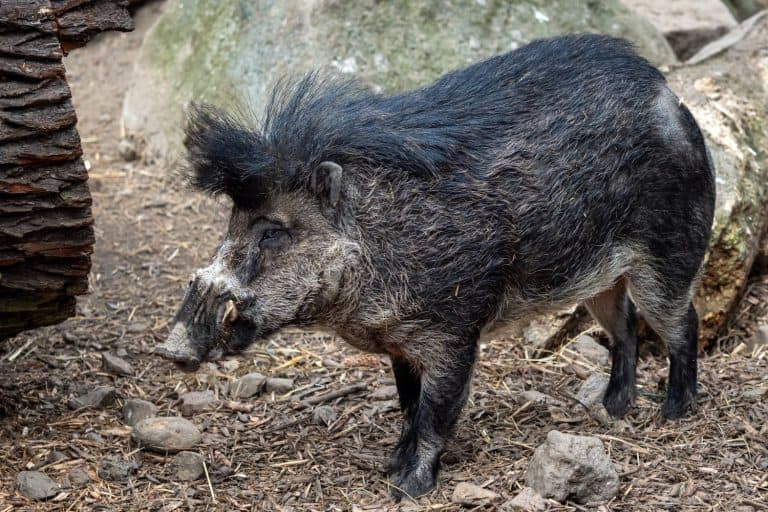
It takes collaborations across the globe to study the genetic relationships between animals.
©Solarisys/Shutterstock.com
The numbers tell an interesting story. Since 2005’s standard reference Mammal Species of the World, the global compendium known as the Mammal Diversity Database (MDD) now lists an additional 1,579 species: 805 newly described, and 774 “splits” of what were previously thought to be single species. At the same time, 226 species were merged or removed, giving a net gain of 1,353 species, or around 65 new species recognized per year.
Why so many discoveries? Upham points to rapid improvements in technology, global collaboration, and the sheer fact that many mammals live in remote, understudied places, with the highest diversity centered around tropical areas. “Our recognition of 25% more mammal diversity now than 20 years ago indicates an overall improvement in our understanding of how global mammals interact with their environments. Each species is genetically unique, not interbreeding with their close relatives, and thus presumably doing something unique on the landscape — specializing in different food or habitat type or location of activity,” he notes.
So, somewhere out there, a hypothetical mouse-like mammal in a remote forest might occupy a tiny niche, invisible to us until DNA or imaging technology reveals it.
How Are We Finding So Many “New” Mammals?

With DNA sequencing becoming cheaper, it’s easier for scientists to find genetic connections between species.
One of the most exciting changes is the power of modern genomics. What used to be a huge, expensive project is now much more accessible. As Upham explains: “Next-generation DNA sequencing technologies have dramatically lowered the cost of obtaining DNA across the genomes from hundreds of individuals simultaneously.” This means that sequencing and analyzing the genome, specifically in low-coverage whole genome sequencing (lcWGS), for around “50 samples for $5,000 with any reagents included, or $100 per sample, which is an enormous amount of information for low cost,” he adds.
That means scientists can test dozens of populations, compare their DNA, and detect distinct evolutionary lineages. Combine that with detailed imaging, advanced computer analyses, and global fieldwork, and you have a recipe for uncovering what was once hidden.
Species names are the ‘language of biodiversity’ — this is how scientists communicate about the continuous diversity we see in nature so as to be able to study the origins and interactions among that diversity.
Dr. Nathan Upham, Arizona State University professor
Where Are the Most Undiscovered Mammals?
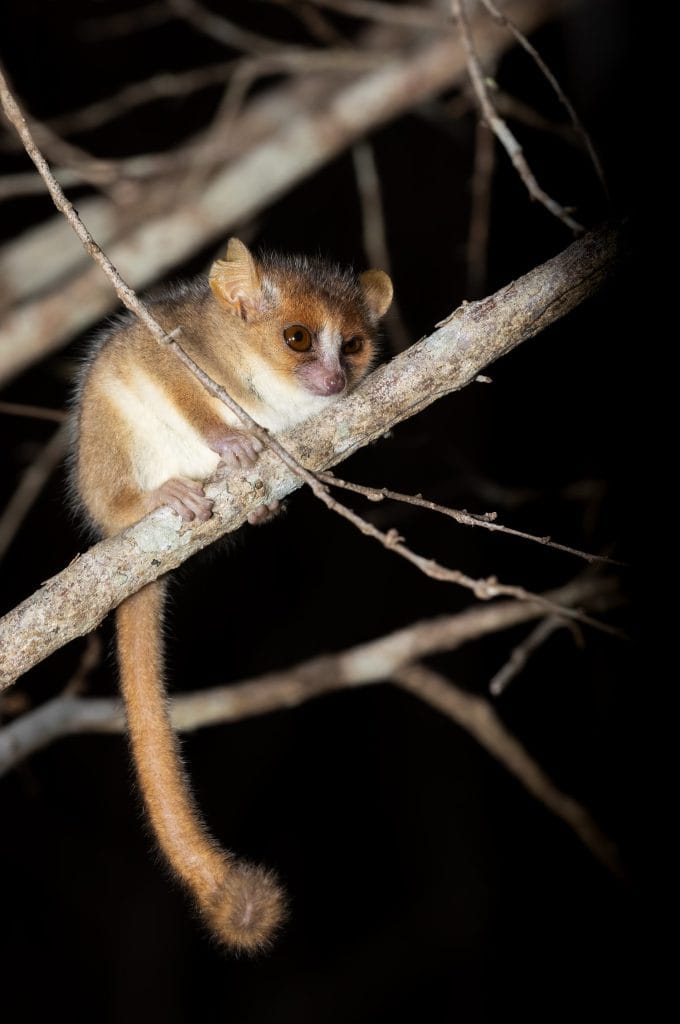
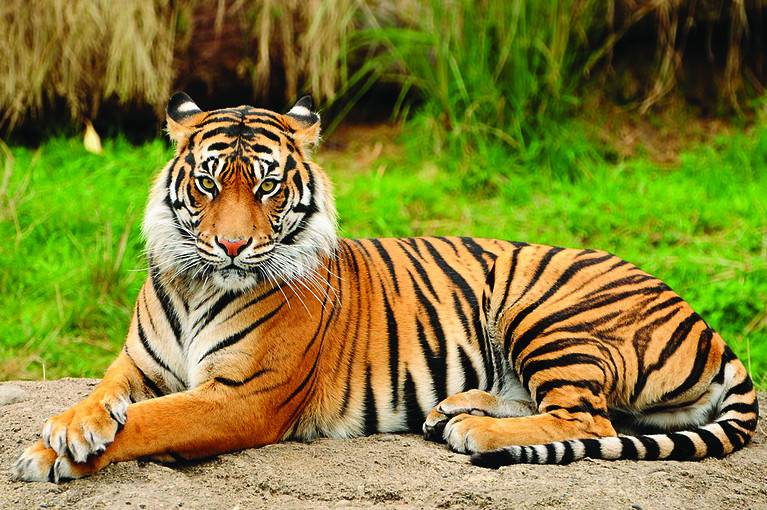
The mouse lemur has gone through several reclassifications of its species and their names.
©Artush/Shutterstock.com
Unsurprisingly, many of the new species come from the tropics and mountainous regions where terrain, islands, and forests have created natural evolutionary labs for mammals. “Indonesia seems to consistently be yielding the most new species per unit of land area,” says Upham, “owing largely to its heterogeneous geological history and isolated oceanic context.”
In these regions, multiple populations of what looked like the same species turn out to have distinct genetic identities. For example, think of rodents in the Andes, bats in Southeast Asia, or tiny shrews on rugged islands: such groups are now being split into several species instead of one.
“Microcebus mouse lemurs in Madagascar are likely the most dramatic example,” Upham says. “These were known as two species in the 1980s, but rose to 25 species at one point before now being recognized with 19 species total. So even in cases of much ‘splitting’, there is often associated ‘lumping’ involved when taxonomic revisions are made.”
To non‐scientists wondering how one species can become five new species, Upham explains that the “animals exist in the same state as they always have, only our scientific understanding of their diversity has increased — often in the form of gathering a new type of data (e.g., DNA, detailed morphology) involving newly sampled populations, which shows scientists that previous assumptions about these animals belonging to a single species were wrong. A new hypothesis about 2 or 3 or 5 species is then made based on support from this new data.”
In short, the animals didn’t change; we just discovered more about them to understand where they fit better in the tree of life.
A Conservation Wake-Up Call

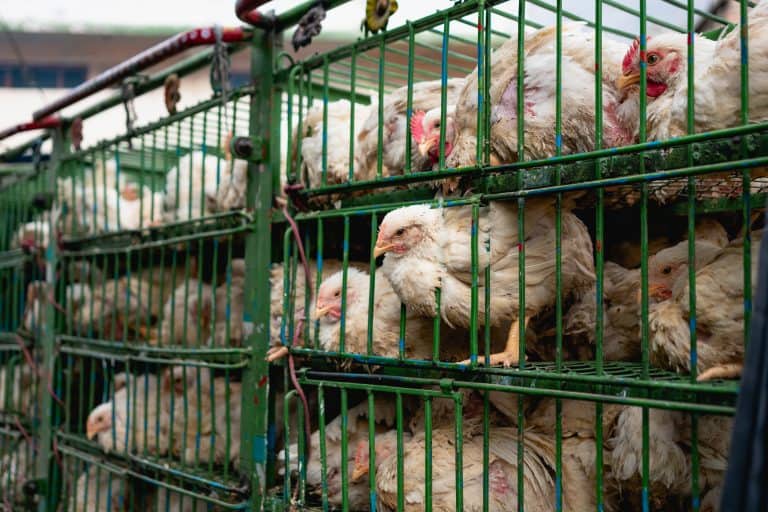
The IUCN is a key organization for conservation, but can it keep up with the name changes for species?
©Tobias Arhelger/Shutterstock.com
More species recognized is good news for our general knowledge, but it also raises serious conservation concerns. Roughly 25% of mammal species are currently listed as Data Deficient or Not Evaluated under the International Union for Conservation of Nature (IUCN) system. “This 25% shortfall in conservation threat assessments is seriously alarming — it means that we lack information about how threatened with extinction are 1 in 4 mammal species,” Upham explains. “When you add this to the 25% of species that are assessed to be threatened or endangered, and assume the worst-case scenario, it means that we could globally lose 50% of the mammal diversity in a short amount of time if no conservation actions are taken.”
The other conservation challenge is that many of these newly recognized species haven’t yet been integrated into major conservation systems, so individuals may not know if they’re endangered or not. As Upham adds, “Not assessing species in the IUCN RedList means that they essentially don’t exist from the perspective of global and regional conservation efforts. This is because many countries directly use the IUCN RedList as their basis for conservation planning and recommendations — if the taxonomy is not updated on pace as our scientific understanding, then there is a major lag in the ability of conservationists to enact protections.”
So while scientists are busy identifying mammals, ecosystems are still under pressure from climate change, land conversion, logging, and other threats — often before we even know what species are there.
The Mammal Tree Keeps Growing
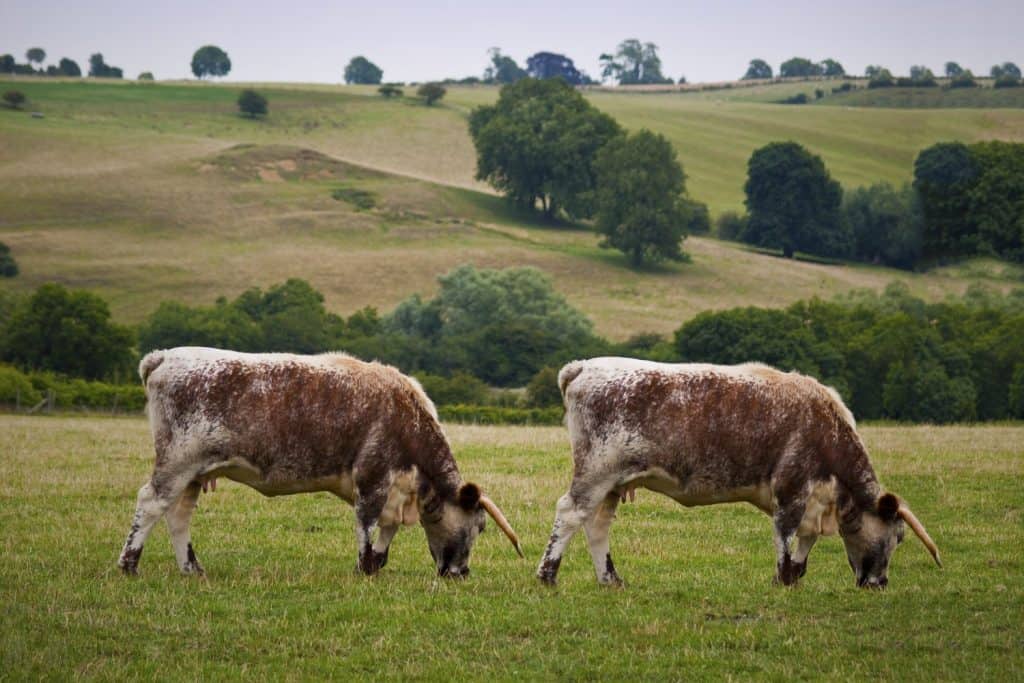
Larger-bodied mammals like cows and horses may still hold genetic surprises.
©Jason Benz Bennee/Shutterstock.com
If the current pace holds — about 65 newly recognized species per year — the future looks even more filled with surprises. Upham projects around “7,079 species by 2030 and ∼8,376 by 2050.”
Which groups are most likely to yield the next discoveries? “The South American opossums (Didelphimorphia, 128 species) stand out as having both a high degree of potential for additional species recognition and a rapid rate of recent species description,” Upham says.
But we could also see major species changes among the larger-bodied mammals, such as horses, pigs, cows, and whales, who may hold further surprises, while smaller, lesser-known mammals may dominate the “to‐be‐found” list.
Nature Still Holds Surprises
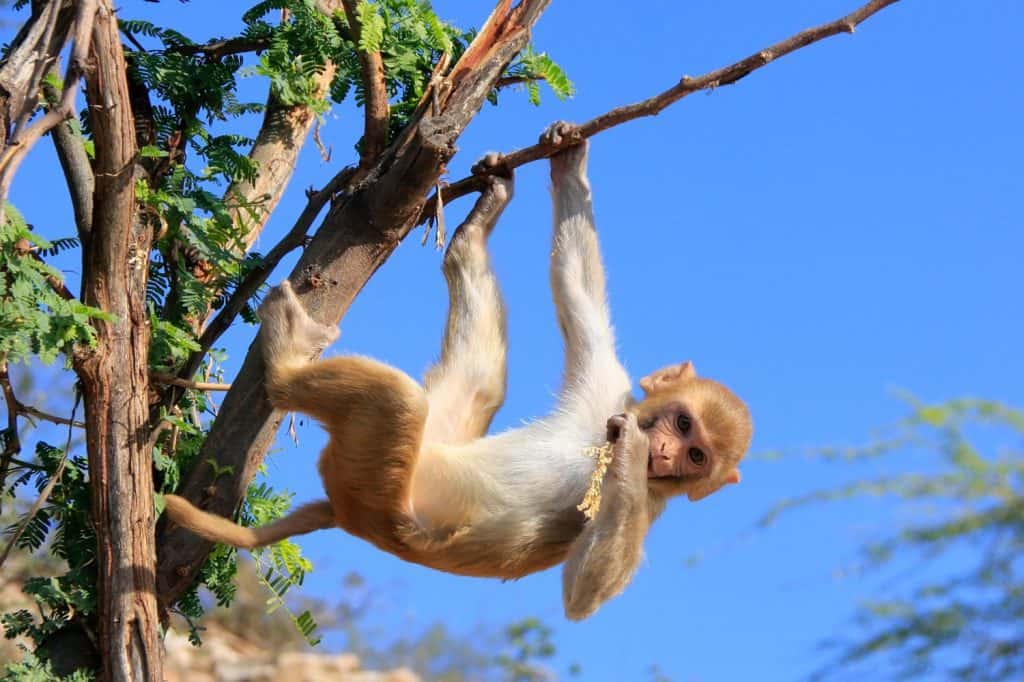
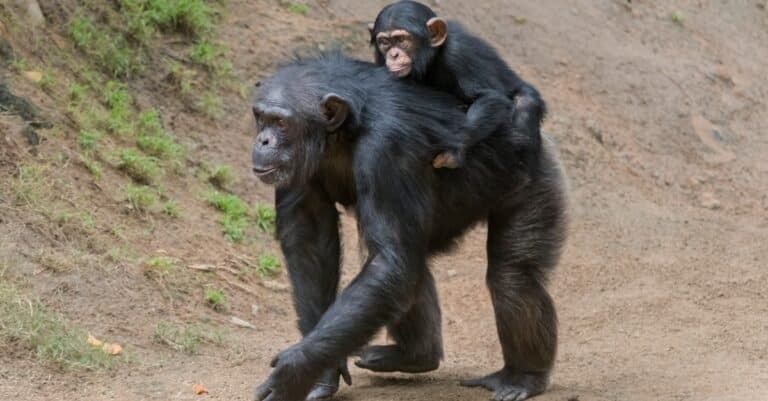
The human and primate lineages are closely connected in the tree of life
©Don Mammoser/Shutterstock.com
The fact that mammals are still being discovered says something profound: our planet’s biodiversity is richer and more complex than we often imagine. The species names we use are more than labels; they reflect unique evolutionary stories, ecological roles, and relationships. Many names reflect the scientists who discovered them, the places they were found, or a distinctive feature about them.
Recognizing more species doesn’t just change scientific catalogues; it changes how we think about ecosystems, conservation, and our place in the natural world.
As Upham adds: “You are a mammal — a genetic heritage that you share with your fellow humans, related species of apes, primates more generally, related groups like rodents (why mice are used as biomedical models), and the broader family tree of all mammals including bats, horses, armadillos, kangaroos, and platypuses!”
When science can communicate clearly, we stand a better chance of protecting the many species that share this planet with us.