
Quick Take
- The US eradicated screwworms decades ago using a trick so counterintuitive it sounds like it shouldn't work, and scientists are now betting on that same approach once again. See the sterile insect technique →
- A genetically modified fly is now in field testing as part of the US response, and it has been designed to eliminate itself. Meet the self-eliminating fly →
A flesh-eating pest has made an unwelcome return to the US, triggering a multi-agency response. The New World Screwworm was found in a calf in Texas in June 2026. We explain why this is bad news and how cutting-edge genetic technologies and epidemiological surveillance may be the answer.
Continue reading
Why Worry About the New World Screwworm?
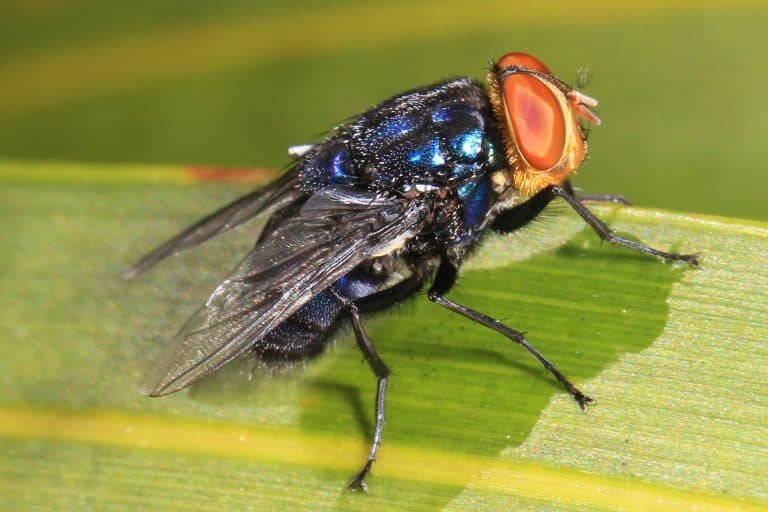
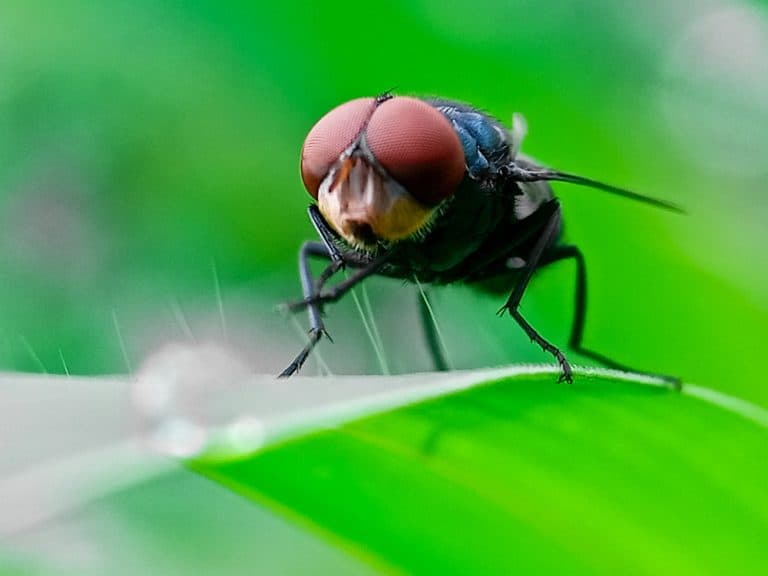
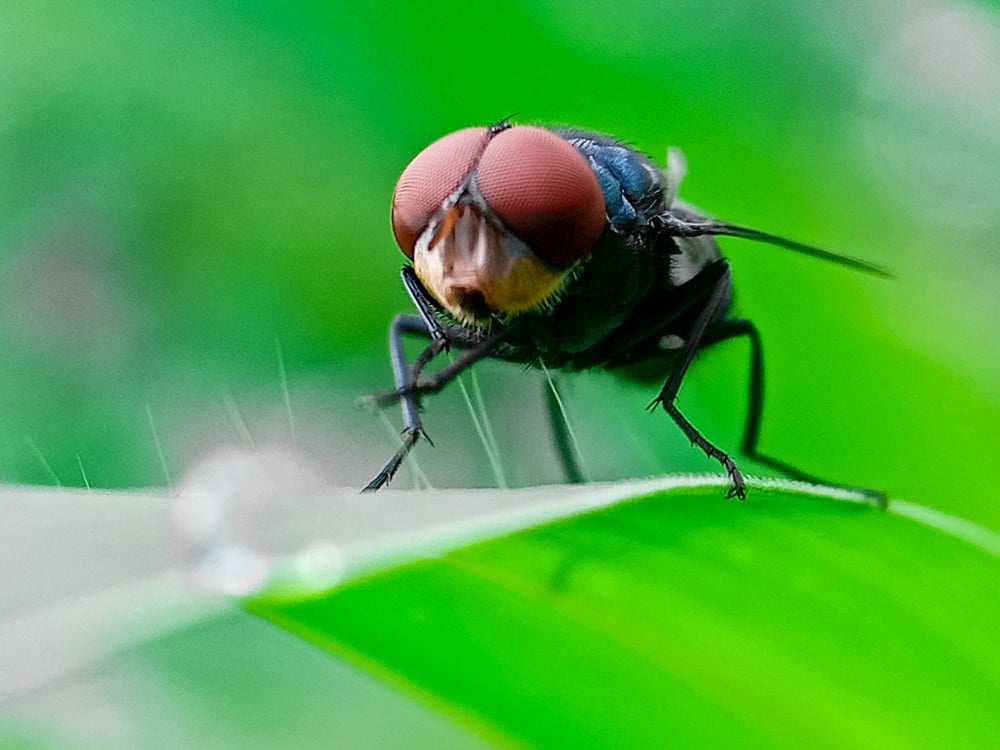
The New World Screwworm (Cochliomyia hominivorax) is a member of the Calliphoridae family and is a parasitic blowfly. Instead of feeding on dead or decaying tissue, its larvae burrow into the living flesh of warm-blooded animals, including livestock and humans. Female flies lay eggs on open wounds or natural body openings. As the larvae feed, they create or enlarge wounds. This causes pain and often leads to secondary infections.
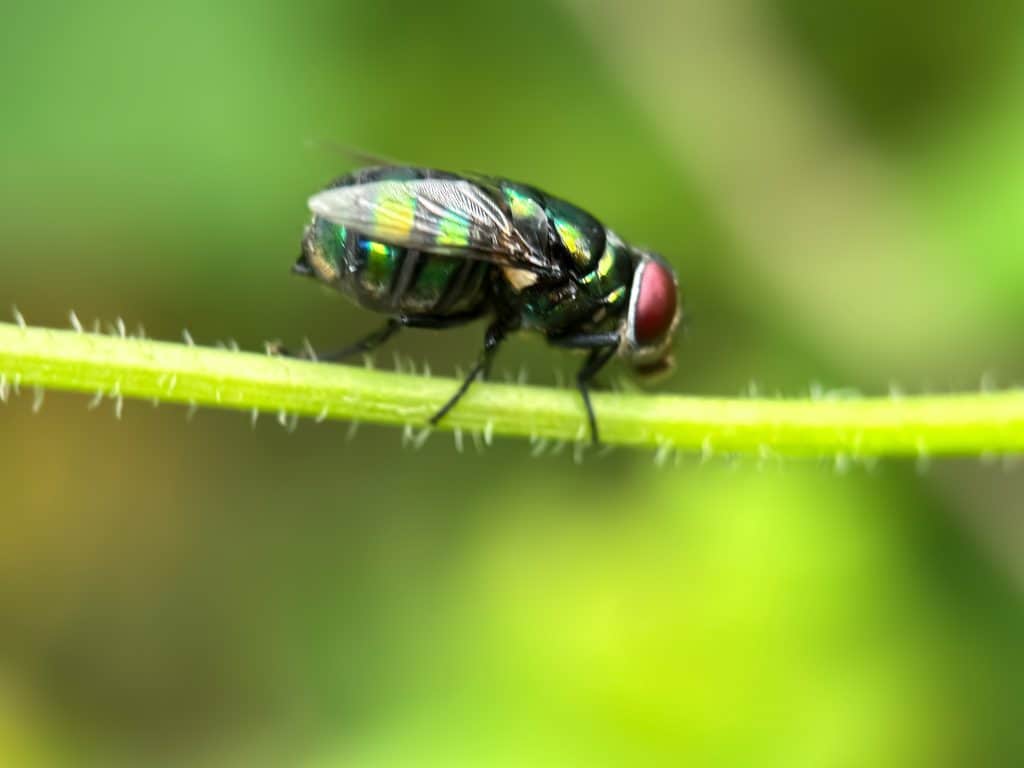
Screwworm flies lay eggs in wounds.
©Faisal.k/Shutterstock.com
The result can be very sick or even dead livestock, leading to significant economic losses. Historically, screwworm outbreaks have cost the US agriculture industry hundreds of millions of dollars annually, and experts warn that significant economic losses could occur if the current outbreak is not contained. The public health concern is that the larvae can also invade human wounds and mucous membranes, causing ill health and, in extreme cases, death.
Another concerning feature of the New World Screwworm is its ability to spread geographically. The adult flies can travel miles looking for hosts, but they are also transported around by the movement of livestock, pets, birds, and other wildlife.
Eradication and Comeback
Screwworms are not just a modern problem. They caused significant economic burdens in the first half of the 20th century before being eradicated by 1966. This was achieved by the pioneering use of the sterile insect technique (SIT). Agencies released large numbers of captive-reared, sterilized males. As a result, the females, which typically only mate once, failed to produce offspring. With regional collaborations, eradication was extended throughout Central America. South America, however, was a different matter, and the flies persisted in Panama. Sadly, these fly populations were always a source of potential reintroduction. This was made more likely by modern factors, including increasing global connectivity, cross-border livestock trade, and climate-driven changes in vector distribution.
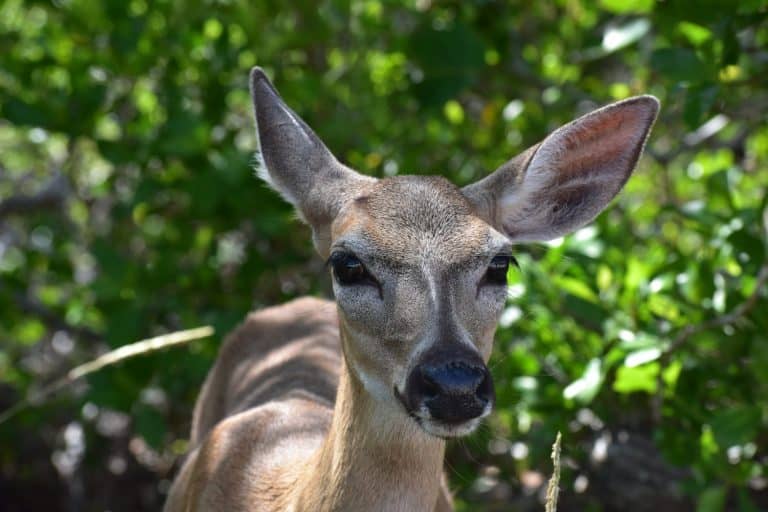
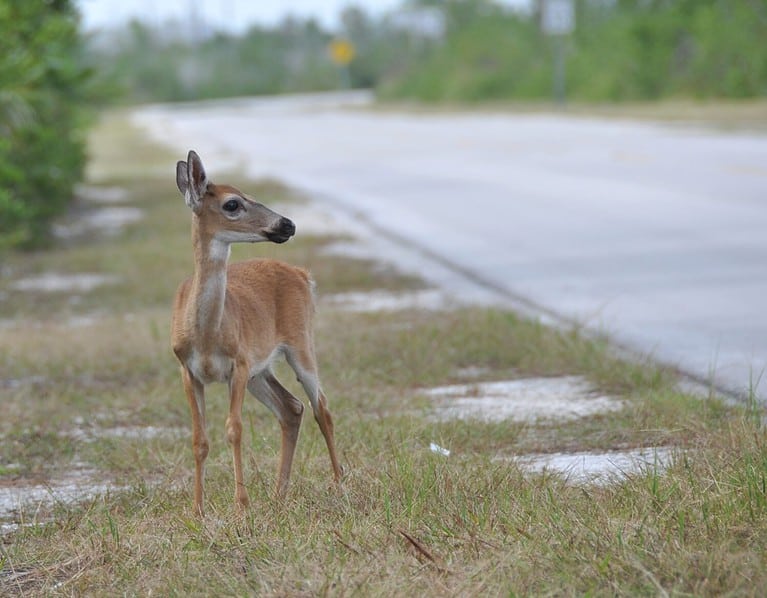
There have been several recorded sporadic reintroductions into the US. These include the 2016-2017 Florida Keys outbreak in Key deer. During an ongoing regional outbreak in Central America in August 2025, a Maryland resident returning from El Salvador was diagnosed with the US’s first human case of travel-associated screwworm infestation in decades. Increased surveillance and the establishment of a new sterile screwworm production facility in Texas were implemented in response to the increased threat.
Experts were aware that the screwworm was moving north again as of 2023. It had re-emerged throughout Central America and Mexico. However, they did not expect it to arrive in the US so quickly. The source of the infections in Texas is not yet clear.
Learning From the Past
Scientists are using a combination of established techniques and new technology to fight this new threat. The response, led by the U.S. Department of Agriculture (USDA), has used SIT along with pesticides and animal movement quarantines. Additionally, U.S. Environmental Protection Agency approval is being sought for a genetically modified all-male strain, which is now in field testing. In the past, SIT used irradiation-sterilized males.
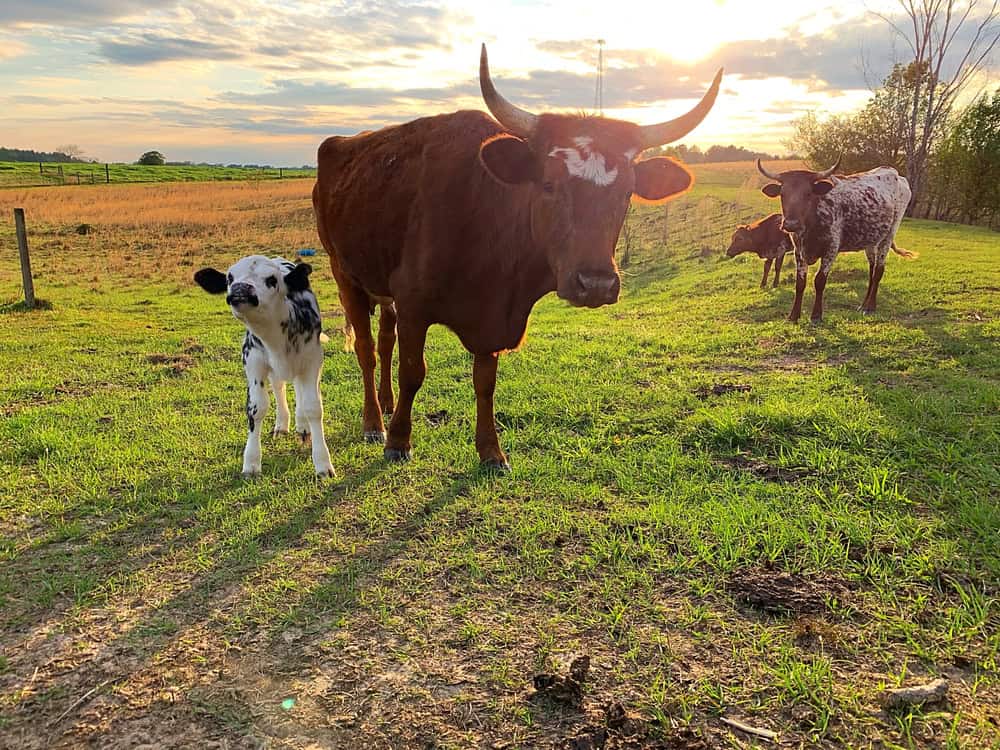
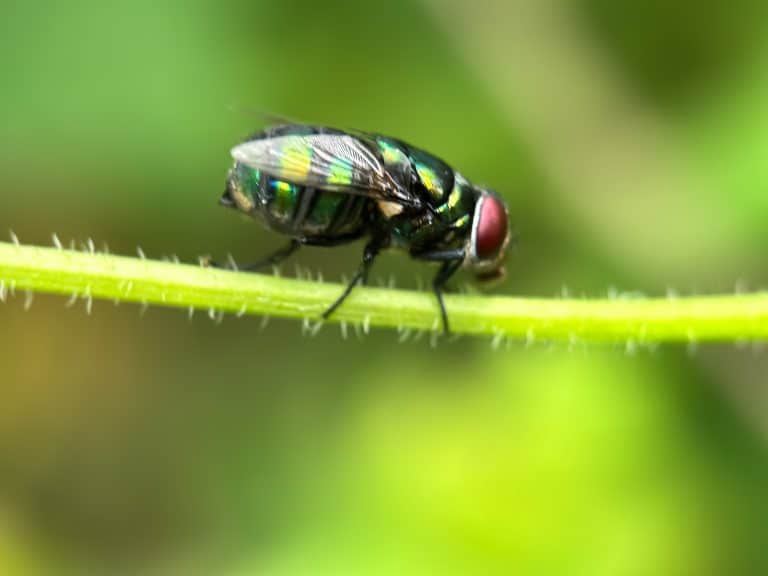
Screwworm can cause significant losses to agriculture.
©Terry J Poche/Shutterstock.com
What’s more, researchers at the University of California San Diego have partnered with the County of San Diego Health and Human Services Agency (HHSA) Public Health Services to develop a New World screwworm risk-tracking dashboard. The dashboard provides situational awareness of the flies by generating regional risk profiles. It takes records of confirmed detections and media coverage and combines them with environmental suitability data for the fly and its larvae. The system’s advantage is that it does not have to wait for traditional reporting mechanisms involving laboratory tests, which are often delayed by days or even weeks. By including media reports, the results are timely and can be acted upon more quickly.
Staying One Step Ahead of Screwworms With One Health
It’s important to be prepared in the fight against screwworm, and this tool allows experts to identify potential threats before they emerge. They can now predict where cases are likely to occur and prepare before the fly actually arrives.
Another important aspect of the approach is multi-agency teamwork. This is a pest that affects both human and animal health. Therefore, the One Health program—which recognizes that the health of people, animals, plants, and our shared environment is all connected—has been crucial. It consists of epidemiologists, communicable disease investigators, veterinarians, nurses, healthcare providers, and laboratory professionals.
The screwworm program works with veterinarians who serve livestock, pets, and wildlife. It is the latest project from Resilient Shield, a UC San Diego initiative and U.S. Centers for Disease Control (CDC)-funded center led by Aronoff-Spencer and co-principal investigators. It provides public health professionals with the tools to tackle this threat by combining expertise from public health, academia, and industry.