
Quick Take
- The eggs outlast almost everything you'd throw at them. Only one household tool destroys them.
- Your backyard may already hold one of these hazards. Do you know what to look for?
- Cleaning up the danger can create a bigger one. The right gear matters more than you'd think.
- Your dog could be part of the problem. The numbers may surprise you.
If raccoons frequent your neighborhood, you could be exposed to a debilitating and possibly fatal condition. The risks are low, but the stakes are high. We will introduce you to the raccoon roundworm, explain how you could contract it, what it means for your health, and what you can do to avoid it.
How Common Is the Raccoon Roundworm?
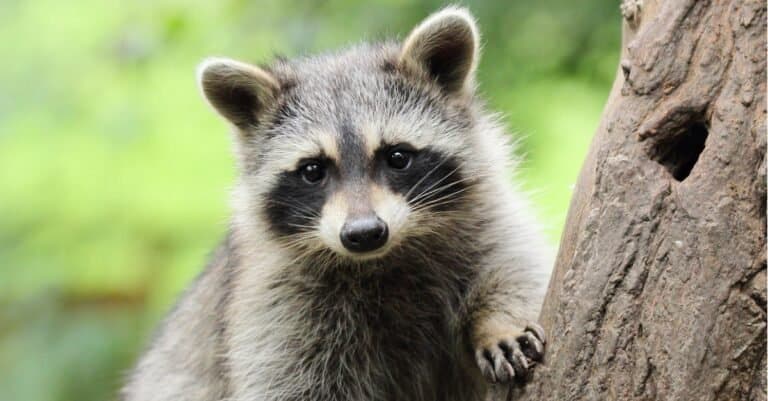
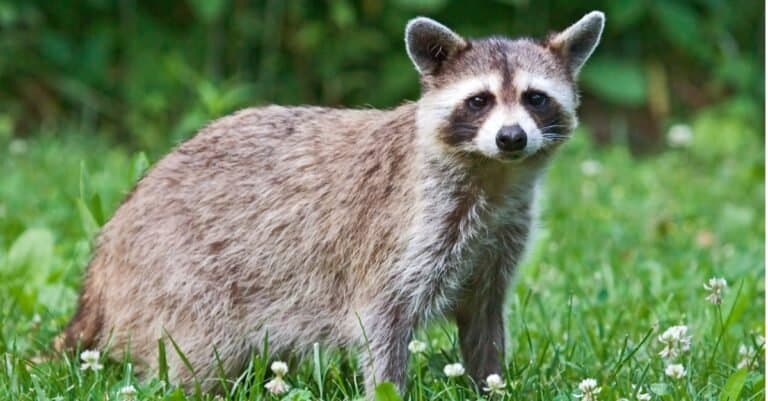
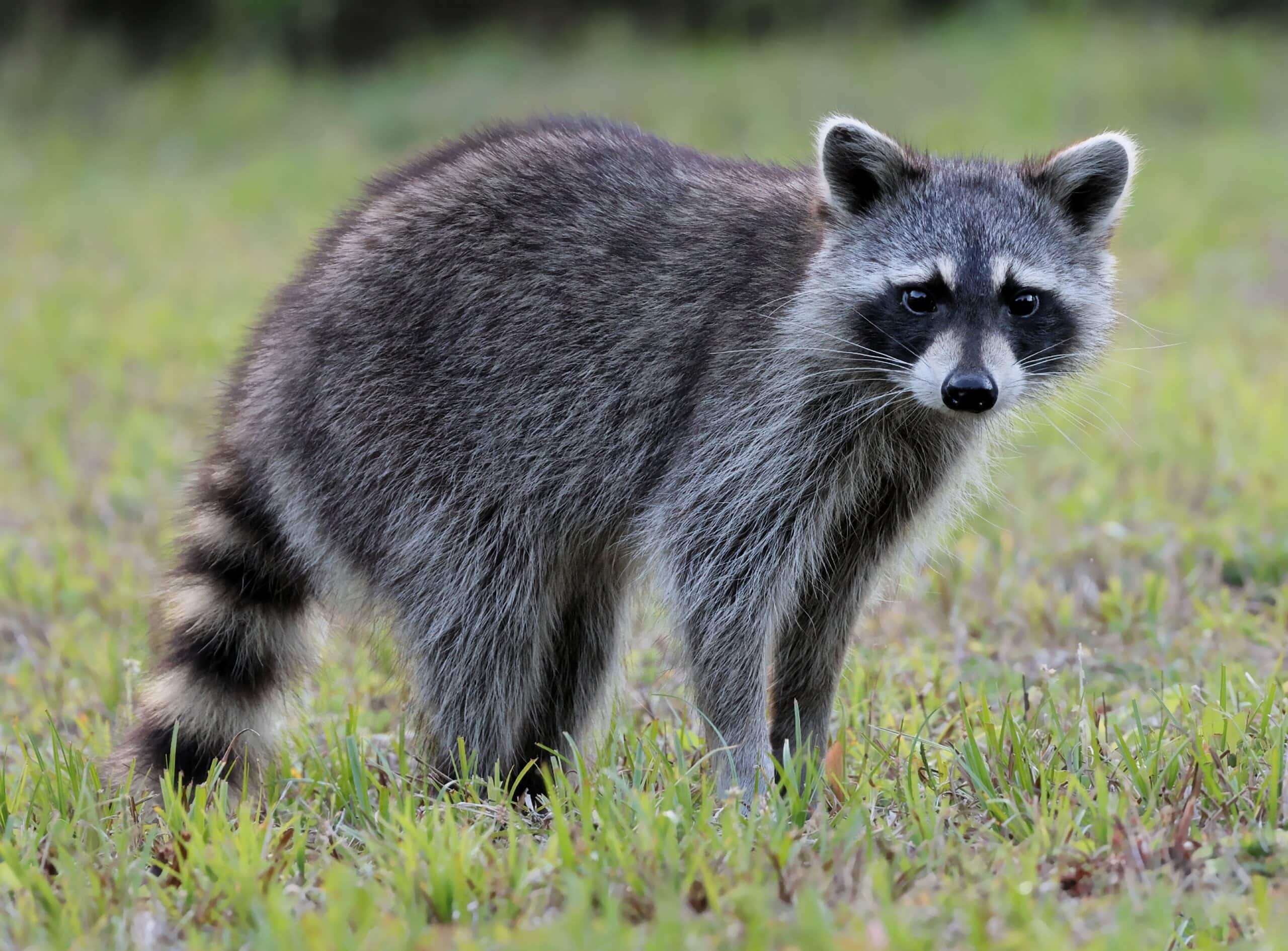
Raccoon roundworm eggs from a species called Baylisascaris procyonis can be present in raccoon droppings (poop). This large worm lives in the raccoon’s intestine and any raccoon can be infected. In the Midwestern United States, 68-82 percent of raccoons have the worms. The worm was historically most common in the Midwest, along with the Northeast and West Coast. Recent surveillance shows the parasite is now expanding in focal populations across the Southeastern and Mid-Atlantic states. Carriage rates can vary, and lower rates have been recorded in urban raccoons compared to their rural cousins.
Complicated Life Cycle
Baylisascaris procyonis is a parasite whose life cycle can involve a number of hosts. Humans are not the parasite’s target but that doesn’t mean they’re completely safe.
When adult worms living in the raccoon’s intestine shed their eggs, they pass out with the feces. These eggs are very resilient and can survive for at least two years in soil thanks to their tough outer shells. Indeed, the eggs must spend between two and four weeks in the soil to become infective and develop into their next life stage, which is an embryonated egg with a larva inside.
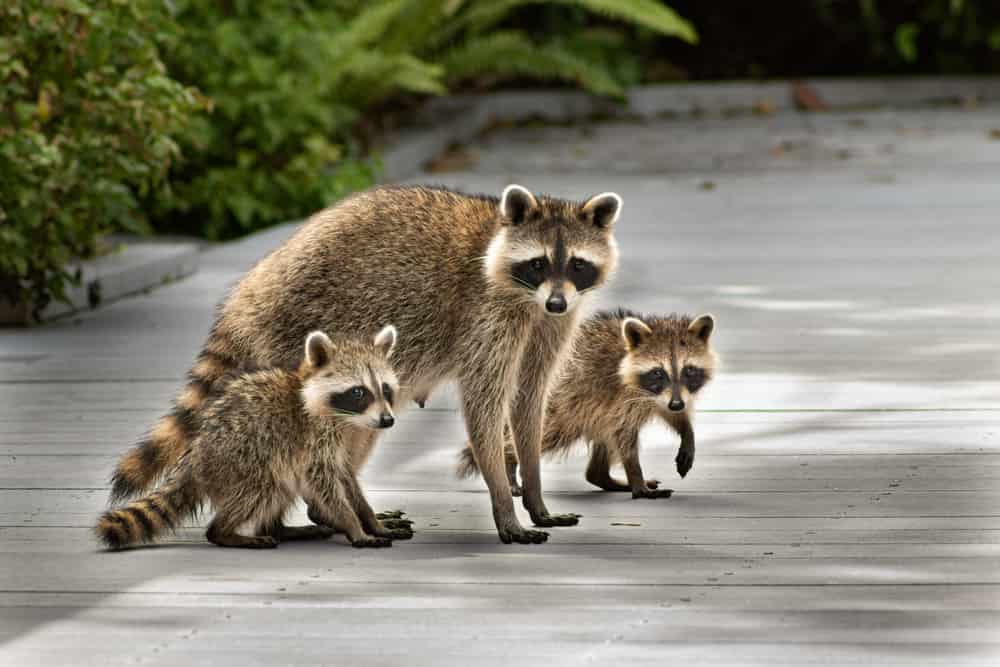
Juvenile raccoons get raccoon roundworms through a different route to adults.
©Tyler Plum/Shutterstock.com
This is then swallowed by another raccoon when it consumes fruits or insects from the ground. Even after two years in dry soil, more than 60 percent of them can still be on the surface, available to be eaten. Inside the raccoon’s intestine, the egg develops into an adult, and the life cycle starts over again. This is how juvenile raccoons get infected. It’s called direct transmission.
Adult raccoons, however, acquire infection through indirect transmission. Here, the eggs are eaten by another type of animal (such as a small rodent), which acts as a paratenic host. In these animals, the larvae behave differently. They hatch and penetrate the gut wall, migrating to various organs where they create a larval cyst. To complete the life cycle, the paratenic host must be eaten by a raccoon. That happens in the case of small rodents, which are part of the raccoon’s diet.
What is the Danger to Humans?
When a human ingests a raccoon worm egg, the larvae behave as if they’re in a paratenic host. They migrate from the intestines to the liver, heart, lungs, brain, and eyes. There, they cause conditions called visceral larva migrans (VLM), ocular larva migrans (OLM), and neural larva migrans (NLM) syndromes. Some of these conditions can be life-threatening.
Symptoms include nausea, tiredness, loss of coordination, vision problems, neurological issues, and liver enlargement. Symptoms can start just one week after ingesting the eggs.
How Big is the Risk?
There is currently no national reporting requirement for B. procyonis cases in humans or animals in the U.S. Therefore, the exact number of cases is unknown. The CDC gives the total number of cases ever recorded in the U.S. as 35, making it an extremely rare condition. However, some cases are asymptomatic (show no symptoms), and not all symptomatic cases are identified, so the figure could be higher than that. Most of the reported cases have been young, male, and with developmental disabilities and pica (a compulsion to eat non-food items, including soil).
35
human cases of raccoon roundworm ever recorded in the U.S., according to the CDC
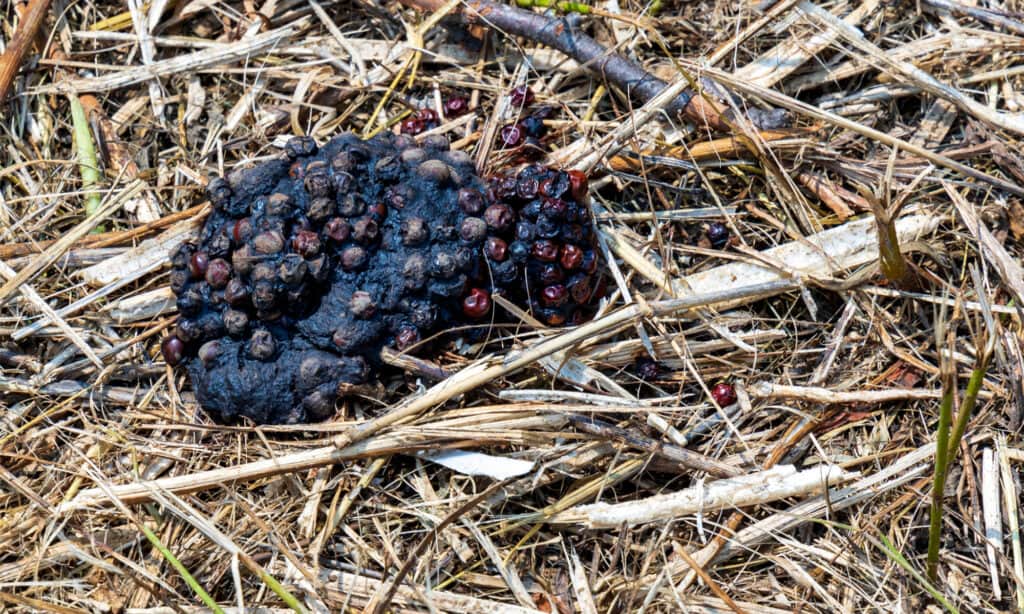
Raccoon latrines are a source of raccoon roundworms.
©iStock.com/Chimperil59
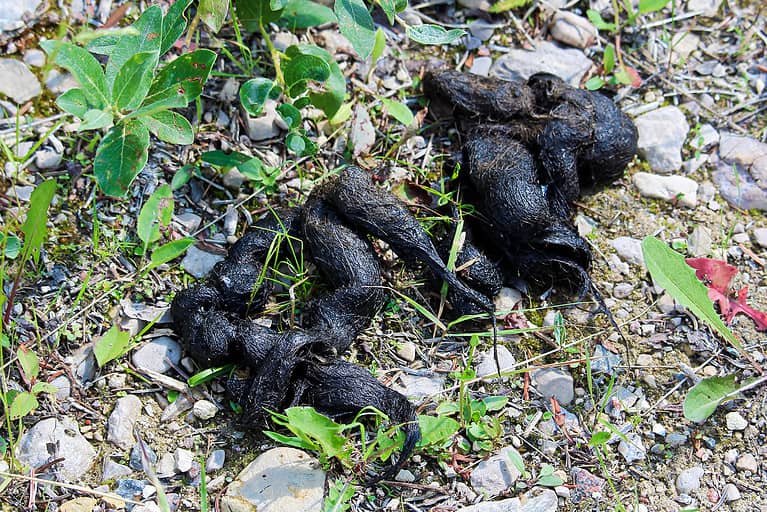
That said, raccoon latrines can be teeming with these eggs! A single raccoon poop can contain hundreds of thousands of them. The eggs can also be found up to 2 feet away from where the poop was deposited. The safest approach is to regard all raccoon latrines as a potential source. When raccoons live in close proximity to humans, the risk of contact is inevitably increased.
One Chicago study found that 51 percent of 119 backyards in suburban Chicago, Illinois, contained raccoon latrines, with 23 percent of the latrines containing B. procyonis eggs.
How to Identify Raccoon Latrines
Raccoons like to poop in communal sites called latrines. They are located around the base or on the forks of trees, or on fallen logs, stumps, woodpiles, or rocks. Nearer to your home, they can be on decks and patios, or in attics and garages. Raccoon feces is usually dark and tubular with a pungent odor.
The CDC has provided advice for people to protect their health when cleaning up raccoon latrines. You should wear disposable gloves and rubber boots that can be scrubbed. Alternatively, use disposable boot covers. Wear an N95-rated respirator if you are clearing a latrine from a confined space. At all times, you need to avoid accidentally ingesting the fecal material or contaminating your hands and clothes. If you cannot do this properly or do not have the gear, call a professional.
Cleaning up Raccoon Latrines
After putting on all protective gear, use a shovel or inverted plastic bag to remove the feces. Then burn, bury, or bag it and place it with your trash. The roundworm eggs are very resistant to chemicals but not to heat. Therefore, treat the soiled decks or patios with boiling water. A propane torch can be used on some surfaces, such as soil, that will not catch fire, but extreme caution needs to be exercised. Before doing this, consult your local fire department for details on local regulations and safety practices.

Dispose of raccoon feces carefully.
©Daria Kulkova/iStock via Getty Images
For indoor latrines, start by lightly misting the area with water so that you don’t create airborne dust as you are working. Remove feces and contaminated material with a shovel or an inverted plastic bag. Then burn, bury, or bag it and place it with your trash. Use a sponge moistened in a bucket of soapy water to wipe the area, frequently rinsing the sponge. Flush the dirty water down the toilet and disinfect the bucket. Dispose of the sponge with the raccoon feces.
After removing indoor and outdoor latrines, wash your hands thoroughly and launder your clothes.
To discourage raccoons from living in or around your home, prevent their access to food, water, and shelter. Simple measures like keeping trash cans closed, closing off access to attics, removing bird feeders, and removing fish ponds can help. Keep sandboxes covered when they are not in use because they can quickly become repurposed as raccoon latrines!
What About Pet Dogs?
Pet dogs can also act as definitive hosts for Baylisascaris procyonis. The adult worms can live in their intestine just as they do in raccoons, and eggs pass out in their poop. They can also be ‘transport hosts’ as they ingest feces containing eggs and then excrete the eggs in their own feces.
In a study conducted between 2017 and 2023, 2927 of 61,129,486 dog poop samples collected in the US and Canada contained the worm’s eggs. That’s just 0.0048 percent. Many of the positive samples were from dogs residing in areas where the worm is common in raccoons. However, some were also from areas where the worm has not been reported in raccoons. Overall, younger dogs, large breeds, and dogs from Northeastern and Midwestern US regions were more likely to be carrying the worm.
Even though the percentage of domestic dogs with the worm is low, there is still some risk, especially because we live in such close physical proximity to our pets. The eggs resist common disinfection methods and can stick to dog fur. Pet owners can protect themselves by deworming their dogs and discouraging them from eating poop. As of November 2026, no known human infections have been directly linked to a pet dog.
Baylisascaris procyonis straddles the disciplines of public and animal health. ‘One Health’ is an integrated, collaborative approach that balances and optimizes the health of people, animals, plants, and shared ecosystems. Baylisascaris procyonis is a typical example of how public health and veterinary initiatives can work together to control this parasite in humans, wildlife, and pets.