
Quick Take
- Most animal therapy studies only measure one side of the interaction, and that blind spot may explain why the results are so inconsistent. See why this matters →
- Teens who scratched the animals' necks got a very different response than those who simply petted them, and the gap between the two groups was bigger than anyone expected. See the scratching results →
- When a tiny horse chose to walk away, something happened to the teens' mood that no one predicted. Discover the surprising mood shift →
- Animal-assisted therapy may only work well when the animals have a real say in what happens, and researchers now have evidence to back that up. Explore the ethical implications →
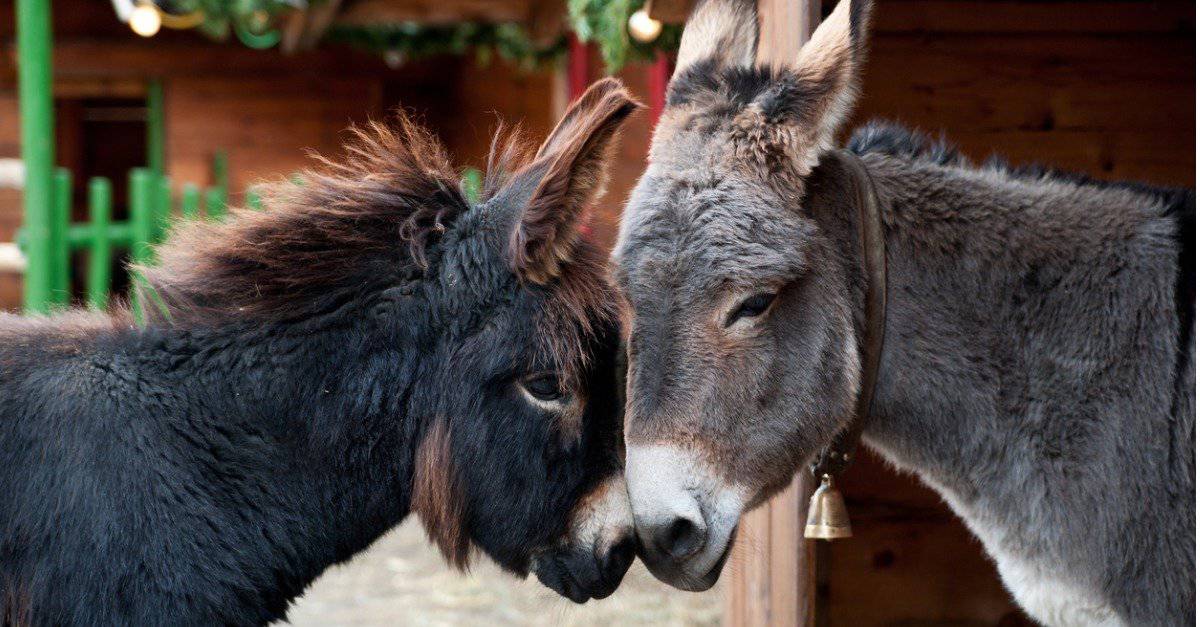
Inside a 20′ by 40′ pen, a group of rescued miniature horses and donkeys were waiting for new human visitors. But these tiny animals were not typical rescues — they were therapy animals used in structured research.
But for researchers at the University of California-Davis, this visit was about more than helping the human visitors feel better. The researchers wanted to understand how reciprocity shapes human-animal interactions and what role the animals play in shaping the outcomes.
The study’s results were just published in Scientific Reports on September 15, 2026. The findings provide a new framework for improving animal-assisted interactions for both the animals and people.
Why This Study Is Important
Animal-assisted therapy has been the subject of many studies, but those studies focused exclusively on the benefits to humans, treating the animals as afterthoughts.
The researchers knew there was more to learn about the animals’ experience.
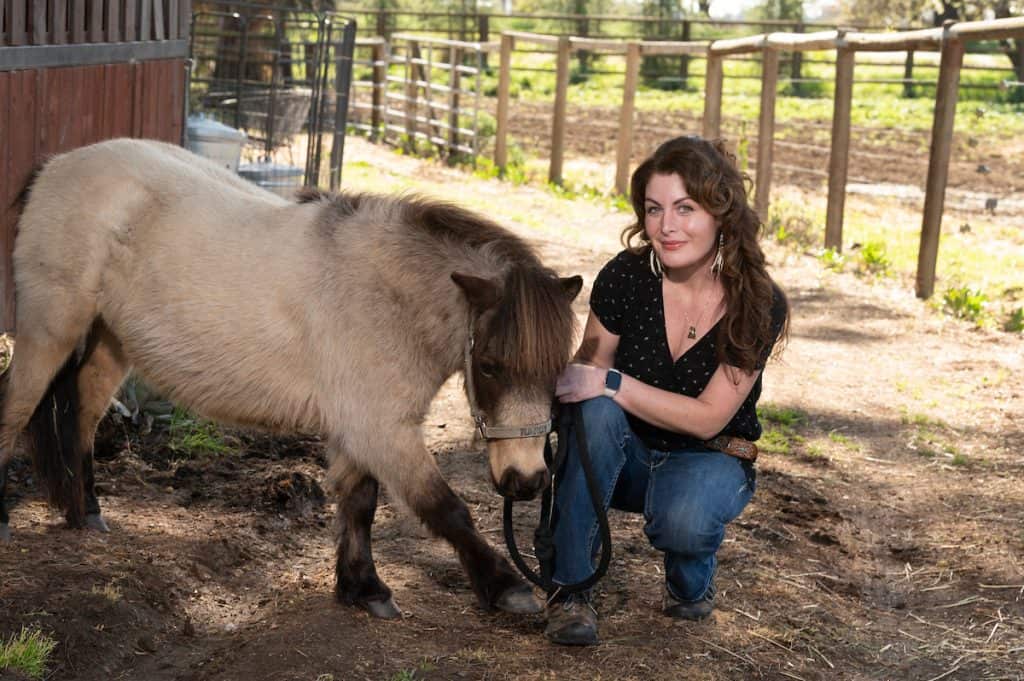
Professor Rebecca Calisi Rodriguez runs SkyHeart Animal Sanctuary that has miniture horses, goats and pigs on February 26, 20226. Though it is not affiliated with UC Davis, she does have classes for students at her sanctuary.
“You can’t stand in a pasture watching a child and a donkey interact and pretend only one of them is having an experience,” Rebecca Calisi Rodríguez, associate professor of neurobiology, physiology, and behavior and director of the Green Care Lab at UC Davis said in the news release announcing the study. “They’re watching each other, they’re responding to each other, they’re both making choices. That realization became the heart of my work and the heart of this paper.”
Study co-author, Claire Short, an undergraduate student at UC Davis when she designed the study, worked together with Calisi Rodríguez on the research.
“I noticed that the mini equines in our lab would react differently depending on how I pet them, and that it made me feel good to make them feel good,” Short said in the news release. “Then when I was reading papers on animal-assisted interventions, I saw that the results weren’t very consistent. I wondered if that was partly because different people interacted with the animals in different ways.”
How They Studied the Animal-Human Interactions
The research team analyzed interactions between 61 teenagers and a small herd of rescued miniature horses and donkeys — Olivia and Randy, two miniature horses, and Mary and Memphis, two miniature donkeys.
Each teenager spent three minutes with the herd. Half the teens were instructed to gently stroke the animals’ backs, and the other half were told to vigorously scratch the animals’ necks. The scratching mimics how equines groom each other.
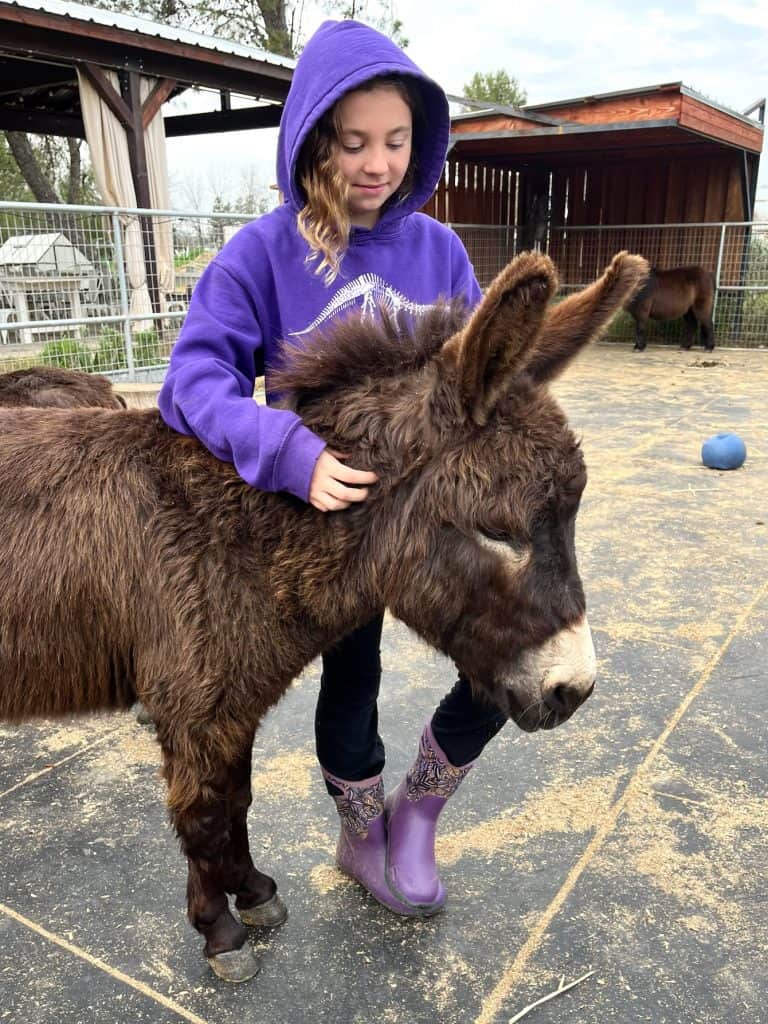
A teen petting one of the miniature donkeys during the study.
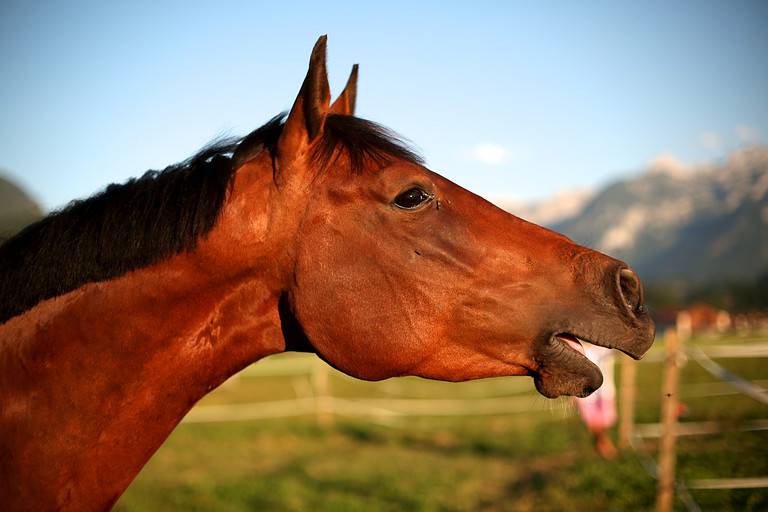
The teens were also instructed on how to recognize two equine behavioral cues — lip wriggling and walking away. Lip wriggling signals pleasure or enjoyment. Walking away signals that the animal wants space.
The Results
The teens reported that the horses and donkeys wriggled their lips during three-quarters of the neck scratching sessions. Petting earned lip wriggling in just under half the sessions.
When petted, the animals walked away in nearly 90 percent of sessions. Neck scratching resulted in the animals walking away in only 42 percent of sessions.
One unexpected result occurred on the teens’ side of the experiment. Every teen reported increased calmness and lower levels of loneliness, anxiety, nervousness, and sadness during any interaction with the equines, whether petting or scratching them. The teens who observed lip wriggling reported an even bigger decrease in loneliness.
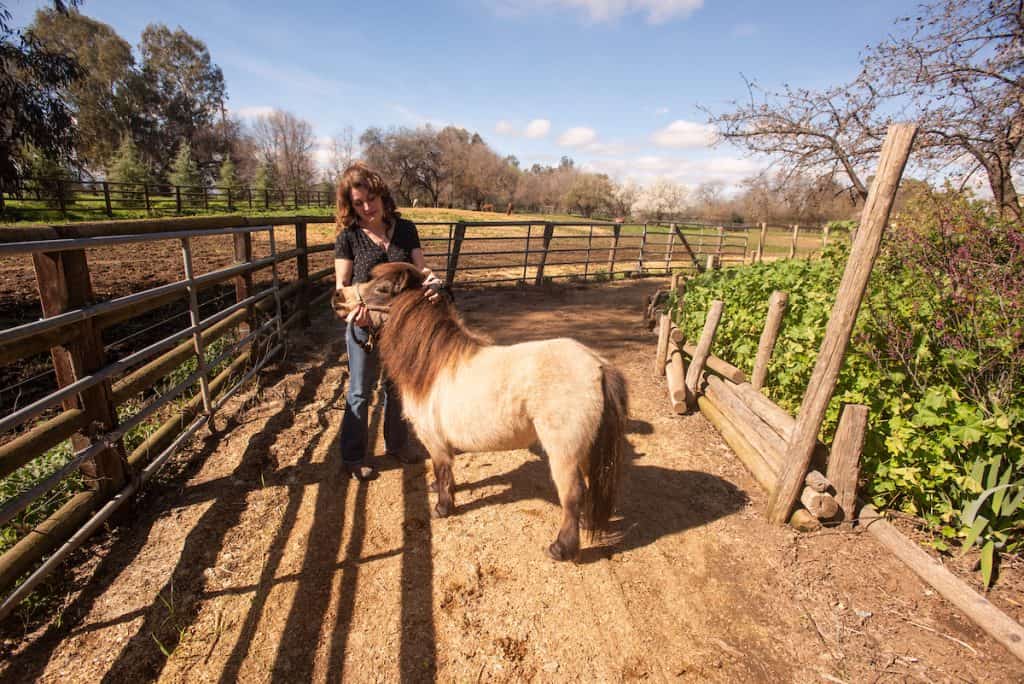
Professor Rebecca Calisi Rodríguez with one of the equines used in the study.
But the most surprising result was the impact of the animals walking away from the interaction. The teens who observed the animals leaving the encounter reported bigger reductions in sadness.
“I love that this unexpected result challenges the assumption that more animal engagement is always better,” Calisi Rodríguez said in the news release. “A meaningful interaction may not require an animal to engage with us continuously. Seeing an animal exercise choice — being free to approach you, stay with you, or walk away — may make the interaction feel more authentic.”
The Study’s Impact
According to Calisi Rodríguez, this first-of-its-kind study sheds light on the role animals can play in supporting human well-being. “If animals are going to become increasingly important partners in supporting human well-being, then understanding their well-being isn’t just an ethical responsibility — our work suggests it may actually be part of understanding how these interventions work,” she said in the news release.
The findings may also help design more effective human-animal interventions in the future.
“Ultimately, what we want to know is whether we can predict the conditions under which an interaction is beneficial for both species,” said Calisi Rodríguez in the news release. “I would love to see animal-assisted programs become places where people don’t just receive care from animals but learn how to give care back.”