Quick Take
- A giraffe's tongue is more capable than most people realize, something that becomes very clear when seeing it in action inside a car window. See the tongue in action →
- Reaching tall trees isn't the only reason giraffes evolved such extraordinary necks, as scientists have uncovered other surprising pressures behind their unusual proportions. Discover the real reasons →
- At a drive-through safari, the gap between 'safe inside the car' and 'face-to-face with the tallest land animal on Earth' can disappear in seconds. Watch the close encounter →
- A giraffe's height gives it an advantage far beyond just eating, and predators are only part of the story. Explore the height advantage →
When we think about animals that might make a little kid nervous, a barking pit bull, a bear suddenly rising up at a zoo, or even an overly enthusiastic goat at a petting zoo might come to mind. For the little boy in this video, though, it was a giraffe getting much closer than expected. Don’t miss the encounter in the video below.
Watch This Giraffe Below!
Massive Giraffe Gets Within Inches of Little Boy
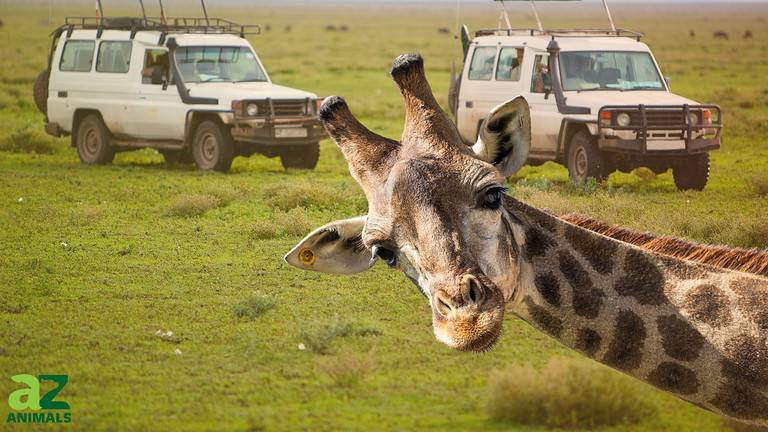
The video appears to show a family making its way through a drive-through safari park. Unlike a traditional zoo exhibit, these attractions allow visitors to remain inside their vehicles while some animals roam through large outdoor areas. That can create some remarkably close encounters, especially when food is involved.
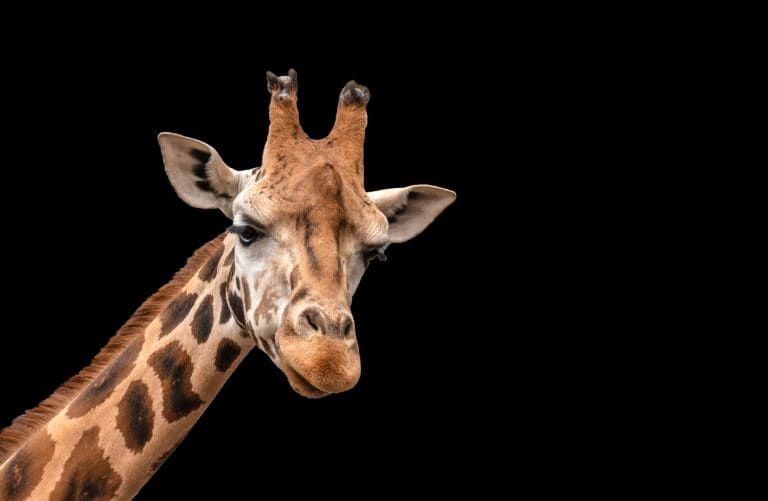
The family stops as two enormous giraffes walk along the road. Giraffes are the tallest living land animals, with adult males commonly reaching more than 17 feet tall and exceptionally large individuals approaching 20 feet. Their necks alone can measure around six feet long, according to the Center for Biological Diversity. That impressive reach is about to become very relevant for the family inside the car.
The family rolls down the window and offers food from an outstretched hand. One of the mammals quickly eats it before turning its attention to the bag of food sitting on the little boy’s lap. The giraffe stretches its long neck and head through the open window and reaches toward the bag with its tongue. A giraffe’s prehensile tongue can measure roughly 17 to 19 inches long, giving the animal even more reach when feeding.
The little boy is clearly not thrilled with this development. He recoils and freezes as the giraffe reaches into the vehicle, which is a pretty understandable reaction when the tallest animal on Earth suddenly decides it would like to inspect your snack bag.
Why Do Giraffes Have Long Necks?
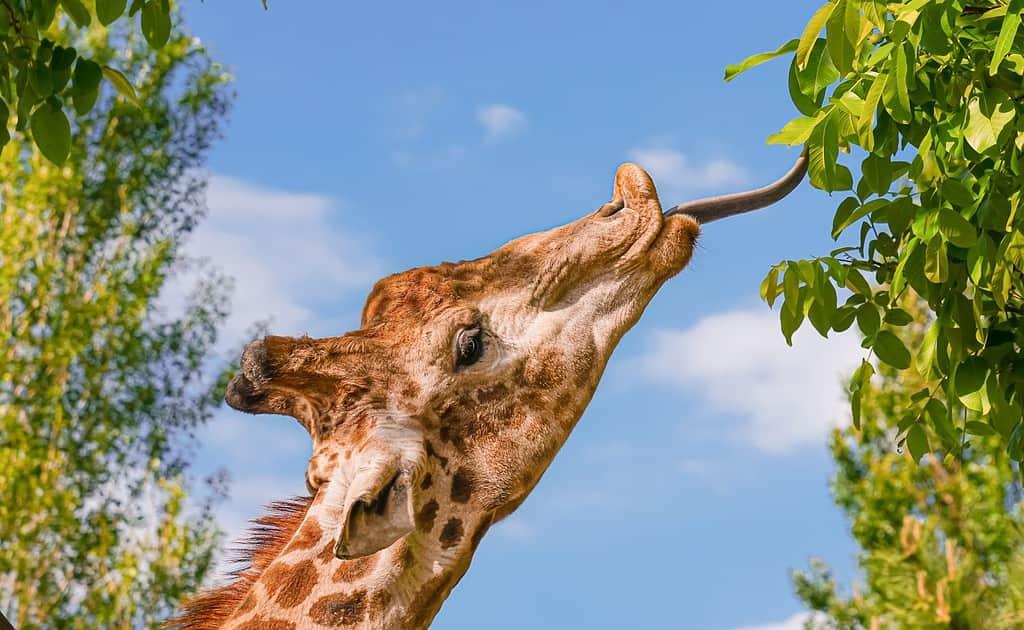
The heaviest recorded male giraffes have weighed about 4,200 pounds.
©marseus/Shutterstock.com
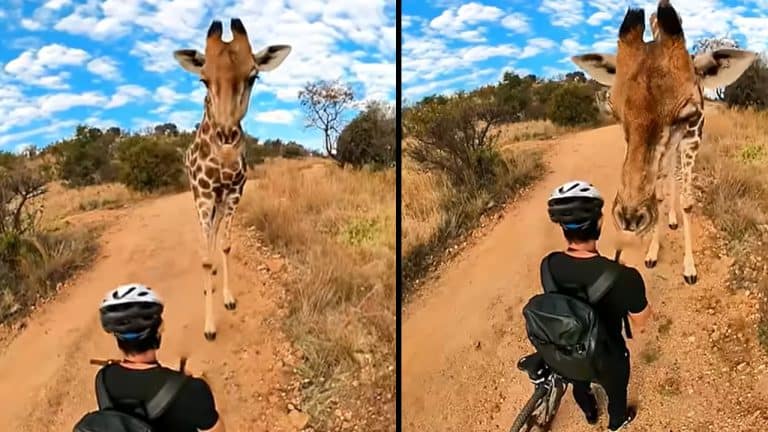
Watching the video makes the advantage of that long neck pretty obvious. The giraffe does not need to walk right alongside the car to reach the people inside. Its neck, combined with its long head and tongue, gives it an extraordinary feeding range.
In the wild, giraffes are browsers that feed mainly on leaves and shoots from trees and shrubs, along with flowers, seedpods, and seasonal fruit. Their long necks help them reach vegetation high in trees that is unavailable to many other herbivores. Their long, muscular tongues then help pull leaves from branches, including thorny trees such as Vachellia and Senegalia species.
Feeding may not be the only reason giraffes evolved such long necks. Male giraffes also use their necks and heads when competing with one another, and scientists continue to study how different evolutionary pressures contributed to their unusual proportions. Their height also provides another benefit. Research indexed by the National Library of Medicine found that a giraffe’s elevated head provides a panoramic view of its surroundings. That can be useful in landscapes where giraffes may encounter predators including lions, hyenas, and leopards. A long neck is useful for reaching dinner, keeping an eye on the neighborhood, and, apparently, investigating food bags inside safari vehicles.