
Quick Take
- Hundreds of hungry chimps, thousands of pounds of food daily, and every usual route underwater. What did the caregivers try first?
- One backup vehicle gave out mid-crisis, and some staff never went home.
- Kaleb's story didn't end with the delivery. A rope over standing water comes next.
- Were the other chimps safe? The answer hinges on where their homes were built.
A bag of bananas dangling beneath a drone isn’t something you expect to see at a chimpanzee sanctuary. But when severe flooding turned roads into waterways at a Florida animal sanctuary, caregivers had to get creative to make sure their residents didn’t miss a meal.
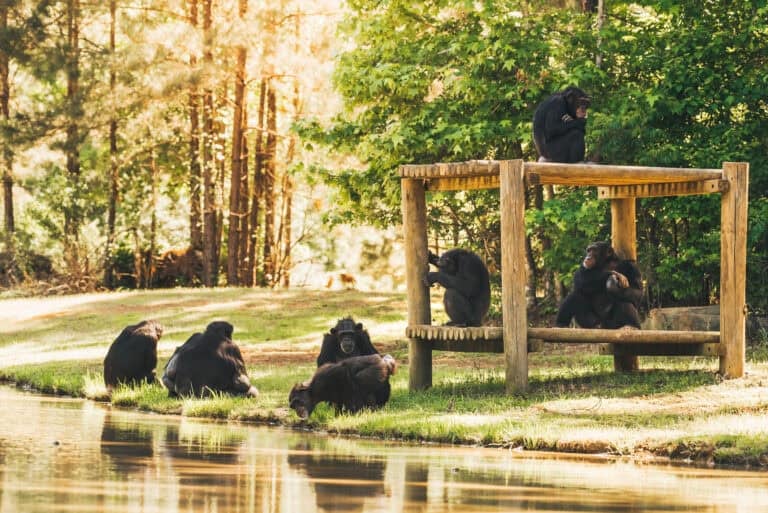
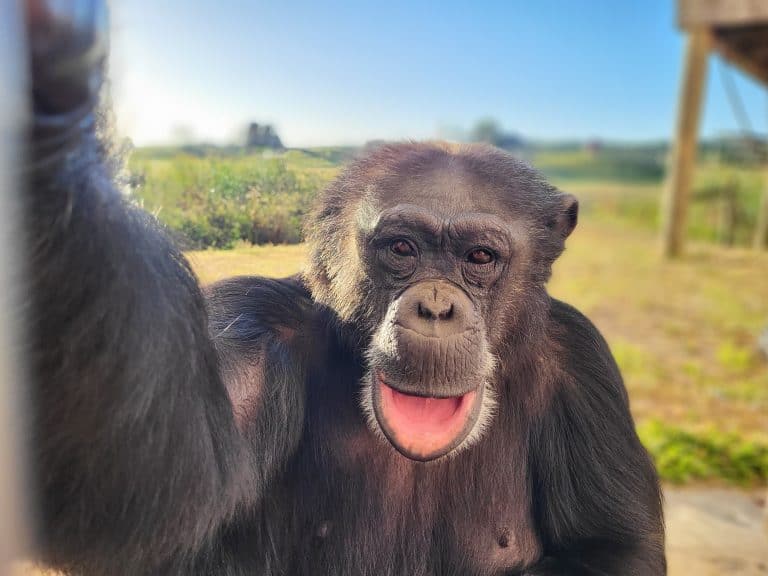
At Save the Chimps, a 150-acre sanctuary near Fort Pierce, days of heavy rain left much of the property underwater. The flooding made it difficult for workers to reach the more than 200 rescued chimpanzees living there. One resident, a 38-year-old chimp named Kaleb, found himself particularly isolated when rising water cut off access to his outdoor area.
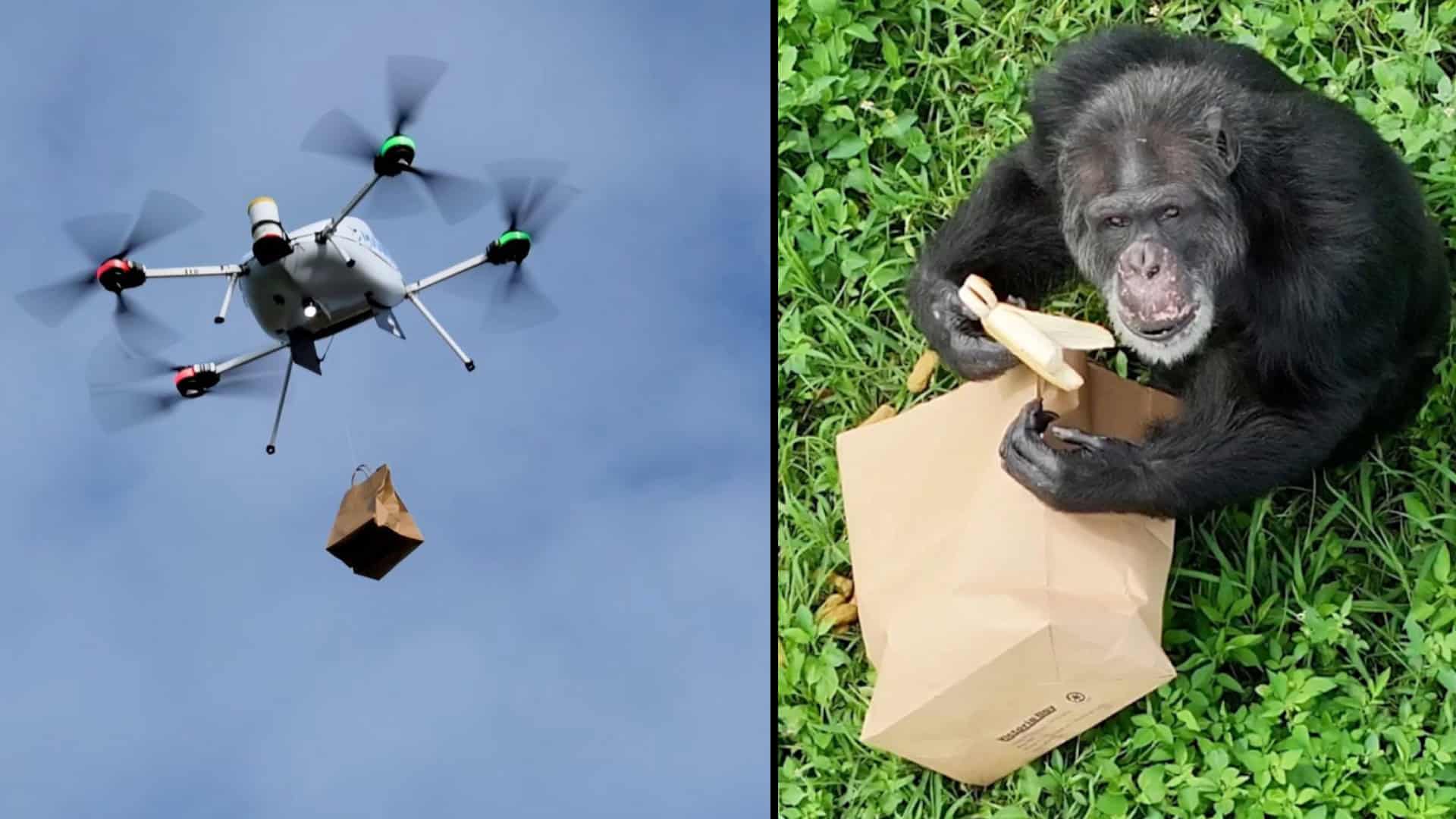
Fortunately, the staff had a rather unusual backup plan. They sent a drone carrying food and blankets to the stranded chimpanzee. The resulting footage captures a remarkable delivery that helped keep Kaleb comfortable and fed while workers dealt with the flooding. Watch the clip now to see this unexpected use of technology in animal care.
Watch the Drone Deliver Food to the Stranded Chimpanzee
The footage shows a drone carrying a package through the sky toward the flooded sanctuary. Additional video captured by Save the Chimps shows Kaleb helping himself to a banana from a paper bag delivered by air.
It’s certainly not the usual way to feed a chimpanzee, but when your regular delivery routes are underwater, a little creativity goes a long way.
How Did the Chimpanzees Become Stranded?
The trouble began when heavy rain soaked parts of central and southeastern Florida between November 1 and November 3, 2026. At Save the Chimps, overflowing canals submerged roads that staff normally use to transport food and supplies between the sanctuary’s habitats.
That’s a serious logistical problem when you’re responsible for feeding more than 200 hungry chimpanzees. According to the sanctuary, workers normally transport approximately 3,000 pounds of food every day, much of it delivered using golf carts.
With those routes flooded, caregivers turned to trucks and a tractor. They also tried using a high-clearance swamp buggy, but that eventually broke down. Some veterinarians and other staff members stayed overnight to ensure the chimpanzees continued receiving the care they needed.
Kaleb was in an especially difficult spot because water had cut off access to his outdoor area. That’s when workers brought out a delivery drone the sanctuary had purchased for emergencies.
Did the Drone Delivery Work?
It certainly did! Kaleb received food and blankets, and footage released by the sanctuary shows him enjoying a banana from his special delivery.
Later, Kaleb was filmed carefully making his way along a rope spanning standing water. He eventually moved to a location that was easier for caregivers to access.
The drone wasn’t responsible for feeding every chimpanzee at the sanctuary. Workers continued using larger vehicles to deliver meals, medication, and other necessities to the remaining residents. But for Kaleb, the unusual delivery system provided a practical solution when conventional transportation couldn’t reach him.
Are the Chimpanzees Safe After the Flooding?
Thankfully, the sanctuary reported that all its chimpanzees were safe. Their care houses were located on higher ground, away from the worst of the flooding, and employees continued providing food and veterinary attention throughout the emergency.
By November 7, the water had begun receding significantly, although much of the sanctuary’s road network remained underwater. The flooding also caused damage to buildings, vehicles, roads, and equipment that will require repairs.
Founded in 1997, Save the Chimps provides a permanent home for chimpanzees from research laboratories, the entertainment industry, and the exotic pet trade. The organization has cared for nearly 350 chimpanzees over its history.
For Kaleb and his fellow residents, this wasn’t exactly an ordinary week. But thanks to some determined caregivers, a little ingenuity, and one very useful drone, even a major flood couldn’t keep the bananas from arriving.