
Quick Take
- A chimp named Julie started it, but even after she died, her fashion statement refused to fade. The reason why is stranger than you'd expect. See how the trend survived →
- A second chimp group that never met Julie somehow landed on the exact same quirky habit and then took it somewhere even weirder. Discover the second group →
- The real spark behind the trend may have come from an unlikely source hiding in plain sight at the sanctuary. Uncover the hidden spark →
- Copying a behavior that serves zero purpose might actually be one of the most socially powerful things a primate can do. Explore the power of mimicry →
While the world’s fashion capitals draw crowds to the runways, a less-expected scene is unfolding in rural Zambia. Here, a group of chimpanzees has set off a trend that has no connection to high-end labels. The latest accessory? A carefully placed blade of grass, tucked right behind the ear.
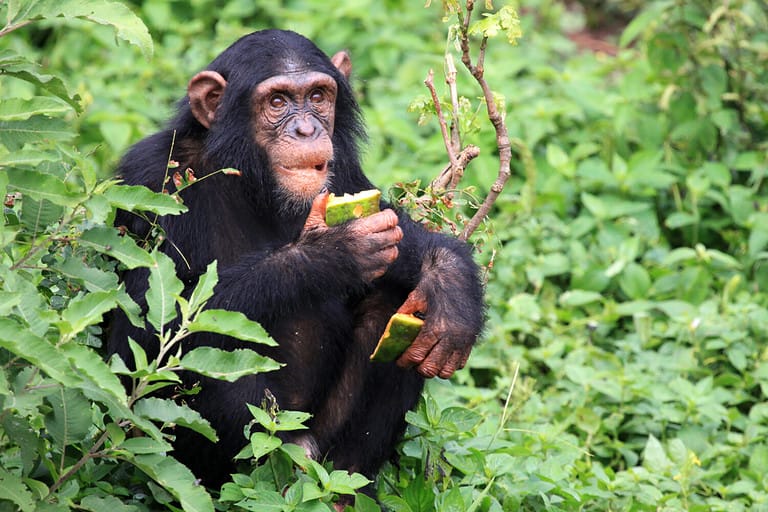
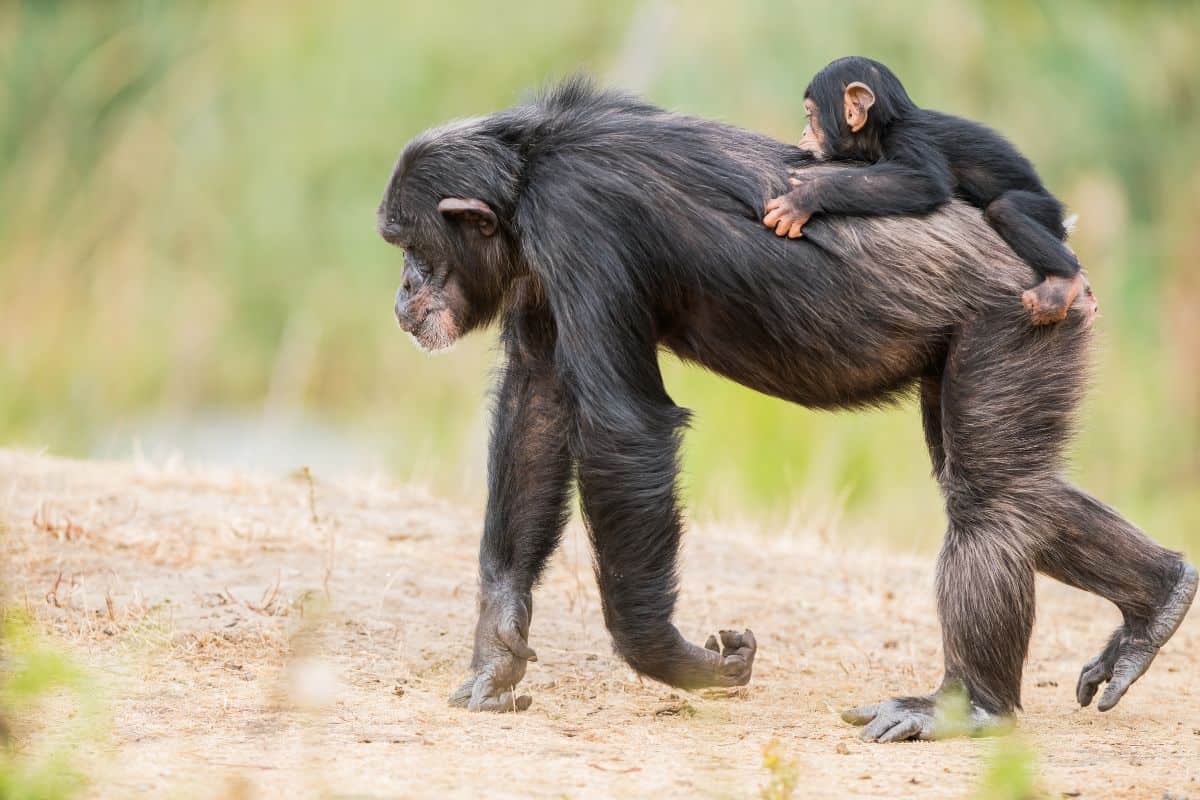
This peculiar behavior first appeared more than a decade ago at the Chimfunshi Wildlife Orphanage, a sanctuary in Zambia’s northwest. Researchers observed Julie, a female chimpanzee, start wearing stems of grass hooked in her ear. Other chimps watched, and copied. Soon, the “grass-in-ear” look was everywhere in the group. Even after Julie died, the style stayed alive, passed down among her companions.
When Trends Catch On Without Purpose
Scientists know that “fashion effects” happen when a behavior sweeps through a group, even though it offers no clear benefit. It’s common among humans: consider dogs in scarves, or viral dances promoted by influencers. But Dr. Edwin van Leeuwen from Utrecht University points out something more profound: this kind of imitation is not limited to people. “What fascinates me is that the chimpanzees copy this behavior from each other,” he states, even when there’s no obvious reward.
The researchers, from Utrecht and Durham universities, have now documented a case where an entirely separate group at the same sanctuary created its own version of the fad. This new cohort, which had never come into contact with Julie’s friends, also began sliding grass behind their ears. Then, inspired by a male named Juma, they innovated again, dangling long blades of grass from their behinds, with no practical reason, not even to scratch an itch.
Humans Leave a Mark But Chimps Spread the Message
One clue led researchers to the sanctuary staff. Both chimp groups shared the same caretakers, humans who sometimes put grass or matches in their ears for cleaning in plain view of their primate charges. Was this the spark that ignited the trend? While the initial inspiration may have come from observant eyes, it was the chimpanzees themselves who kept the style moving and evolving within their groups.
This episode isn’t merely about aping the unfamiliar. Chimps in captivity, freed from the relentless tasks of foraging or avoiding predators, have time to invent and spread such “fashion statements.” In the wild, scientists note, a chimpanzee will copy useful techniques, ways to get food or stay safe. Here, though, they are imitating for imitation’s sake and for social signaling.
The Social Side of Copying
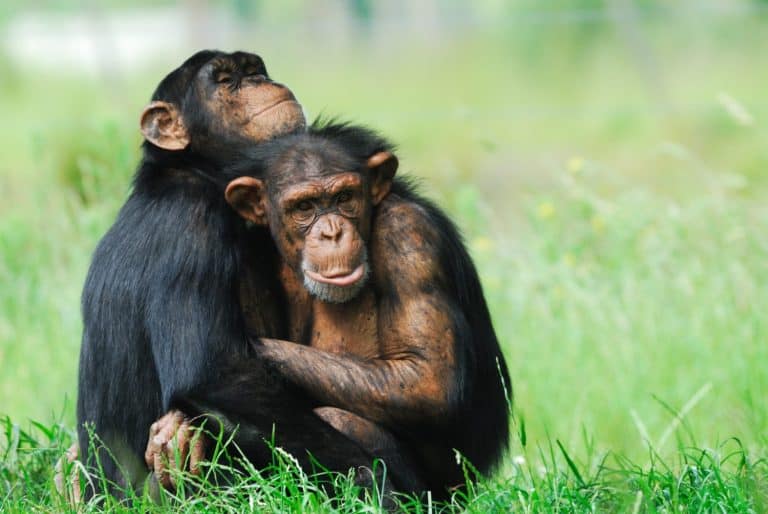
Why do this at all? Scientists suspect that mimicry might act as a kind of glue, strengthening bonds between individuals. Copying a gesture, adopting a quirky habit, these can be silent signals that say, “I see you, I accept you, I belong here too.” Humans use the same playbook, often unconsciously, as a way to build connection and group identity.
The Chimfunshi observations open the door to a larger conversation about animal culture. For a long time, the ability to imitate nonfunctional details was considered uniquely human, a marker of advanced cultural evolution. Some researchers still draw a sharp line here, but recent findings encourage a different view.
What Makes Us Different?
Dr. Jake Brooker of Durham University reflects on the significance: “Our study shows that chimpanzees can copy each other’s small, useless behaviors.” For the researchers, sharing these discoveries is crucial, not simply for what they reveal about chimps, but for what they challenge about the boundaries of culture itself.
As we watch trends come and go on our own social platforms, the sanctuary chimps remind us that the spark of fashion, of playful imitation, might have deeper origins than glossy magazines or viral posts. In the quiet Zambian forest, a blade of grass behind the ear signals not just style, but the ancient social currents that shape how all primates, human and non-human, connect and belong.