Quick Take
- A private zoo amassed an astonishing number of animals in record time. How?
- A lobbying push reached the UK's top environment ministers before a major wildlife summit. What did the pitch ask for?
- India's highest court weighed in on the sanctuary, but international wildlife watchdogs weren't fully reassured.
- One invitation was declined and one plan quietly fell through. Both reveal how cautious officials became.
A state-of-the-art animal sanctuary belonging to an Indian billionaire has been courting controversy. Questions have been asked about how the Vantara mega-zoo, which is not open to the public, has been able to import thousands of animals in a short period of time. In the lead-up to a major international meeting on wildlife trade (CITES), chaired by the U.K., there are now claims of lobbying U.K. officials to obtain a more favorable approach.
What Is the Cites Standing Committee Meeting?
CITES is the Convention on International Trade in Endangered Species of Wild Fauna and Flora. This international agreement between governments aims to ensure that international trade in specimens of wild animals and plants does not threaten their survival. The convention was agreed upon at a meeting of representatives of 80 countries in Washington, D.C., on 3 March 1973 and came into force on 1st July 1975. There are now 185 member parties. CITES is enforced through domestic laws, and each country ratifies the agreement by establishing management authorities and scientific authorities. However, many regions apply even stricter rules than the CITES baseline.
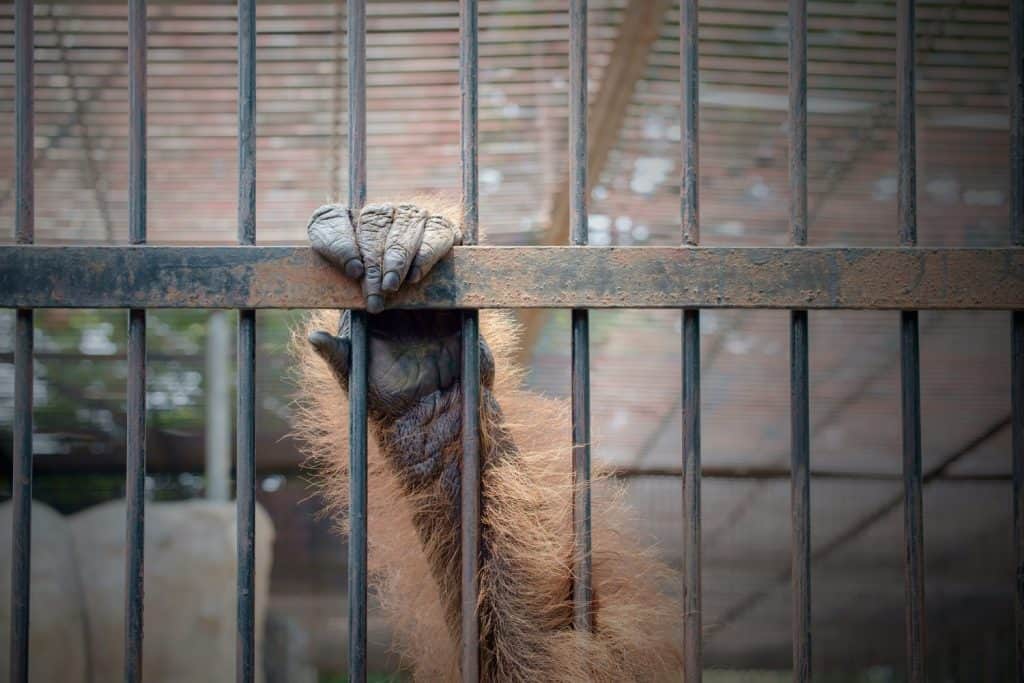
Wildlife import laws are in place to protect animals.
©WICHAI WONGJONGJAIHAN/Shutterstock.com
Periodically, the CITES Standing Committee meets to discuss relevant matters. This year, the 81st CITES Standing Committee meeting will take place from November 2 to 6, 2026 in Geneva, Switzerland, at the Centre International de Conférences Genève. The U.K. is chairing this meeting, which will focus on the interpretation and implementation of the convention. In particular, they will discuss ongoing policy, compliance, and administrative matters related to the regulation of international wildlife trade.
What Do We Know About the Vantara Mega-Zoo?
The Vantara website features the motto ‘Securing the future of wildlife through science led care’. With soothing background music, it presents a series of videos showing healthy, content wild animals living their best lives. It goes on to explain that the sanctuary’s parent organization is the Reliance Foundation, founded by the Ambani family.
According to the website, the sanctuary provides dedicated care and monitoring for all animals in its care. It also boasts an enrichment factory that makes tools to promote natural behaviors and positive activities. There’s a sterilization service department, a veterinary laboratory, and an imaging center with state-of-the-art radiography, ultrasound, CT, and MRI scanners. The nutrition center ensures that every species receives a scientifically curated and species-specific diet. The temperature-controlled habitats provide warmth, support, and artificial sunlight.
The site claims that the facility covers 3,500 acres and houses 2,000 species. Individual tales of rescue are recounted. David, described as a ‘shy 30-year-old brown bear’, was rescued from an Eastern European country in an underweight, lethargic, and withdrawn condition. Three years later, he is enjoying his food, exploring his surroundings, and interacting with his caregivers. Fugga, a 35-year-old marsh crocodile, was rescued from an overcrowded conservation facility. He was weak, unable to swim, and had injuries from being attacked by other crocs. Fugga now effortlessly glides around his pool.
Why is Vantara Controversial?
The zoo is run by Anant Ambani, the 31-year-old heir to the oil and gas fortune of one of India’s richest men. It is located near the family’s oil-refining facilities in Gujarat. Reportedly, there are 150,000 animals there, rescued from circuses, illegal trade, and neglected zoos from across the globe. That includes over 10,000 mammals and over 120,000 birds! The reason given for the very high numbers is the zoo’s mission, which is animal welfare and conservation.
There have been concerns about the origin of some animals in Vantara Zoo.
©Kamal15/Shutterstock.com
However, conservation groups have asked how such a large number of animals were amassed so quickly. In August 2025, India’s Supreme Court ordered an investigation into illegal wildlife imports and financial misconduct associated with the zoo. The media reported that Armando Info (a prominent Venezuelan investigative journalism website) and Süddeutsche Zeitung (Germany’s largest and most influential nationwide subscription daily newspaper) had examined import data for thousands of wildlife, some of which raised concerns about the origin of the animals. However, India’s Supreme Court cleared the zoo’s operators of any wrongdoing.
A CITES fact-finding mission into the zoo raised concerns about India’s compliance with international rules on animal imports in 2025. They were worried that the importation of such large numbers of animals could inadvertently create demand for illegally sourced animals.
Vantara has co-operated with investigations and has made efforts to reset its activities. The zoo has voluntarily suspending animal imports for a year. They have also hired John Scanlon, who is a former CITES chief, to oversee its operations.
Lobbying in the Lead-up to the CITES Meeting
According to this press report, Vantara had made efforts to lobby British officials and ministers before the upcoming CITES meeting. Officials from the U.K.’s Department for Environment, Food and Rural Affairs (Defra) met with a representative from Vantara and the U.S. lobbyist firm Checkmate Government Relations in May 2026. Checkmate was aiming to persuade the U.K. to take a sympathetic view of India’s handling of imports to Vantara. An invitation to visit the zoo was declined. A further approach was made to the then Secretary of State, Emma Reynolds, and the Nature Minister, Mary Creagh, who were also invited to visit the zoo.
However, the ministers were told not to engage formally with Vantara. There was also concern about a proposed plan to import falcons and falcon hybrids to India from a breeder in the U.K. However, this plan did not move ahead. A Vantara spokesperson said that they had not paid a lobbying firm.