
Quick Take
- Half of New York City's drinking water depends on a single tunnel, and that tunnel has a leak no one has been able to fix for over a decade. See the leaking details →
- Building this tunnel required a Supreme Court battle before a single shovel hit the ground, and the reason why is more politically charged than you'd expect. See the court battle →
- When engineers finally shut the tunnel down for repairs, New York City has a surprisingly complex plan to keep millions of taps running, and it is not what most people would guess. Explore the backup plan →
- The tunnel's listed length turns out to be only part of the story. What it eventually grew into pushes the scale of this project into a different category entirely. See how far it grew →
Deep beneath mountains and remote wilderness lies one of America’s most remarkable infrastructure projects. The longest tunnel in America stretches 85 miles and is the result of decades of planning, cutting-edge engineering, and determined human effort. Far from a simple passageway, this vast tunnel was designed to solve massive logistical problems. At the time it was built, the tunnel pushed the limits of what was technically possible.
This feat of engineering isn’t just remarkable for its length. It is also known for its purpose and precision. In order to be successful, this tunnel required innovative solutions to ventilation, structural stability, and long-term maintenance in a difficult-to-access place. This article takes a look at how the tunnel was built, why it was necessary, and how it earned its reputation as one of America’s greatest engineering masterpieces.
Already an Engineering Expert?
See if you can score 5/5 on the ultimate tunnel trivia. Not ready? Read on and come back when you are.
When Was the Longest Tunnel in the U.S. Built?
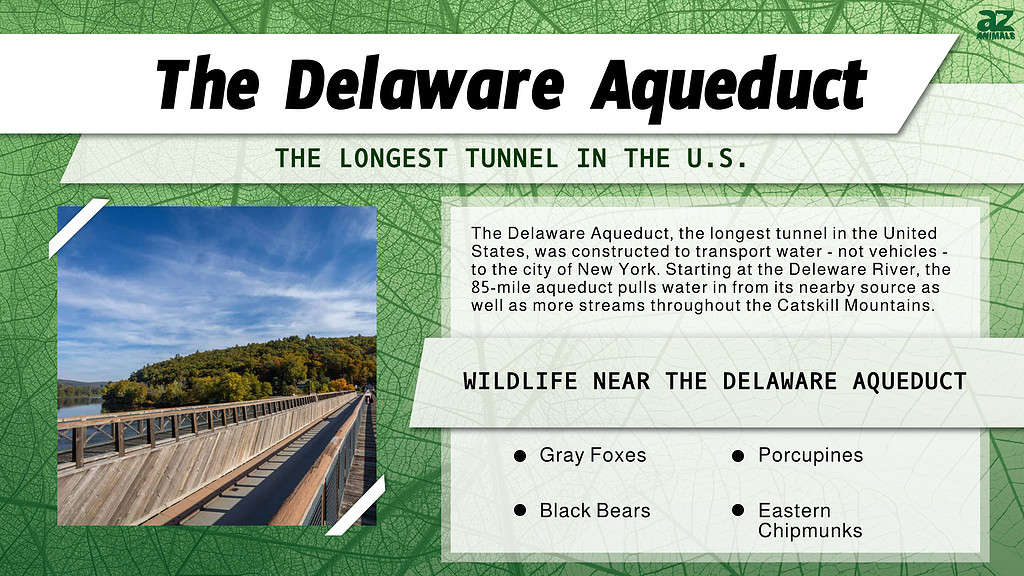
Construction for the longest tunnel in the U.S., the Delaware Aqueduct, began in 1937 and continued through 1953. Its original length was 85 miles, but extensions were added until 1965, elongating the tunnel to an incredible 105 miles.
About The US’s Longest Tunnel
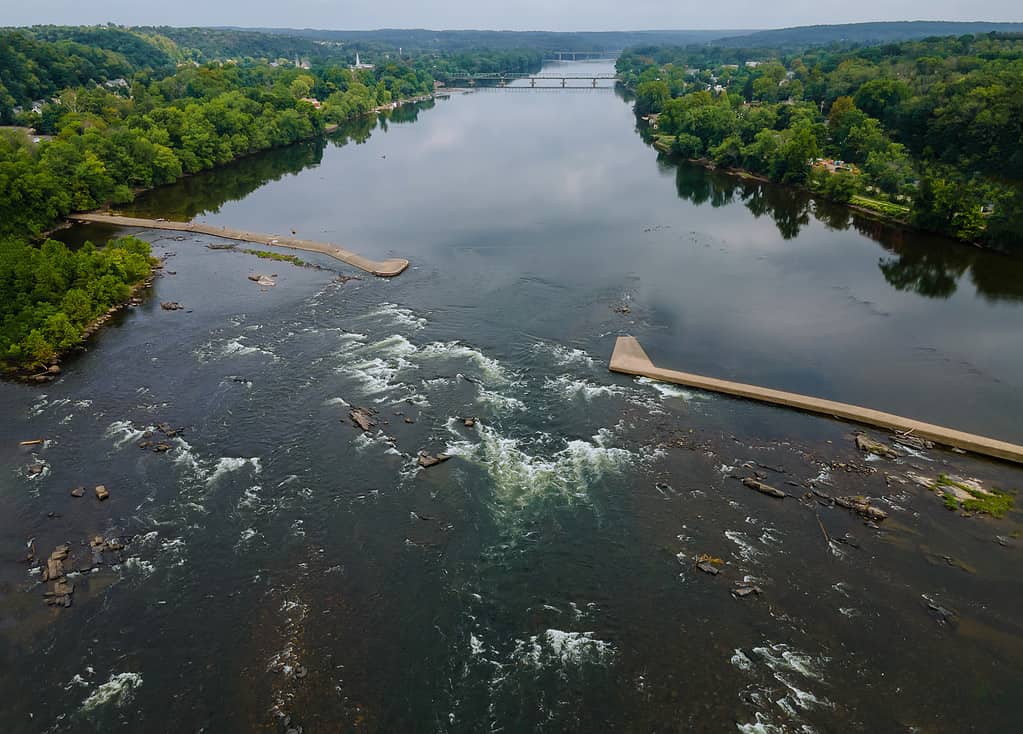
©photovs/iStock via Getty Images
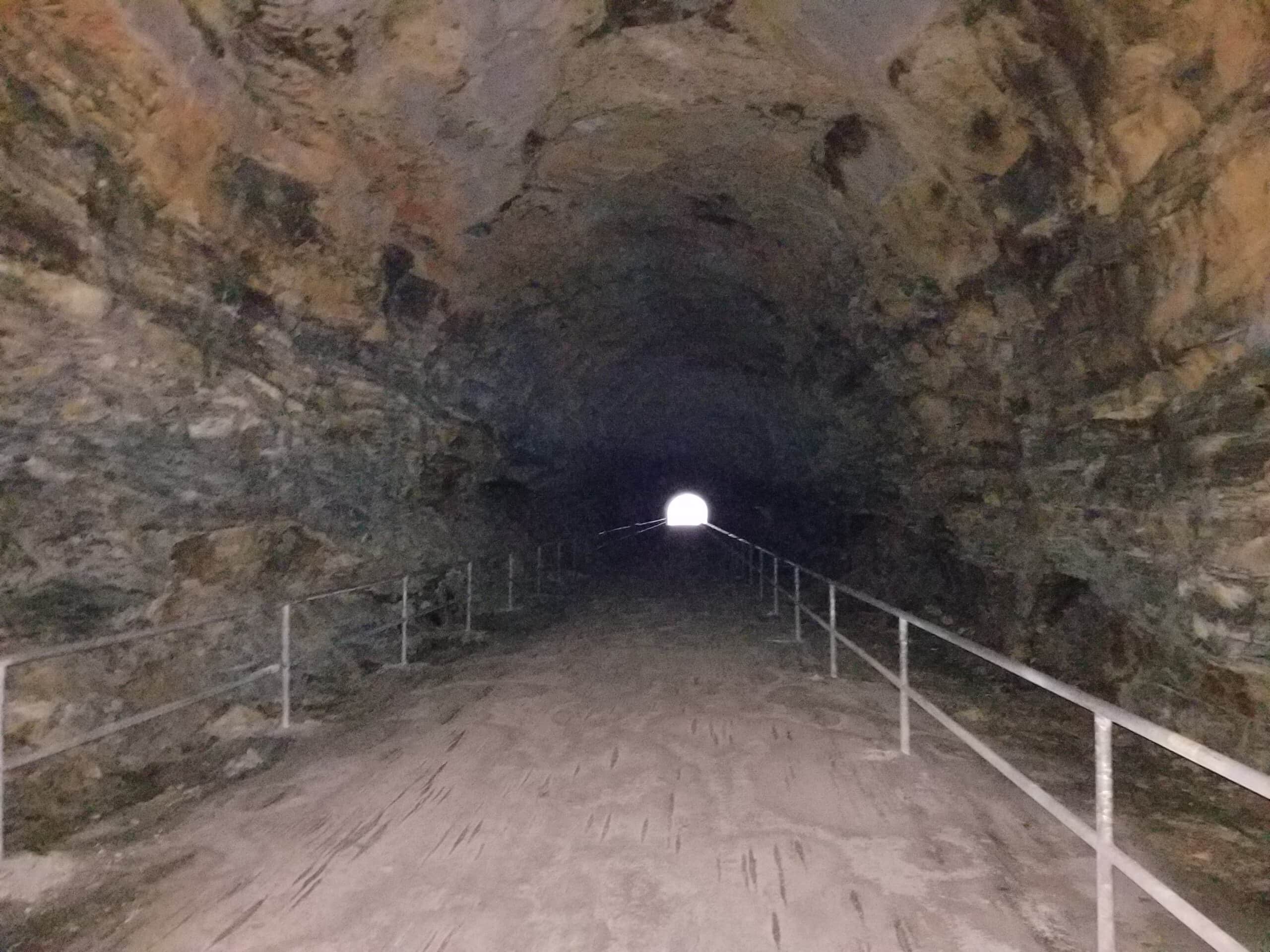
In some parts of the tunnel, the depth reaches 2,500 feet below the surface, and the maximum diameter is 19.5 feet (for the last 13 miles at its end). This tunnel is circular and makes up a portion of the system that provides water to New York City.
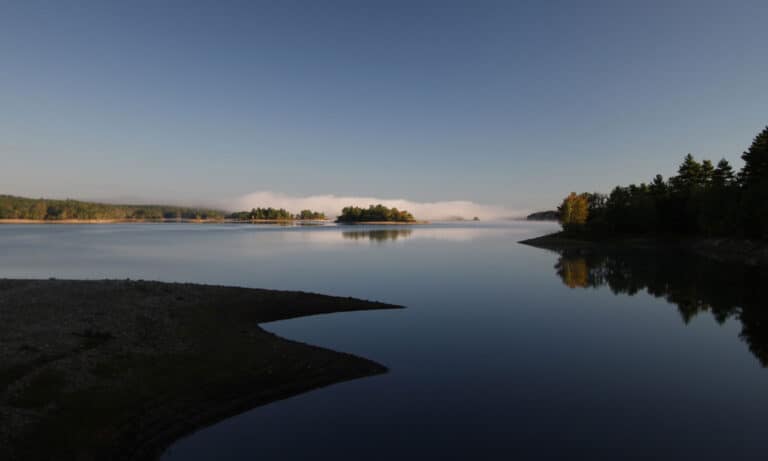
It begins near the Delaware River and draws water from nearby sources as well as several streams throughout the Catskill Mountains.
Tunnel Route
©Sean Pavone/Shutterstock.com
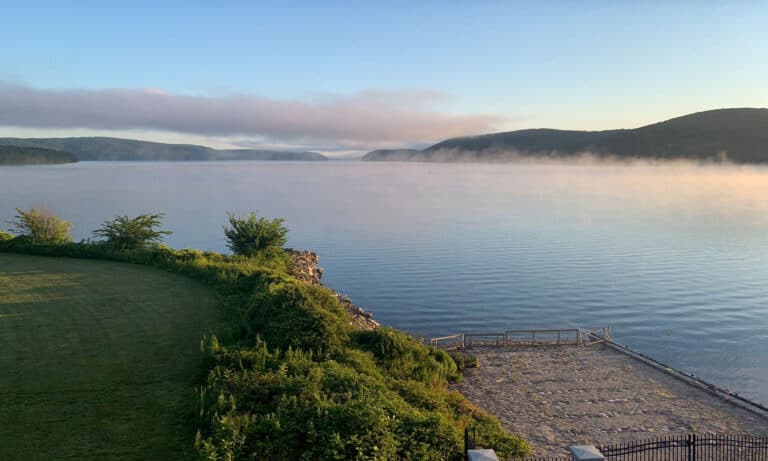
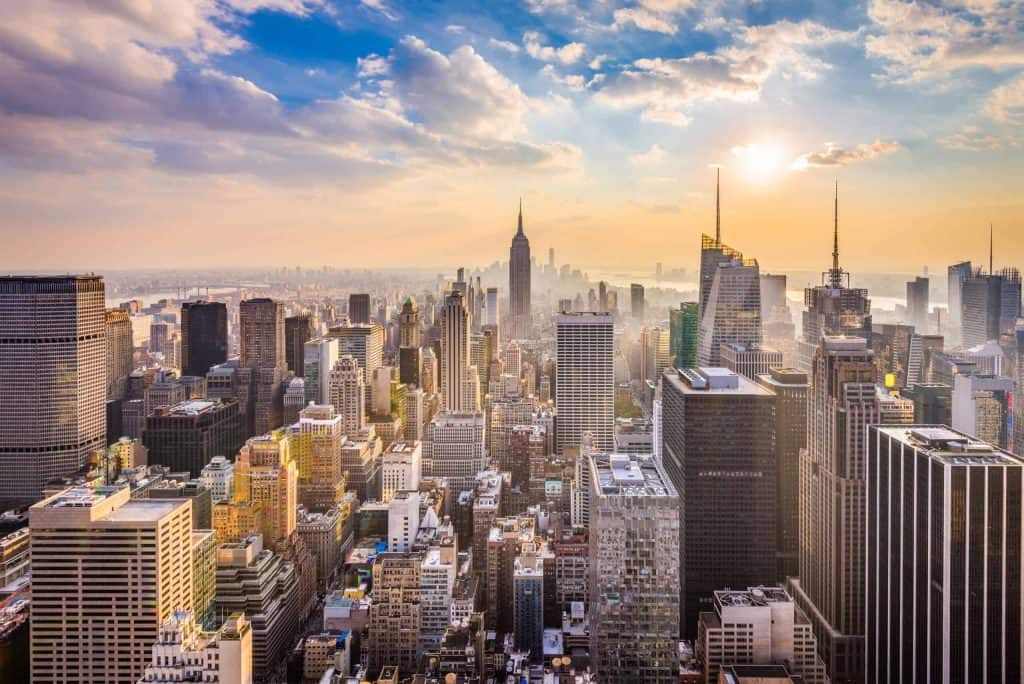
New York City depends on this tunnel as it supplies half of its drinking water every single day. It starts at the Rondout Reservoir in Ulster County and travels all the way to the Hillview Reservoir in Yonkers, in southwestern Westchester County.
Tunnel Leaks
©Dushlik/Shutterstock.com
Although the aqueduct has performed well for many years, it has sprung two significant leaks that were causing a loss of more than 30 million gallons daily. Construction of the Delaware Aqueduct Bypass Tunnel began in 2013, with an estimated cost of $1 billion and a projected completion date of 2023.
The two leaks in the Delaware Aqueduct were in two separate locations, including near the Hudson River and in Ulster County. The repair project has been ongoing for a decade to fix both of these leaks. The largest leak is the one located near the Hudson River and is the reason for the bypass project.
Repairing Leaks
©bogdanhoda/Shutterstock.com
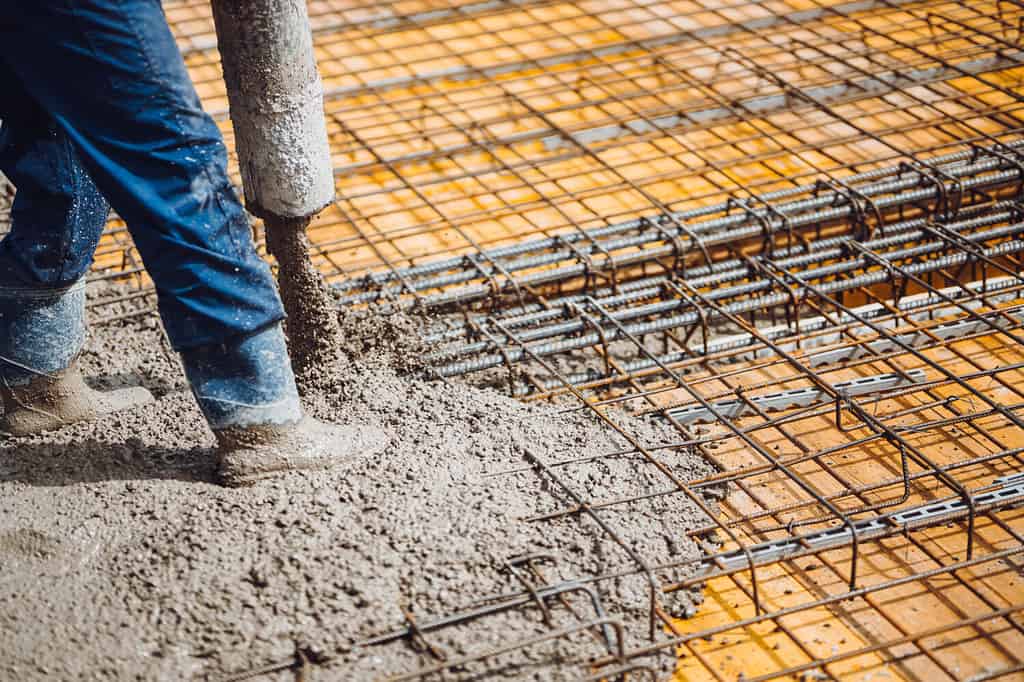
The smaller leak is under repair. The bypass tunnel was completed in 2022 but it still needs a connection to the original tunnel. This will require the Delaware Aqueduct to be shut down. The shutdown was originally on schedule for 2022 through 2023 and then delayed until October 2024. NYC DEP announced the final connection delay, pushing the shutdown until after 2027, citing the need for a new contract and contingencies.
How NYC Stays Hydrated During the Shutdown
To keep water flowing while the tunnel is dry, the city relies on a high-stakes backup plan:
- Ramping Up Secondary Systems: The city will lean on the Catskill Aqueduct and the Croton System to fill the gap. The Croton system alone can be boosted to provide 250 million gallons per day via its Bronx filtration plant.
- Creating a “Reservoir Buffer”: Leading up to the work, the DEP lowers Delaware River reservoirs to roughly 70% capacity. This creates space to collect mountain snowpack and rain without risk of overflow while the tunnel is out of service.
- Precision Timing: Shutdowns are scheduled for October when the city’s water demand is at its absolute lowest for the year.
- Drought Safety Switch: The project features a “Stop-Go” toggle. If a drought hits—as seen in late 2024—the DEP can pause construction and restart the water flow within days to ensure the city never runs low.
- The “Conservation” Pivot: While NYC originally planned to reactivate 67 wells in the Queens Groundwater System, those plans were shelved due to water quality concerns and emerging contaminants. Instead, the city successfully managed record-breaking droughts in late 2024 through targeted conservation and by optimizing the Catskill and Croton systems to handle the entire city’s demand.
What Was Delaware Aqueduct’s Primary Purpose?
©Serhii Ivashchuk/Shutterstock.com
Initially, the Board of Water Supply proposed a plan to develop the Delaware water supply system, and New York City later approved it. This occurred in 1927 and although there was initial agreement, there was an intervention. The state of New Jersey and New York City could not agree on the city’s right to use the tributaries of the Delaware River.
Supreme Court

©HABesen/iStock via Getty Images
Eventually, the Supreme Court intervened in 1931 and upheld New York City’s right to continue with the project in order to augment its water supply using water from the Delaware River. It was agreed that the project would draw from four reservoirs, including the Cannonsville, Neversink, Pepacton, and Rondout.
Wildlife Around the Delaware Aqueduct – Fish
©iStock.com/Campwillowlake
In the upper portion of the Delaware Aqueduct, there is a diverse range of wildlife. The Upper Delaware Region is home to both land and aquatic species. Efforts to protect the river also safeguard the wildlife in the area, providing the space and resources needed to thrive.
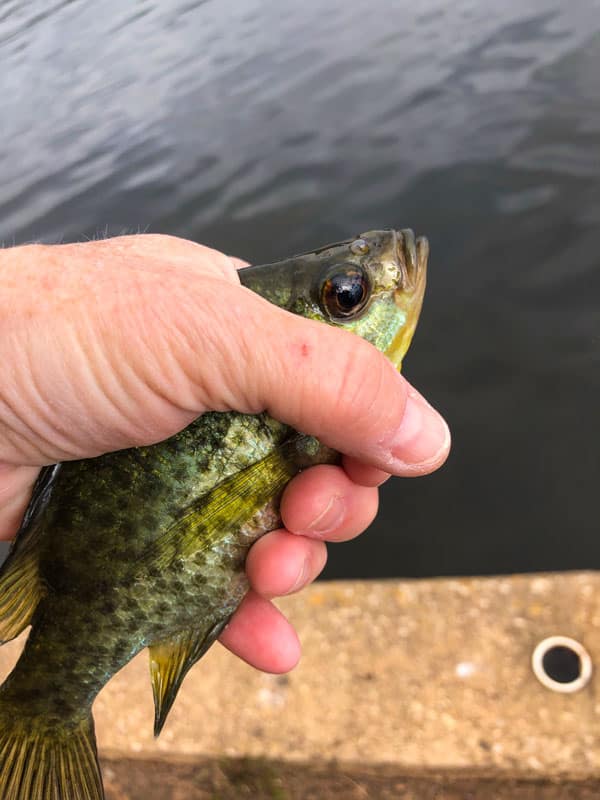
There are over 60 fish species that live in the river and its tributaries, including cold-water fish species, migratory fish species, gamefish species, and nongame fish species.
Wildlife Around the Delaware Aqueduct – Mammals

Mammals around the river include porcupines, gray foxes, black bears, eastern chipmunks, and little brown bats. Reptiles include eastern milksnakes and painted turtles.
Ready to test your knowledge? Jump back up to take the quiz!