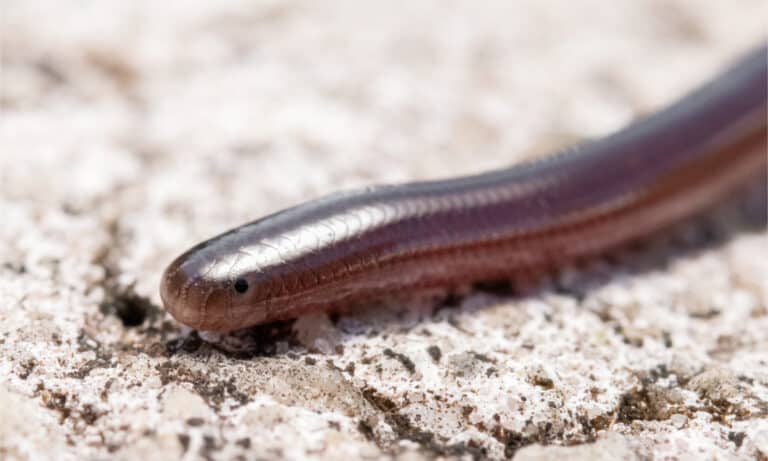
Brahminy Blindsnake
The world-traveling all-female snake

The world-traveling all-female snake
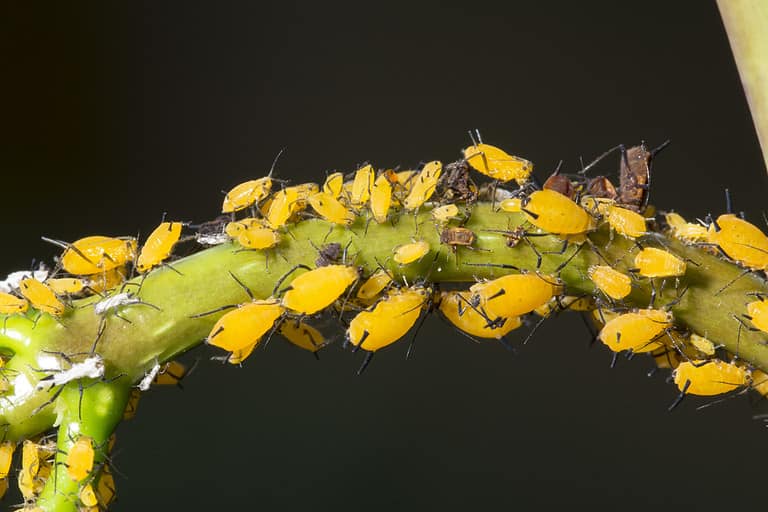
Golden sap-sipper of milkweed
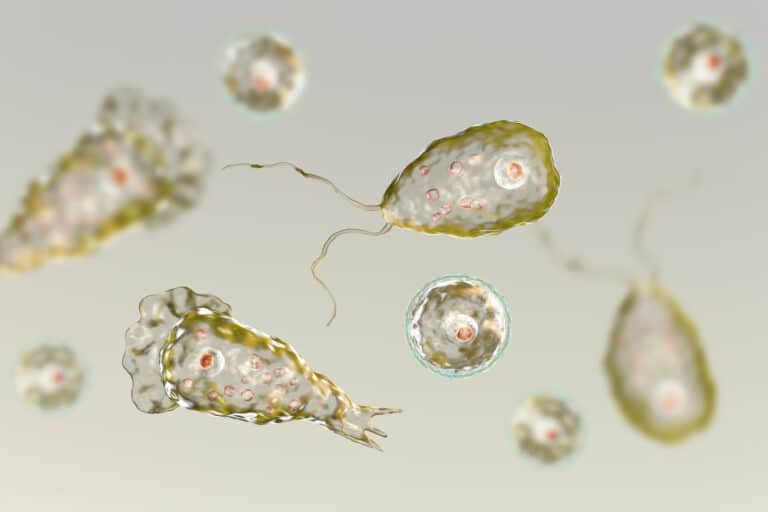
Warm water, wrong way-protect your nose
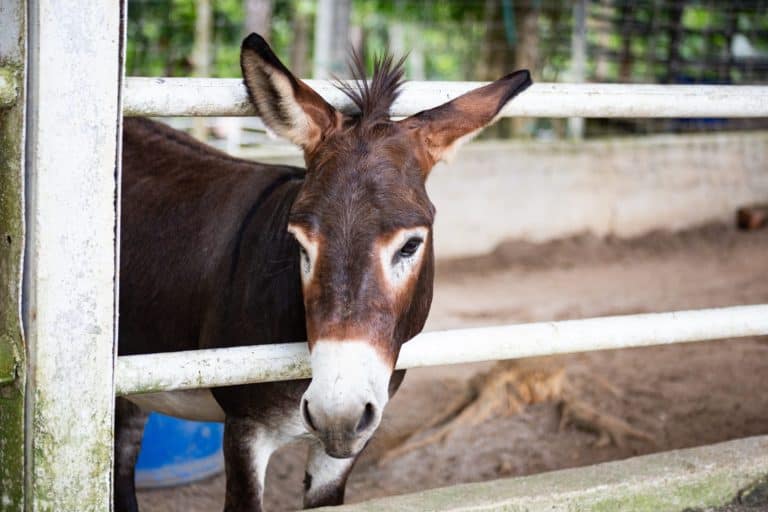
Built to go farther, step surer.
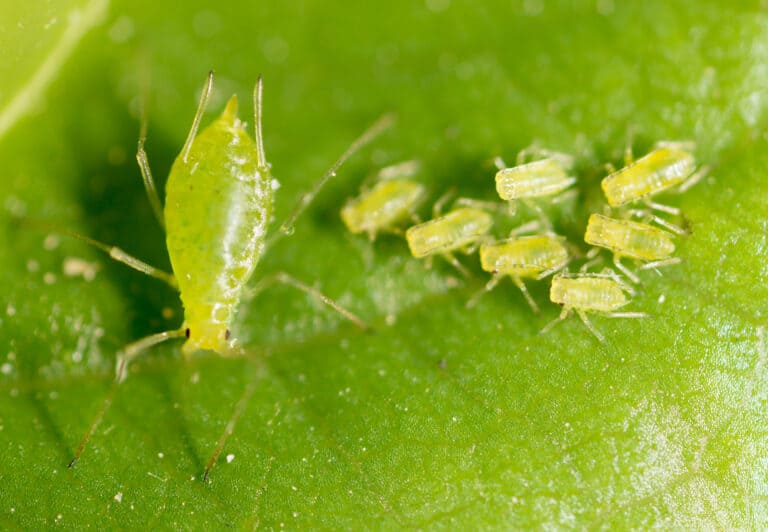
Tiny sapsuckers, huge plant impact
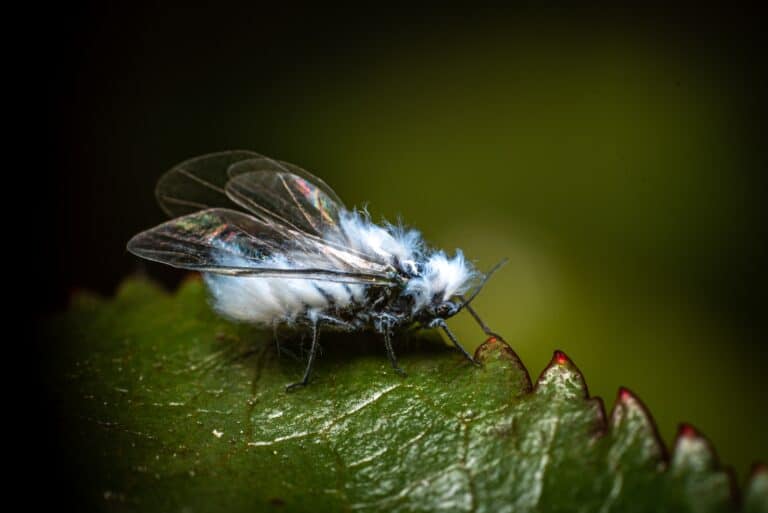
Tiny bugs, big cottony colonies
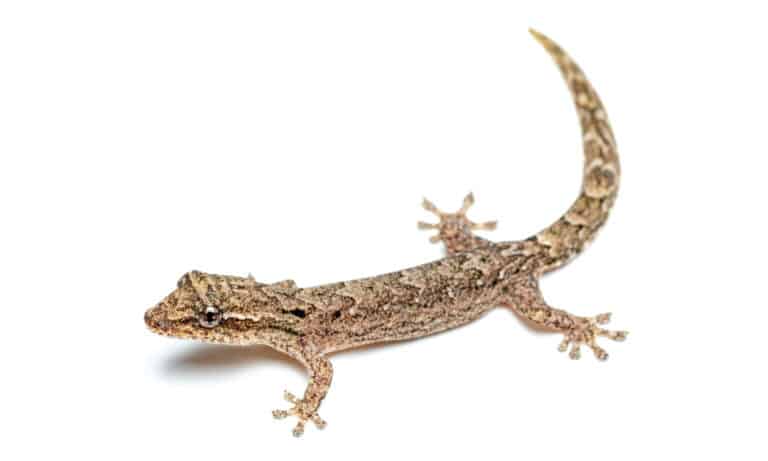
One gecko can start a colony
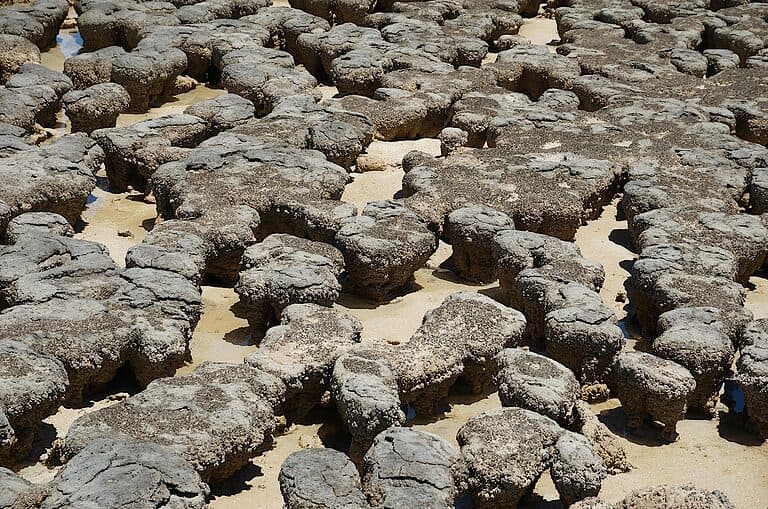
Rocks built by microbes, for eons
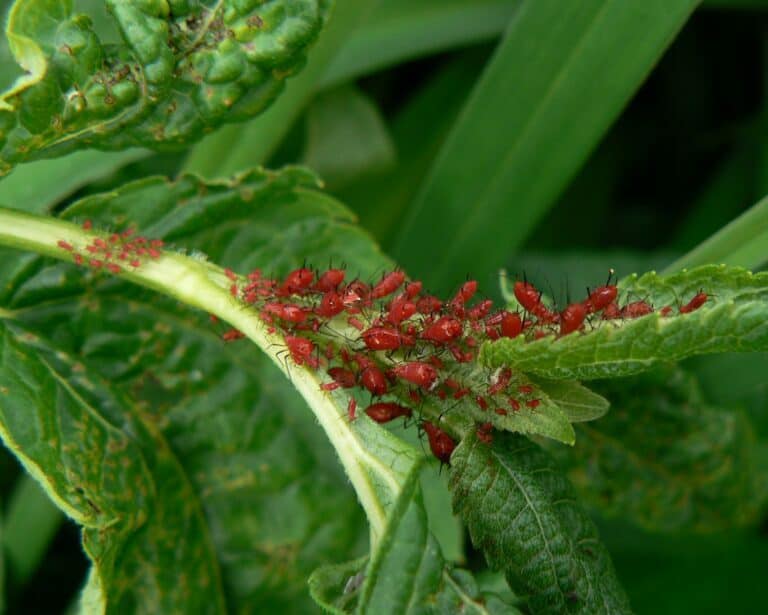
Tiny red sap-sippers, big plant impact
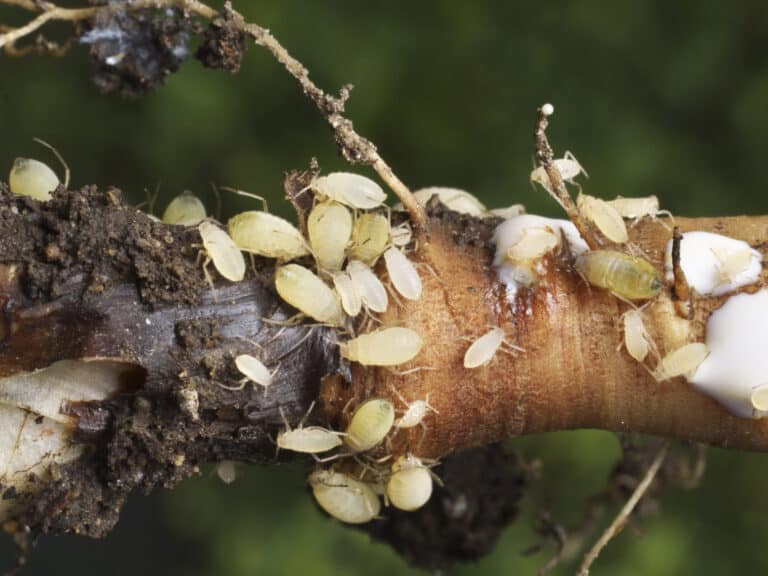
Small sap-feeders, big ecosystem impact
Asexual reproduction is a reproductive mode in which offspring are produced by a single parent without mating or the fusion of gametes from two individuals. The resulting offspring are genetically identical or nearly identical to the parent, depending on the mechanism involved.
In asexual reproduction, one organism makes offspring alone. Methods include binary fission, budding, fragmentation/regeneration, clonal propagules (like asexual spores or runners), and parthenogenesis in some animals. There is no mate choice. Asexual groups reproduce fast and can spread quickly but have less genetic mixing and may be more at risk from environmental change, parasites, and harmful mutations. Some species can switch modes (facultatively asexual), others are only asexual; variation still comes from mutation or rare genetic exchange.
Etymology: From Greek a- ("not, without") + sexual, via Latin sexualis ("of sex"), ultimately from Latin sexus ("sex"). Literally "without sex."
Found across: Cnidarians (e.g., hydras, many corals/jellies via budding or fission), Platyhelminthes (flatworms; fission and regeneration), Rotifers (especially bdelloids; obligate asexuality common), Arthropods (many insects/mites; parthenogenesis common in aphids and some stick insects), Echinoderms (some sea stars and brittle stars; fragmentation and regeneration), Crustaceans (e.g., some crayfish and water fleas; parthenogenesis/cyclical parthenogenesis), Vertebrates in rare/facultative cases (some reptiles, fishes, and sharks; occasional parthenogenesis or gynogenesis)
Asexual reproduction isn't always "cloning" in the strictest sense: many asexual lineages still generate genetic variation through mutations, chromosome reshuffling, or mechanisms like automixis (a kind of self-fertilization in parthenogenesis).
Some animals can "switch modes": certain species reproduce asexually when conditions are good (rapid population boom), then switch to sexual reproduction when conditions change to increase genetic diversity.
Asexual reproduction can be astonishingly fast-some microbes can double in minutes, meaning a single individual can theoretically produce millions to billions of descendants in a short time under ideal conditions.
Many "simple" asexual strategies are actually precision biology: budding hydra or yeast must tightly control body patterning and cell division so the offspring forms correctly, not as a malformed lump.
Asexual reproduction can create long-lived lineages that challenge assumptions about the necessity of sex-some groups appear to have persisted for extremely long evolutionary times without regular sexual reproduction (though truly ancient, strictly asexual lineages are rare and debated).
Built to go farther, step surer.
The world-traveling all-female snake
Tiny red sap-sippers, big plant impact
Small sap-feeders, big ecosystem impact
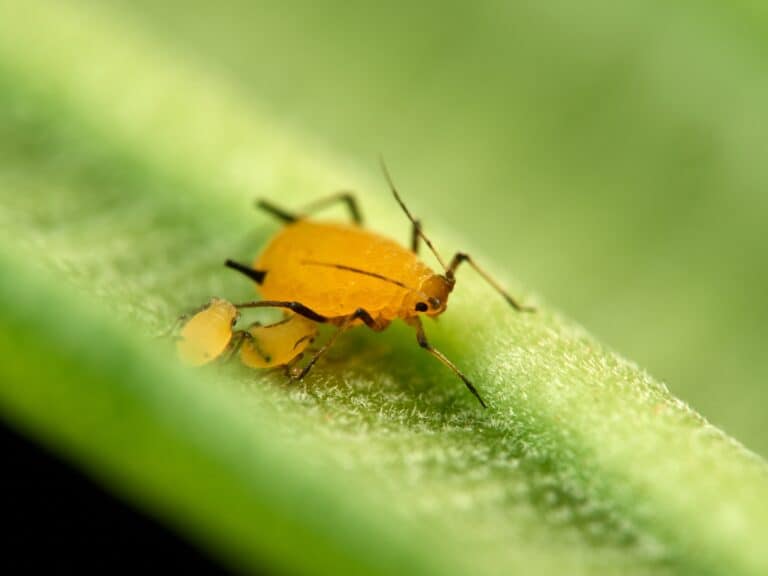
Tiny sippers, big garden impact.
Tiny sapsuckers, huge plant impact
Tiny bugs, big cottony colonies
Warm water, wrong way-protect your nose
Golden sap-sipper of milkweed
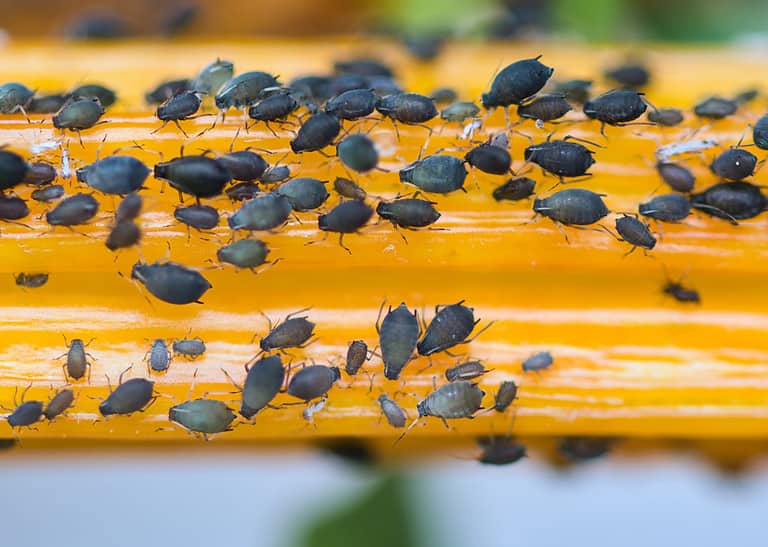
Tiny bugs, huge plant impact
Rocks built by microbes, for eons
One gecko can start a colony
Thank you for reading! Have some feedback for us?
We appreciate your help in improving our content.
Our editorial team will review your suggestions and make any necessary updates.
There was an error submitting your feedback. Please try again.