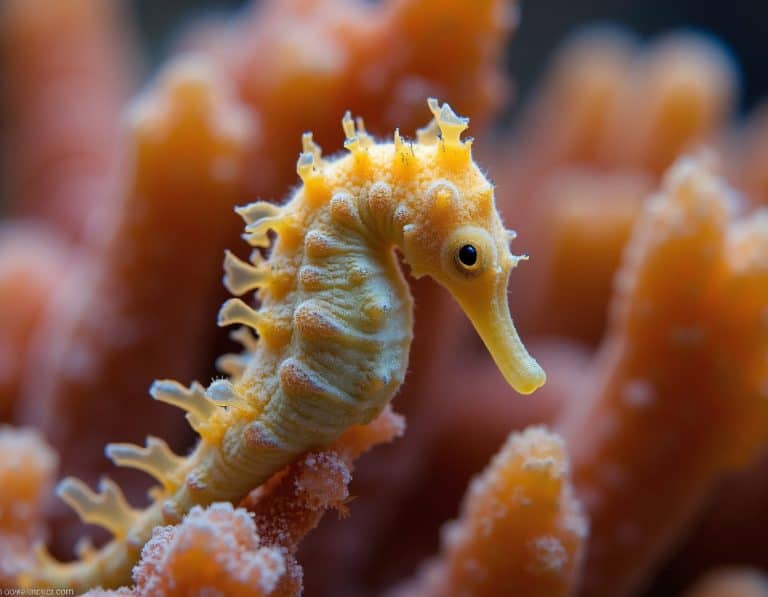
Seahorse
Dads who carry the ocean's babies

Dads who carry the ocean's babies
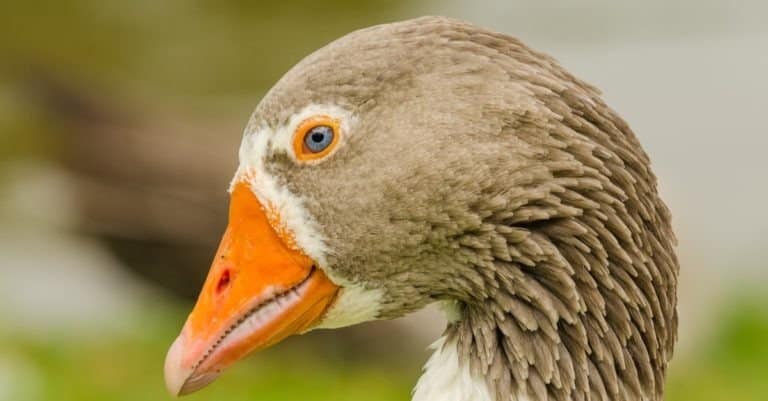
Webbed feet, sky roads, wetland lives
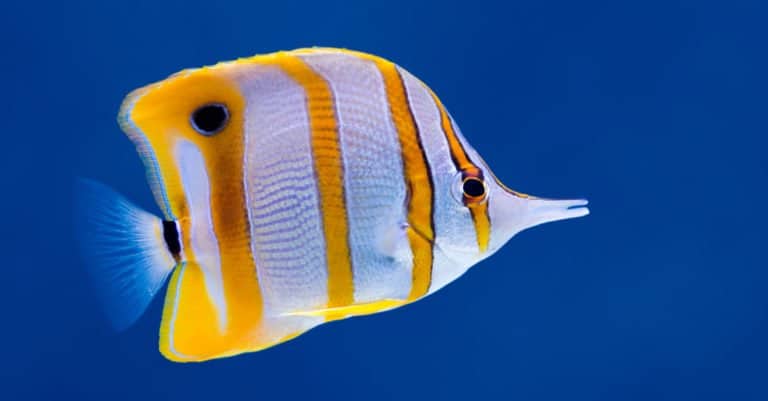
Color-coded courtiers of the coral reef
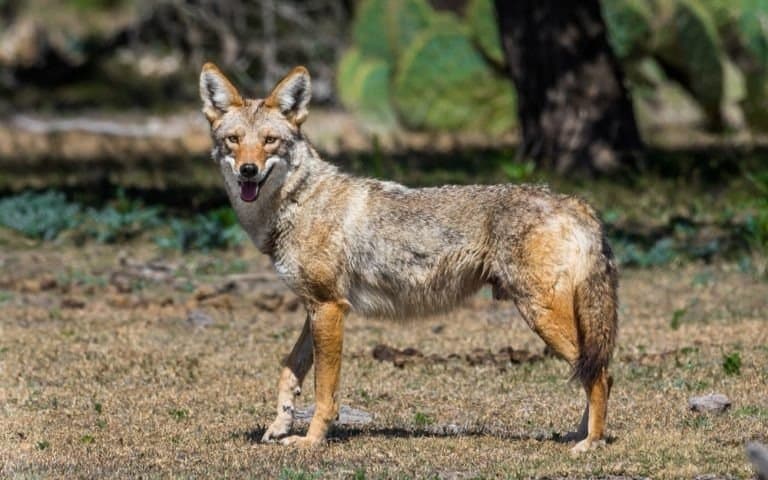
Built for every habitat.
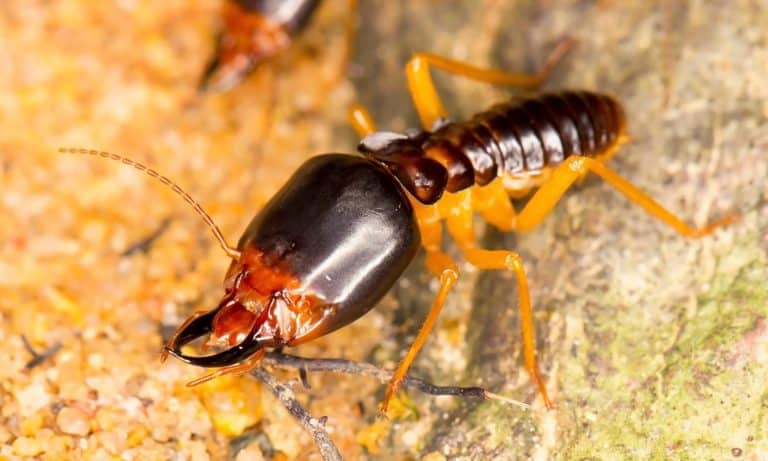
Nature's master recyclers (and builders)
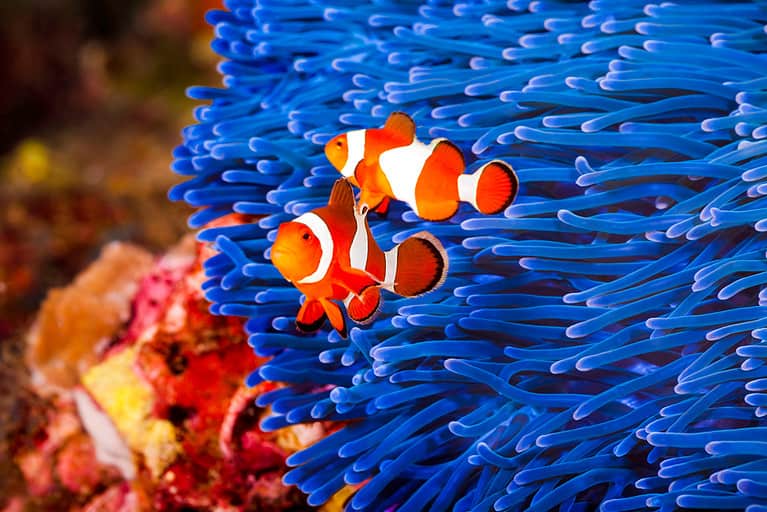
The anemone's bold little bodyguard
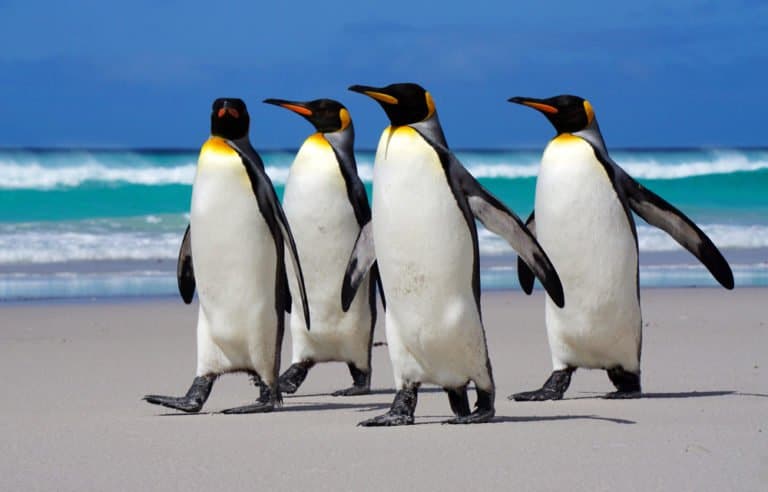
Born to dive, dressed to endure
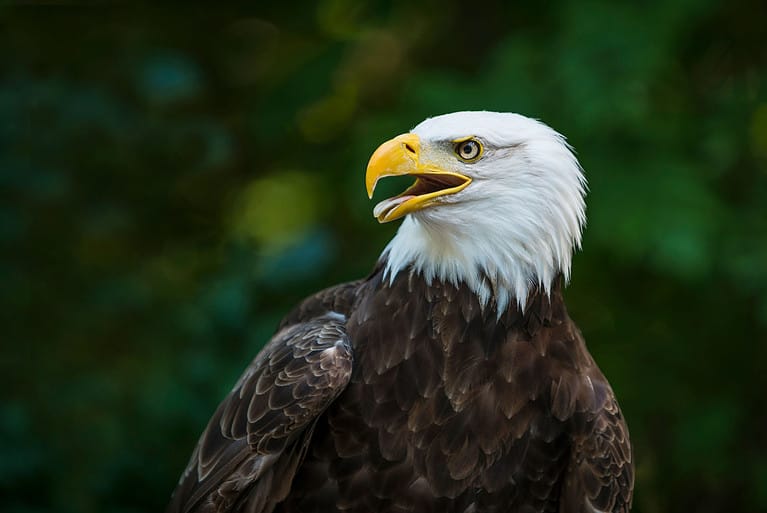
Feathers, flight, and endless variety
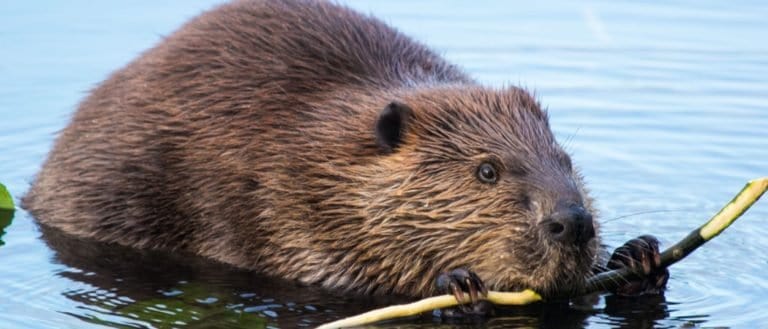
Build wetlands, shape worlds.
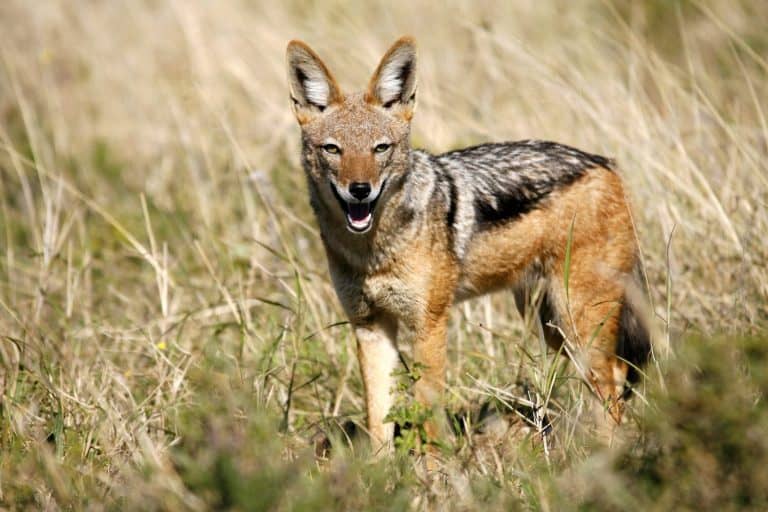
Small canids, big survival skills
Monogamy is a mating system in which one male and one female form an exclusive reproductive partnership for at least a breeding season. The pair typically mates primarily with each other, although complete genetic exclusivity is not guaranteed in all cases.
Monogamy usually means a stable social pair that breeds together in a shared space (territory, nest, or home range). Partners help with courtship, guarding, and caring for young. It can be seasonal or last many years. Monogamy often links to biparental care. Social monogamy is not always genetic monogamy, because extra-pair mating can happen. It is favored when young need much care, mates are hard to find, or resources are spread out.
Etymology: From Greek mono- meaning "single, alone" + -gamy from gamos meaning "marriage".
Found across: Birds (especially seabirds like albatrosses/petrels, many waterfowl, some raptors and songbirds), Mammals (notably some rodents like voles, some primates like gibbons, and some carnivores like wolves/foxes), Fishes (some seahorses, reef fishes such as butterflyfishes, and select cichlids), Amphibians (a few lineages with high parental care, e.g., some dendrobatid frogs), Reptiles (comparatively rare but present in a few skinks and other taxa), Insects (notably termites, where a king and queen can form long-term reproductive pairs)
Social monogamy and genetic monogamy often diverge: many "monogamous" species form stable pairs but still have occasional extra-pair fertilizations, so the social partner isn't always the genetic parent.
Monogamy is rare in mammals but relatively common in birds: most bird species are socially monogamous for at least a season, while only a small fraction of mammals form long-term pair bonds.
Monogamy can evolve for reasons other than romance: it may be favored when offspring are costly and need two parents, when suitable mates are widely spaced, or when guarding a mate is more effective than roaming for others.
Even in monogamous pairs, partners may "divorce": if a breeding attempt fails or a better option appears, some species switch mates between seasons despite being monogamous within a season.
Monogamy doesn't always mean equal effort: in some monogamous species one partner contributes far more parental care, while still maintaining a stable pair bond for territory, protection, or breeding access.
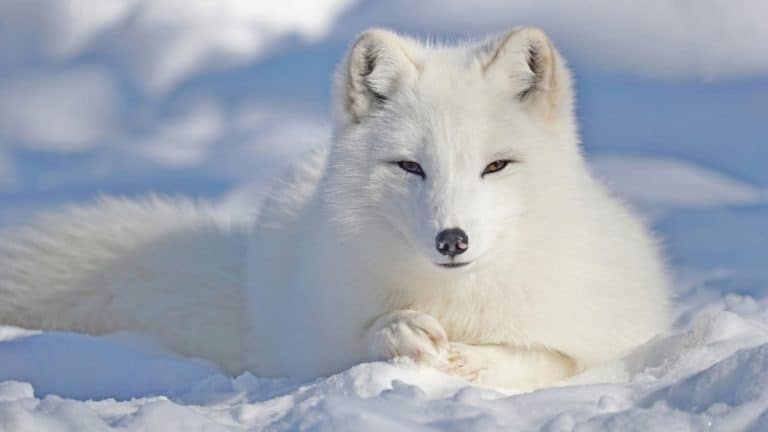
Built for blizzards, born for tundra
Build wetlands, shape worlds.

Webbed feet, world travelers.
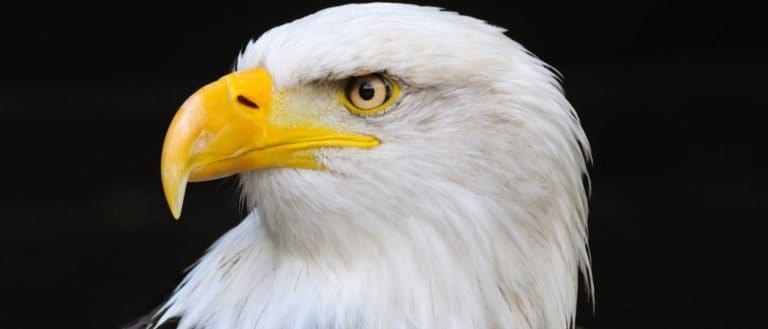
Built to soar, born to strike
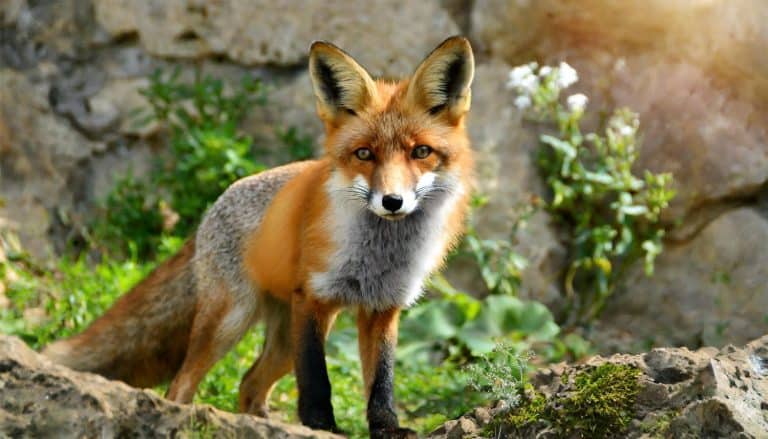
From dunes to tundra-fox smart.
Webbed feet, sky roads, wetland lives
Small canids, big survival skills

Plain feathers, legendary night song
Born to dive, dressed to endure
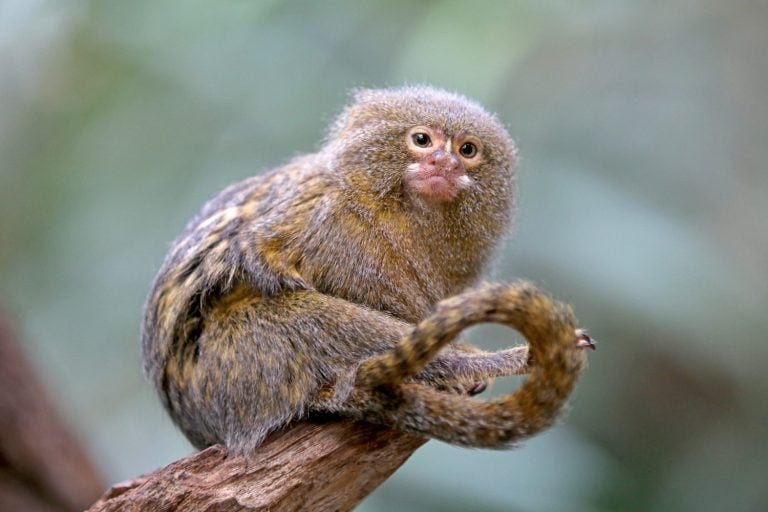
Tiny sap-sipping acrobats of the Amazon
Nature's master recyclers (and builders)
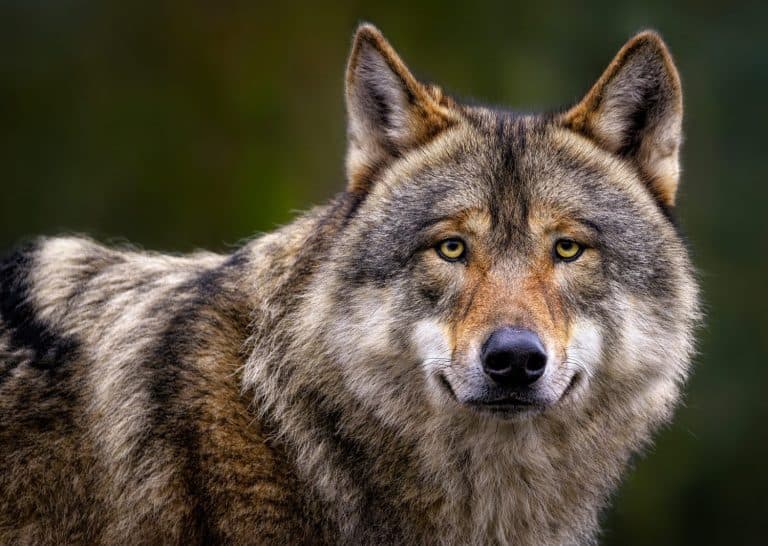
Packs, howls, and healthy wildlands
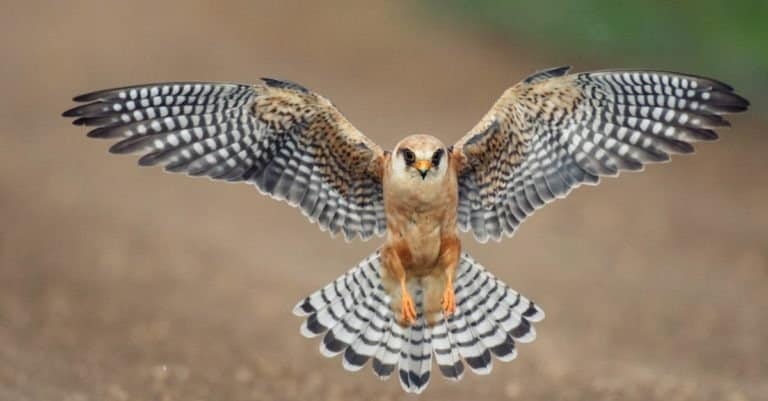
Speed, smarts, and sky mastery
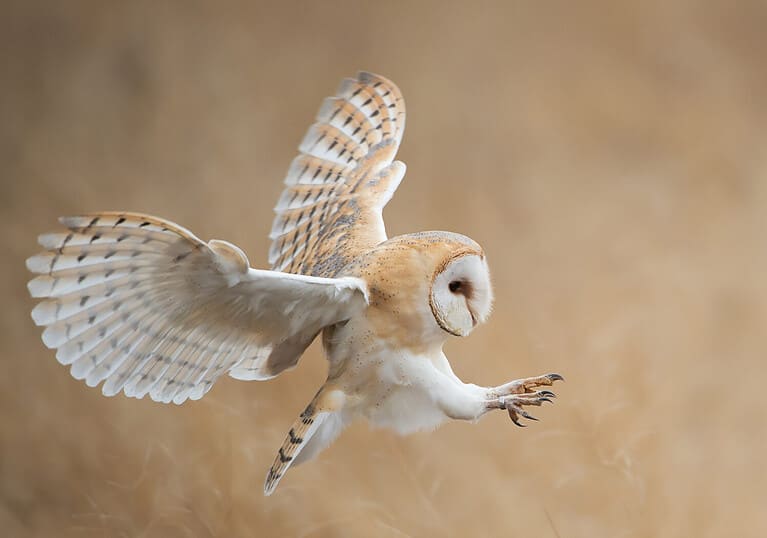
Heart-faced hunter of the night
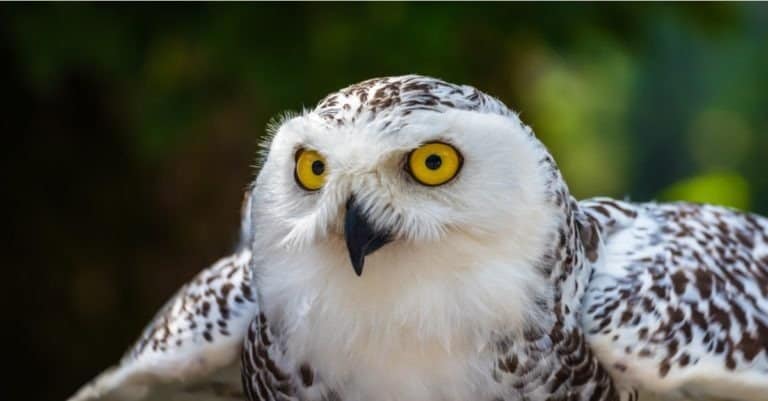
White hunter of the wide tundra

The hoot that rules the woods
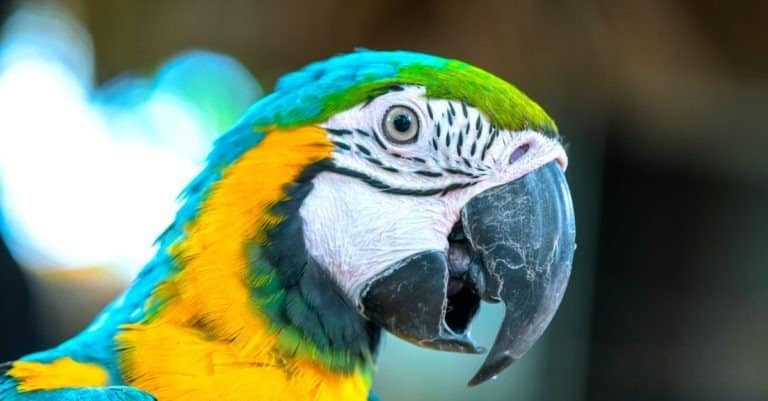
Brains, beaks, and big voices
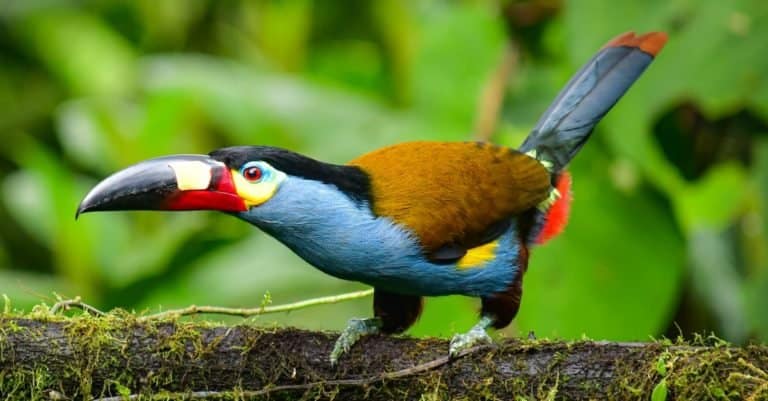
Big bill, bigger forest role
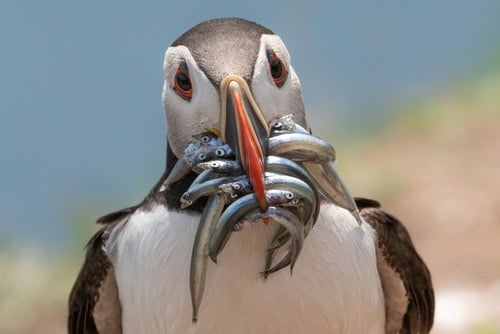
Wing-powered divers of the cold seas
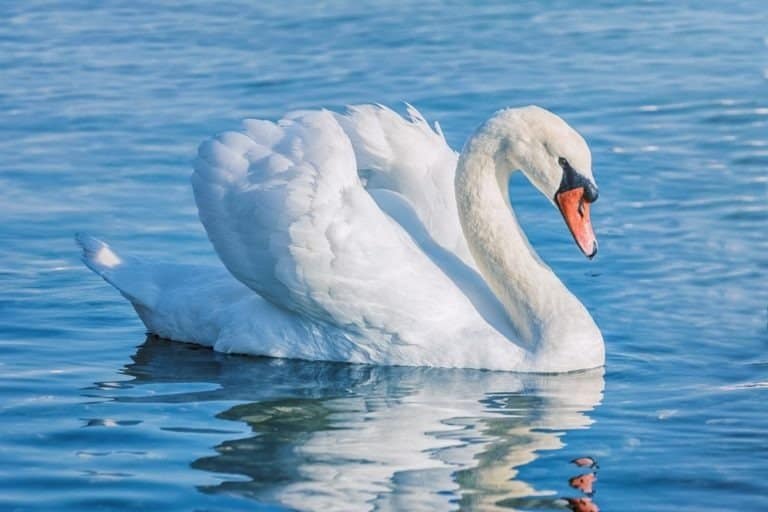
Long necks, loud wings, living legends.
Built for every habitat.
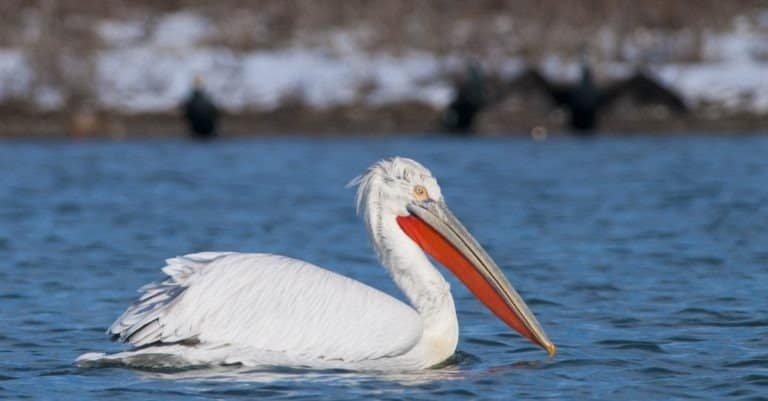
Big bill, bigger teamwork.
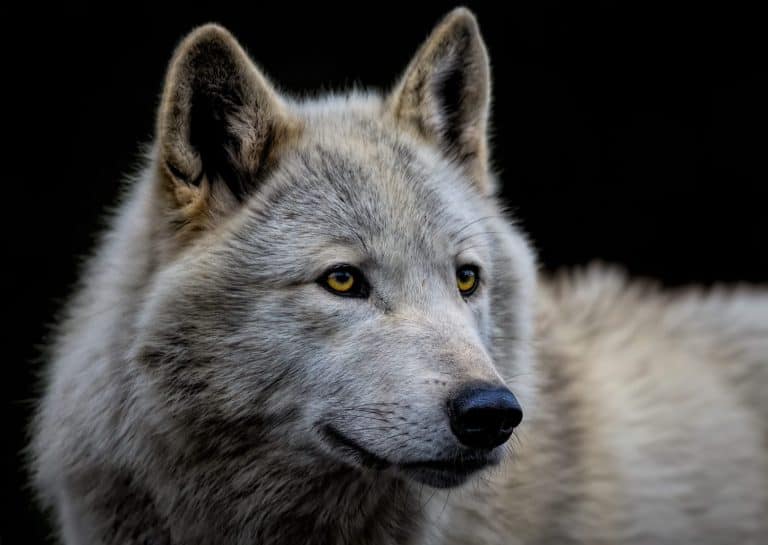
Built for the High Arctic
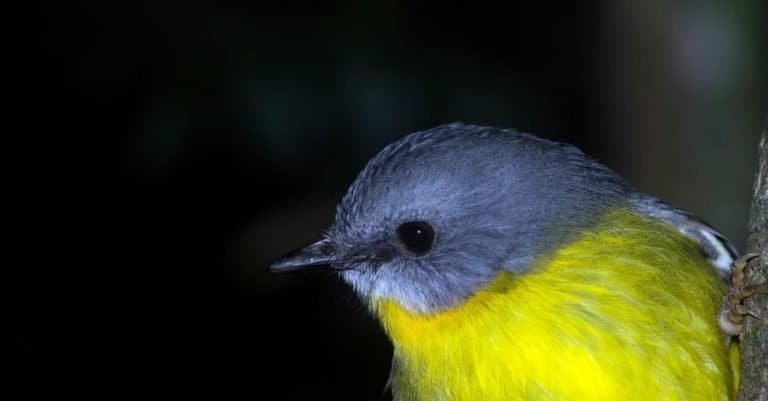
Different birds, one familiar name
Thank you for reading! Have some feedback for us?
We appreciate your help in improving our content.
Our editorial team will review your suggestions and make any necessary updates.
There was an error submitting your feedback. Please try again.