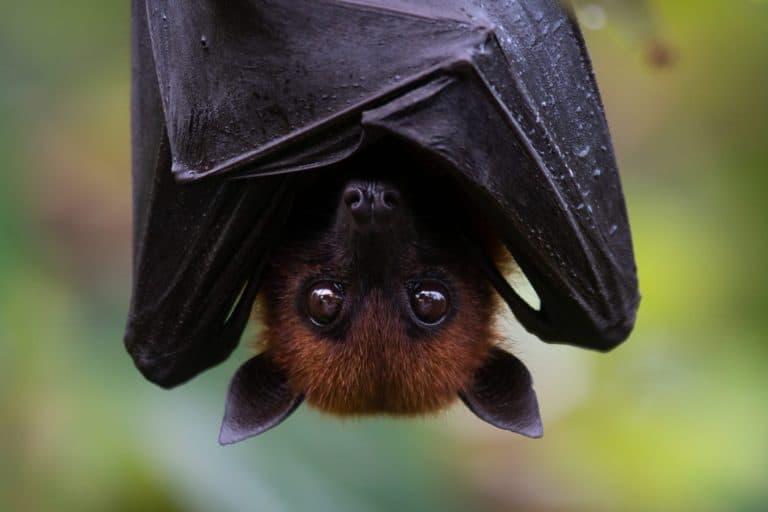
Bat
Night pilots of the mammal world

Night pilots of the mammal world
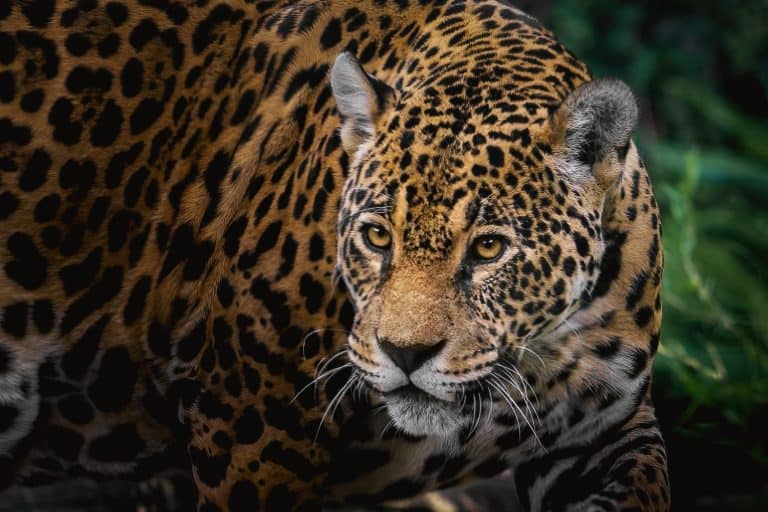
Power of the Americas' apex cat
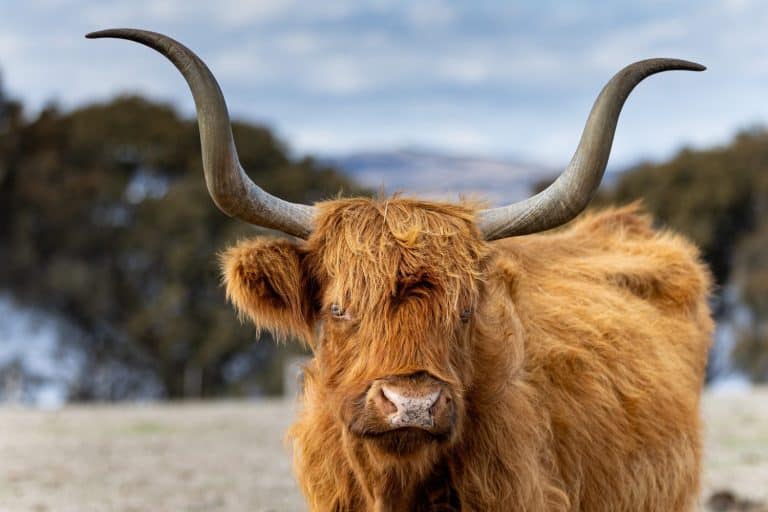
Built for bad weather, born in Scotland

Stripes of Asia's top predator
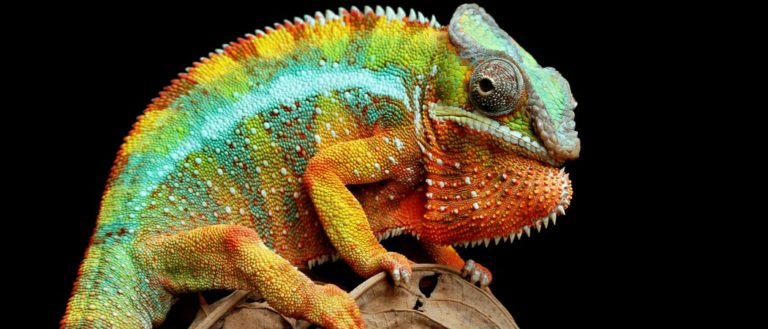
From geckos to dragons-lizard power
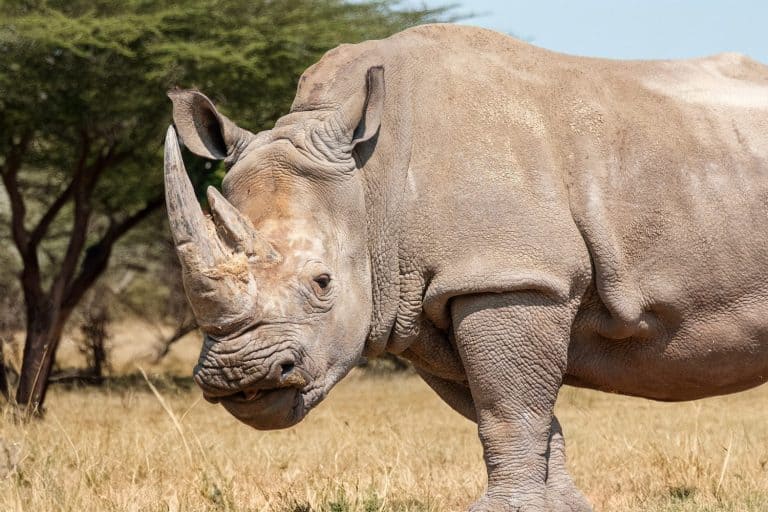
Wide-lipped grazer, savanna guardian
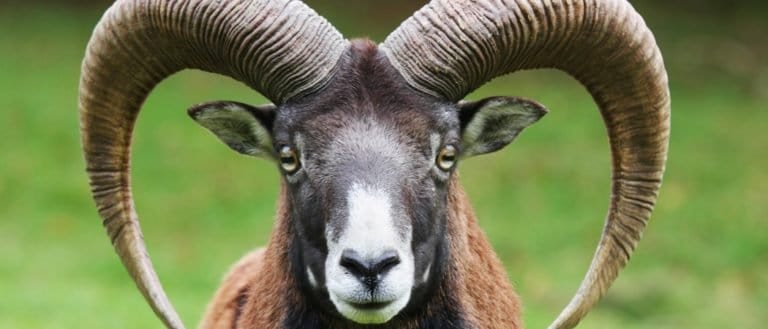
Sure-footed masters of rock and range
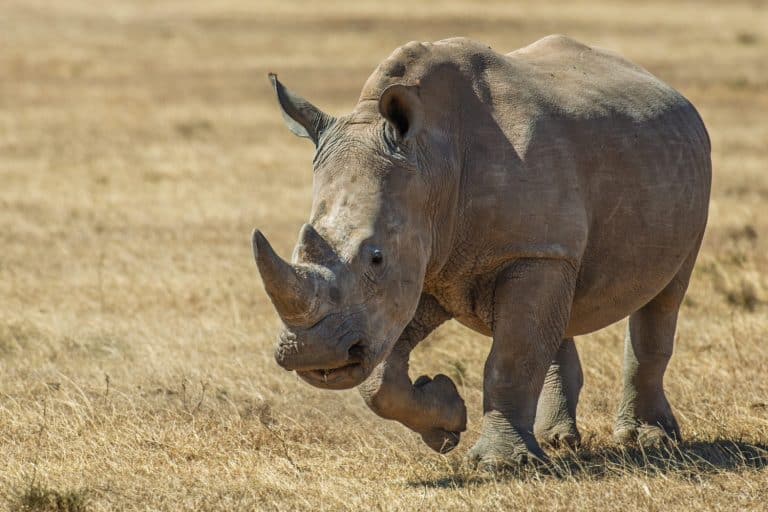
Keratin horns, colossal impact
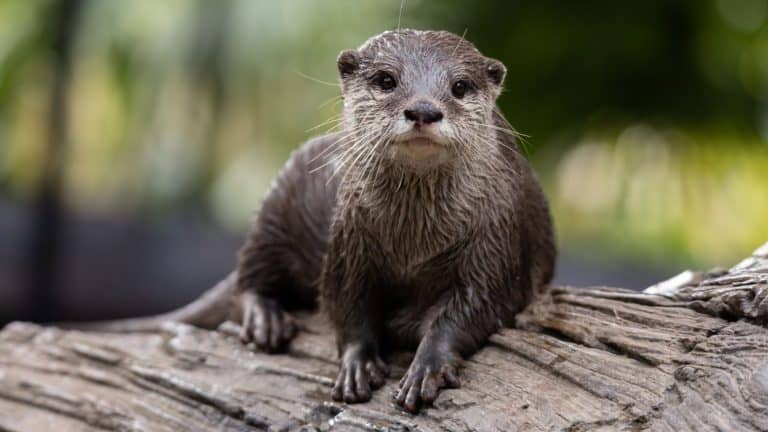
Built for water, born to hunt
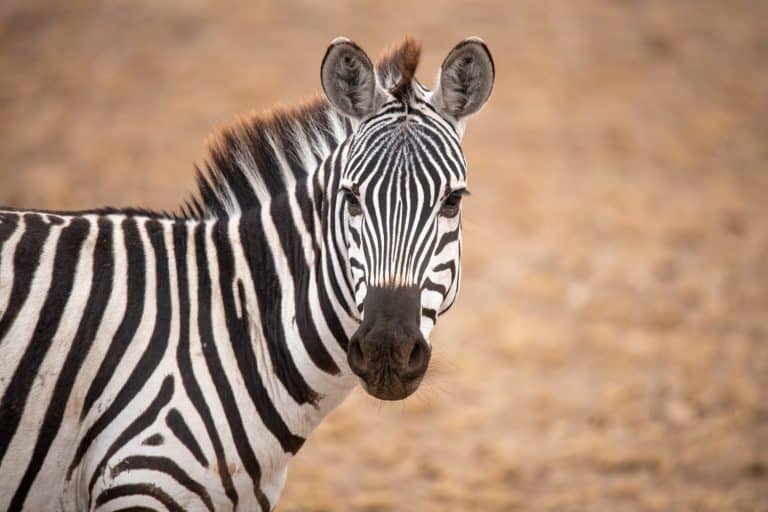
Stripes built for the African wild
Polygyny is a mating system in which one male mates with multiple females, typically within the same breeding season, territory, or social group. It creates reproductive groups where several females share access to a single breeding male.
Polygyny happens when males can defend resources (food, nesting sites, shelters) or several females. A male may hold a territory that attracts females (resource-defense), guard a harem of females (female-defense/harem), or display where females choose (lek-based). One male may father many young, so male success is uneven, causing strong competition and traits like large size, antlers/horns, ornaments, and courtship. Females accept polygyny if benefits (better territory, protection, good genes) outweigh costs; social polygyny may include extra-pair mating.
Etymology: From Greek roots meaning "many" (polys) and "woman/female" (gynē), literally "many females."
Found across: Mammals: especially pinnipeds (seals/sea lions), many ungulates (deer, antelope), some primates (gorillas), and some carnivores (lions), Birds: lekking and resource-defense species (grouse, peafowl, ruffs, many blackbirds/weavers), Amphibians: many frogs/toads where territorial calling males attract multiple females, Reptiles: some lizards with territorial males controlling access to multiple females, Fish: some cichlids and other species with territorial/resource-holding males that attract multiple females to nests or spawning sites
Polygyny often evolves because of females, not just males: when females cluster around key resources (food, nest sites, safe habitat), a single male can "monopolize" access by defending the resource area-female distribution can drive the whole mating system.
In many polygynous species, females still get to choose: they may prefer males with prime territories, impressive displays, or proven parenting/defense ability. The male "with many mates" is frequently the male many females actively select.
Polygyny can turbocharge evolution of extreme traits: because a few males may sire a huge fraction of the next generation, sexual selection can strongly favor big bodies, weapons (antlers, horns), or extravagant signals-often more than natural selection would prefer.
Male reproductive success is typically far more uneven than female success: many males may father zero offspring in a season while a small number father dozens-this high variance is one reason polygyny is linked to intense male-male competition.
"Social" polygyny doesn't always equal genetic polygyny: even in one-male groups or harems, DNA studies often reveal that some offspring are sired by "sneaker" males, neighbors, or roaming males-behavior and genetics can tell different stories.
Night pilots of the mammal world

Humps of fat, miles of grit
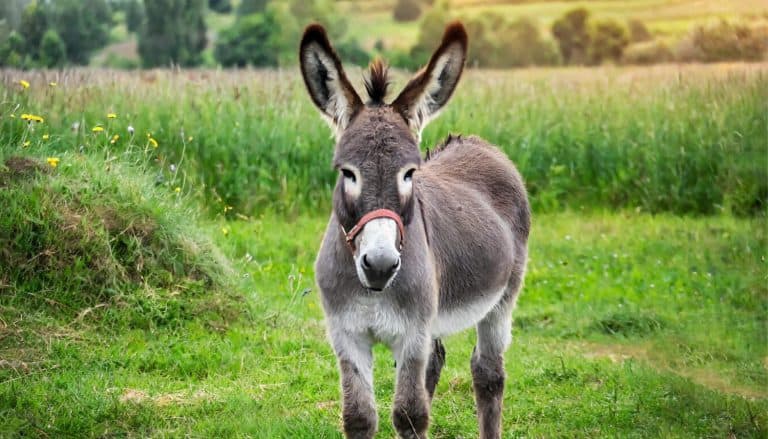
Sure-footed partner of people

Lightning hunter of the Amazon
Sure-footed masters of rock and range

Gentle giants of the African forests
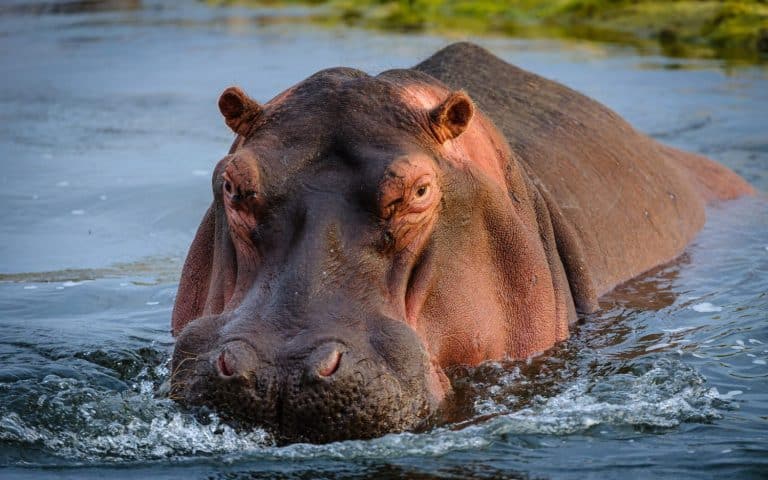
Big river grazer, bigger attitude
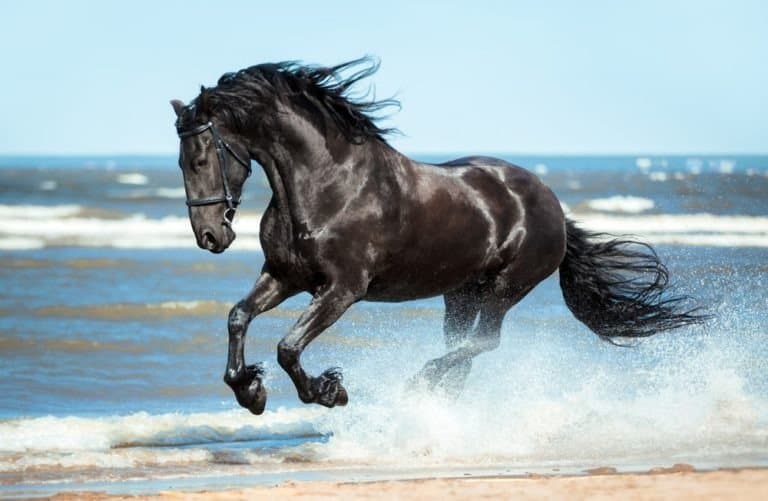
One hoofbeat, a thousand histories
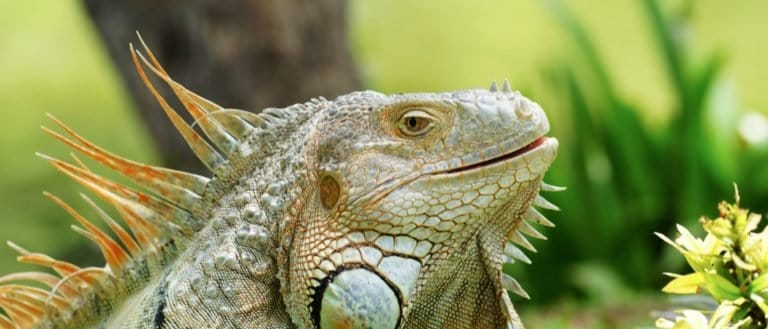
Sun-powered lizards of the Americas
Power of the Americas' apex cat

Big hops, big pouches, big variety
From geckos to dragons-lizard power
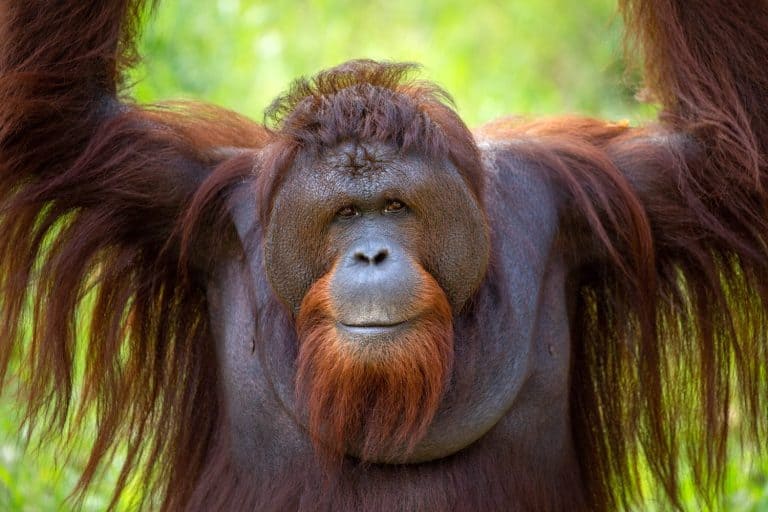
Red apes, rainforest architects
Built for water, born to hunt
Keratin horns, colossal impact
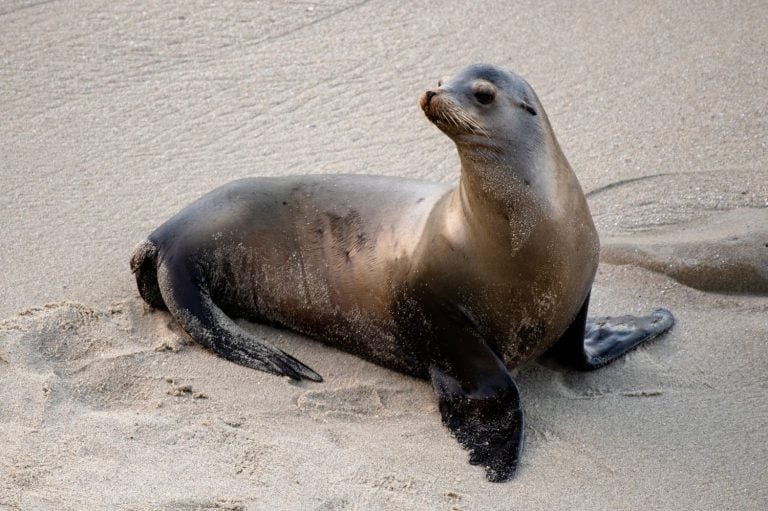
Ear flaps, flippers, and fierce colonies
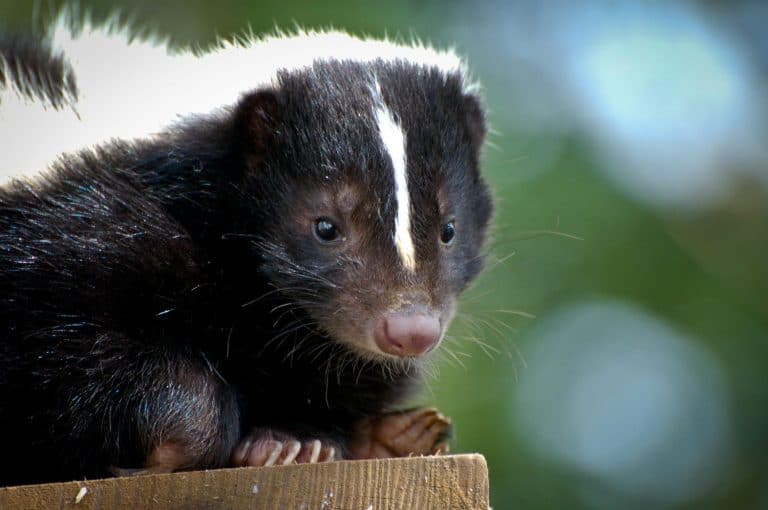
Bold stripes, bigger attitude.
Stripes of Asia's top predator
Wide-lipped grazer, savanna guardian
Stripes built for the African wild
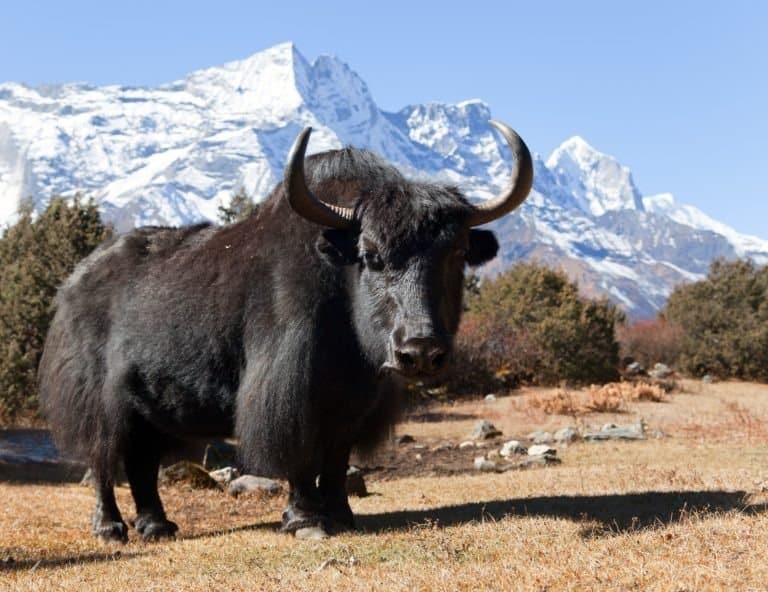
Built for thin air and bitter cold
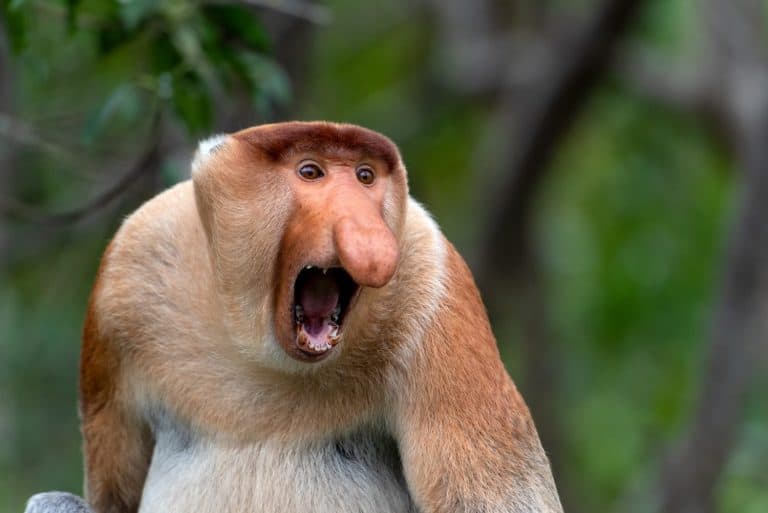
The river-nose of Borneo
Built for bad weather, born in Scotland
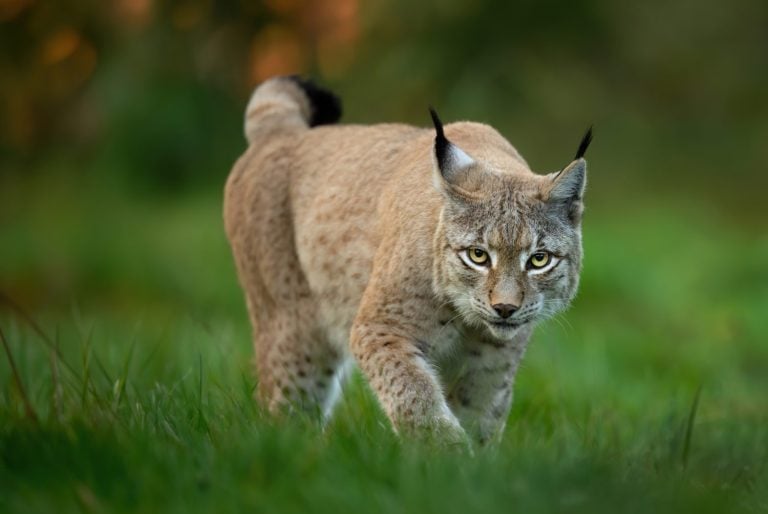
Tufted ears. Silent steps. Northern hunters.
Thank you for reading! Have some feedback for us?
We appreciate your help in improving our content.
Our editorial team will review your suggestions and make any necessary updates.
There was an error submitting your feedback. Please try again.