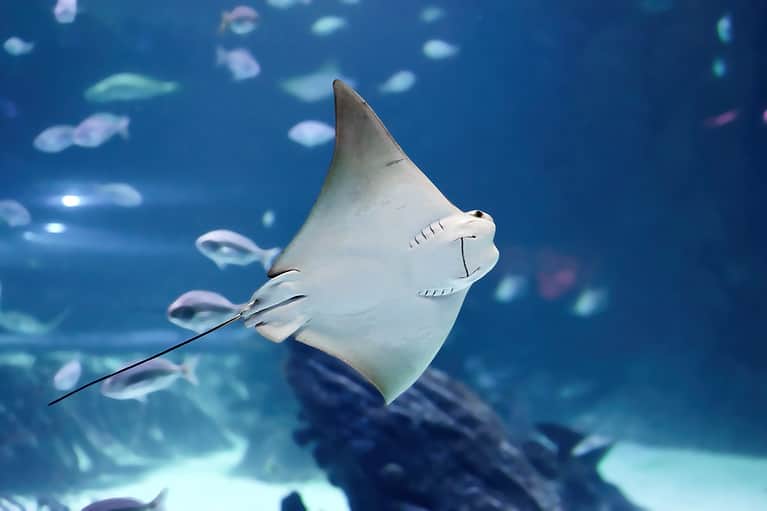
Stingray
Stingrays: discs, senses, and surprises

Stingrays: discs, senses, and surprises
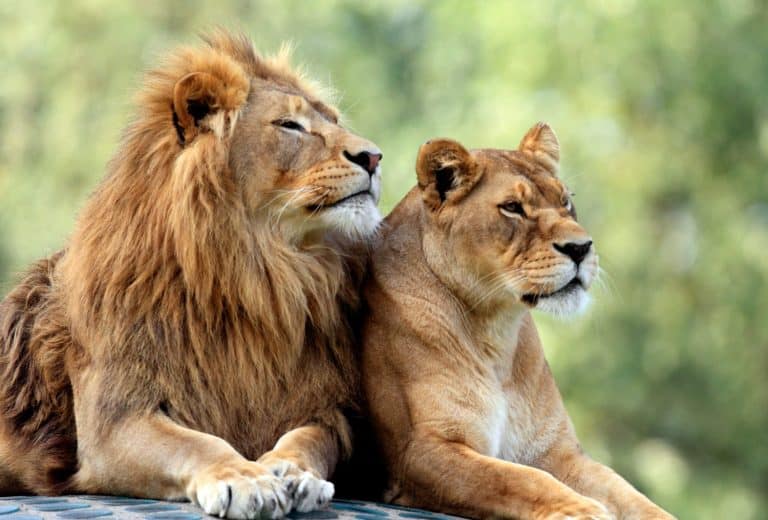
Built for prides, born for the hunt
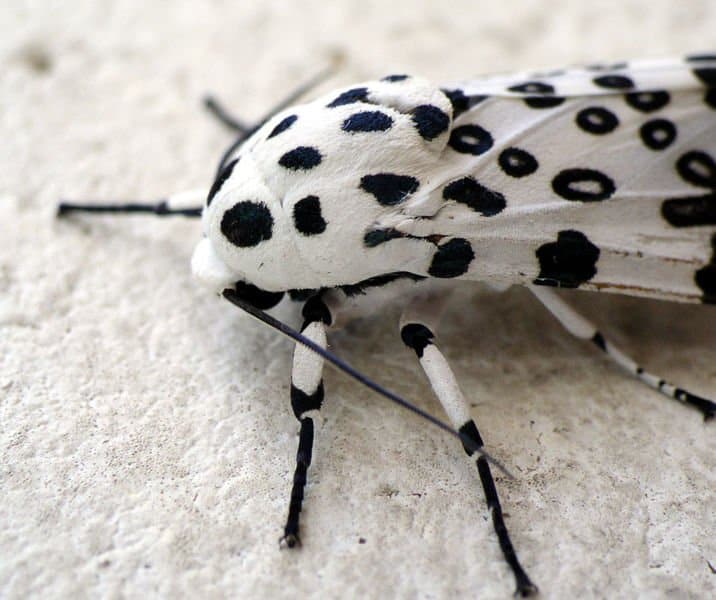
Six legs, endless lives.
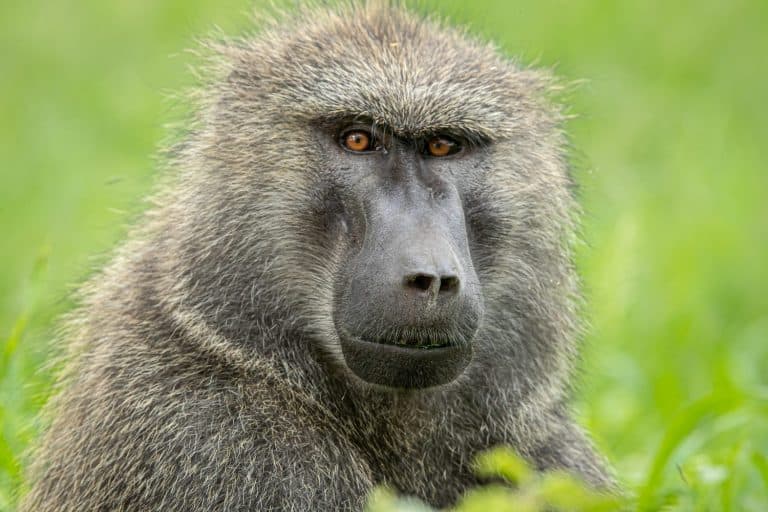
Big brains, bold troops, wild Africa
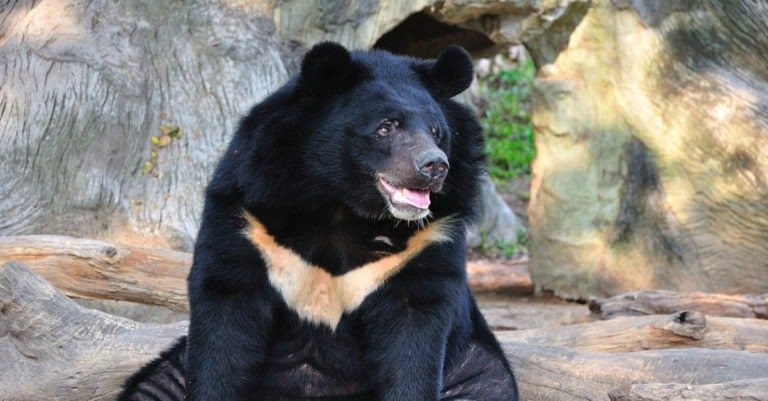
Moon-marked climber of Asian forests
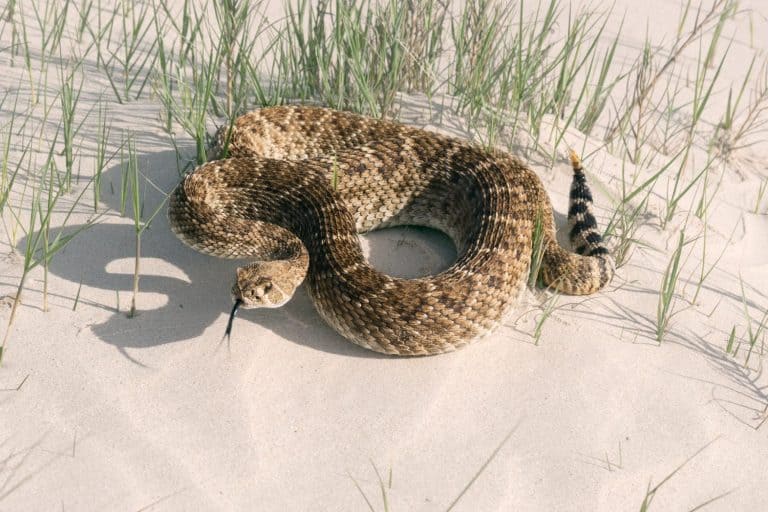
Hear the rattle, give it space.
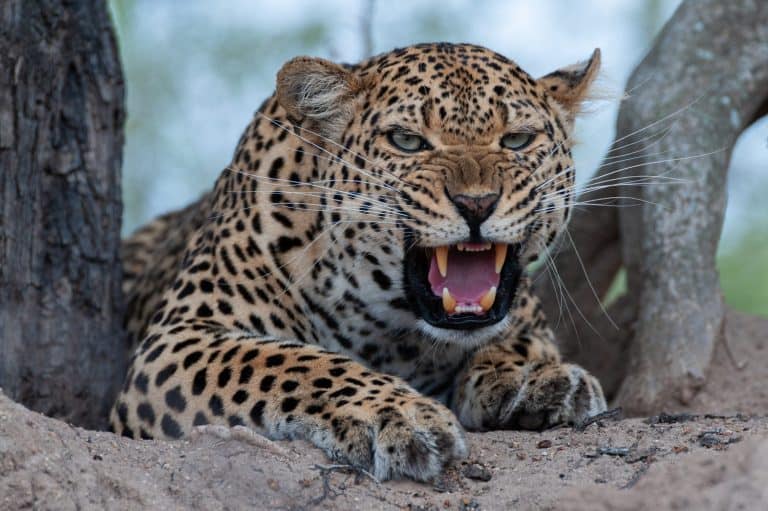
Rosettes in the shadows.
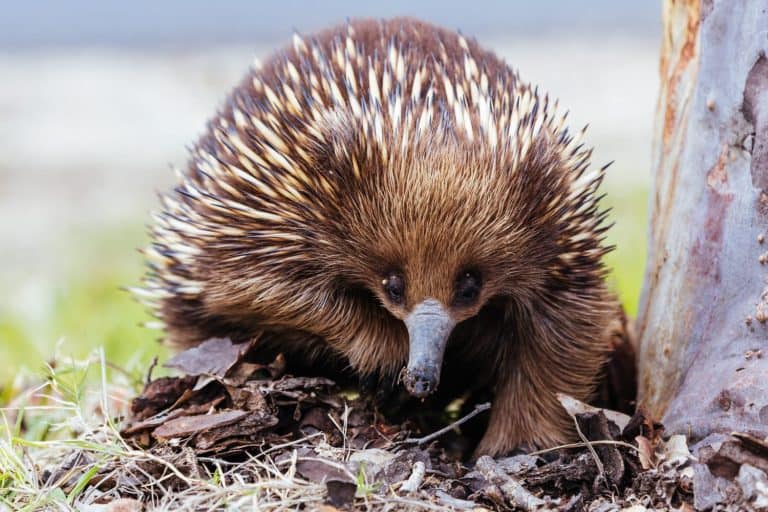
Spines, eggs, and ant-eating mastery
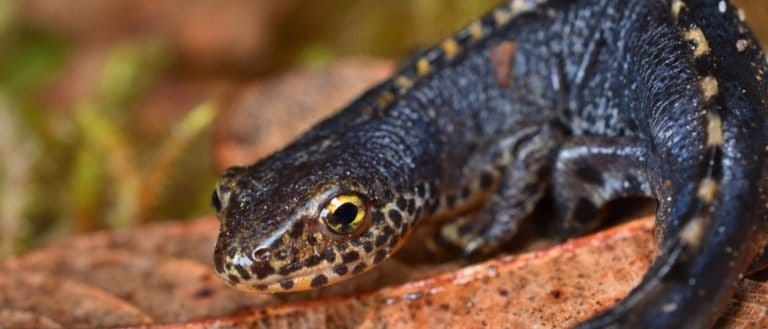
Crests, ponds, and potent defenses
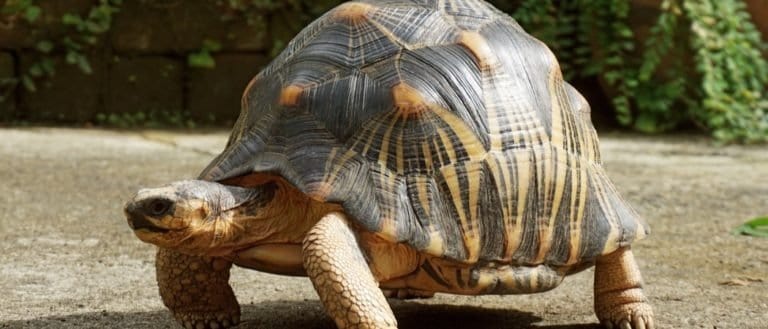
Built for land, made for time
Polygynandry is a mating system in which multiple males and multiple females mate with one another within the same social group or breeding population. Instead of exclusive pairs or a single male monopolizing females, reproductive access is shared among several individuals of both sexes.
Polygynandry is a mating system where many males and many females in a group mate with more than one partner during a breeding season. Mating can be opportunistic or shaped by rank, alliances, or female choice, often giving mixed paternity and sperm competition. Groups may be stable or form only to breed. Shared care, competition, mate-guarding, or tolerance can result, unlike promiscuity or polygyny/polyandry.
Etymology: From Greek roots: poly- ('many') + gyne ('woman, female') + aner/andr- ('man, male'); literally 'many females and many males'.
Found across: Primates (especially multi-male/multi-female troops or fission-fusion societies: chimpanzees, bonobos, baboons, macaques), Cetaceans (dolphins and some whales with non-exclusive mating across social networks), Bats (swarming or colony-associated mating can be multi-male/multi-female), Rodents (some social or colony-living species with promiscuous mating within groups), Birds (certain colonial, group-living, or socially complex species where both sexes mate multiply), Fishes (spawning aggregations and group/broadcast spawning frequently produce polygynandrous outcomes), Marine invertebrates (broadcast spawners such as echinoderms; also many other externally fertilizing taxa)
Polygynandry can make "who's the father?" genuinely uncertain-and that uncertainty can be a feature, not a bug: it can reduce infanticide and spread care/attention across infants because paternity is harder to monopolize.
In many polygynandrous species, the biggest competition isn't simply male vs. male; it's sperm vs. sperm. Males may evolve larger testes, more sperm, or behaviors like mate-guarding right after copulation to tilt the odds.
Females can gain real leverage in polygynandry: by mating with multiple males, they may increase genetic diversity among offspring, avoid being stuck with a low-quality mate, and sometimes secure multiple "streams" of protection or resources.
Polygynandry often thrives in dense, social animals where individuals regularly encounter many potential mates-making exclusive pair bonds hard to enforce and shared breeding more likely to emerge.
It's not inherently "chaotic": many polygynandrous groups have clear social rules (dominance, alliances, mating windows, queuing, or "friendships") that shape who mates with whom and when.
Moon-marked climber of Asian forests
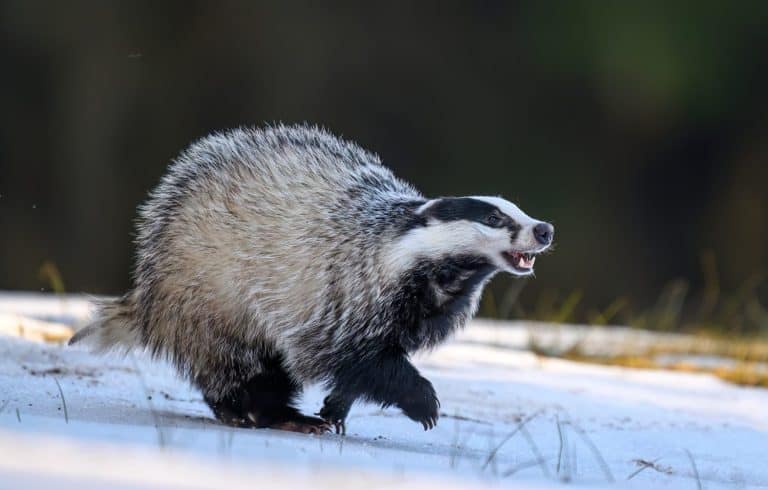
Built to dig. Born to endure.
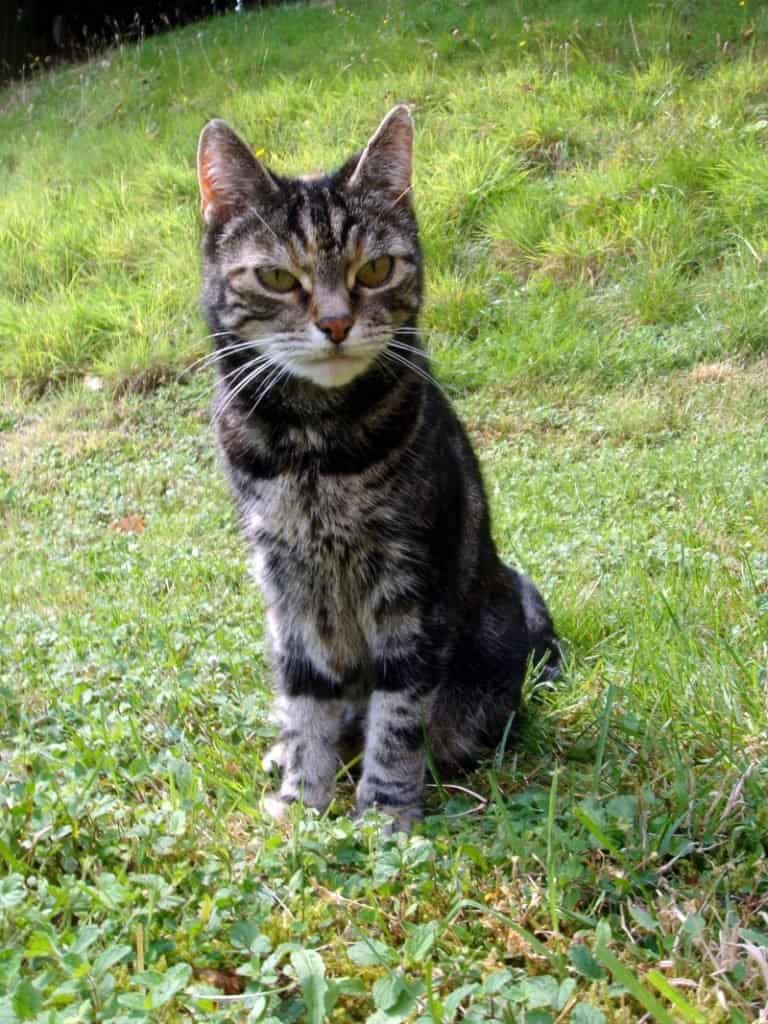
Small hunter, big household legend
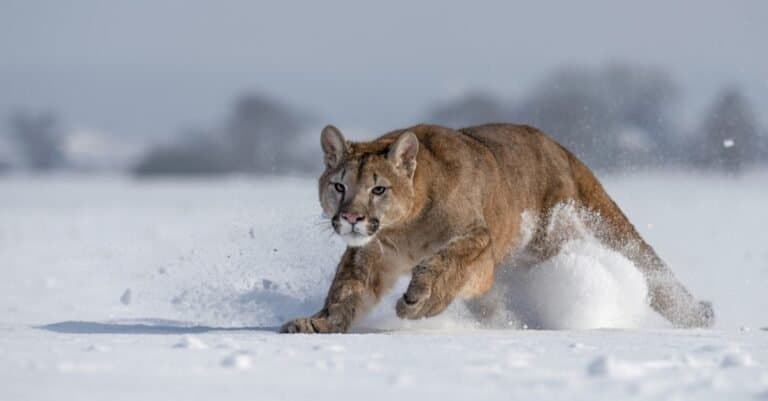
One cat. Two continents.
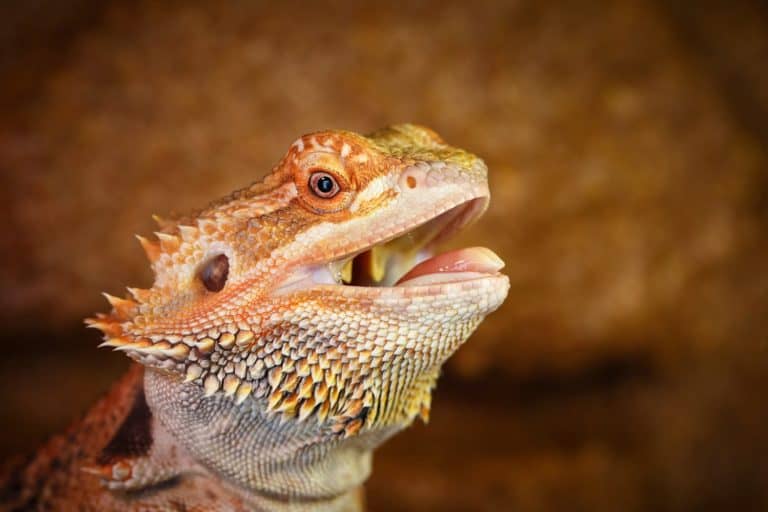
Big beard, bright sun, bold attitude.
Spines, eggs, and ant-eating mastery
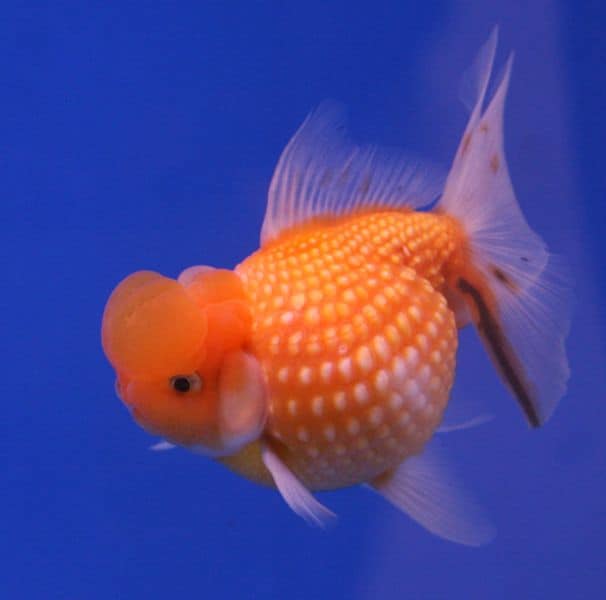
Bony rays, endless ways.
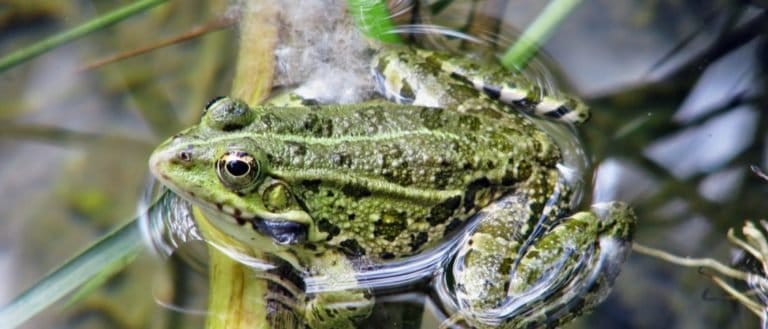
Tailless jumpers, masters of change
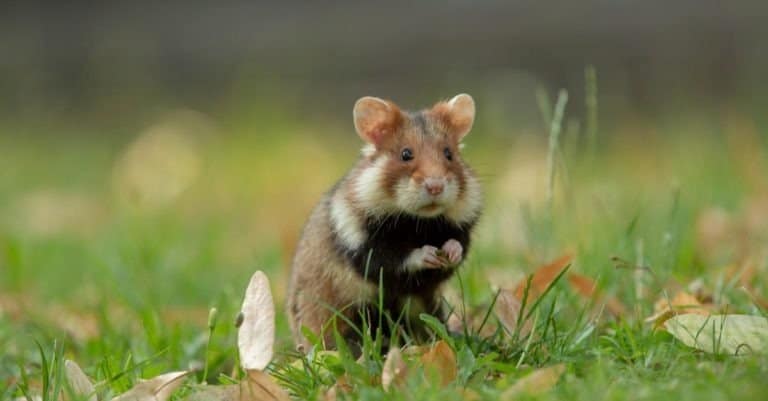
Pouches, burrows, and big impacts
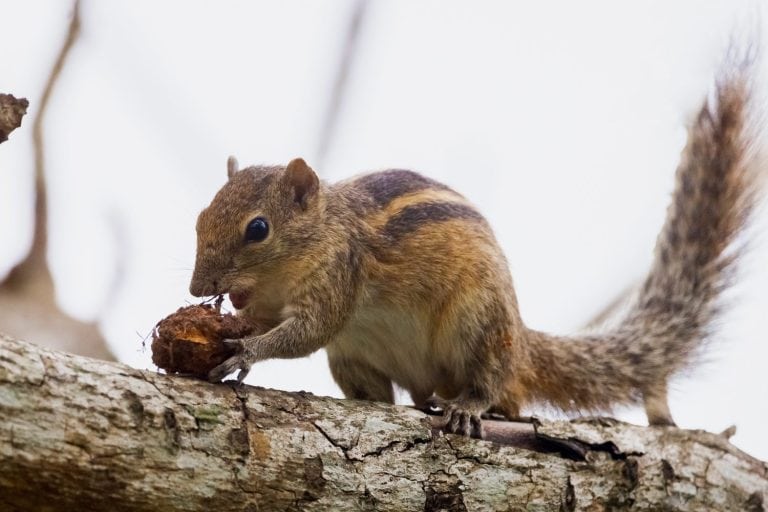
Three stripes. Big city attitude.
Six legs, endless lives.
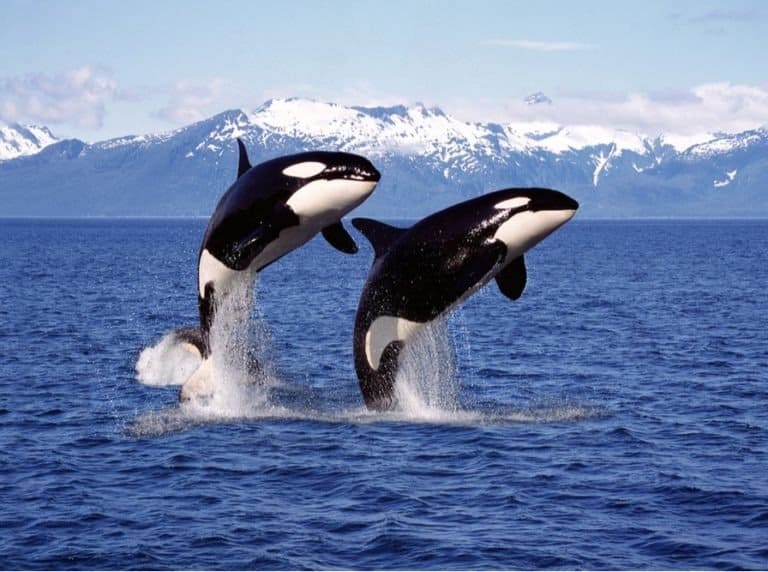
One species, many ecotypes.
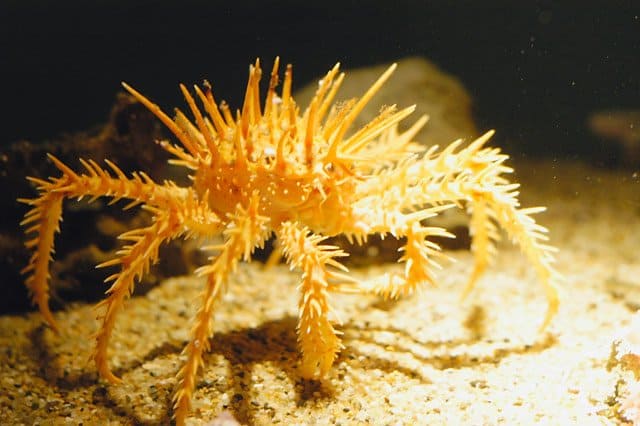
Cold-water royalty of the seafloor
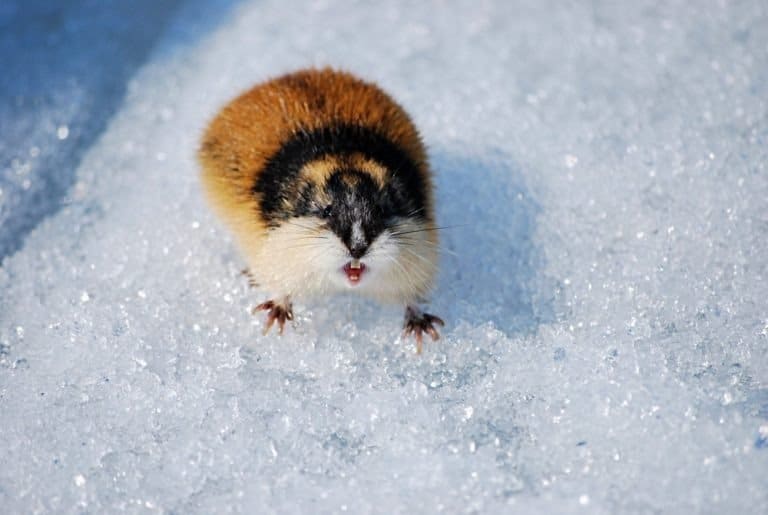
Small rodents, huge tundra impact
Built for prides, born for the hunt
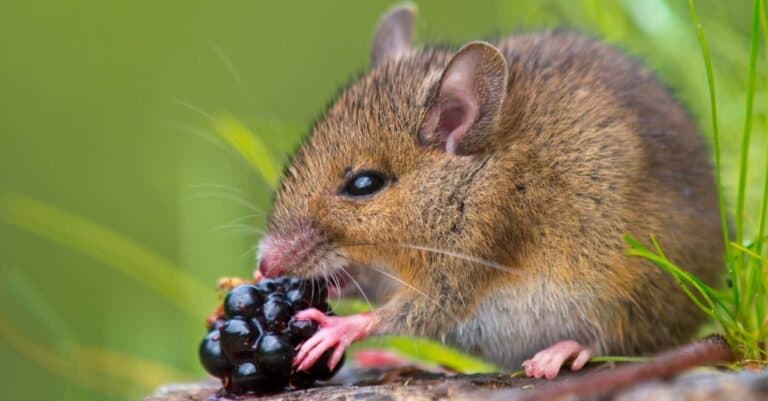
Small gnawers, huge impact.
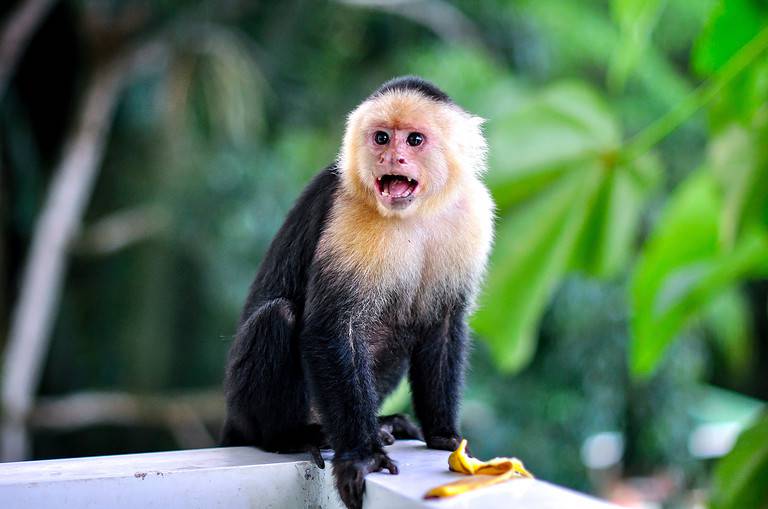
Hands, minds, and social lives
Crests, ponds, and potent defenses
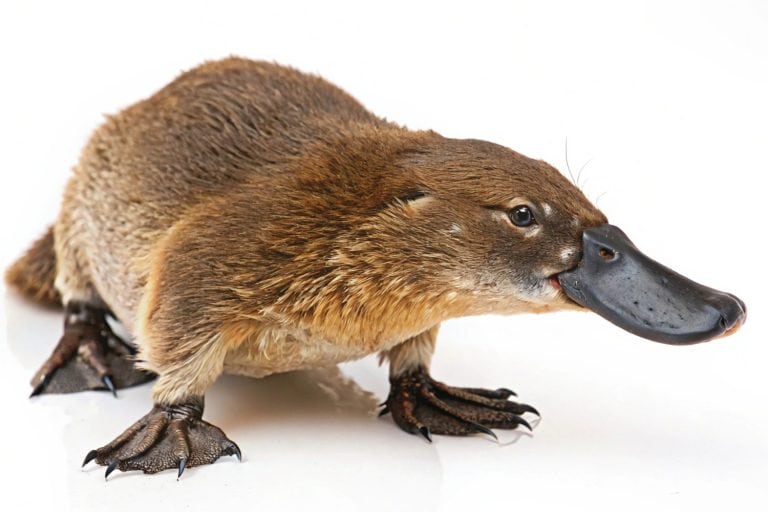
Electric hunter of Australian rivers
Hear the rattle, give it space.
Built for land, made for time
Rosettes in the shadows.
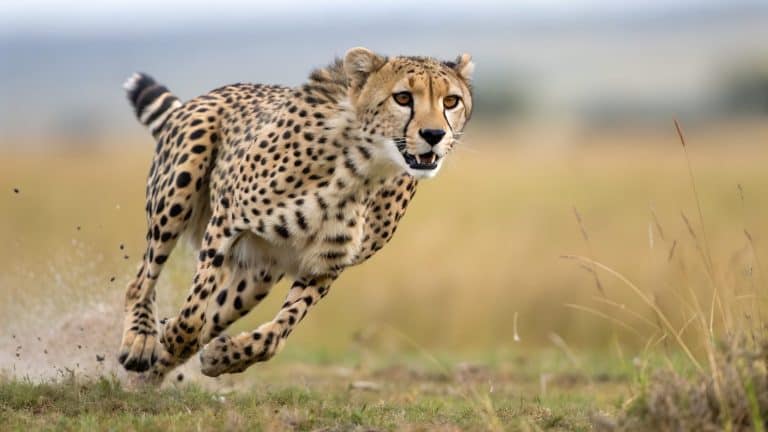
Built for the burst.
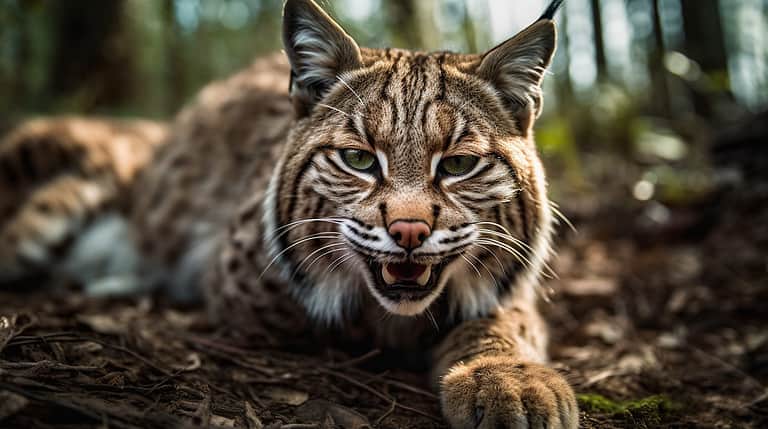
Small lynx, big adaptability.
Thank you for reading! Have some feedback for us?
We appreciate your help in improving our content.
Our editorial team will review your suggestions and make any necessary updates.
There was an error submitting your feedback. Please try again.