
Quick Take
- Possessing Class 1 carnivores requires securing Permit 09.07.
- Adhering to Code 09.00 cage requirements forces Private Owners into costly structural modifications.
- Arkansas bans new private ownership of large carnivores and restricts or bans many native reptiles.
- Submitting the Notarized Affidavit serves as the mandatory precursor to Commission Review.
From childhood, we grow up reading stories and watching films that portray wild animals as friendly and lovable characters. Social media reinforces this image with videos of animals behaving in surprisingly human or docile ways. As AI-generated videos and manipulated footage have become increasingly realistic, the line between fantasy and reality has grown even thinner. The result is a distorted picture of animals, which in reality remain wild and unpredictable.
State laws recognize that animals are indeed wild. With varying degrees of strictness, states restrict or prohibit private ownership of wild animals that could pose risks to public safety, agriculture, or native ecosystems. Arkansas occupies a middle ground among states that regulate exotic animals. It does not ban all unusual pets outright, but it also does not take a hands-off approach. For anyone considering owning an exotic animal in Arkansas, or even traveling through the state with one, understanding how these rules work is essential.
What Are Arkansas’s Concerns About Exotic Pets?
Arkansas’s regulations focus on a few core priorities. These include: protecting public safety, preventing the spread of animal diseases, and safeguarding native wildlife and agriculture. Some species can be managed responsibly in captivity, while others pose serious risks if they escape, carry disease, or require specialized care that most private owners cannot realistically provide. Rather than applying a blanket ban, Arkansas evaluates risk on a species-by-species basis. The state places the strictest controls on animals where the potential harm is greatest.
This structure also allows the state to respond to change. The Arkansas Game and Fish Commission can update captive wildlife regulations as invasive threats emerge, animal trade patterns shift, or new safety concerns arise. By relying on regulatory authority rather than waiting for legislative action, the state can address problems earlier, before they become widespread or irreversible.
How Arkansas Regulates Captive Wildlife
Arkansas regulates exotic animals primarily through its captive wildlife rules, which are maintained and enforced by the Arkansas Game and Fish Commission. These regulations divide animals into three broad categories: species that are unrestricted, species that require permits or special approval, and species that are prohibited. The state relies on detailed regulatory lists that identify animals by name, rather than general descriptions. Because these lists can change, owners should always consult the most recent AGFC regulations instead of relying on summaries, social media, or laws from other states.
Animals That Are Generally Allowed Without a Wildlife Permit
Arkansas allows private ownership of a range of animals considered low risk and commonly kept in captivity. These animals fall under the unrestricted captive wildlife category and may be owned without a wildlife permit, provided they were legally obtained.
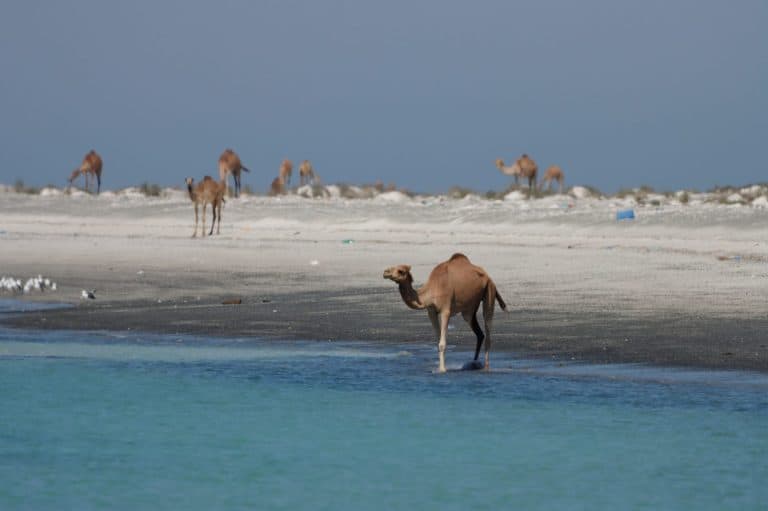
This group includes familiar small mammals such as hamsters, guinea pigs, gerbils, mice, and rats. It also includes animals many people think of as exotic, such as European domestic ferrets and African pygmy hedgehogs. Some large domesticated species surprise people as well. Animals such as llamas, camels, and bison are treated as unrestricted under Arkansas wildlife rules, meaning no captive wildlife permit is required for ownership.
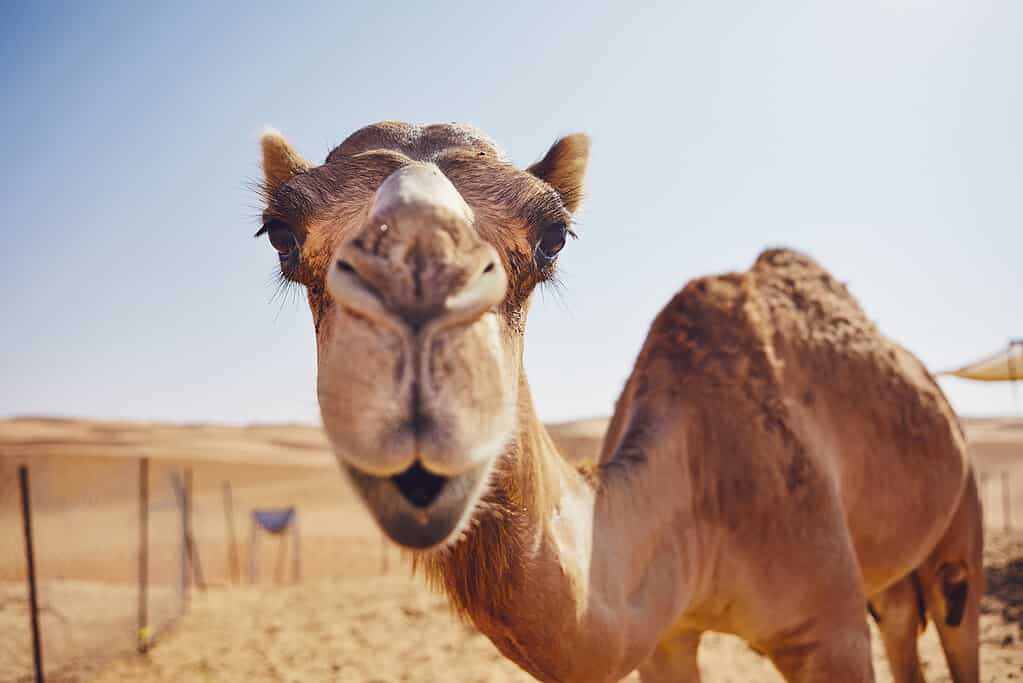
If you want to own a camel, Arkansas will not stand in your way.
©Chalabala/iStock via Getty Images
Even when no permit is needed, owners remain responsible for humane care and must comply with animal cruelty laws and applicable health or importation rules. The absence of a permit requirement does not mean the state lacks authority to intervene if an animal is mistreated or poses a safety risk.
Animals That Require Permits or Special Approval
Many animals in Arkansas fall into a middle category where ownership is possible only under specific conditions. These species may be kept only if they are acquired from a permitted wildlife breeder or dealer and, in some cases, only if the owner also holds a permit or meets additional regulatory requirements.
Native Wildlife
This group commonly includes native wildlife such as raccoons, foxes, bobcats, and similar mammals that people sometimes attempt to keep as pets despite their wild status. It can also include certain non-native animals that are not outright banned but raise ecological, agricultural, or public safety concerns if they escape or are improperly handled.
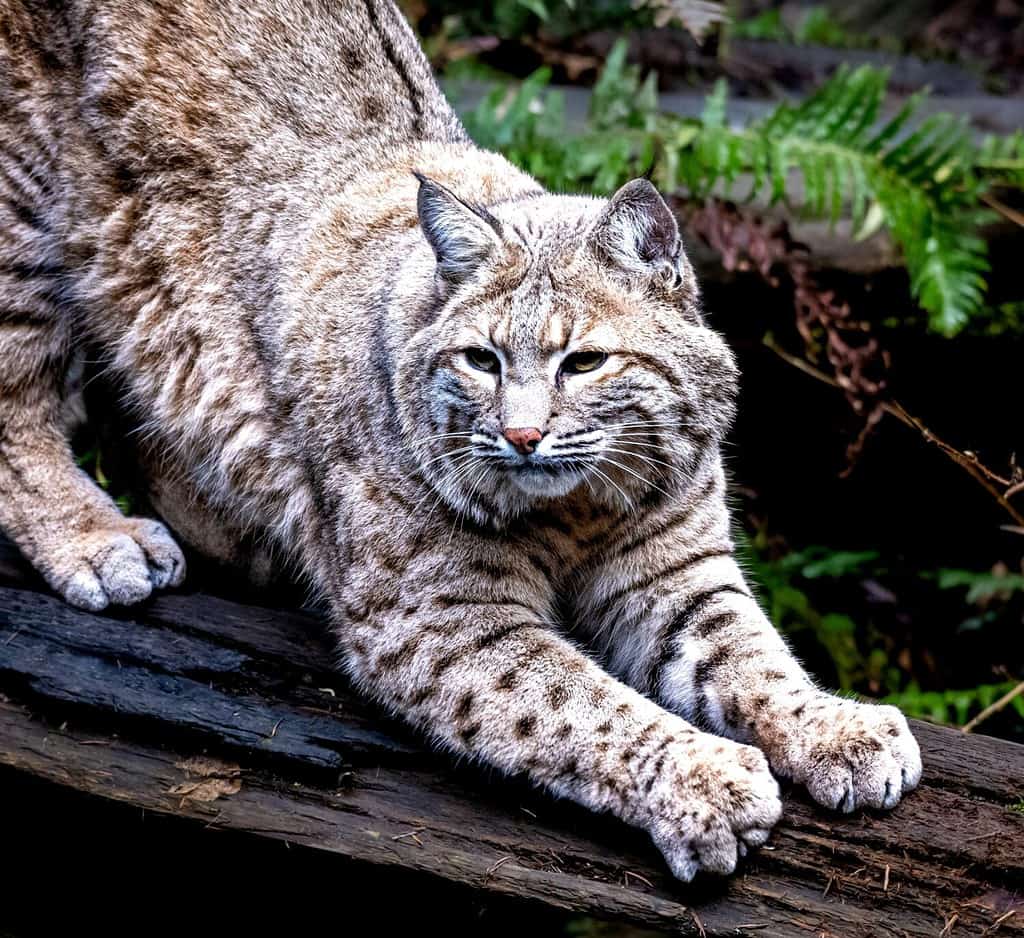
Owning a bobcat requires special permission in Arkansas.
©Jeff Westhead/Shutterstock.com
For animals in this category, proof of legal origin is essential. Wildlife taken directly from the wild, even if hand-raised, is not considered a legal pet in Arkansas. Owners who cannot provide proper documentation risk confiscation of the animal and enforcement action.
Venomous Reptiles
Arkansas places special restrictions on medically significant venomous reptiles. This includes native species such as rattlesnakes, copperheads, cottonmouths, and coral snakes, as well as non-native venomous snakes like cobras and vipers. Possession of non-native venomous reptiles, or native species for exhibition or commercial purposes, requires a permit and compliance with strict standards for secure enclosures, handling, and transport. Private individuals may possess native venomous reptiles that they have legally captured from the wild without a permit.
Prohibited Species and Longstanding Bans
Arkansas draws its clearest legal line around large carnivores. Since 2005, no new private permits have been issued for these animals. Ownership is limited to licensed zoos, sanctuaries, and research facilities that meet strict standards. Private individuals cannot legally possess animals such as lions, tigers, and similar large predators in Arkansas. The state’s position is simple: private ownership of these animals presents unacceptable risks that cannot be mitigated through permitting alone.
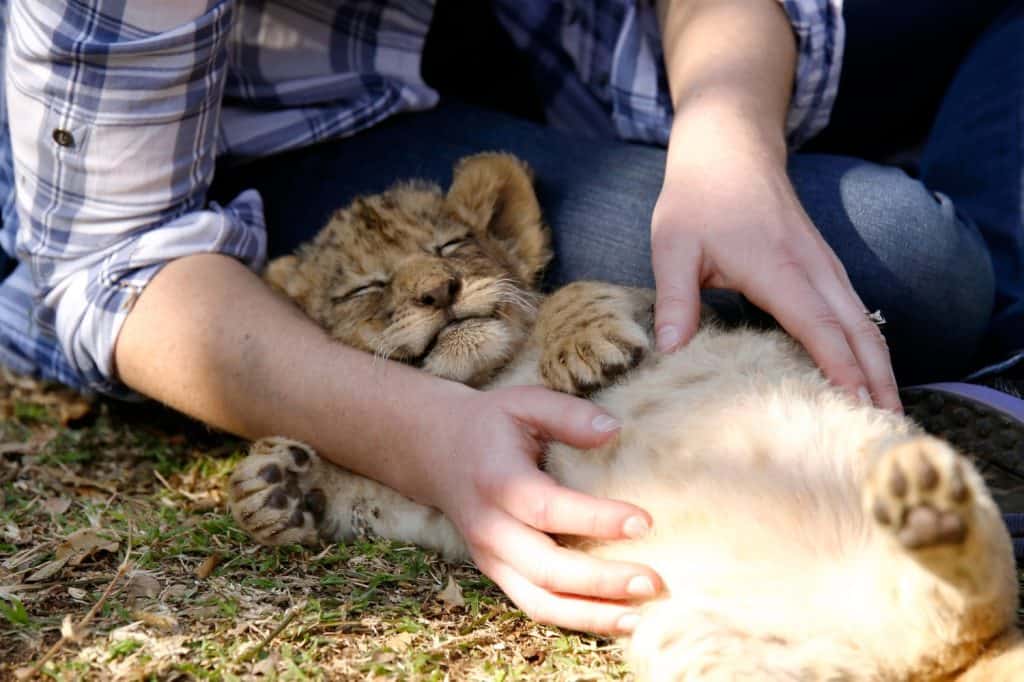
Do you want to live in Arkansas, or do you want a tubby roly-poly lion cub of your very own? You can’t have both.
©Creative Wright/Shutterstock.com
Native Wildlife Is Not Treated as Pets
Arkansas protects native wildlife through a combination of hunting regulations and captive wildlife rules. Just because a native species is common or familiar does not mean it is legal to keep as a pet in Arkansas. In limited cases, native wildlife may be possessed if obtained from a permitted source and kept in compliance with captive wildlife regulations. However, wild-caught animals are generally not allowed. Rehabilitation, education, and research uses are regulated separately and require specific authorization.
Importation and Health Requirements
Bringing an exotic or wild animal into Arkansas is regulated separately from ownership rules. Depending on the species, animals entering the state may require an importation permit, a certificate of veterinary inspection, or both. These requirements are enforced in coordination with agricultural and animal health authorities to prevent the spread of disease.

Depending on the species, imported wildlife may require a certificate of veterinary inspection.
©kukurund/Shutterstock.com
Import rules apply even when a species is otherwise legal to possess within Arkansas. An animal that enters the state without proper authorization may be seized, regardless of the owner’s intent or understanding of the law.
Checking the Rules
Because Arkansas relies heavily on regulatory lists that can change over time, anyone considering an exotic animal should review the current Arkansas Game and Fish Commission captive wildlife regulations before acquiring an animal. Local ordinances may impose additional restrictions, particularly in urban areas.
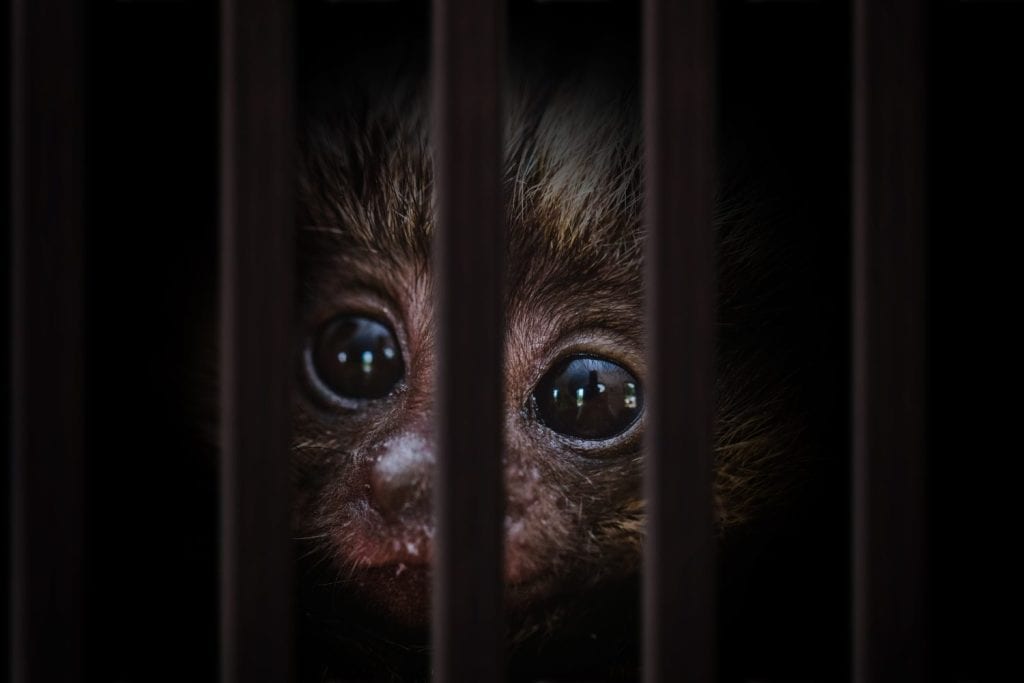
Breaking captive wildlife laws in Arkansas can result in confiscation of the animal and serious criminal penalties.
©RHJPhtotos/Shutterstock.com
Violating captive wildlife laws in Arkansas can result in confiscation of animals, fines, criminal charges, and permanent loss of eligibility to hold wildlife permits. Owners may also be held financially responsible for the costs of caring for seized animals.
Thinking Long-Term
Exotic animals may be fascinating and compelling, but fascination alone is not a substitute for a long-term care plan. Arkansas’s rules exist because wild animals do not become safe or manageable simply because they are kept in captivity. Some species adapt reasonably well under the right conditions. Others never do, no matter how much effort or affection an owner provides.
For anyone considering an exotic animal in Arkansas, the real question is not whether ownership is technically legal, but whether it is realistic, sustainable, and responsible over the lifetime of the animal. Laws, permits, and inspections are only part of the equation. Housing, veterinary access, cost, safety, and the animal’s welfare matter just as much. In Arkansas, the system is designed to place those realities front and center, long before an animal is brought home.