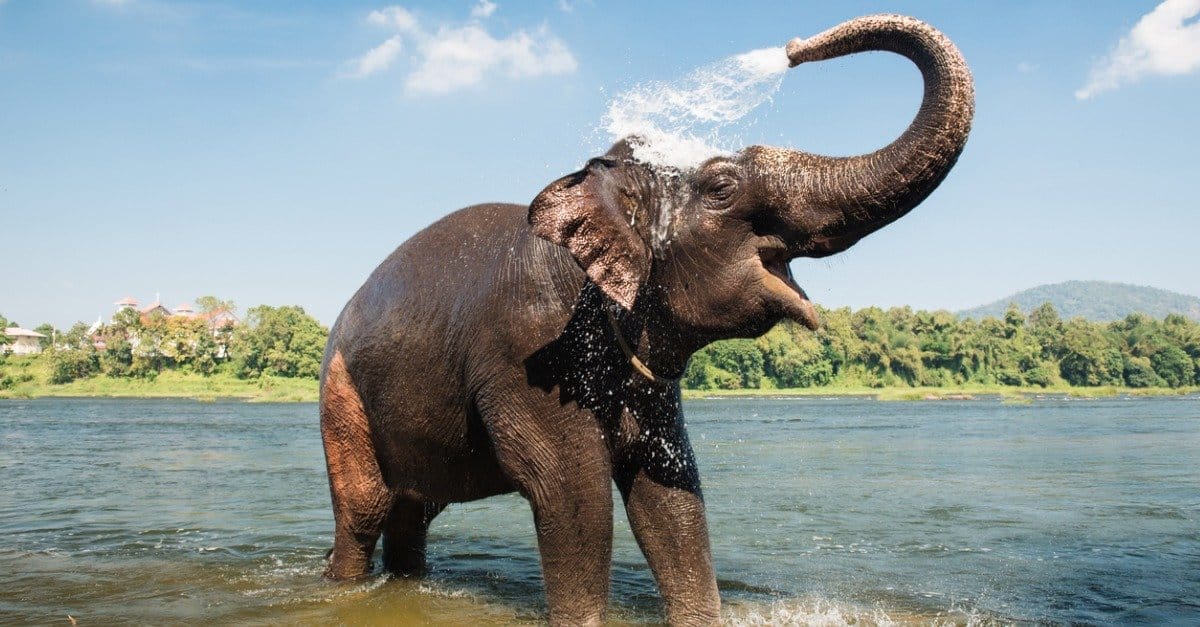

Quick Take
- Bani achieved independent mobility after a train collision by successfully completing a specialized rehabilitation process.
- The thick skin of Loxodonta and the lack of bony landmarks complicate point identification for clinicians.
- Extended lifespans in managed settings counterintuitively increase the risk of chronic age-related disease.
- Voluntary husbandry training is essential for safety during 40-minute medical intervention sessions.
When Acupuncture Meets Elephant Medicine
Acupuncture is no longer confined to human clinics. In recent years, it has become part of veterinary care for elephants living in zoos and sanctuaries. As elephants age under managed conditions, long-term health concerns tend to increase, often requiring sustained attention rather than short-term solutions. Joint disorders, foot disease, digestive imbalance, and stress-related conditions frequently appear in animals with histories of injury, relocation, or early trauma.
Veterinary teams are responding by incorporating acupuncture alongside established medical treatments. The practice does not replace conventional care. Instead, it works in support of existing approaches by easing discomfort, improving mobility, and influencing internal regulation. This shift reflects a broader change in elephant welfare, where physical health and emotional stability are increasingly understood as interconnected parts of long-term care.
Elephants Living Under Human Management
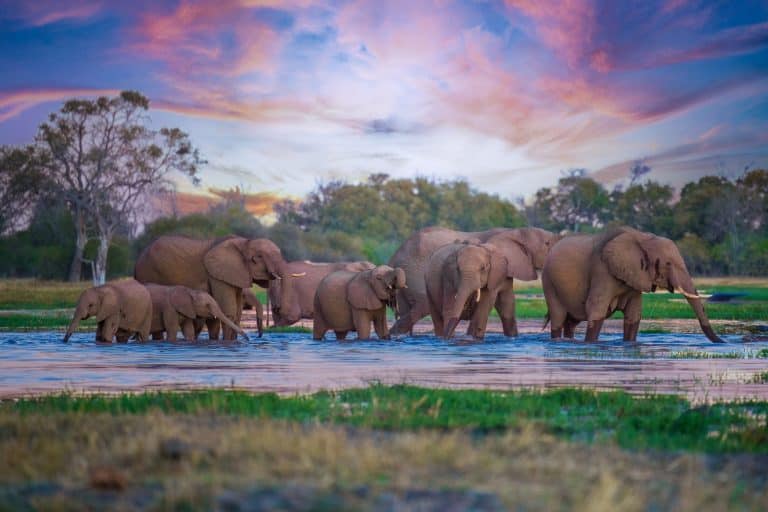
Managing the health of elephants under human supervision involves a unique set of medical and behavioral challenges. African elephants in the genus Loxodonta and Asian elephants in the species Elephas maximus differ in anatomy, social structure, and habitat use, yet many of the risks they face outside the wild are similar. Limited space, altered social groupings, and reduced daily movement can gradually affect physical condition.
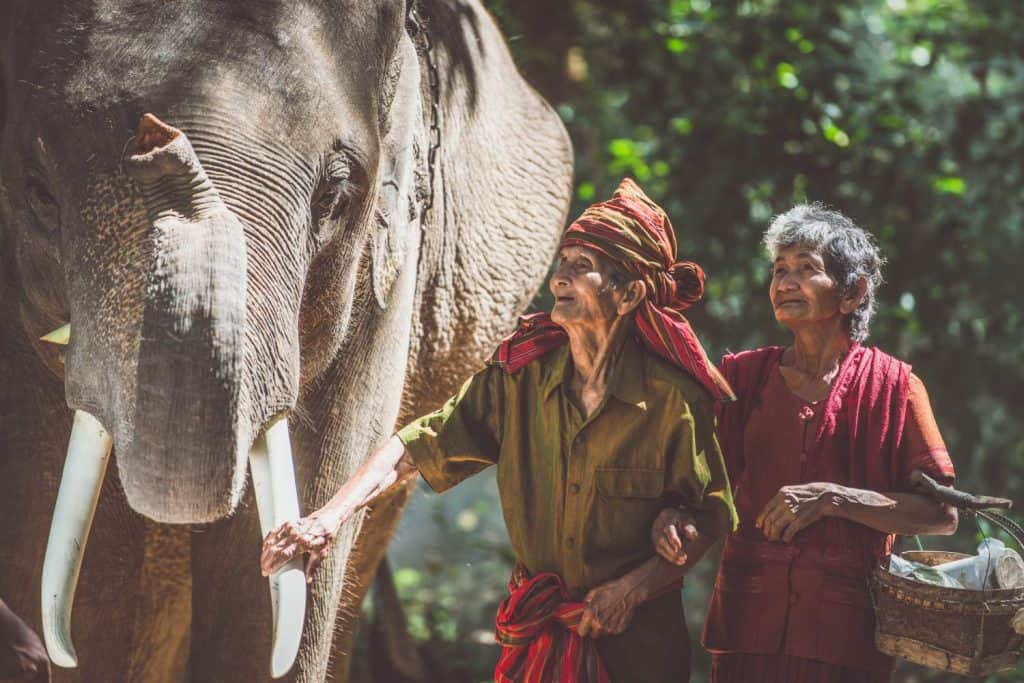
Asian elephants in captivity tend to have longer lifespans than those in the wild.
©oneinchpunch/Shutterstock.com
In managed settings, elephants (particularly Asian elephants) often live longer than their wild counterparts, which brings its own complications. Extended lifespans increase the likelihood of age-related disease. Joint wear, chronic foot infections, and digestive slowdowns become more common over time. Enrichment programs, soft substrates, and structured exercise reduce some risks, but they cannot fully replicate the movement patterns of free-ranging herds. As a result, veterinary care tends to focus on long-term strategies that limit harm while preserving comfort and mobility.
Origins of Acupuncture in Veterinary Care
Acupuncture was developed thousands of years ago as part of Traditional Chinese Medicine and later expanded into animal care through Traditional Chinese Veterinary Medicine. The practice involves placing thin needles at specific locations on the body, known as acupoints, that correspond with nerve pathways and physiological systems involved in pain regulation.
Research in human medicine suggests that stimulating these points can encourage endorphin release, improve circulation, and reduce inflammatory responses. Veterinary practitioners began adapting these principles for animals several decades ago, first working with horses and dogs. Consistent results in musculoskeletal and digestive cases led specialists to consider whether similar mechanisms could support larger species with long lifespans and complex medical needs.

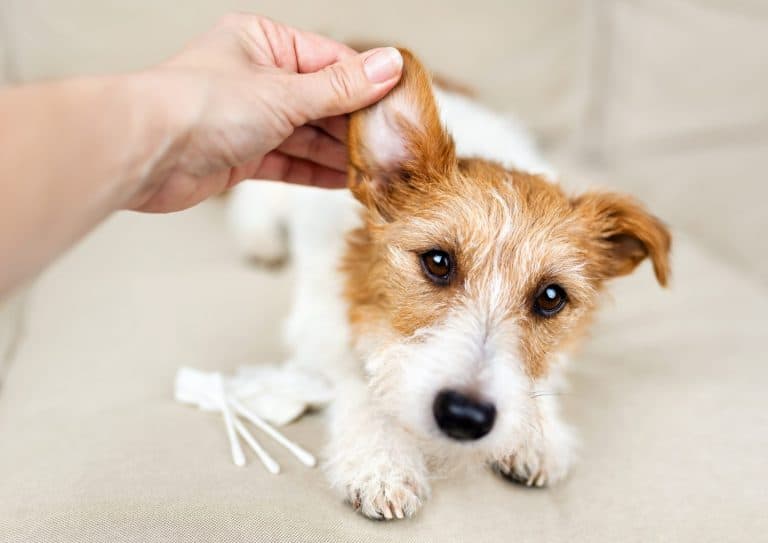
Some veterinarians now use acupuncture as a part of care for dogs and other domestic animals.
©New Africa/Shutterstock.com
Modifying Acupuncture for Elephants
Applying acupuncture to elephants requires careful modification of standard techniques. Elephant skin is thick and sensitive, which means practitioners must use longer needles and adjust insertion depth to reach muscle tissue safely. Unlike smaller animals, elephants lack clear bony landmarks, so veterinarians must rely on detailed anatomical mapping and palpation to identify appropriate acupuncture points.
Sessions usually take place in calm environments during routine husbandry training sessions. Elephants are not restrained, as cooperation is essential for safety and effectiveness. Keepers rely on familiar cues and food rewards to encourage stillness. Some treatments include electro-acupuncture, where a mild electrical pulse is applied through the needles to enhance nerve stimulation. Sessions often last between twenty and forty minutes, and many elephants display a relaxed posture as muscles release.
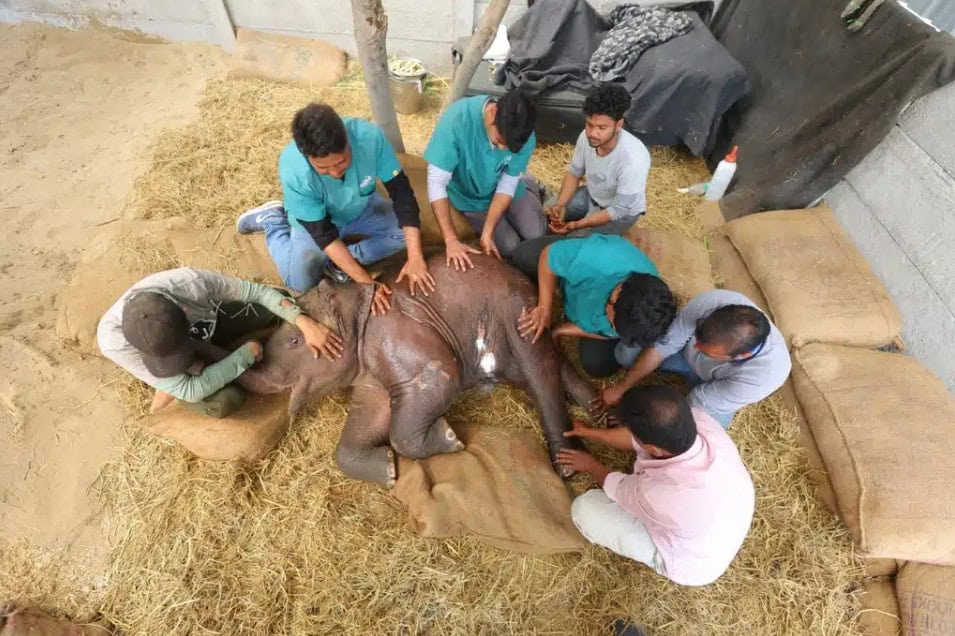
Caregivers at Wildlife SOS calm Bani the elephant for an acupuncture session.
A Calf Named Bani and Neurological Recovery
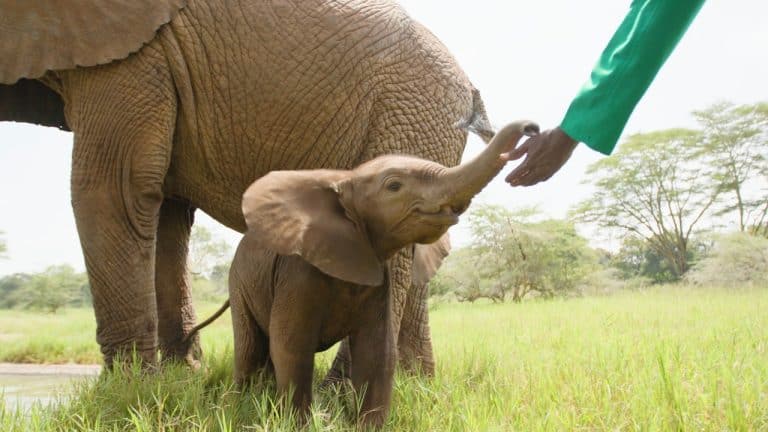
Bani, an Asian elephant calf rescued in India and cared for by Wildlife SOS, represents one of the most closely followed cases involving acupuncture in elephant care. The organization operates elephant rescue, rehabilitation, and long-term medical facilities for injured and displaced wildlife across India. A train collision killed her mother and caused severe spinal injuries that left Bani unable to stand or walk independently. Early veterinary care focused on stabilizing her condition and preventing further damage, but her recovery soon slowed.
Veterinarians later introduced electro-acupuncture as part of a broader rehabilitation plan that included physical therapy and supportive care. Needles were placed along nerve pathways associated with movement and sensation. Improvement occurred gradually.
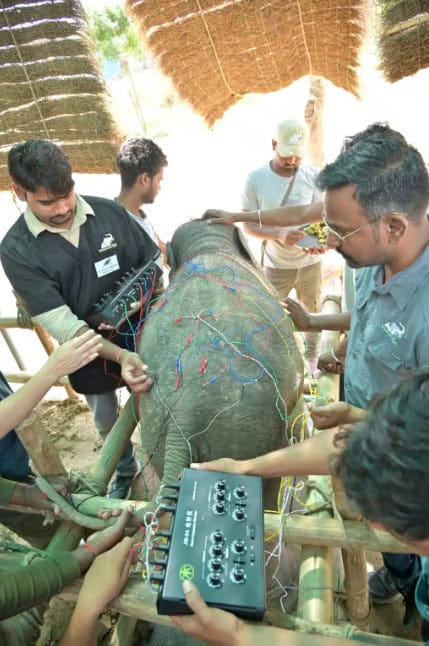
Over time, Bani regained much of her strength and coordination, progressing from assisted standing to independent walking and play. Her movement remains uneven; however, her case illustrates how acupuncture, when combined with conventional treatment, can support nerve recovery. The video below tells her story.
Joint Degeneration and Foot Disorders
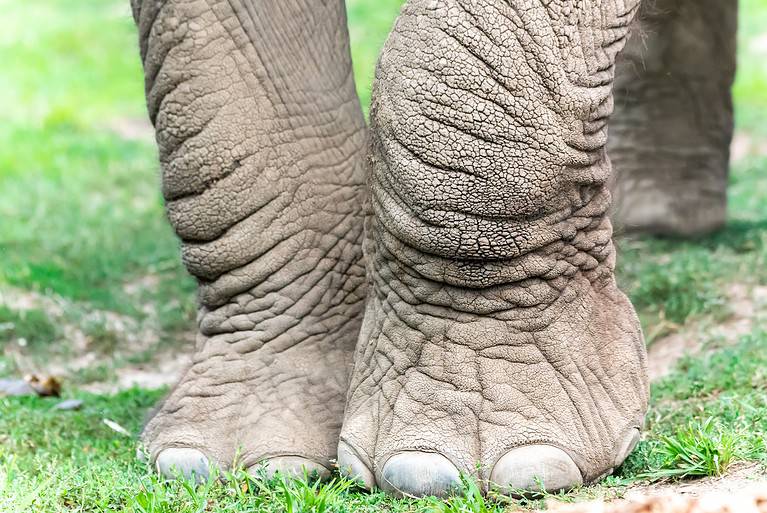
Joint disease and chronic foot conditions remain among the most persistent challenges for aging elephants. In the wild, elephants travel long distances across varied terrain, which helps maintain joint flexibility and natural foot wear. Managed environments, even well-designed ones, cannot fully reproduce this pattern.
Standard treatments include pain medication, anti-inflammatory drugs, weight management, and routine foot care. These methods provide relief but can carry risks when used long-term. Acupuncture offers an additional option by targeting pain pathways and improving circulation around affected joints. Some elephants show greater willingness to move and improved posture after repeated sessions, allowing veterinarians to reduce reliance on medication while maintaining comfort and mobility.
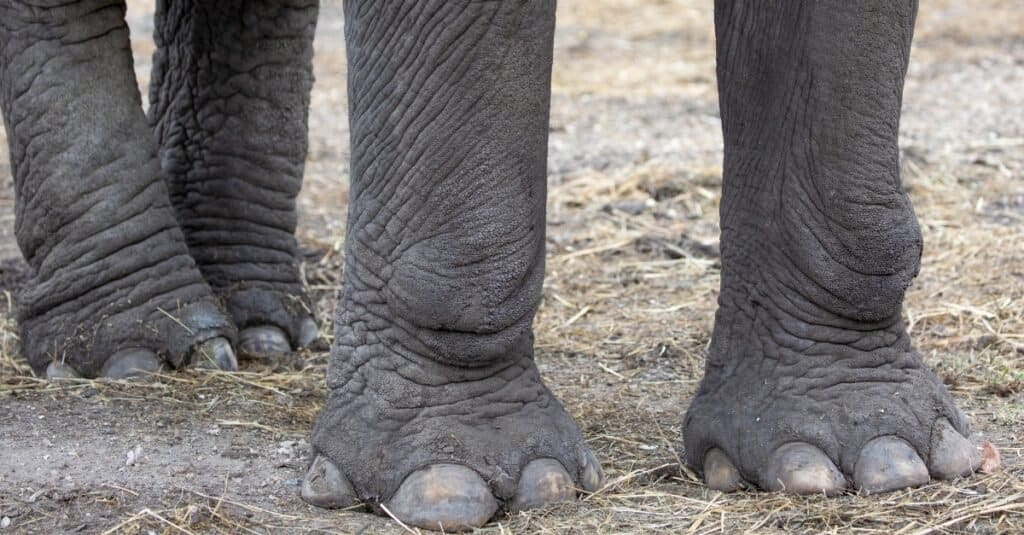
Elephants’ feet and joints go through tremendous strain moving their bulk long distances.
©iStock.com/joruba
Digestive Regulation and Colic Management
Elephants depend on near-constant food intake to support their large digestive systems. When gut movement slows, problems can escalate quickly. Stress, dietary changes, and limited activity increase the risk of gas buildup, constipation, or colic, particularly in older animals.
Veterinary acupuncture targets points associated with intestinal motility and nervous system regulation. Practitioners often combine treatment with dietary adjustments and careful hydration monitoring. In one documented case, a senior bull elephant named Raju experienced recurring colic that did not fully respond to medication alone. After acupuncture was added to his care plan, episodes became less frequent and less severe. While not a replacement for medical intervention, acupuncture may help stabilize sensitive digestive systems when used alongside standard treatment.
Emotional Health and Stress Response
Elephants are highly social animals with strong emotional memory. Many individuals in captivity experienced early stress related to habitat loss, forced labor, or separation from family groups. Chronic stress can heighten pain sensitivity, weaken immune response, and contribute to repetitive behaviors.
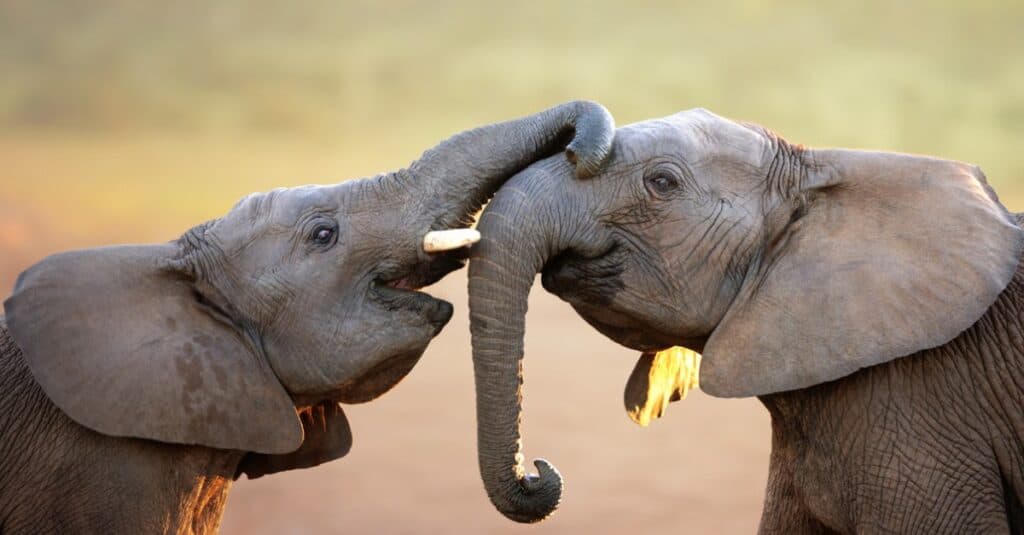
Elephants are sensitive, social creatures that are susceptible to stress.
©iStock.com/johan63
Acupuncture sessions emphasize predictability and voluntary participation by the elephants. Caregivers use reward-based training so that elephants willingly present specific body areas for treatment. Observers often note slower breathing, relaxed posture, and reduced tension during treatment. These responses suggest improved nervous system regulation. Over time, this approach may reduce overall stress and improve cooperation during other medical procedures.
Training and Professional Standards
The safe use of acupuncture requires specialized veterinary training. Certification programs in Traditional Chinese Veterinary Medicine teach anatomy, point selection, and integration with diagnostic tools while emphasizing careful monitoring and evidence-based practice.
Organizations involved in elephant rescue and conservation have invested in training veterinary staff. Case reports shared through professional networks help refine treatment protocols and identify patterns of response. Each treated elephant contributes to a growing body of knowledge focused on integrated care, which combines imaging, lab testing, physical therapy, medication, enrichment, and acupuncture.
Research Gaps and Ongoing Evaluation
Despite growing interest, acupuncture for elephants remains an emerging field. Most evidence comes from case documentation rather than controlled trials focused solely on elephants. Researchers are beginning to measure changes in mobility, hormone levels, and behavior to better assess outcomes.
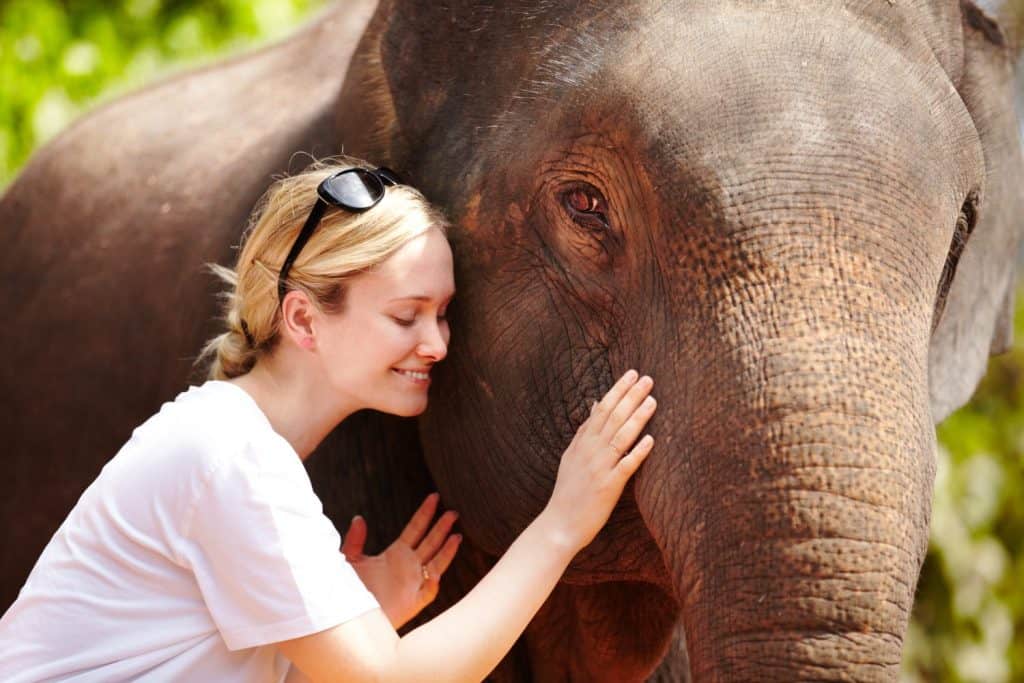
Elephants are unusually gentle. With positive training, they learn to stand still for acupuncture treatments and show signs of calming.
©PeopleImages/Shutterstock.com
Responses vary between individuals, and acupuncture cannot address severe infection or advanced organ disease. Practical limits include the need for specialized training, cooperative animals, and sufficient staff time. Continued research will help clarify where acupuncture fits most effectively within comprehensive care plans.
Care, Science, and Long-Term Welfare
Watching an elephant stand calmly during acupuncture reflects a shift in veterinary philosophy. Care teams increasingly emphasize cooperation, predictability, and reduced stress alongside medical treatment. Acupuncture represents one tool within a broader system of support.
Effective elephant care depends on habitat quality, social structure, nutrition, and attentive medical oversight. When used thoughtfully, acupuncture may help reduce discomfort and support mobility in aging or injured elephants. Its growing role highlights a commitment to treating elephants as complex individuals whose physical and emotional needs are closely connected.