
Quick Take
- Binturongs are typically docile in captivity, but Lola bit two zookeepers during routine checks at the Smithsonian’s National Zoo.
- Zoos still report over 10 injuries annually from human-animal conflicts, underscoring ongoing safety challenges despite overall rarity.
- Zookeepers manage safety through tailored enclosures, enrichment, routine wellness visits, staff training, and on-call emergency response teams.
Animal attacks at zoos are incredibly rare. According to various safety and animal welfare organizations, more than 10 injuries occur annually from human-animal conflicts. Given these numbers, being a zookeeper comes with its own risks. Even in captivity, animal behavior can be unpredictable. Surprisingly, many injuries are caused by zebras, according to RPM365, while elephants are known to cause many others due to their size. However, even animals without hooves can cause significant damage.
A recent incident at the Smithsonian’s National Zoo in Washington, D.C., challenges this statistic. A binturong bit two zookeepers during a routine wellness checkup. Now, it’s raising questions about the safety of zookeepers working with animals in captivity.
What Is a Binturong?
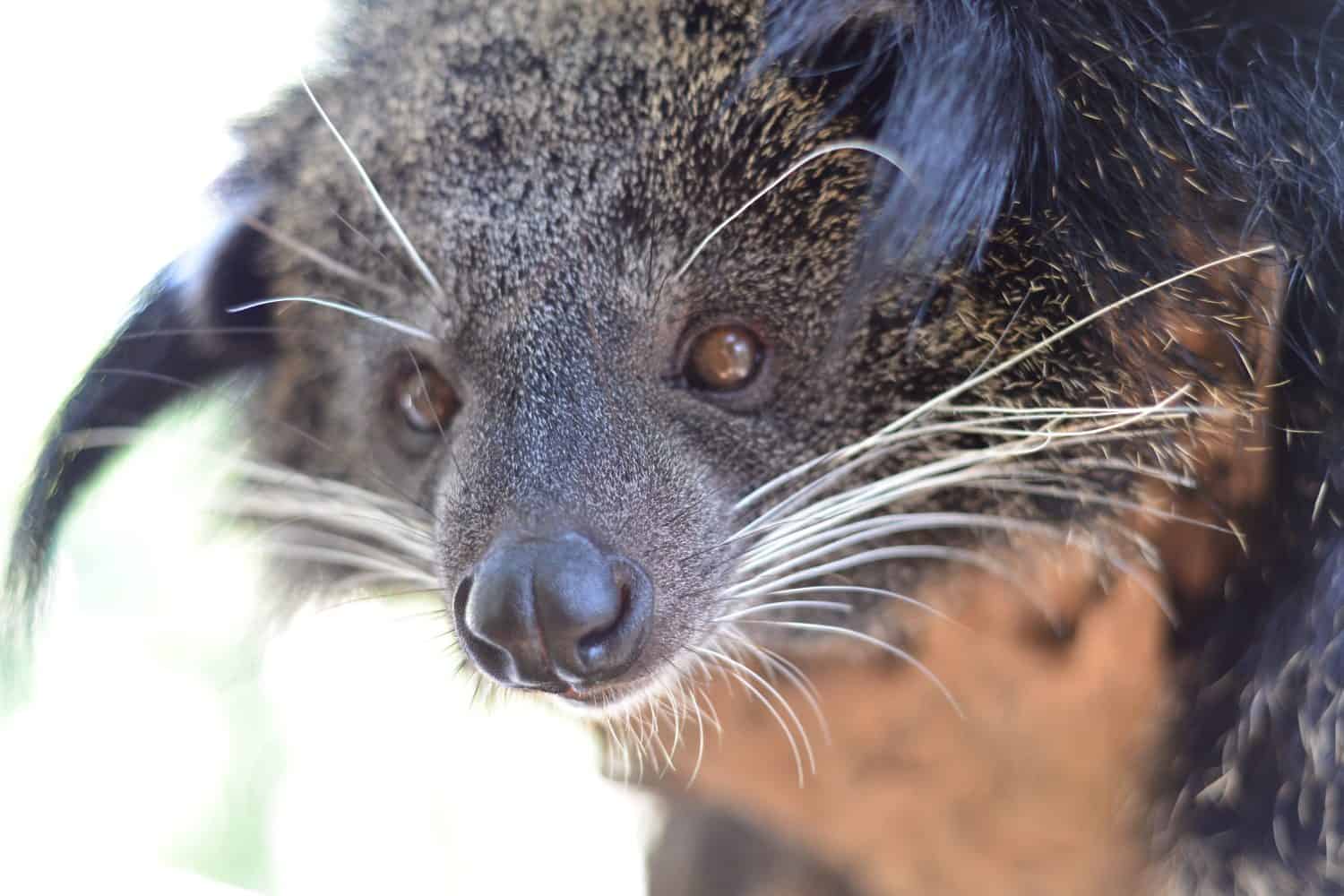
Binturongs are unique animals native to Southeast Asia. They’re often called “bearcats” despite not being related to either species. Binturongs are listed as Vulnerable on the IUCN Red List globally. This is why they’re often found in zoos and at sanctuaries, which protect the remaining population in captivity. The National Zoo has two binturongs in its Big Cats exhibit: Lola and Hank. They were both born in captivity and spent time at the Brookfield Zoo in Illinois before settling in at the National Zoo.
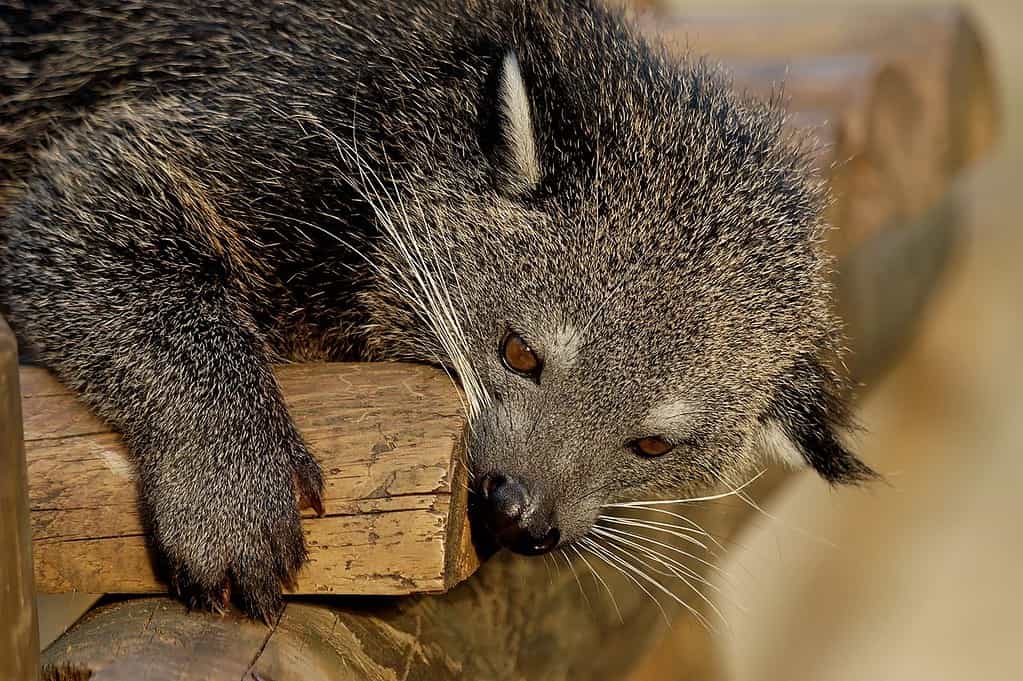
Binturongs have strong claws, which help them climb trees.
©Jastrow, Public domain, via Wikimedia Commons – Original / License
Their cat-like appearance resembles a cross between a feline and a bear. However, they’re only about the size of a dog. They have whiskers and long, bushy tails that help them climb with their oversized paws and claws. If you get close enough to the binturongs, you may notice a unique smell, often described as popcorn. This comes from scent glands that help mark territory.
Binturongs are omnivores, meaning they consume a hybrid diet of plants and meat. They’re often fed fruits such as berries and figs, along with insects, small vertebrae, and even eggs. In captivity, binturongs are fed a steady, consistent diet. There’s no competition for food, nor do Hank and Lola need to wander far to find it. This begs the question: What spurred Lola’s attack?
Are Binturongs Naturally Aggressive?
What’s so shocking about this incident is that it’s abnormal. Binturongs, especially in captivity, are typically docile. Some zookeepers might also call them shy, especially around unfamiliar people. Even in the wild, a binturong’s nature is gentle, as they choose to run rather than confront a threat. When they do feel threatened, however, they respond with all the tools at their disposal.
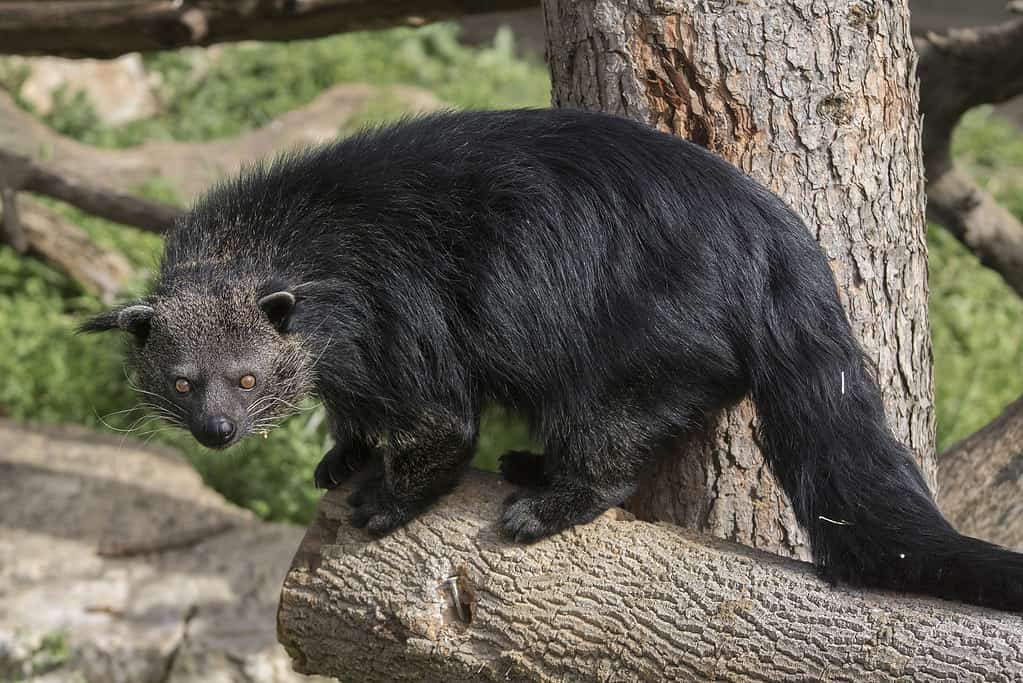
Binturongs are typically docile and don’t attack humans, even in the wild, unless there’s a perceived threat.
©Azahara Falcon/iStock via Getty Images
One of their first lines of defense is to urinate or defecate in the vicinity of the threat or their attacker. If this doesn’t work, they may resort to bearing their teeth and hissing as a warning. The last line of defense is to attack the threat full-on. To do this, they use their tiny but sharp teeth, along with their powerful claws. More often than not, this display of aggression is enough to ward off any minor threat. In the wild, leopards and pythons commonly prey on them. However, since neither Lola nor Hank was raised in the wild, this doesn’t align with the reason for Lola’s defense.
The Incident at the National Zoo
The Smithsonian’s National Zoo released a safety report immediately following the incident. According to this, two of its staff members were attacked by Lola around 10 AM. The 12-year-old binturong, Lola, was the one to bite the first staff member. The incident happened during a routine training and weigh-in, which both binturongs were familiar with. During the attack, Lola bit the first staff member and “did not readily let go,” according to the report.
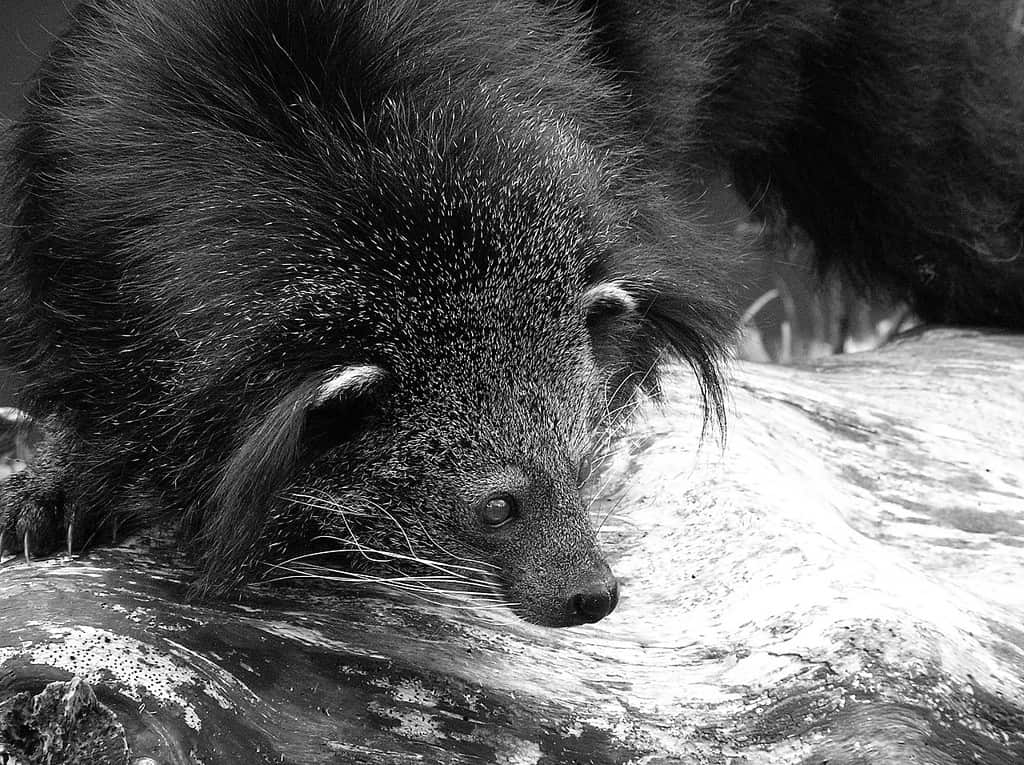
Binturongs are not known to show aggression toward their handlers and have a line of defense before they use their teeth or claws.
©Tinuske, CC BY-SA 3.0, via Wikimedia Commons – Original / License
At this point, a second staff member stepped in to help. Lola also bit them, and both were sent to the hospital out of an abundance of caution. No reason has been released as to why Lola attacked the staff member. According to a Smithsonian National Zoo release, both staff members were treated for non-life-threatening bites.
Why Animals in Captivity Bite Back
The incident at the Smithsonian’s National Zoo could be called an anomaly due to its rarity. Well-cared-for animals rarely bite back, especially those, like binturongs, which are typically docile. However, there are some reasons why animals have attacked zookeepers in the past. Traditionally, this is a fear response triggered by a perceived threat. The response is brought on by feelings of frustration, psychological stress, and even deprivation.
Major incidents, such as the 2007 San Francisco tiger escape, have raised questions about the ethical treatment of zoo animals. In this case, Tatiana, the tiger, killed one person and injured two more, resulting in the tragic loss of human and wildlife. At SeaWorld, Tilikum, a fan-favorite orca, sparked a similar debate after killing three people during his lifetime, including handlers. It could be said that these animals experienced severe stress in their environments, but there’s no way to confirm it.
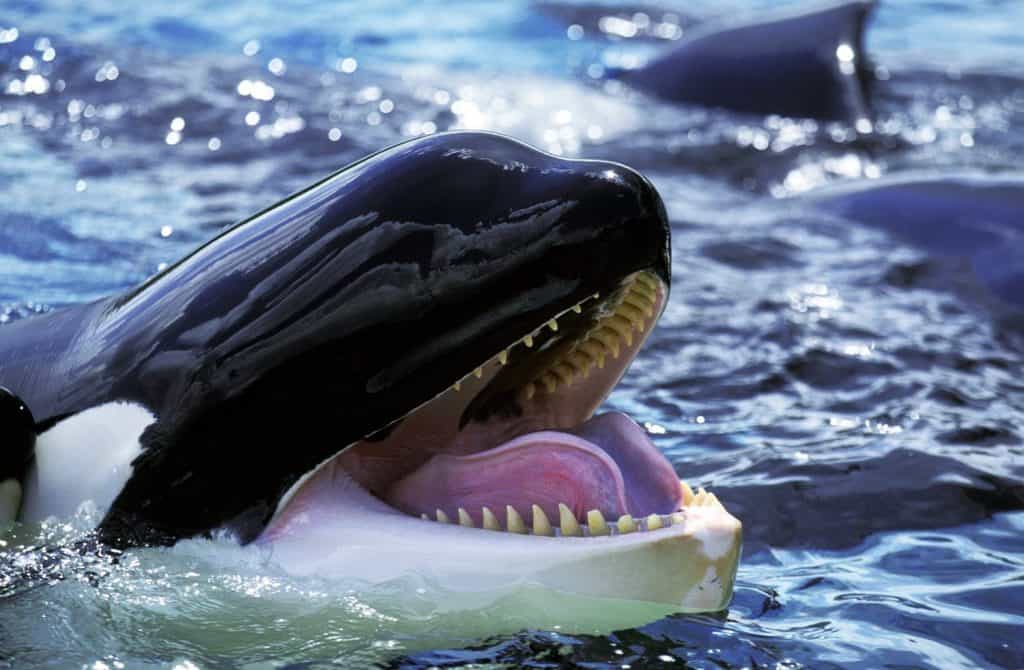
Orcas are incredibly intelligent and are often trained to perform in captivity.
©slowmotiongli/Shutterstock.com
Another reason animals attack in captivity is the loss of their natural habitat. Despite the zookeepers’ tremendous efforts, some animals don’t fare well behind bars. This results in the loss of an animal’s instincts, which causes significant stress. These instincts are also survival instincts that encourage an animal to seek food, find a mate, and defend itself. When an animal loses its natural instinct, it can end up depressed, overwhelmed, and fearful. These feelings lead to aggressive and unpredictable behavior.
How Zookeepers Manage Zoo Safety
Zoo safety isn’t a common thought among patrons waiting in line to see an apex predator. However, for the zookeepers responsible, this is the number one thought on their minds. Accredited zoos work tirelessly to protect both the animals within their exhibits and the visitors outside them. This starts from the very foundation of the exhibit: an animal’s enclosure. These are designed to provide safety, enrichment, and shelter. Each one varies according to an animal’s needs, but may include wooden or stone shelters, underground tunnels, or even an accessible backroom away from visitors. Enrichment includes toys and jungle gyms, and safety is provided by steel bars or fencing.
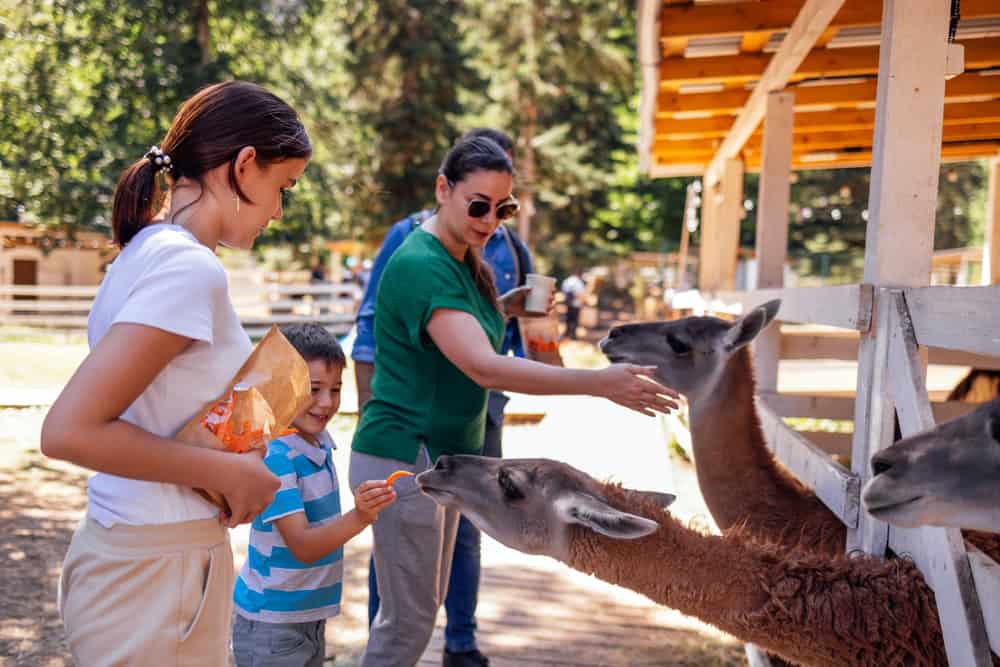
Visitors are often unaware of the safety measures that go into running a zoo.
©Dasha Petrenko/Shutterstock.com
Zoos also provide proper veterinary care and wellness visits for their animals. Behavioral training is often part of routine visits, which helps animals adapt to life in captivity. This is also a form of enrichment, and keeps animals stimulated so they’re less likely to become bored and lash out. Zoo staff constantly monitor animals for signs of stress, and many are assigned to specific enclosures or exhibits. Each one is specially trained to handle the animals they’re responsible for.
If an emergency arises, zookeepers also undergo training for it. Many zoos have protocols depending on the situation, whether it’s an aggressive animal or an accidental escape. These procedures vary from zoo to zoo, but are practiced regularly with staff who are ready to jump into action should the need arise. Some even have on-call response teams, which are deployed to help in extreme situations.