
Quick Take
- An untreated cat UTI can escalate to something far worse than discomfort, and the timeline for that to happen is shorter than most owners expect. See the untreated risks →
- Clavamox can actually harm your cat if they're already on a common, seemingly unrelated medication. Check the drug interactions →
- There's a natural kitchen staple that vets recognize as a legitimate UTI remedy for cats, though it only works under one specific condition. See how it works →
- The safe Clavamox dose window is narrower than most people assume, and crossing it has consequences even vets want you to watch for at home. Review the overdose warning →
As a cat parent, you may know your feline friend is susceptible to various bacterial infections. These infections should not be left untreated and may require an antibiotic like Clavamox, prescribed by a veterinarian. So, what is Clavamox, and what type of infections does this antibacterial treat? This guide will provide you with information to help you get your sick cat feeling better again in no time.
When Do Cats Need Clavamox?
Clavamox is a type of penicillin that veterinarians prescribe to treat various bacterial infections in cats, such as:
- Soft tissue and skin infections (e.g., abscesses, wounds, dermatitis/cellulitis) caused by susceptible strains of Staphylococcus aureus, Streptococcus, E. coli, and Pasteurella.
- Urinary tract infections caused by E. coli.
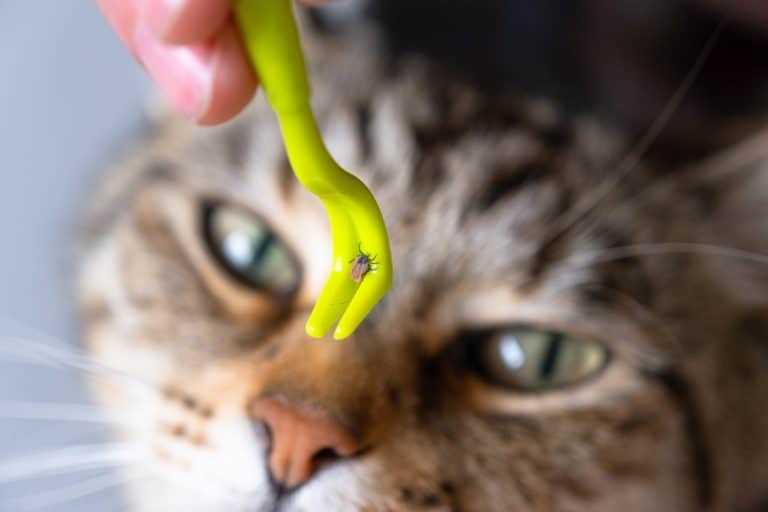
Cats aren’t immune to health conditions like allergies. In addition, cats can attract fleas that attach themselves to their host. The perfect conditions for a bacterial infection to develop from these occur between skin folds where it is warm and moist, leading to irritation and infection. If left untreated, skin infections can develop into deeper bacterial infections or abscesses, which may cause serious complications if the infection spreads.
Another infection that a cat may develop is a urinary tract infection (UTI), which, if left untreated, can progress to blockage of the urethra, kidney failure, a ruptured bladder, or death. Once your cat begins treatment for any of these ailments, it should start to show signs of healing.

Clavamox is a type of penicillin used to treat various skin infections and UTIs in cats.
©Ro_ksy/Shutterstock.com
Side Effects of Clavamox on Cats
Clavamox contains both Clavulanic acid and Amoxicillin. You must only administer Clavamox for cats under the guidance of your veterinarian, who will provide you with a prescription. While each cat may react differently to the drug, keep an eye out for the following side effects:
- Appetite loss
- Allergic reaction, which may cause hives or labored breathing
- Diarrhea
- Nausea/vomiting
Clavamox can also react with the following drugs:
- Other penicillin types
- Antacids
- Chloramphenicol
- Tetracycline
In the event of an allergic reaction, the vet may give your cat epinephrine and/or steroids.
It is very rare for cats to overdose on Clavamox. However, keep an eye out for any side effects.
©Stock-Asso/Shutterstock.com
Signs of Clavamox Overdose/Allergies in Cats
Do not administer more than the recommended dosage of Clavamox to your cat. Should you administer more than the recommended dose to your cat, keep a close eye on them. They may show symptoms of diarrhea or vomiting and may need medical attention from your veterinarian.
Risks to Consider
It’s important to let your vet know if your cat has allergic reactions to antibiotics, as this will help your vet determine if it’s safe to administer Clavamox to your cat. If your cat has an upset stomach or isn’t eating well, your veterinarian may recommend an alternative drug because Clavamox can be harsh on the stomach. The appropriateness of Clavamox for use in pregnant cats has not been determined, so exercise caution if your cat is pregnant.
Animals with a history of adverse reactions to penicillin or cephalosporin should not use Clavamox. Also, as noted above, cats taking tetracycline, chloramphenicol, antacids, or other types of penicillin may not be candidates for Clavamox, as these drugs are known to interact with it.
Exercise caution in using Clavamox if your cat is pregnant.
©Jim Polakis/Shutterstock.com
Clavamox for Cats Dosage
The recommended dosage of Clavamox for cats is 62.5 mg (1 mL) drops twice daily. Abscesses, cellulitis/dermatitis, and other skin and soft tissue infections should be treated for 5-7 days or 48 hours after all symptoms have disappeared. Treatment should not exceed a maximum of 30 days. If there’s no improvement after three days, your vet may discontinue therapy and reevaluate the situation.
Treatment for urinary tract infections may last 10–14 days or longer. The treatment should not last longer than 30 days. Ensure that you follow the dosage as your vet prescribes, as the Clavamox dosage information provided here is not a prescription but merely a guide.
| Dosage | Frequency of Administration | Duration |
|---|---|---|
| 62.5 mg (1 mL) drops or one 1 chewable tablet (62.5 mg) | Twice daily | 5-7 days for skin and soft tissue issues; 10-14 days for urinary tract issues |
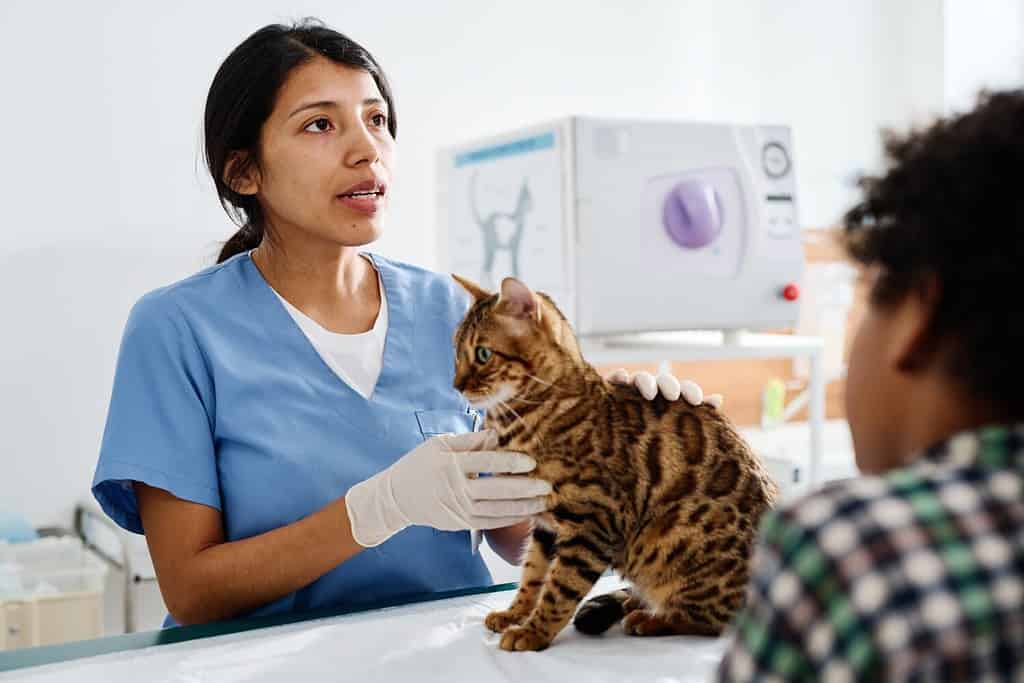
Seek advice from your veterinarian before trying natural alternatives to Clavamox for cats.
©Pressmaster/Shutterstock.com
Alternatives to Clavamox for Cats
There are alternatives to Clavamox for cats that can be taken in its place. These are non-medication alternatives and do not require a prescription from your vet. However, it is important to discuss this with your veterinarian to ensure it is safe for your cat. Natural antibiotic products for your cat include the following options.
Echinacea Purpurea
Echinacea purpurea is a type of coneflower often used to treat cat ailments. This supplement is a natural product that can help decrease inflammation while supporting the immune system. In addition, Echinacea has been known to treat upper respiratory infections.
Even though Echinacea is a supplement, you must still discuss using it with your vet before administering it to your cat. This is due to some felines experiencing allergic reactions to the plant.
Manuka Honey
Honey has many health benefits for both humans and animals. Research has demonstrated that honey from different species of bees contains antibacterial qualities, making it an excellent natural antibiotic treatment for cats.
Manuka honey is ideal if you’re looking for a topical treatment for your cat to treat various skin infections. This type of honey is a great natural antibiotic because of its antibacterial and healing capabilities. However, be cautious of the type of honey you use. Raw honey can contain bacteria and other pathogens, so Manuka honey works best.

Manuka honey is a natural remedy used to treat open wounds and infected skin in cats.
©Liga Cerina/Shutterstock.com
Apple Cider Vinegar
Apple cider vinegar is a safe product for treating a UTI in your cat. Incorporating apple cider vinegar into your cat’s diet can be beneficial in maintaining a balanced pH level in their urine, which helps eliminate and prevent harmful bacteria.
Add approximately half a teaspoon of apple cider vinegar to your cat’s daily food intake. If your cat is a picky eater, you can blend the apple cider vinegar with chicken or beef broth to hide the taste. However, ensure the broth you use is low in sodium and contains no onions, as these can be toxic to cats. Keep in mind that apple cider vinegar is only effective if your cat’s urine is overly alkaline.
Conclusion
Clavamox is a powerful treatment for your cat’s skin or urinary tract infections. However, getting a prescription from your veterinarian is important to ensure the correct dosage for your cat. If you decide to treat your cat’s ailments with a natural alternative, discuss this with your vet to ensure it’s safe for your pet.