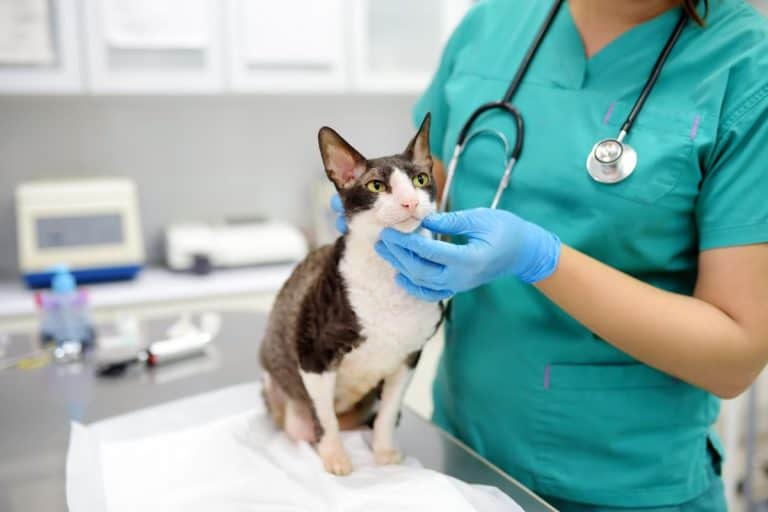

Cats are notorious for hiding when they are in pain and not feeling well. And like all animals, they face health challenges, some of which may only require a simple fix, while others are more critical. This is why veterinarians recommend yearly-to-bi-annual exams as cats begin to age so that the most common health problems can be identified and managed as early as possible to give cats the long life they deserve.
The Most Common Health Issues Cats Face
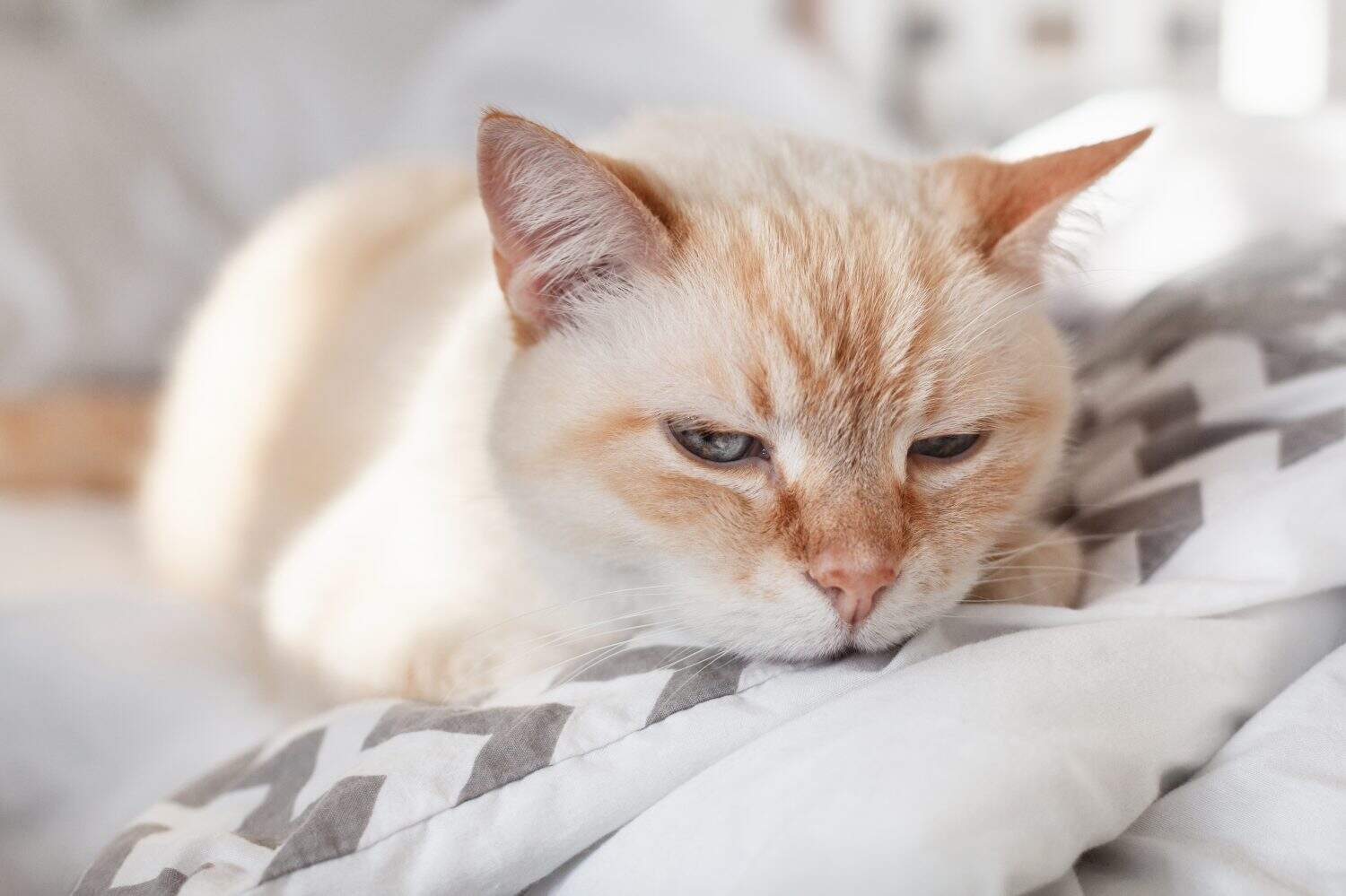
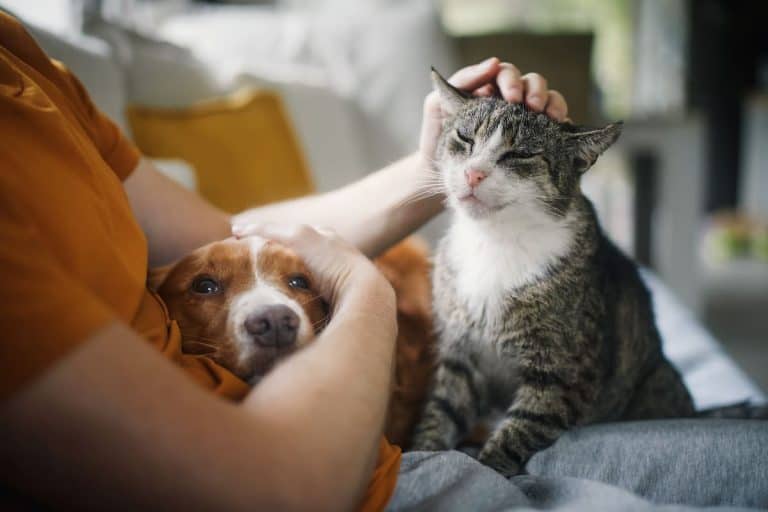
Cats are notorious for not showing signs of illness, despite being uncomfortable or in pain.
©Prystai/Shutterstock.com
Generations of wild cats have passed down a survival trait to their domestic cousins: the tendency to hide vulnerability or weakness. Consequently, when pet cats are not feeling well, a specific health issue isn’t always evident. This results in cats experiencing prolonged pain or discomfort, as they are unable to vocalize their feelings.
Several common health issues plague cats, however, according to Dr. Grant Little, DVM, a veterinary expert for Just Answered. Some of the most common include:
- Chronic kidney disease
- Inflammatory bowel syndrome
- Diabetes
- Hyperthyroidism
- Urinary tract issues
- Obesity
- Dental disease
Of these issues, the top three that Dr. Little sees most often are chronic kidney disease, stress bladder, and intestinal diseases, such as inflammatory bowel disease and lymphoma.
According to Dr. Little, all of these health issues plague indoor and outdoor cats equally. However, due to the shortened lifespan of outdoor cats, common health challenges do not generally have time to present.
“Outdoor cats do not live as long,” Dr. Little explains to A-Z Animals. “We see a lot more trauma in outdoor cats than indoor, with outdoor cats getting into fights with other cats or getting broken legs that go untreated.”
It is interesting to note that outdoor cats have another common health issue that indoor cats generally do not face: feline leukemia. While indoor cats are not immune to it, according to Dr. Little, it is a chronic disease that is seen time and again with feral cat colonies.
“Feline leukemia shows up in about two percent to five percent of stray, feral cats,” Dr. Little says. “It is a chronic disease that you can’t clear. Feline leukemia shortens the life expectancy of cats to two to four years. These cats just don’t live as long compared to other cats.”
Given the numerous health issues cats face, it is crucial to pay attention to their behavior. A subtle change in a cat’s normal behavior is often a sign of an undiagnosed health issue. The sooner a cat receives a routine check-up, the quicker the diagnosis, and the faster a treatment plan can begin.
Obesity Is Not Just an Epidemic for People
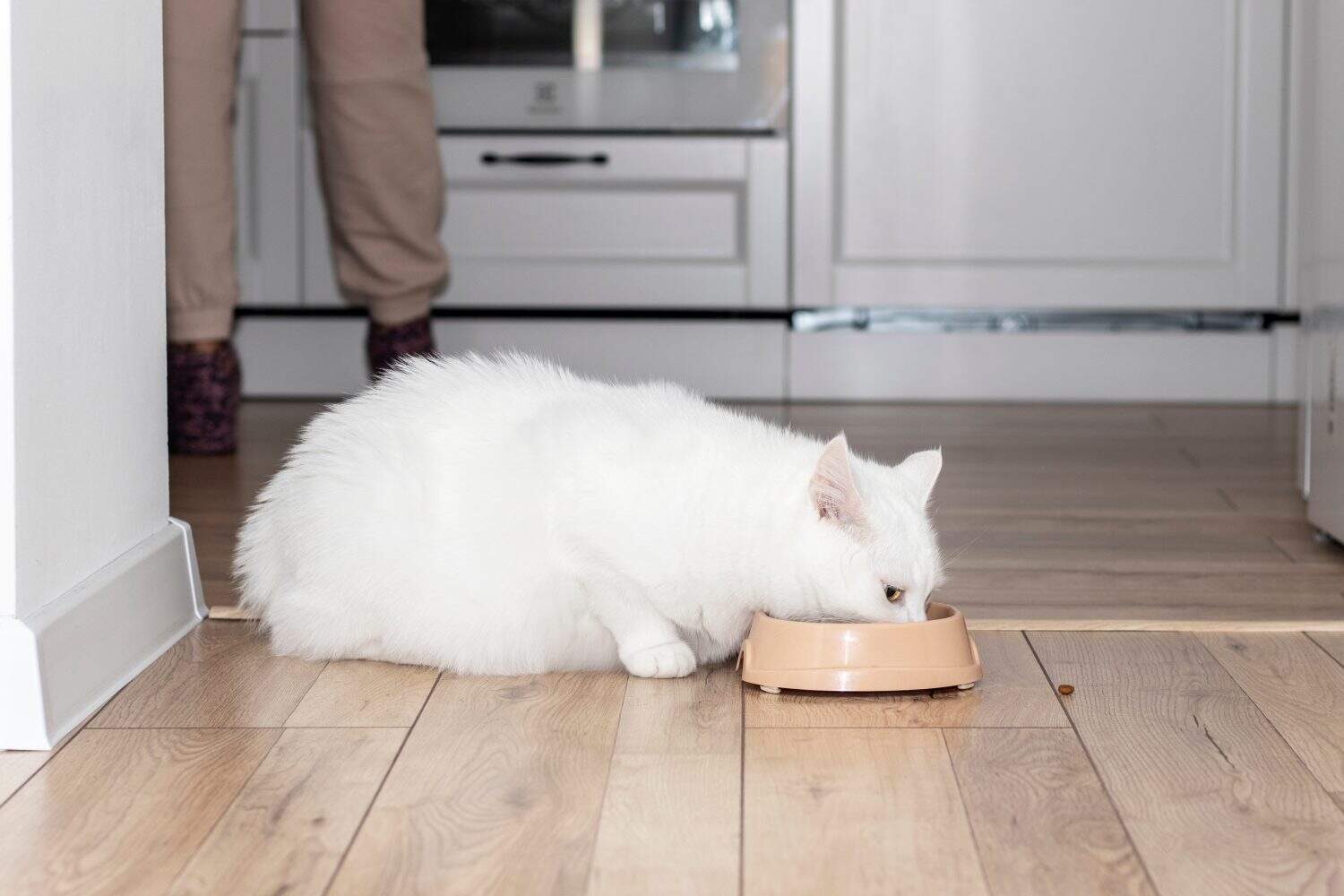
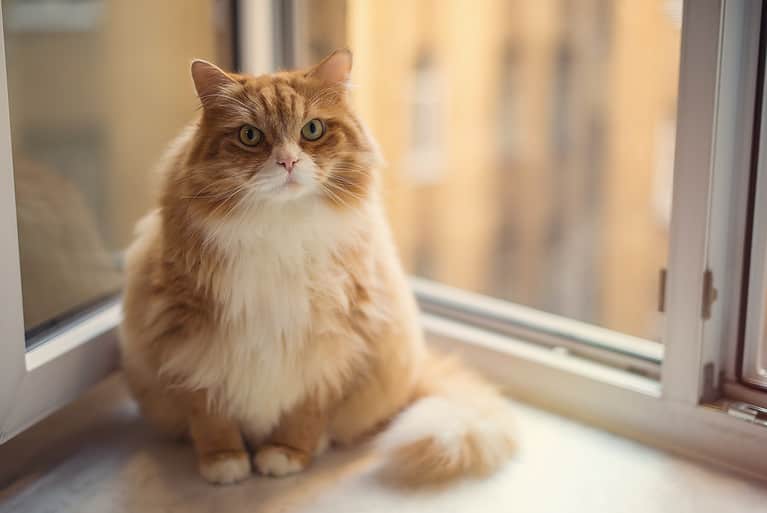
Obesity is a common health problem indoor cats face today.
©Serhii Ivashchuk/Shutterstock.com
When a cat is 10% to 20% over its ideal body weight, it is considered overweight. Kitties who are 20% over their ideal body weight are obese. Some of the latest figures show that 61% of the cats in the United States are overweight or obese. Consequently, obesity is a common health challenge among cats.
“Cats today are more sedentary,” Dr. Little explains to A-Z Animals. “The food they are being fed is also high in carbohydrates. This is different from their natural diet of, say, rats and birds, which is filled with moisture and protein-rich.”
“As cats put on weight, people continue to overfeed,” Dr. Little continues. “This begins a psychological state for cats, who then constantly beg for food and treats. People keep feeding into it, feeding their cats more and more, leading to obesity.”
Dr. Little also highlights what many of us humans are all too familiar with: “It is always easier to put weight on than take it off.”
UTIs Are Not as Common as They Were Once Believed to Be
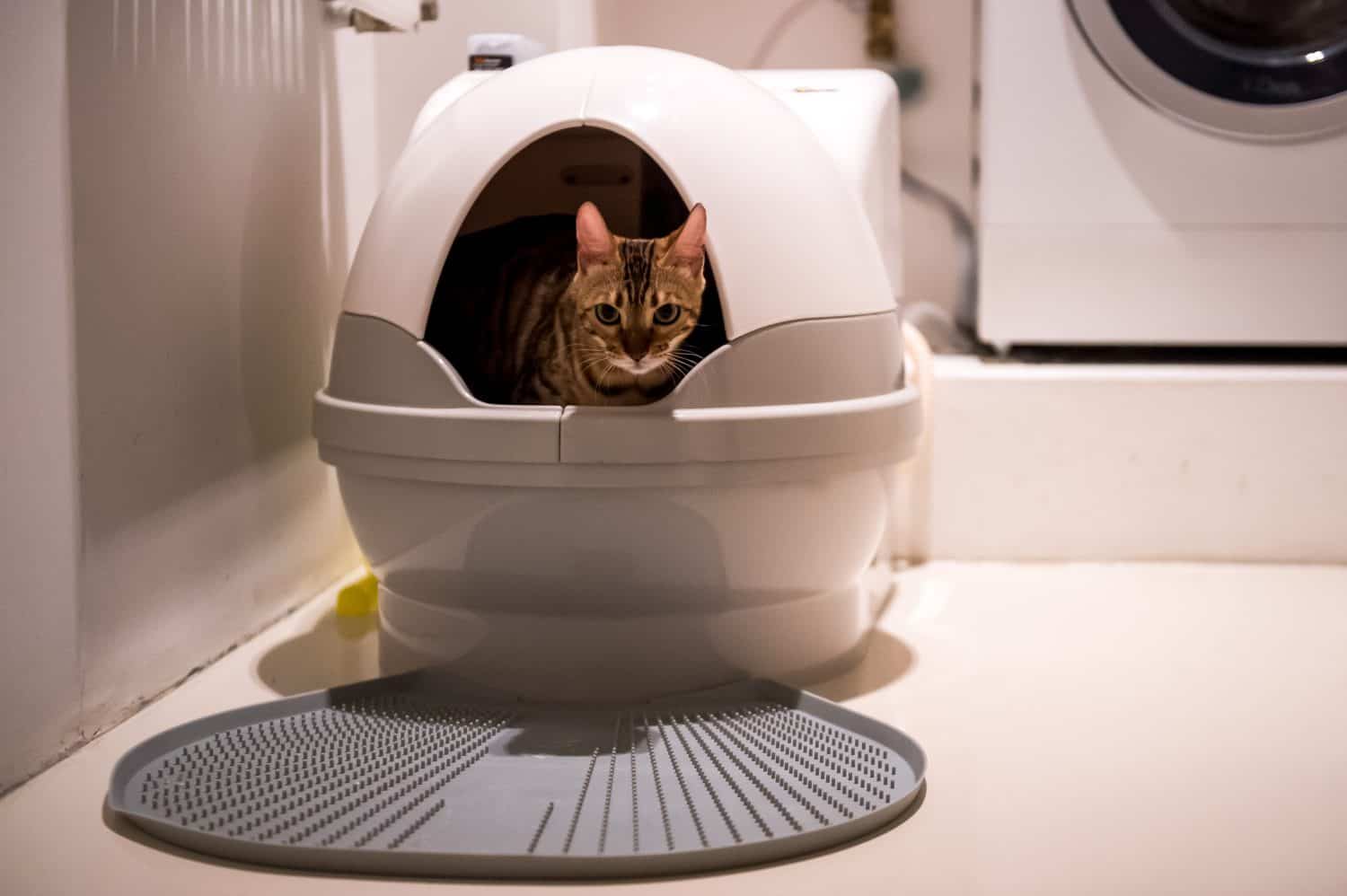
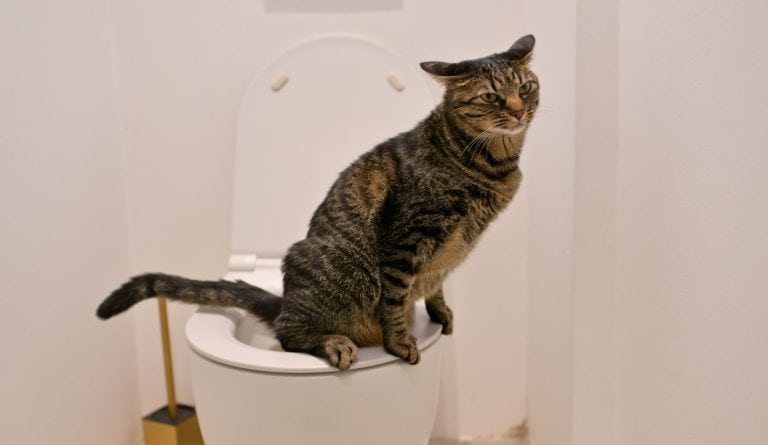
Fewer cats are being diagnosed with UTIs compared to stress cystitis, a common cause of FLUTD in cats.
©279photo Studio/Shutterstock.com
It used to be that if a cat was getting older, drinking more water, and urinating outside of the box, it automatically elicited a diagnosis of urinary tract infection. However, as the field of veterinary medicine has advanced, doctors have found that UTIs are not as common as they were once believed to be. Instead, veterinarians like Dr. Little are seeing cats experience stress cystitis rather than UTI, and it is rapidly becoming a significant health issue in felines.
Stress cystitis is a common cause of feline lower urinary tract disease (FLUTD) in cats. FLUTD presents with the following symptoms:
- Bloody urine
- Licking urinary opening
- Straining when attempting to urinate
- Urinating in places outside of the litter box
- Urinary blockage
In the past, according to Dr. Little, cultures often came back with no bacteria present. Despite these curious findings (or lack of findings), UTIs were still diagnosed. Cats were treated with antibiotics and sent on their way.
It was eventually discovered that the indoor cats coming into veterinary practices did not have UTIs. They had stress cystitis, a painful condition in which stress causes the lining of the bladder to become inflamed.
“Aging cats would begin drinking more water and begin urinating outside of the litter box. Older generations of veterinarians automatically believed they had a UTI,” Dr. Little tells A-Z Animals. “This cycle kept repeating itself over and over.”
“Stress cystitis has been known about for decades. Vets were trained to look for UTIs, however. While cats still need to be tested for UTI, tests are now showing that 8/10 cats do not have UTI. This does not mean UTIs are not a health issue for cats. It is still pretty high on the list. But now, vets are not looking for UTIs. They are looking for something else, including stress cystitis.”
Stress cystitis can be caused by anything that cats deem stressful in their lives. Some of those things, according to Dr. Little, include:
- Moving to a new home
- Adding a new pet
- A new person moving into the home
- Changing furniture
- Fighting with other cats
- Lack of territory to wander around
- No stimulation indoors, leading to boredom
- Medical conditions that lead to stress and pain
There is no test for stress cystitis. Instead, it is a diagnosis by elimination. This condition is named once tests for other causes of FLUTD are ruled out. Once it is diagnosed, however, the general treatment includes:
- Prescribing anti-inflammatory medication
- Increasing water intake
- Supplements to heal the bladder lining
- Prescription food
- Finding the source of stress and eliminating it
Once this is done, cats should return to good health and old behaviors. However, stress cystitis can present more than once in a cat’s lifetime, which is why it is so important to keep their stress levels to a minimum, especially for kitties less capable of handling stress.
Purebred Cats Are More Prone to Disease
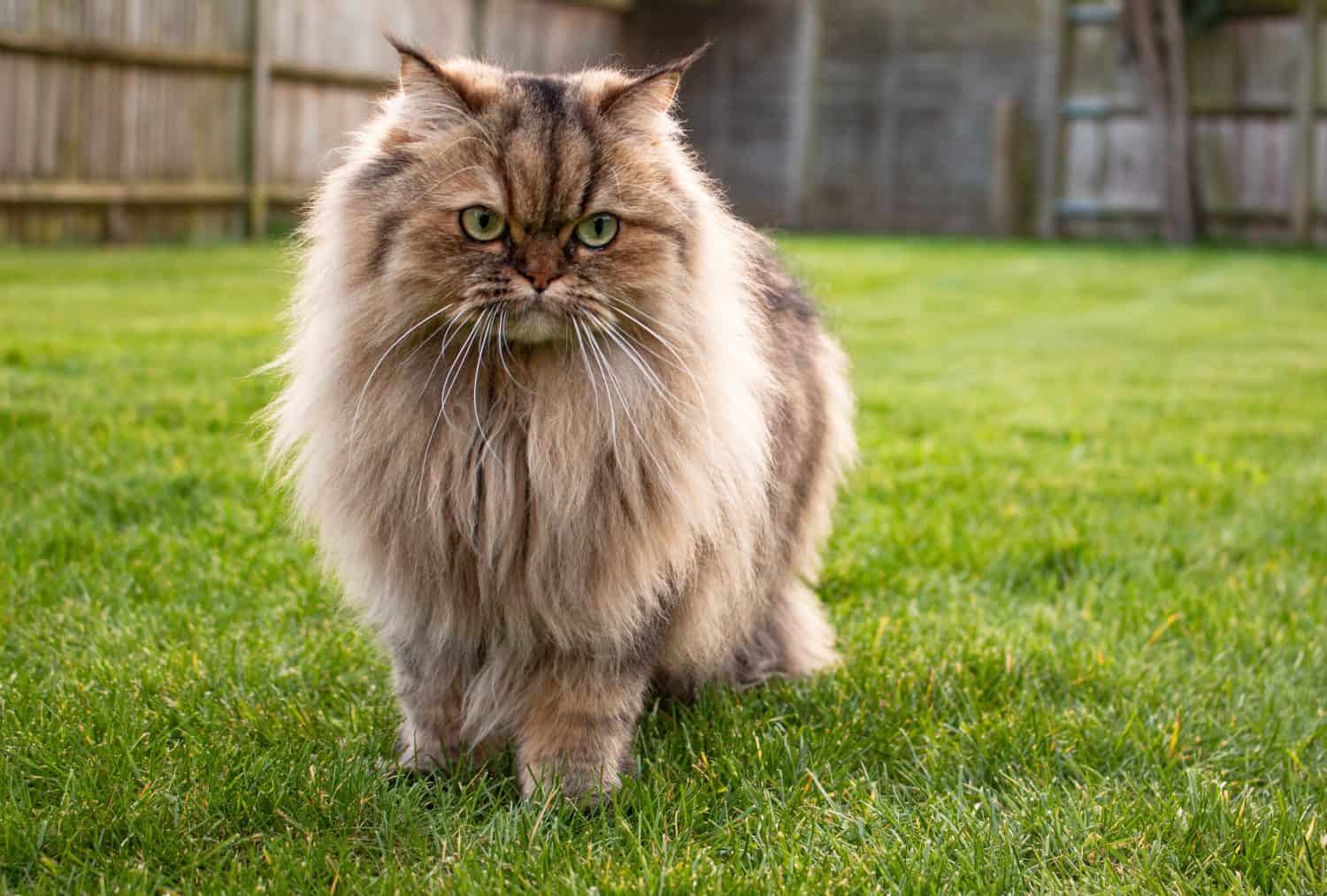
Purebred cats, like this Persian, tend to have more health issues than mixed-breed cats.
©Jacintne Udvarlaki/Shutterstock.com
“Adopt, don’t shop” has become a popular catchphrase in recent years to help clear the shelters of animals who desperately need homes. But it may also be a way to ensure cats have fewer health issues, as purebred cats have a tendency to be plagued with medical problems.
According to Dr. Little, three purebred cats tend to have more health issues than domestic long or shorthair cats. Those breeds are:
- Persian
- Sphynx
- Maine Coon
Not only do these cats tend to have more health issues, but they are also more often plagued with feline hypertrophic cardiomyopathy (HCM), also known as heart disease.
One in seven cats will be diagnosed with HCM in their lifetimes. Unfortunately, there is no cure for HCM. Those who are diagnosed will be prescribed medications to minimize symptoms as much as possible. Cats with heart disease may also need fluid removed from the lungs or require oxygen treatments.
Some cats with HCM may exhibit no symptoms and appear healthy. Others may show signs. Symptoms of HCM include:
- Labored breathing
- Rapid breathing
- Breathing with the mouth open
- Lethargy
- Abnormal gum color
- Abdominal swelling
- Decreased circulation to the footpads, causing a change in color to blue
Cats diagnosed with HCM can live many years without symptoms. When symptoms present, the condition generally worsens. Once this occurs, the lifespan for cats varies based on the severity of the condition. Estimates may be as short as six months or up to two year or longer.
What Cat Owners Can Do to Prevent Health Issues in Their Cats
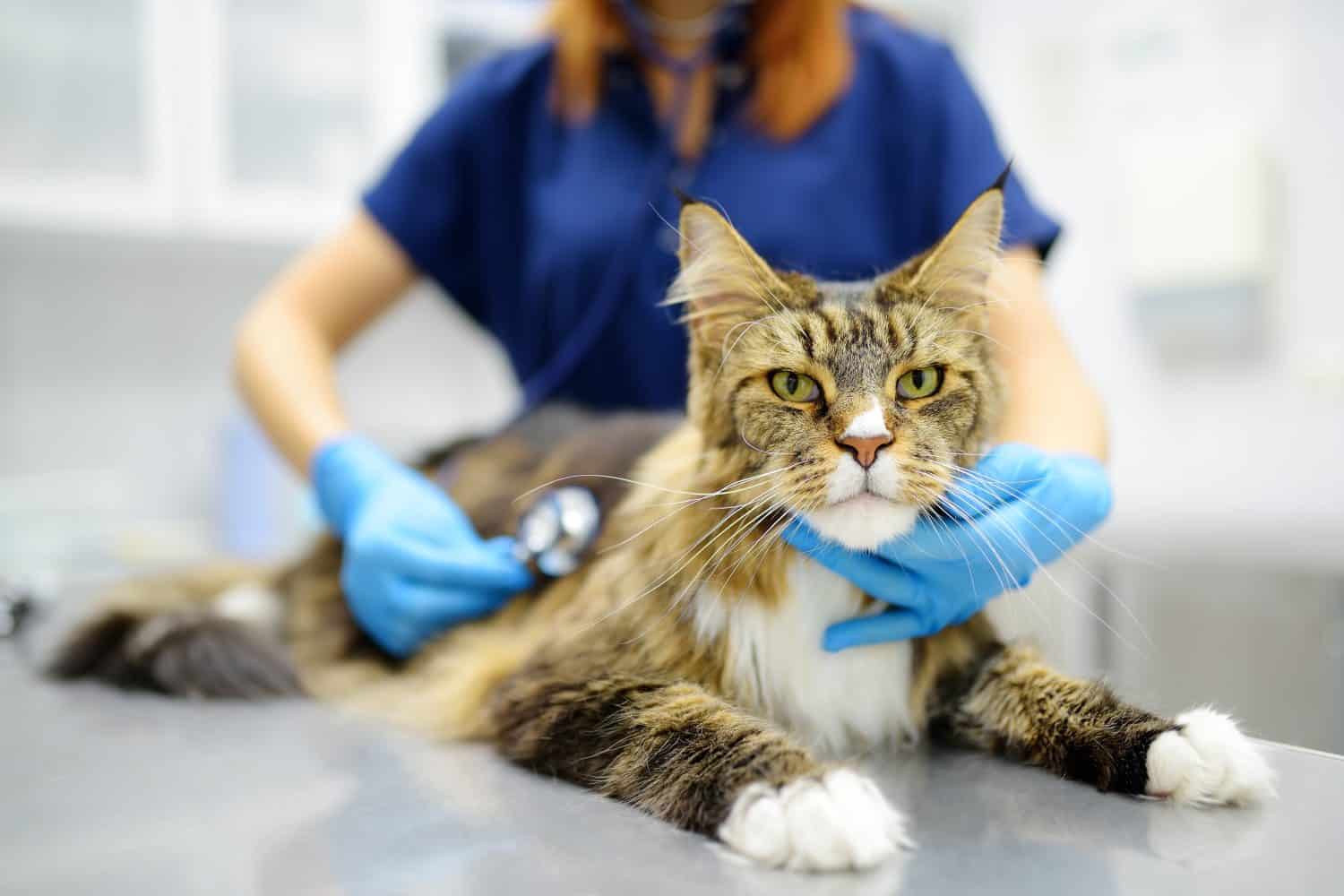
Regular visits to the vet, healthy weight, watching for food allergies, and more are just some of the preventative measures people can take to keep their cats healthy.
©Maria Sbytova/Shutterstock.com
Fortunately, for cat owners who want to be proactive with their feline’s health, according to Dr. Little, steps can be taken to prevent some of the most common health problems from occurring.
“Weight is a big one,” Dr. Little explains to A-Z Animals. “You want a way to stop diabetes in cats, control their weight.”
Dr. Little goes on to say, “Inflammatory bowel disease comes down to food allergies and inflammation in the body.” To help prevent cats from developing IBD, Dr. Little recommends paying attention to signs that the food is not agreeing with them, such as vomiting or weight loss.
Additionally, the proper treatment of health issues earlier in life can “benefit” later, according to Dr. Little. For example, if a kitten gets sick and dehydrated, its kidneys are going to suffer for a bit. But if proper hydration and effective treatment are immediately provided, the kitty’s chances of developing a health issue decrease.
Specifically for outdoor cats, Dr. Little says that feline leukemia should be tested for and treated routinely, given the propensity for this disease to spread through cat colonies.
“Every time you put a cat down for feline leukemia it is sad,” Dr. Little says, “because it could have been easily avoided.”
Getting routine vaccines and dental checkups is also crucial for overall health, Dr. Little states. Therefore, when it comes to cats, as the saying goes, “an ounce of prevention is worth a pound of cure.”
Remember To Plan and Save For Emergencies

Put aside money when cats are healthy to pay for potentially expensive treatments in the future.
©Ostanina Ekaterina/Shutterstock.com
Those with young, healthy cats often don’t consider the possibility of their cats aging and developing health issues. But it is at this stage of a cat’s life, according to Dr. Little, that people should be saving so that when the day comes that a cat needs treatment, it is not a financially overwhelming experience.
“You take your one-year-old cat to the vet to get their three-year rabies and FVRCP vaccines,” Dr. Little explains. “The vet says they are going to be good for three years. The cat is super healthy, and people get lulled into the idea that things are going well. This is the time to save.”
Dr. Little explains that as cats age, they may develop conditions such as tumors or require bloodwork, even if they do not have health issues. All of these things, not only “take a lot of work,” but also cost money. Therefore, if purchasing pet insurance is not on the table, putting money aside consistently can help to soften the financial blow. This will ensure that people do not go into debt caring for their aging cats. It will also guarantee that cats get the treatment they need and deserve, should they develop any of the most common health issues that plague felines, both indoor and outdoor.