
Taking your pet to the veterinarian’s office can feel like a big deal. Sometimes it is, such as when you’re going for surgery, experiencing mysterious symptoms, or even something potentially minor like an upset stomach. Other times, your visit to the vet is for something routine, such as a check-up or preventative care like vaccinations or flea and tick treatment. Regardless of the reason, there’s one certainty you’ll experience during every vet trip: meeting the veterinary technicians (vet techs) who help the clinic run smoothly. Your vet tech is likely the first person you’ll speak to once you’re in the office, but most people don’t realize how much vet techs actually do for your pet.
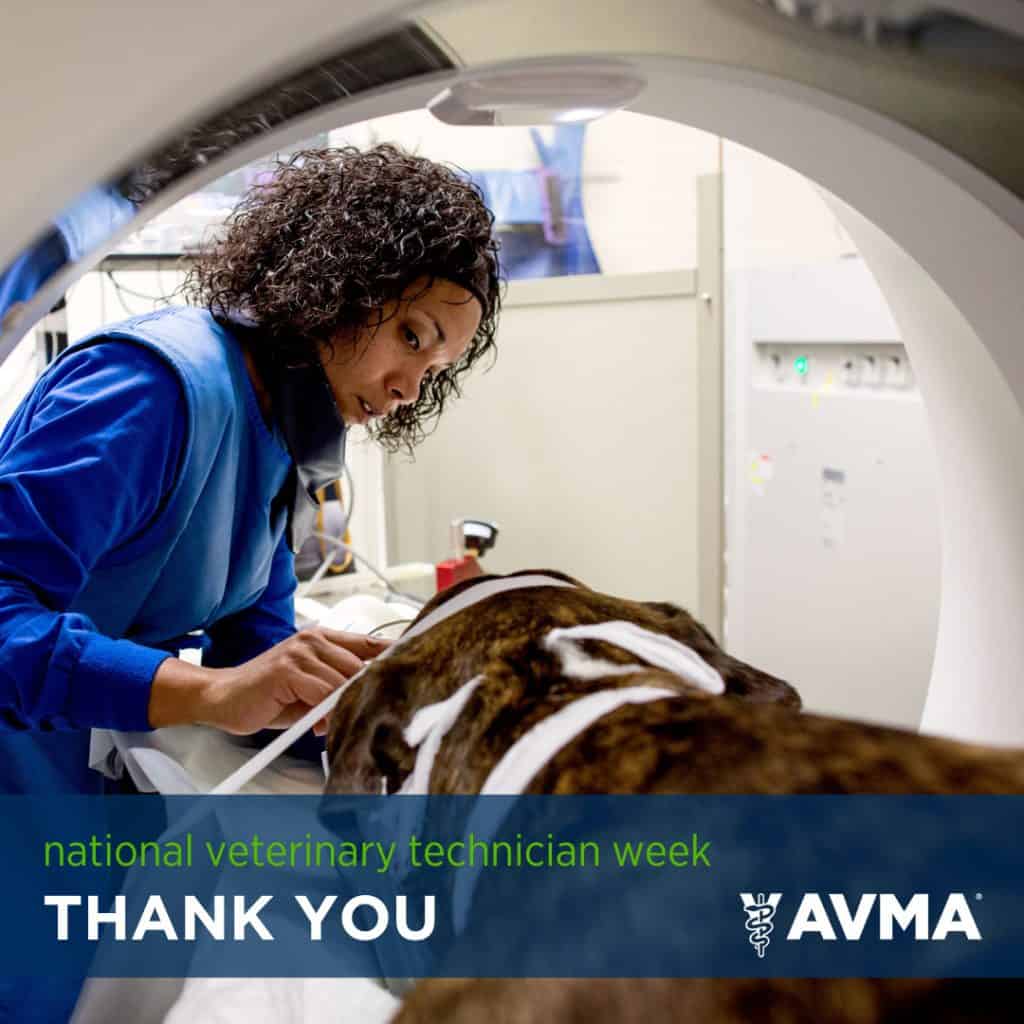
Each year, the American Veterinary Medical Association shows its appreciation for vet techs.
©American Veterinary Medical Association – Original / License
It’s time to learn about (and celebrate) your vet techs, and now is the perfect time to do so! National Veterinary Technician Week, which takes place from October 12-18, 2025, recognizes the incredible (and highly skilled!) professionals who work behind the scenes in veterinary medicine. Let’s take a look at what your vet tech handles to give the greatest care to your pets.
What are Veterinary Technicians?
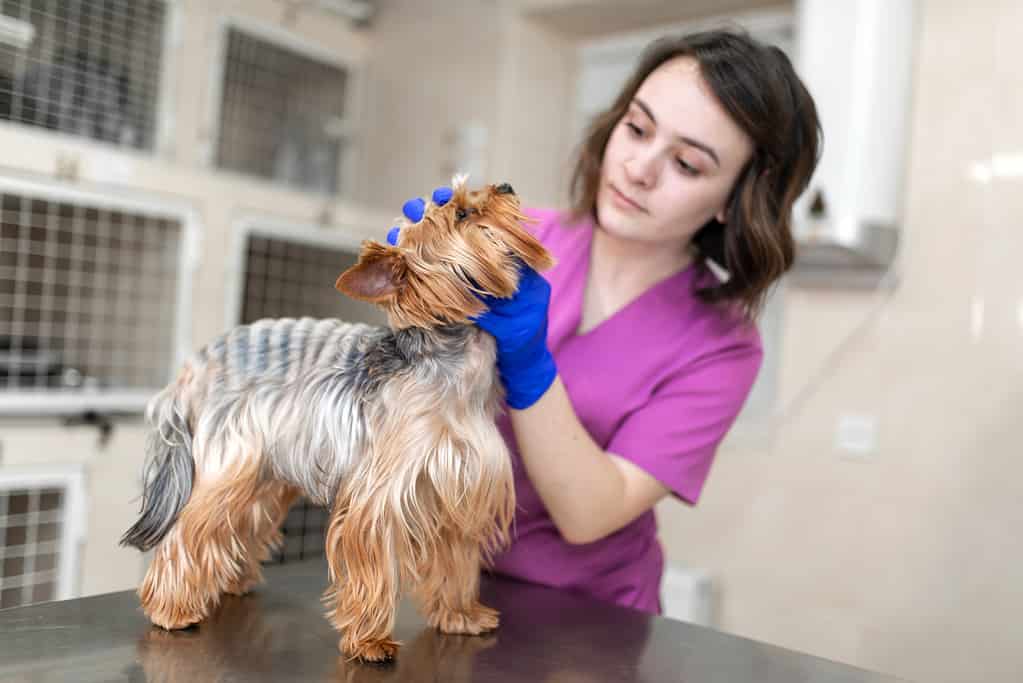
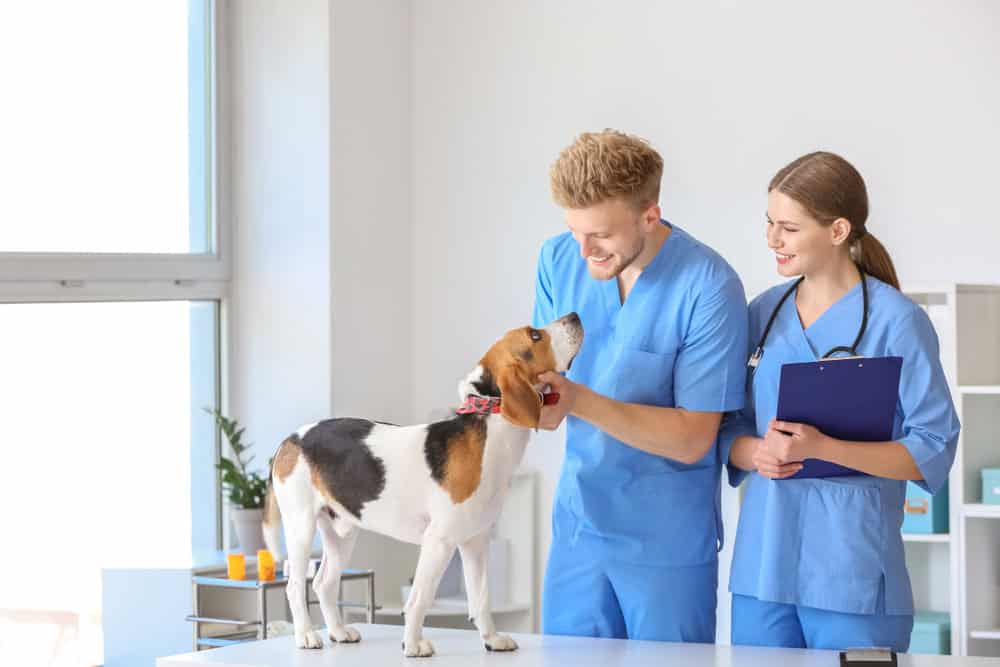
Vet techs are an important part of the veterinary ecosystem and perform seriously beneficial tasks to help your pets.
©Kateryna Kukota/iStock via Getty Images
Veterinary technicians are highly trained and educated individuals who support the veterinary team. To become a vet tech, someone must:
- Achieve a degree from a program accredited by the American Veterinary Medical Association (AVMA)
- Pass the Veterinary Technician National Exam
After completing their training and exams, veterinary technicians are knowledgeable in a range of subjects, including animal anatomy, animal handling, and radiology, among others. Some vet techs pursue more specialized training, and many may switch departments or career paths over the years.
As Danielle (Dani) Terry, a Certified Vet Tech (CVT)/Registered Vet Tech (RVT) since 2005, explains, “I have done it all, from GP for the first decade, to medical/radiation oncology, and then starting a critical department with my savior and mentor Dr. Van Pelt who has taught me nearly everything I know.” Terry currently works at Four Seasons Veterinary Specialists, which she describes as a privately-owned practice focused on specialty and emergency care.

Outside of being a vet tech, Danielle rescues abused Golden Retrievers. Here she is with Juju (4 in the photo, 11 now), who is battling T-zone lymphoma and bladder TCC.
©Danielle Terry
Terry’s broad knowledge base highlights that many people don’t recognize how nuanced a vet tech’s role is. In fact, a survey referenced by the National Association of Veterinary Technicians in America (NAVTA) found that 63% of people didn’t know that veterinary technicians are equivalent to human registered nurses. Despite this, 82% of respondents still reported that they felt better knowing a clinic had trained and experienced vet techs on staff.
And you should! Even though vet techs can’t perform surgery or prescribe medication, when you bring your pet for an appointment, your vet techs are handling…
1. Lab Work Management
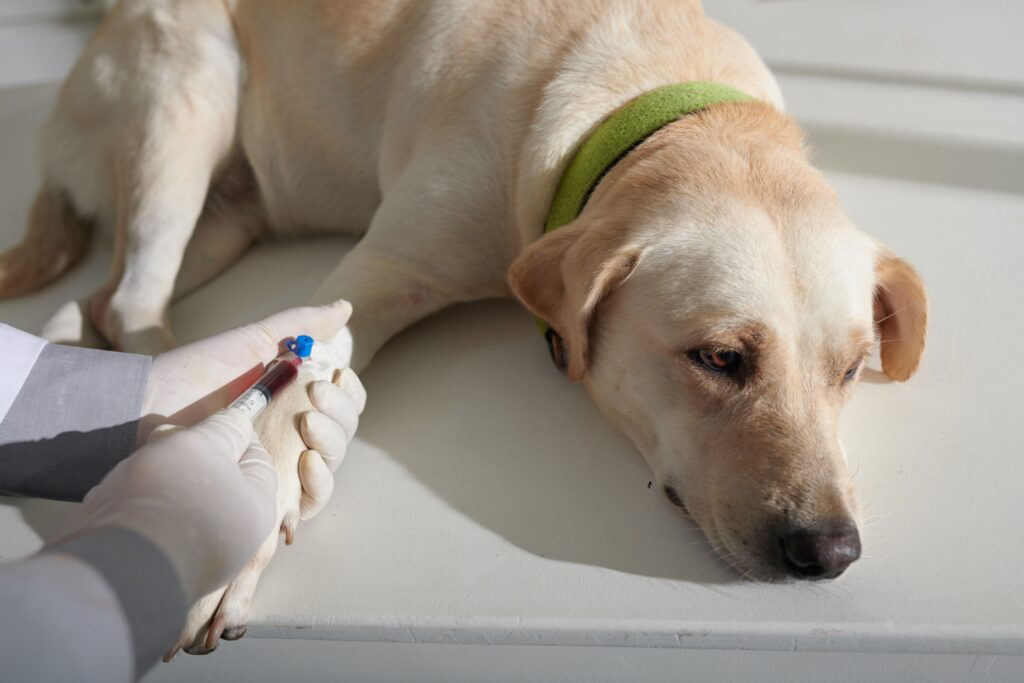
If samples of blood are needed to run tests for your dog, it’s probably a vet tech collecting those samples.
©Dragon Images/Shutterstock.com
Your vet tech is responsible for managing a lot of the lab work that your pet needs done. “We draw all the bloodwork and do the urinalysis,” says Terry.
Many people don’t consider, however, that some animals don’t respond as well to being in a vet’s office as others do. Vet techs must safely manage the animal, from the smallest kitten to large dog breeds like a Cane Corso, while collecting swabs or cells. Not every animal is cooperative, but your vet tech remains committed to treating them patiently and with care.
Just like with humans, urine, blood, and skin samples can all give valuable insights into your pet’s health. Urinalysis, which is when urine is examined to evaluate urinary tract health, can show whether your pet has a range of conditions, such as UTIs, diabetes, or kidney disease. The findings from these tests can help your vet make diagnoses and adequately prescribe treatment for your pet.
2. Pain Level Monitoring and Treatment
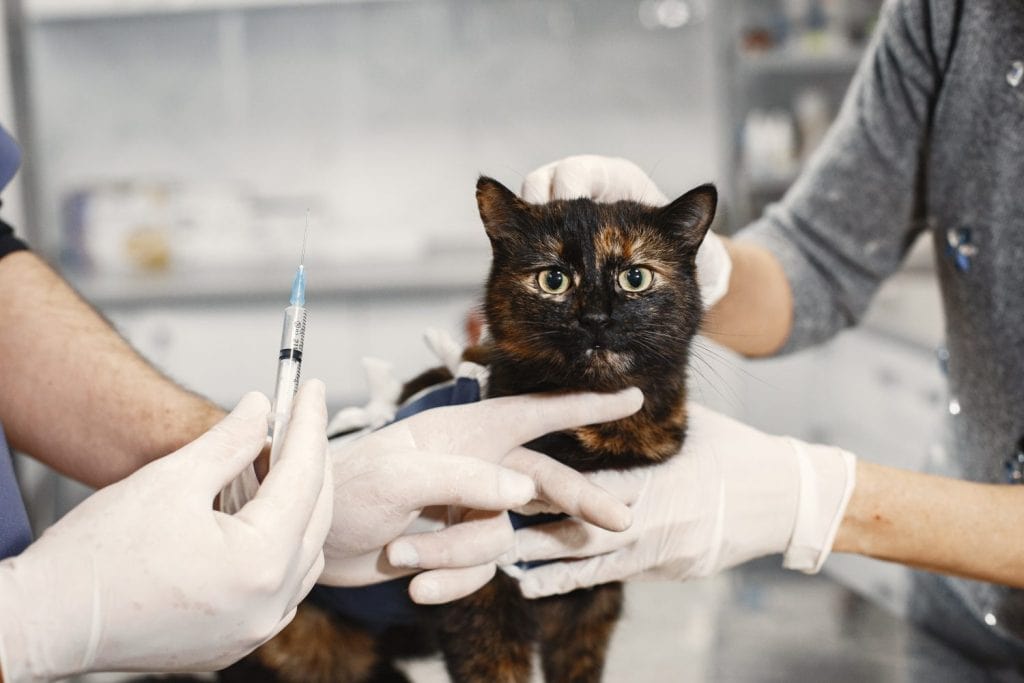
Some animals, like cats, are better at hiding pain as an evolutionary way to not show weakness to potential predators.
©Oleggg/Shutterstock.com
I took my last cat to the vet after she hissed at me. For many people, a cat hissing would not be cause for concern. But my cat had always been a “lap cat,” and had never before displayed any signs of aggression or anger. As it turned out, she had two types of cancer and was acting out because of the pain. Had she not hissed, I might have never discovered her illness. This isn’t abnormal in animals. Many animals, especially prey species, attempt not to outwardly show pain to avoid being picked on, attacked, or even killed.
Vet techs, however, can identify when your pet is in pain based on physiological signs. “We can monitor your pet’s pain levels by paying very close attention to their heart rate and blood pressure, even when unconscious,” Terry explains, which is crucial during surgeries or other intensive procedures.
By recognizing when an animal is in pain, your vet tech can also suggest options for pain management. In the office, especially in trauma cases, the vet tech may assist in administering medication like methadone. “We give a quick injection because it works well for most pain,” says Terry. If you take your pet home, your vet tech can also be a resource for personalized management options.
3. Dental Procedures
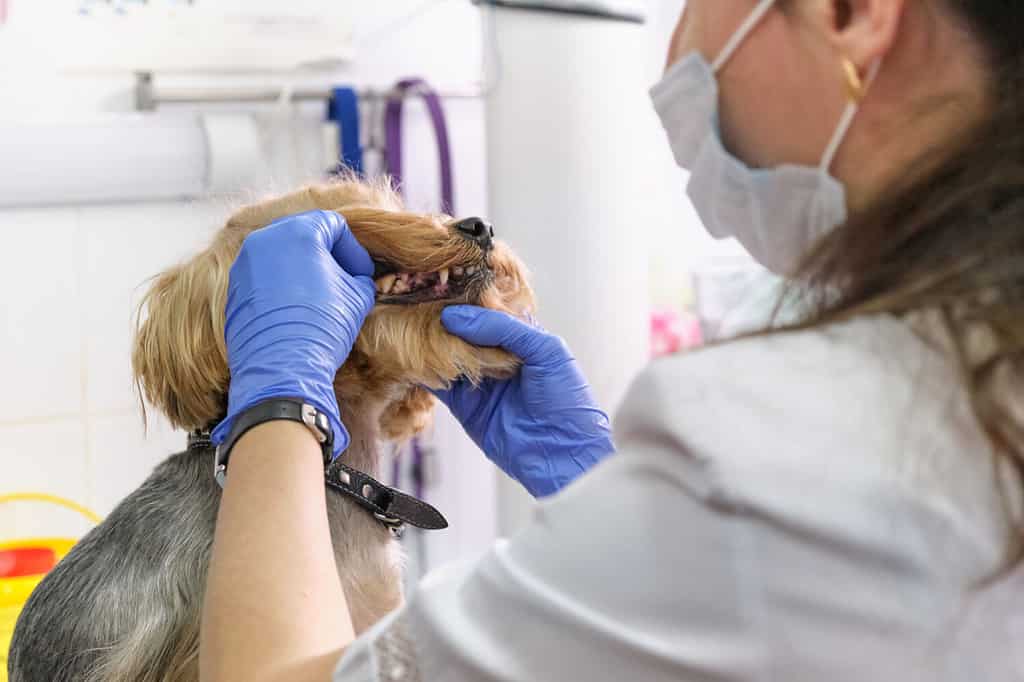
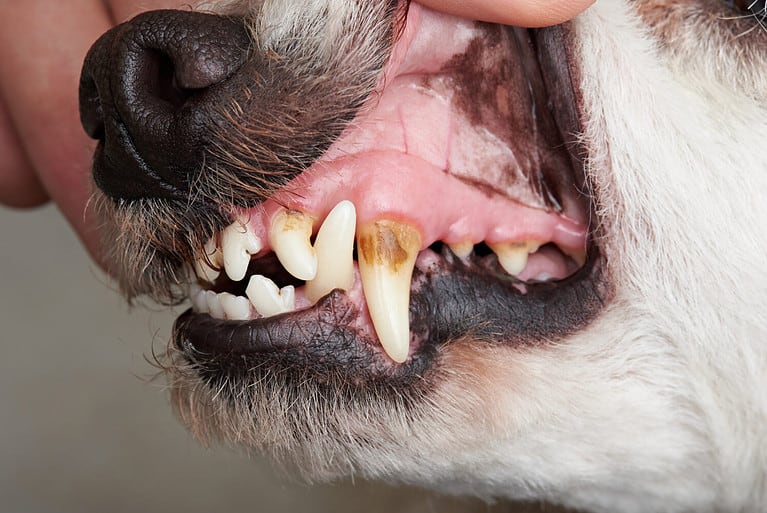
Upwards of 50% of all dogs and cats develop dental disease by the time they’re three years old.
©Yavdat/Shutterstock.com
Sources vary on the actual percentage, but most agree that 50-80% of cats and dogs have active dental disease in their early years, with that percentage only increasing as your pet gets older. Dogs commonly develop periodontal disease, which, if left untreated, can lead to gum inflammation, abscesses and fistulas, bone damage, tooth loss, and even systemic health problems.
While vet techs may not manage complex dental procedures or surgeries, they do play a huge role in keeping your pet’s mouth healthy! Vet techs clean and polish your pet’s teeth. In some cases, they may also scale the teeth, which involves removing tartar and plaque (often under anesthesia). Additional duties include taking radiographs as needed or completing oral exams. During all these procedures, the vet techs are also actively monitoring your pet to ensure they are safe. If anything goes wrong, they can immediately alert the veterinarian.
It’s simple. I will always treat your pet how I would want mine to be treated.
Danielle Terry, Certified Vet Tech (CVT)/Registered Vet Tech (RVT)
4. Diagnostic Imaging
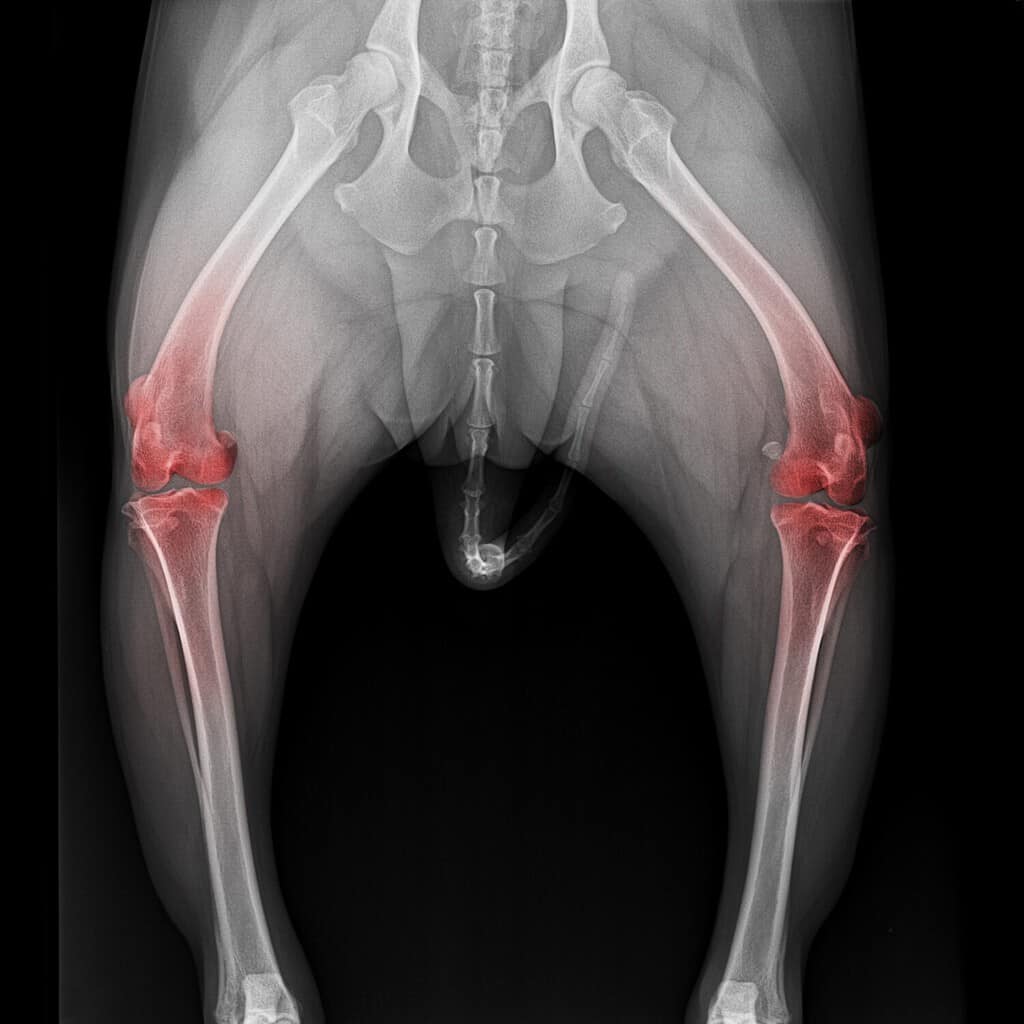
Diagnostic imaging, like MRIs or x-rays, can help your vet’s office determine if there are any internal issues with your pet without having to immediately go in for surgery.
©Intarapong/Shutterstock.com
Imagine waking up one day to a sick cat who has vomited on the floor. She’s not eating, doesn’t seem interested in playing, and doesn’t seem to be using the litterbox. When you take her to the vet, there are a few options: at least one is a bacterial or viral infection, while another is a blockage. One requires medication, the other surgery. Diagnostic imaging, which includes MRIs, ultrasounds, x-rays, and CT scans, can help determine what might be happening to your pet so you don’t have to take invasive measures to get an answer.
Vet techs can perform these imaging procedures to help veterinarians diagnose potential injuries and illnesses. In many cases, they must position the animals correctly and safely, which isn’t always easy if the animal is not under anesthesia.
Assisting with diagnostic imaging is especially important in trauma cases. Terry explains, “Trauma cases include situations like animals being hit by a car, or the extreme of being stabbed or shot even. I’ve seen animals thrown from a fourth story apartment. When these cases come in, we think about pain level and blood loss. After giving pain medication to calm them, we take a few radiographs or slap the ultrasound probe on them to look for any free fluid, if the Vet Tech is comfortable doing that. Then we have something to show the doctor.”
5. Emergency and Critical Care
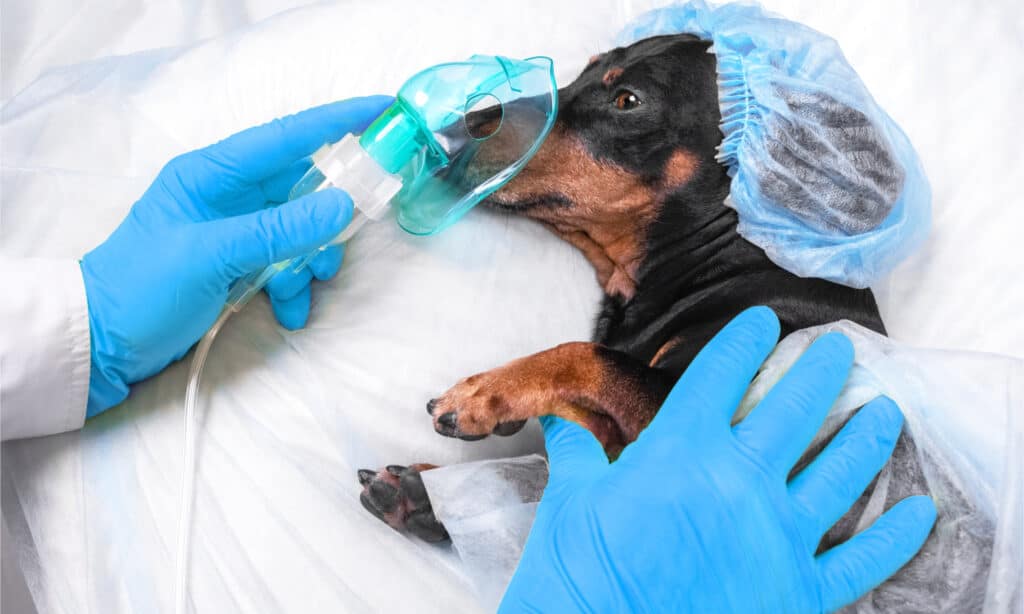
An estimated 1 in 3 pets will need emergency care each year in the U.S.
©Masarik/Shutterstock.com
As a pet owner, you want to do all you can to keep your pet safe. But life is unpredictable, and health can be too. Whether because your pet suddenly ate something they weren’t supposed to, accidentally got out of the house and came back with a laceration, or is inexplicably losing weight or patches of fur, pet owners often find themselves visiting the vet for a reason they hadn’t expected.
In human emergency departments, doctors must engage in triage, or prioritizing which patients receive treatment first based on how severe their condition is. Veterinary medicine is the same.
“It’s just like any human ER,” says Terry. “We’re checking vitals, mucous membrane color, heart rate, temperature, and blood pressure. Does this patient have a distended abdomen? Labored breathing? In the worst case, I want to get a patient in to have a doctor look if the cause isn’t entirely obvious.”
Understanding the order and prioritization of treatment can be difficult for pet parents, especially those who are worried about their pet’s health. But Terry asserts, “If you have to wait with your pet, that’s actually a good sign. Your pet is stable.”
If your pet is experiencing one of the following veterinary emergencies, you should head to an emergency clinic as soon as possible:
- Severe bleeding, or bleeding from the mouth, nose, or rectum
- Labored breathing or other signs of respiratory distress
- Vomiting and diarrhea that lasts for several days with no signs of improvement, especially if your pet is also lethargic (lacking energy)
- Seizures
- Hives
- Eye injuries
- Broken bones
- Deep lacerations
- Suspected poisonings
On the last count, Terry shares, “Despite what owners think, poisonings are very rare.” Since she lives in Colorado, however, she recognizes that some owners might consume cannabis. Dogs are sensitive to THC and, if ingested, can develop THC toxicity. But Terry tells owners, “When your animal gets into your marijuana, we don’t care and are not reporting you. We just need to know how to effectively treat them.”
Additional Tasks
Beyond triage, your vet techs will be monitoring your pet closely, around the clock, throughout their entire emergency or critical care stay. Vet techs know the patients and their vital signs. If anything changes with your pet, vet techs can quickly assess the situation and provide emergency care.
“There are times we make decisions like bringing a pet out and preparing them for CPR because we recognize this patient is decompensating and will need a breathing tube any moment while we wait for the doctor to get off the phone with you,” says Terry.
6. Medication (and Anesthesia) Calculations
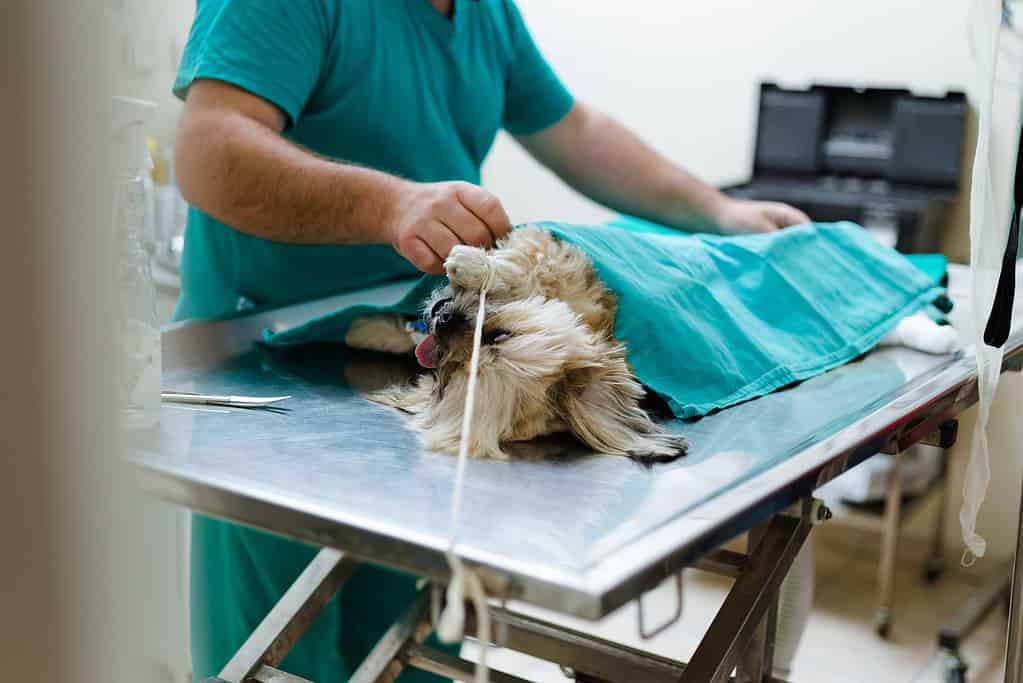
When administering medicine or anesthesia, veterinary technicians will also keep an eye out for any adverse reactions.
©iStock.com/RobertPetrovic
Veterinarians may prescribe medications, but vet techs are the ones ensuring proper doses, preparing infusions, and maintaining medical records. “We calculate all the drugs for everything, from general anesthesia to sedation to local blocks,” says Terry. This can be complex, requiring vet techs to convert different measurement units or properly determine a medication dose for animals of different sizes.
Remember how many times I’ve reiterated how vet techs pay close attention to your pets? Well, here it comes again: if your pet is staying at the vet for long-term treatment, or just having a procedure done that day, the vet tech is checking for any signs of adverse reactions (negative side effects) or distress. “Since we know our patients, their vitals, and everything in between, we suggest a change in all medications by what we are seeing every hour, and a great doctor listens to us,” Terry shares.
When you go home with your pet, you’ll also get information on how to administer their medication from your vet tech. If anything is unclear, or you’re nervous about administering the medication yourself, ask if your tech can do the first dose in-office so you can see the process firsthand.
7. Central Line and High-Flow Oxygen Placement
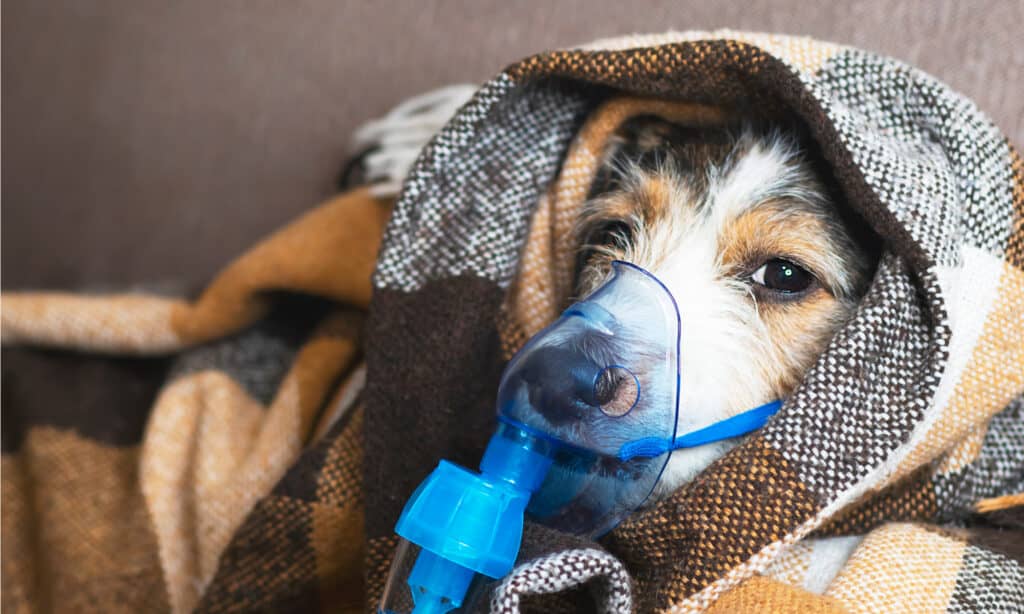
Vet techs can help perform and place life-saving equipment to help stabilize your pet’s health.
©Daria Lixovetckay/Shutterstock.com
If your pet is in distress, such as respiratory distress or experiencing the potentially life-threatening effects of diabetic ketoacidosis (DKA), they likely need extra support to keep them stable. For the former, vet techs can place your dog on high-flow oxygen therapy, which delivers oxygen through a cannula in the nose. “This can be complicated to monitor,” says Terry. But this is absolutely essential for pets with pneumonia, cancer, collapsed tracheas, or other conditions that make it difficult to breathe.
In situations like diabetic ketoacidosis, the electrolyte balance within a pet’s body is disrupted. In acidosis, blood glucose and ketone levels are too high, leading to potential cramping, muscle and heart dysfunction, or even death. Normally, to clear their acidosis, the pet would require insulin treatment, as well as intravenous fluids. “By placing central lines, we make it so your DKA pup doesn’t have to be poked every 30-60 minutes. We have direct access for blood draws and all the complex IV fluids they are on,” says Terry.
Vet techs also may place your pet on urinary catheters to help with any bladder needs, like urine removal, or even feeding tubes if they need extra support but are struggling to eat.
8. Abdominocentesis and Thoracentesis
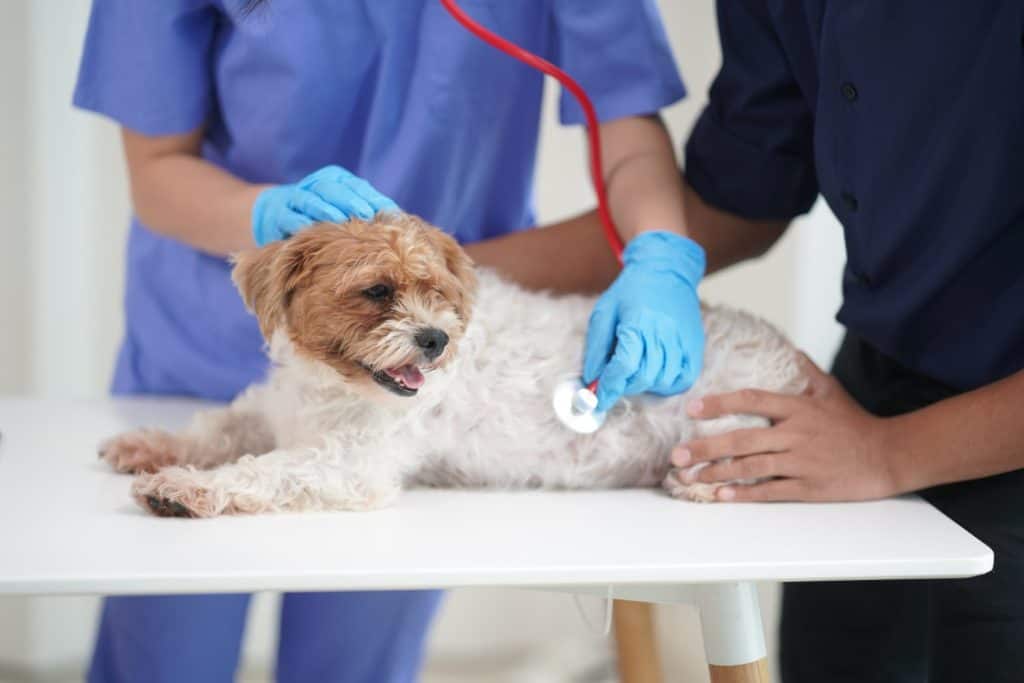
If fluid has accumulated in your pet’s abdomen or chest area, it typically signals deeper health concerns.
©SaiArLawKa2/Shutterstock.com
Liver disease, heart failure, pulmonary embolisms (blood clots in the lungs), cancer, and other serious health conditions can cause the buildup of fluid (known as ascites) in your pet’s abdomen or chest. Of course, this can have significant health effects, from making it harder for your pet to breathe to causing damage to organs.
In the above section on diagnostic imaging, Terry mentioned that doctors might ultrasound a trauma patient for fluid accumulation. The same goes for here: if it’s determined that an animal has a large amount of fluid buildup, imaging is used first to understand exactly where that fluid is accumulating.
“Then vet techs, if needed, can do abdominocentesis,” says Terry. She adds, “I’ve even done thoracentesis.” These procedures use needles to remove fluid from the abdomen or pleural cavity in the chest. After, your veterinarian’s office can further explore the underlying cause of your pet’s ascites.
9. Exotic Pet Care
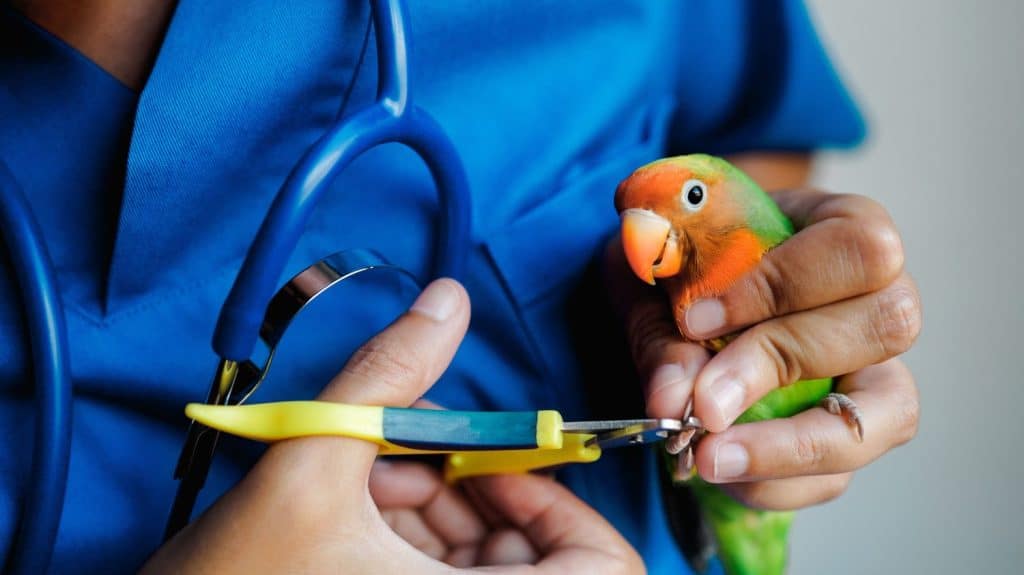
Birds, especially those kept as pets, may need beak and nail trimming.
©Nuva Frames/Shutterstock.com
From parrots and snakes to foxes and skunks, exotic pets are growing in popularity. According to market research, there are an estimated 17.6 million exotic pets kept in the United States. An exotic pet is any animal kept as a pet that isn’t domesticated like a cat or dog.
Similar to their work with cats and dogs, vet techs—especially those specializing in exotics—perform tasks such as teeth cleaning, nail filing, catheter placement, IV and anesthesia monitoring, and imaging. Working with exotic animals takes a lot of dedication and learning, since many exotic species have unique needs. In fact, pet parents with exotic animals often have to find specialized vet care, since traditional veterinarians and staff are not always used to working with these animals. So, if you have an exotic pet, thank your vet tech next time you visit!
10. Pet Parent Communication
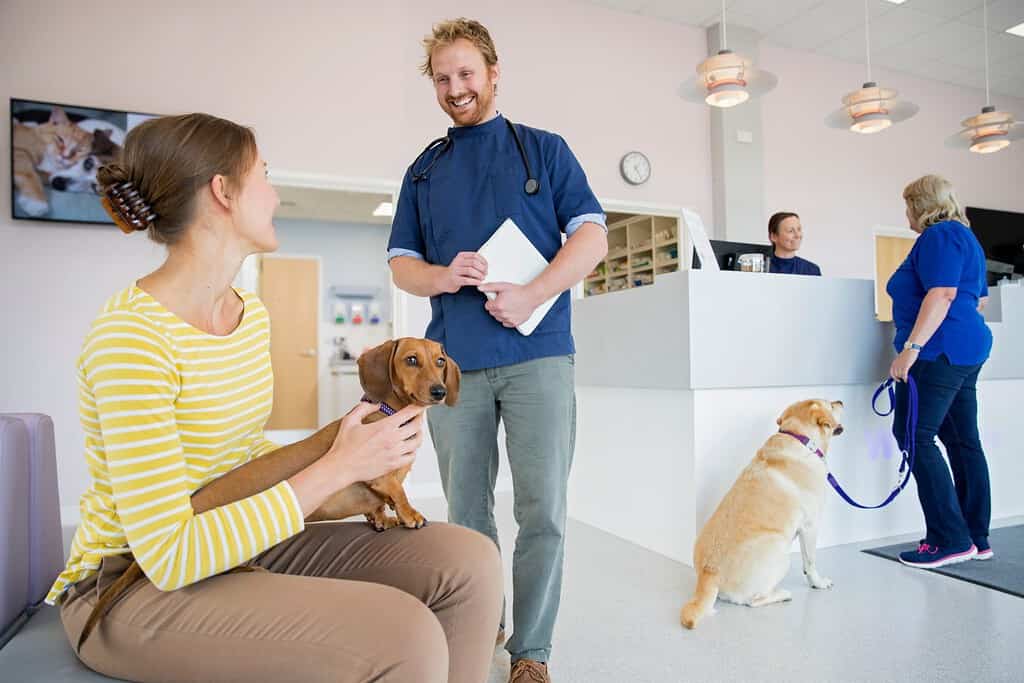
Although you may not always meet your vet techs in the best circumstances, they are doing all they can to get your pet home to you.
©Juice Flair/Shutterstock.com
Reflecting on her life, Terry knows that she was always meant to work with animals. She recounts to me how she grew up on a farm in New Hampshire with horses, burros, chickens, and goats. Then she remembers herself at nine years old: “We had a horse step on a nail and were waiting for the vet to arrive. I remember thinking, ‘We need to pull the nail and wrap his foot.’ From that moment, I knew I wanted to be an animal nurse. At 16, I got offered a job with our ambulatory vet, Dr. Maureen Sullivan, and worked weekends with her. I never wanted to be a veterinarian. I loved the extra TLC a vet nurse gives and that has always been my calling.”
But while she loves the work that she does, she also notes that being a veterinary technician is a difficult career. While vet techs communicate frequently with specialists, veterinarians, other staff, and pet parents, communicating insights on preventative health and post-operative care, they also find themselves navigating uncertain or heartbreaking territory. Vet techs are there when your pets get sick or have to be hospitalized, and they are there when your pets are euthanized.
“Our most important job is to love your baby when you can’t be there to do it,” says Terry, who has a few dogs of her own: 11.5-year-old Juju, 8-year-old Smurf, 4-year-old Toast, and 1-year-old Walter White. “It’s simple. I will always treat your pet how I would want mine to be treated. I never forget that. And I treat owners how I expect to be treated, because I have been there.”
Don’t forget to thank your local vet tech during National Veterinary Technician Week!