B
Species Profile

Bobcat

Lynx rufus

Small lynx, big adaptability.
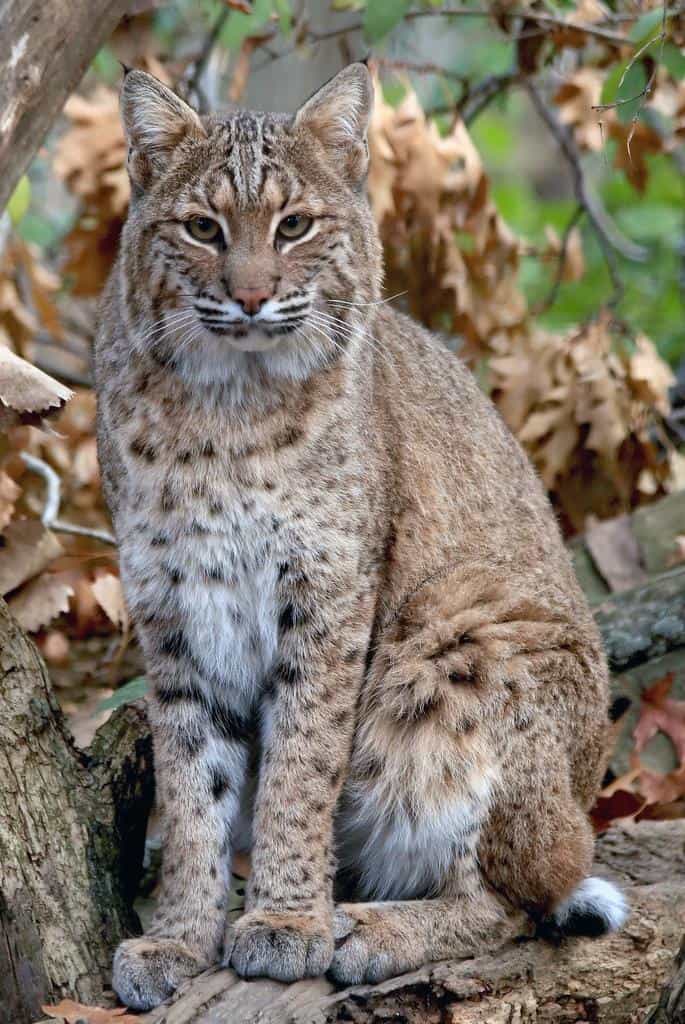
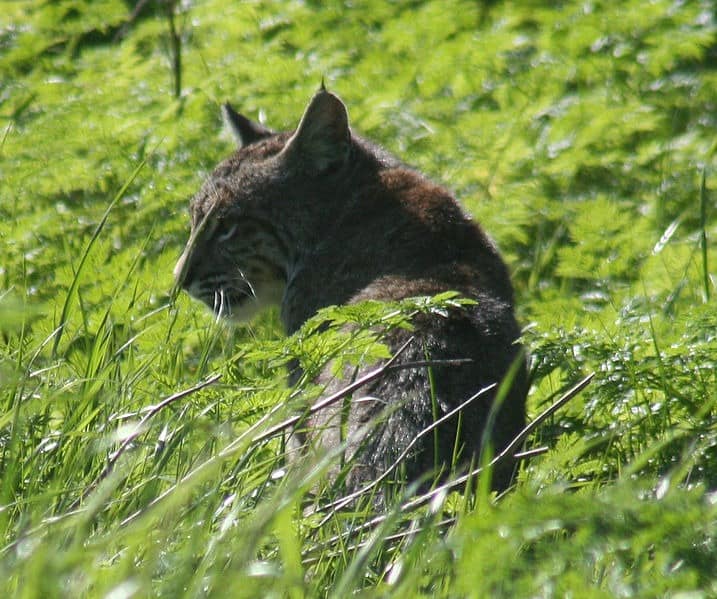
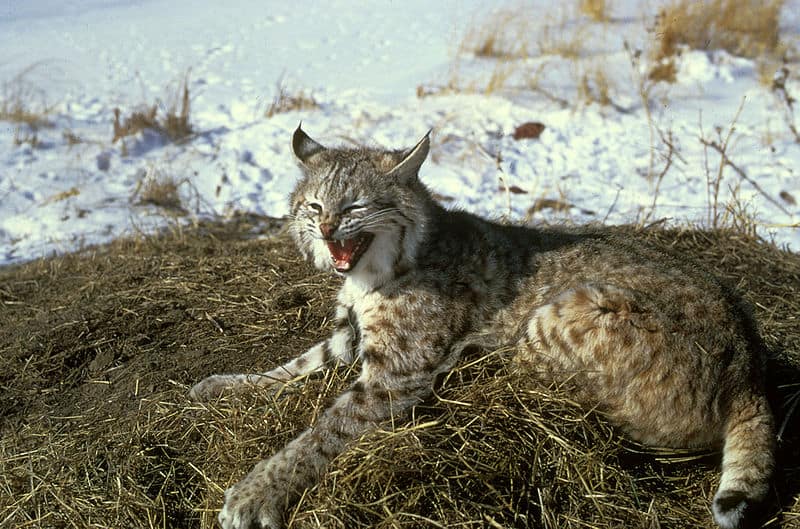
Len Blumin, CC BY 2.0, via Wikimedia Commons

Bobcat Distribution

Click a location to explore more animals from that region

Loading map...

Found in 57 locations

Size Comparison

Human 5'8"
Bobcat 1 ft 9 in

Bobcat stands at 31% of average human height.

Bobcat stare

At a Glance

Wild Species
Also Known As red lynx, bay lynx, brush cat, woodcat, wildcat, spotted lynx
Diet Carnivore
Activity Crepuscular+
Lifespan 7 years
Weight 18 lbs
Status Least Concern
Did You Know?

Size: head-body length 65-105 cm; tail 9-20 cm; mass typically ~4-9 kg (female) and ~7-14 kg (male) (Lariviere & Walton 1997, Mammalian Species).

Scientific Classification

The bobcat (Lynx rufus) is a medium-sized wild cat native to North America, adaptable to a wide range of habitats and known for its short “bobbed” tail, tufted ears, and spotted coat. It is an opportunistic predator and important mesocarnivore in many ecosystems.

Kingdom
Animalia
Phylum
Chordata
Class
Mammalia
Order
Carnivora
Family
Felidae
Genus
Lynx
Species
Lynx rufus

Distinguishing Features

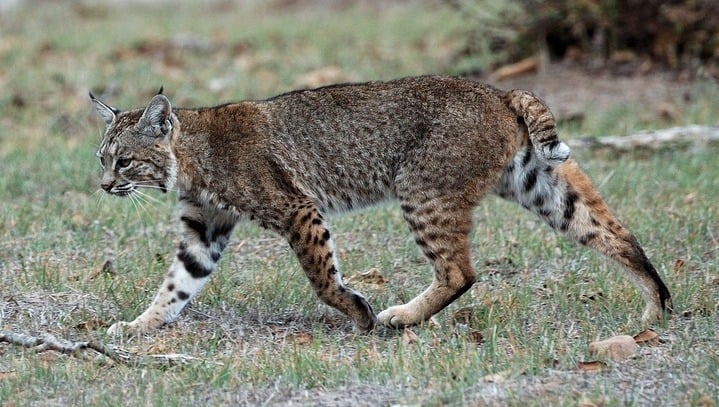
  • Short, black-topped “bobbed” tail with pale underside
  • Ear tufts and facial ruff (less pronounced than larger lynx)
  • Spotted/striped coat pattern varies by region; often tawny to gray-brown
  • Smaller feet and less consistently heavy winter coat than Canada lynx
  • Typically shorter legs and more compact build than the Canada lynx

Physical Measurements

Males and females differ in size

Height
1 ft 4 in (1 ft 2 in – 1 ft 7 in)
1 ft 3 in (12 in – 1 ft 6 in)
Length
3 ft 1 in (2 ft 5 in – 4 ft 1 in)
2 ft 7 in (2 ft – 3 ft 1 in)
Weight
21 lbs (14 lbs – 40 lbs)
15 lbs (9 lbs – 20 lbs)
Tail Length
6 in (4 in – 8 in)
6 in (4 in – 8 in)
Top Speed
30 mph
Top speed about 48 km/h

Appearance

Primary Colors
Secondary Colors
Skin Type Mammalian fur (short-to-medium length; generally less dense and with smaller feet than Canada lynx; winter coat thickens in northern range).
Distinctive Features
  • Medium-sized North American lynx; highly adaptable across habitats (deserts, shrublands, forests, swamps, and edge/fragmented landscapes) across much of the contiguous U.S., northern Mexico, and southern Canada. (IUCN range summary)
  • Short "bobbed" tail 9–20 cm long, with black on the top tip and a clear white patch underneath; tip is not fully black all around. Often used to tell bobcat from Canada lynx.
  • Body measurements (typical adult): head-body length ~65-105 cm; shoulder height ~46-58 cm. (ADW/standard mammalogy references such as Nowak 1999)
  • Mass (typical adult): males commonly ~8-14 kg; females ~6-11 kg, with reported extremes roughly ~3 to 18 kg depending on region and condition. (ADW; mammalogy references)
  • Ear tufts present but usually short; ears appear more pointed than many domestic cats; backs of ears black with a pale central eye-spot.
  • Facial ruff/cheek "sideburns" and prominent whisker pads; helps distinguish the genus Lynx.
  • Feet relatively small and less 'snowshoe-like' than Canada lynx; bobcats typically sink more in deep, soft snow-one reason lynx outcompete bobcats in deep-snow boreal habitats. (classic comparative ecology/ID point)
  • Coat generally less uniformly dense and shorter than Canada lynx, especially outside northern winter conditions; overall look is more mottled/spotted than the often grayer, more thickly furred lynx.
  • Hind legs proportionally longer than forelegs, giving a slightly 'high-backed' profile typical of lynx/bobcats.
  • Behavioral appearance context: primarily solitary and territorial; activity often crepuscular/nocturnal but flexible with human presence and prey availability (common across its adaptable North American range).
  • Diet-associated appearance context (ecological role): opportunistic mesocarnivore; typical prey includes rabbits/hares (especially cottontails), rodents, and birds; will also take reptiles, carrion, and occasionally young ungulates where available (varies by region).

Sexual Dimorphism

Sexual dimorphism is primarily size-based: males average larger/heavier than females; coat pattern and coloration are broadly similar between sexes. (ADW; standard mammalogy references)

  • Larger average body mass and more robust head/neck: commonly ~8-14 kg in males (with regional extremes reported higher).
  • Can appear broader in the shoulders and with a larger skull than females of the same population.
  • Smaller average body mass: commonly ~6-11 kg.
  • Overall proportions similar to males but typically more lightly built.

Did You Know?

Size: head-body length 65-105 cm; tail 9-20 cm; mass typically ~4-9 kg (female) and ~7-14 kg (male) (Lariviere & Walton 1997, Mammalian Species).

Top ID vs Canada lynx: bobcat's tail tip is black mainly on the upper surface with a pale underside, while Canada lynx has a black tip all the way around.

Longevity: maximum reported ~16 years in the wild and >30 years in captivity (records summarized in species accounts such as Larivière & Walton 1997).

Reproduction: gestation ~60-70 days; litters commonly 2-4 kittens (reported range 1-6) (Larivière & Walton 1997).

Home ranges are highly variable: females often ~1-26 km²; males ~8-56 km² depending on habitat and prey (Larivière & Walton 1997).

Diet is opportunistic but commonly rabbit/cottontail- and rodent-based; bobcats also take birds, reptiles, and carrion when available (Larivière & Walton 1997).

Range: widely distributed from southern Canada through most of the U.S. into Mexico, occupying deserts, forests, swamps, and suburban edges - one of the most habitat-flexible wild cats in North America.

Unique Adaptations

  • Bobbed tail with contrasting pattern: aids species ID and may act as a visual signal at close range in dense cover (distinct from the Canada lynx tail tip pattern).
  • Seasonally variable coat and spotting: camouflage across habitats - from desert scrub to deciduous forest - helping concealment during still-hunting.
  • Tufted ears and keen hearing: supports pinpointing small prey movements (e.g., rodents) under vegetation or light snow.
  • Generalist habitat tolerance: persists from arid basins to humid swamps and human-modified landscapes, provided cover and prey remain.
  • Feet adapted for mixed substrates: compared with Canada lynx, bobcats have smaller feet and less dense fur, trading deep-snow specialization for broader habitat flexibility.
  • Powerful forelimbs and retractile claws: effective for grappling prey, climbing short distances, and rapid traction in ambush pounces.

Interesting Behaviors

  • Solitary spacing system: adults typically avoid each other outside breeding, using scent marks and scrapes to signal territory boundaries.
  • Crepuscular/nocturnal activity: often most active at dawn/dusk, but can shift activity patterns in response to prey, weather, or human disturbance.
  • Still-hunt and ambush style: relies on stealth, short rushes, and pounces rather than long pursuit - well-suited to broken cover and edge habitats.
  • Prey caching: may cover kills with leaves/grass/snow and return over multiple feedings (documented in field observations across the range).
  • Communication through sign: urine spraying, feces placement, and ground "scrapes" are common and function in both territoriality and reproduction.
  • Seasonal breeding: courtship and mating peak in winter to early spring in much of the range; males may overlap multiple females' ranges during breeding.
  • Flexible use of cover: rests in thickets, rock ledges, hollow logs, and brush piles; uses dense understory and edge structure for hunting lanes.
  • Opportunistic scavenging: will feed on carrion (including roadkill) when encountered, especially in winter or when prey is scarce.

Cultural Significance

Bobcat (Lynx rufus) is a North American wild cat and a mesocarnivore (medium-sized meat eater) that helps control rabbits and rodents. It shows up in place names, mascots, and education, and can persist in broken landscapes with cover and prey.

Myths & Legends

A Native American warning story about the Bobcat (Lynx rufus). After an accident—like a trap, a closing door, or a trick—the bobcat's tail is shortened, explaining its bobbed tail.

Trickster-style bobcat stories from the U.S. Southeast (for example, tales shared in Cherokee and neighboring traditions): bobcat is portrayed as clever but sometimes outwitted, reflecting cultural lessons about pride, patience, and paying attention to warnings.

Lynx/Bobcat-as-stealth-hunter motifs in Indigenous oral traditions: a quiet, watchful feline figure associated with hunting skill and the importance of moving carefully through the woods (themes vary by nation and region).

From frontier days, early English names called it "bob-cat" for its short tail. The scientific name Lynx rufus, meaning "red lynx", refers to its reddish coat and North American nature stories.

Conservation Status

LC Least Concern

Widespread and abundant in the wild.

Population Stable

Protected Under

  • CITES Appendix II (international trade regulated for Lynx rufus).
  • United States/Canada: typically managed as a furbearer or game species under state/provincial wildlife laws (seasons, quotas, licensing; protections vary by jurisdiction).
  • Occurs in numerous protected areas (national/state/provincial parks and reserves) where harvest is restricted or prohibited.
  • HUBS (Felidae / Lynx group conservation landscape): statuses range from Least Concern (e.g., bobcat) to Endangered/Critically Endangered for some small/declining felids; common threats include habitat loss/fragmentation, hunting/persecution, prey depletion, road/infrastructure mortality, and wildlife trade. Notable higher-risk lynx/cat taxa globally include the Iberian lynx (historically CR, improved with intensive recovery) and several range-restricted small cats facing rapid habitat conversion.

Life Cycle

Birth 3 kittens
Lifespan 7 years

Lifespan

In the Wild
1–16 years
In Captivity
10–32.3 years

Reproduction

Mating System Polygynandry
Social Structure Solitary
Breeding Pattern Seasonal
Fertilization Internal Fertilization
Birth Type Internal_fertilization

Behavior & Ecology

Social None (solitary) Group: 1
Activity Crepuscular, Nocturnal, Cathemeral
Diet Carnivore Cottontail rabbits (Sylvilagus spp.)

Temperament

Territorial and solitary; adults maintain ranges and commonly avoid close contact except for mating and mother-young association (Larivière & Walton, 1997).
Secretive/cautious around humans but behaviorally flexible; activity timing can shift (more daytime activity) with prey availability, season, and local human disturbance (Larivière & Walton, 1997).
Opportunistic predator with adaptable hunting behavior (stalk-and-pounce/ambush); temperament varies locally with habitat and persecution pressure (Larivière & Walton, 1997).
Longevity context (species-level): maximum reported ~16 years in the wild and >30 years in captivity in compiled species accounts/management references (e.g., Larivière & Walton, 1997; state/provincial wildlife management summaries).

Communication

Yowls/caterwauls and loud screams during estrus/mating periods Common in Lynx rufus breeding behavior descriptions; Larivière & Walton, 1997
Growls, hisses, snarls during aggressive encounters or close-range conflicts.
Meows/chirps and purr-like vocalizations in close contact Notably mother-kitten interactions
Scent marking: urine spraying, scat deposition, and anal-gland/skin scent cues; used for territorial advertisement and reproductive signaling Larivière & Walton, 1997
Scrape marking: hind-foot scrapes and ground raking (often combined with urine/scat) along travel routes and range boundaries.
Visual/body signals: posture, ear position, tail display, facial expressions during threat, submission, or courtship.
Tactile contact: limited; primarily mother-young grooming/contact and brief courtship contact.

Habitat

Biomes:
Temperate Forest Temperate Grassland Mediterranean Desert Hot Boreal Forest (Taiga) Tropical Dry Forest Wetland +1
Terrain:
Mountainous Hilly Plateau Plains Valley Coastal Riverine Rocky Sandy +3
Elevation: Up to 11811 ft

Ecological Role

Mesocarnivore/medium-sized apex predator in many North American communities; regulates small- and mid-sized vertebrate prey populations and mediates trophic interactions with other predators (e.g., coyotes, foxes, raptors).

Population control of lagomorphs and small rodents (potentially reducing crop/garden damage and some rodent-borne disease risk) Selective removal of vulnerable individuals (e.g., young/sick), influencing prey population structure Trophic regulation/mesopredator effects that can cascade to vegetation via prey suppression Provides carrion remains that subsidize scavengers and decomposers

Diet Details

Main Prey:
Cottontail rabbit Snowshoe hare Black-tailed jackrabbit Woodrats Voles Deer mouse Eastern gray squirrel and other tree squirrels Ground squirrels Chipmunks Northern bobwhite and other quail Grouse Wild turkey poults White-tailed deer fawns and mule deer fawns Reptiles +8

Human Interaction

Domestication Status

Wild

Lynx rufus (bobcat) is not domesticated and has no domestication history. Human interactions include urban/suburban nuisance (pet predation, denning), livestock/poultry losses, regulated trapping/hunting, car collisions, rehabilitation and release, and illegal capture/exotic pet trade. A medium-sized North American wild cat (65–105 cm, 3–18 kg), solitary, active at dawn and dusk, adaptable; lives about 7–10 years in the wild.

Danger Level

Moderate
  • Bites and deep lacerations (especially if cornered, trapped, injured, or habituated; high risk during handling by untrained people)
  • Zoonoses/parasites: potential exposure to rabies (rare but serious), Bartonella spp. (cat-scratch disease risk), and ectoparasites (ticks/fleas) that can carry other pathogens
  • Conflict escalation in suburban settings (defensive attacks on pets can lead to humans intervening and being injured)
  • Public safety risk increases substantially with illegal pet ownership, improper enclosure, or feeding that habituates animals

As a Pet

Not Suitable as Pet

Legality: Laws for keeping a Bobcat (Lynx rufus) as a pet vary. Many places ban it; others need strict permits, cages, records, and may bar public contact, breeding, or sale. Breaking rules can mean seizure, killing, or legal trouble.

Care Level: Expert Only

Purchase Cost: $1,500 - $8,000
Lifetime Cost: $30,000 - $120,000

Economic Value

Uses:
Fur/trim trade (regulated harvest in parts of range) Hunting/trapping license revenue and associated rural economic activity Ecosystem services (mesocarnivore regulation of prey such as rodents/rabbits) Costs from human-wildlife conflict (poultry/livestock depredation, pet losses) Wildlife tourism/education value (viewing, nature centers; limited compared with charismatic megafauna)
Products:
  • Pelts/fur (commercially traded where legally harvested)
  • Wildlife management services (control operations, permitting, rehabilitation services)
  • Educational/exhibit programming (where legally held by permitted facilities)

Relationships

Ecological Equivalents 5

Animals that fill a similar ecological role in their ecosystem

Coyote
Coyote Canis latrans Coyotes share North American habitats and hunt similar prey, such as rabbits and rodents. They often compete with, and sometimes kill, bobcats. Bobcats (~4–18 kg) ambush prey, while coyotes chase prey and use different cover and activity times.
Gray fox
Gray fox Urocyon cinereoargenteus Shares a mesocarnivore niche in many of the same brush and woodland mosaics; both are opportunistic predators of small mammals and birds. Bobcats tend to take larger prey on average and can suppress fox space use through interference competition where their densities overlap.
Red fox
Red fox Vulpes vulpes Ranges overlap broadly, especially in northern and temperate North America, and they consume similar prey such as rodents, rabbits, and ground‑nesting birds. Bobcats generally occupy a higher trophic/size position and may displace red foxes locally through competition.
Fisher
Fisher Pekania pennanti In forested regions, fishers and bobcats overlap in prey base (e.g., snowshoe hares, squirrels, and grouse) and both function as mid-sized predators. Interactions include competition and occasional mutual intraguild predation, with outcomes depending on body size, season, and habitat structure.
Canada lynx
Canada lynx Lynx canadensis Where their ranges meet or overlap (notably in southern Canada and the northern U.S.), both fill a similar stalking-predator role. Canada lynx are more specialized on snowshoe-hare population cycles, while bobcats are more generalist and can occupy more open and edge habitats. This contrast is useful for comparing niche breadth and prey specialization.

Classification and Evolution
Are bobcats dangerous - Bobcat

The Bobcat is a medium-sized animal that is found in a variety of habitats.

The Bobcat is a medium-sized animal that is found in a variety of habitats across the southern half of North America.

They are widespread and adaptable predators that are closely related to the larger and more northerly dwelling Canadian Lynx with the biggest difference being that the Bobcat only has a small “bobbed” tail, from which it gets its name.

Measuring about double the size of a domestic cat, the Bobcat has the greatest range of all North American felines but their secretive nature means that they are seldom seen by people.

There are currently twelve recognized sub-species of Bobcat which vary in their coloration and geographic range, with individuals found in the mountainous forests being darker with more markings than their lighter-colored cousins that are found in more arid, semi-desert regions.

Different Types of Bobcats

There are 13 subspecies of bobcats, but only two have been recognized: Lynx rufus rufus (eastern and midwestern United States) and Lynx rufus fasciatus (West of the Great Plains, North America).

  • L. r. rufus
  • L. r. fasciatus

Additionally, here are 13 sub-species:

  • Lynx rufus gigas 
  • Lynx rufus floridanus 
  • Lynx rufus superiorensis
  • Lynx rufus californicus 
  • Lynx rufus mohavensis
  • Lynx rufus texensis 
  • León
  • Lynx rufus baileyi 
  • Lynx rufus escuinipae 
  • Lynx rufus peninsularis 
  • Lynx rufus oaxacensis 
  • Lynx rufus pallescens 

Anatomy and Appearance
bobcat - wild lynx

Due to the fact that the Bobcat belongs to the same family as the Lynx.

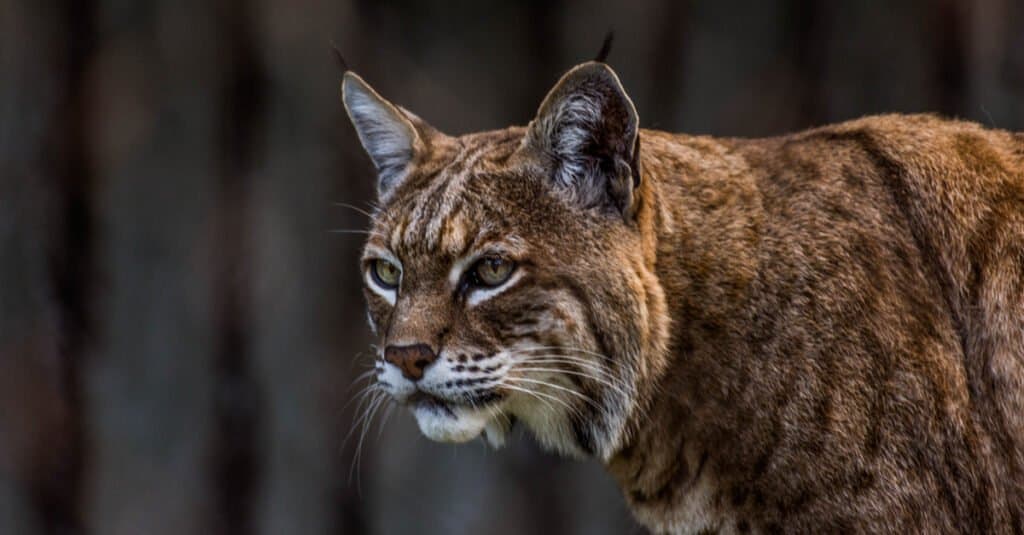
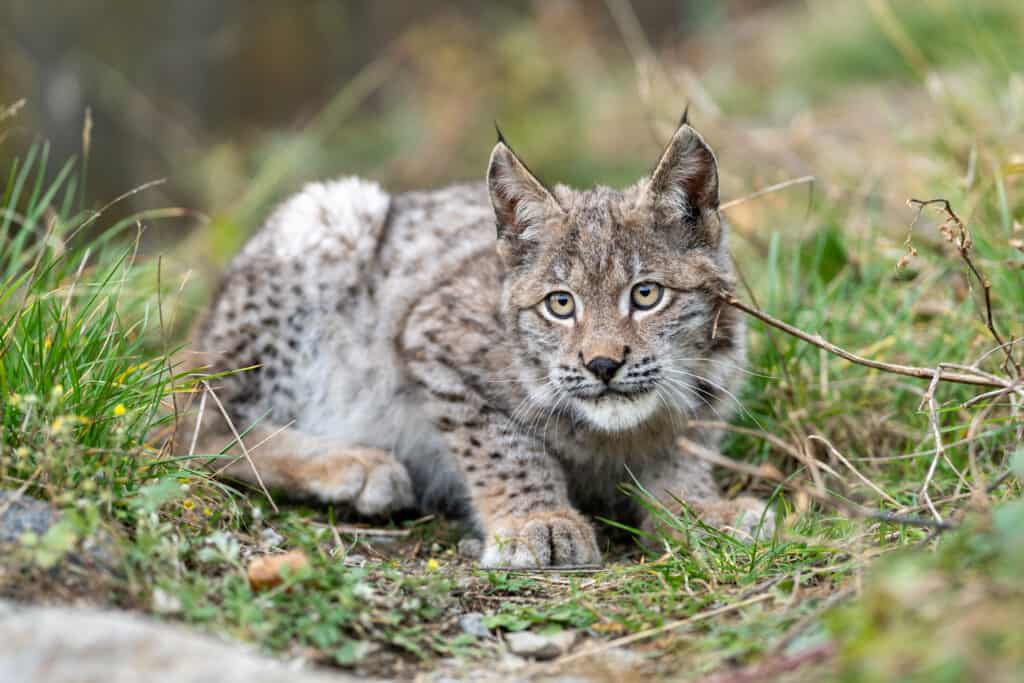
Due to the fact that the Bobcat belongs to the same family as the Lynx, these animals are similar in appearance but not at all the same. The Bobcat is smaller in size and has smaller feet and ear tufts than the Canadian Lynx, and often tends to be darker in color.

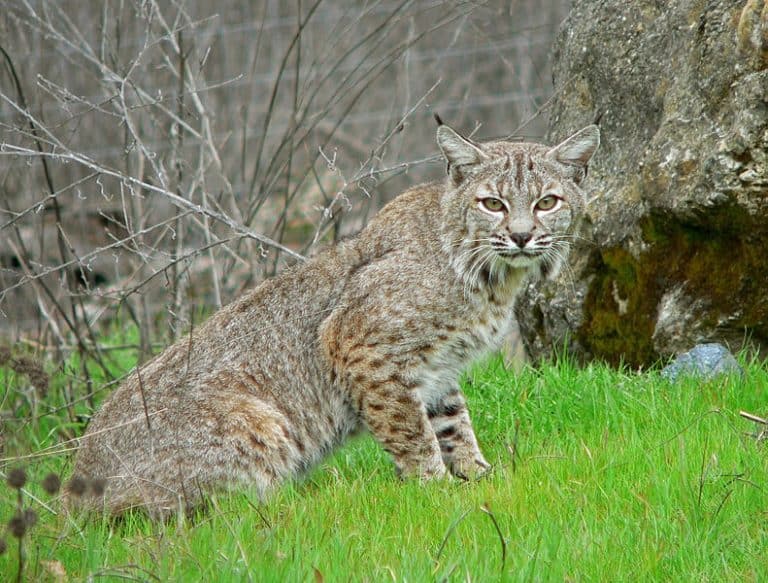
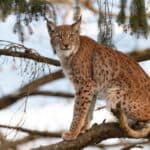
Bobcats have beige to brown or reddish fur that is mottled or spotted with the intensity of these markings depending on the individual and where it lives (those found in more open, arid areas tend to have fewer markings than those found amongst dense cover).

The underside of the Bobcat is white so the darker spots are more distinctive and they also have a white tip to their short, black tail, which only grows to around 15cm in length.

Like the larger Lynx, the Bobcat has ear tufts that are thought to heighten its hearing along with also having a ruff of longer fur around its face.

Distribution and Habitat
bobcat

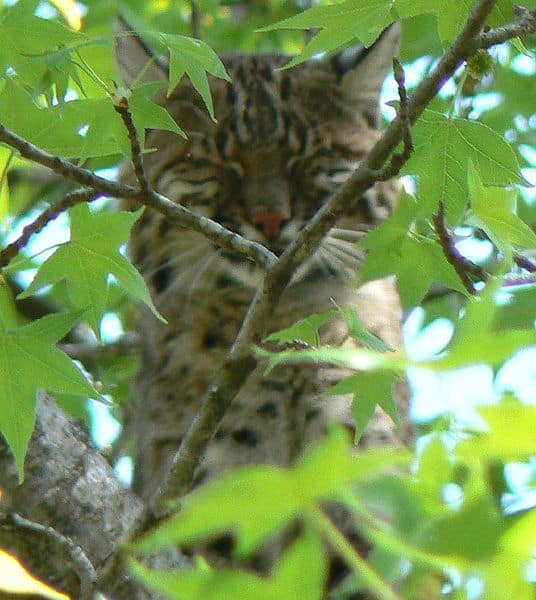
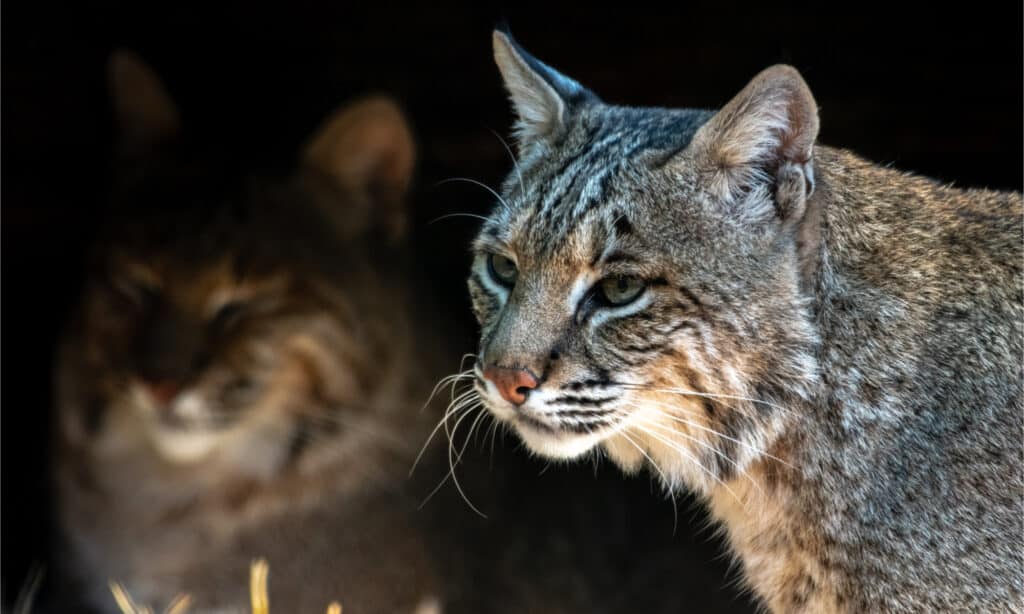
Bobcats in Arkansas can be found in woodlands.

The Bobcat is the most widely distributed of all North American felines and is found across North America from southern parts of Canada right down to southern Mexico. They are incredibly versatile animals that have adapted to living in a variety of different habitats throughout the three different countries.

Although Bobcats are animals that are known to prefer rocky hillsides that are well-vegetated, they are found in numerous different habitats throughout their natural range including mountain woodlands, coniferous forests, swampland, deserts, and even in suburban areas in some places.

The exact appearance of the Bobcat depends on what kind of habitat it is found in as the differing coat colors allow the individual to remain as camouflaged as possible in its surroundings.

The historical range of the Bobcat once extended right across North America but the capture of them for their fur and loss of their natural habitat has led to their disappearance of them in some areas.

Behavior and Lifestyle
What Eats Snakes

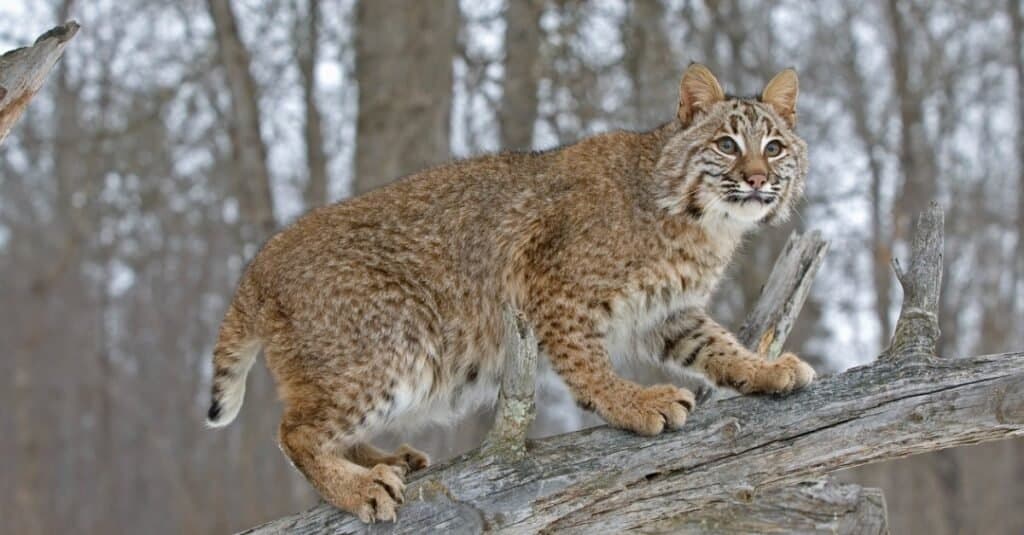
The Bobcat is a solitary and nocturnal animal that is most active in the dark.

The Bobcat is a solitary and nocturnal animal that is most active in the darkness of night, tending to hunt most during dawn and dusk. During the day, Bobcats sleep and rest in dens in the form of a rock crevice or hollow tree with one individual having a number of dens within its home range.

Bobcats are highly territorial animals and mark their ranges with scents from their urine and feces and distinctive claw marks on trees to alert others of their presence.

Males patrol an extensive home range which often overlaps a number of smaller female territories but the two will not interact until the breeding season begins in the winter.

At other times of the year though, Bobcats tend to avoid one another to reduce the chances of them being injured in a fight.

You can check out some incredible facts about bobcats.

Reproduction and Life Cycles
Bobcat, a mother with a young baby, Minnesota, USA

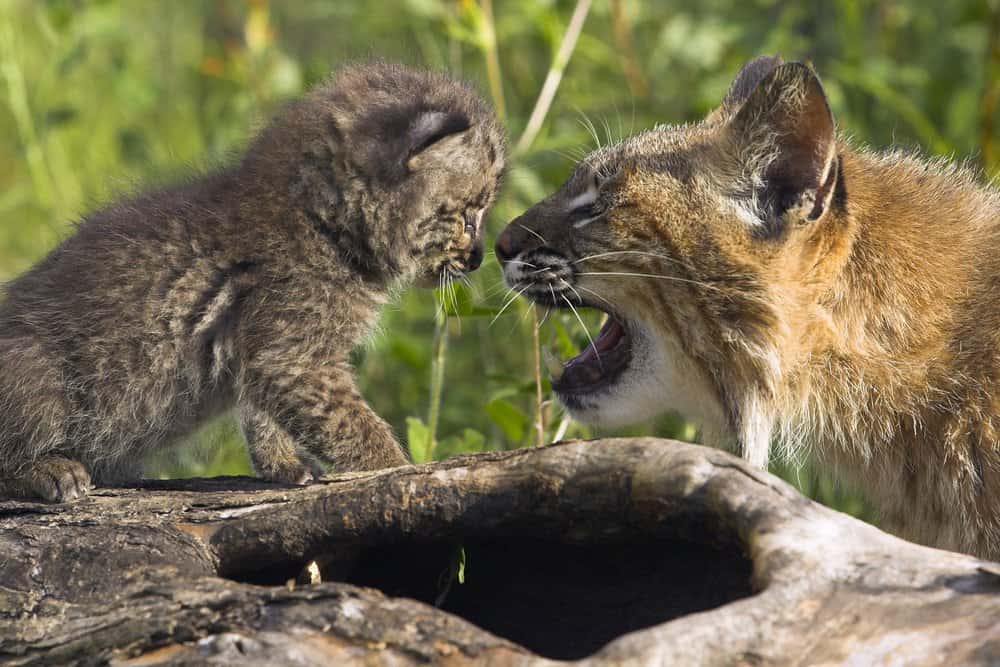
Bobcats can only be found together during the breeding season when both males and females can mate with multiple partners and after a gestation period that lasts for 8 – 10 weeks, the female Bobcat gives birth to a litter of up to 6 kittens in a safe and secluded den.

Bobcat kittens are born blind and open their eyes after about 10 days, feeding on their mother’s milk until they are old enough to begin consuming meat.

Most births occur in the late winter or early spring with Bobcat kittens usually remaining with their mother until the next winter when they are around eight months old and have learned how to hunt independently. Female Bobcats tend to have a single litter every year and after mating, the male Bobcat plays no part in rearing the young.

Diet and Prey

The Bobcat is a carnivorous feline meaning that it only hunts and eats other animals.

The Bobcat is a carnivorous feline meaning that it only hunts and eats other animals in order to gain the nutrients that it needs to survive. Bobcats mainly hunt small mammals like Rabbits, Hares, and Mice along with Birds close to the ground and the occasional Lizard.

During the harsher winter months, they are also known to hunt larger animals including Deer, and will also feed on fresh carrion.

The Bobcat is an incredibly elusive predator that hunts its prey by stalking it silently in the dark before pouncing on it with incredible force. Despite their size, Bobcats are known to be able to kill animals that are much larger than themselves.

In areas where growing Human settlements have encroached on the Bobcat’s natural habitat, they have also been known to take occasional livestock such as poultry and sheep.

For a complete list of food bobcats eat, check out our “What Do Bobcats Eat?” page.

Predators and Threats
Bobcats is a predator and only has Cougars and Wolves to look out for.

The Bobcat is a fierce and dominant predator in its natural habitat with adult Bobcats, therefore, being threatened by few animals, the biggest concern to them being Cougars and Wolves.

The small and vulnerable Bobcat kittens however are preyed upon by a number of predators including Coyotes and Owls that are able to hunt the kittens whilst their mother has gone off to hunt.

The biggest threat to Bobcat populations throughout North America is people that have previously hunted the Bobcat to near extinction in some areas for their soft fur. In areas where Bobcats are now forced to share their natural ranges with growing numbers of people, they have also been hunted by farmers who fear for their livestock.

Despite the fact that they are very adaptable animals, Bobcats are also been threatened by habitat loss with populations being pushed into smaller and more isolated regions of their once vast natural range.

Interesting Facts and Features

The Bobcat is also known as the Red Lynx due to the fact that the two are very similar in appearance but the Bobcat tends to be much darker and richer in color than their northern relatives.

They are incredibly secretive yet powerful animals that are able to pounce on their prey from up to three meters away before delivering a fatal bite, allowing Bobcats to also hunt animals that may be up to double their own size.

Although Bobcats are generally quiet and not greatly vocal animals, the fierce growls and snarls that they make when they are hiding often lead people to believe that there is a Mountain Lion in the area.

Relationship with Humans

Bobcats have historically dominated a wide variety of habitats across North America with the Bobcat known to people all over the continent, having roots in Native American folklore and in tales of the first European settlers in the Northern USA and Canada.

However, the beauty, softness, and density of the Bobcat’s fur lead to an increased value in their pelts and therefore the hunting of them from the early to mid-1900s that completely decimated populations, particularly in the mid-western and eastern USA.

Although they are now internationally protected, the hunting of Bobcats still continues in some areas, particularly those with the densest populations.

They are also seen as pests by farmers that hunt Bobcats to protect their livestock, particularly in Mexico where it has led to the Mexican Bobcat being listed as an Endangered species.

Conservation Status and Life Today

Today, the Bobcat is listed by the IUCN as an animal that is of Least Concern from becoming extinct in its native environment in the near future.

Since the international protection of the Bobcat in the 1970s put an end to the extensive trading of their fur, populations have been able to recover and are stable throughout much of their natural range.

However, in areas where there are increasing levels of Human activity, numbers are still declining due to both hunting and habitat loss.

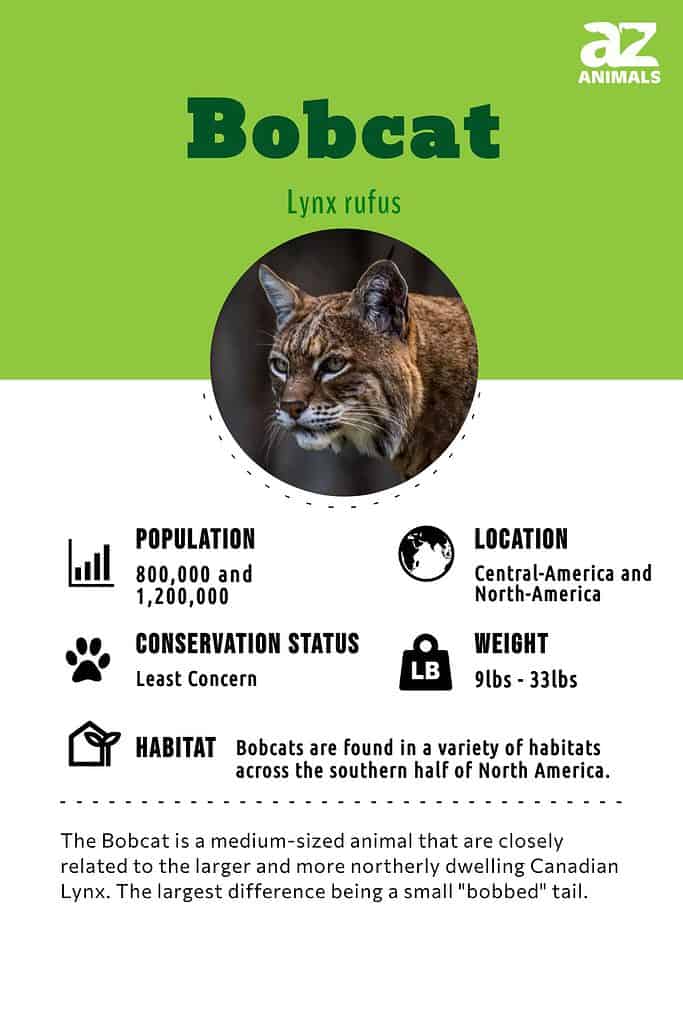
There are estimated to be between 800,000 and 1,200,000 Bobcat individuals left in the wild of North America.

View all 453 animals that start with B
How to say Bobcat in ...
Bulgarian
Червен рис
Catalan
Linx vermell
Czech
Rys červený
Danish
Rødlos
German
Rotluchs
English
Bobcat
Spanish
Lynx rufus
Estonian
Punailves
Finnish
Punailves
French
Lynx roux
Hebrew
שונר מצוי
Hungarian
Vörös hiúz
Italian
Lynx rufus
Japanese
ボブキャット
Dutch
Rode lynx
English
Rødgaupe
Polish
Ryś rudy
Portuguese
Lince-pardo
Swedish
Rödlo
Chinese
短尾貓

Sources

  1. David Burnie, Dorling Kindersley (2011) Animal, The Definitive Visual Guide To The World's Wildlife / Accessed November 10, 2008
  2. Tom Jackson, Lorenz Books (2007) The World Encyclopedia Of Animals / Accessed November 10, 2008
  3. David Burnie, Kingfisher (2011) The Kingfisher Animal Encyclopedia / Accessed November 10, 2008
  4. Richard Mackay, University of California Press (2009) The Atlas Of Endangered Species / Accessed November 10, 2008
  5. David Burnie, Dorling Kindersley (2008) Illustrated Encyclopedia Of Animals / Accessed November 10, 2008
  6. Dorling Kindersley (2006) Dorling Kindersley Encyclopedia Of Animals / Accessed November 10, 2008
  7. David W. Macdonald, Oxford University Press (2010) The Encyclopedia Of Mammals / Accessed November 10, 2008
  8. About Bobcats / Accessed November 10, 2008
  9. Bobcat Facts / Accessed November 10, 2008
  10. Bobcat Behaviour / Accessed November 10, 2008
  11. Bobcat Information / Accessed November 10, 2008
Rebecca Bales

About the Author

Rebecca Bales

Rebecca is an experienced Professional Freelancer with nearly a decade of expertise in writing SEO Content, Digital Illustrations, and Graphic Design. When not engrossed in her creative endeavors, Rebecca dedicates her time to cycling and filming her nature adventures. When not focused on her passion for creating and crafting optimized materials, she harbors a deep fascination and love for cats, jumping spiders, and pet rats.
Connect:

Thank you for reading! Have some feedback for us?


Bobcat FAQs (Frequently Asked Questions)

Bobcats are Carnivores, meaning they eat other animals.