
Quick Take
- Canada geese are migratory waterfowl widely distributed across North America.
- Many populations of Canada geese have become non-migratory residents in urban areas.
- Migratory and non-migratory Canada geese have significantly different diets.
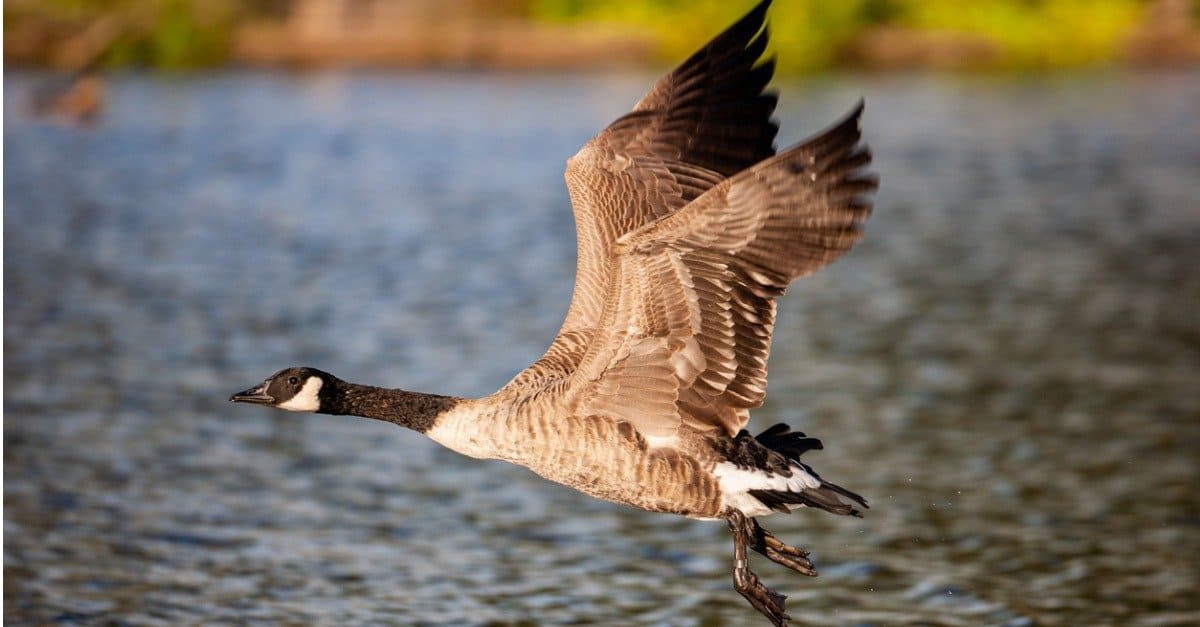
Canada geese (Branta canadensis) are large, migratory waterfowl with black heads and necks, white chinstrap markings, and grayish-brown bodies. Found across North America, they have expanded into temperate regions globally, with widespread populations often inhabiting urban areas year-round. They are famous for migrating in loud V-formations, though many populations have become non-migratory residents in urban areas as a result of human behavior, including the creation of large, fertilized turfgrass lawns and suburban ponds, reduced hunting pressure in urban zones, and the provision of intentional or unintentional food sources. Migratory Canada geese eat a significantly different diet than their non-migratory cousins, primarily driven by the need to build energy reserves for long flights and the restricted food availability during their journeys. Non-migratory (resident) geese, conversely, enjoy a more stable, year-round diet of available grasses and human-provided food. Continue reading to learn everything you need to know about what Canada geese eat.
What Foods Do Canada Geese Eat?
Canada geese are primarily herbivores, meaning their diet consists almost exclusively of plant matter. While not a major part of their diet, they may occasionally supplement their plant-based diet by consuming insects, mollusks, and small fish.
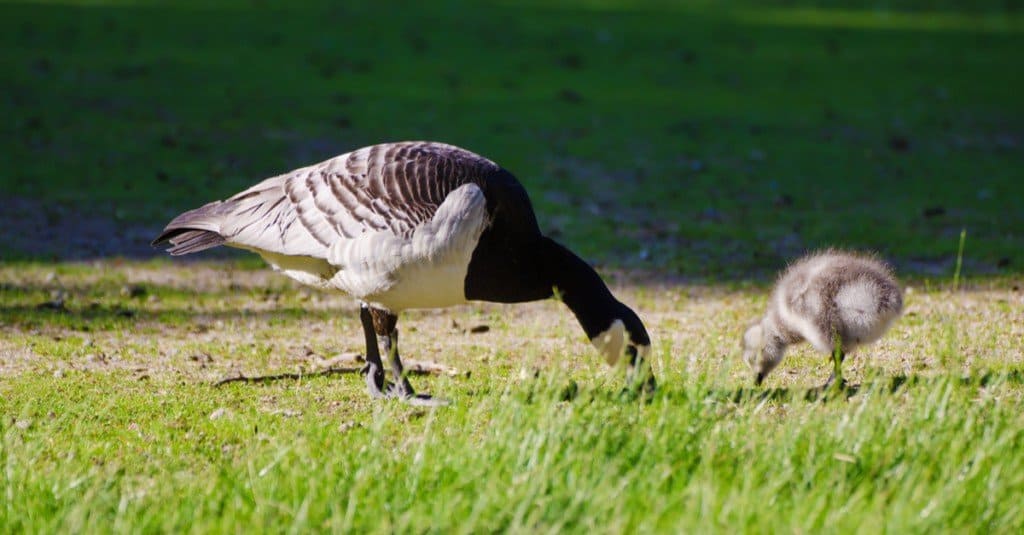
Canada geese eat grass, aquatic vegetation, and insects.
©Roxana Bashyrova/Shutterstock.com
Canada geese will often consume more insects when they’re young and more roots as adults during winter when their preferred foods are not as widely available.
Foods that Canada geese eat throughout the year include:
- Kentucky Bluegrass
- Cattails
- Grasshoppers
- Eelgrass
- Grains
- Earthworms
- Corn
- Root bulbs
- Sedge
- Duckweed
- Freshwater snails
- Tadpoles
- Shrimp
- Alfalfa
- Tall fescue
- Bermudagrass
- Bentgrass
Although Canada geese are primarily herbivores, they may add animal protein, such as insects, small crustaceans, mollusks, and small fish, to their diet during periods of high energy demand, especially in the breeding season (spring) and while juveniles are developing (summer).
How Do Canada Geese Find Food?
On land, Canada geese are grazers that feed in large, social flocks, typically preferring open, short-grass areas like lawns, parks, and golf courses near water. They are highly efficient grazers, consuming up to four pounds of grass daily.
Canada geese have bills with serrated edges called lamellae, which grasp blades of grass and tear them off with a quick, jerking motion of the head.
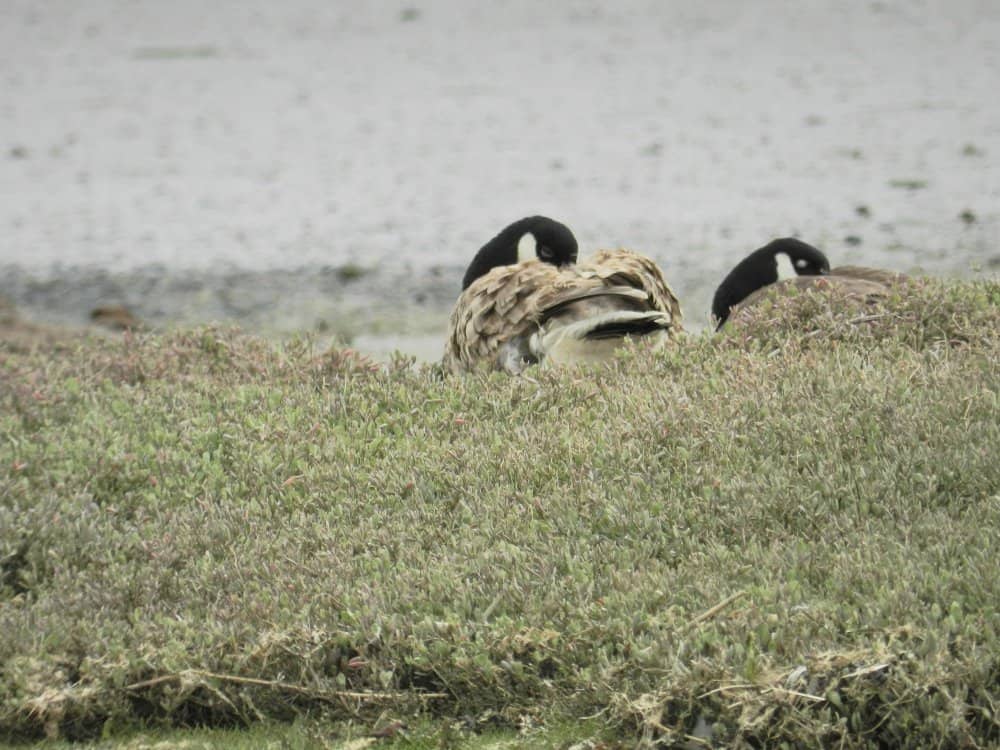
Called upending, Canada geese will throw their tail in the air and submerge their heads in the water in search of food.
©Millie Bond – Copyright A-Z Animals
Canada geese also forage for food while on the water. Like other waterfowl, they will spot something they want to eat while paddling on the surface, and then dive to get it. This behavior is called upending, as they tip their bodies into the water to feed, leaving just their tails above the water. The geese grab and tear water vegetation in much the same fashion as they do when grazing.
What Do Baby Canada Geese Eat?
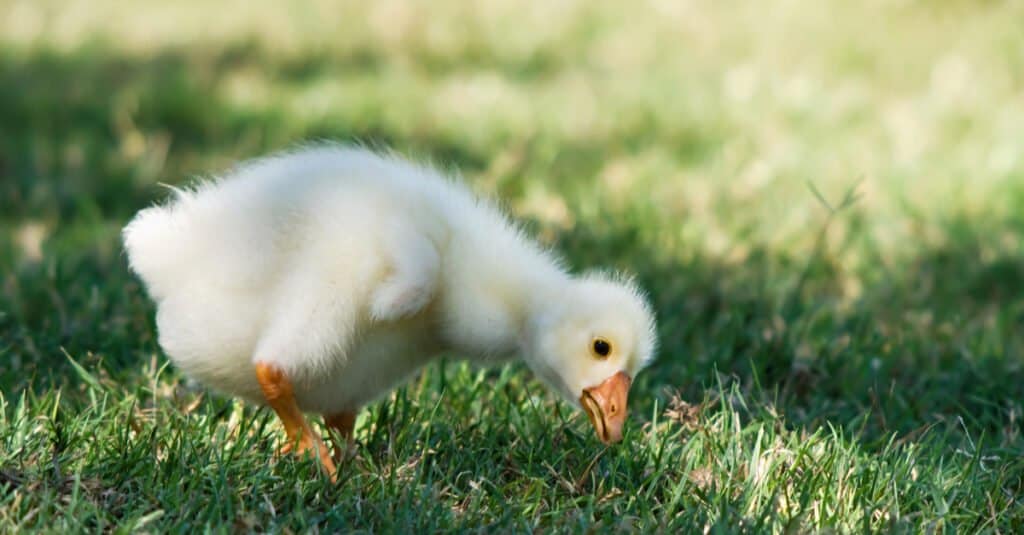
Geese hatchlings can immediately start eating grass and other vegetation after they’re born. They even know how to swim!
©Leena Robinson/Shutterstock.com
Young Canada geese are called goslings, and they can find their own food from the time they hatch. Like adults, they typically feed on grass because it is plentiful and easy to consume. Sometimes, they will consume clover as well as dandelions that are mixed in their natural grazing areas.
Goslings will also eat small insects that they find, like mosquitoes and worms. These insects are filled with protein that will help the goslings get the nutrition they need.
Although they stick to dry land when looking for food for the first few weeks of life, the goslings soon follow their mother into the water. Once there, they will include aquatic vegetation in their diet and assume fully adult eating habits.
What Do Canada Geese Eat During Winter?
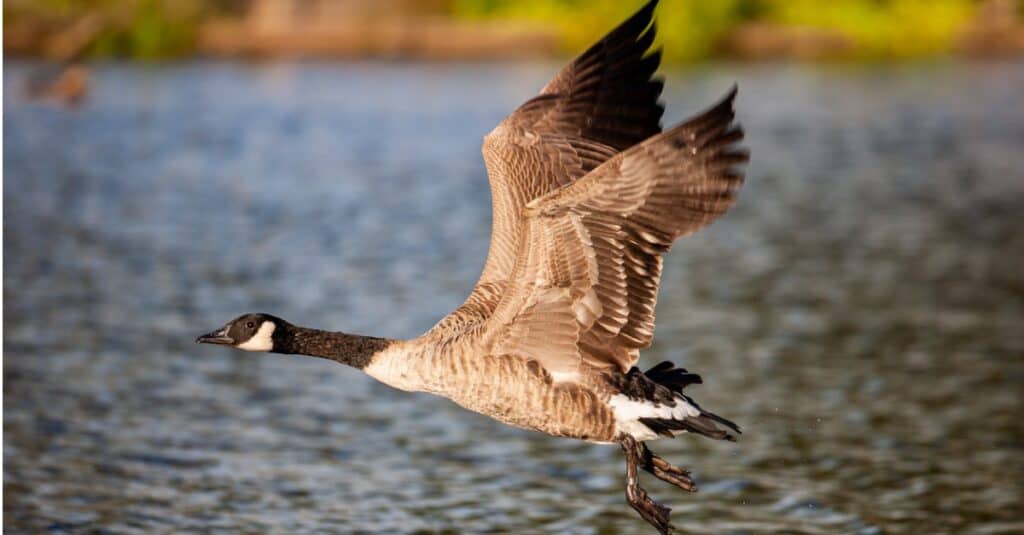
These geese migrate to warmer lands and eat grains, roots, and grass in the winter.
©iStock.com/Wayne Marinovich
The wintertime is a period of change for geese as many of them migrate south in search of warmer climates and food. In North America, Canada geese can migrate all the way from Alaska to the Southern United States and into Mexico.
Living in areas with less access to their staple foods requires Canada geese to diversify their diet. Foods that geese add to their diet in winter include:
- Roots
- Berries
- Grains
- Sorghum
- Cracked corn
- Herbs
- Barley
- Berries
Canada geese supplement their diet to include more carbohydrates to give them the energy they need to continue their migration and make it through the less plentiful times of winter.
They often stop in fields that were just harvested for vegetables and will gladly stop at homes that put out fresh vegetables, especially leafy greens, for them to eat.
What Predators Eat Canada Geese?
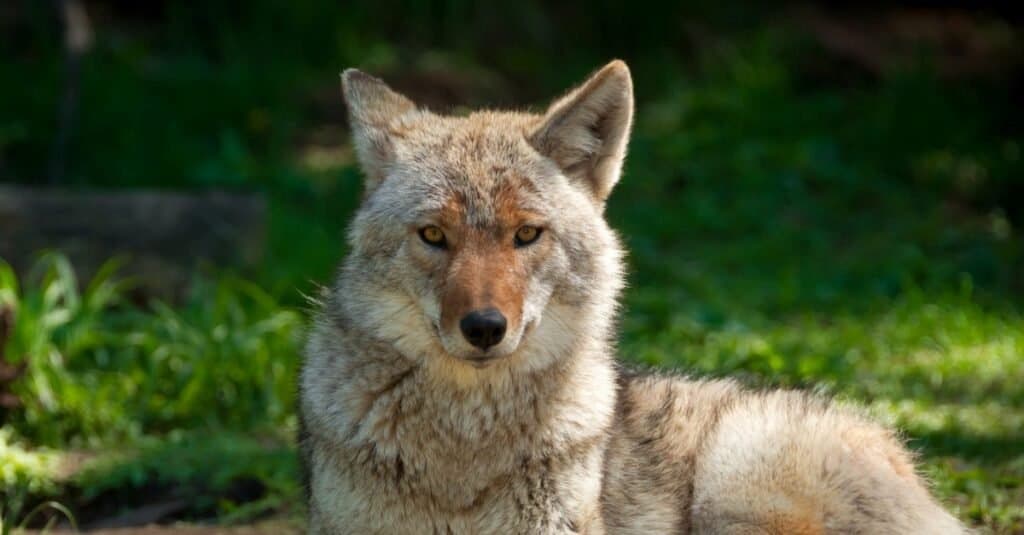
Coyotes can make a quick meal of Canada geese.
©iStock.com/GatorDawg
Like other waterfowl, Canada geese have a reputation for being aggressive, especially when it comes to defending their young. They are not all bluster, either. These geese will provide a warning with a threat display, including spread wings and loud screeches. They will attack if the threat doesn’t scare off the encroacher.
Although their threat display is enough to scare off some predators, it is not enough to protect them from all of their predators.
Common predators of Canada geese include:
- Coyotes
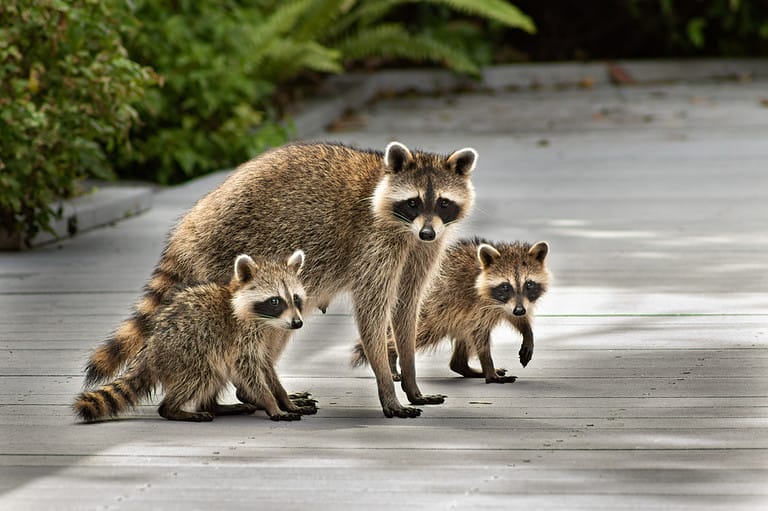
- Raccoons
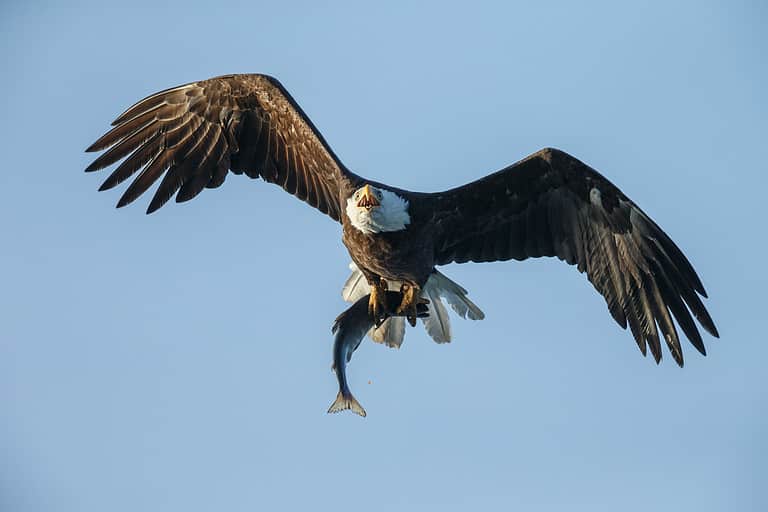
- Eagles
- Bobcats
- Crows
- Ravens
- Foxes
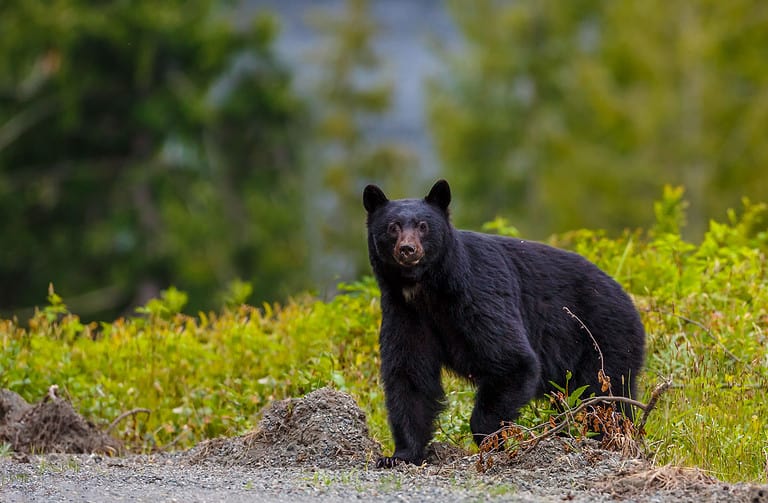
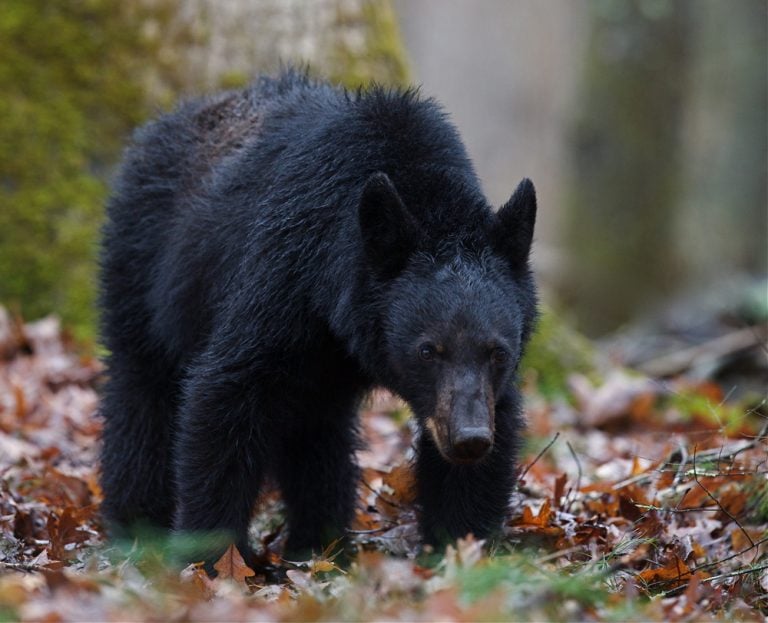
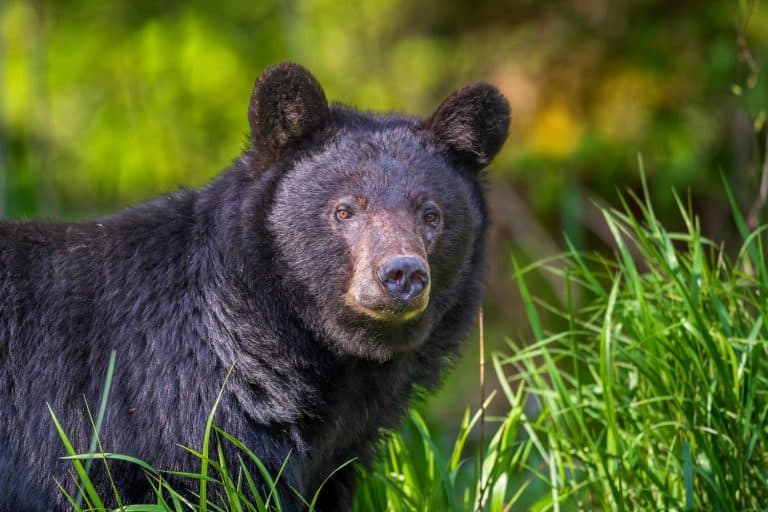
- Bears
- Skunks
- Snakes
- Snapping turtles
- Humans
Goslings face the greatest threat of predation, especially from snakes, eagles, and snapping turtles. They have no defenses against these predators, and their parents can only offer limited protection.
Humans are the primary predators of adult Canada geese, acting as a significant check on population growth through regulated hunting, habitat management, and permitted control measures. While geese have few natural predators as adults, human activity significantly impacts their survival.
Should You Feed Canada Geese Bread?
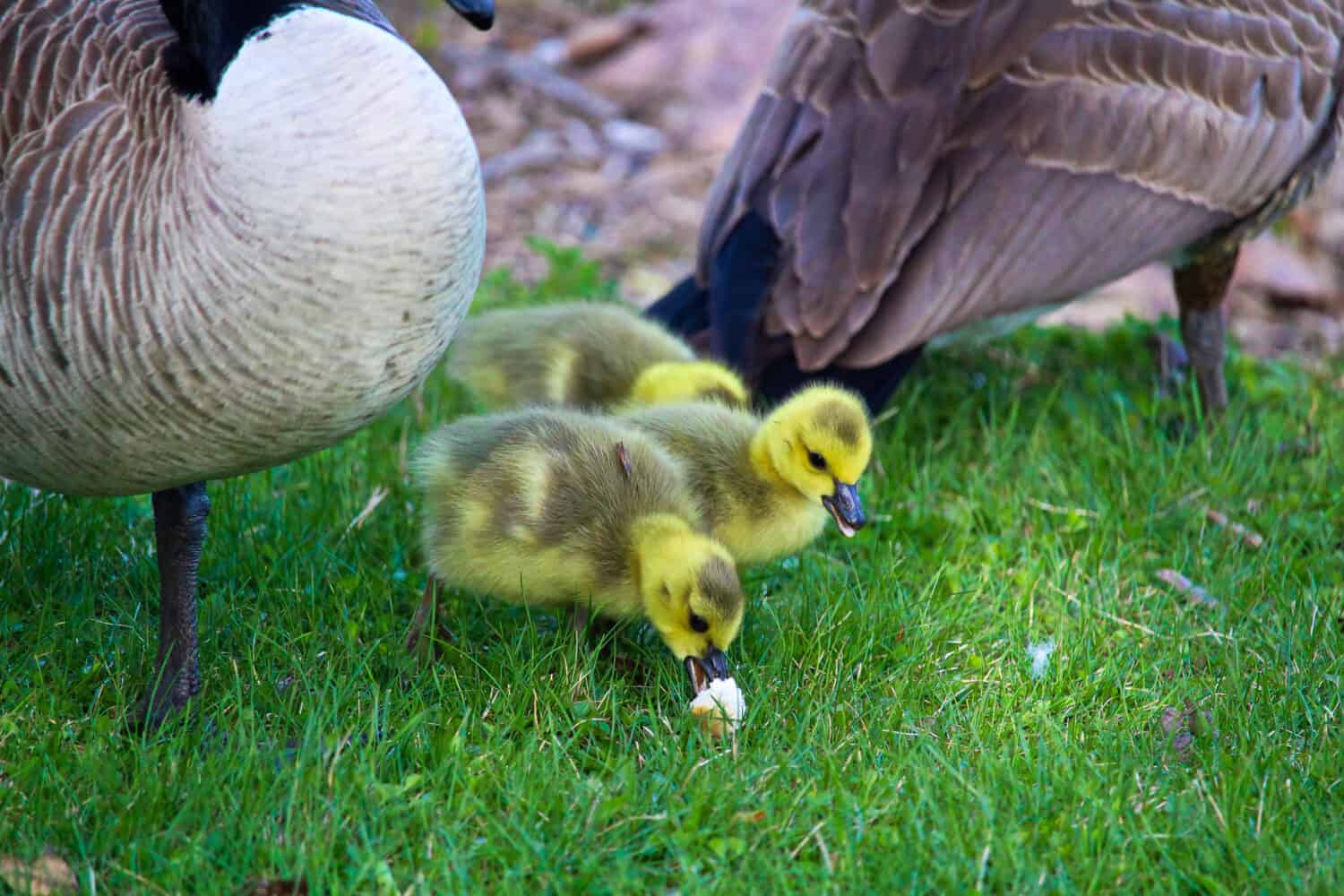
Goslings and adult geese will eat bread when humans offer it, even though it is not the best food for them.
©Amelia Martin/Shutterstock.com
Chances are, you have noticed people feeding Canada geese bits of bread, and they certainly flock to it. While it can be entertaining to feed wild animals, it is generally not a good idea. High-calorie, low-nutrient bread can lead to deformities like angel wing, a permanent condition that prevents flight. Feeding them can make Canada geese lose their fear of humans, leading to potential aggression and dangerous situations.
If you cannot resist the urge to feed geese, choose healthy foods such as English peas, uncooked oats, birdseed, chopped greens, corn, seedless grapes (cut in half), or vegetable scraps like carrots and potatoes.