M
Species Profile

Mule

Equus mulus

Built to go farther, step surer.
w:User:Dario u / User:Dario urruty, Public domain, via Wikimedia Commons

Mule Distribution

Click a location to explore more animals from that region

Origin Location

This map shows the native origin of the Mule. As a domesticated species, they are now found worldwide.

Loading map...

Size Comparison

Human 5'8"
Mule 4 ft 9 in

Mule stands at 84% of average human height.

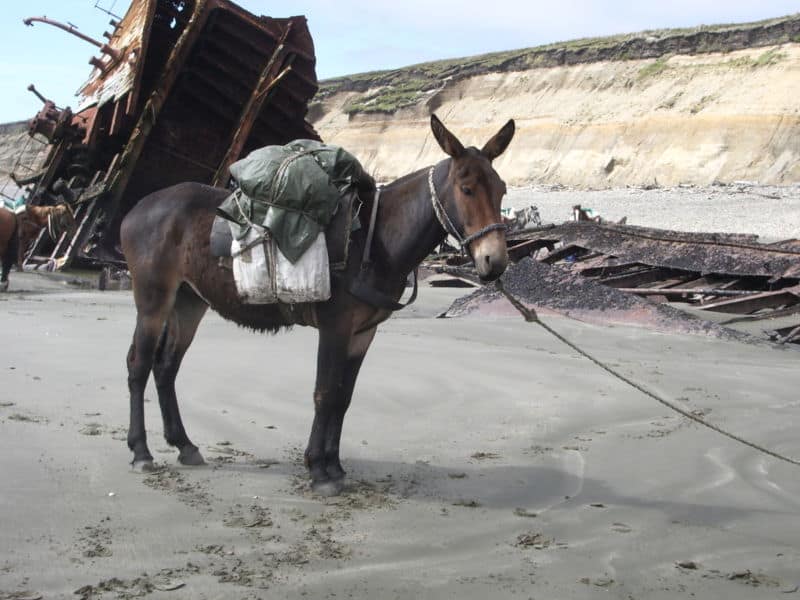
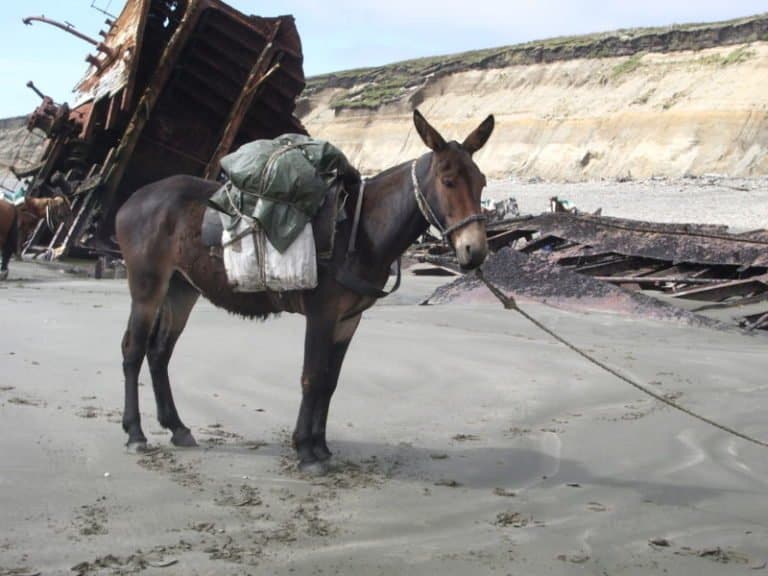
Mule with pack

At a Glance

Domesticated
Also Known As Mula, Mulet, Mulo, Maultier
Diet Herbivore
Activity Diurnal+
Lifespan 18 years
Weight 700 lbs
Status Not Evaluated
Did You Know?

A mule is typically a male donkey (jack) × female horse (mare); the reverse cross is a hinny and often differs in size and temperament.

Scientific Classification

A domesticated equid hybrid (usually donkey sire × horse dam) valued for strength, endurance, sure-footedness, and hardiness; most mules are sterile, though rare fertile females are documented.

Kingdom
Animalia
Phylum
Chordata
Class
Mammalia
Order
Perissodactyla
Family
Equidae
Genus
Equus
Species
mulus

Distinguishing Features

  • Hybrid of donkey and horse; typically combines donkey hardiness with horse size/strength
  • Longer ears and narrower hooves than many horses; tail hair distribution often intermediate
  • Usually sterile due to mismatched parental chromosome numbers

Did You Know?

A mule is typically a male donkey (jack) × female horse (mare); the reverse cross is a hinny and often differs in size and temperament.

Most mules are sterile because they usually have 63 chromosomes (donkey 62, horse 64), which don't pair evenly during meiosis.

Mules commonly inherit large donkey-like ears, a more horse-like body, tough hooves, and a tail that's often intermediate (less "bushy" than a horse's).

They're renowned for endurance and efficient metabolism, often handling heat and sparse forage better than many horses of similar size.

Sure-footedness is a hallmark: many mules place their feet carefully and are widely used on steep, rocky, or narrow trails.

While fertility is rare, documented cases of fertile female mules exist; fertile males are extraordinarily unlikely.

"Mule" is also a key animal in pack transport history-vital to mining, farming, canal building, and military logistics in many regions.

Unique Adaptations

  • Hybrid vigor in many individuals: the cross can combine donkey hardiness with horse size/athleticism, producing robust working animals.
  • Hard, durable feet: many mules have dense hoof horn and tough soles, often needing different trimming/shoeing approaches than horses.
  • Heat and drought resilience: comparatively efficient water use and foraging efficiency can make them effective in arid or rugged environments.
  • Endurance-focused build: strong musculoskeletal durability and stamina make them well-suited to long, low-intensity labor.
  • Genetic mismatch leading to sterility: the usual 63-chromosome set prevents normal gamete formation, making most mules unable to reproduce.

Interesting Behaviors

  • Deliberate decision-making: many mules pause to assess footing or unfamiliar objects, a trait valued for trail and pack work.
  • Strong self-preservation: they tend to avoid risky jumps or unstable terrain, which handlers often interpret as "stubbornness."
  • Bonding and routine: well-handled mules can form strong attachments to familiar people/animals and thrive on consistent cues.
  • Efficient pacing: they often maintain steady, economical gaits for long distances, suiting them to endurance and pack roles.
  • Expressive communication: ear positions and facial cues are especially prominent, reflecting their donkey heritage.

Cultural Significance

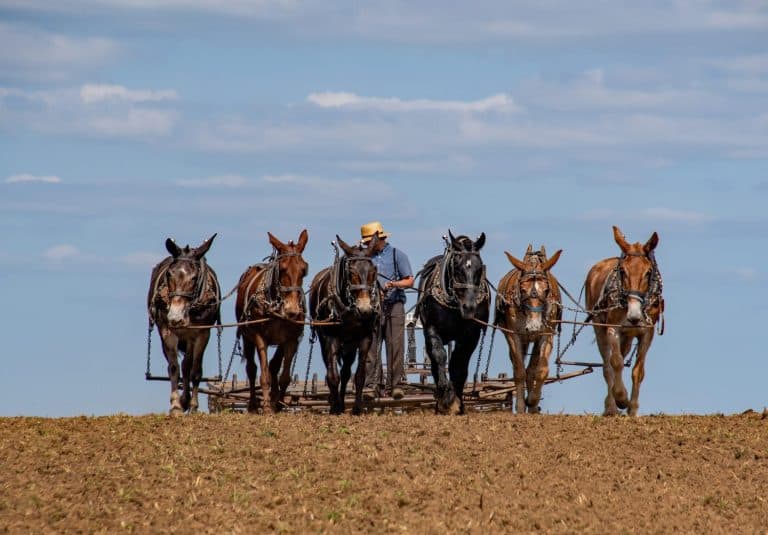
Mules (Equus mulus) have helped farms, transport, and trade by pulling plows, hauling goods, and carrying packs. The Missouri mule is a U.S. icon; Mediterranean, Andean, and Himalayan mules linked mountain towns. They show hard work, endurance, and a cautious, independent nature.

Myths & Legends

In Christian folklore, a humble donkey (and kin like the mule, Equus mulus) is linked to the Nativity story and shows equids as patient, helpful animals used for humble journeys.

In rural Spanish and Latin American folklore, the phrase 'like a mule' appears in proverbs and warnings, showing the mule (Equus mulus) as stubborn and strong-willed, a lesson about persistence and stubbornness.

In Appalachian and wider American folk stories, especially from logging, mining, and canal camps, named mules (Equus mulus) are said to be very smart on dangerous paths and to refuse unsafe orders.

Historical-anecdotal tradition in the U.S. credits George Washington with promoting large-scale mule breeding after receiving influential Spanish donkeys, helping spark a mule culture in American farming lore and agricultural storytelling.

Folklore about working pack mules often portrays them as nearly heroic companions, reputed to be exceptionally sure-footed and steady-minded on steep or dangerous trails, especially when conditions make travel difficult.

Conservation Status

NE Not Evaluated

Has not yet been evaluated against the criteria.

Population Stable

Life Cycle

Birth 1 foal
Lifespan 18 years

Lifespan

In the Wild
10–25 years
In Captivity
25–50 years

Reproduction

Mating System Asexual Reproduction
Social Structure Managed Domestic
Breeding Pattern Not Applicable
Fertilization Managed Selective
Birth Type Managed_selective

Mules are mostly sterile hybrids, so they lack a typical self-sustaining mating system. They are produced primarily through human-managed breeding (donkey sire × horse dam) with internal fertilization; pair bonds are not characteristic. Rare fertile females occur.

Behavior & Ecology

Social Herd Group: 6
Activity Diurnal, Crepuscular
Diet Herbivore Good-quality grass hay (e.g., timothy/orchardgrass)

Temperament

Generally calm, steady, and cautious; evaluates novelty before approaching.
High endurance and persistence; can appear stubborn when confused, pressured, or in pain.
Strongly handler-dependent: consistent, fair training increases cooperation and confidence.
Socially adaptable; some individuals bond tightly, others remain more independent.
Lower reactivity than many horses, but can be defensive if threatened or mishandled.

Communication

Bray-like call Often between a donkey bray and horse whinny
Whinnies/nickers (especially when horse-socialized) to contact companions or handlers.
Snorts/blows to signal alertness, investigate scents, or clear nostrils.
Squeals during conflict, boundary-setting, or breeding-related displays.
Ear position, head carriage, and tail swishing to indicate attention, irritation, or intent.
Body blocking, shoulder pressure, and hindquarter presentation to establish space and dominance.
Mutual grooming and close standing to maintain bonds and reduce stress.
Scent investigation (flehmen response) and manure/urine sniffing to gather social information.
Foot stamping and short charges as warnings; escalation depends on temperament and handling.

Habitat

Agricultural/Farmland Grassland Prairie Steppe Shrubland Woodland Deciduous Forest Coniferous Forest Desert Mountain Alpine Meadow Urban Suburban +7
Biomes:
Temperate Grassland Temperate Forest Mediterranean Desert Hot Desert Cold Savanna Alpine Tundra +2
Terrain:
Mountainous Hilly Plateau Plains Valley Rocky Sandy +1
Elevation: Up to 14763 ft 9 in

Ecological Role

Large herbivorous primary consumer in managed and semi-natural landscapes

Vegetation control through grazing and browsing (reduces grass and forb biomass, can help manage fuel loads) Seed dispersal via manure and transport on coat/hooves Nutrient cycling (manure deposition increases soil fertility and supports decomposer communities) Soil disturbance/bioturbation from trampling and trail formation, influencing plant community patterns and water infiltration Provides resources for dung-dependent insects and associated food webs

Diet Details

Other Foods:
Grasses Legumes Forbs and broadleaf weeds Browse Bark and twigs Cultivated forage feeds Cereal grains Salt and mineral sources +2

Human Interaction

Domestication Status

Domesticated

Mule (Equus mulus) are human-made hybrids, usually from a male donkey and a female horse. Most are sterile and cannot breed. For thousands of years people worldwide have used mules for work because they blend a donkey's hardiness and sure-footing with a horse's size and strength. Today mules work on farms, trails, tourism, emergencies, sport, therapy, or need rescue.

Danger Level

Moderate
  • Kicks (hind-leg strikes can cause severe injury)
  • Bites and striking with forelegs during handling
  • Crushing/stepping injuries due to size and weight
  • Bolting/spooking incidents, especially in unfamiliar environments
  • Handling and transport injuries (trailers, chutes, tie-ups)
  • Zoonotic and occupational risks typical of equids (e.g., ringworm; vector-borne diseases in some regions) and injury risk from unsafe tack/hooves

As a Pet

Suitable as Pet

Legality: Mules (Equus mulus) are usually legal to own as livestock, but local rules often apply: zoning, animal care and transport rules, health tests (e.g., Coggins), shots, and brand checks; cities may limit equids on homes.

Care Level: Experienced

Purchase Cost: $500 - $8,000
Lifetime Cost: $30,000 - $120,000

Economic Value

Uses:
Agriculture and ranch work Pack/transport in rugged terrain Forestry and low-impact logging Recreation (trail riding, driving) Tourism (pack strings, carriage work) Military/disaster logistics (historical and niche modern use) Breeding, training, and sale of working animals Education, therapy, and sanctuary programs
Products:
  • Draft labor (pulling wagons/implements)
  • Pack services (carrying loads/supplies)
  • Trail/ride animals and driving animals
  • Manure (farm fertilizer value)
  • Skilled labor services (trained mule teams, outfitting)

“A stupid mule is still smarter than a good horse or a bad man.”

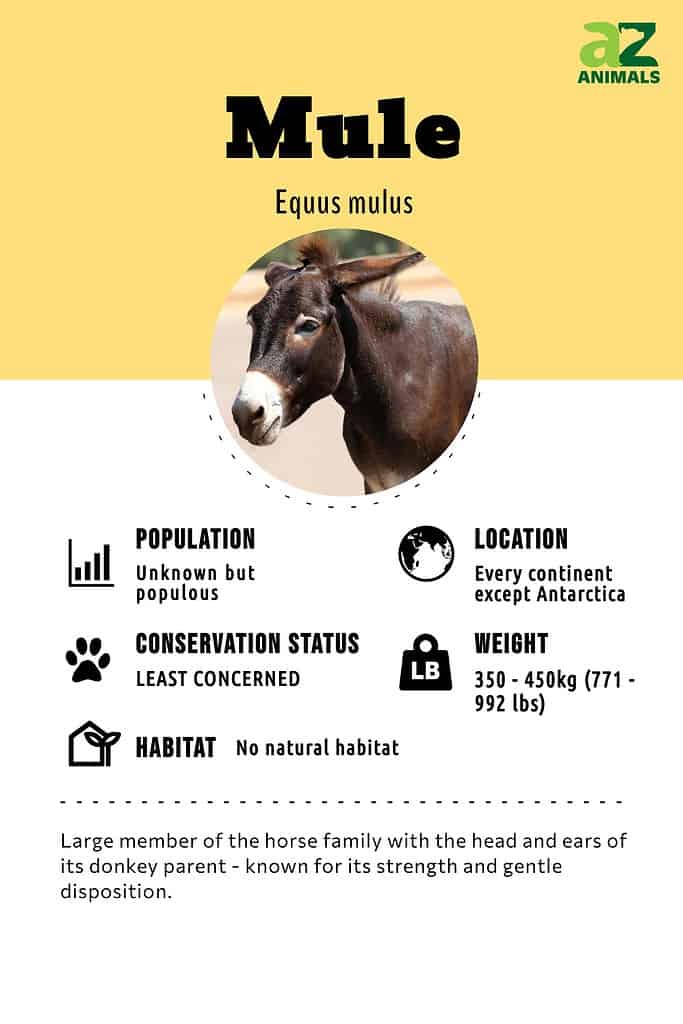
What is a mule? Mules are a genetic hybrid that has been the workhorse of human civilization for millennia. Stronger than a horse, but gentler than a donkey, the mule combines all the best elements of both breeds into a package that is a staple of agricultural pursuits across the globe.
Incredible Mule Facts!

  • What is a mule? A mule is the offspring of a male donkey and a female horse.
  • Mules are animals that were intentionally created during ancient times in order to highlight the best traits of the stallion and the donkey.
  • Because mules have 63 chromosomes — a mixture of 64 from the horse and 62 from the donkey – most are infertile.
  • One of the earliest recorded instances of mules is in Ancient Egypt circa 3000 BCE.
  • They compete in all of the same equestrian events, including dressage, like horses.
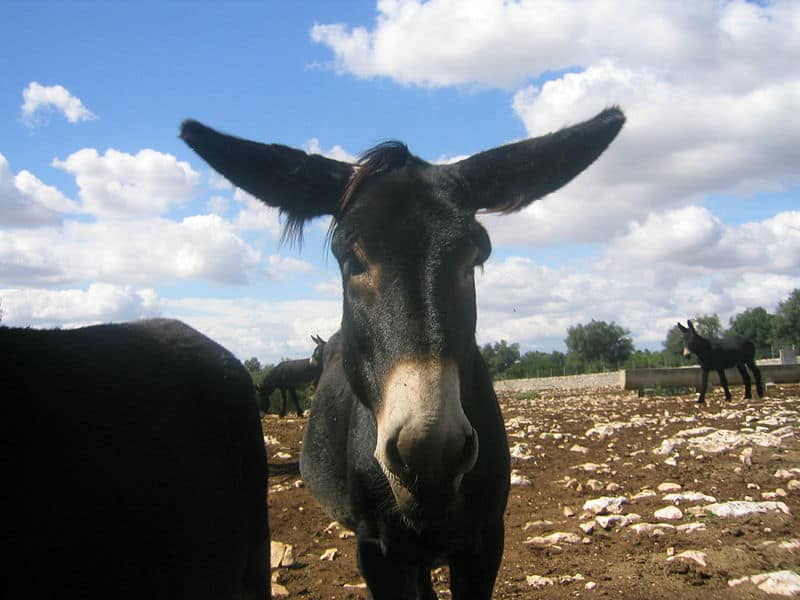
Mules are a hybrid of a male donkey and a female horse.

Scientific Name

These animals are members of the family Equidae of the genus Equus. Their scientific name is Equus mulus, and that stands true for both the male and female of the species despite their different names. The mule is a hybrid of a male donkey, called a jack, and a female horse, called a mare. Equus is the Latin word for horse, and mulus is Latin for a mule.

Evolution

Mules have a long and storied history and have played important roles in civilizations all over the world. Horses originated in Central Asia around 3500 BC and extended their range across the world – eventually extending into the range of the donkey – which originated in Africa. It is known that mules were bred in Mesopotamia before 1,000 BC. There is evidence in art and ancient writings that mules were present at many important events – they are illustrated in a painting in the Tomb of Nebamun at Thebes, dating from around 1350 BC. Mules were present in Israel in the time of King David and were mentioned by Homer in the Iliad in 800 BC. George Washington bred mules at Mount Vernon. Mules pulled wagon trains across the American plains and could travel 30 miles a day to a horse’s five. The mule is famous the world over for its great strength and gentle manner.

Appearance and Behavior

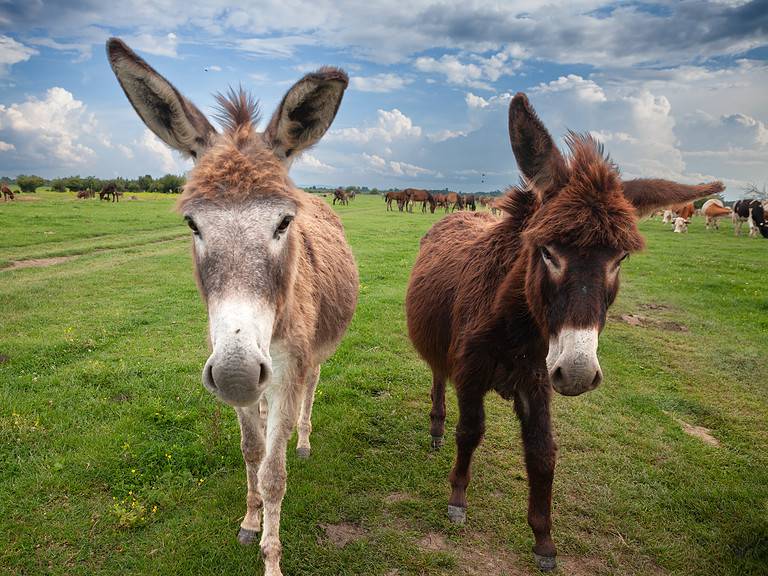
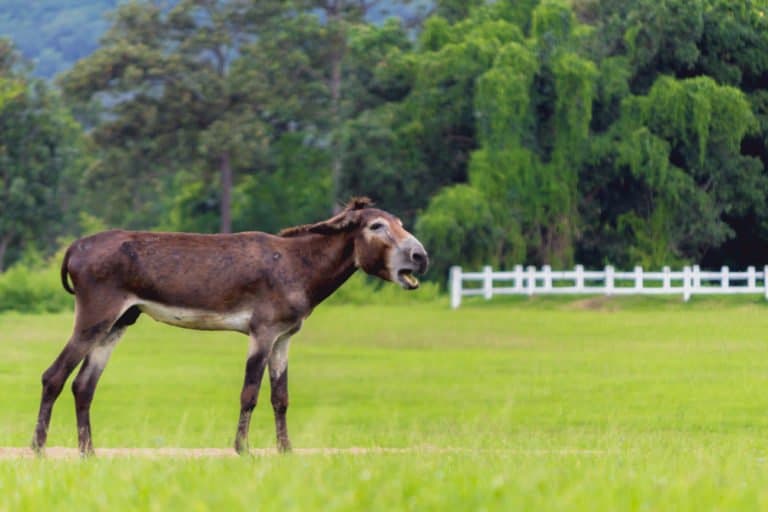
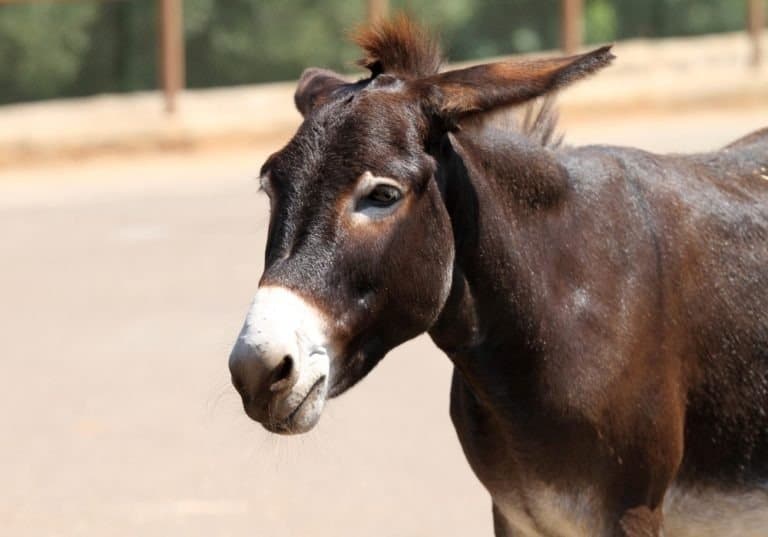
Mules are animals that look exactly like what they truly are, the resulting genetic hybrid of a stallion and a donkey. While generally brown or gray, they can come in any coat and color found on both horses and donkeys. They are larger and leaner than jacks and smaller but stouter than colts. Their heads are shorter, thicker, and more closely resemble that of a donkey while their ears are longer than a horse’s but shorter than a donkey’s.
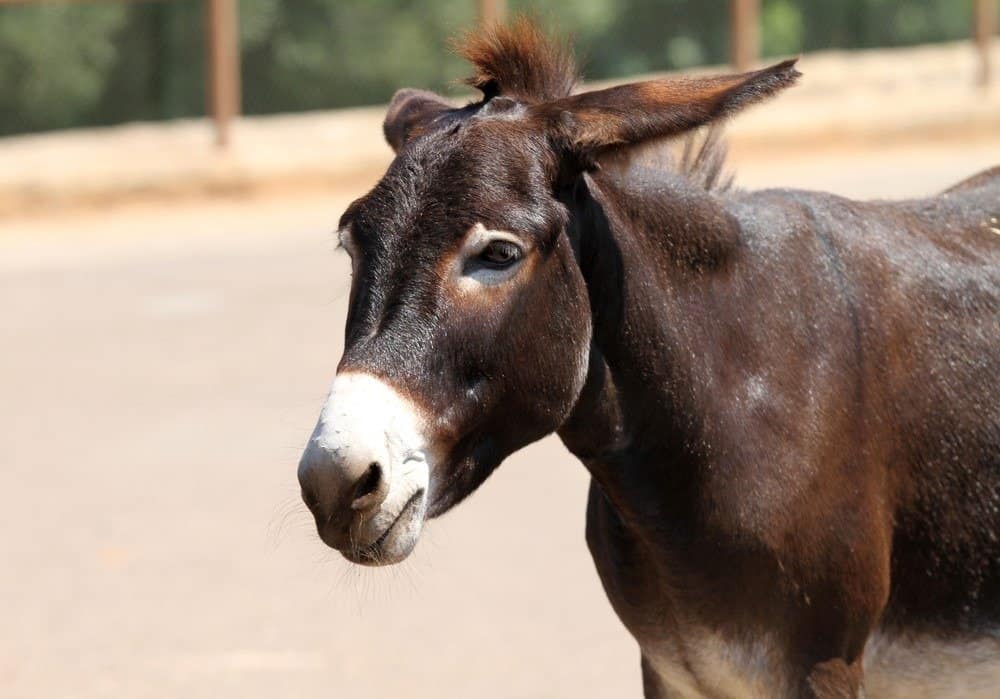
Mule resting

Mules have a gentle temperament and strong builds that are perfect for working in agriculture.

The average size of these animals is between 50 and 70 inches in height, and their weight can range between 600 and 1,500 pounds. Miniature animals weighing only 50 pounds have been bred, and the largest recorded male weighed in at a massive 2,200 pounds. That weight ranges from an average-sized male bulldog up to the weight of two grizzly bears put together. Apollo, the largest and heaviest mule, also stood an impressive 19.1 hands high, about 77 inches!

These animals’ temperament was the ideal that breeders were trying to reach when combining the qualities of colts and jacks. In them, you have the strength and hardiness of a donkey mixed with the combined temperaments of both parents. Stallions have a tendency to be flighty, or easily spooked, and jacks are known as stubborn and difficult to manage. The mule is a stolid, patient, and generally even-tempered beast.
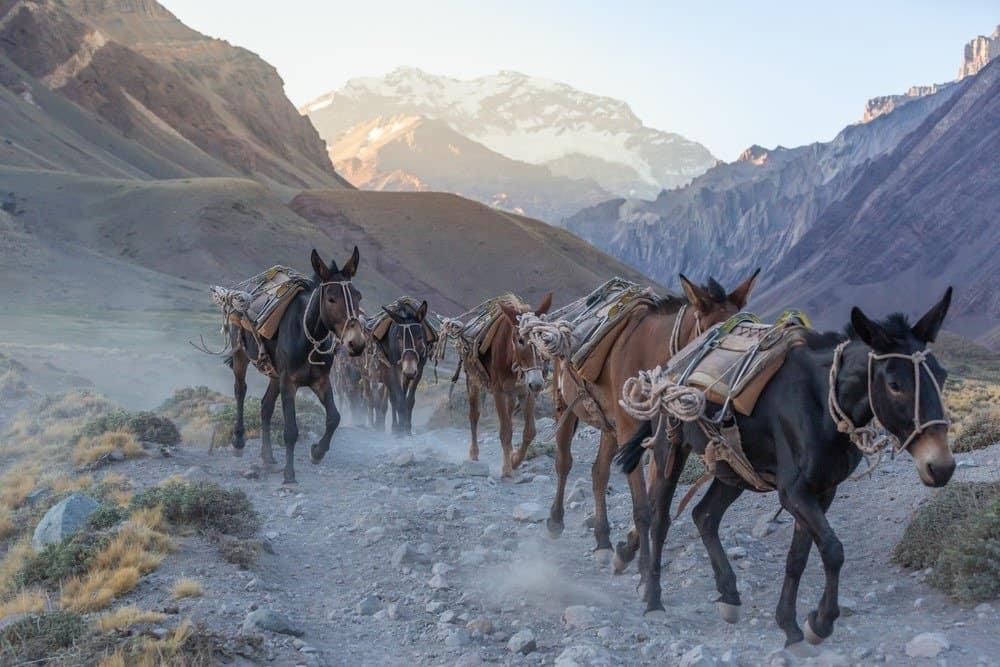
hinny vs mule

Mules can be found all over the world and can handle almost all climates.

Habitat

Mules are found throughout the world. They are located on every continent but Antarctica and their breeding has left them well-suited to handle almost all climates. With their tougher skin, when compared to a stallion, they are less likely to overheat, and they need less food than a horse making foraging easier.

Mules are a human-created species and, as such, they have no natural habitat. They can be found anywhere that humans have brought them.

Diet
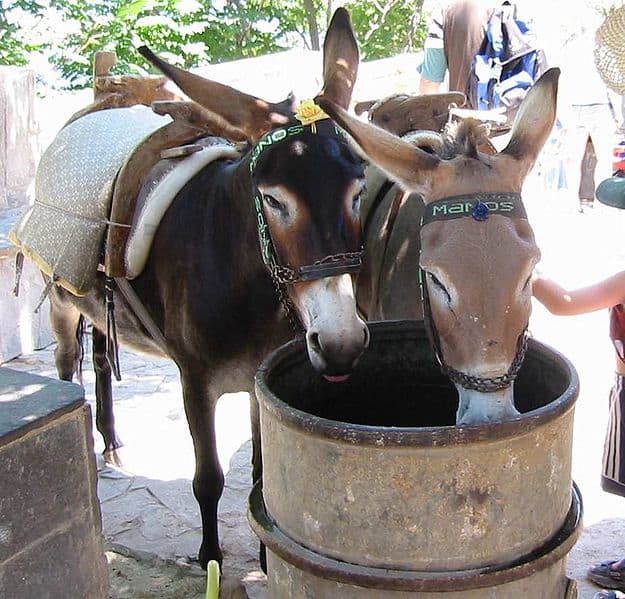
Two mules drinking water

Mules eat a variety of grasses and small shrubs and require less food than a stallion.

With respect to its diet, the mule is no different than its parents. They eat a wide variety of grasses and small shrubs. If they do not have a large enough area to forage successfully, generally one to two acres, then their diet may be supplemented by hay, grain, or pelletized food.

Another result of the hybridization of the species is that, although they have retained the size of the colt, they only require a fraction of the amount of food necessary to feed a stallion. When not working, they spend the majority of their day eating or resting.

Predators and Threats
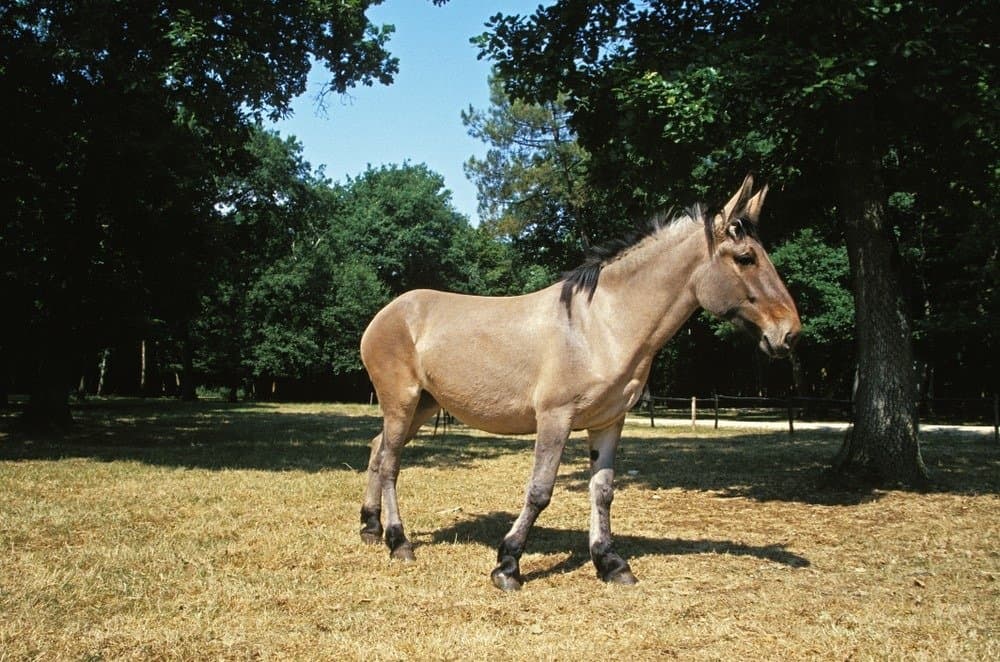
hinny vs mule

Mules have no predators but need frequent veterinary checkups and vaccinations.

The principal threat mules face is a disease. Stallions, donkeys, and mules all face similar diseases such as tetanus, Eastern equine encephalomyelitis, and equine influenza. Appropriate care for the mule, frequent veterinary checkups, and vaccination programs all help to prevent the contraction of these illnesses, or at least to mitigate the effects. Being that they are wholly domestic animals, they do not typically face a threat from any predator.

Reproduction, Babies, and Lifespan
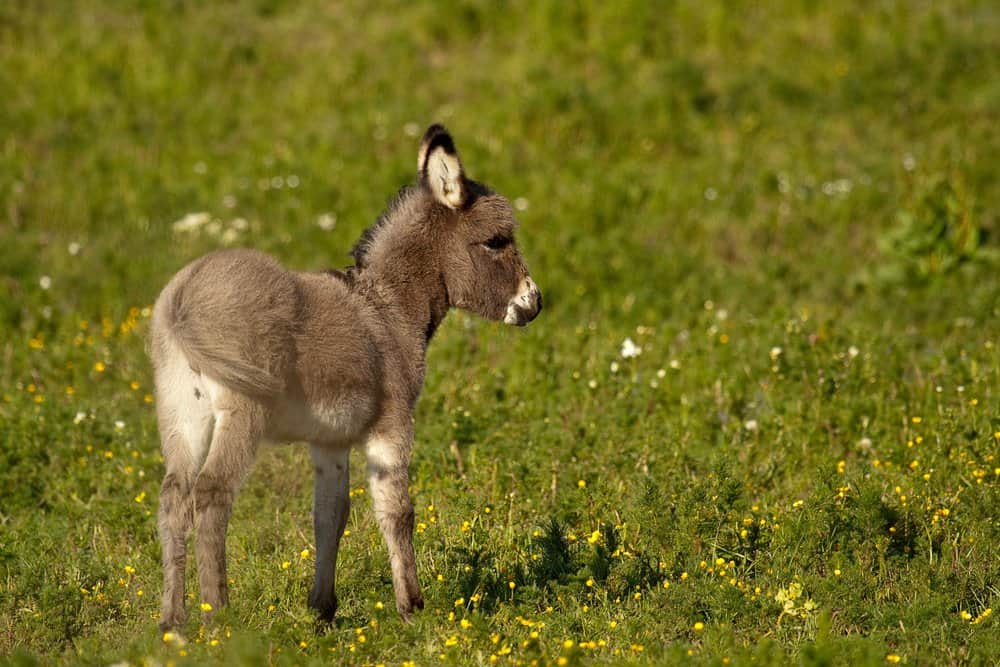
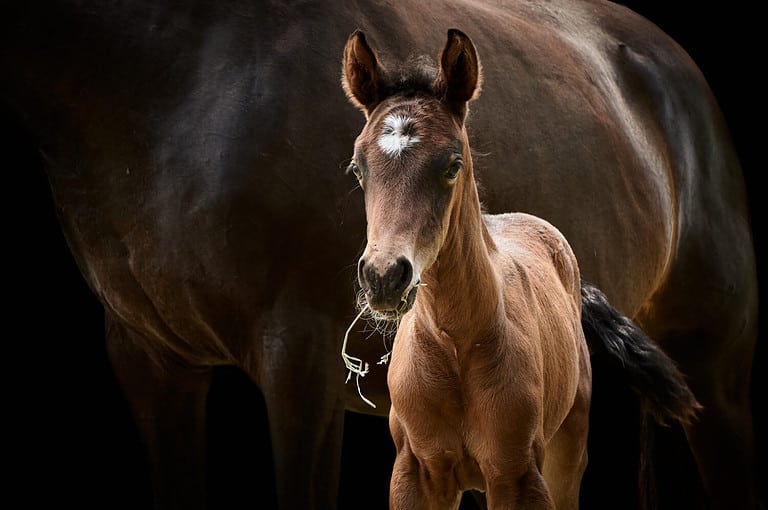
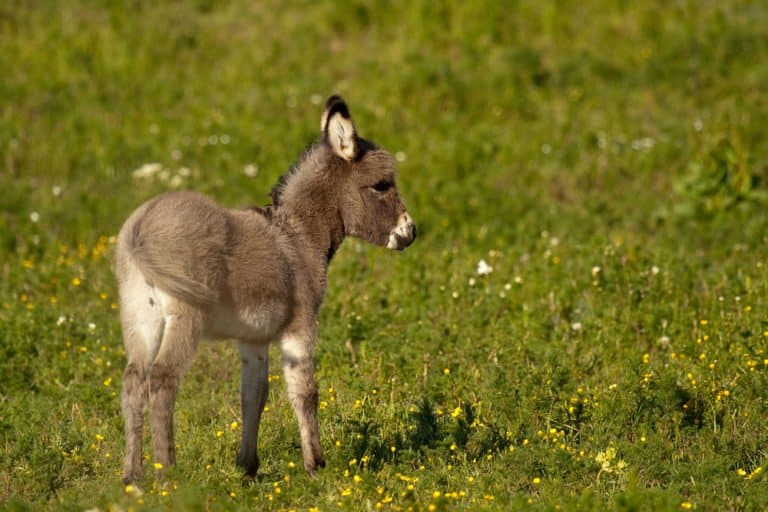
Mule (Equus Mule) - baby standing in grass

Mules can live well into their 40s.

As mentioned above, mules are bred by cross-breeding a mare with a jack. The mare gives birth to a baby, called a foal, after a gestational period of 11 to 12 months. The average mule lives approximately 30 years, but there have been mules that have lived well into their 40s. Because mules have the odd number of chromosomes, 63, in fact, they are often infertile. However, there have been instances of female mules giving birth.

Population

These animals exist on six of the seven continents with Antarctica being the exception. They live almost exclusively in human care as, due to the above-discussed fertility issues, they are largely unable to breed in the wild to sustain a feral herd. Reliable population numbers are nearly impossible to come by; however, the U.S. Department of Agriculture reported approximately 200,000 mules residing within the United States alone as of 1998. The mule is categorized as a species of the least concern.
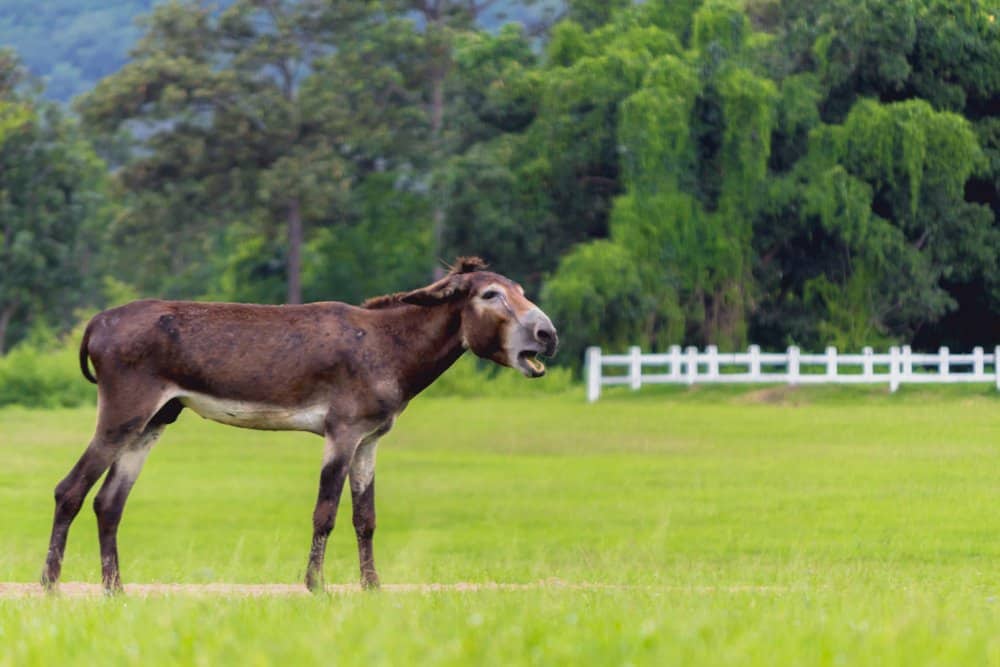
Mule (Equus mule) - in grassy field

Mules live on every continent except Antarctica and enjoy a conservation status of the least concern.

In the Zoo

These animals are common sights in zoos all across the United States. They are frequently found in petting zoos as well because of their even temperament. The San Diego Zoo has several mules, and they recently donated several to CalFire for use as pack animals in remote wilderness areas of the state to assist in combating wildfires.

View all 329 animals that start with M

Sources

  1. David Burnie, Dorling Kindersley (2011) Animal, The Definitive Visual Guide To The World's Wildlife / Accessed December 17, 2008
  2. Tom Jackson, Lorenz Books (2007) The World Encyclopedia Of Animals / Accessed December 17, 2008
  3. David Burnie, Kingfisher (2011) The Kingfisher Animal Encyclopedia / Accessed December 17, 2008
  4. Richard Mackay, University of California Press (2009) The Atlas Of Endangered Species / Accessed December 17, 2008
  5. David Burnie, Dorling Kindersley (2008) Illustrated Encyclopedia Of Animals / Accessed December 17, 2008
  6. Dorling Kindersley (2006) Dorling Kindersley Encyclopedia Of Animals / Accessed December 17, 2008
  7. David W. Macdonald, Oxford University Press (2010) The Encyclopedia Of Mammals / Accessed December 17, 2008
  8. Britannica / Accessed October 16, 2020
  9. American Mule Museum / Accessed October 16, 2020
  10. Farm Show Magazine (1990) Vol. 14 Iss. 4 Pg. 20 / Accessed October 16, 2020
  11. American Mule Association / Accessed October 16, 2020
Lisha Pace

About the Author

Lisha Pace

After a career of working to provide opportunities for local communities to experience and create art, I am enjoying having time to write about two of my favorite things - nature and animals. Half of my life is spent outdoors, usually with my husband and sweet little fourteen year old dog. We love to take walks by the lake and take photos of the animals we meet including: otters, ospreys, Canadian geese, ducks and nesting bald eagles. I also enjoy reading, discovering books to add to my library, collecting and playing vinyl, and listening to my son's music.

Thank you for reading! Have some feedback for us?


Mule FAQs (Frequently Asked Questions)

The mule is an herbivore. They primarily eat grass and small shrubs; however, they are also fed grain or other forms of pelletized food in farming or domestic environments.