
Quick Take
- One of the top hawk-watching sites in the entire Northeast sits on a quiet lakeshore in upstate New York, drawing staggering numbers of birds each spring. Explore Derby Hill's hawks →
- The last place most birders think to look in New York is actually a premier migration hotspot, and it sits right in the middle of the city. Discover Central Park birding →
- Niagara Falls is famous for the wrong reason. What draws serious birdwatchers there has nothing to do with the waterfall itself. See Niagara's real draw →
- Two rare birds found almost nowhere else in the state are hiding in one of New York's largest wild areas, though most visitors never know to look for them. Find the Adirondack rarities →
In New York, there are thousands of acres of high-quality habitats that provide opportunities to see many different kinds of birds. In fact, there are nearly 500 bird species that have been documented in New York. Birding enthusiasts can visit state and national parks, wildlife management areas, and nature preserves around the state to view resident and migrant birds. Whether you are an experienced birdwatcher or you are just starting to learn about birds, here are some of the best bird-watching spots across New York.
Jamaica Bay Wildlife Refuge
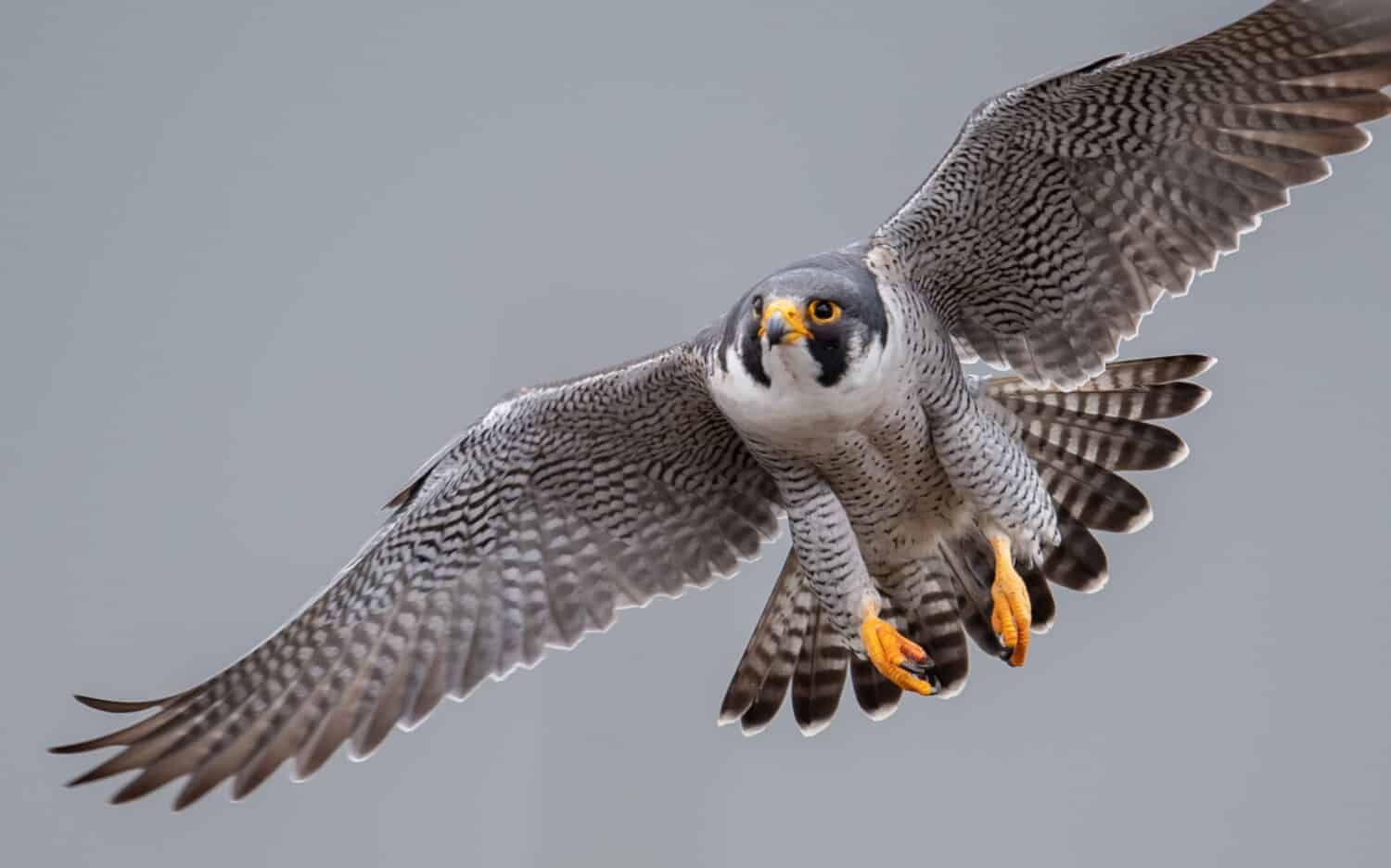
Located in Jamaica Bay between Brooklyn, Queens, and the Rockaway Peninsula, the Jamaica Bay Wildlife Refuge includes over 12,600 acres of open bay, freshwater and brackish water ponds, saltmarshes, upland fields, woods, and islands. The refuge is known for its large flocks of waterfowl, wading birds, and shorebirds, but it has an impressive bird list of over 300 species. Many nest at the refuge, including American black ducks, least terns, tricolored herons, black-crowned night herons, American oystercatchers, and clapper rails. Barn owls also nest here, and peregrine falcons can be seen hunting year-round.
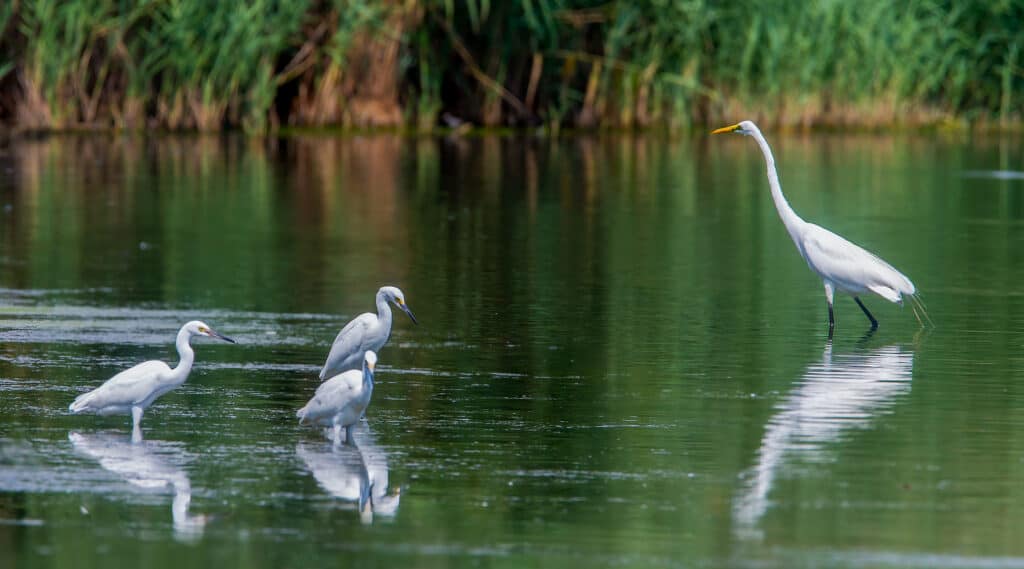
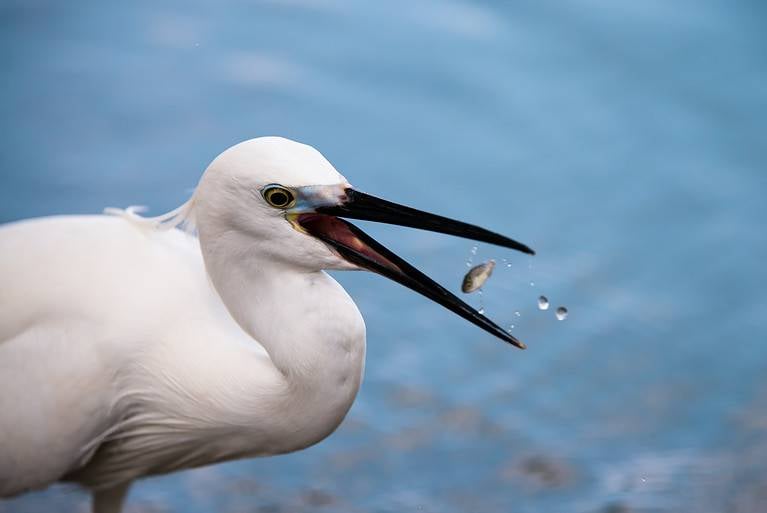
Snowy egrets are regular summer visitors at Jamaica Bay on Long Island.
©David W. Leindecker/Shutterstock.com
The Montezuma Wetlands Complex
The Montezuma Wetlands Complex, including the Montezuma National Wildlife Refuge and Northern Montezuma Wildlife Management Area, is a 50,000-acre wetland system and a significant stopover for migratory birds on the Atlantic Flyway. The complex offers vital habitat for ducks, marsh birds, shorebirds, raptors, warblers, woodpeckers, and other species during spring and fall migration, as well as the breeding season. Over 300 species of birds have been documented in the area, with over 100 species known to nest on the refuge.
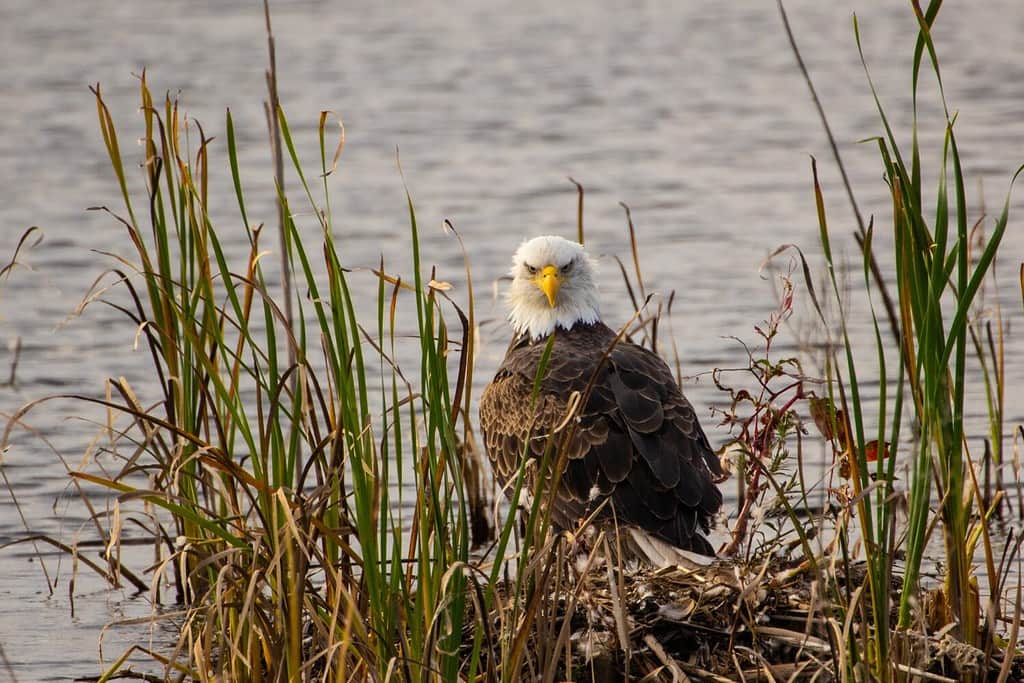
Bald eagles visit and nest at the Montezuma National Refuge.
©Wirestock Creators/Shutterstock.com
Jones Beach State Park
Jones Beach State Park is situated on a roughly 17-mile-long barrier island off the southwest coast of Long Island, with the park itself stretching approximately 6.5 miles along its shoreline. Numerous migrating bird species stop here on their way to breeding or wintering areas along the Atlantic Flyway. Over half of the park consists of salt marshes, sand dunes, stream outlets, and pools that provide a haven for wading birds and waterfowl. Visitors can also see hundreds of hawks, kestrels, falcons, and osprey fly over during peak migration in the fall from the boardwalk viewing platform. On their southward trek, tens of thousands of monarch butterflies pass through in the fall.
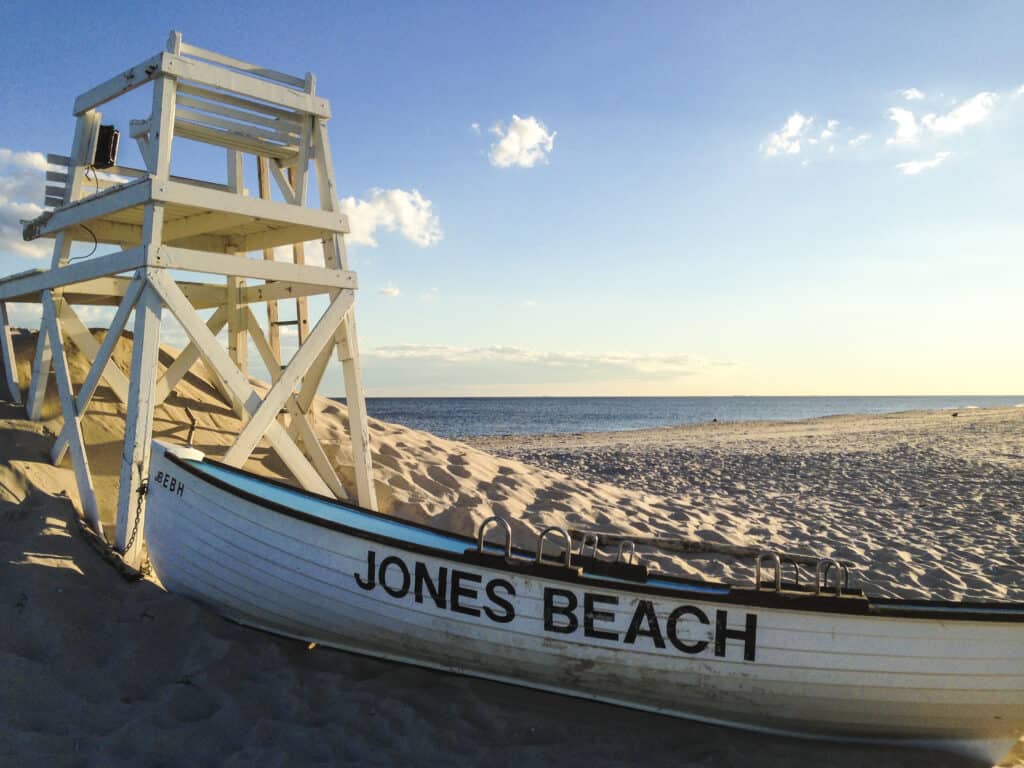
Falcons, kestrels, and osprey are frequent visitors to Jones Beach State Park.
©Joe Trentacosti/Shutterstock.com
Central Park
Birders from all over the state travel to Manhattan for bird-watching. Central Park birding is the most productive during spring and fall migration. During the spring, birders should watch for cuckoos, warblers, flycatchers, vireos, tanagers, kinglets, grosbeaks, and other songbirds, as well as waterfowl, wading birds, and freshwater sandpipers. During fall migration, raptors, warblers, sparrows, thrushes, and other songbirds are frequent visitors. Peregrine falcons, red-tailed hawks, and downy woodpeckers can be seen year-round. The most popular spot for birding in Central Park is a 37-acre wooded area called the Ramble, located between 72nd and 79th Streets.
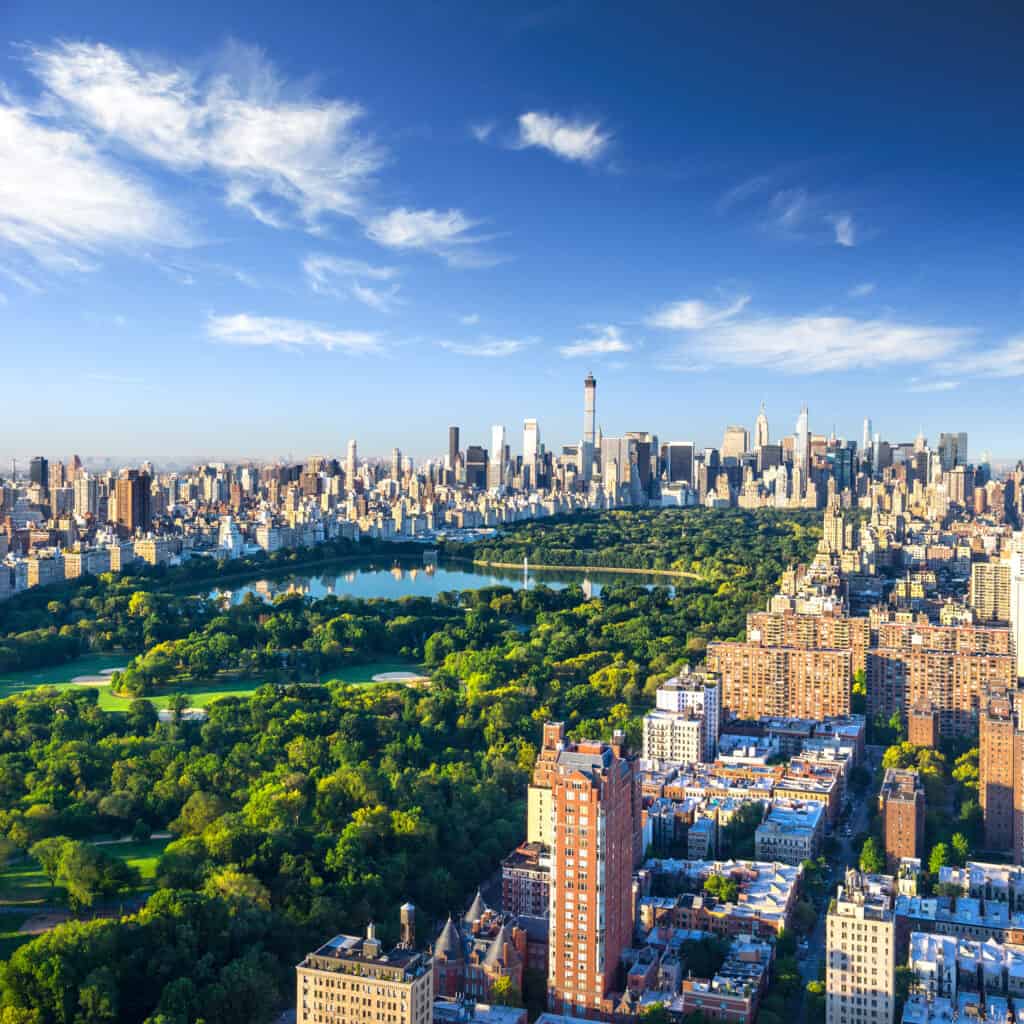
Peregrine falcons, red-tailed Hawks, and common woodpeckers are year-round residents of Central Park.
©IM_photo/Shutterstock.com
Niagara Falls State Park
A birdwatcher’s paradise, Niagara Falls is home to at least 19 species of gulls, as well as bald eagles, peregrine falcons, ducks, and geese. In the fall and winter, vast numbers of waterfowl, including canvasbacks, common mergansers, common goldeneyes, and other diving ducks, can be observed at Niagara Falls State Park along the Niagara River and Lake Ontario. In the spring and summer, birdwatchers can see double-crested cormorants, black-crowned night herons, great blue herons, and a breeding colony of ring-billed gulls close to Cave of the Winds on Goat Island, a 70-acre park located in the middle of the Niagara River.
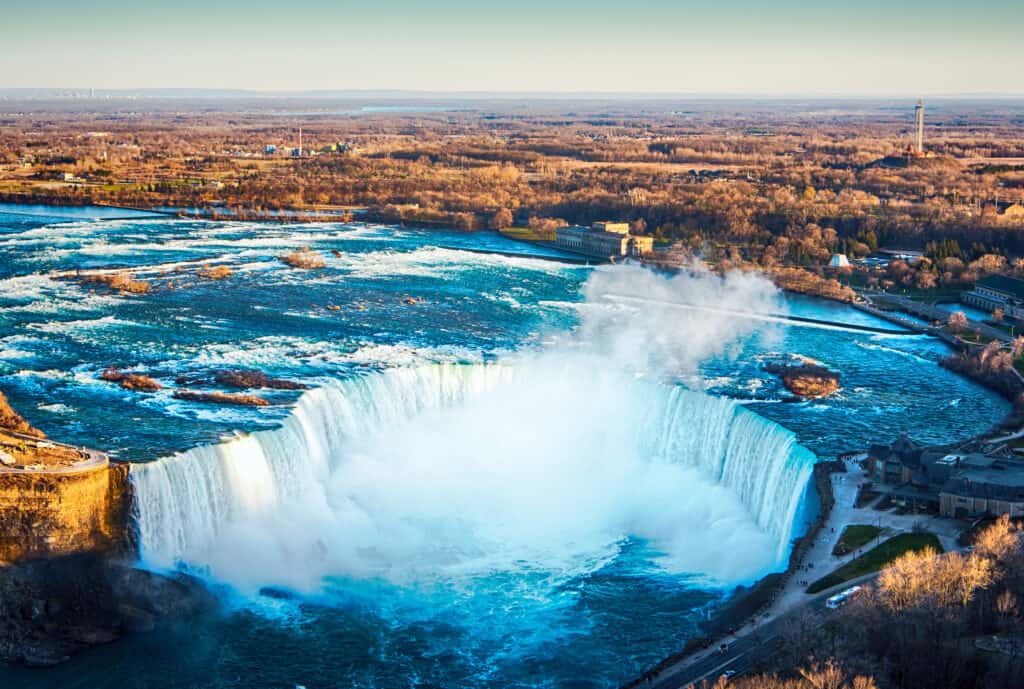
Niagara Falls is famous for the number of gulls that can be seen here.
©warasit phothisuk/Shutterstock.com
Derby Hill Bird Observatory
One of the best hawk-watching locations in the Northeast is Onondaga Audubon’s Derby Hill, which is located on the southeast corner of Lake Ontario in Oswego County, New York. The area ranks among the top spring birding locations in the nation, with an average of 40,000 raptors counted as they migrate northward each spring. Derby Hill is known for hawks, eagles, and vultures, but you may also see large numbers of migrating snow geese, common grackles, blue jays, red-winged blackbirds, and Baltimore orioles. Hawk-watch season begins in early March and lasts through the end of May.
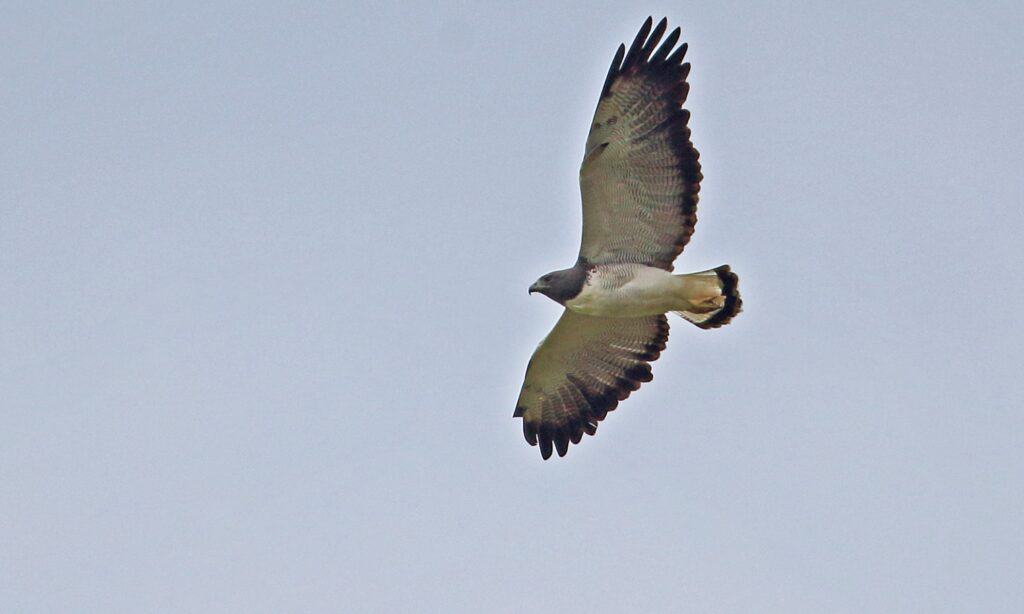
Derby Hill is a top spot for watching hawks during the spring migration.
©iStock.com/neil bowman
Bashakill Wildlife Management Area
Bashakill Wildlife Management Area is a 3,107-acre refuge that is predominantly freshwater marsh. The area is popular during spring migration and for various nesting species throughout the year. Birders can see migrating warblers and other songbirds in the marsh and nearby oak forest in the spring. Nesting birds include wood ducks, American and least bitterns, Virginia rails, sora, ospreys, bald eagles, and barred owls, as well as many flycatchers and warblers.
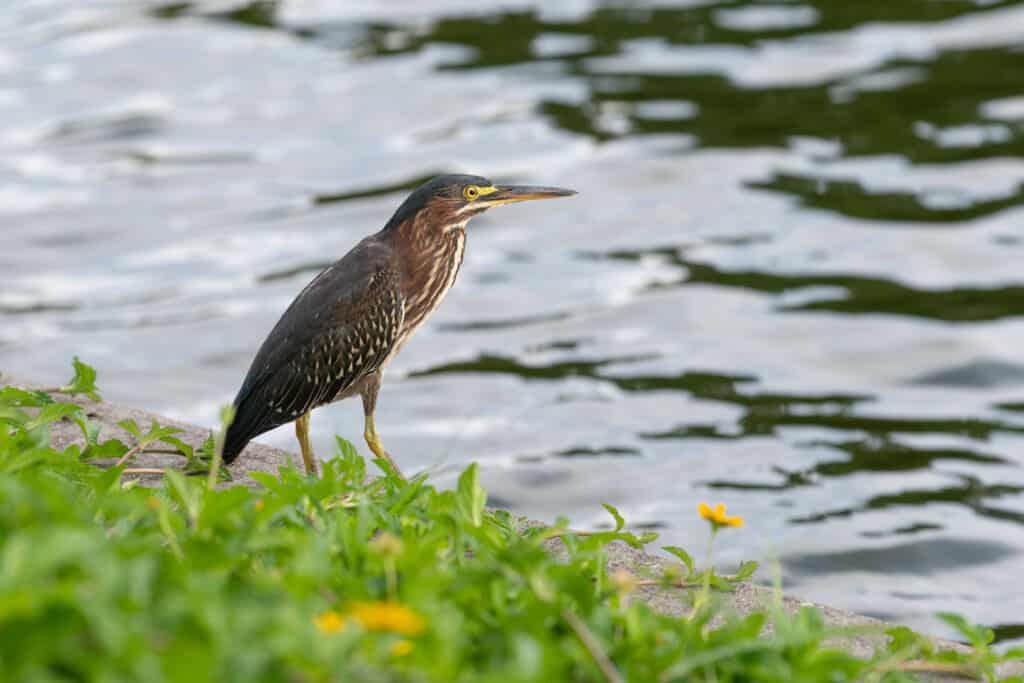
The endangered American bittern can be spotted at Bashakill Wildlife Management Area.
©iStock.com/Marianne Pfeil
Adirondack Park
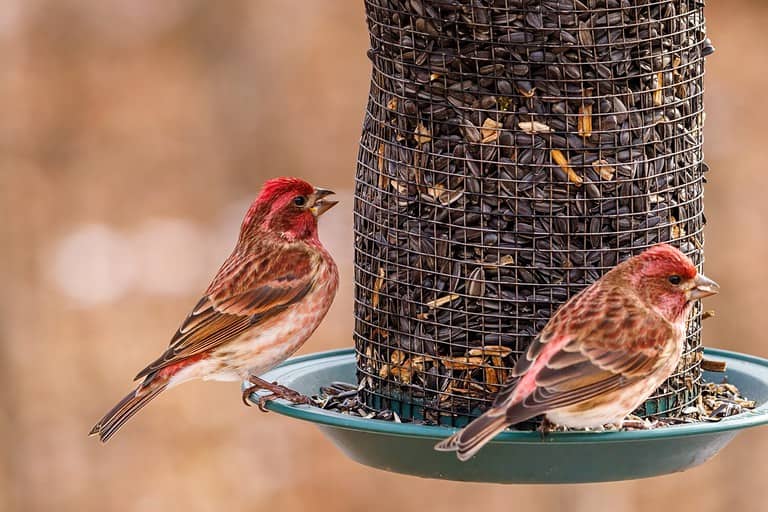
Adirondack Park includes six million acres of mountains, lakes, forests, and even towns. It is the largest protected area in the contiguous United States. The Adirondacks are well known for two rare birds, the spruce grouse and the black-backed woodpecker. Bicknell’s thrush, olive-sided flycatchers, blue-headed vireos, gray jays, purple finches, and boreal chickadees are frequently seen throughout the park. Birders can also spot many warbler species, including the Nashville, Blackburnian, black-throated blue, and Canada warblers, among others.
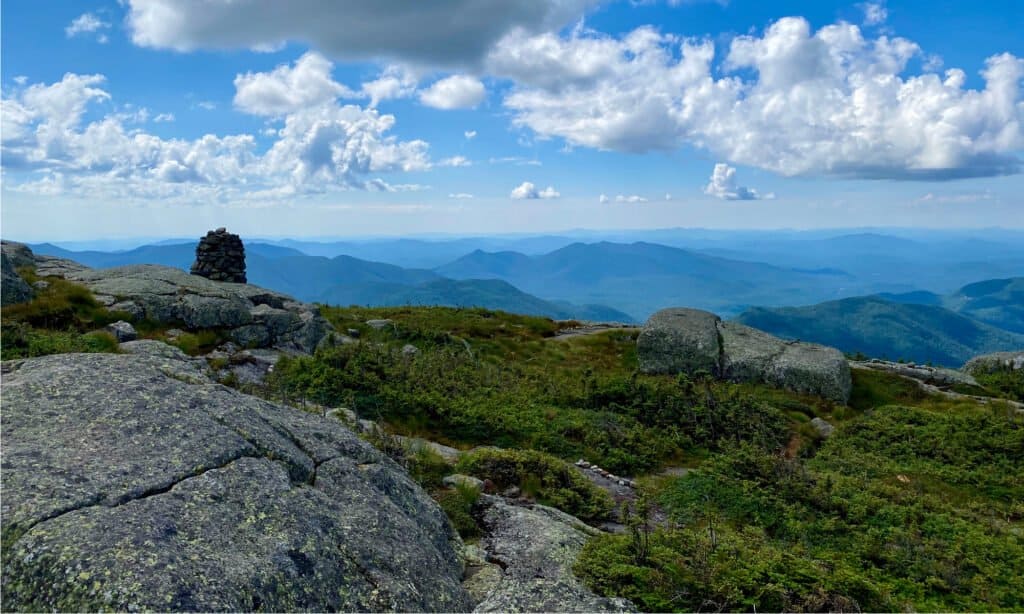
Bicknell’s thrush breeds on the slopes of the mountains in Adirondack Park.
©Kathryn Merrill/Shutterstock.com
Montauk Point State Park
Montauk Point State Park is located on the eastern point of the South Shore of Long Island where the Block Island Sound and the Atlantic Ocean converge. Large flocks of ducks and seabirds can be seen at Montauk Point during migration and winter. Common species include brants, the three scoter species, long-tailed ducks, common eiders, great cormorants, and razorbills. Birders may also see harlequin ducks, red-necked grebes, and gulls such as Iceland gulls and black-legged kittiwakes.
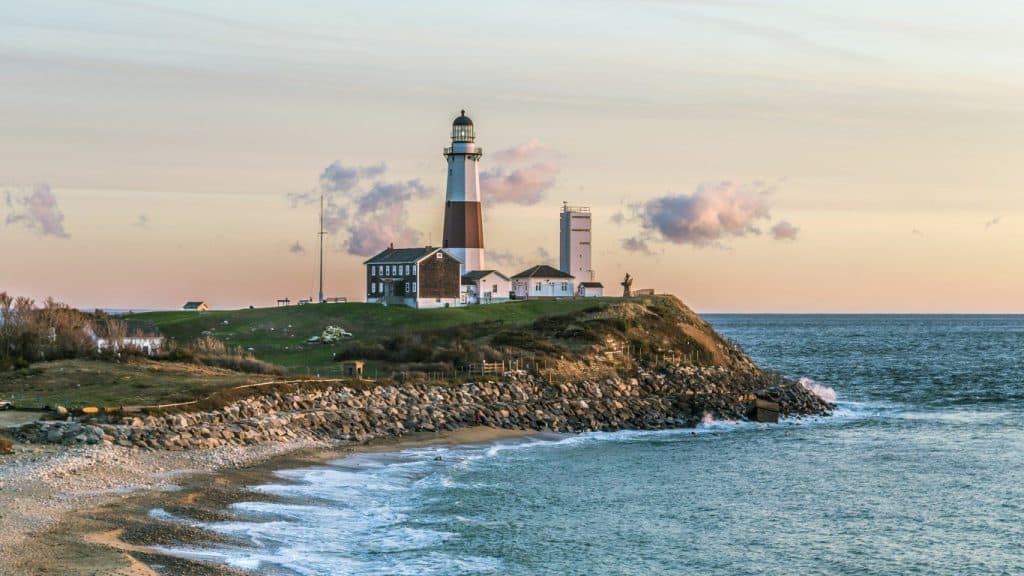
Birders often begin at the lighthouse and follow the trails to the park’s various viewpoints.
©Meinzahn / Getty Images