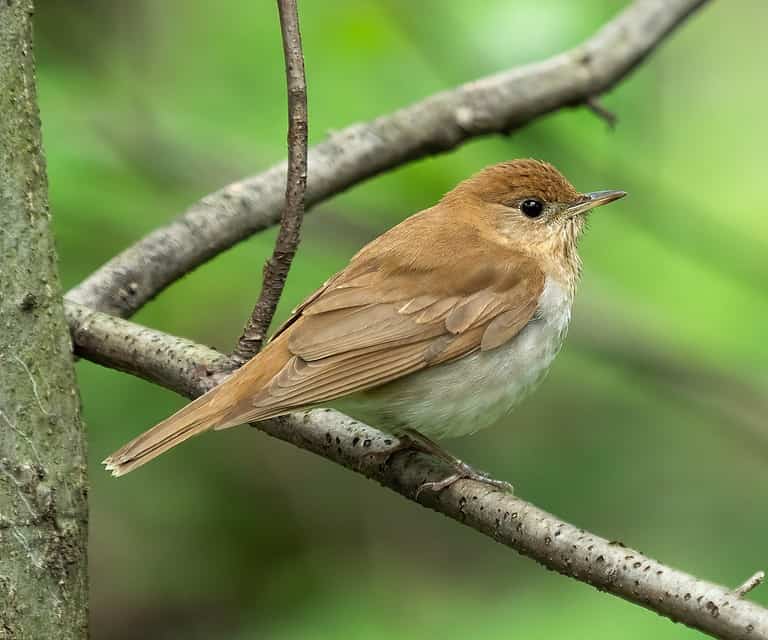
Veery
Spiral song, epic migration.

Spiral song, epic migration.
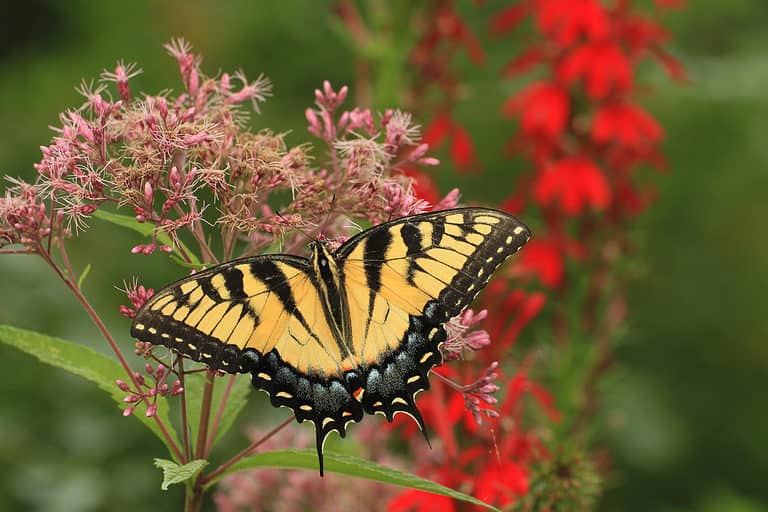
Striped speedster of eastern forests
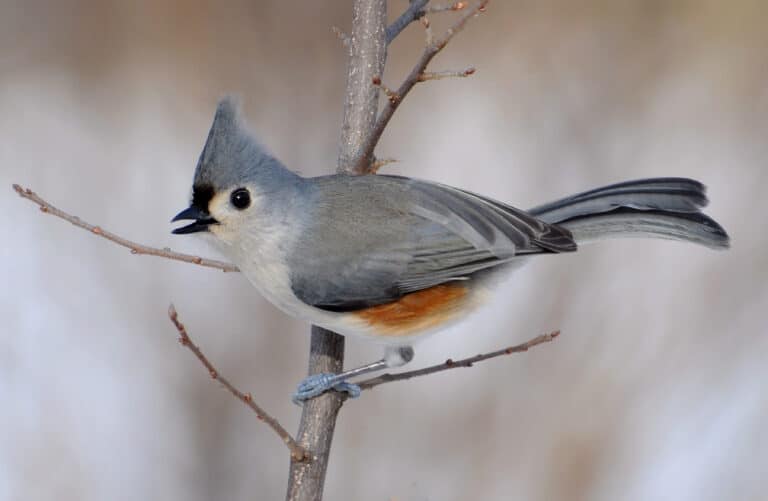
Crested whistler of eastern woods
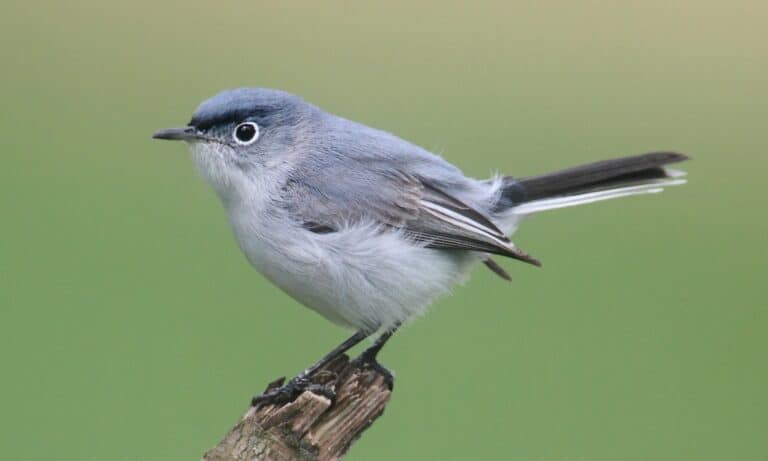
Tail-flicking, gnat-grabbing dynamo
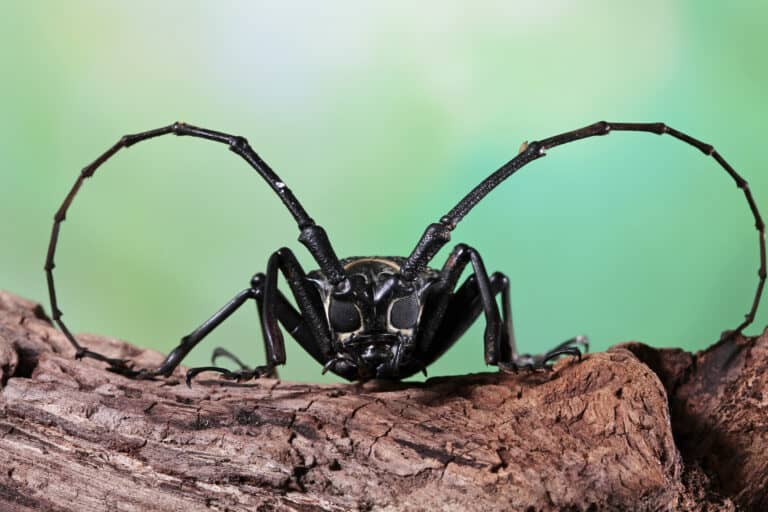
Spot it early. Save the hardwoods.
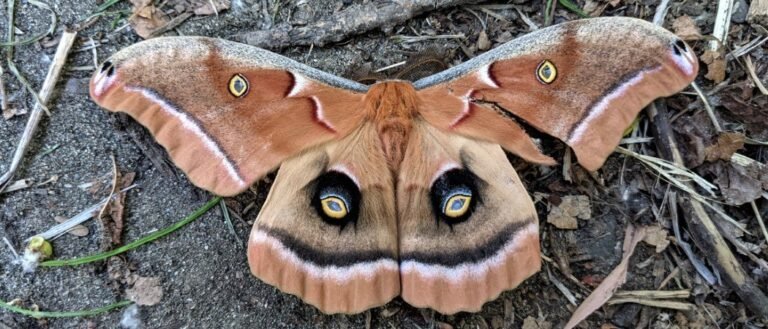
Big wings. Bold eyes. Brief life.
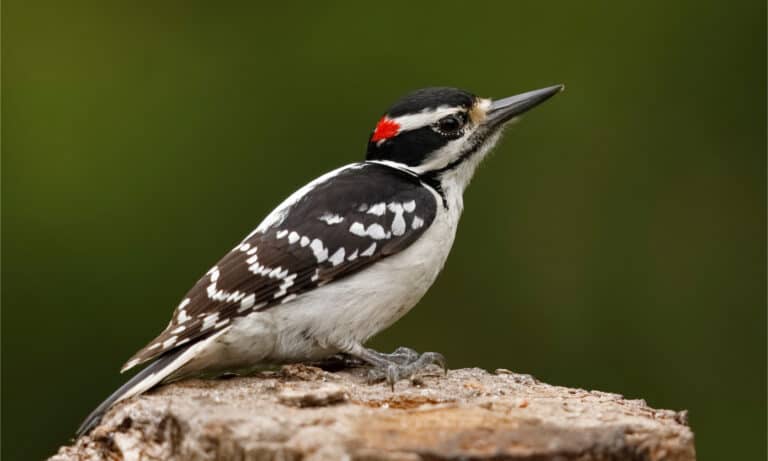
Bigger bill, louder drill!

The dockside "boatwhistler."
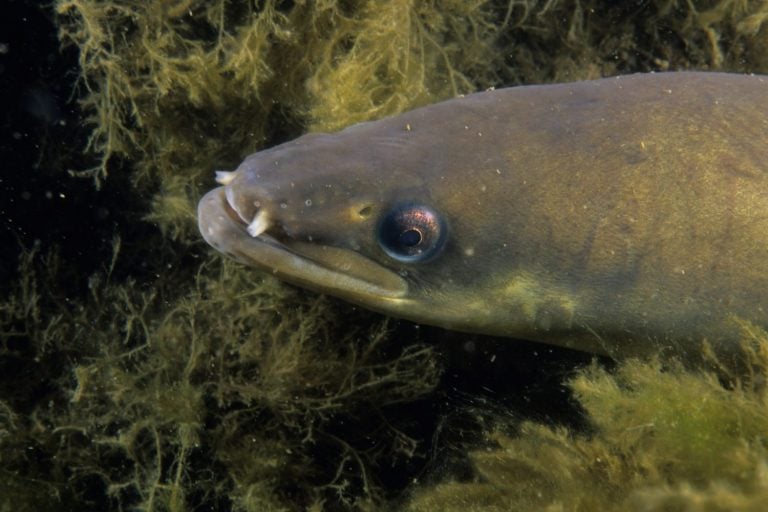
Born at sea, raised in rivers.
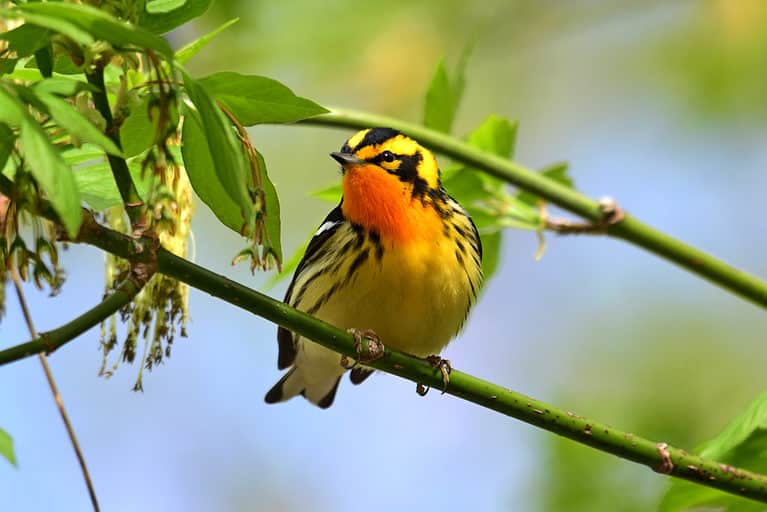
Look up for the fire-throat
New York's wildlife comes from many habitats: cold forests and headwaters in the Adirondacks; hardwood ridges and reservoirs in the Catskills; fertile plains and big rivers in the Mohawk-Hudson; and coastal marshes and beaches on the Atlantic. These areas support black bear, beaver, river otter, white-tailed deer, raptors, northern relicts, and coastal specialists tied to the Great Lakes–St. Lawrence, the Hudson, Delaware, and Susquehanna systems. Key places include Adirondack Park (large forests, peatlands, lakes) with moose, common loon, and boreal songbirds; Hudson River and Long Island estuaries (tidal marshes, mudflats, barrier beaches) that fuel Atlantic Flyway migrations of shorebirds, waterfowl, and seals; and Great Lakes shores plus the Finger Lakes–Niagara region with wetlands, gorges, and restored habitat. You can quickly move from mountains to coast, creating strong migration bottlenecks and a rare mix of species.
Designated 1975
Designated 1970
Designated 1975
Designated 1985
Designated 1989
Designated 2006
Designated 1955
Designated 1956
New York’s protected lands are a patchwork centered on large state preserves—especially Adirondack and Catskill preserves—plus state parks, wildlife areas, and federal units (National Park Service, national forest, National Wildlife Refuges). Habitats include boreal and temperate forests, alpine summits, Great Lakes and Finger Lakes wetlands, and Long Island beaches and estuaries, supporting migratory bird flyways and regional mammals, reptiles, amphibians.
≈20-25% of New York's land area is under some form of public protection or conservation management (approximate; varies by definition and includes large state preserves such as Adirondack and Catskill parks/forest preserve).
A barrier-island system with dunes, maritime forests, salt marshes, and bay shorelines that supports beach-nesting birds and dense stopover habitat for migrants along the Atlantic Flyway.
One of the most important urban estuary complexes in the U.S.; Jamaica Bay's extensive salt marsh and open water are exceptional for waterfowl, shorebirds, and raptors, especially during migration and winter.
A long, connected ridgeline corridor that protects forest interior habitat and migration pathways; excellent for observing raptors during fall flight and for forest songbirds and mammals.
One of the largest protected landscapes in the Lower 48; extensive boreal-to-northern hardwood forests, wetlands, and high-elevation habitats support wide-ranging mammals and high bird diversity, with major conservation value for intact watersheds.
A large mountain-and-watershed preserve with mature forests and cold-water streams; important for forest interior birds, black bear habitat, and climate-resilient headwaters.
New York's largest state park; extensive forest blocks, wetlands, and reservoirs provide strong habitat connectivity in the Southern Tier and are notable for breeding birds and large mammals.
A premier coastal wildlife-viewing site at the eastern tip of Long Island; famed for raptor and songbird migration, seabird movement, and coastal fish and marine life.
A flagship wetland complex at the north end of Cayuga Lake; critical for migrating waterfowl and shorebirds in the Finger Lakes/Great Lakes watershed and excellent for wildlife viewing.
Large marshes, wet meadows, and forested wetlands on the Lake Ontario plain; regionally important for nesting and migrating birds, including waterfowl and secretive marsh species.
A major Long Island estuary refuge protecting salt marsh, brackish wetlands, and upland habitat; important for migratory songbirds, wading birds, and coastal fish nursery areas.
Coastal waters and salt marshes supporting wintering waterfowl and migrating shorebirds; noted for sea ducks and estuarine biodiversity close to the NYC metro area.
New York's wildlife is shaped by a strong north-south and inland-coastal gradient: boreal-leaning Adirondack forests and high-elevation wetlands, mixed hardwood mountains (Catskills), Great Lakes shorelines and tributaries, the Hudson-Mohawk river corridor, and globally important Atlantic coastal bays/estuaries (Long Island). This mix supports classic temperate forest mammals (black bear, beaver), wide-ranging raptors, exceptionally diverse migratory birds along the Atlantic Flyway, and a notable assemblage of imperiled coastal and riverine species (sturgeon, shorebirds, turtles).
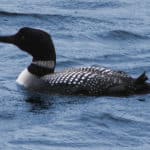
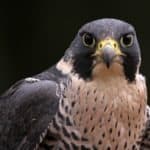
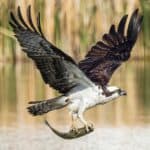
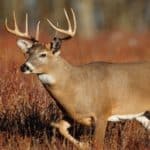
New York has diverse wildlife in mountains, forests, wetlands, ocean coastline, and the Great Lakes. Visitors can watch migrating raptors and songbirds along flyways, see moose and black bear in the Adirondacks, and spot seals and whales off Long Island. Parks, refuges, and NYC nature areas make multi-region trips easy.
Peak migration for songbirds, waterfowl, and raptors. Expect strong birding at coastal stopovers (Long Island) and big wetland systems (Montezuma). Amphibians begin breeding in vernal pools; early wildflowers and active beavers/otters increase viewing opportunities along rivers and marsh edges.
Best for breeding birds, heron/egret colonies, butterflies and dragonflies, and shoreline wildlife. Offshore conditions can be favorable for whale watching from Long Island ports. In the Adirondacks/Catskills, dawn/dusk drives and paddles are productive for moose, loons, and beaver.
A second major migration wave: hawks and falcons concentrate along ridges and shorelines; waterfowl build on lakes and refuges. Moose activity increases in early fall (rut timing varies). Cooler temperatures make longer hikes comfortable; foliage trips pair well with wildlife viewing.
Excellent for tracking mammals in snow, viewing wintering raptors (including occasional snowy owls along the coast), and seeing large concentrations of ducks and geese on unfrozen waters. Seals are most reliable off Long Island in winter; eagle viewing is strong along major rivers and reservoirs.
New York has many watersheds (Atlantic/Long Island Sound, Hudson‑Mohawk, Great Lakes‑St. Lawrence) and large height and climate changes from coastal beaches to the Adirondack High Peaks. Much of the state is temperate forest, with conifer forests and peatlands in the Adirondacks, many lakes and rivers, coastal estuaries and salt marshes, plus farms, suburbs, and cities.
Dominant biome statewide: mixed and deciduous broadleaf forests (oak-hickory, maple-beech-birch) with hemlock-hardwood stands; includes large forest blocks in the Adirondacks, Catskills, Tug Hill, and the Appalachian Plateau.
Widespread across most uplands and many lowlands; the primary natural cover over much of the state outside intensive agriculture/urban areas.
Cool-climate conifer and mixed conifer forests with associated peatlands and coldwater headwaters; strongest expression in the Adirondacks (spruce-fir, boreal wetlands).
Concentrated in higher and colder parts of the Adirondack region and nearby northern uplands; patchy elsewhere.
Alpine/subalpine conditions above treeline with dwarf shrubs, krummholz, and fragile summit vegetation on the highest Adirondack peaks.
Very limited-restricted to the highest High Peaks summits and ridgelines.
Large-lake and riverine ecosystems: Great Lakes shorelines (Erie, Ontario), Finger Lakes, Lake Champlain, and major rivers (Hudson, Mohawk, Genesee, St. Lawrence) supporting cold- and warm-water fisheries, floodplains, and riparian corridors.
Statewide in all regions; especially prominent in Great Lakes plains, the Hudson-Mohawk corridor, and northern lake districts.
Diverse wetlands from Adirondack bogs/fens and beaver meadows to Great Lakes coastal wetlands and extensive tidal marshes along the Hudson River and around Long Island/NY Harbor.
Scattered statewide; highest concentrations in lowland floodplains, Great Lakes coastal zones, and coastal/estuarine settings.
Atlantic coastal and shelf waters influencing Long Island's south shore and the New York Bight; includes nearshore habitats, bays, and marine fisheries strongly connected to estuaries.
Limited to coastal waters off Long Island and marine-influenced inlets/bays (downstate).
Large contiguous forest landscapes in the Adirondacks and Catskills; extensive secondary forests across the Appalachian Plateau and northern uplands.
Maple-beech-birch and oak-dominated forests common in mid-elevations and many lowlands; strong fall mast and migratory bird value.
Spruce-fir and pine/hemlock stands, especially in Adirondack higher elevations and some sandy outwash areas (e.g., pine barrens).
Adirondack and Catskill Mountains create sharp climate/elevation gradients, headwaters, and high-relief habitats.
Rare alpine and subalpine summit communities in the Adirondack High Peaks; highly sensitive to trampling and climate change.
Shale/limestone escarpments and gorges (e.g., Niagara Escarpment, Hudson Highlands, Finger Lakes gorges) supporting cliff-nesting birds and specialized plants.
Karst and solutional caves (notably in limestone regions such as parts of the Hudson Valley/Mohawk Valley) important for bats and subterranean fauna.
Great Lakes shorelines, Finger Lakes, Lake Champlain, and thousands of Adirondack glacial lakes supporting diverse fish, aquatic plants, and waterfowl.
Hudson River (including tidal freshwater reaches), Mohawk, St. Lawrence, Genesee, and Susquehanna headwaters; key migration corridors and riparian zones.
Kettle ponds, beaver ponds, and small glacial ponds common in uplands; important amphibian breeding habitats.
Mixed wetland complexes statewide, including riparian wetlands, peatlands, and coastal wetlands; major roles in flood storage and water quality.
Forested wetlands (red maple, black ash, cedar swamps) common in lowlands and along slow-moving waters.
Freshwater marshes in river floodplains and lake edges; extensive tidal salt and brackish marshes around Long Island and the Hudson estuary.
Peat-accumulating bogs and patterned peatlands, especially in the Adirondacks and northern lowlands, with acid-loving flora.
Hudson River Estuary and Long Island Sound embayments with strong salinity gradients, nursery habitat for fish and shellfish.
Long Island and NYC-area coastal zones including dunes, bays, and coastal wetlands; high conservation value amid heavy development.
Barrier-island and ocean-facing beaches are primarily along Long Island's south shore (Atlantic Ocean); the north shore has Long Island Sound beaches and bluffs rather than ocean-facing barrier beaches.
Rocky intertidal and cobble shores in parts of Long Island Sound and exposed headlands; supports algae, mussels, and intertidal invertebrates.
Nearshore Atlantic waters off Long Island tied to the New York Bight, supporting pelagic fish and marine mammals seasonally.
Continental shelf seafloor habitats off Long Island, including sand and mixed substrates that support benthic invertebrates and demersal fish.
Dense urban ecosystems (NYC, Buffalo, Rochester, Albany) with remnant wetlands/woodlots, street-tree canopy, and heavily modified shorelines.
Extensive suburban matrices (especially downstate and around major metros) blending fragmented forests, wetlands, lawns, and parks.
Row crops, dairy, orchards, and vineyards (e.g., Hudson Valley, western NY, Finger Lakes) creating open-habitat mosaics and hedgerows.
New York City has wild, breeding coyotes: the first confirmed NYC coyote den (with pups) was documented in the Bronx, showing a mid-sized predator can reproduce inside the nation's largest city.
"Saltwater turtles" live in New York: diamondback terrapins-one of the only turtles in North America specialized for brackish (mix of fresh and salt) marshes-still inhabit Jamaica Bay and other Long Island estuaries.
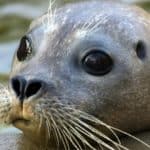
Seals are a regular winter sight in the state's biggest city: harbor seals and gray seals seasonally haul out and forage around Long Island and the New York Harbor/Jamaica Bay area, especially in colder months.
The Hudson River can run with "ancient fish": Atlantic sturgeon (a lineage older than dinosaurs) still use the Hudson estuary; adults can exceed 6-8 feet, and the species is protected under the U.S. Endangered Species Act in this region.
Some "bird cliffs" in New York are man-made: peregrine falcons, once wiped out in the East by DDT-era pesticide impacts, now commonly nest on NYC bridges and skyscrapers that mimic their natural cliff habitat.
Adirondack Park is the largest park in the Lower 48 states (~6.1 million acres). It mixes public Forest Preserve and private lands and is a huge wildlife stronghold, bigger than those five famous parks combined.
Jamaica Bay (Gateway National Recreation Area) is a birding outlier: more than 330 bird species have been recorded there-an exceptionally high species total for a coastal wetland embedded inside a major city.
Little Galloo Island (eastern Lake Ontario) hosts New York State's largest common tern colony and is recognized as one of the most important common tern nesting sites in the Great Lakes.
Long Island's Atlantic beaches (including Fire Island and Montauk-area sites) anchor New York's piping plover population; in many recent surveys New York ranks among the top Atlantic-coast states for breeding pairs of this federally threatened shorebird.
286 species documented in our encyclopedia
Thank you for reading! Have some feedback for us?
We appreciate your help in improving our content.
Our editorial team will review your suggestions and make any necessary updates.
There was an error submitting your feedback. Please try again.