
Quick Take
- Bathing one of these pets to keep it clean can actually turn into a life-threatening emergency. See the bathing dangers →
- Ferret owners often pay for a procedure specifically to control odor, though it doesn't work the way they think it does. Explore the odor reality →
- The cage most pet stores sell for these animals is actually one of the worst things you can put them in. See the cage requirements →
- Even a perfectly friendly predator-prey pairing between these two pets carries a hidden danger that has nothing to do with biting. Discover the hidden risk →
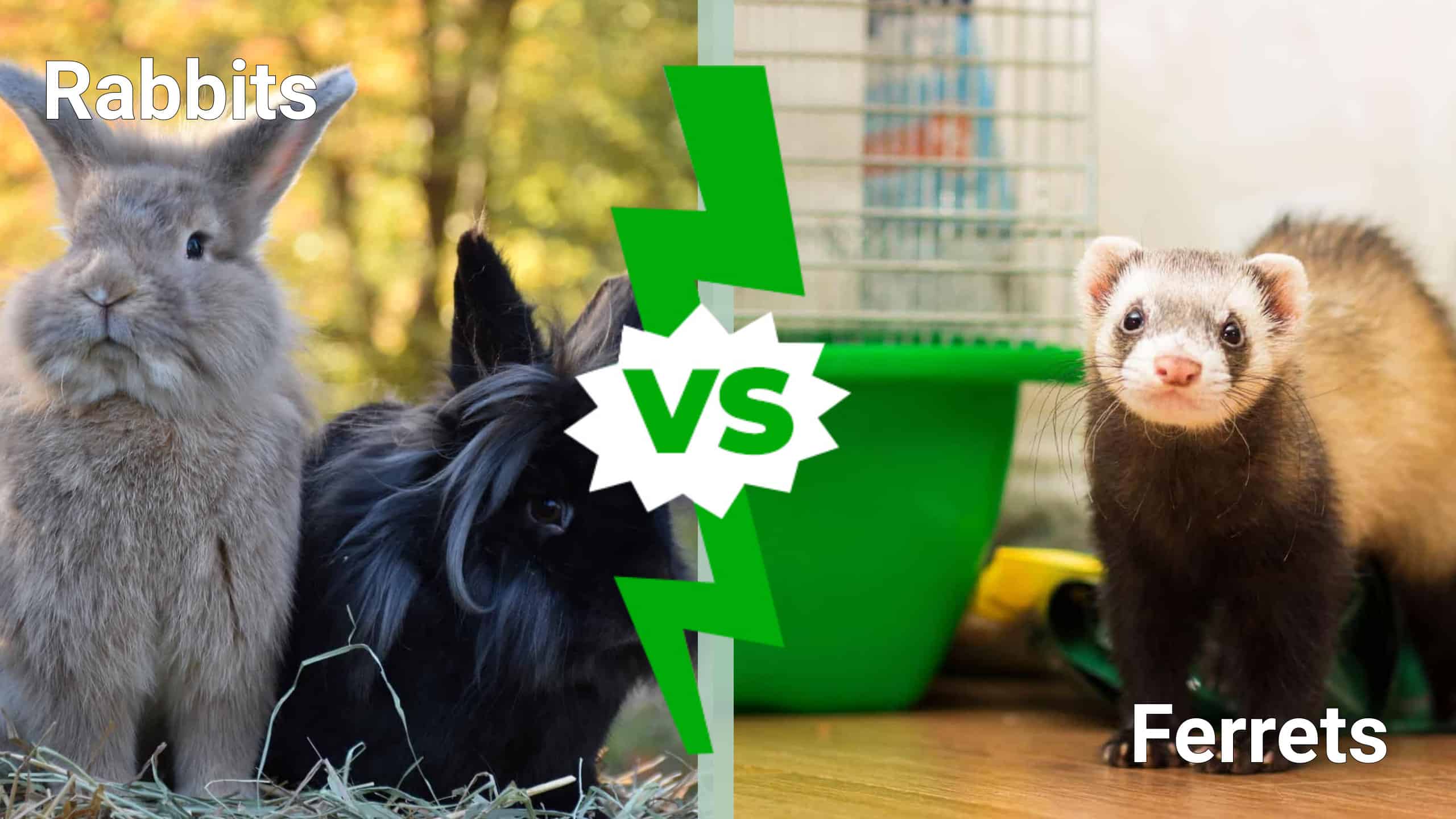
Rabbits and ferrets are both small exotic pets known for their social and affectionate personalities. Despite these similarities, they differ significantly in their diets, temperaments, and natural instincts. If you’re considering adding one of these animals to your family, it’s important to understand these differences. In this article, we’ll compare rabbits and ferrets to help you decide which pet is best suited for your home and lifestyle.
Diet
Ferrets are obligate carnivores, meaning that they must have meat in their diets. Ferrets tend to be easier to feed than rabbits, as you can simply buy a ferret kibble. Just ensure that the first three ingredients are meat and not fillers such as corn, grains, and soy. Ferrets cannot digest plants, grains, or fiber, and they are lactose intolerant, so they cannot have any dairy products.
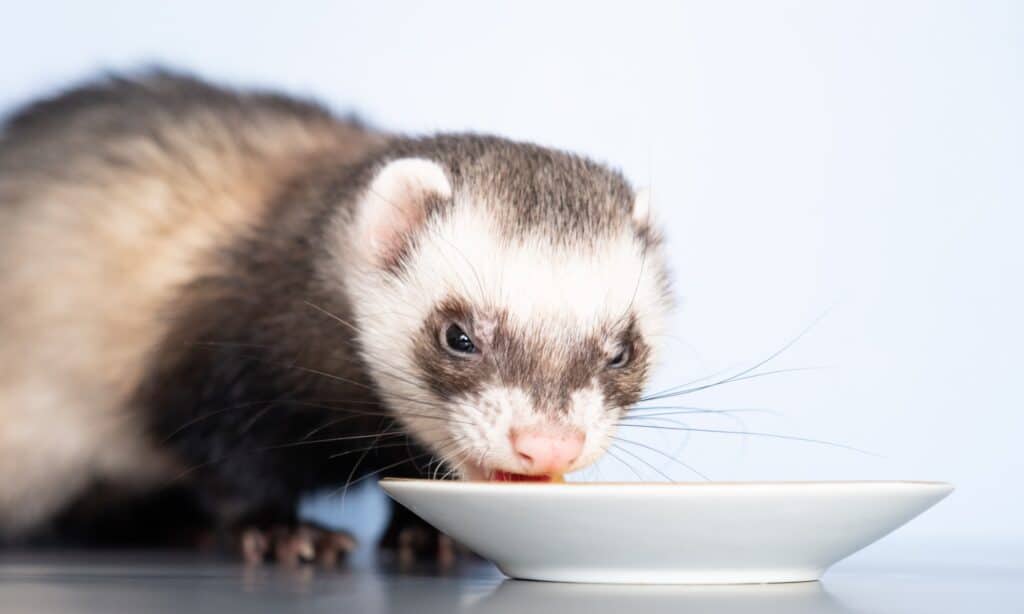
Ferrets are obligate carnivores, like cats.
©iStock.com/Irina Vasilevskaia
Rabbits, on the other hand, are herbivores that eat only plant matter, and their diets are more complex. 80%-85% of a rabbit’s diet consists of grass hay, which they must have access to 24/7. They must also have 10%-15% herbs and vegetables daily, consisting of mostly dark, leafy greens. The last 5% is generally made up of high-fiber, hay-based pellets to supplement any missing nutrients in the diet. Fruits and root vegetables are reserved as occasional treats.
Temperament
While they’re both social animals, ferrets and rabbits socialize with one another and with humans in different ways. Ferrets are predators, so they behave quite differently from prey animals like rabbits. Ferrets tend to be more playful in the way you’d expect from a dog or cat. When they are excited, they puff up the fur on their tails, arch their backs, and hop sideways while making a clucking sound called “dooking.” They often steal items and stash them away. Most ferrets are social, energetic, intelligent, and affectionate.
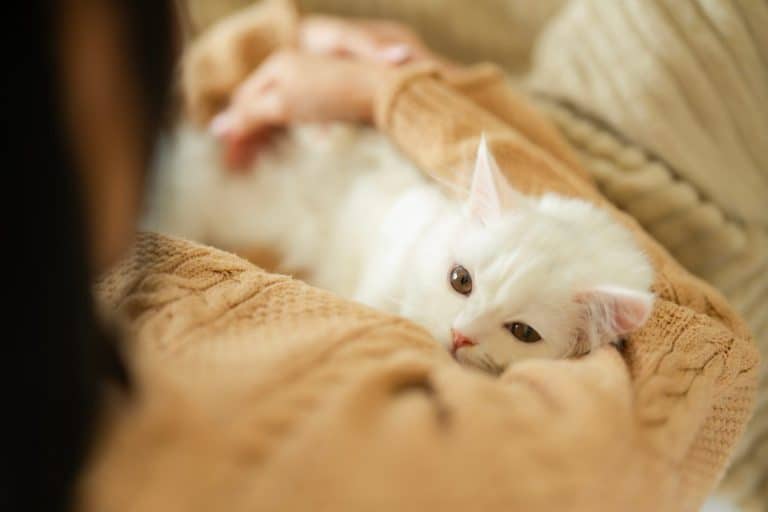
Rabbits are generally more docile and calm. As prey animals, they are naturally more cautious and tend to be easily startled. However, they do love to run, binky (jump into the air), and play with toys. They especially love things they can chew and throw. Rabbits can also be affectionate, and many enjoy being lap rabbits and getting petted. However, each animal is an individual, so they have their own unique personalities.
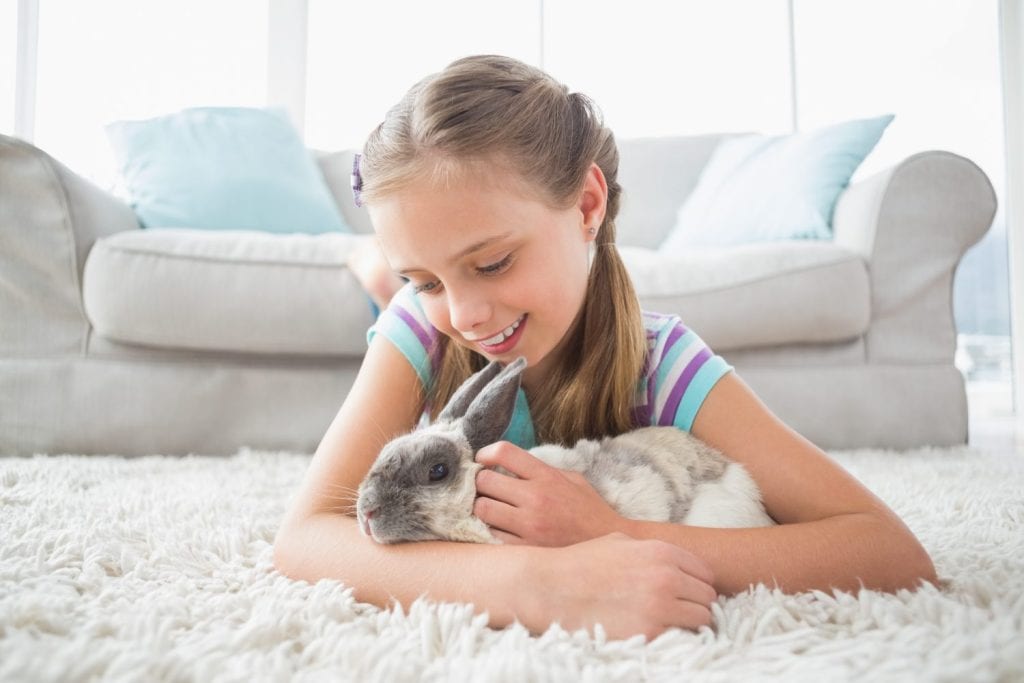
Some rabbits are lap bunnies and love being held and petted.
©wavebreakmedia/Shutterstock.com
Litter Training
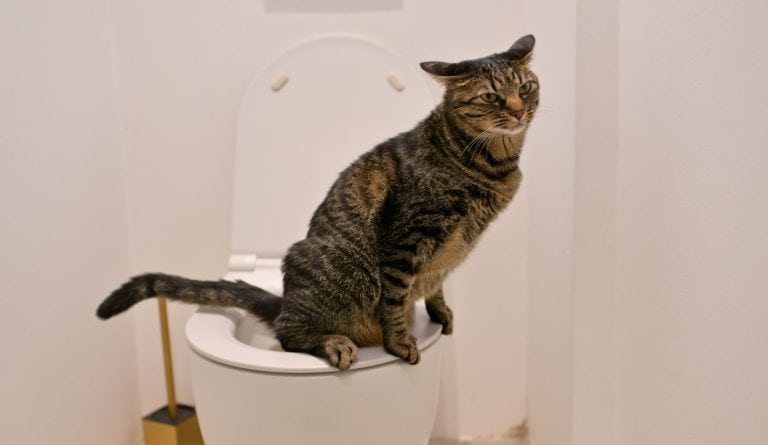
Both ferrets and rabbits can be litter-trained, but their natural instincts are different. Ferrets prefer going to the bathroom in corners, and they back up when they want to go. Select a litter box with a low entrance and a high back so they don’t urinate outside of it. Use paper, puppy pads, or compressed wood pellets to line the box. Put litter boxes in the rear corner of their cage and in the corners of any rooms they have access to. They typically go after waking and several hours after eating.
Rabbits also naturally go in corners, so putting their litter box in a corner of their enclosure will encourage them to go there. They need a large, open box in which they can stand completely upright. Line the box with paper bedding, then add hay on top so the rabbits can eat and play in it. Unlike ferrets, rabbits like to use the toilet while eating, so it’s important to work with their instincts.
Cage Requirements
The minimum enclosure size for a ferret is a multi-level cage that is at least 3 feet wide, 3 feet deep, and 2 feet high. Ferrets have a lot of energy and shouldn’t be kept in their cage for longer than necessary. They require at least four to six hours outside of the cage daily . The more time they are allowed to free roam, the better.
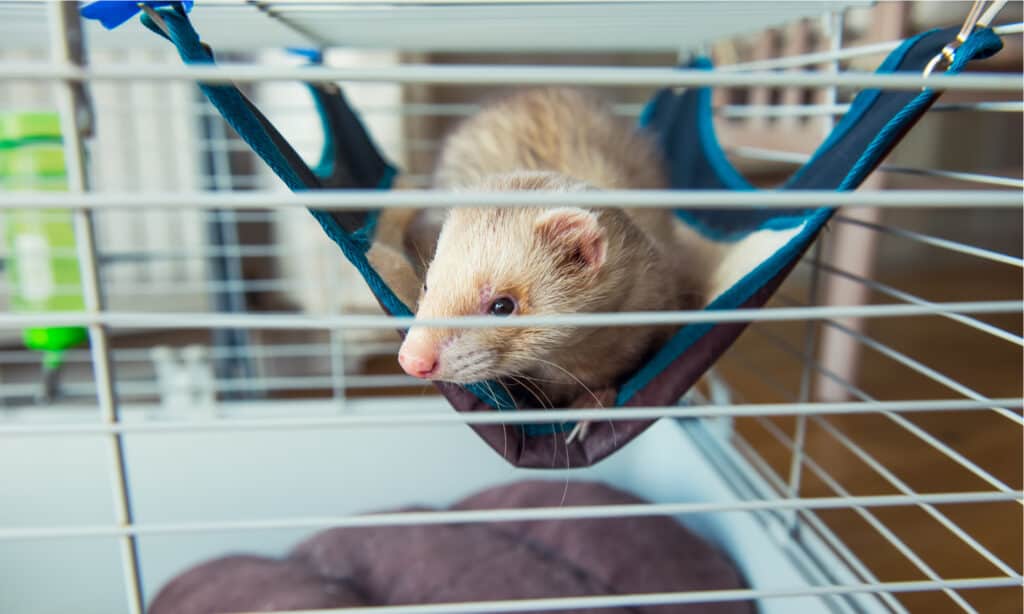
Multi-level wire cages with solid bottoms are recommended for ferrets.
©Okrasiuk/Shutterstock.com
Rabbits are not cage animals and should never be kept in a small, pet store cage or hutch. The smallest suitable enclosure, including for overnight use, is a large dog exercise pen. Ideally, your rabbit will free-roam at least one room in your home, similar to a dog or cat. Some people free-roam their ferrets as well, but ferret-proofing tends to be much more difficult since they love to climb and steal items and can fit into small crevices.
Odors and Cleanup
There is no way around the ferret’s scent. Even the controversial practice of descenting does nothing to reduce their odor. When it comes to cleaning the animals themselves, ferrets can have occasional baths but typically don’t need them. They groom themselves similarly to cats, and baths won’t reduce their smell. Bathing too often can actually make them smell more by stripping the oils from their skin, causing their scent glands to produce more oil. They are also messy, frequently missing the box while toileting, walking in their waste, and digging food out of their bowls. Daily spot cleaning is necessary, and their bedding and toys must be washed in hot water each week with fragrance-free detergent.
Rabbits in a clean enclosure should not smell. They clean themselves like cats, and their fur has little scent. Rabbit droppings are dry with little odor, and they are easy to clean up. Their urine is very concentrated, though, so their litter box must be cleaned every few days. They also have a tendency to scatter hay everywhere. Rabbits like to chew, so carpet, baseboards, and furniture are in danger unless the space is rabbit-proofed. They also shed heavily, so their fur requires regular sweeping up. If your rabbit does get dirty, keep in mind they can never be bathed, as getting wet is dangerous for their health. They become extremely stressed, which can cause life-threatening GI stasis. Their dense fur is also hard to dry, leading to hypothermia.
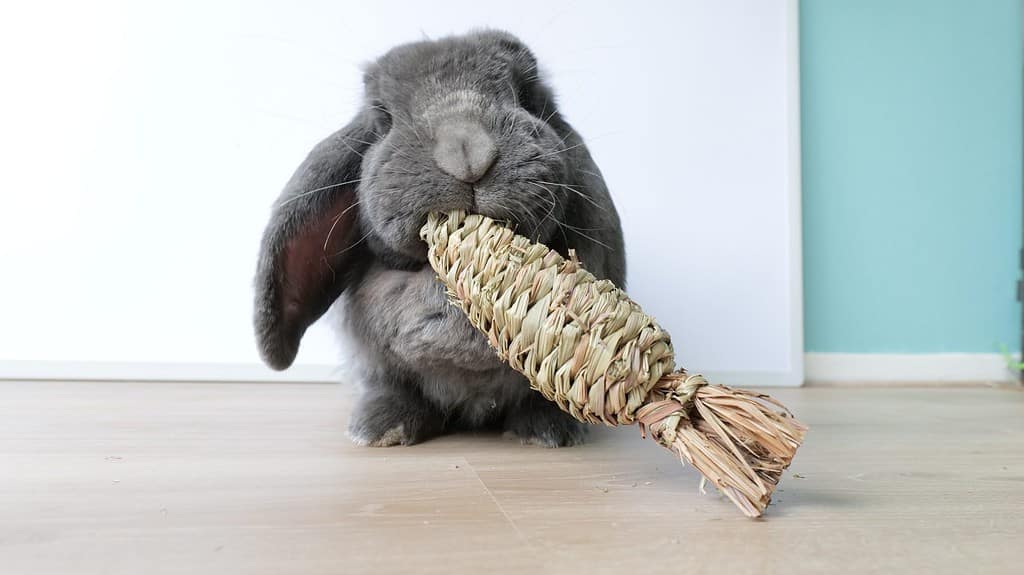
Rabbits and ferrets can both be incredibly messy but in different ways.
©Mariska van Dasselaar/Shutterstock.com
Can Rabbits and Ferrets Live Together?
Rabbits and ferrets should never live together. Mixing predator and prey animals is incredibly dangerous. It’s very likely to result in injuries to your rabbit.
Even if your ferret was exceptionally rabbit-friendly, being around predators, especially those with strong scents like ferrets, is very stressful for rabbits. For this reason, it’s not recommended to keep these pets in the same household unless you can keep enough space between them to ensure that they can never interact and that the rabbits can’t smell the ferrets.
Other issues with housing these animals together are their differences in diet, play styles, body language, and enclosure requirements. Please house your rabbit with at least one other rabbit and your ferret with at least one other ferret to safely meet their social needs.