
Quick Take
- Free-feeding keeps food available all day, offering convenience but reducing control over intake and routine.
- Many pets overeat with constant access, increasing risk of obesity and related health issues.
- Scheduled meals improve portion control, support training, and make appetite changes easier to detect.
- Veterinarians generally recommend measured feeding, though a few pets can maintain healthy weight with careful free-feeding.
Pet owners often fall into two habits: leaving a bowl full all day or serving measured meals at set times. Each approach comes from care, yet feeding style can shape a pet’s health, behavior, and daily rhythm. Veterinary guidance shows that how food is offered affects weight control, energy levels, and how easily owners notice health changes. This article explains what free-feeding means, how different animals respond to it, and how to choose a plan that fits your pet and your routine.
What Free-Feeding Means in Practice
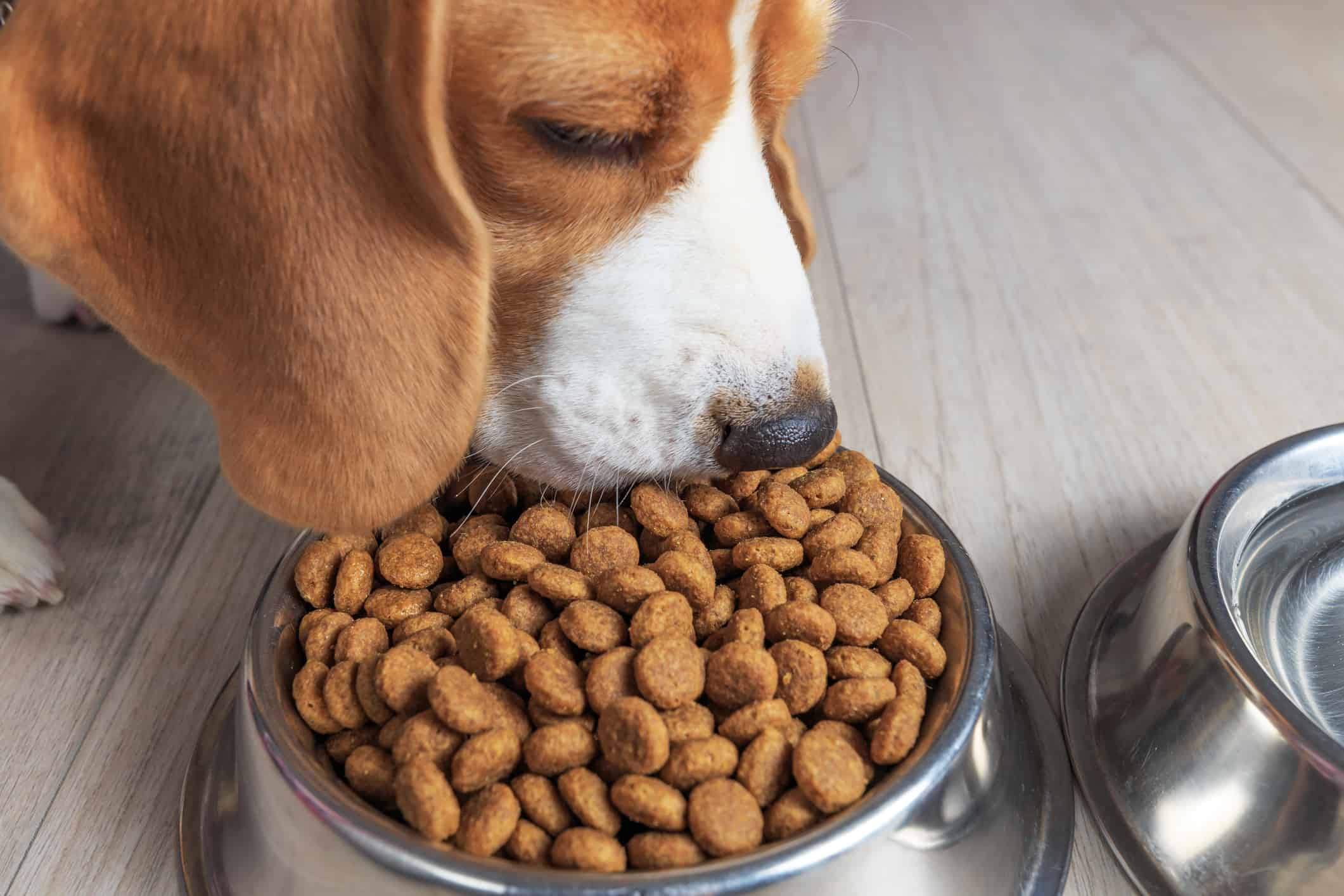
Free-feeding refers to keeping a pet’s food available throughout the day. Owners may top off the bowl whenever it looks low, or they may place a full day’s portion out at once and allow grazing. Dry kibble is most common in this method because it can sit out longer than wet food. In homes with changing schedules, this approach can feel simple and low stress. There are no fixed mealtimes, and pets can eat when they choose.
What do vets think of this practice? To find out, we interviewed Dr. Kristen Scheller, a vet with 14 years of experience, currently practicing at Mill Creek Veterinary Clinic in Charlottesville, Virginia.

Dr. Kristen Scheller, Mill Creek Veterinary Clinic, Charlottesville, Va.
©
“In most cases, offering measured amounts of food at approximately the same time each day is ideal,” says Scheller. “For pets that are able to ‘graze’ on their food while maintaining an appropriate body condition, it is still recommended to measure the food offered, but you can put it down all at once. There are several variables – what type of food is being offered – is it stable when left out? Are there other pets in the home that will attempt to eat the food? Can the pet pace itself and graze as opposed to consuming it all at once?”
The Main Advantage: Convenience
Convenience is the clear benefit of an always-full bowl. Busy households can avoid coordinating feeding times. Shared responsibilities become simpler, and pets have access to food when owners are away. Gravity feeders can keep kibble available without programming or electricity.
For some recently adopted animals, constant access may reduce early anxiety about food. Seeing a full bowl can signal that meals will be consistent. Even so, many veterinarians recommend moving toward measured meals once the pet settles into a stable home routine.
Health Concerns: Overeating and Weight Gain
The primary risk of free-feeding is excess calorie intake. Many dogs and a large share of indoor cats eat beyond their needs when food is always available. Over time, this pattern contributes to weight gain. Extra weight is linked to joint strain, reduced mobility, diabetes in cats, and breathing issues in some breeds.

Weight gain can happen quickly with free-feeding, leading to numerous health problems.
©Sue Thatcher/iStock via Getty Images
Because grazing happens in small amounts, it can be easy to underestimate total intake. Owners may not notice how quickly a bowl empties across a full day. Once habits form, reducing intake can be difficult. Pets that expect constant access may beg when the bowl is not full.
Detecting Illness Becomes Harder
Scheduled meals create clear checkpoints. If a pet skips a meal or eats less than usual, the change is obvious. With free-feeding, intake shifts can be subtle. A pet may nibble less over several days without drawing attention.
Early signs of illness often include reduced appetite. Conditions such as dental pain, gastrointestinal upset, or kidney disease can first appear as small changes in eating. When meals are measured, owners can report accurate amounts to a veterinarian. That detail can speed diagnosis and treatment.
Why Some Animals Self-Regulate and Others Do Not
Pets vary widely in how they respond to constant access to food. Some adult cats and a few dogs naturally stop when they feel full and maintain a steady weight. Others continue to eat because food is present, not because they need it. Food motivation, breed tendencies, activity level, and environment all play a role.
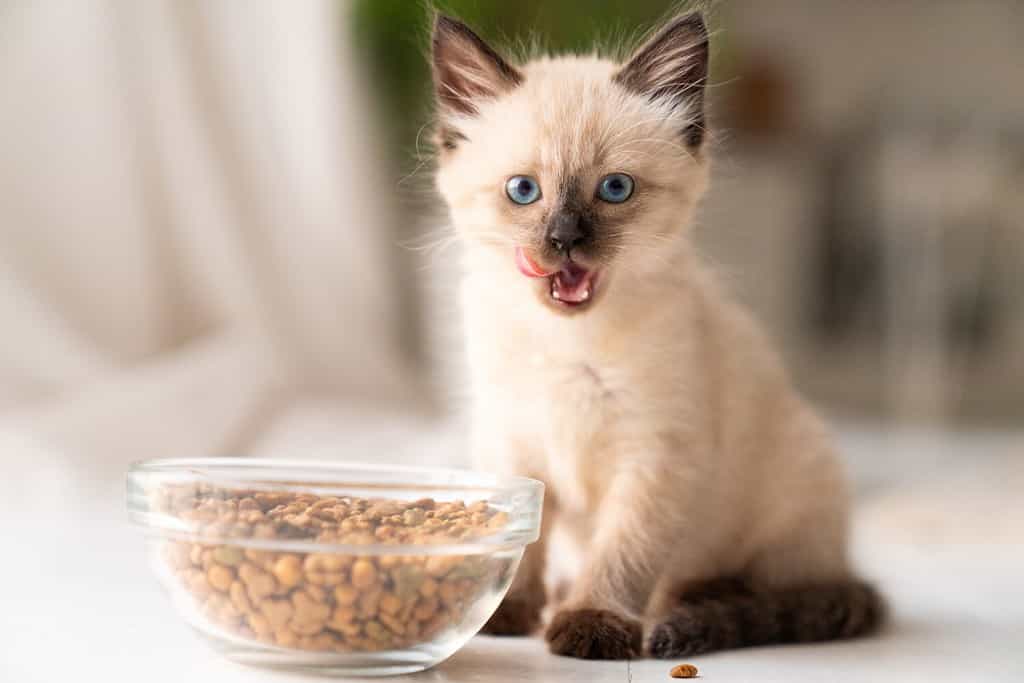
Younger animals need timed meals to support their growth with steady energy.
©Yarkovoy/Shutterstock.com
Indoor cats and many dogs with strong food drive are more likely to overeat. Younger animals and those with medical conditions often need timed meals. For example, puppies require scheduled feeding to support growth, and pets with diabetes benefit from consistent meal timing. Individual differences matter, which is why a one-size plan rarely works well.
Dogs vs. Cats
Dr. Scheller offers these insights on the different requirements of dogs and cats when it comes to feeding frequency:
“Dogs should be fed either once or twice daily; for cats, the feeding schedule depends on the individual cat and their medical status. As with humans, dogs and cats can have variable nutritional needs. It is important to ensure you’re offering the appropriate daily calories to your pet in a food that they digest well. The exact number of times you offer that food depends on many factors.”
Scheller adds, “Generally, cats are better able to graze than dogs. I think most cats do better on canned food than dry food. However, if the owner is going on a short trips it can work to have several small sources of dry food out for them, if done thoughtfully. For example, you must know they like and will eat the dry food, you must know that your cat won’t eat it all at once, you must ensure they have fresh water, and ideally, you should have someone come check on them.”
Behavior, Training, and Multi-Pet Homes
Feeding style influences behavior. In homes with more than one pet, a shared, always-full bowl can lead to tension. One animal may guard the food, while another eats less. Over time, this imbalance can affect weight and stress levels.
Scheduled meals support training. Owners can use food as a reward to reinforce cues like sit and stay. Mealtimes also add structure to the day, which can help with house training. Predictable eating times often lead to predictable bathroom patterns, making routines easier to manage.

Regular mealtimes can help greatly with training goals.
©Svetlana Rey/Shutterstock.com
When Free-Feeding May Work
There are limited cases where free-feeding can be acceptable. A lean, active adult cat that naturally eats small amounts and maintains a stable weight may do well with a measured daily portion left out. In these cases, the total amount should be set each day and monitored.
Another situation where this can work for cats is during a short trip of a couple of days. Provide enough dry food, multiple sources of fresh water, and clean litter boxes. If possible, having someone check in is still the safer option.
For rescue cats or dogs, short-term free-feeding can reduce anxiety about food availability. Over time, however, it is best to transition to scheduled meals to support healthy weight and routine.
Dogs should be fed either once or twice daily; for cats, the feeding schedule depends on the individual cat and their medical status. As with humans, dogs and cats can have variable nutritional needs.
Dr. Kristen Scheller, veterinarian at Mill Creek Veterinary Clinic in Charlottesville, Virginia
Building a Thoughtful Feeding Plan
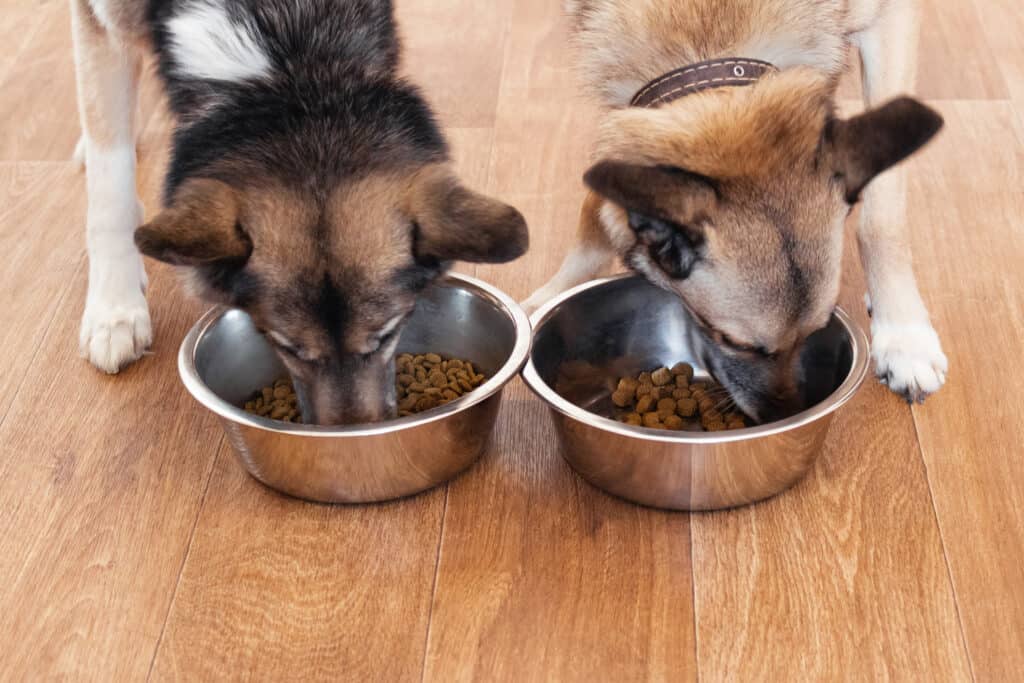
Pets might need different diets depending on their life stage.
©iStock.com/undefined undefined
A good plan starts with choosing a complete, balanced diet suited to the pet’s life stage. Next comes estimating daily calorie needs and dividing them into two to four meals. Consistency matters. Measuring cups or a kitchen scale help keep portions accurate.
For Dr. Scheller, the age of the pet plays a big role in feeding strategies, not just for health but for training and enrichment:
“I use feeding time for puppies as a training time – I offer them a portion of their meal and ask them to sit before starting to eat. I also enjoy hand feeding puppies a portion of their meals to help develop a level of comfort with humans being near them while they eat, and to help with training. For geriatric dogs, I like adding foods that are healthy and have a strong smell (such as sardines) to their food to help engage all of their senses. Feeding in this way is not only nutritionally beneficial but also serves as a form of enrichment (which may contribute to delaying cognitive decline).”
Other methods of enrichment include food puzzles and slow-feeder bowls encourage steady eating and reduce gulping. Treats should remain a small share of daily calories. Keeping extras limited helps maintain balance across the day.
Transitioning to Scheduled Meals
Switching from free-feeding to set meals works best when done gradually. Begin by offering measured meals at regular times. Leave food down for a limited window, then remove leftovers. This teaches the pet that meals have a clear start and end.
At first, some pets may resist the change. Smaller, more frequent meals can ease the transition. Pairing feeding time with calm praise and a relaxed routine can also help. Within a few weeks, most animals adjust and settle into the new pattern.
Bowl Type, Cleanliness, and Food Safety
Feeding equipment affects hygiene. Stainless steel and ceramic bowls are easier to clean than plastic, which can scratch and hold bacteria and oils. Not only could this make your pet sick, but it can also contribute to chin acne in cats from clogged pores as their chins rub on the bowl while they eat.
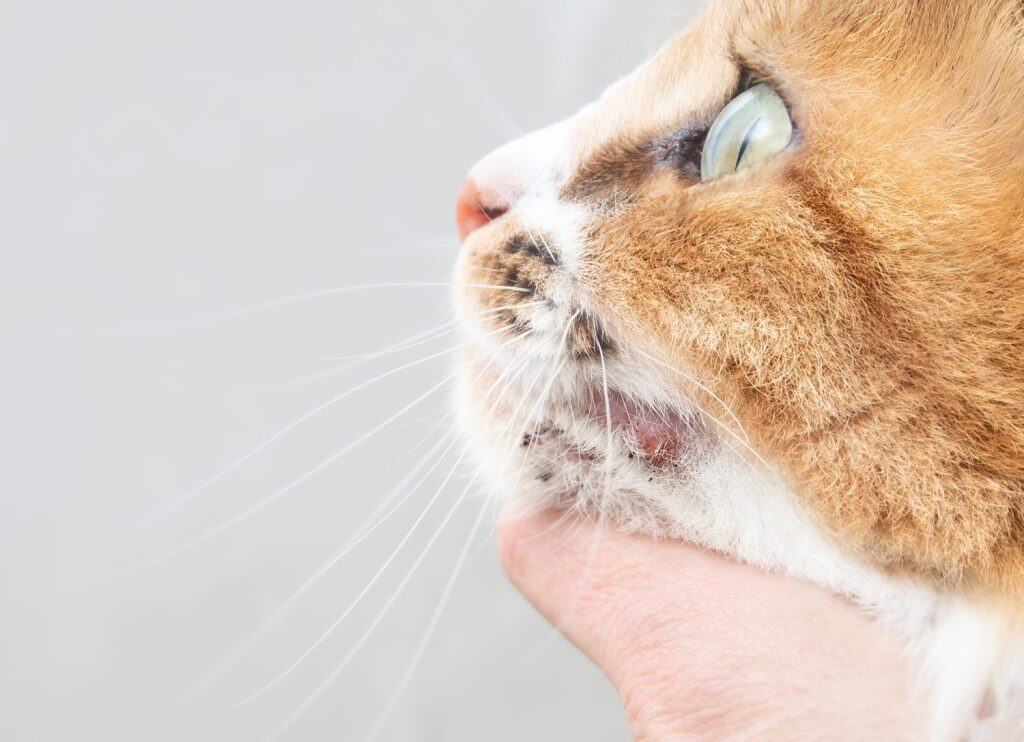
Cats can develop acne from rubbing their chins against bacteria-laden plastic feeding dishes.
©sophiecat/Shutterstock.com
Because dry food left out can become stale and collect dust or pests, bowls should be washed regularly. Wet food should not remain out for long periods, and opened cans should be refrigerated. Keeping the feeding area clean reduces the risk of stomach upset and supports overall health.
Other Pets: Small Mammals, Birds, and Reptiles
Feeding practices for animals beyond dogs and cats vary widely, and free-feeding is not always appropriate. Species differences in metabolism, behavior, and digestion play a major role in how food should be offered.
Small Rodents
Small rodents such as hamsters, gerbils, and mice often do well with a measured daily portion rather than constant access to food. While they may nibble throughout the day, many will hoard food in bedding or hide it in enclosures. This can make it difficult to monitor how much they are actually eating and can lead to stale or spoiled food accumulating over time. Providing fresh food in controlled amounts helps owners track intake and maintain a clean habitat.
Birds
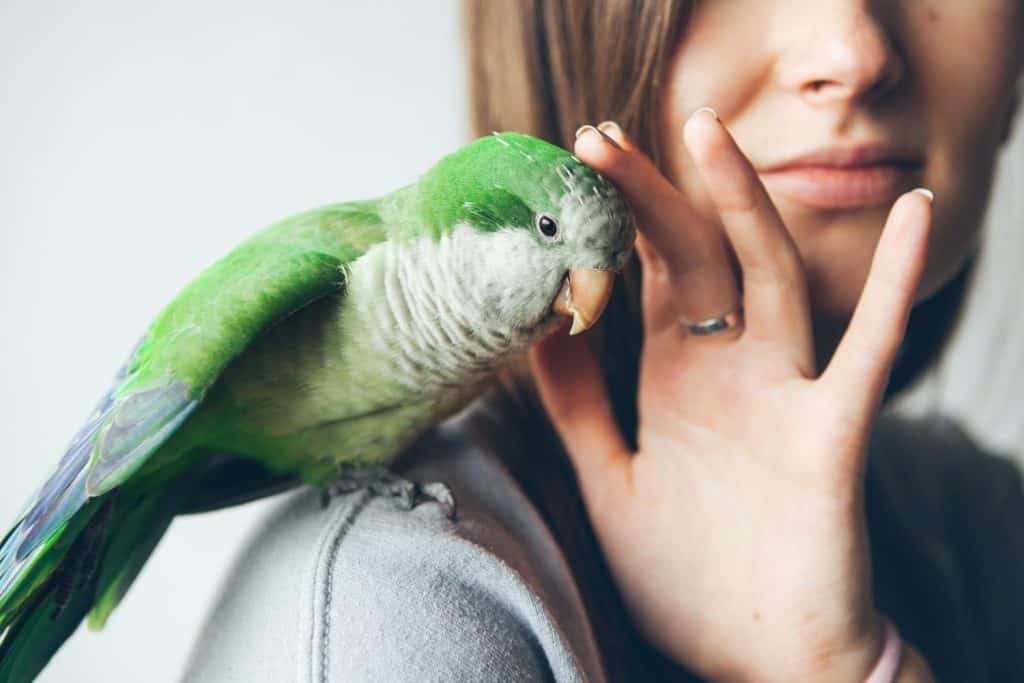
Birds do best with measured portions of food.
©Veera/Shutterstock.com
Birds also benefit from a structured approach to feeding. While many species will graze on seeds or pellets throughout the day, unlimited access to seed mixes can lead to selective eating and nutritional imbalance. Birds may pick out high-fat seeds and ignore healthier components. Offering measured portions and supplementing with fresh vegetables and formulated diets helps ensure a more balanced intake.
Reptiles
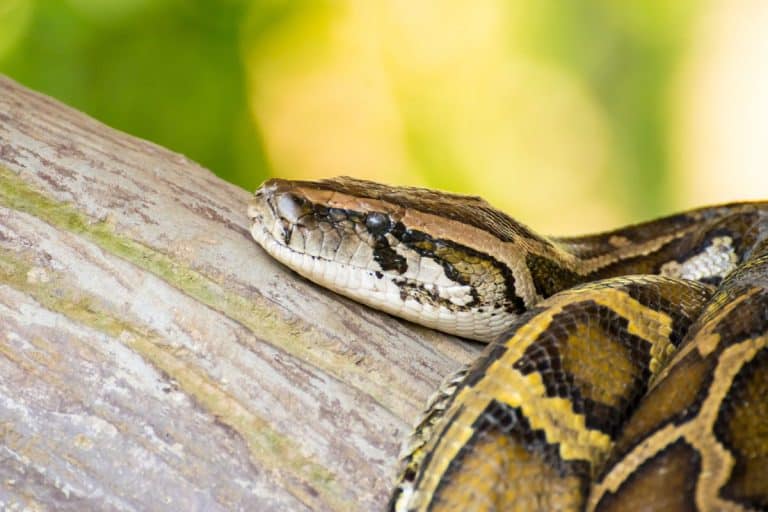
Reptiles require the most controlled feeding schedules. Unlike mammals and birds, many reptiles do not eat daily and have slower metabolisms. Feeding frequency depends on species, age, and temperature. For example, snakes may eat once every several days or even weeks, while some lizards require regular but carefully portioned meals. Leaving food in an enclosure for extended periods is often not recommended, as it can spoil, attract pests, or stress the animal.
Across all of these species, the key principle remains the same: feeding should be intentional and monitored. While some animals naturally graze, most benefit from measured portions that allow owners to observe appetite, prevent waste, and support long-term health.
Finding the Right Balance
For many dogs and cats, measured meals offer clearer benefits than an always-full bowl. Portion control supports healthy weight, makes appetite changes easier to notice, and adds useful structure to the day. A small number of pets can do well with carefully managed free-feeding, but most benefit from a planned routine. Working with a veterinarian to adjust calories and meal timing can make feeding simple and effective. With a thoughtful plan, mealtimes become a steady, positive part of each day.