
Quick Take
- A blackbird choosing your garden isn't random luck. His return visit is actually a verdict on what's happening beneath the surface of your soil. See what his visit signals →
- Most people's instinct to help garden birds backfires in a specific way, one that blackbirds are especially vulnerable to. Find out what actually helps →
- There's one small corner of your garden you're probably tidying away that's worth more to a blackbird than any feeder you could buy. Discover the habitat tip →
- His disappearance from your garden isn't a bad sign, though the real reason he left might surprise you. Understand his disappearance →
When a Yellow-Beaked Blackbird Claims Your Garden
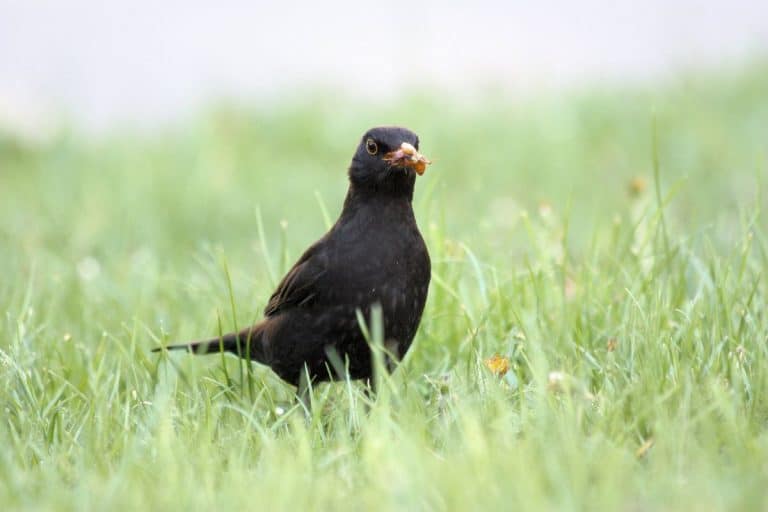
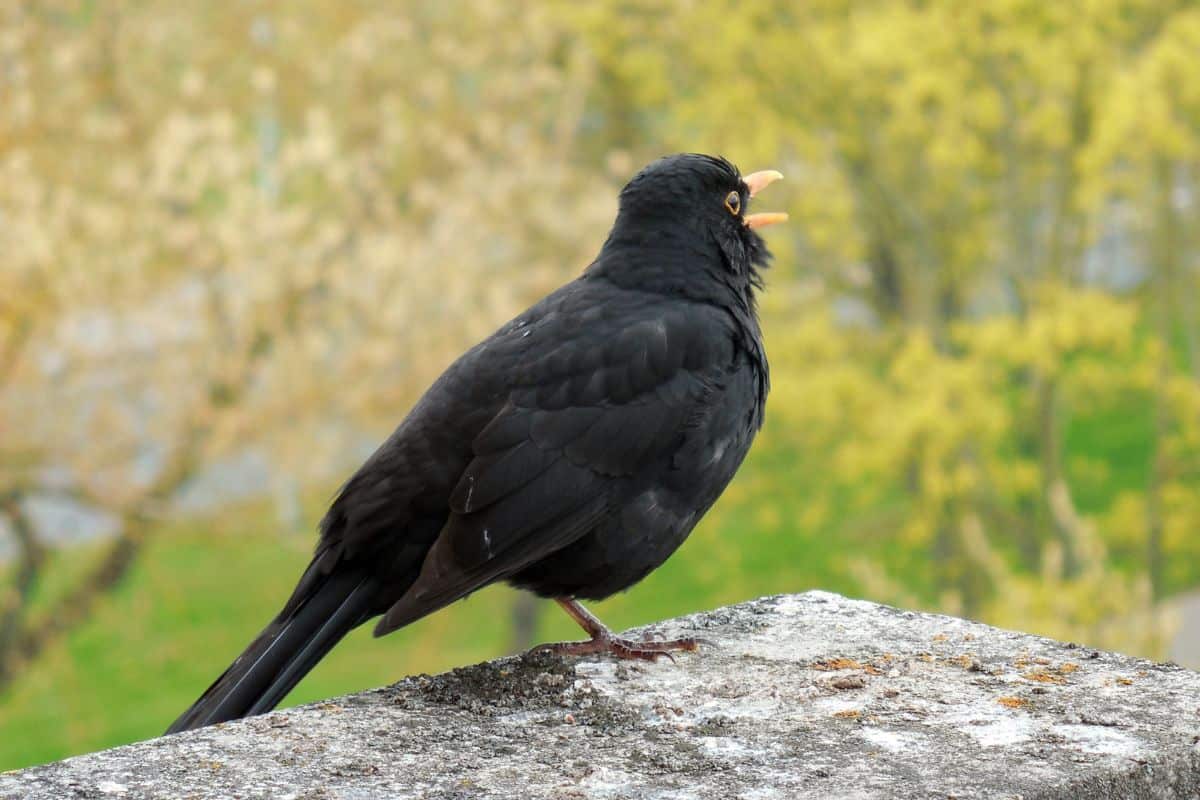
A moment of calm in the morning can be interrupted by a sudden flicker beneath a cherry tree, a blackbird, almost blue in the early sun, hops carefully through the grass. Its bright yellow beak stands out like a flash, an unmistakable sign to anyone watching. For many, this is a familiar guest: the male common blackbird. Its presence is more meaningful than it might first appear. The daily visit tells a story about the character of your own outdoor space.
Why This Visitor Returns, And What He Looks For
The male blackbird is easy to identify, especially in adulthood. His plumage is a striking, uniform black; his orange-yellow beak and the yellow ring around his eye light up at dawn. He moves with purpose, searching for food in dead leaves or across the lawn. This behavior is all about finding worms, insects, larvae, or the occasional berry. Female blackbirds, in contrast, appear in understated brown and have a duller beak. Young males can show darker bills for their first few months.
For many gardens, especially in France where research has been focused, the blackbird’s flute-like call is among the first heard at daybreak. He often sings from high perches to signal ownership of his territory and to attract a mate. His claimed area may stretch just a few hundred square meters, shaped by the amount of available food and the cover nearby. Even small gardens with hedges and patches of soft earth can host these birds. And often, the blackbird didn’t travel far, he likely spent the winter unseen just around the corner.
The Hidden Signs of a Living Garden
The presence of a blackbird comes down to three fundamentals: enough food, safe shelter, and a sense of quiet. Fallen leaves shelter delicate invertebrates, while hedges shield the birds from predators. A bit of water lets them drink or bathe. This isn’t any sort of omen, nor does it predict a coming change in weather as some old beliefs suggest. What it signals is something more ordinary, and valuable: local, everyday biodiversity. The evidence can be subtle, sometimes noticed only in the discarded feathers and early-morning song.
If you notice a blackbird visiting, paying close attention to his activity offers clues. He digs under shrubs for bugs, relaxes by a shallow dish of water, or sings boldly from rooftops. Leaving a patch of garden untamed, a mess of leaves, a few twigs, and loose soil, can provide the food he’s after. Not everyone manages such pockets of wilderness daily, but even a little makes a difference.
Welcoming Blackbirds: What Actually Helps
Many people respond to garden birds by putting out heaps of seeds. Yet the blackbird is much more interested in what’s already on the ground. Feeding too much can draw in larger, more aggressive animals, rats, pigeons, and dominant bird species. If you want to offer something extra during cold spells, a few pieces of overripe fruit like apple or pear can be useful, but remove any that begin to ferment. Avoid bread, milk, salty foods, or table scraps, which are all unsuitable for wild birds. In the end, a shallow dish of clean water changed regularly is often the best support you can give.
Spring brings extra chores. If your blackbird is visiting daily, it’s a good idea not to cut hedges too aggressively, in this season, he may be building a low nest in a denser bush. Keeping cats indoors at dawn and dusk, when birds feed most actively, can also help protect them during their most vulnerable hours.
The Blackbird’s Stay, And What It Means for Us
The appearance of a yellow-beaked blackbird doesn’t guarantee everything is perfect in your yard. Nor does his absence mean the space is lifeless. Construction noise, prowling cats, drought, or a recent round of hedge trimming can change a blackbird’s daily route. When he returns, probing the dirt and singing from familiar spots, it suggests your garden has achieved a rare but achievable balance, one where nature finds the resources it needs in a human environment. The blackbird is a true neighbor, not just decorative background. Observing his daily visits can open your eyes to the quieter dramas unfolding at ground level.
There’s quiet comfort in this bird’s loyalty. While daily life rarely pauses, and schedules grow crowded, hearing a blackbird’s song serves as a gentle reminder: nature follows its own timeline. That vibrant bill, gleaming in a patch of damp mulch, marks a blackbird in his prime, living out his social and territorial rituals. Soon he may nest in your hedge, or move to a different garden altogether. The point isn’t to keep him, but to leave the possibility open. Noticing these everyday visits, alone or with family, can transform an ordinary moment into a deeper awareness of the life outside your window.