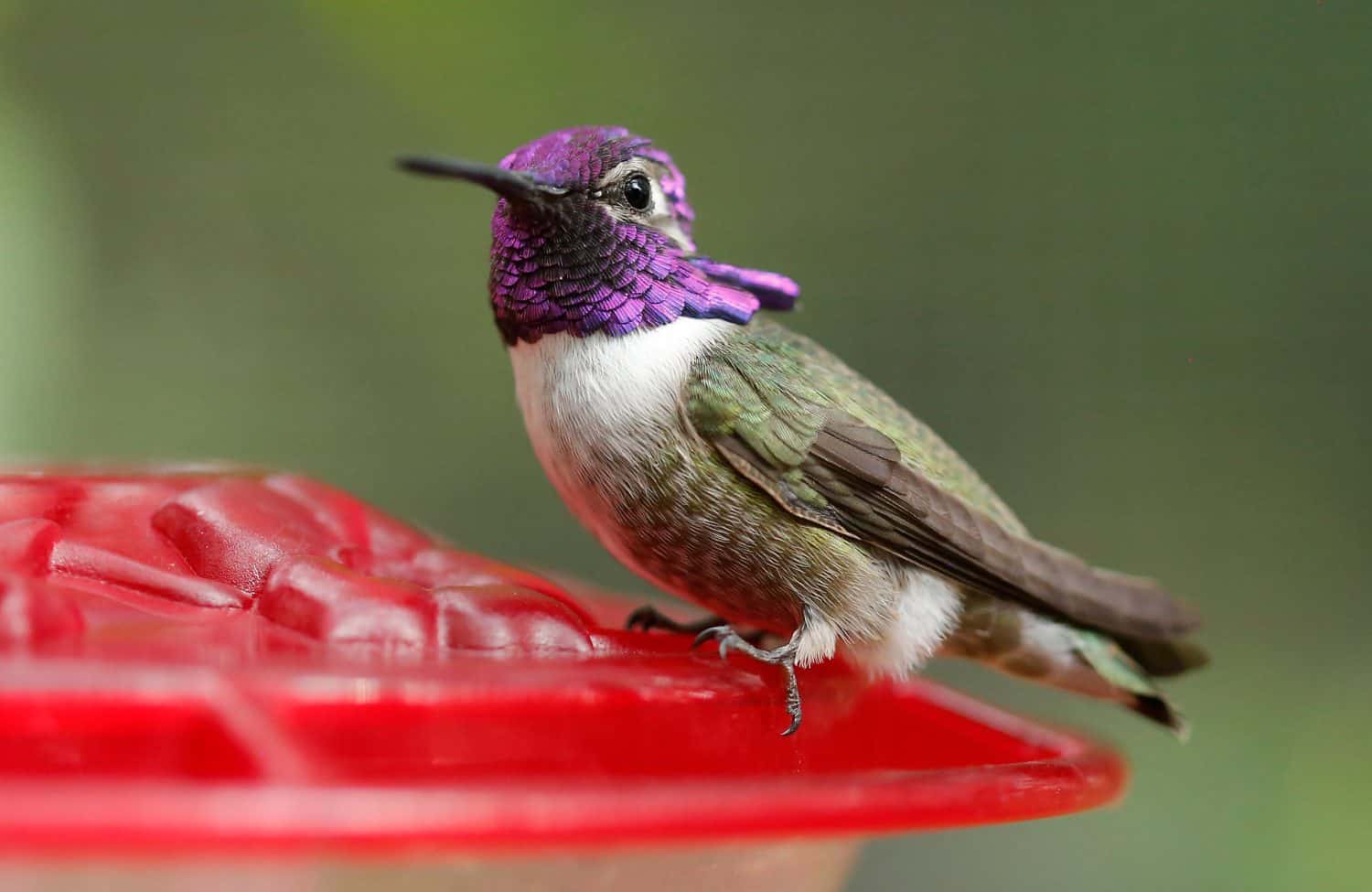

Quick Take
- Texas and Florida are the first states to see hummingbirds in the spring.
- As of 2026, the hummingbird migration is slightly ahead of schedule.
- Brightly colored feeders are more likely to attract hummingbirds to your yard.
- Plants that attract pollinators are also beneficial for hummingbirds and offer a place to rest.
After a long winter spent in sunny Mexico and South America, hummingbirds begin their long descent back north. By early March, their bright ruby throats are already gracing backyards throughout Florida and Texas. And by the end of the spring, many have made it all the way to the Northeast. Summer is right around the corner, but hummingbirds may need your help before then. Depending on your location, you might be putting out your hummingbird feeders too soon or too late to make a difference.
When to Put Out Your Hummingbird Feeder Based on Location
The first stop for hummingbirds is the Gulf Coast. They begin their migration before winter is fully over, which puts them in the vicinity of Texas and Florida by the first week of March. As of mid-March of this year, hummingbirds have already reached Georgia, Alabama, Mississippi, and Louisiana. Sightings of ruby-throated, Rufous, and black-chinned hummingbirds have also been seen throughout Texas. This state sees the most activity in early March, so Texans should ready their birdfeeders by the end of February.
By early April, these hummingbirds make their way through the Carolinas, the Midwestern states, and up through Maryland and Delaware. Depending on the year, a warmer spring might bring early migrations to these states. States in the central U.S. should have their bird feeders ready by late March. However, as of 2026, the hummingbird migration is running slightly ahead of schedule.
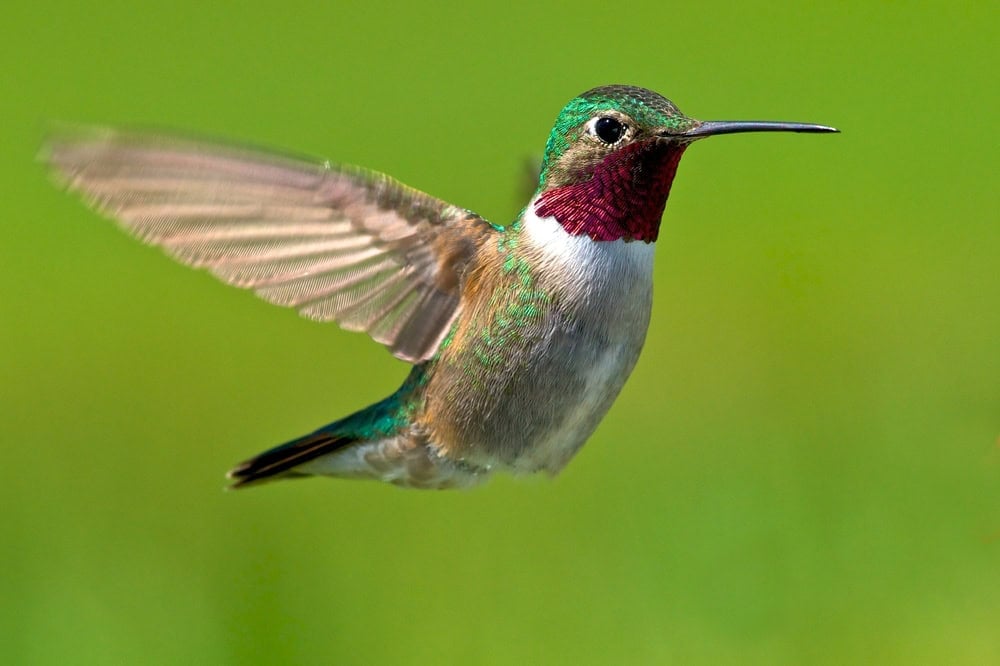
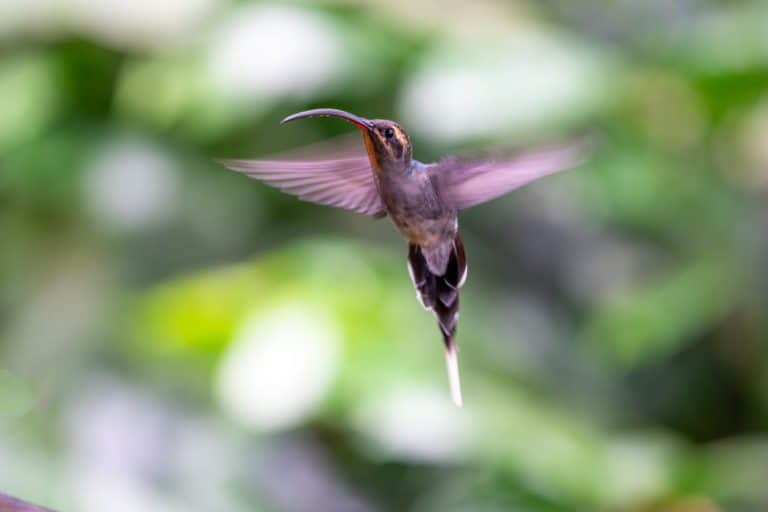
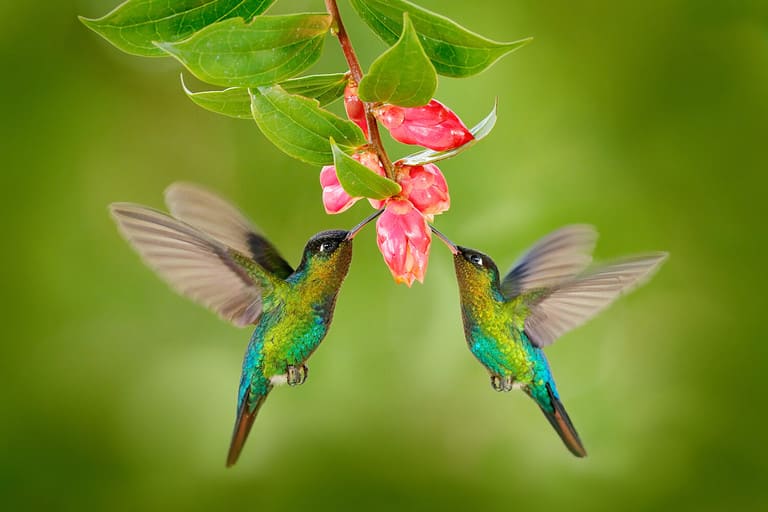
Ruby-throated hummingbirds are the most well-known along the East Coast and are frequently sighted in gardens.
©Dec Hogan/Shutterstock.com
The Northeast is the last region in the country to see hummingbirds. They arrive in the Northeast by late April to early May, and remain until late summer. Great Lakes States and New England should prepare their bird feeders at the end of April. From then, they should remain out until the early fall in the event of any late-season stragglers.
Note: Certain species, such as Anna’s Hummingbird, are year-round residents along the Pacific Coast due to the region’s temperate climate.
How to Attract Hummingbirds to Your Yard
Attracting hummingbirds to your yard is easier than you think. While it helps to live along their migration corridor, here are some things you can do to boost your chances:
- Create an Oasis: Hummingbirds are known for landing and leaving just as quickly. They’re gone in a flash if there’s nothing of use to them. Colorful bird baths and misters are exactly what they need on a hot summer day.
- Use Bright Colors: Hummingbirds have a heightened sensitivity to warm colors, including red, orange, and yellow. This helps them locate flowers and find your yard. Opt for bright red bird feeders to give them the best chance of attracting them.
- Plant a Butterfly Garden: The same flowers that attract pollinators also attract hummingbirds. Butterfly gardens are great for beneficial insects, but plants such as bee balm, honeysuckle, trumpet vines, fuchsia, sage, and salvia also draw birds. Brightly-colored flowers are also a great way to grab a hummingbird’s attention.
- Add Perches: Hummingbirds avoid confrontation, so it’s important to create a space for them away from other bird feeders. Adding colorful perches or shrubs for them to rest on is helpful.
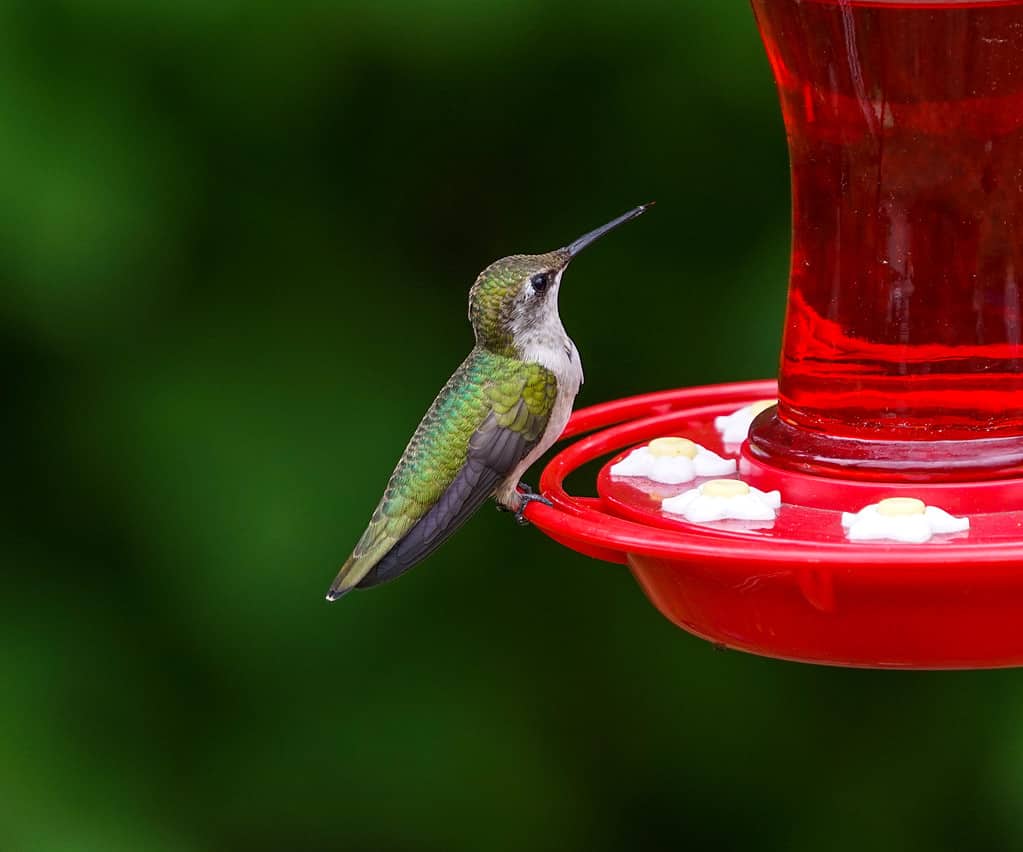
Red attracts hummingbirds, but birders should always use sugar water, not artificial nectar with red dye, for their home feeders.
©xphotoz/iStock via Getty Images
When creating a hummingbird habitat, one key thing to remember is patience. Hummingbirds are fickle and fleeting, but remember where they found food, water, or a place to rest. It’s also crucial to avoid placing feeders anywhere near pesticide use. This is not only toxic to birds but also harmful to other visiting bird life.
What to Feed Visiting Hummingbirds
If there’s one thing to know about feeding hummingbirds, it’s this: Avoid artificial nectar. Now that it’s hummingbird season, many stores offer premixed hummingbird food. While this is easy and convenient, it’s not easily digestible. Hummingbirds are drawn to the color, but it contains artificial compounds that could harm the birds. Additionally, this nectar has been known to promote bacterial growth if not replaced often and can potentially sicken birds. In rare but severe cases, hummingbirds could die from dirty feeders or too much artificial nectar.
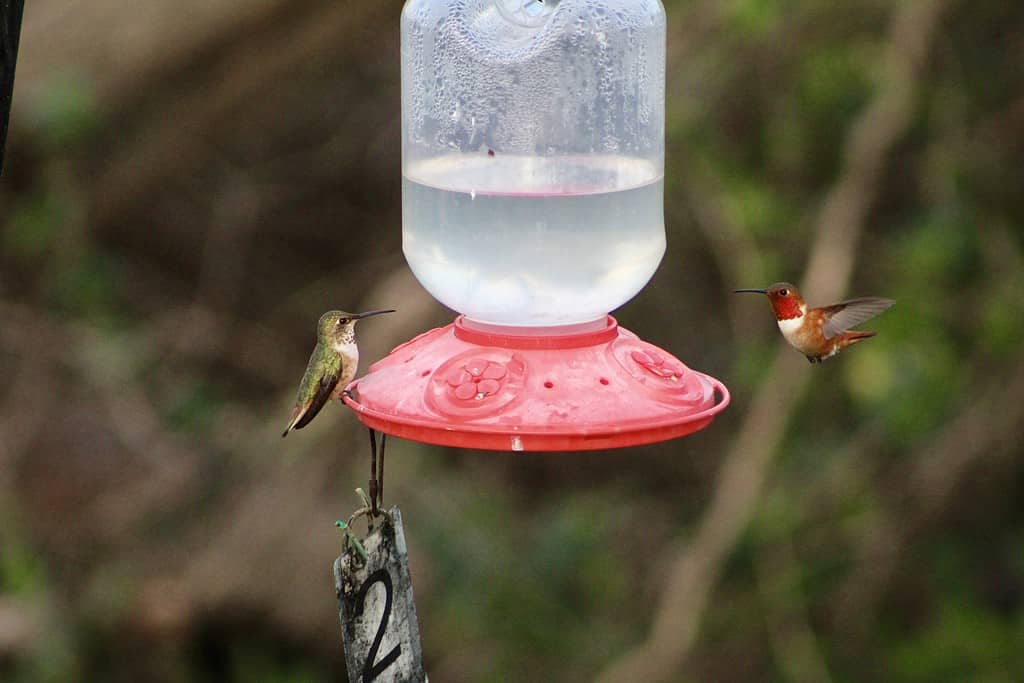
Sugar water should be changed frequently (every 2-3 days, more often in temperatures above 80 degrees Fahrenheit) to prevent bacterial growth.
©Joseph Tointon/iStock via Getty Images
The good news is that making your own natural sugar water is simple. Cornell Lab recommends using 1/4 to 1/3 cup of sugar, mixed with 1 cup of water. On hot days, it’s best to keep the sugar at 1/4 cup. On rainy, cold days, you can add 1/3 cup. While it’s not necessary to adjust your ratio based on the weather, it’s especially helpful for hummingbirds seeking nutrients. The higher the sugar content, the more likely hummingbirds will gravitate toward your feeder.
When mixing sugar water, avoid using honey, molasses, raw sugar, or artificial sugars, as they can be toxic to birds. As an added bonus, making your own sugar water is typically cheaper than store-bought. Birders should also avoid using red food dye, as this can potentially harm birds and prevent them from seeking out real (flower) nectar.
The Best Types of Hummingbird Feeders
When it comes to choosing a hummingbird feeder, simplicity is the key. There are many fancy feeders out there, but they come with a caveat: being difficult to clean. Since hummingbird feeders hold sugar water rather than birdseed, they need regular cleaning with a vinegar-and-water solution. The easier the feeder is to clean, the less likely it is to spread bacteria to hungry hummingbirds. When choosing a feeder, ease of cleaning, size, and color should all be high on your list.
Good All-Around: Aspect, Inc. Classic HummZinger
Aspects, Inc. makes hummingbird feeders that check all the boxes. You can choose from their HighView Line, which features a decorative appearance, classic feeders, or window feeders. For beginners, the classic line is the best option. These flat, oval-shaped feeders feature removable covers that can be cleaned, with an attachable bowl that’s easy to wipe out. They also come in four different sizes, depending on how often hummingbirds frequent your yard. They range from $17.96 to $49.95 for Ultra feeders, so there are options for any budget.
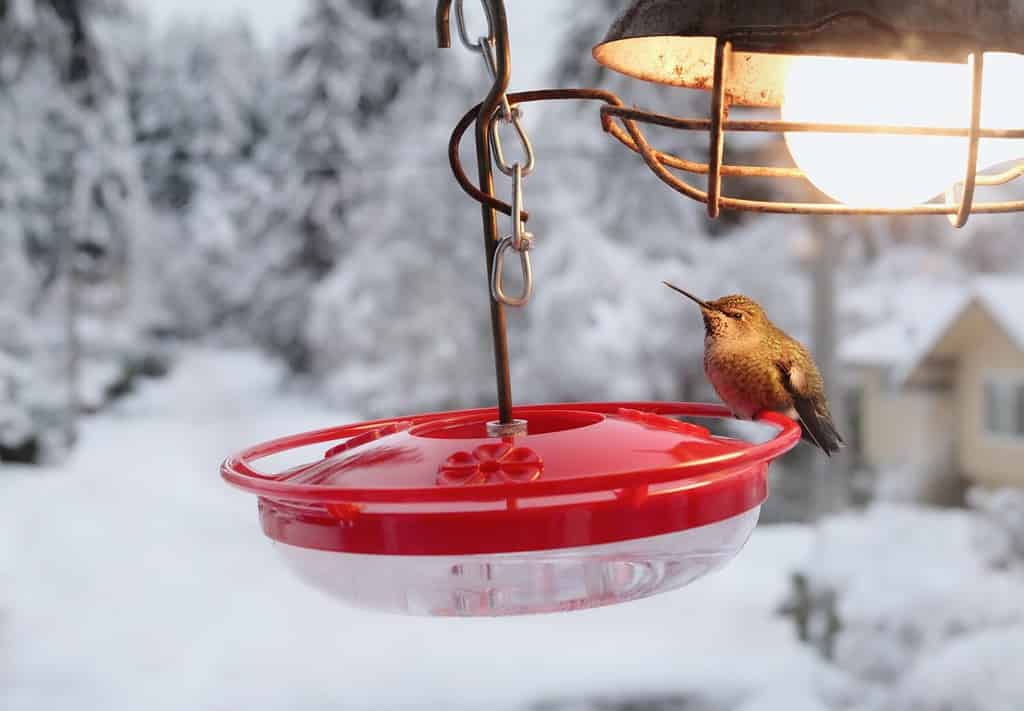
Flat feeders, such as the one by Aspects, Inc., offer easy cleaning and plenty of perching space.
©sophiecat/Shutterstock.com
Bug-Proof and Aesthetic: More Birds Diamond Glass Hummingbird Feeder
For those seeking a feeder that looks high-end, the glass hummingbird feeder by More Birds is it. This feeder features an ant-proof moat, which keeps ants and other pests out of the sugar water. It also holds sugar water in a vertical tube, allowing hummingbirds to perch around the bottom while gravity draws nectar down. It’s BPA-free and recyclable, with a wide-mouth opening and detachable base for easy cleaning. For $27.49, this 4.3-star feeder is a great option for any backyard.
Budget-Friendly: First Nature Hummingbird Feeder
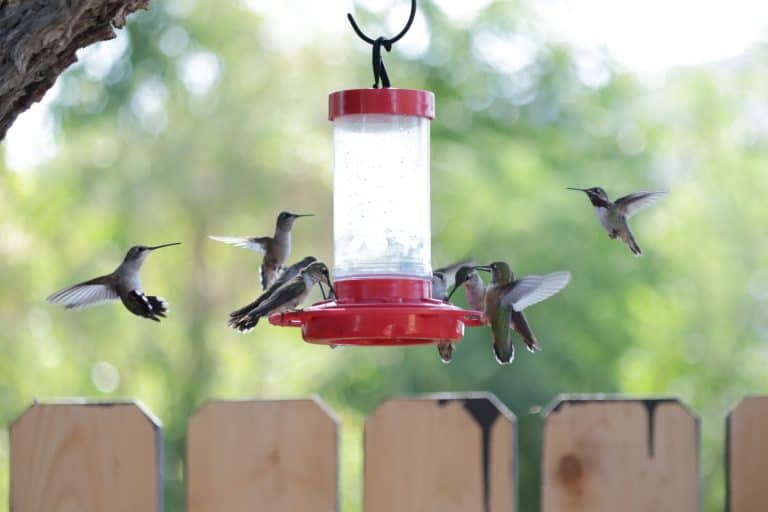
The First Nature feeder is made of plastic, which makes it an excellent budget-friendly option. Its detachable base is easy to clean, and you can choose from three different designs. Each one comes with a strong hook for hanging and holds up to 16 ounces of sugar water. This feeder is also commonly found in hardware stores and garden centers. Prices range from $8.90 to $10.90, making this the most affordable feeder overall.