
Quick Take
- The same gene that gives satin guinea pigs their stunning coat can quietly trigger something far more serious, and this is true not just in guinea pigs with shiny fur. Understand satin syndrome →
- That behavioral change you might chalk up to personality could actually be your satin guinea pig signaling something urgent. See behavioral differences →
- One common bedding choice most guinea pig owners default to could be quietly harming a satin guinea pig every single day. Check bedding recommendations →
- Satin guinea pigs need vet visits on a schedule that would surprise most small-pet owners, and skipping even one could matter more than you might expect. See the vet schedule →
The satin guinea pig is known for its beautiful glossy coat, which shimmers because each hair has a hollow shaft that reflects light. This unique trait can appear in any guinea pig breed, whether long-haired or short-haired. While they are certainly striking, satin guinea pigs also have unique health concerns that potential owners should be aware of. In this article, we’ll discuss everything there is to know about satin guinea pigs, including satin syndrome, care advice, and what to consider before adopting one.
#1: Satin Syndrome in Guinea Pigs
The satin trait in guinea pigs is caused by a recessive gene often referred to as the satin gene. Unfortunately, the satin gene can also cause a disease called satin syndrome, which is incurable and has a poor prognosis. Not all satin guinea pigs will develop satin syndrome, but they are at greater risk. Even guinea pigs without satin coats can develop the disease if they carry the recessive satin gene. Satin syndrome can be seen in animals ranging from a few months to five years of age or older, though some sources note it is more common in animals under two years old. The most common symptom is osteodystrophy, which causes a guinea pig’s bones to become brittle due to the inability to absorb calcium.
Symptoms include pain, gait changes, lifting one leg in the air, weight loss, difficulty eating due to a weakened jaw or teeth, increased thirst and urination, sunken eyes, and tiredness. There is no cure for satin syndrome, so the focus is on allowing the guinea pig to live its life as comfortably as possible. Early detection and treatment can help you give your guinea pig a longer lifespan and a better quality of life.
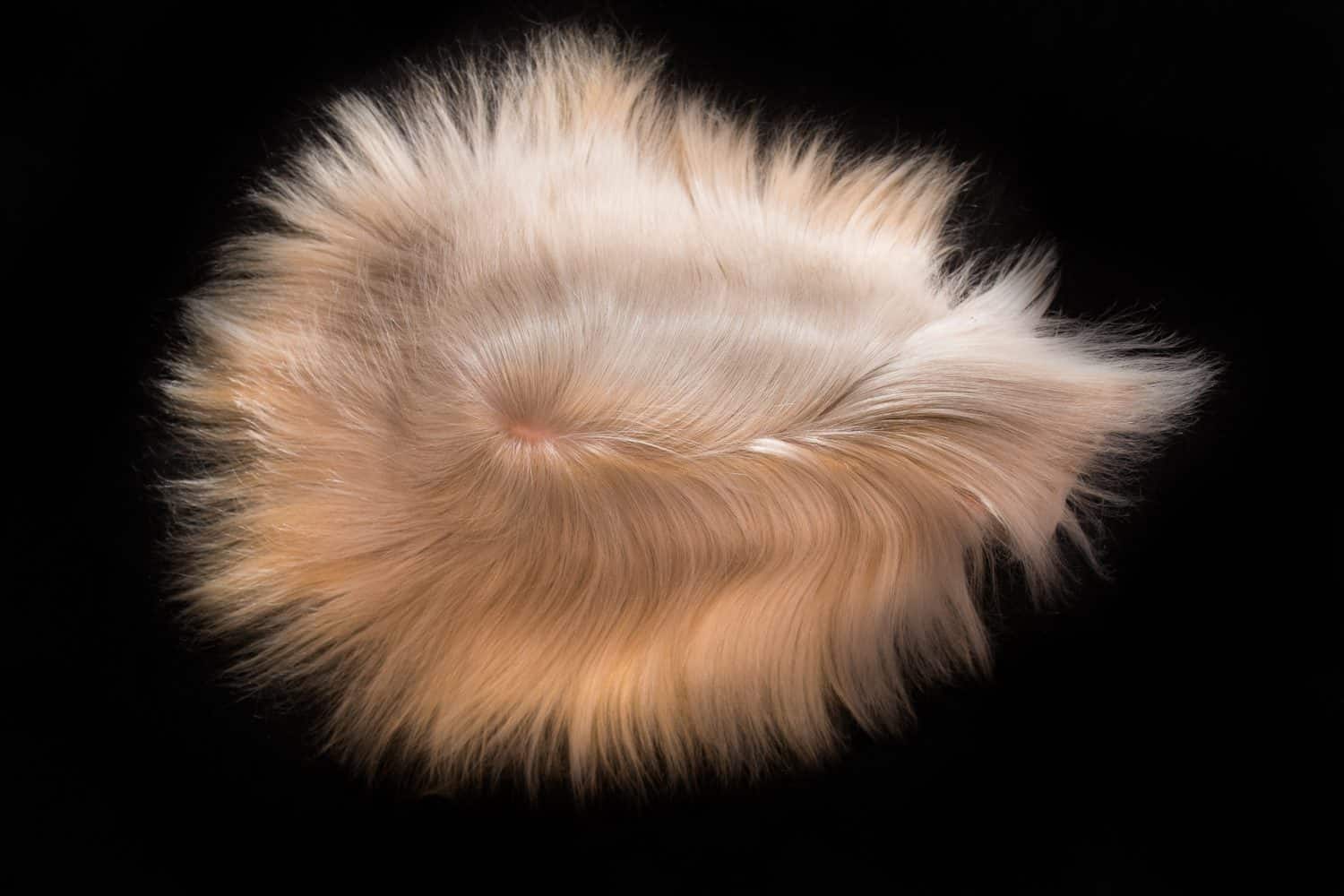
Satin guinea pigs have shiny fur caused by hollow hair follicles.
©EBPhoto/Shutterstock.com
#2: How Satin Guinea Pigs Differ from Other Guinea Pigs
The care and behavior of satin guinea pigs are the same as that of other guinea pigs. The main difference is in their shiny coat. While regular guinea pigs have solid hair shafts, satin guinea pigs have hollow hair fibers that reflect light. Satin hair is more brittle, so long-haired satin guinea pigs have more breakages. However, satin guinea pigs generally have more hair than regular guinea pigs.
Satin guinea pigs are prone to calcium deficiencies. Due to chronic bone and joint pain, satin guinea pigs that have satin syndrome can sometimes be more aggressive, anxious, and aloof than regular guinea pigs. They can be smaller than guinea pigs without satin factor and may also have mild motor dysfunction. Satin guinea pigs are also more prone to skin infections and parasites like lice and mites due to their hair structure.
#3: How to Care for a Satin Guinea Pig
For the most part, care for your satin guinea pig is the same as with any guinea pig, but you will need to pay special attention to their bones and teeth. Ensure they have unlimited timothy hay, daily dark leafy greens, and Vitamin C via pellets or supplements. Since they have issues absorbing calcium, your veterinarian may also prescribe calcium supplements.
Satin guinea pigs may have mobility challenges, so keep all food and water accessible at floor level so they do not have to climb any ramps. Use padded, soft fleece bedding instead of wood shavings to prevent foot sores and provide extra cushioning for their joints.
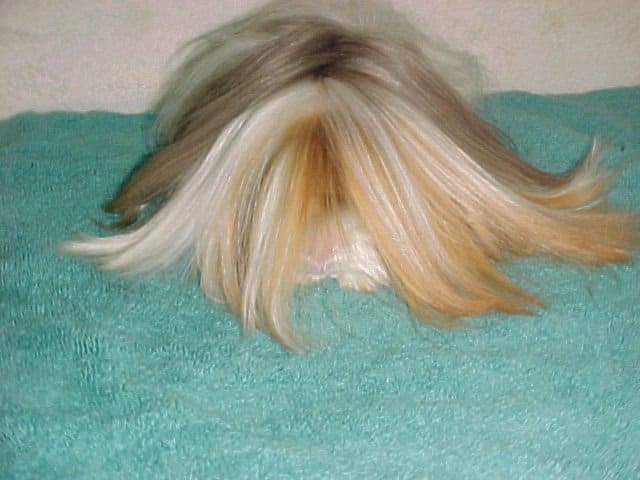
Satin guinea pigs need soft bedding due to pain and mobility issues.
#5: How to Perform At-Home Health Checks
Illness progresses very quickly in guinea pigs, so monthly at-home health checks are necessary. Some people prefer to perform weekly checks to monitor their guinea pigs’ health better. Weigh your satin guinea pig every two weeks and keep track of their weight for your veterinarian. Check for common signs of illness, and keep up with grooming tasks such as nail trims and ear cleanings.
Between health checks, you should monitor their food intake, the frequency and appearance of their bowel movements, and their breathing to ensure it isn’t labored, rapid, or slow. This doesn’t replace regular vet visits, but it helps you detect issues early so you can get your guinea pig medical assistance.
#6: How Often Satin Guinea Pigs Need to See a Vet
Regular guinea pigs should visit the vet at least once a year. However, if your guinea pig has satin syndrome, they’ll need closer monitoring. Even if your satin guinea pig is healthy, they should see an exotic pet vet every six months for a check-up.
Of course, they should also visit if you notice symptoms of illness, including sitting in a hunched position, weight loss, dental problems or teeth grinding, skin conditions, vocalizing when touched, and changes in temperament. As satin syndrome can be very painful, you should also consult your veterinarian about pain management.