
Quick Take
- Bats have lost a majority of their fat reserves when they wake in March.
- If bats wake before March, they face starvation due to a lack of food.
- Bats have been afflicted by white-nose syndrome, a disease killing millions of bats since it was first discovered in the U.S. in 2006.
- Bats have a high metabolism that requires them to eat large volumes of food frequently.
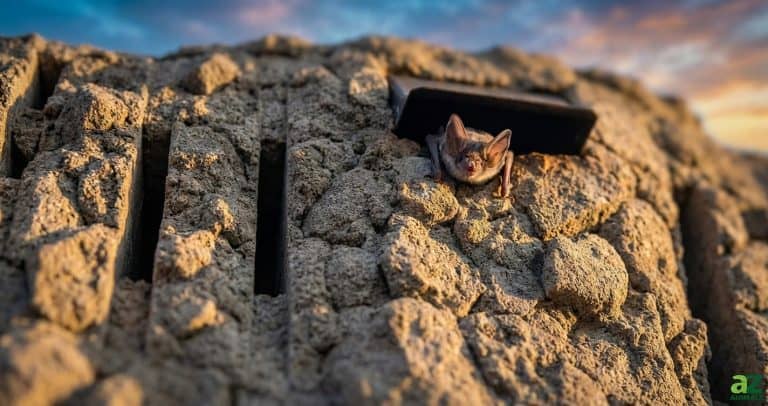
With the arrival of March, spring is just around the corner, flowers begin to bloom, and the sun shines a bit longer and brighter than it has in months. During this time, wildlife becomes more active. This is especially true for bats, as they start to wake up in March. But why is this the ideal month for these flying mammals to emerge? This article covers what happens to bats in March and what not to do if you encounter them.
Why Bats Start to Wake Up in March
March signals the return of spring. However, it also signals the return of bats, which have spent the winter hibernating and waiting for warmer weather.
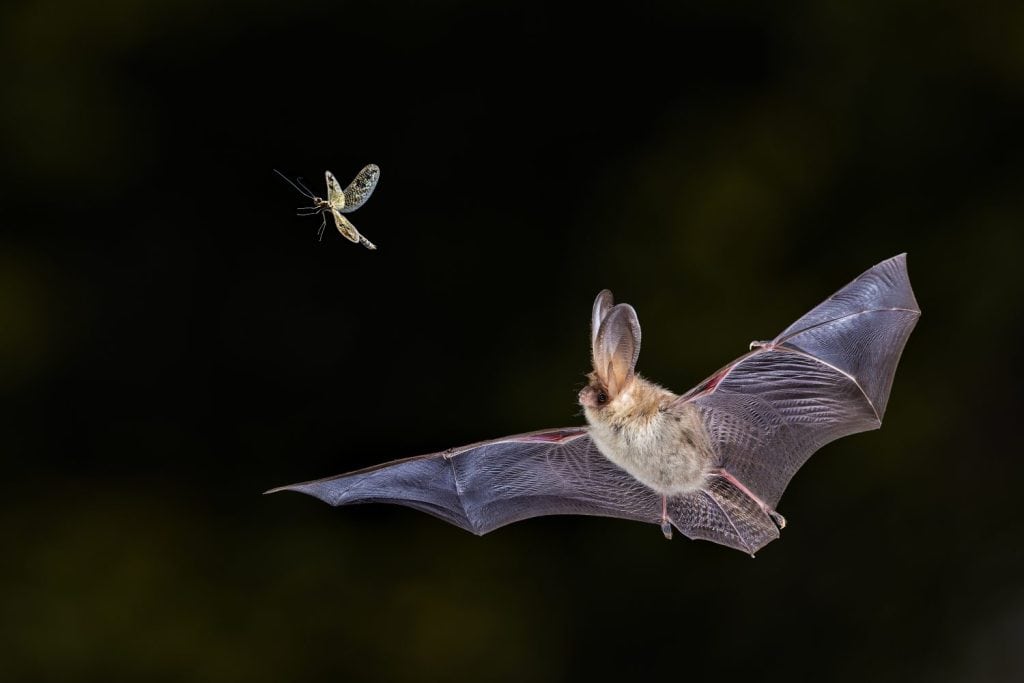
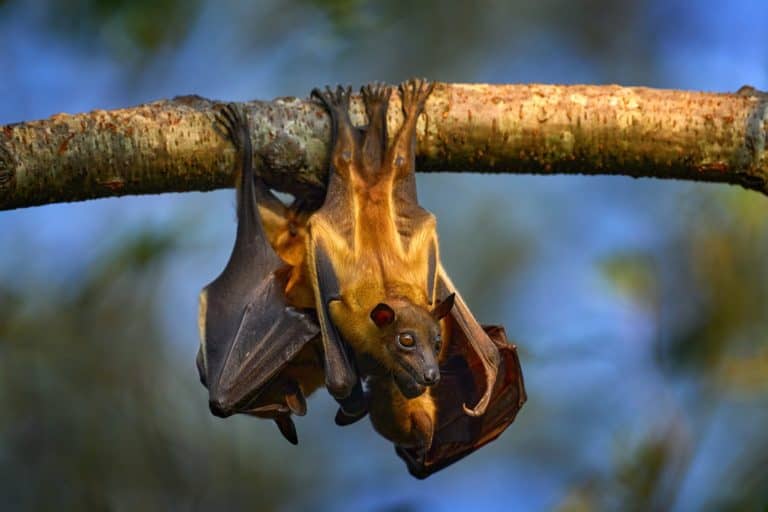
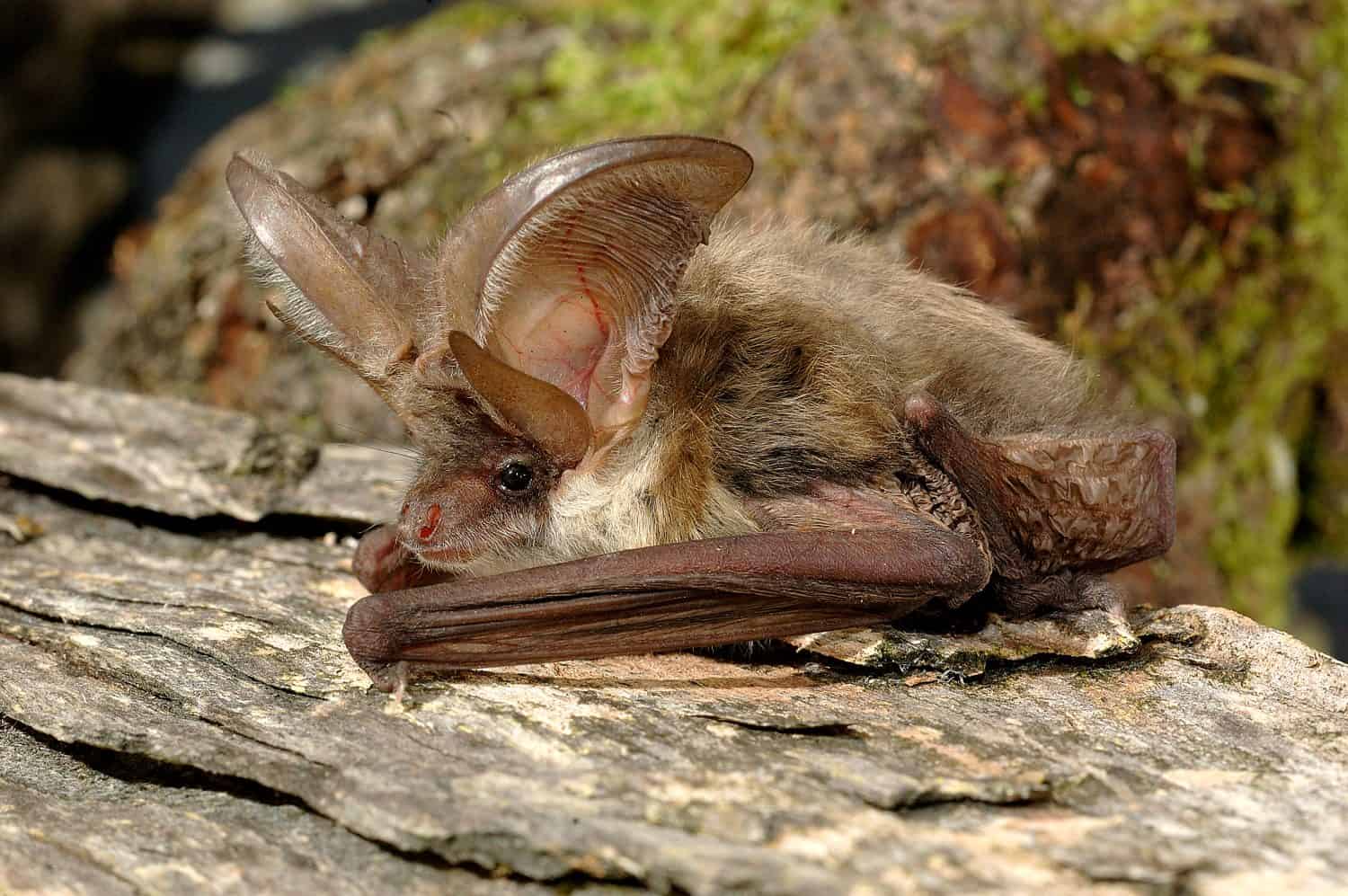
Bats end hibernation in spring when bugs again become plentiful.
©Rudmer Zwerver/Shutterstock.com
Bats hibernate, or enter a state of torpor, during the winter, when their food sources begin running scarce. Insects, which are a huge part of bats’ diets, disappear during the colder months. Were they to remain active through the winter, bats would die due to their high metabolic rates that require them to eat often.
When bats emerge from hibernation, they have depleted their fat stores. As March advances, they are seen frequently at dusk eating the insects that have once again become abundant. Female bats are also roosting at this time, getting ready to give birth. They work hard to replenish their fat stores before the arrival of their pups, as they will need plenty of energy to nurse their young. If food is not available, they will not survive.
Why Some Bats Migrate and Others Hibernate
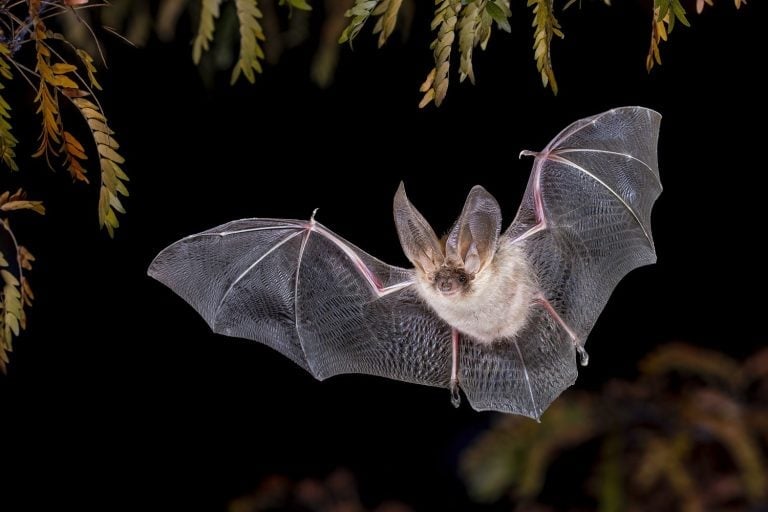
Each species of bat is different. Some choose to hibernate, while others migrate. But the reasoning behind both behaviors is the same: availability of food. When temperatures drop, food sources vanish. While some species fly to warmer areas where meals are plentiful, others rest until their steady diet of bugs becomes available again.
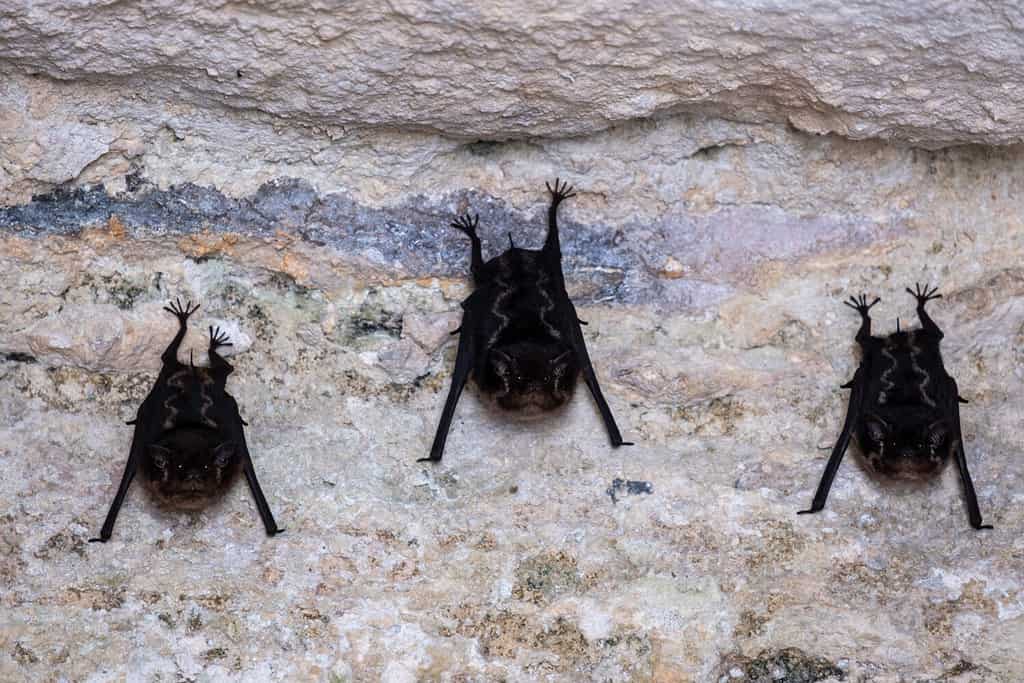
Some bats hibernate, while others migrate, both of which are related to food supply.
©LP Production/Shutterstock.com
Neither hibernating nor migrating is better or worse than the other. Each is a survival tactic. Either way you look at it, regions of the United States will experience an influx of bats during warmer weather. The difference is that some bats are returning from a long migration, while others are waking from a long period of inactivity. The commonality is that both will be hungry and ready to feast as warmer weather returns.
When Warm Weather Causes Bats to Wake Too Early
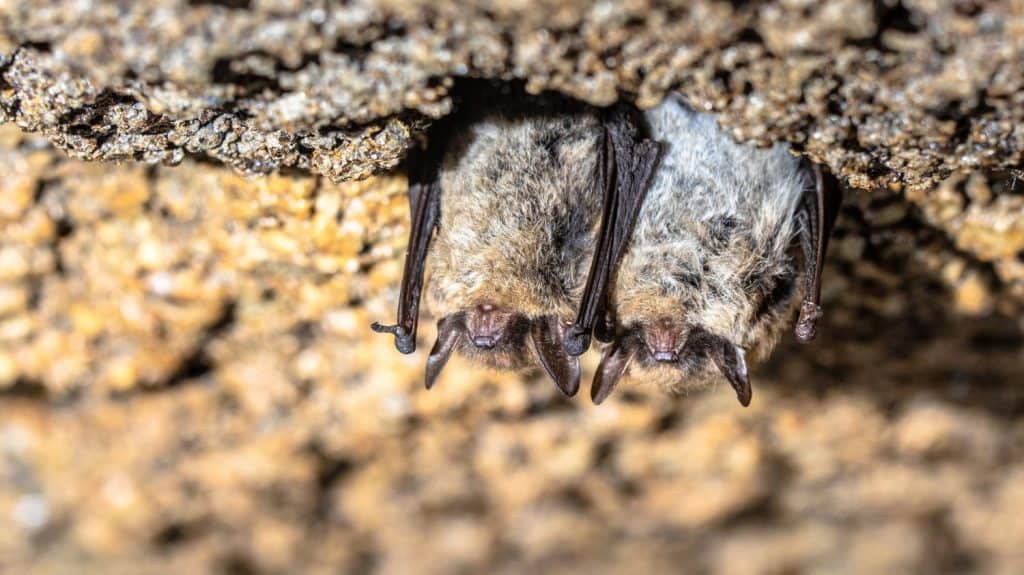
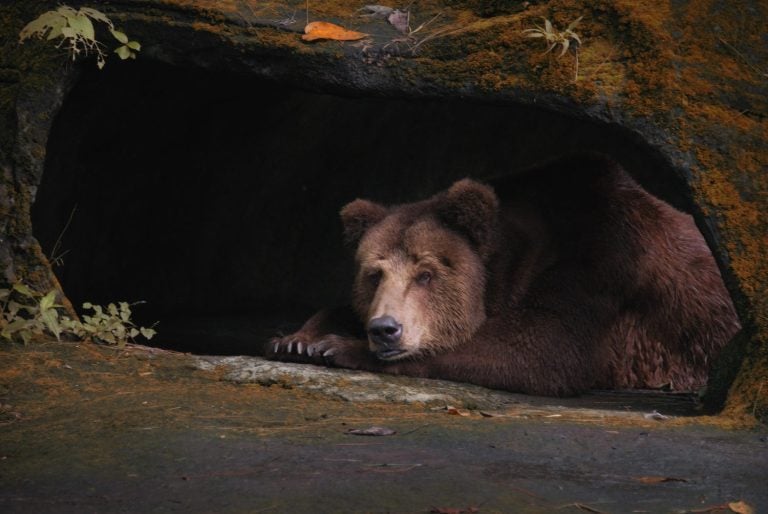
If bats wake too early from hibernation, they face starvation.
©Rudmer Zwerver/Shutterstock.com
Brief temperature increases can sometimes cause bats to emerge from hibernation too early. When this happens, it can be devastating to the tiny mammals. When bats hibernate, they drastically slow their heart rate and metabolism, allowing them to go months on end without eating or drinking and still survive. But when they wake, their metabolism returns to normal and they are in need of sustenance. Without it, they starve.
If bats emerge from hibernation before the arrival of spring, no bugs will be available for them to consume. There may even be a lack of drinking water. With their high metabolic rates, bats need to eat large quantities of insects frequently. When their menu is absent, bats will quickly deplete what fat stores they have left and die. This is why periodic warm spells throughout the winter can be devastating for bats.
How Has White-Nose Syndrome Affected Bats in Some Regions of the U.S.?
As bat species across the United States enter hibernation, they face an ongoing threat. It’s not a predatory animal that targets them. Instead, it is a silent, yet deadly disease. This illness, called white-nose syndrome, has killed millions of bats over the last two decades.
Since 2006, and potentially earlier, white-nose syndrome has affected bats across multiple species. The disease causes white fungus to grow on the bats’ muzzles and wings. As the disease attacks, energy stores are depleted twice as quickly as those of uninfected bats. Consequently, these sick bats awaken earlier. Many will starve before spring arrives to save them.
White-nose disease has caused some bat populations to decline by 90% over several years. Because of this, species such as the northern long-eared bat are now protected under the Endangered Species Act. Others, like the little brown bats and the tri-colored bats, may not be far behind.
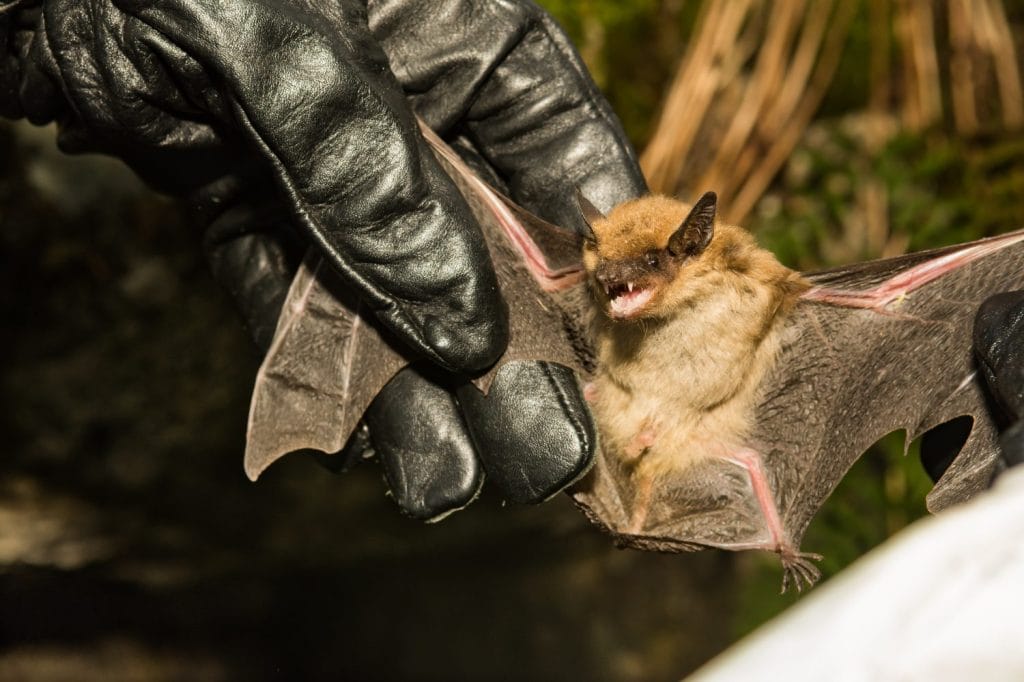
Bats are frequently checked to see if white-nose syndrome, a disease that has killed millions of bats, has spread.
©Jay Ondreicka/Shutterstock.com
Since being discovered in New York, white-nose syndrome has led to the deaths of millions of bats in the U.S. The disease has also spread from the East Coast to more than 40 states nationwide. The bats that have been confirmed as having diagnostic symptoms of white-nose syndrome include:
- Big brown bat
- Western long-eared bat
- Gray bat
- Eastern small-footed bat
- Little brown bat
- Northern long-eared bat
- Indiana bat
- Fringed bat
- Cave bat
- Long-legged bat
- Yuma bat
- Tri-colored bat
Other bat species have also tested positive for white-nose syndrome, but they did not have any symptoms.
As bats continue to disappear, their ecosystems suffer. While there has yet to be a cure for white-nose syndrome, scientists continue to develop experimental treatments that show promise. The hope is that one of these treatments will prove to be fruitful before too many more bats needlessly perish from the devastating disease.
Why Bats Are Important to Their Ecosystems
Bats are keystone species in their ecosystems. This is why when white-nose syndrome dramatically decreases populations, habitats suffer.
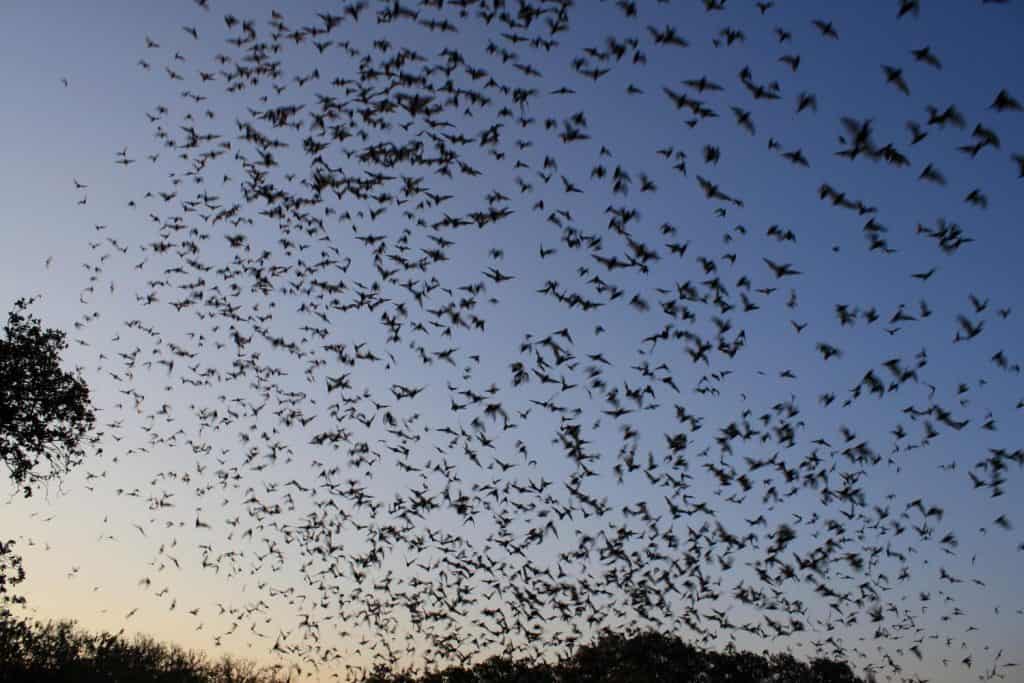
Bats are important to their ecosystems because they are a keystone species.
©freelancerChrisSobalvarro/Shutterstock.com
Despite being such an important part of ecosystems worldwide, bats continue to be feared. Perhaps, if more people understood the benefits of these remarkable creatures, bats might be revered instead. Bats are:
- Pollinators
- Seed dispersers
- Controllers of insect populations
- Ecosystem indicators
Even the guano dropped by cave-dwelling bats is important, as it supports insect species, which in turn support smaller animals, who then support larger animals in the food chain. If bats were to disappear, there would be a large hole in the food web, and many species would not survive. Therefore, they should not be seen as scary. Bats should instead be seen as protectors of ecosystems.
What To Do If Bats Are Located in and Around the Home
As bats emerge from hibernation and return to regions of the United States where they are known to frequent during the warmer months, homeowners may encounter these winged creatures. In most instances, this means watching the bats as they fly around in the evening. Occasionally, this can mean literally coming into contact with a bat. When this happens, certain protocols must be followed to protect both the bat and those who want to save it.
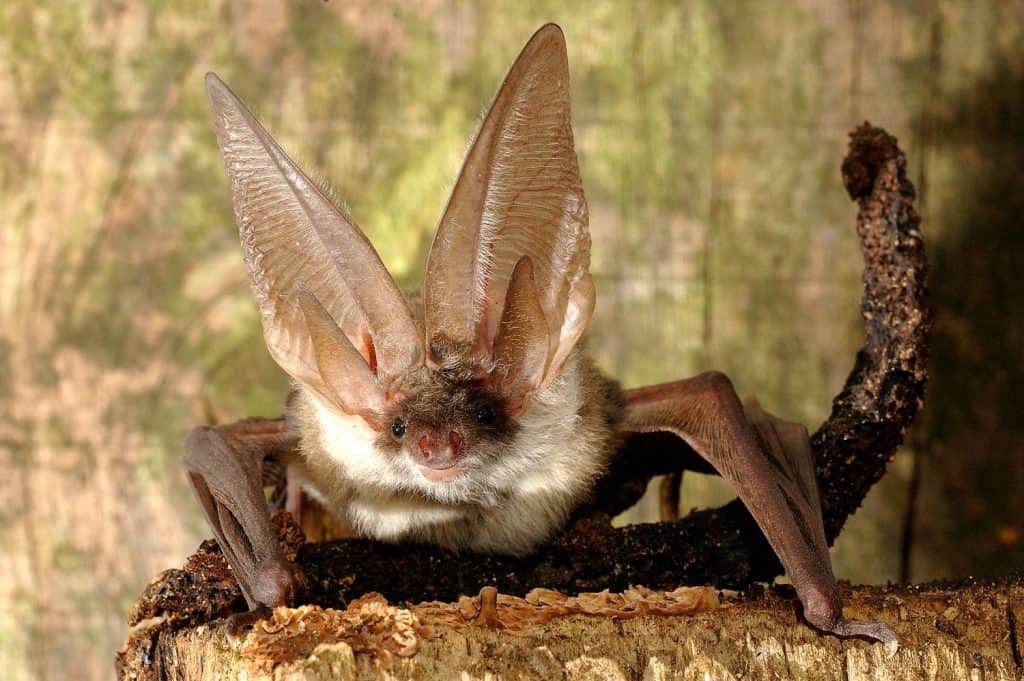
Bats should not be handled unless protective clothing and gloves are worn, and wildlife organizations should be contacted to rehabilitate them.
©COULANGES/Shutterstock.com
If a bat is found alone on the ground, here are things homeowners should never do:
- Do not use bare hands to handle the bat
- Do not lift the bat into a tree
- Do not help the bat to fly
- Do not take the bat into the home to care for it
- Do not take the wait-and-see approach
Bats found alone and not flying may pose a health risk. Consequently, it is always best to remember to wear protective clothing and gloves if you are going to handle a bat. In all situations, it is best to contact a wildlife rescue as soon as possible. Because bats have a high metabolism, the longer they are down and not feeding, the worse their chances of survival.
Additionally, it is best not to feed bats either. If they appear dehydrated, provide a very shallow dish with a small amount of water. Specialized care is required for sick or injured bats. Therefore, do not try to care for bats on your own. Always reach out to an organization that can give the little guy the care it needs to be returned to the wild.